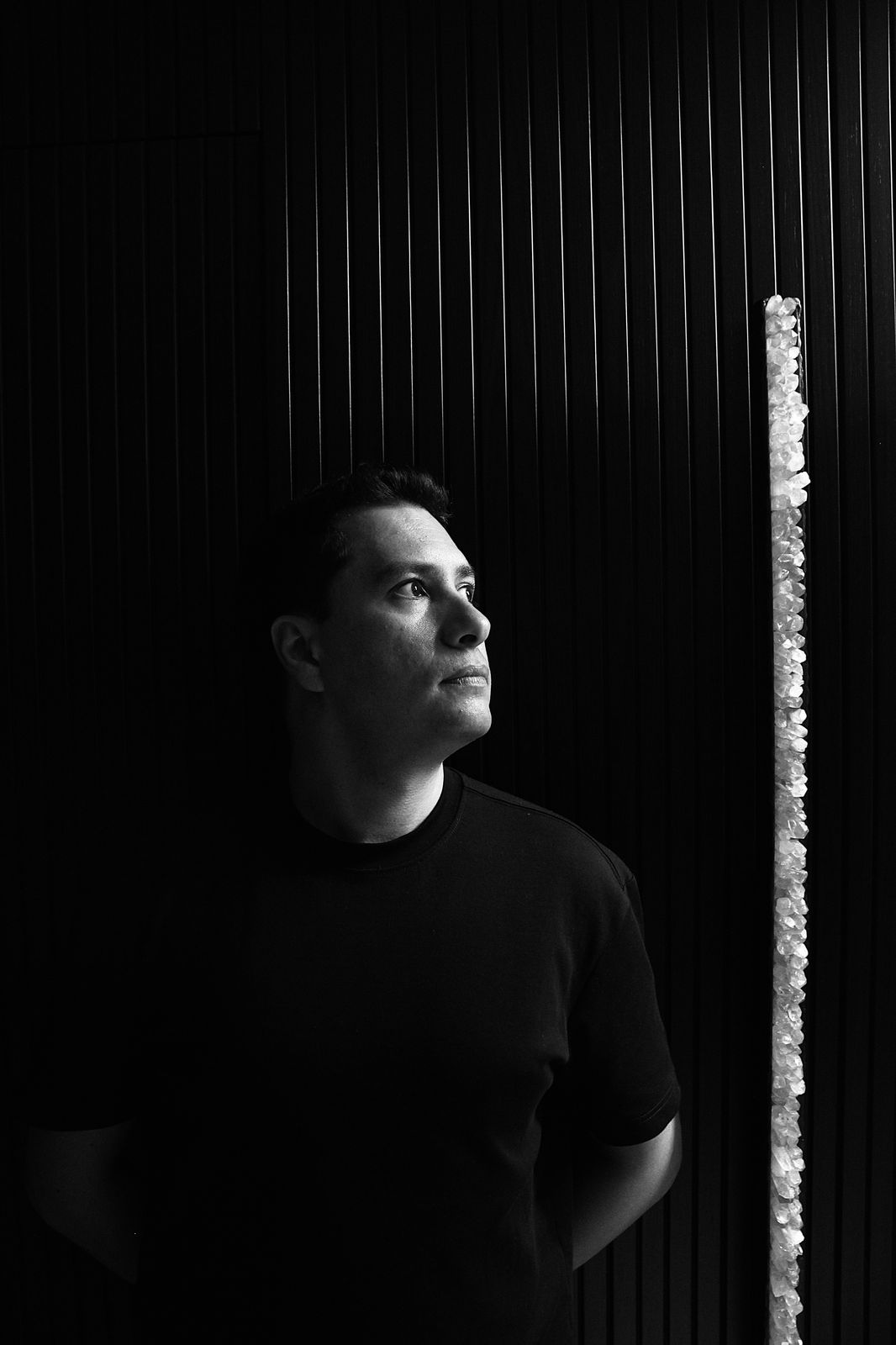
I was born in Genoa, Italy. I grew up in a small town by the sea nearby, and when I was eighteen, I moved to Milan to study. Here I had my first work experience, and it is in Milan that I now have my workshop.
MAGAZINE · INTERVIEW
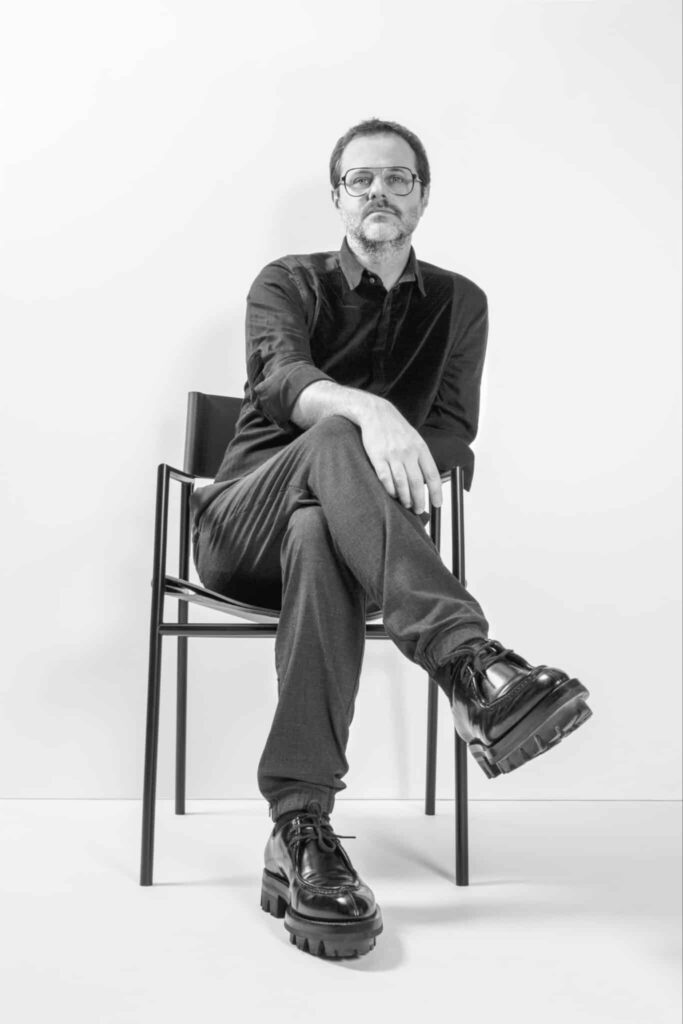
Simone Fanciullacci
Simone Fanciullacci is an Italian designer whose practice explores the intersection of craftsmanship, technology, and material experimentation. Based in Milan, he creates collectible furniture, lighting, and sculptural objects distinguished by their expressive forms, tactile surfaces, and refined material language. Rooted in an experimental approach to making, his work investigates how traditional craftsmanship and contemporary production techniques can coexist, transforming familiar materials into unexpected and timeless forms.
Working across collectible design, interiors, and installations, Fanciullacci collaborates with artisans, manufacturers, and creative studios to develop projects that balance technical precision with sculptural expression. Guided by a constant process of research and prototyping, his practice celebrates curiosity, innovation, and the dialogue between form, material, and space, resulting in works that blur the boundaries between functional design and contemporary sculpture.
Let's know more about
Interview
Where were you born and where are you from?
What is your first memory connected to the art world?
Although they do something else, everyone in my family is an art lover, and there have always been many books to browse through. My earliest memory, however, concerns my mother, who, while I was doing my homework sitting at the kitchen table, painted and sewed little puppets for my brother and me.
Have you always worked in the art/design field?
I work as a product designer for several companies. I have worked as a jewellery designer, and in recent years I have found space to bring more personal and artistic objects to life.
What led you to design creation?
I think there is a need to express a language one has inside and a need to be recognised for the research one undertakes.
How would you describe your creative process and its influences?
I work in very different ways but always draw a lot. Sometimes I think of something and start making hundreds of drawings; the most promising ones I model and create visualisations. Often they hang on the walls of the studio for months until something strikes me and I decide it is worth going deeper, and I start drawing again, even making microscopic changes until I feel it is enough. Other times, after they have been displayed on the walls, I take them down and archive them because they need to mature a bit more. There are times when I simply draw; sometimes I draw a detail or an object that has struck me. I try to do everything from memory because I like how memories process reality, and after a few hours I end up with something totally unexpected to work on.
Could you describe a typical day of your work?
I’m afraid it’s not very glamorous. I wake up quite early, and when I arrive in the studio, I dedicate a part of my morning to dealing with the most pressing affairs, orders, requests, and other daily things. Then, if I don’t have to visit some craftsman to see how the pieces are being made, I sit at a table, put on some music, and draw a little. If I see that it’s not working, maybe I’ll stop and take a short walk at the park, or I run some errands in order to divert my mind.
Why did you choose the specific materials you work with?
I work with different materials, often when I design an object, I imagine it made in a certain way, and then I try not to immediately satisfy my wishes and to visualize it made with other materials and colors.
What are the technical particularities of your creations?
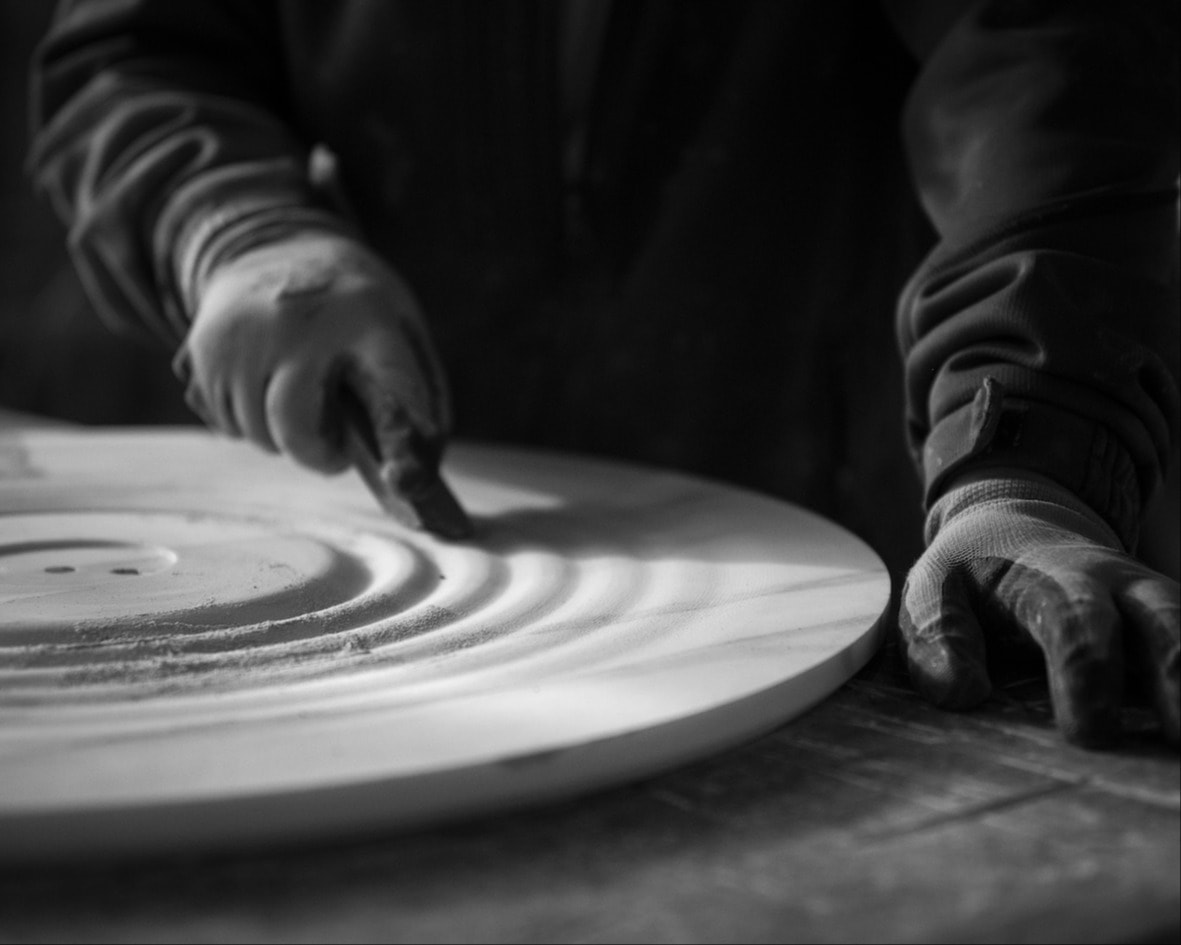
I don’t think there is a technical particularity; every project for me starts from scratch. Some objects are born from similar paths or from the possibilities of a material that fascinates me; others are the result of pure research on shapes or on the rhythm between volumes. Sometimes it is the negation of a concept or a desire.
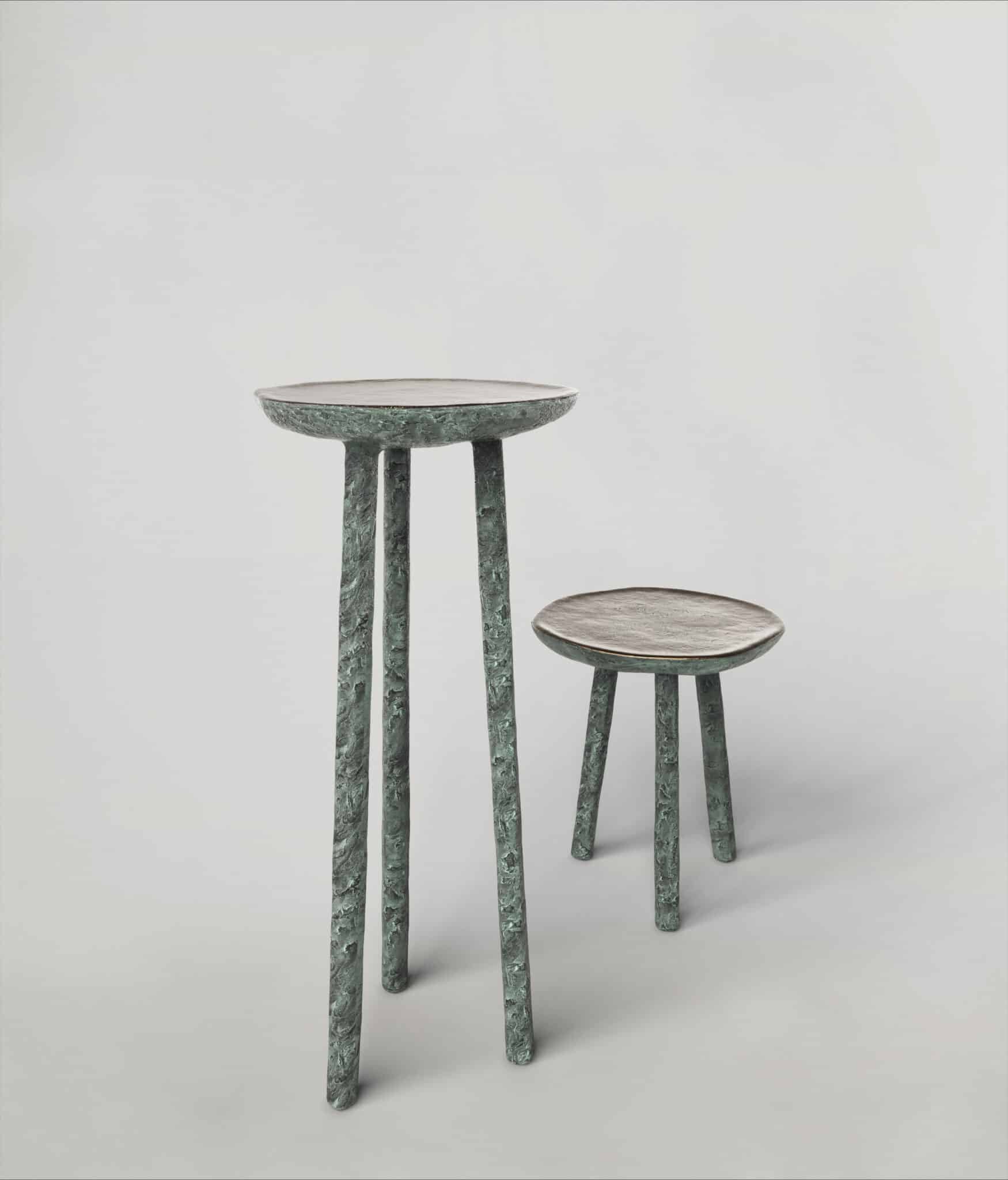
What advice could you give to beginning artists who would like to create sculptural design works?
I think people are very interested in the possibility of buying unique pieces or limited series, so compared to a few years ago, I think there is a space for those interested in following this path. I think it is better to do it as sincerely as possible. You can decide to go along with trends and be successful, but then we might as well see refrigerators.
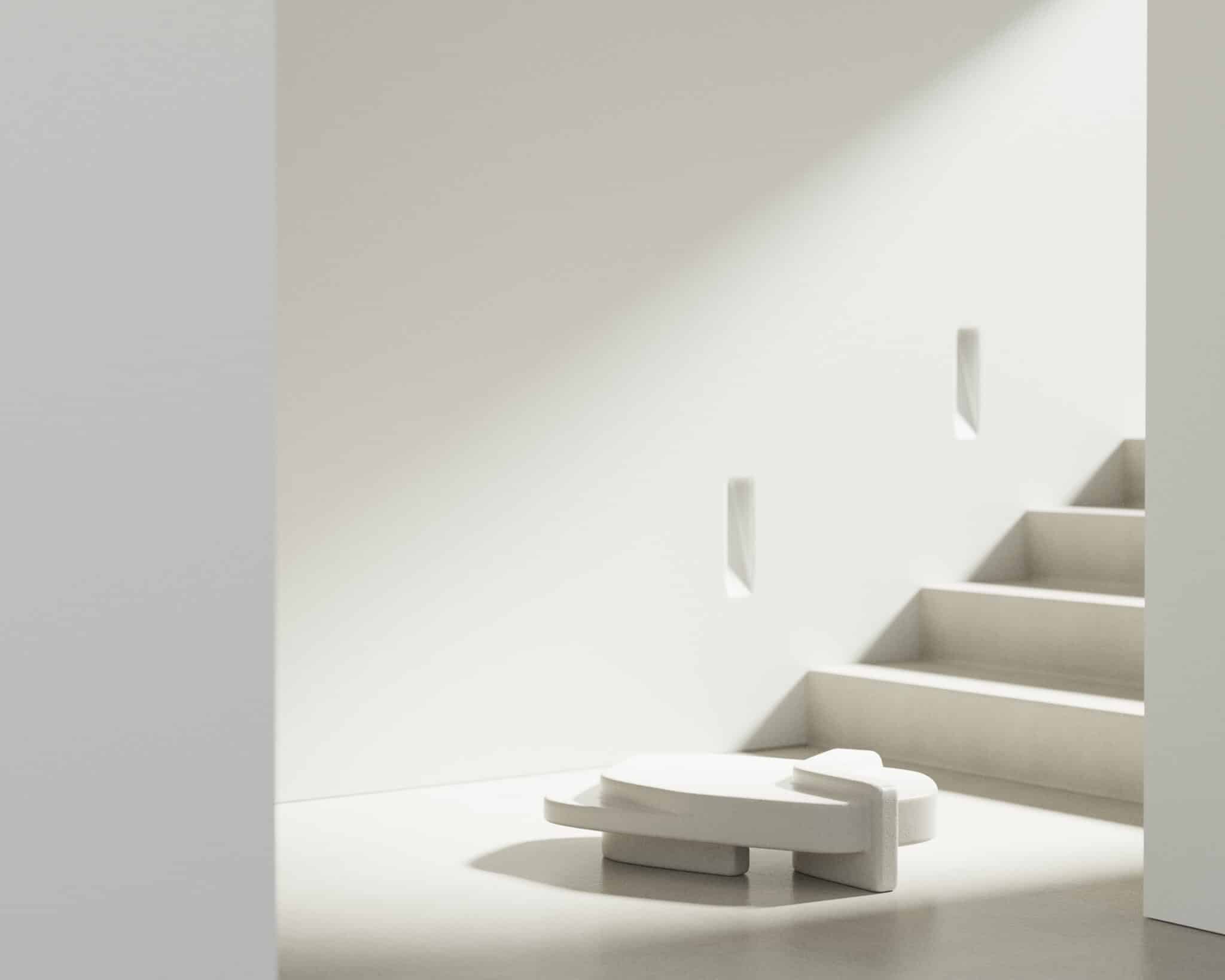
If your works had to belong to a design movement, how would you define it?
I really don’t know; I’m afraid I’m too ignorant to know. However, I like pure, uncontaminated, prolific, and tireless creatives rather than theorists or those too obsessed with rules and the idea of right and wrong.
What designers and artists have influenced you?
We are influenced by everything. However, I believe that I am especially interested in certain principles and certain ideas rather than the objects themselves; even then, it is the kind that I fall in love with precisely because they are a plastic representation of thought.
What contemporary designers do you appreciate?
Instagram allows us to learn about the work of many small ateliers or, in any case, designers and artists who would otherwise be difficult to access.
There are many that I find very interesting; I would end up making an uninteresting list.
What contemporary artists, in any kind of art, have you been inspired by?
I don’t know, but if I imagine an exhibition in which my pieces are present, I would like to have a dialogue with the work of some designers I love, such as Rei Kawakubo, Martin Margiela or Craig Green.
“I try to do everything from memory because I like how memories process reality, and after a few hours I end up with something totally unexpected to work on.”
The Questionnaire
The Questions
(The Proust Questionnaire is a set of questions answered by the French writer Marcel Proust.
Other historical figures who have answered confession albums are Oscar Wilde,
Karl Marx, Arthur Conan Doyle, Stéphane Mallarmé, Paul Cézanne…)
What is your idea of perfect happiness?
My cats
What is your greatest fear?
Disease and fanaticism
What is the trait you most deplore in yourself?
I don’t like it when I get angry or when I argue with someone
What is the trait you most deplore in others?
Superficiality
Which living person do you most admire?
All people who despite the harshness of life maintain the ability to care for others
What is your greatest extravagance?
I’m talking to myself
What is your current state of mind?
I’m worried
What do you consider the most overrated virtue?
Coherence
What is the quality you most like in a man?
The ability to be empathic
What is the quality you most like in a woman?
The ability to be empathic
Which words or phrases do you most overuse?
Bellissimo! (Wonderful!)
Which talent would you most like to have?
I would like to be able to play an instrument
If you could change one thing about yourself, what would it be?
I wish I were less insecure
What do you consider your greatest achievement?
Living from my work, which is my passion
If you were to die and come back as a person or a thing, what would it be?
I don’t think I would like to come back, maybe as a tree
Where would you most like to live?
In a forest
What is your most treasured possession?
No particular object, maybe my books
What do you regard as the lowest depth of misery?
Child abuse
What is your favorite occupation?
Drawing, eating, tidying up
What is your most marked characteristic?
I can’t stand still
What do you most value in your friends?
Sincerity and the ability to make me feel part of a family
Who are your favorite writers?
Perec, Bradbury, King, Houellebecq,…
Who is your hero of fiction?
–
Which historical figure do you most identify with?
I don’t know, I hope I look like everyone who refused to take part in a war
Who are your heroes in real life?
–
What are your favorite names?
–
What is it that you most dislike?
–
What is your greatest regret?
No regrets
How would you like to die?
After a nice evening with friends, in my sleep, hugging my partner, without realising it
What is your motto?
–
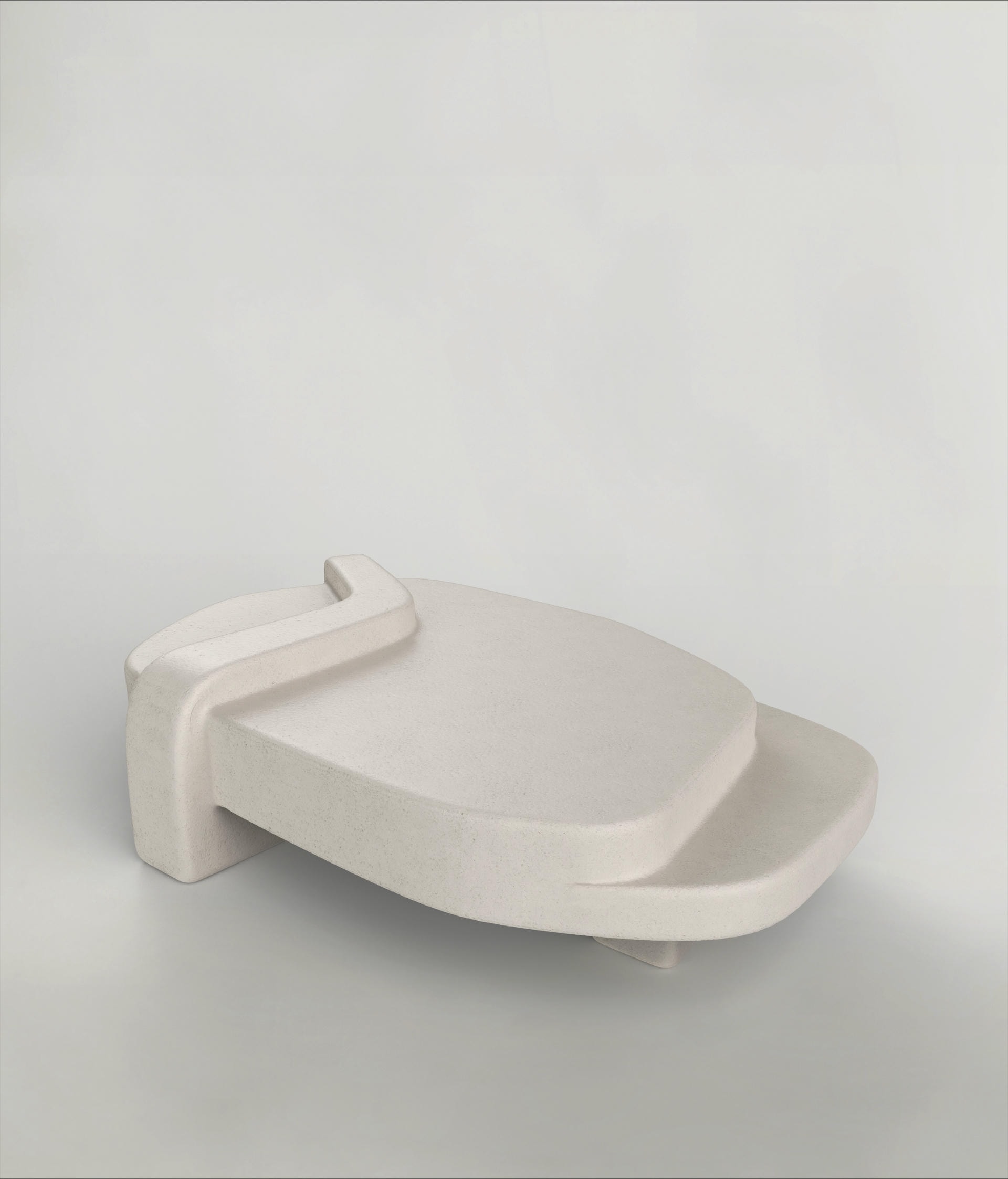
“I believe that I am especially interested in certain principles and certain ideas rather than the objects themselves.”
SHARE :