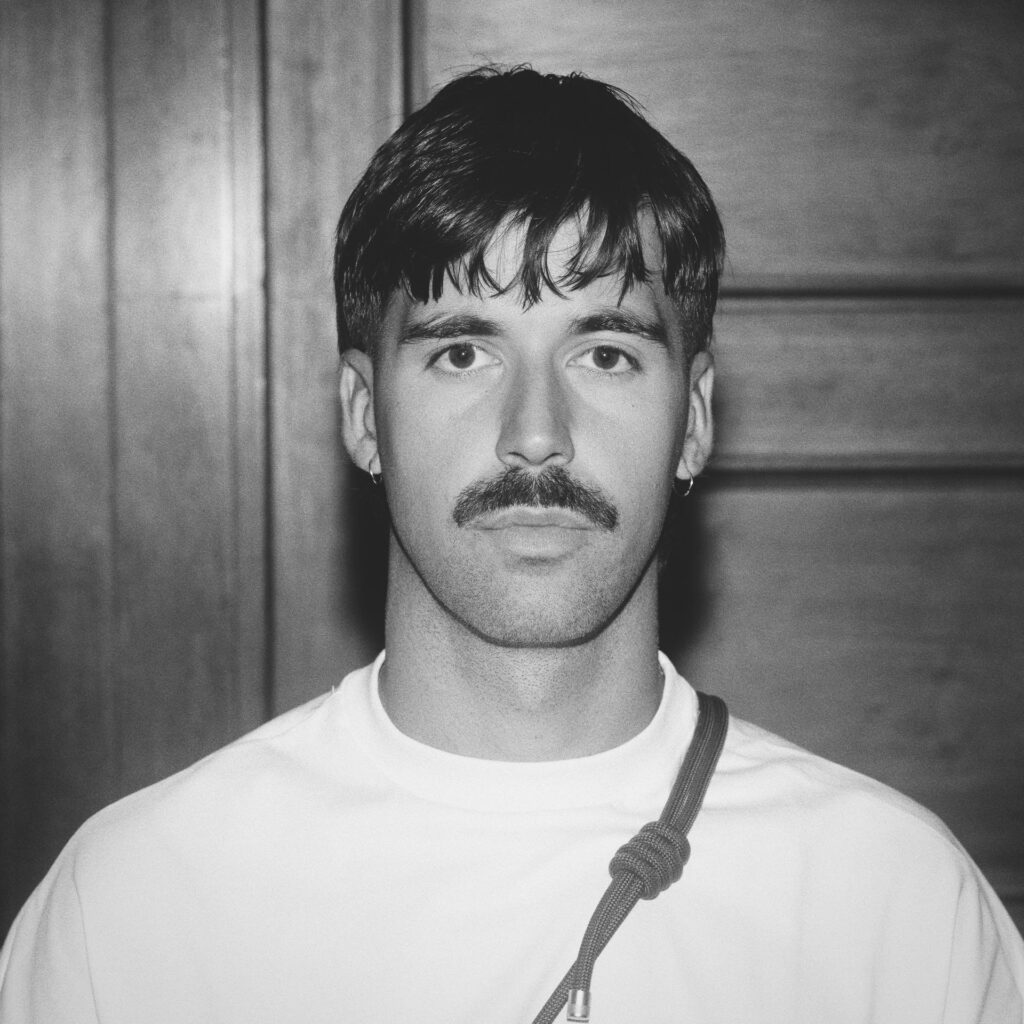
Simone Lorusso
Simone Lorusso is a multidisciplinary art director, writer, and storyteller whose practice moves between design, technology, politics, and fashion. Working across editorial and creative projects, he explores contemporary culture through writing, visual communication, and art direction. His multidisciplinary approach allows him to engage with a wide range of subjects, connecting creative disciplines and examining the ideas, people, and cultural contexts that shape them.
Alongside his creative practice, Lorusso regularly contributes to international publications including Vogue Living, Openhouse, Livingetc, industrialkonzept, and Design Wanted. His writing has also appeared in books and independent publications such as Cose Journal and Arxipelag, reflecting his involvement in both established editorial platforms and independent publishing.
INTERVIEW

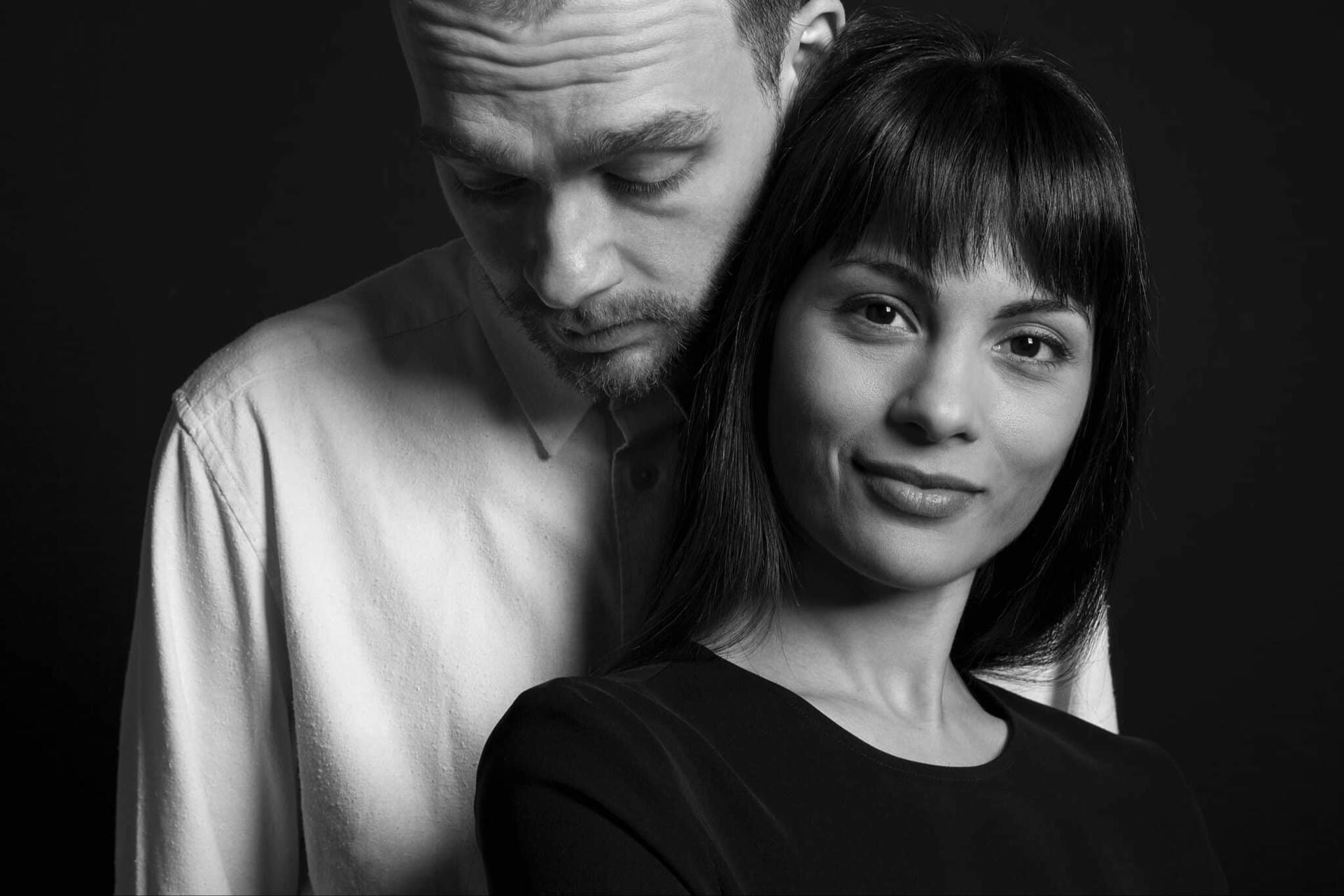
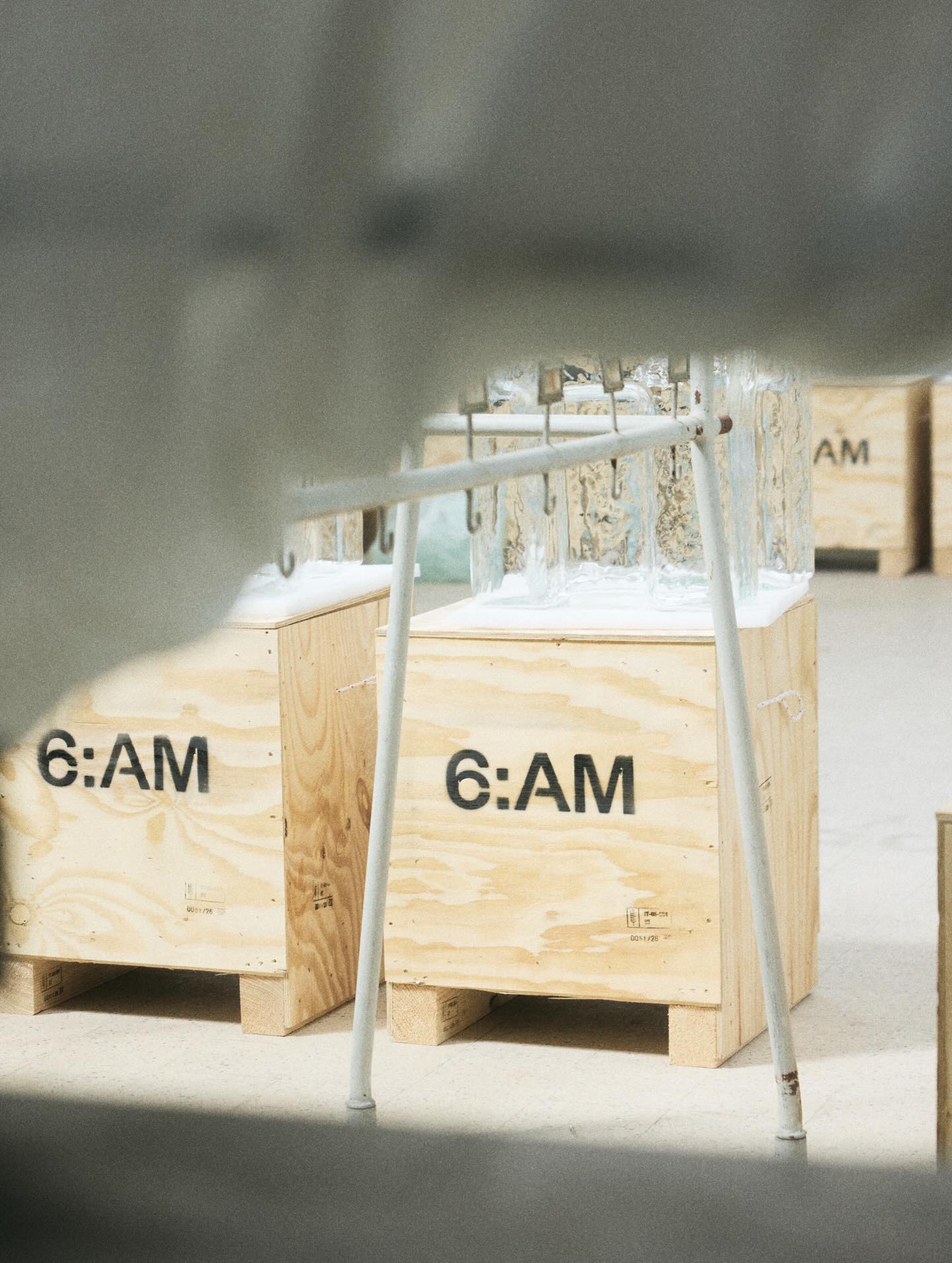
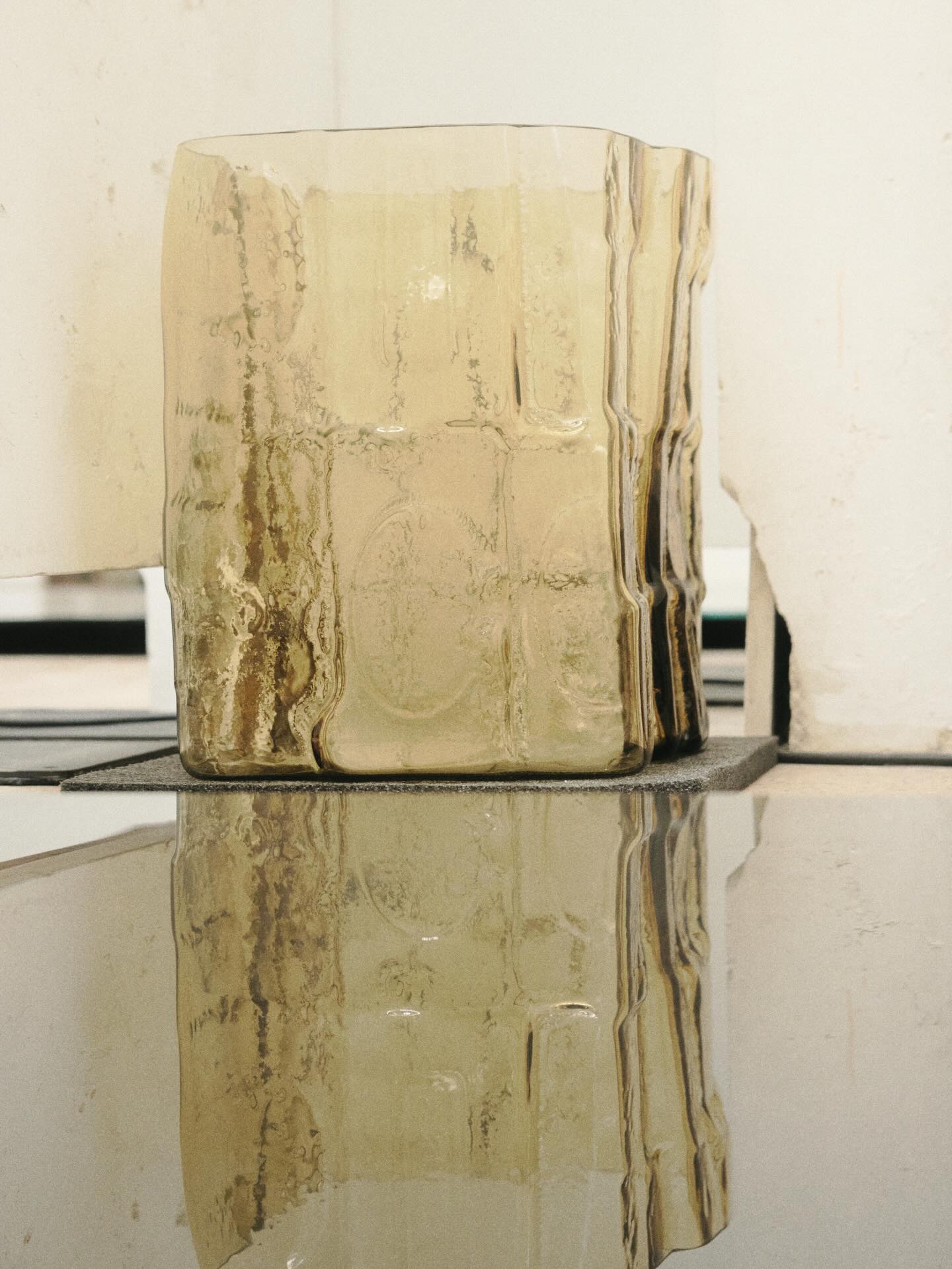
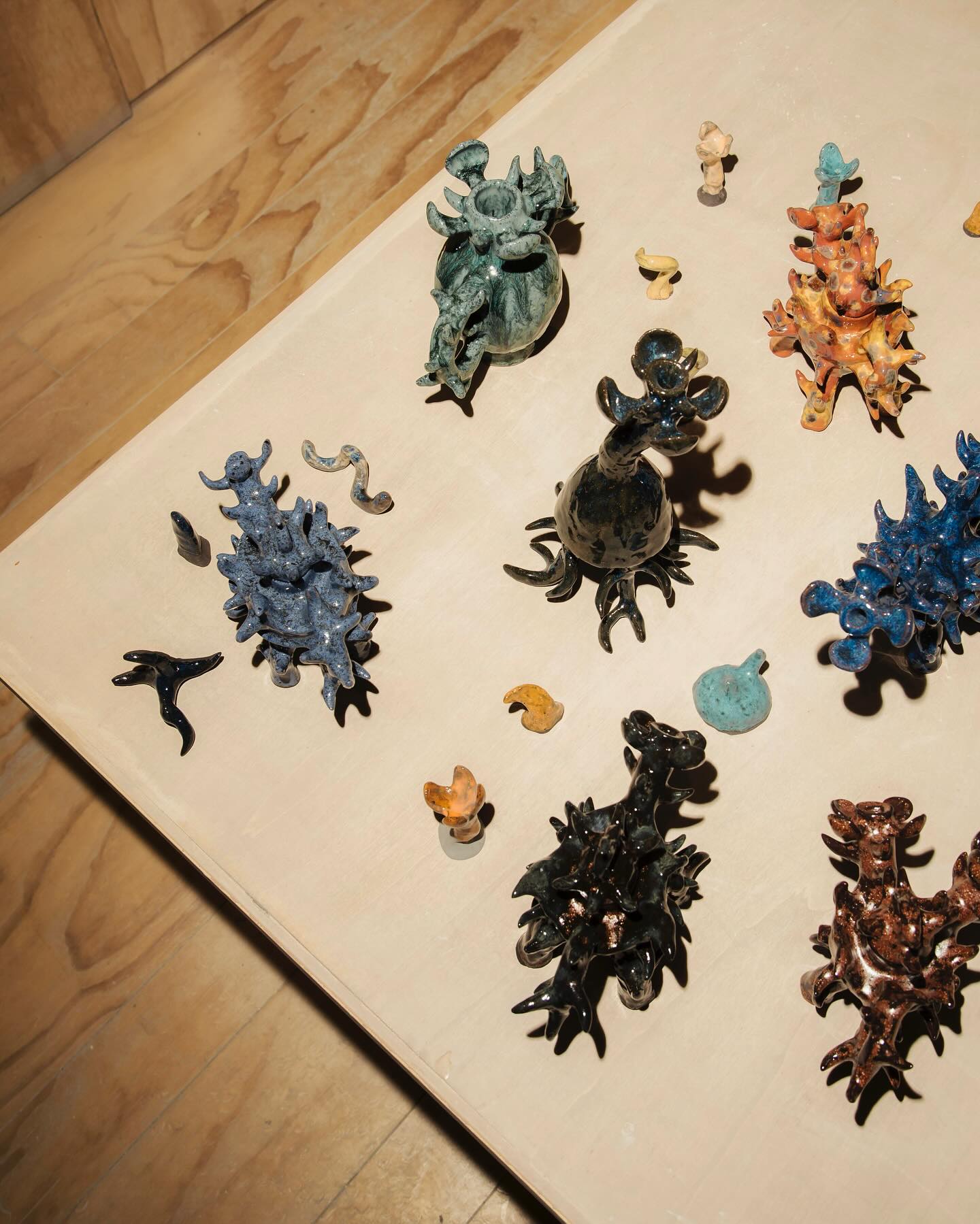
The Language of Flowers and Rituals, curated by Simone Lorusso & Giacomo Lambrughi © Alessandra Canterini
Objects and spaces were probably always there, even before I consciously recognised them as subjects in their own right. What interests me about design is that it occupies an unusual position between the very personal and the collective. A chair can be something incredibly intimate, an object you touch and use every day, but at the same time it reflects a certain period, a technology, an economy and a particular idea of society.
The same is true of interiors and architecture. A space is never simply a backdrop. It influences behaviour, relationships, habits and even the way we perceive ourselves. Once I became aware of that, I started looking at objects and spaces almost as cultural documents.
Perhaps this is also why I moved progressively towards design and architecture. They allow me to talk about aesthetics, of course, but also about much broader questions: how we live, what we preserve, what we consume, how cities change, what we consider valuable and what kind of future we are imagining.
I think it all started with an interest in usi e costumi, in the way people live, dress, inhabit spaces, and construct their identities through things. My grandmother worked for a major luxury fashion brand, and when I was very young, I remember helping her with image research, looking through fabrics, samples, and prototypes. I didn’t fully understand what I was seeing at the time, of course, but I became fascinated by the idea that an image could tell you something about a person, a place or an entire world. That is probably where my relationship with photography began.
I eventually studied photography, but after graduating I realised that photography could also become a limitation. Sometimes it was exactly the right medium for what I wanted to say; other times I had a very clear idea but photography wasn’t the right way to express it. So I took a step backwards and became interested in everything that happens before the image exists: the research, the references, the narrative, the construction of a visual language. That led me naturally towards art direction.
Architecture and design were always somehow co-protagonists in that work. Whenever I developed a photographic campaign, I was constantly thinking about the objects, furniture, and spaces surrounding the subject. I remember shooting campaigns in remarkable modernist and industrial locations simply because the architecture itself added another layer to the story.
A few years later, while living in Rotterdam, something shifted again. I was spending time in the studios of designers and architects, visiting people such as Laurids Gallée, Phil Procter and others, and I gradually realised that neither photography nor art direction was enough to tell the stories I was encountering. Something was missing. I started taking notes almost instinctively while speaking with them. Only later did I understand that those notes were the beginning of what I now love doing most: writing about people and their work.
I often say that my real ambition is simply to give space and a voice to the stories I care about. Sometimes photography is the right tool, sometimes writing, sometimes collage, video, or art direction. I am much less interested in defining myself through a single discipline than in finding the most appropriate language for each story. I think experimentation is precisely what keeps my practice alive.
The first thing I want to understand is why the project exists. What is its history? Why was it necessary? What does it add? Who is it for? I am much more interested in those questions initially than in whether something is aesthetically successful.
Recently I was discussing with someone how important it has become for me to find a sense of value even in very small or embryonic projects. Scale doesn’t necessarily determine relevance. A tiny intervention can sometimes tell us much more about a community, a neighbourhood or a particular moment than a huge, highly visible project.
I often return to Henri Lefebvre’s idea that space is socially produced. Architecture and design do not emerge in isolation; they exist within relationships, economies, communities and everyday life. For me, the most interesting projects are therefore the ones that somehow establish a connection with that wider context.
Perhaps my greatest aspiration is to encounter projects where a strong narrative and a strong formal idea are connected to something social or urban. When that happens, the work stops being simply an object or an image and becomes part of a much larger conversation.
Listening, probably. I think listening is one of the most beautiful and underestimated parts of my work.
When someone tells me about a project, I try not to impose a narrative immediately. I prefer to put myself at the service of the story for a moment and understand where it belongs: what came before it, what surrounds it, and what larger questions it might connect to.
It is not always immediate. Sometimes the most interesting angle appears only after an interview, after further research, or even several days later. It requires time because you have to move beyond what a project says about itself.
For me, the social dimension is often what allows a project to transcend trends. A certain aesthetic language can become outdated very quickly, but a project that tells us something meaningful about how people live, work or relate to one another can remain relevant long after its visual language has changed. That is usually the point where I realise there is a bigger story worth telling.

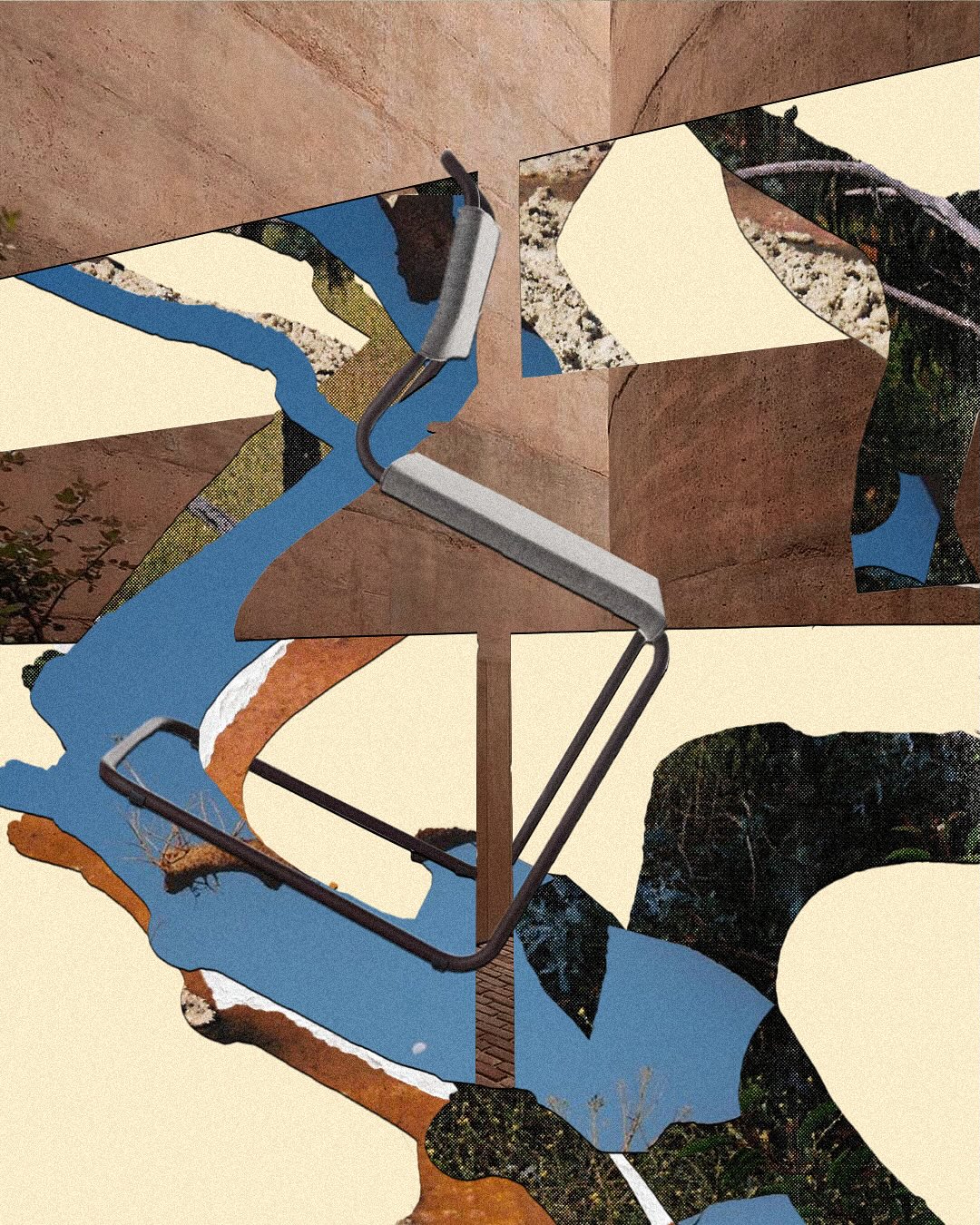
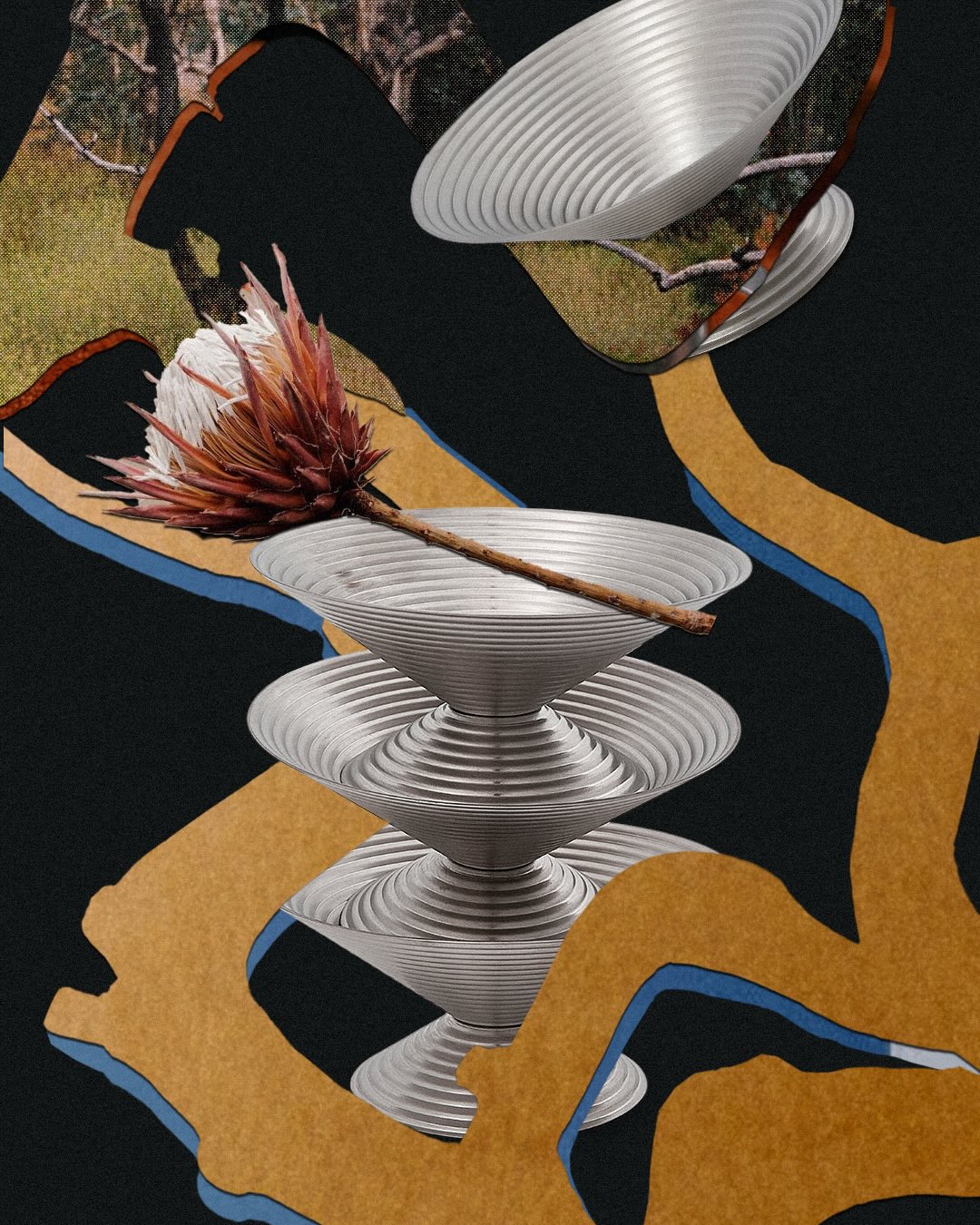
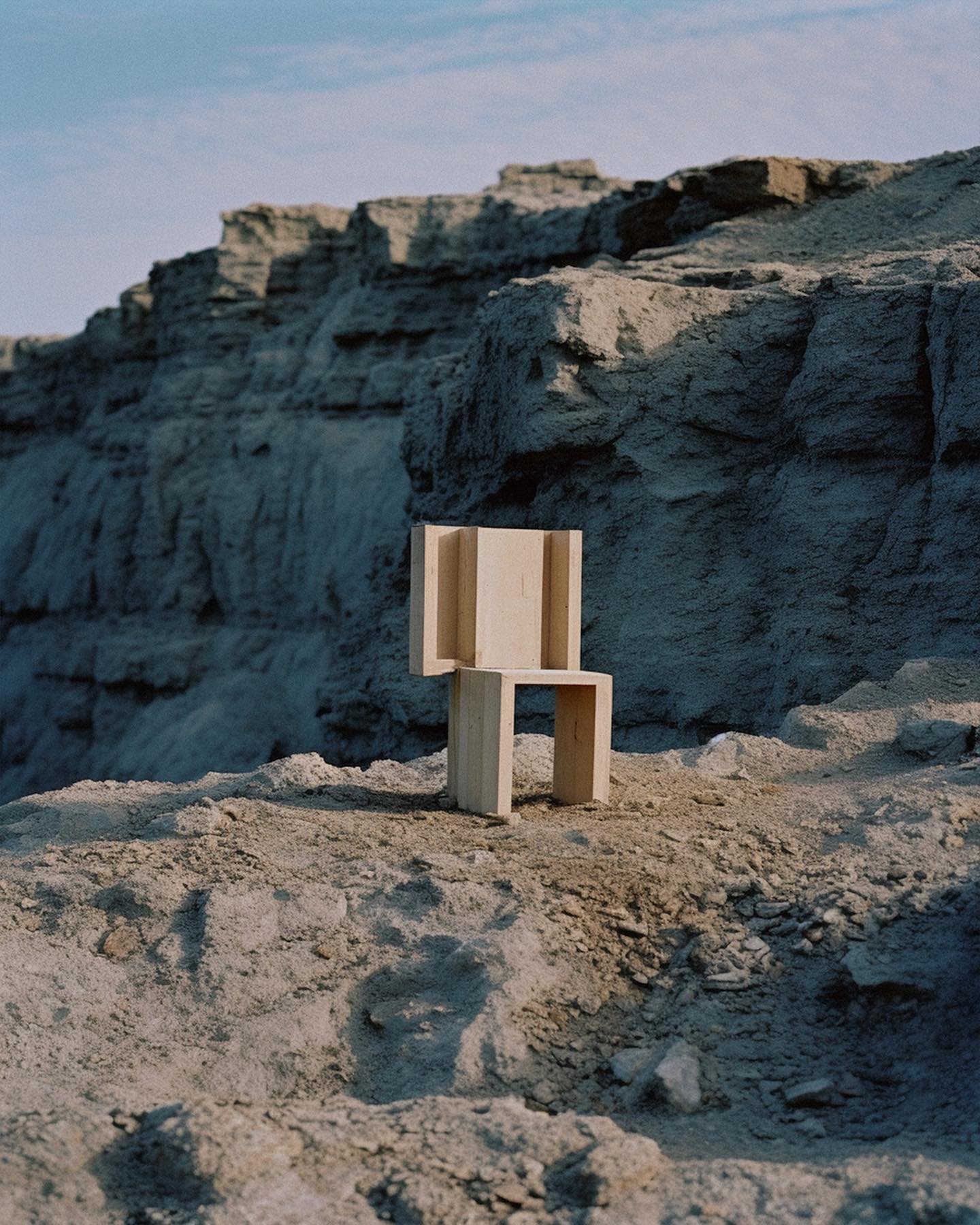
Interpreting Something Else, by Simone Lorusso for Alias
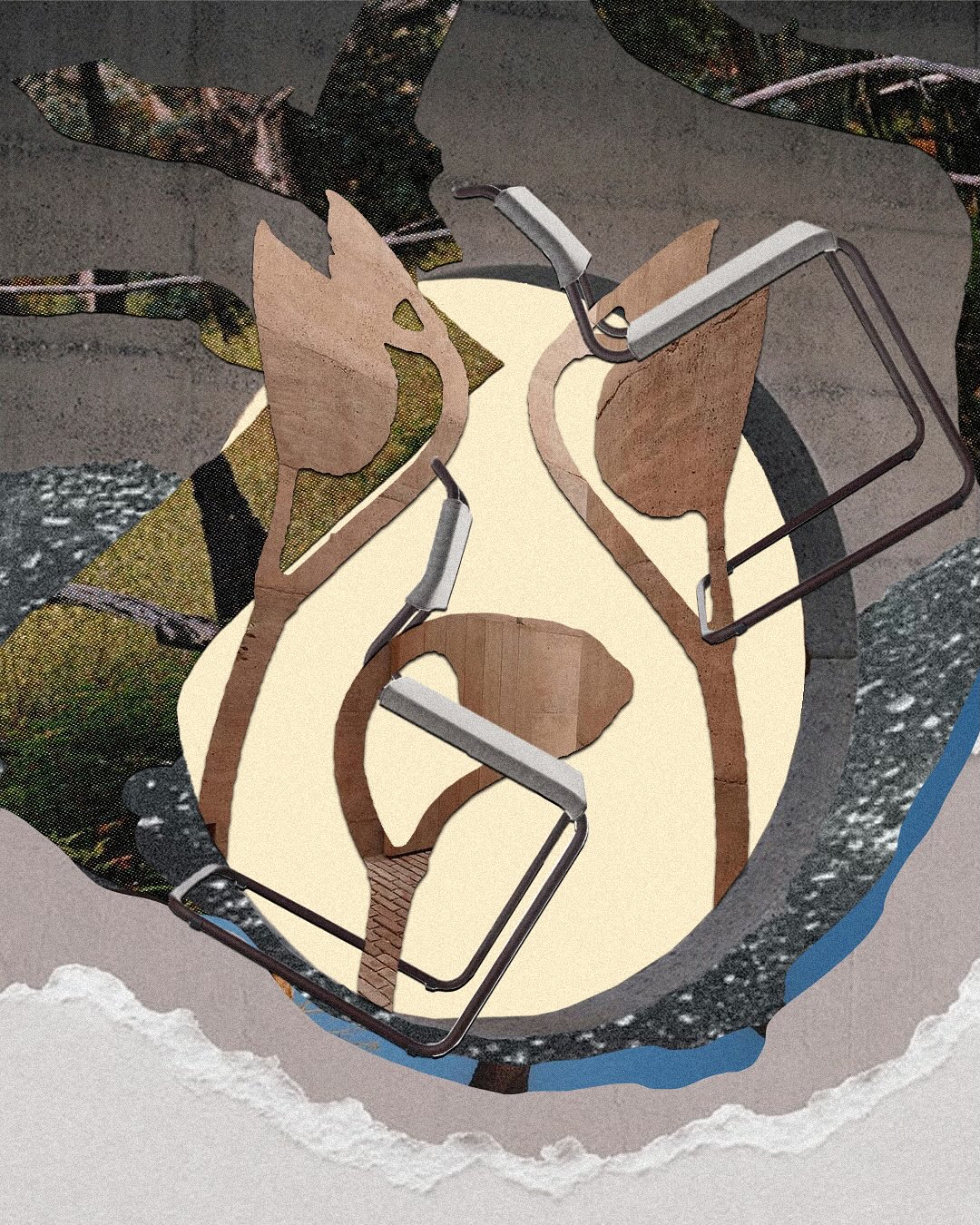
It was a beautiful project, although more complex than it might appear. From the beginning, I felt that collage was the right technique. I mean, just look at the name of the chair: B-kini. There is already something playful, pop and slightly irreverent about it. Collage seemed capable of preserving that positive and light quality without simply reproducing the object in another setting.
At the same time, I wanted to completely decontextualise the chair. Rather than placing it inside a conventional interior, I created an abstract environment combining fragments of nature with architectural elements. The challenge was to transform its context without losing its identity.
That balance is always interesting to me: how far can you move an object away from its original world before it becomes something else entirely? In this case, the recognisable character of the chair became the anchor, while everything surrounding it could be reinvented.

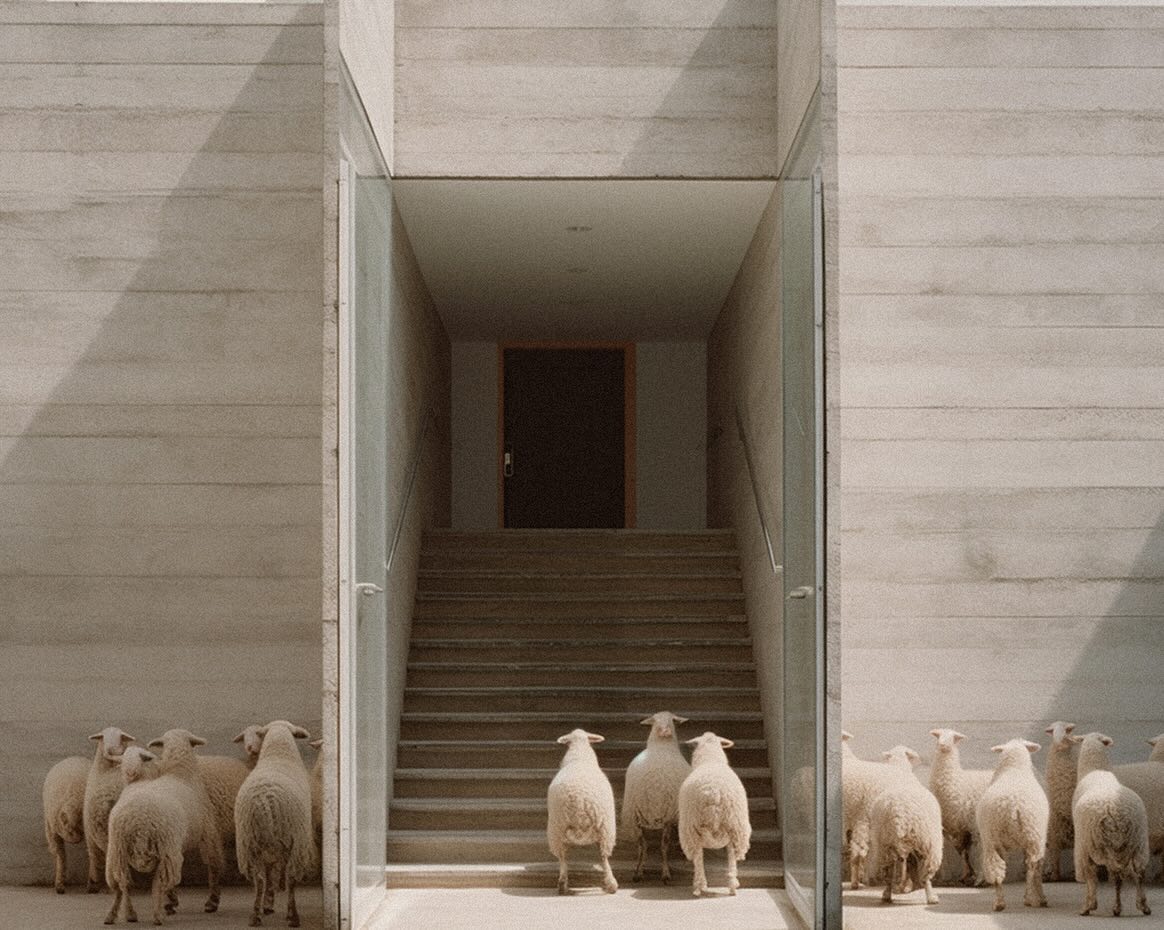
Transhumance in Flux, visual by Simone Lorusso
Probably the videos I publish through my own channels. Someone might watch fifteen seconds of a thirty- or sixty-second video, but behind that minute there can be weeks of work: emails, meetings, research, writing, permissions, travel, filming, editing, graphics, music, and countless small decisions. I love doing it, but there is also something strange about the way digital platforms compress all of that work into a number of views or seconds of attention.
Sometimes I see a very simple dancing video receiving a hundred times more views and inevitably think: what am I doing wrong? Why wouldn’t people be interested in listening to the stories of designers, architects, artists or curators? But I also realise that this belongs to a much larger system than me. Platforms have their own logic, and attention has its own economy.
Metrics are important, it would be naive to say otherwise, but I am also happy that I continue making things because I genuinely believe those stories deserve to exist. I would rather keep building an audience around something I care about than allow the measurement system alone to decide what is worth talking about.
In the end, we are human beings, and human beings reveal themselves differently when they stop feeling interviewed.
That is something I really enjoy about my Around the City With… format. When you walk or cycle through a city with someone, the conversation changes completely. Suddenly they notice a building, a shop, a material, or some detail in the street and say, “That reminds me of…” and a completely unexpected story emerges.
Recently in Berlin, for example, I was cycling around the city with Johannes from Mono. We passed Oscar Niemeyer’s building in the Hansaviertel, and that prompted a personal anecdote. Those moments are extremely valuable to me because they would probably never emerge from a conventional list of questions about a project. They are the small nuances that appear when people feel comfortable enough to open themselves to someone else.
There are designers and architects I now meet quite regularly, and something I love is that every encounter adds another piece to my understanding of them. Sometimes I come home in the evening and suddenly think, “Ah, now I understand why they designed that object in that particular way.” A finished project can tell you what somebody has made. Conversation often helps you understand why they see the world the way they do.
Absolutely. I don’t think a medium is ever neutral. The moment you decide to photograph something rather than write about it, you are already changing the way that subject will be perceived, and probably the way you yourself will understand it.
Photography forces me to think about surfaces, gestures, light, distance and what can be communicated almost instantly. Writing introduces time, memory, context and contradiction. Collage allows associations that might be impossible in physical reality. Video introduces rhythm, voice and movement. The same person or object can therefore become something slightly different depending on the medium through which you encounter it.
This is one of the reasons I believe so strongly in a multidisciplinary approach to communication. Different media do not simply provide alternative formats for the same story. They can reveal different aspects of the story itself. Perhaps my role is not to remain loyal to one medium, but to understand what each subject is asking from me.
This is probably one of the most difficult questions because I am not sure there is ever a completely certain moment. Especially when I approach a new project or a subject I do not know particularly well, my first instinct is to gather as much documentation as possible. I want to understand the project before I interpret it. I am always slightly suspicious of an angle that appears too quickly because sometimes it simply reflects what I already thought before encountering the subject.
The right angle usually emerges when different elements begin to connect: something someone said during an interview, a historical reference, an observation about the context, perhaps even a detail that initially seemed secondary.
With writing, I also have a habit of finishing a first draft and then leaving it alone for a while. I need a certain distance from it. When I return, I often realise that some things have shifted, not necessarily in the project, but in my own understanding of it.
I think ideas need a little sedimentation. We tend to imagine research as an accumulation of information, but sometimes understanding also comes from stepping away from that information.
The moment I know I have found the angle is usually when the story begins to feel inevitable: when the introduction, the interviews, the project and the wider context suddenly seem to belong to the same conversation.
In My Thirties, I Questioned the Essence of Kindness, episode 3, featuring Annika Kafcaloudis
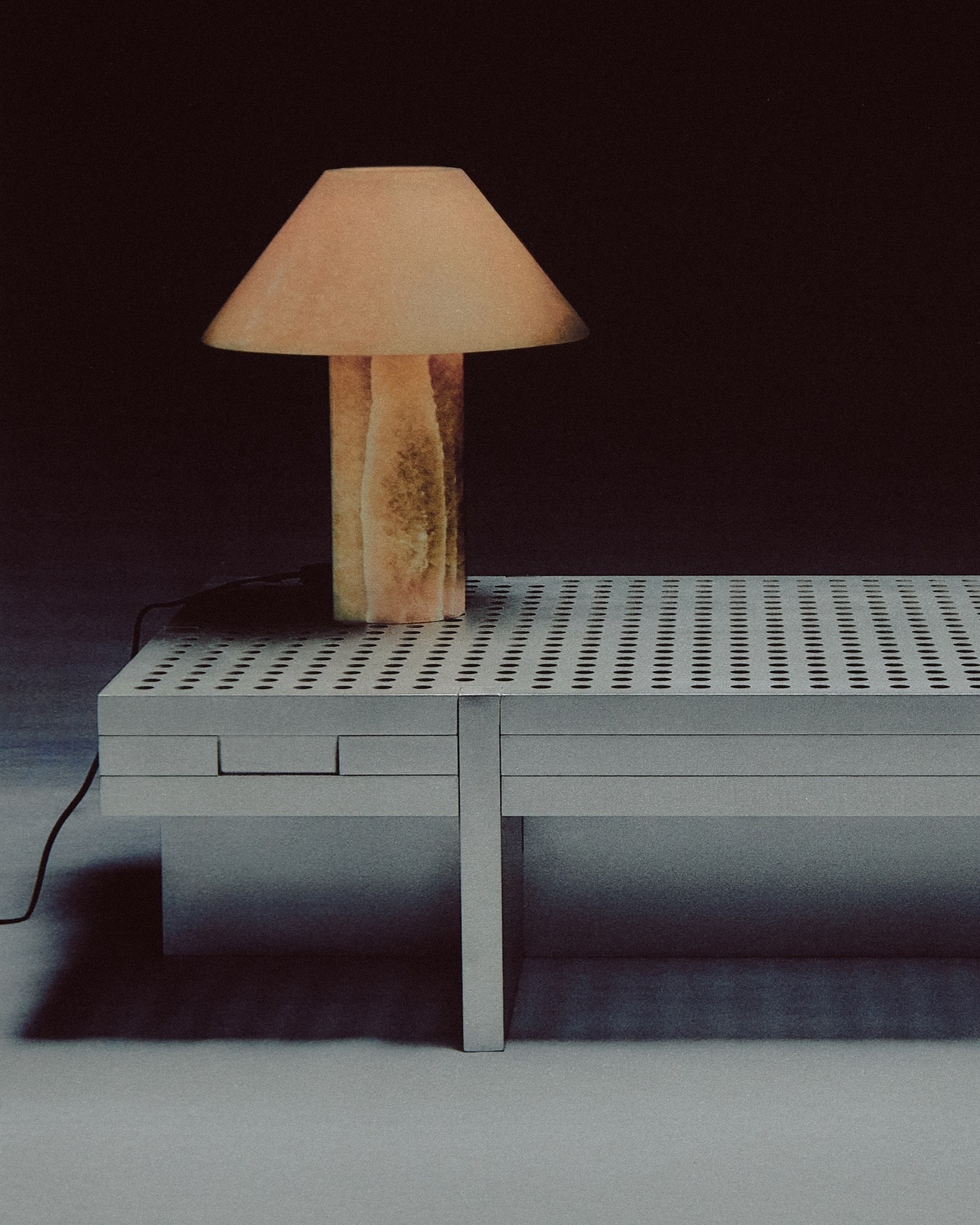

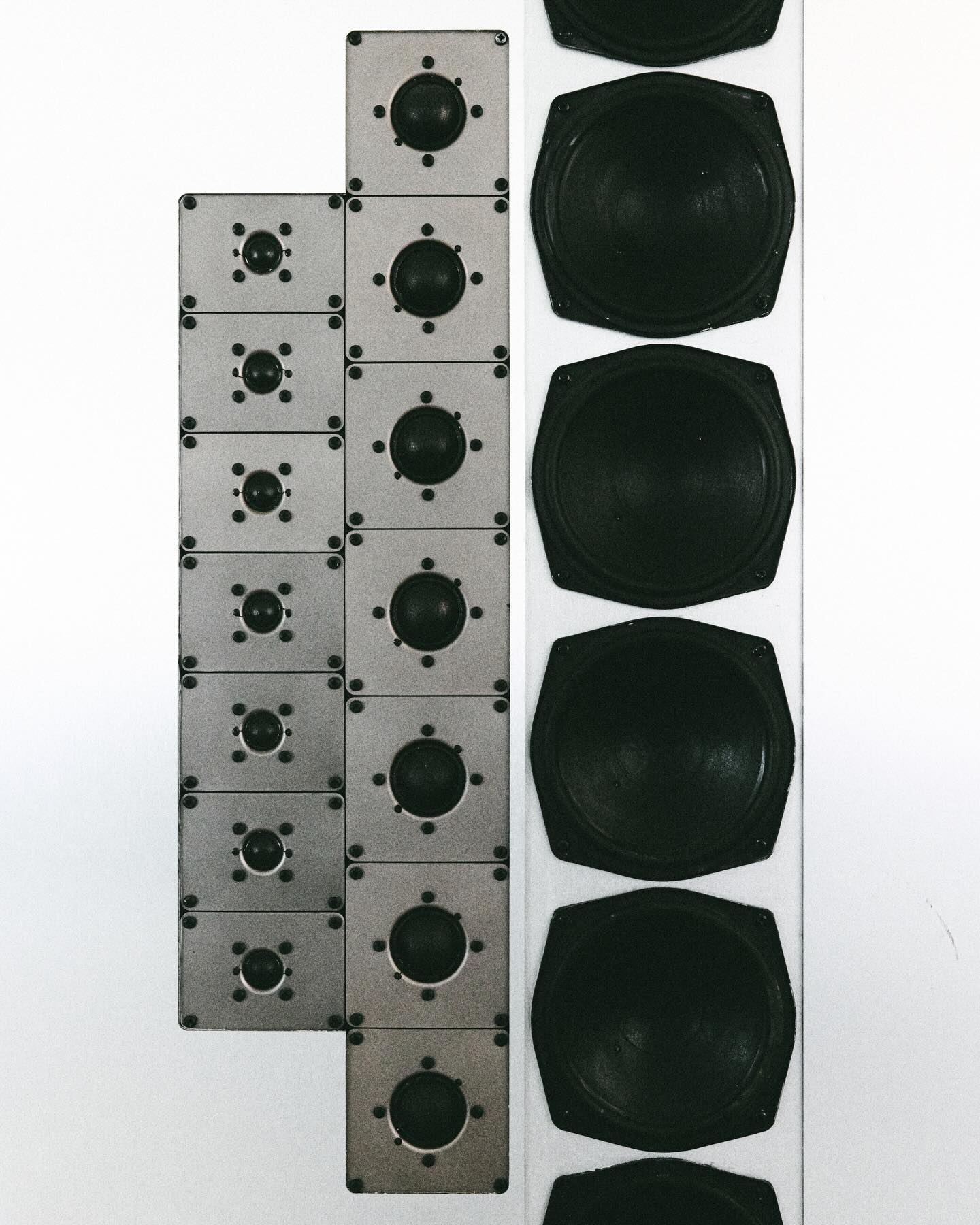
Curated by Simone Lorusso & Neuf Voix © Filippo Candotti
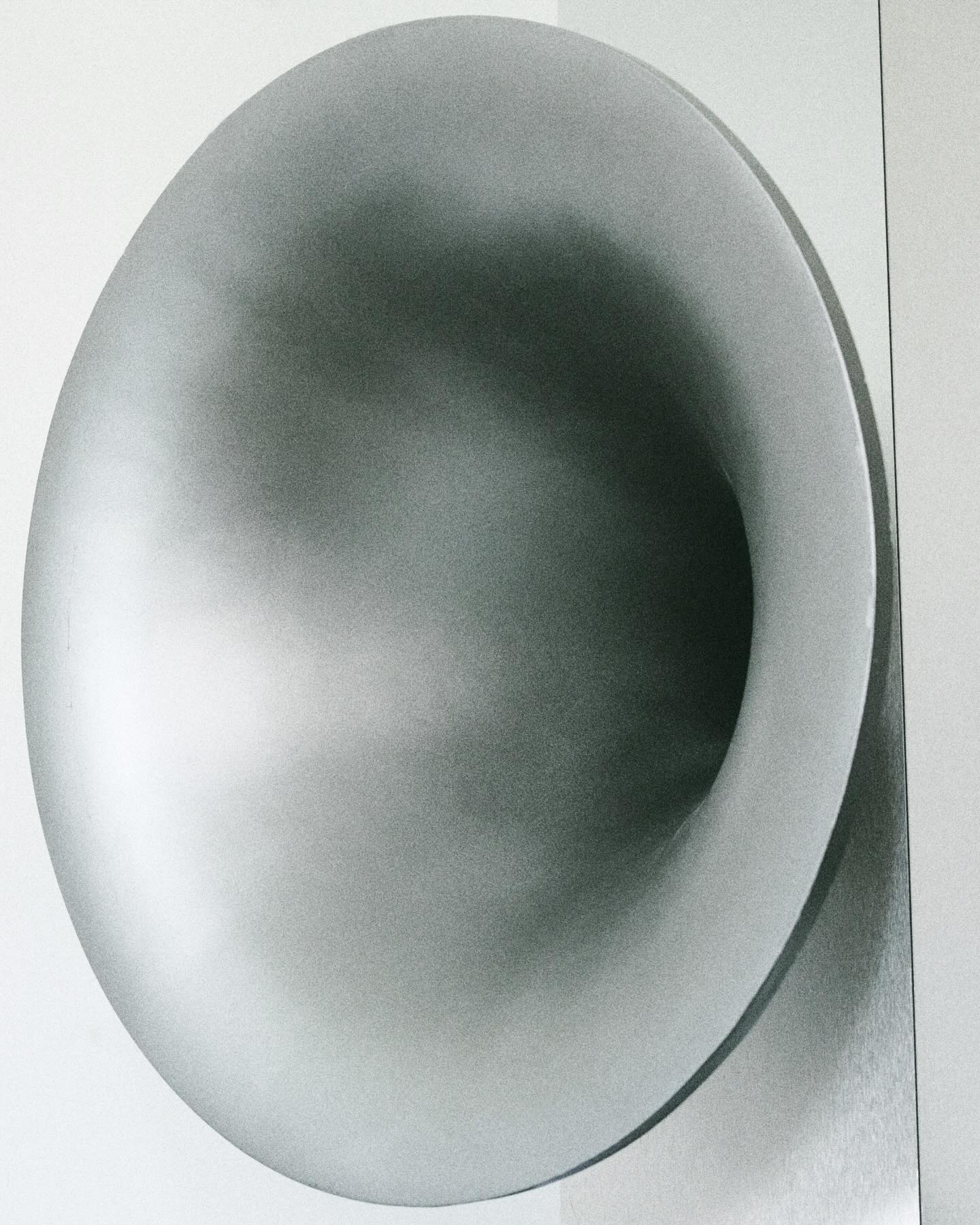
This question makes me laugh because I have far too many ideas and projects in my head and never enough time to do all of them. One thing I would genuinely like to explore more is product design. There are moments in everyday life when I perform a certain gesture or action and suddenly think, “I don’t have the object I need for this, I should make it myself.” I find that instinct increasingly interesting.
I have designed things before, including a rug for my own home with Jaipur Rugs, but I have a few new ideas that I would really like to develop, perhaps even in connection with the next Milan Design Week.
At the same time, I want to invest much more energy in video. Not simply as a way of documenting design, but as a cultural and educational medium. I would love to produce more ambitious formats where design becomes an entry point into conversations about cities, society, architecture, behaviour and contemporary culture.
Ultimately, these two directions are perhaps not as different as they sound. Whether I am designing an object, making a film, writing an article or creating an image, I am still interested in the same question: how can we use design to understand a little more about the way we live?
Thank you so much Simone, for this lovely interview!
Share article :