I was born in South Korea and am currently based in Seoul.
MAGAZINE · INTERVIEW
Sisan Lee
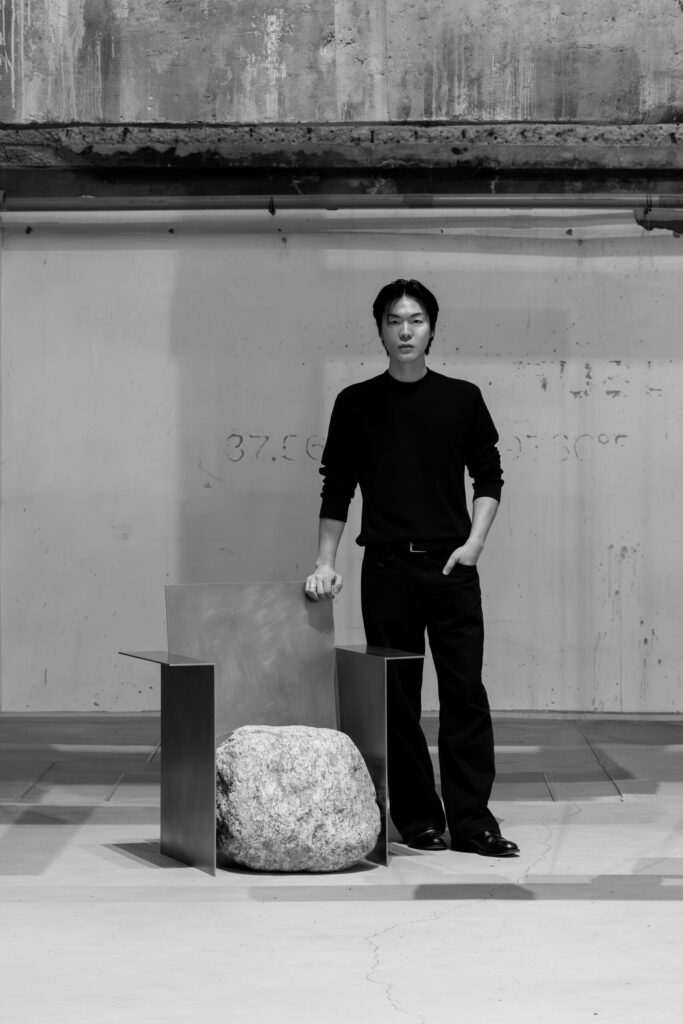
Sisan Lee (b.1995) is a Seoul-based designer whose practice explores the relationship between nature and the artificial. Working across sculpture, furniture, and spatial objects, he investigates how raw natural materials interact with the structural logic of industrial production.
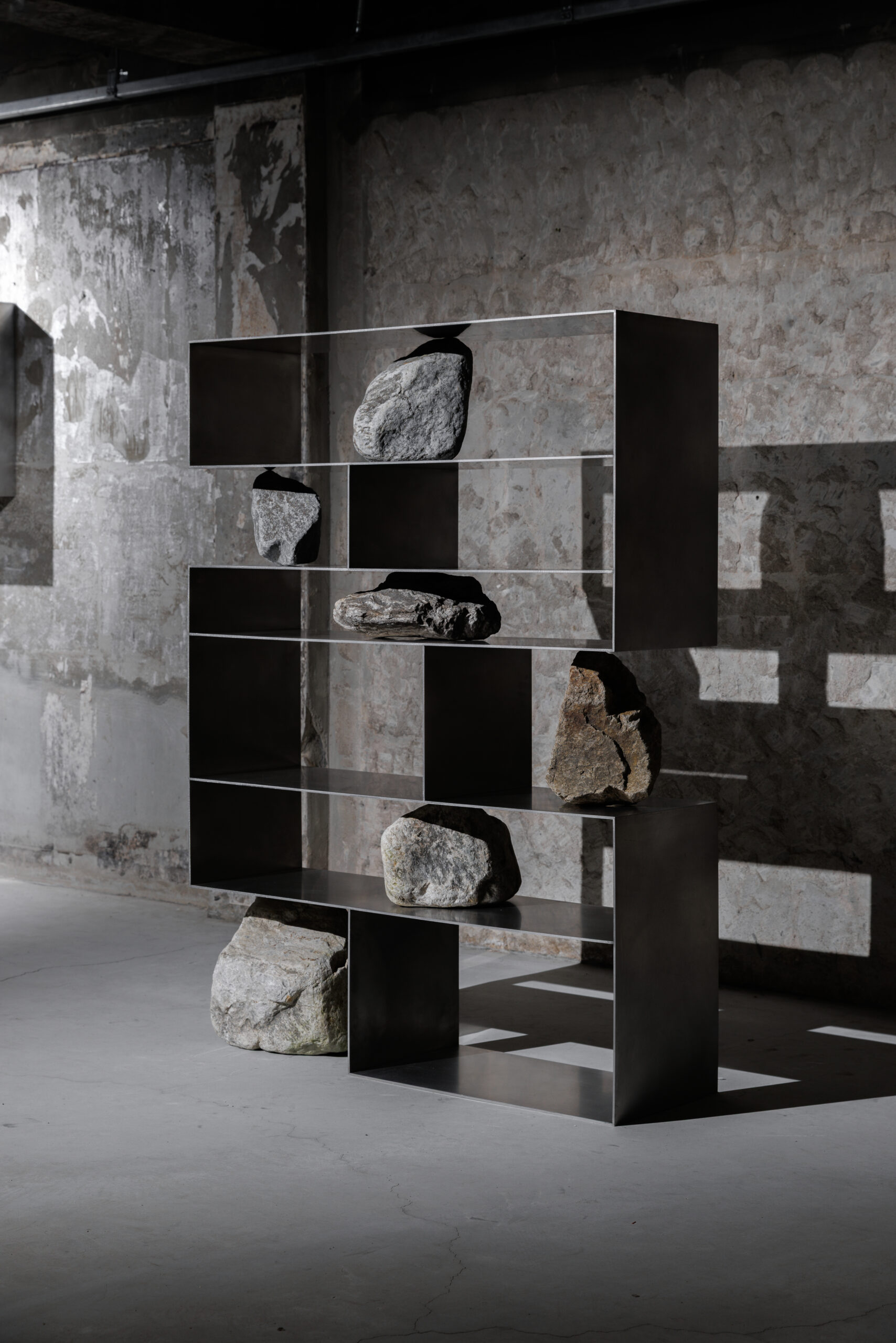
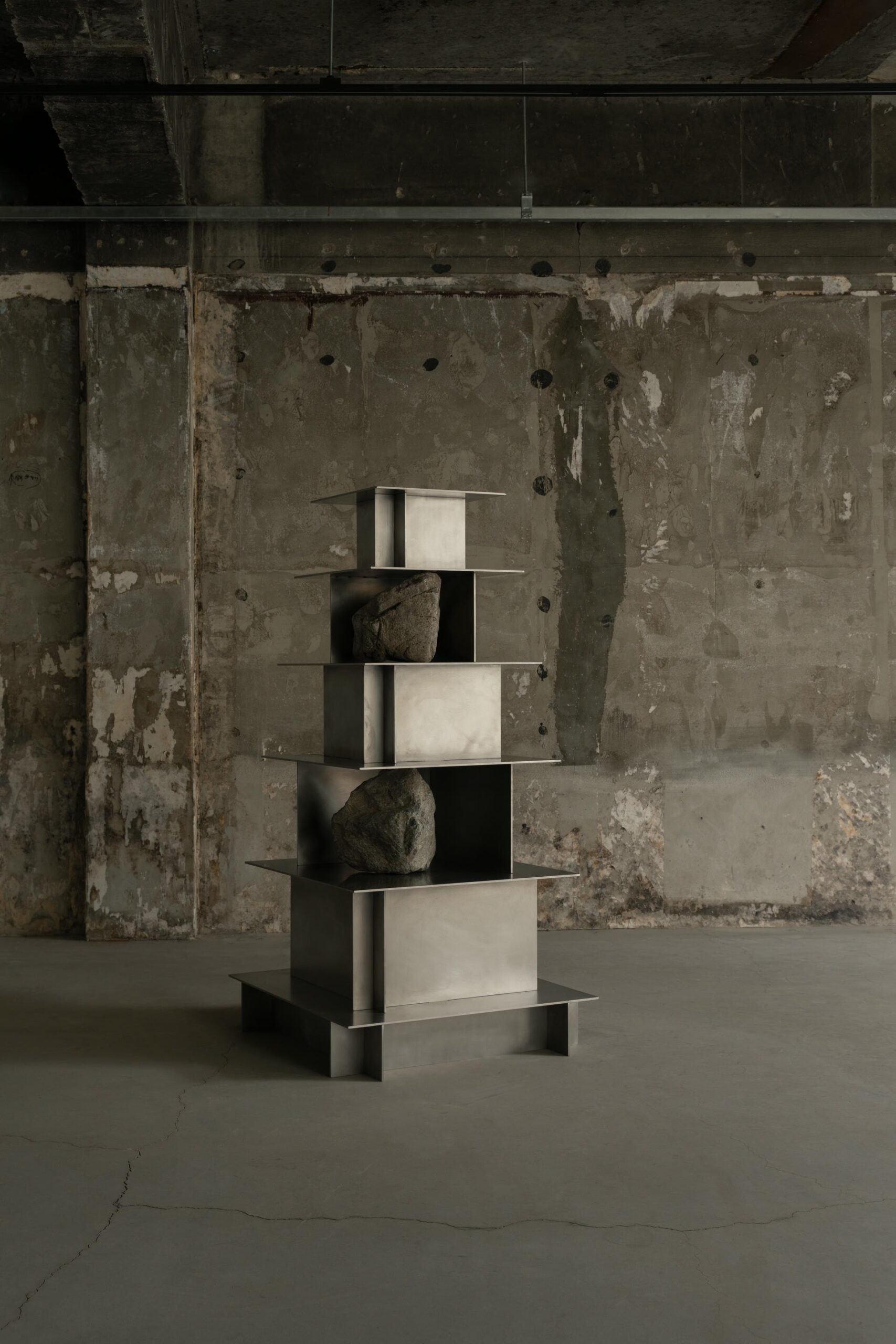
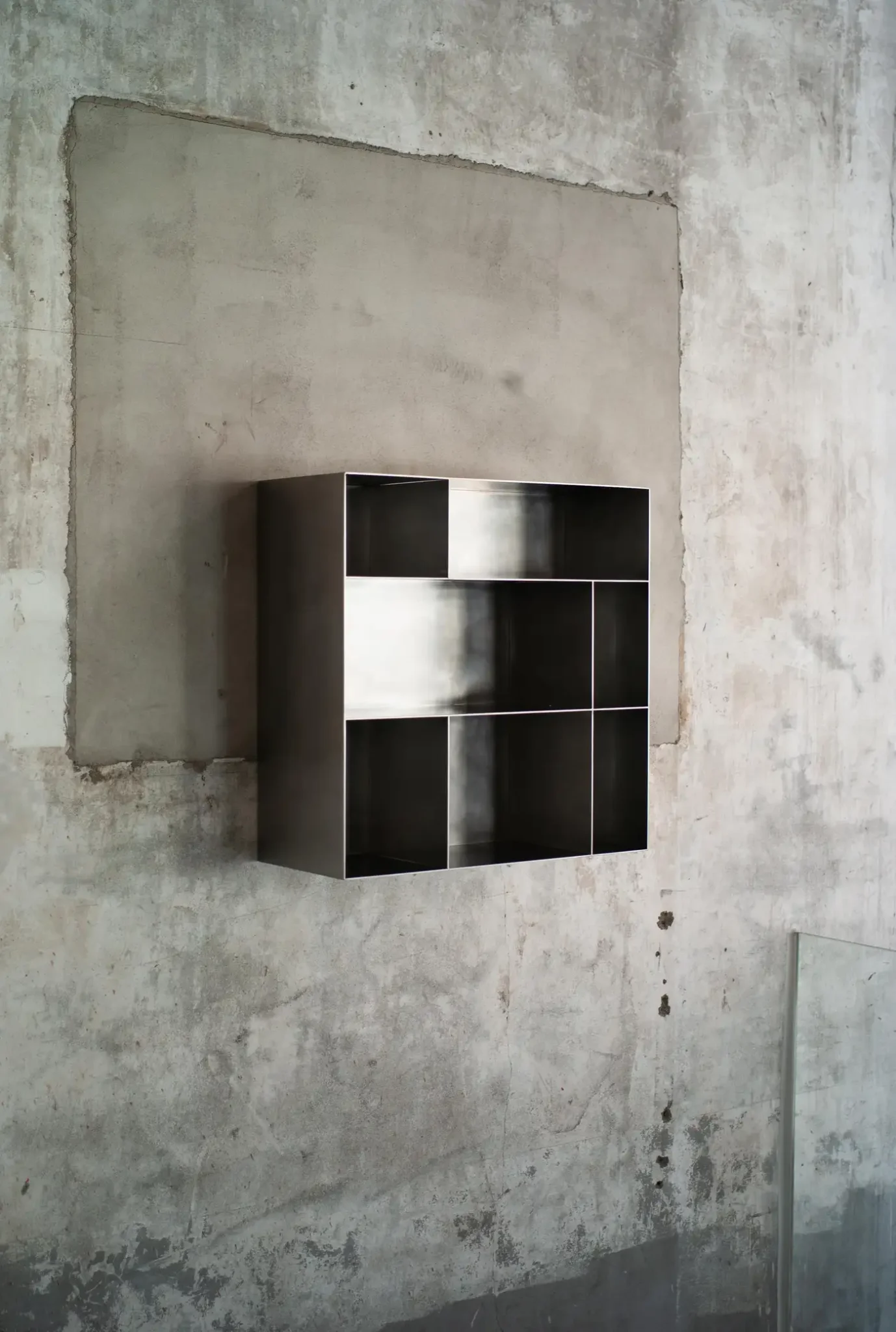
Through the use of materials such as stone, wood, and metal, Lee creates compositions that highlight the tension between organic irregularity and industrial precision. His works often reference primitive structures while employing contemporary fabrication techniques, resulting in objects that feel both timeless and distinctly modern.
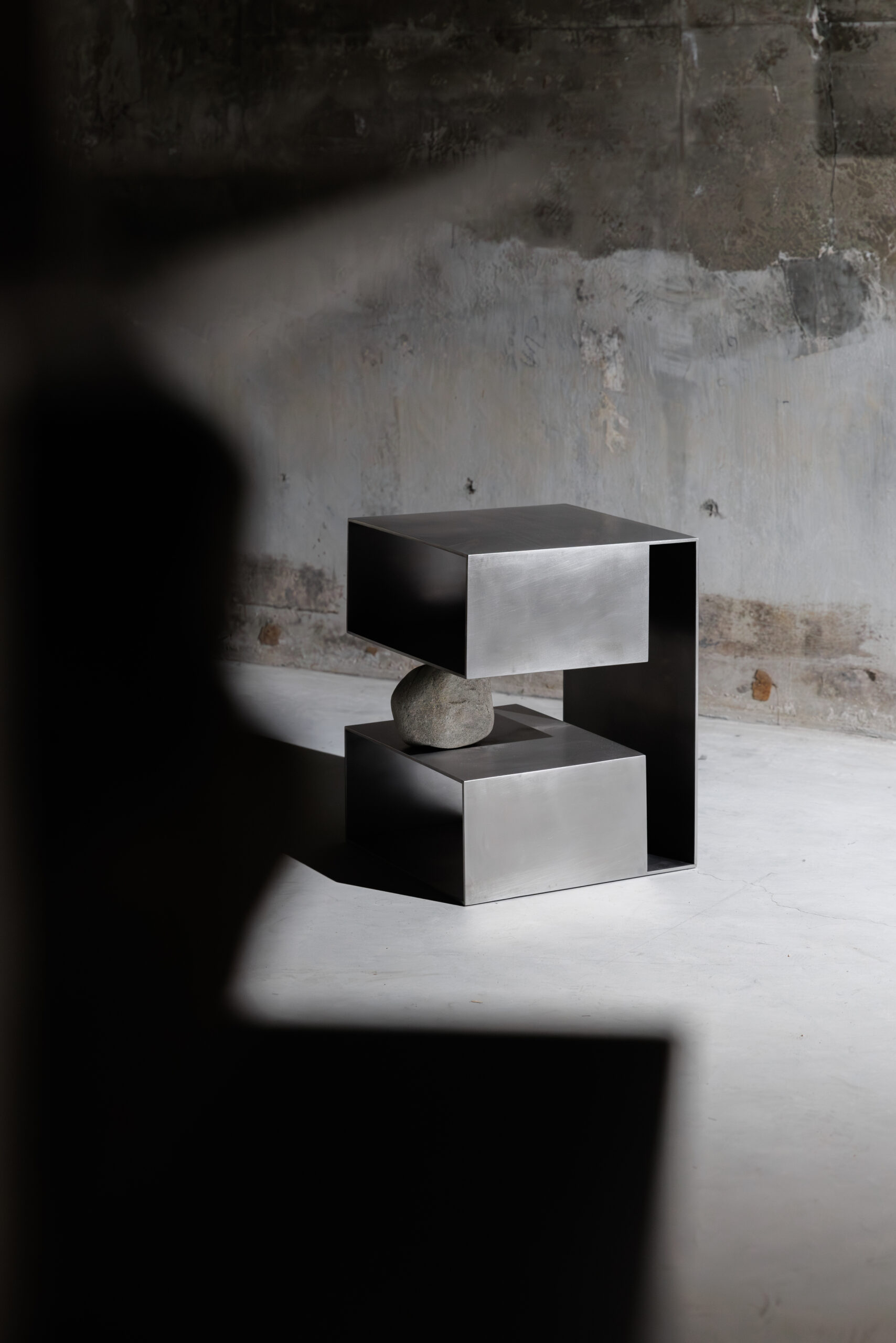
Operating between design and sculpture, Lee’s practice reflects an ongoing interest in the dialogue between natural formation and human intervention. By allowing material characteristics to guide form and structure, his works seek a quiet balance between raw material presence and constructed order.
Let's know more about
Interview
Where were you born and where are you from?
What is your first memory connected to the art world?
When I was young, I often went hiking with my father. I still remember the view from the top of the mountain. The landscape where nature and the city overlapped left a strong impression on me.
At the time, I did not fully understand why that scene fascinated me. But looking back, I realize that those moments — where natural and man-made environments coexist — have stayed with me and continue to influence my sensibility today.
Have you always worked in the art/design field?
I enjoyed drawing from an early age, and later studied spatial design at university. While studying space, I naturally became interested in the elements that compose it.
Furniture and objects, in particular, fascinated me because they can define the atmosphere and balance of a space. Over time, this interest gradually expanded into my current practice in collectible sculptural design.
What led you to design creation?
While studying spatial design, I became increasingly interested not only in space itself but also in the objects placed within it. I started to think that what ultimately completes a space is the objects that inhabit it.
I was particularly fascinated by historical examples of architects who designed furniture themselves, embedding their own philosophies into these works. Those pieces felt less like functional objects and more like sculptural expressions of the designer’s ideas and attitude. Seeing these works inspired me to explore objects of my own and naturally led me to begin creating sculptural pieces.
How would you describe your creative process and its influences?
My work often begins with observing natural forms or industrial traces within the city. Moving between urban environments and nature, I collect and observe materials around me — this process itself becomes the starting point of my work.
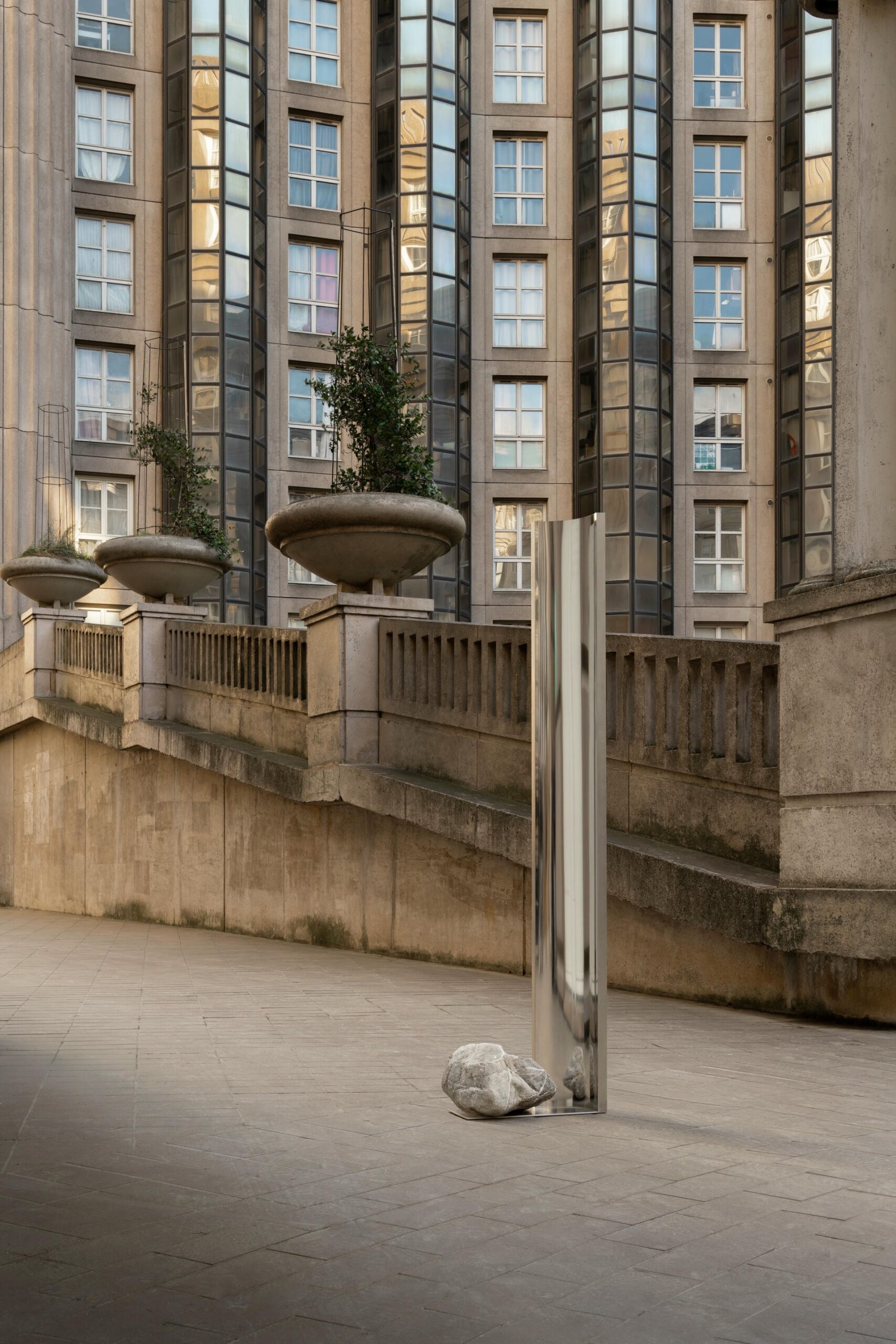
I am particularly interested in the tension that emerges between natural materials and modern industrial ones, such as metal. When these contrasting elements meet within a single structure, a certain balance begins to emerge. Creating moments where materials from different temporalities coexist within the same work is an important part of my practice.
Could you describe a typical day of your work?
Most of my time is spent moving between my studio and metal workshops where the works are produced. The process naturally shifts between designing and fabrication.
On my days off, I often go to places in nature with friends to fish or simply spend time outdoors. Since I spend much of my time in the city, I try to intentionally create moments to reconnect with nature.
Why did you choose the specific materials you work with?
I mainly work with natural materials such as stone and wood, together with industrial materials like metal.
Although these materials have very different characteristics, I am drawn to the contrast between the timeless weight of natural materials and the refined, cold qualities of modern industrial materials. I believe this contrast creates both tension and balance within the work.
What are the technical particularities of your creations?
I try to use natural materials without damaging them, preserving their original form as much as possible. I believe nature is most beautiful in its untouched state.
My intention is to allow natural materials to function both structurally and aesthetically within the work, while using industrial fabrication processes to complete the piece.

What advice could you give to beginning artists who would like to create sculptural design works?
I think it is important to build a deep relationship with materials. Understanding the physical qualities of materials is just as important as conceptual thinking.
Spending time touching, handling, and experimenting with materials directly can become an important foundation for one’s practice.
If your works had to belong to a design movement, how would you define it?
Somewhere between primitive sculpture and contemporary collectible design.
What designers and artists have influenced you?
Shiro Kuramata. He experimented with materials such as acrylic, metal mesh, and shattered glass while working across space and furniture design.
What impressed me most was the way he used materials to transform the sensory experience of space.
What contemporary artists, in any kind of art, have you been inspired by?
Lee Ufan, one of the leading figures of the Mono-ha movement.
If you had to summarize your creations in one word or sentence, what would it be?
A balance between primitive nature and contemporary industry.
“Creating moments where materials from different temporalities coexist within the same work is an important part of my practice.”
The Questionnaire
The Questions
(The Proust Questionnaire is a set of questions answered by the French writer Marcel Proust.
Other historical figures who have answered confession albums are Oscar Wilde,
Karl Marx, Arthur Conan Doyle, Stéphane Mallarmé, Paul Cézanne…)
What is your idea of perfect happiness?
Now.
What is your greatest fear?
Incompetence.
What is the trait you most deplore in yourself?
Procrastination.
What is the trait you most deplore in others?
Hypocrisy.
Which living person do you most admire?
Myself.
What is your greatest extravagance?
An obsession with details.
What is your current state of mind?
Clear.
What do you consider the most overrated virtue?
–
What is the quality you most like in a man?
Strength.
What is the quality you most like in a woman?
Curves.

Which words or phrases do you most overuse?
“Well…”
Which talent would you most like to have?
Emotional intelligence.
If you could change one thing about yourself, what would it be?
Impatience.
What do you consider your greatest achievement?
Continuing my work.
If you were to die and come back as a person or a thing, what would it be?
Roots.
Where would you most like to live?
Seoul.
What is your most treasured possession?
My family and my dog.
What do you regard as the lowest depth of misery?
Being late.
What is your favorite occupation?
Drinking.
What is your most marked characteristic?
Intuition.
What do you most value in your friends?
Honesty.
Who are your favorite writers?
–
Who is your hero of fiction?
Don Quixote.
Which historical figure do you most identify with?
–
Who are your heroes in real life?
Ryuichi Sakamoto.
What are your favorite names?
Sisan Lee.
What is it that you most dislike?
Being restrained.
What is your greatest regret?
–
How would you like to die?
With a smile.
What is your motto?
Look far, walk long.
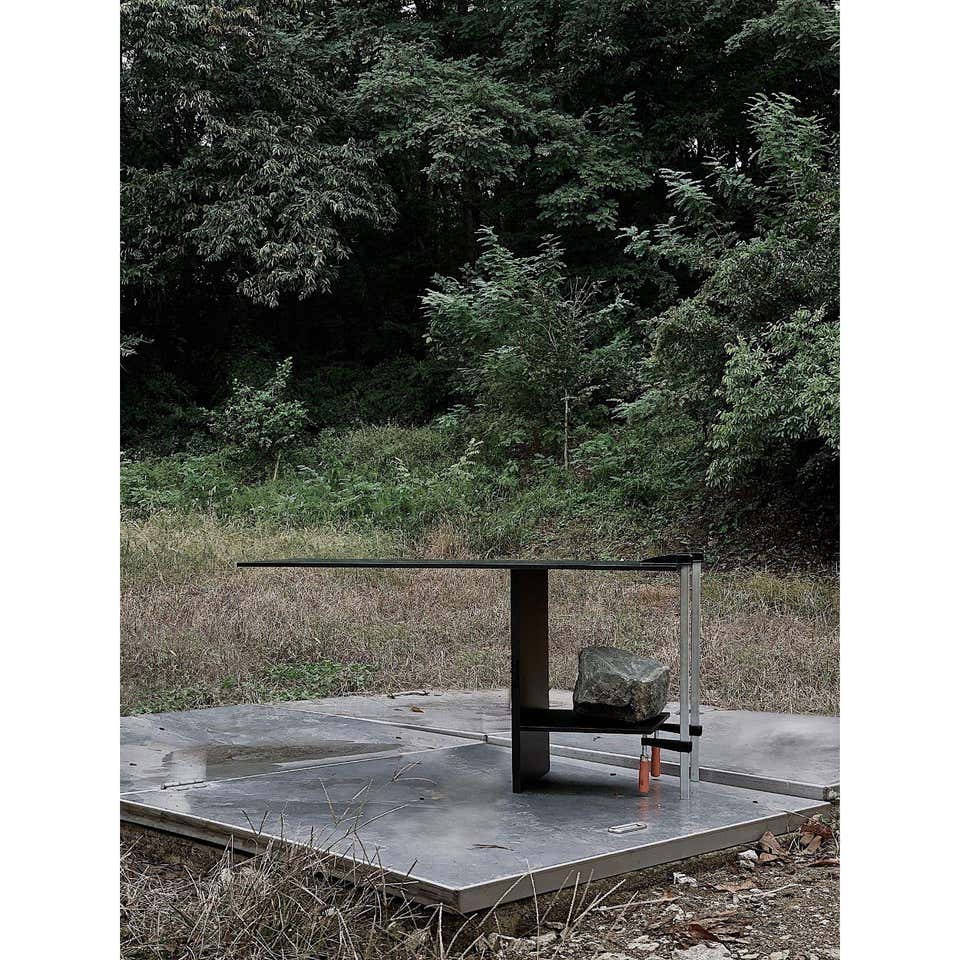
“I believe this contrast creates both tension and balance within the work.”

SHARE :