Join the PHILIA's newsletter. Be the very first to know about our limited arrivals, receive special offers and more.

    Tosin Oshinowo

    Tosin Oshinowo

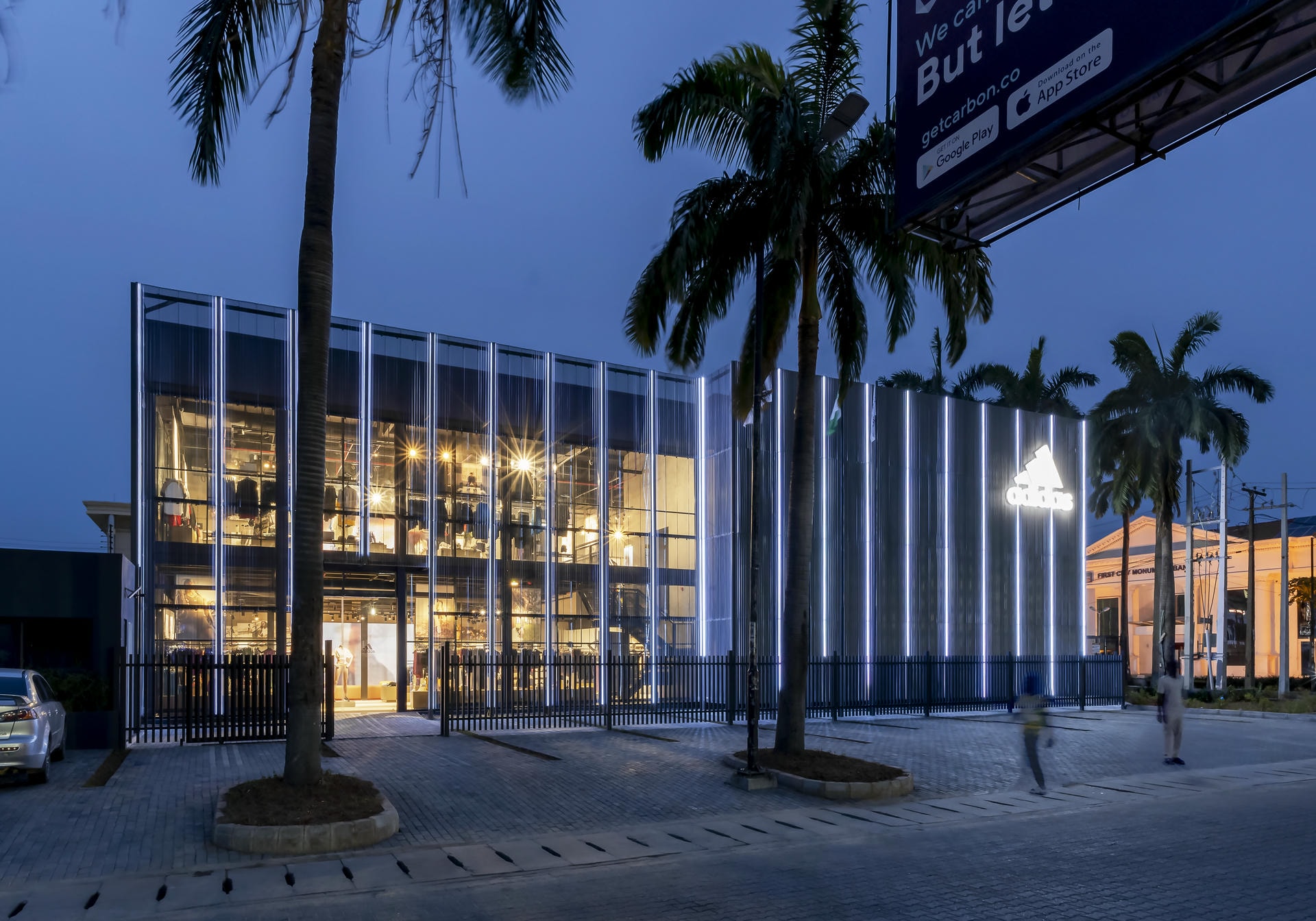
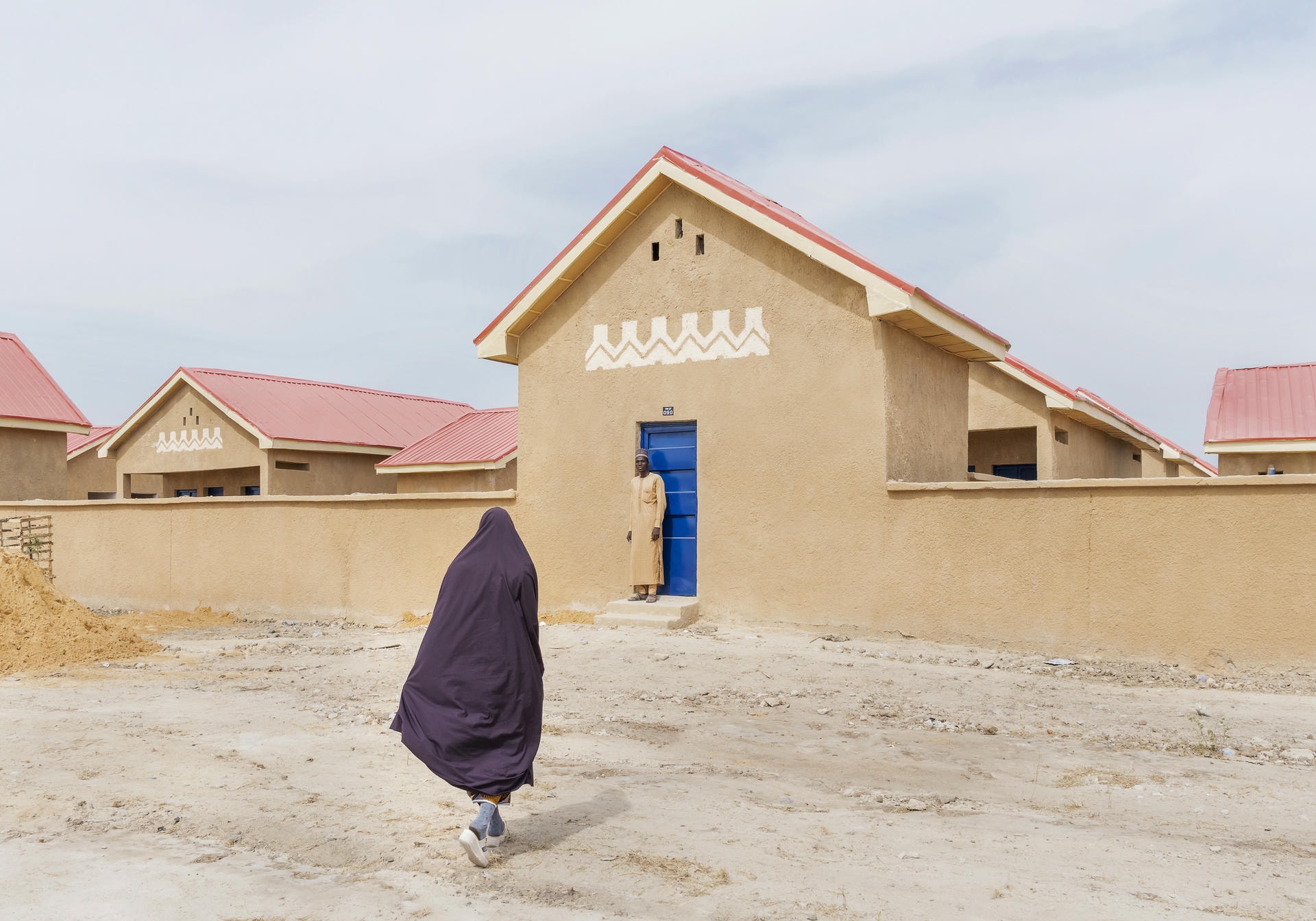
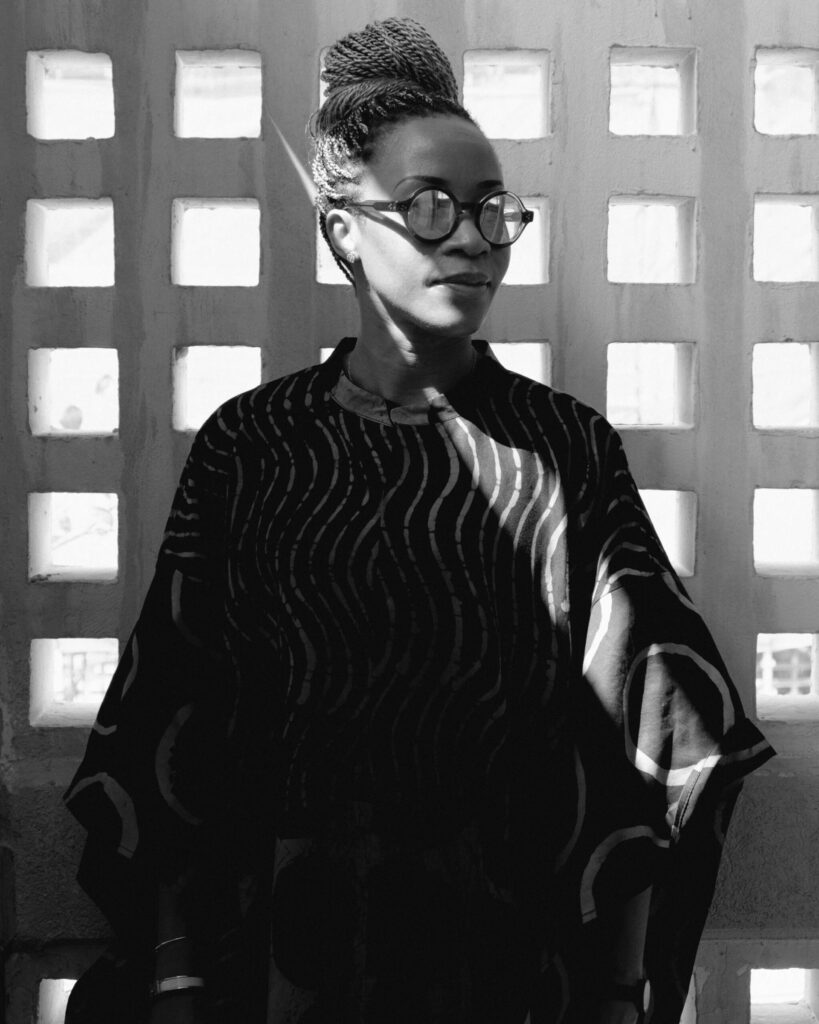
    Tosin Oshinowo is a Lagos-based Nigerian architect, designer, and curator, and the founder of Oshinowo Studio, established in 2013. Her practice is recognized for its socially responsive approach to architecture, design, and urbanism, with projects spanning civic, commercial, and residential sectors across Nigeria. Notable works include collaborations with the United Nations Development Programme to create a new community for a village displaced by Boko Haram, Maryland Mall in Lagos, and Adidas’ flagship store in West Africa.

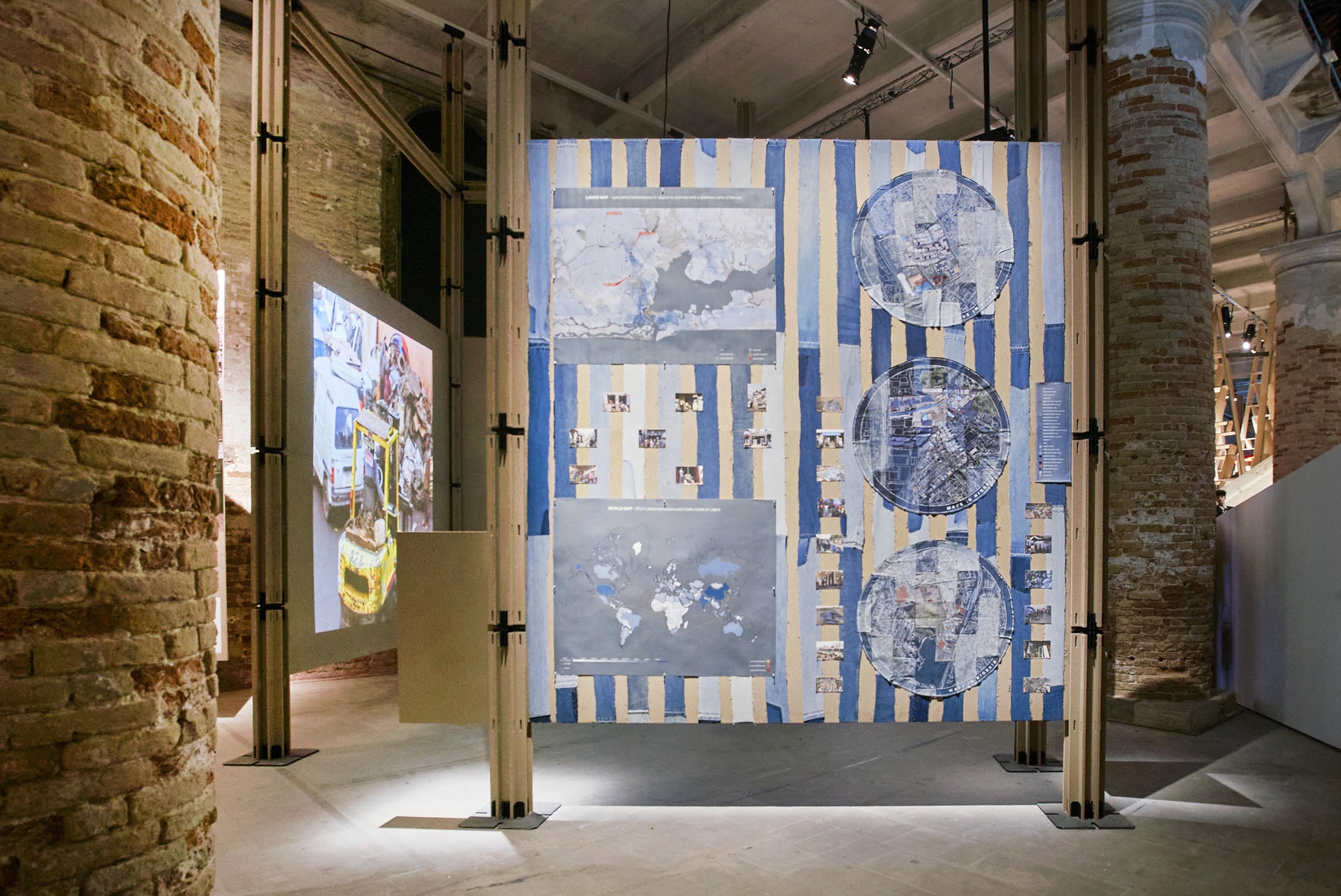
    Oshinowo’s work explores the intersection of culture, identity, and contemporary African design. Alongside her architectural practice, she is an active curator and researcher, having co-curated the 2019 Lagos Biennial and curated the 2023 Sharjah Architecture Triennial. A registered architect and member of the Royal Institute of British Architects, she has worked internationally with firms including Skidmore, Owings & Merrill and the Office for Metropolitan Architecture before establishing her independent studio.

    1. How did your journey into architecture start? Did you always know you wanted to work as an architect?

    Yes, I always knew I wanted to be an architect. I realised very early — around the age of 12 — that I was strongly spatially inclined. I had always excelled in the arts at school, particularly in fine arts, but the defining moment came when my father was building a country home. The architects brought home the floor plans, and I was the only one of my siblings who showed any real interest. I accompanied my father to the site many times, and through that experience, I recognised that I had an intuitive understanding of space.

    I was a creative child, but what became clear to me then was that my creativity was matched by a natural spatial awareness. That early awakening set me firmly on the path to architecture.

    2. What guides your very first steps in conceiving a building, and how do you translate a client’s vision into architectural form?

    There are many ways a building is conceived. Traditionally, the process begins with the first interaction with a client and their aspirations for what the space should become. Between private and commercial projects, these aspirations can differ significantly. But there is always an “aha” moment—either through conversation or through experiencing the site—when the inspiration emerges that ultimately shapes the theme and direction of the space. In my mind, the process always begins with a moment, but that moment is prompted by many factors. It may arise through a spark in conversation, the experience of walking the site, or an encounter with a material or element of the location that inspires the architectural direction that is later curated into space.

    Different architects have different approaches. Some believe that the architectural language should be derived strictly from the brief, the site, and the materiality of place. I come from a slightly different school of thought: while the context, the brief, the location, and the materiality are fundamental, architectural interpretation is also shaped by the aesthetic language of the designer.

    I believe it is important that in any architecture we produce, there remains something of the architect present as the author. This presence is not to overshadow the needs of the project, but to ensure a consistent school of thought, a coherent aesthetic language, and the narrative by which the designer is recognised. Often, clients seek out a particular architect because of their demonstrated ability to execute certain ideas or qualities exceptionally well.

    That sense of identity or architectural language is meaningful. When translating a client’s brief, we are always careful and deliberate in ensuring that we represent the needs of the end users and patrons accurately. At the same time, we remain true to our values as designers—our principles around aesthetics, our architectural integrity, and our commitment to sustainability and advocacy.

    Adidas Store © Oshinowo Studio

    Alternative Urbanism

    Ngarranam, UNDP © Tolu Sanusi

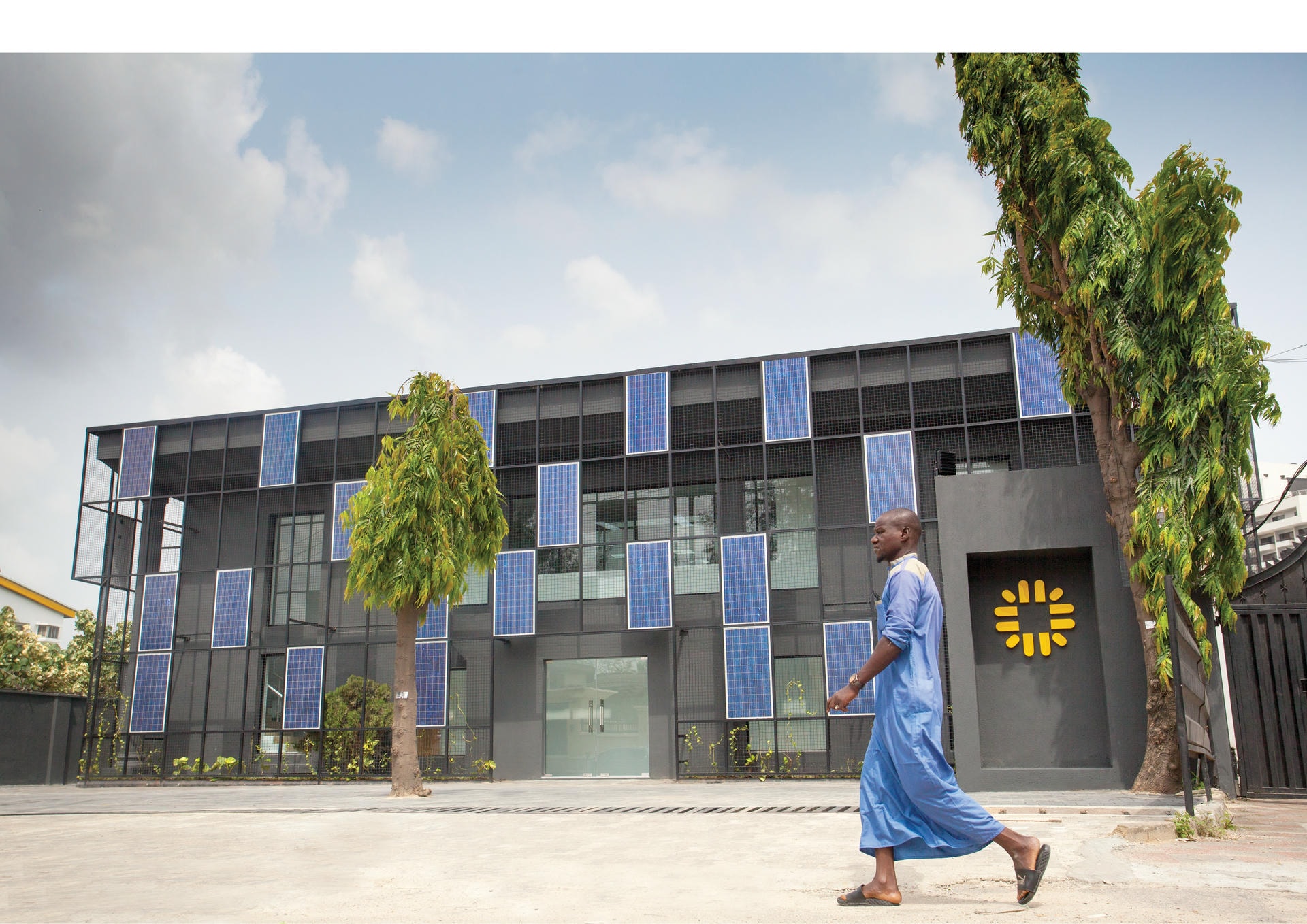
    Rensource Energy 3

    3. How would you describe your design style as an architect?

    Our work is modern and minimal. As a practice, we strongly believe in using materials in their natural form. We are deeply interested in creating spaces that serve as a canvas for life to unfold—spaces where the architecture does not dominate or overwhelm, but instead provides a refined backdrop for human activity. In our view, buildings should support and elevate the way people inhabit them, allowing life to occupy the space rather than compete with it.

    4. Could you tell us about one of your projects that you are most proud of, and share what it is about this project that is exciting?

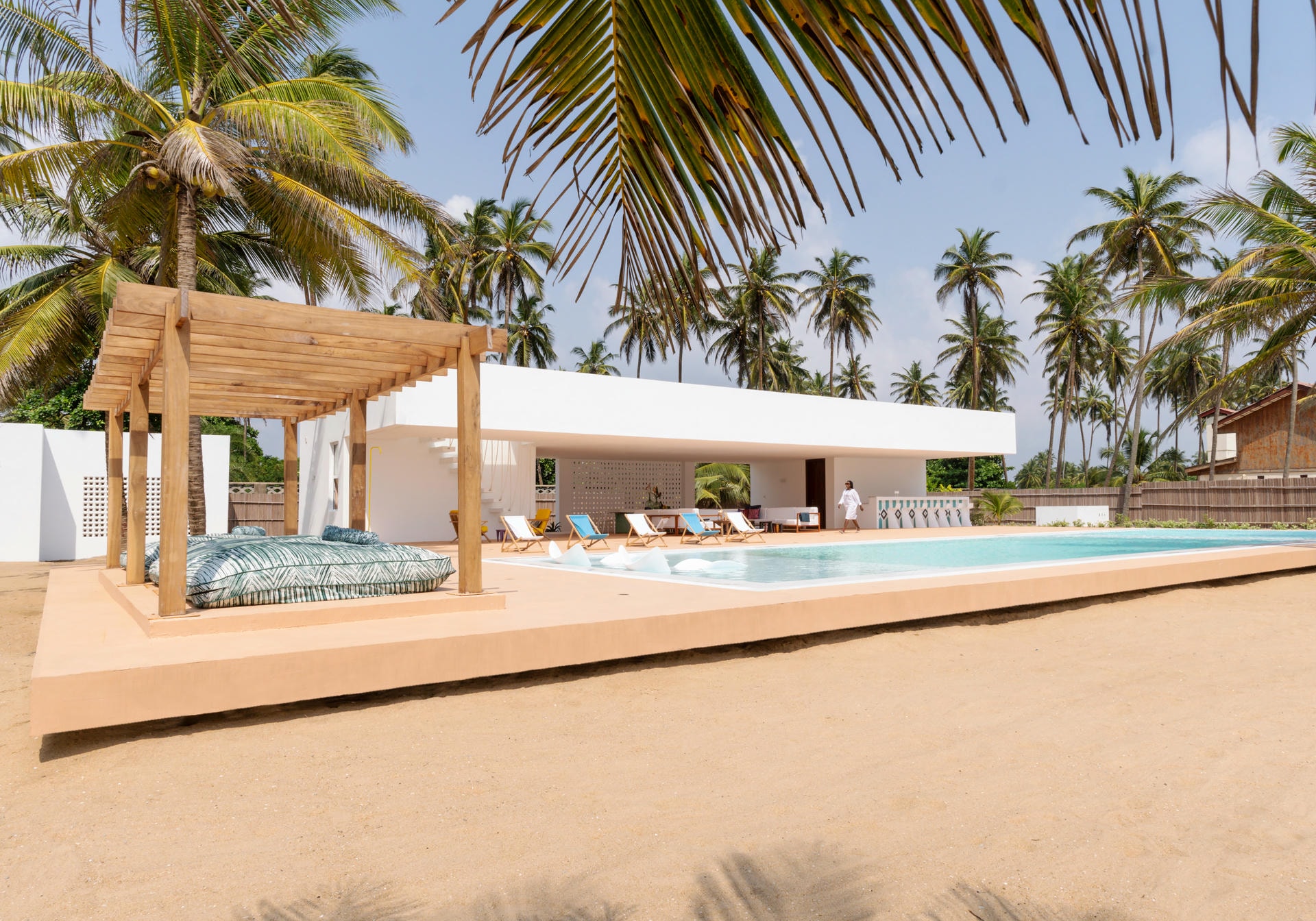
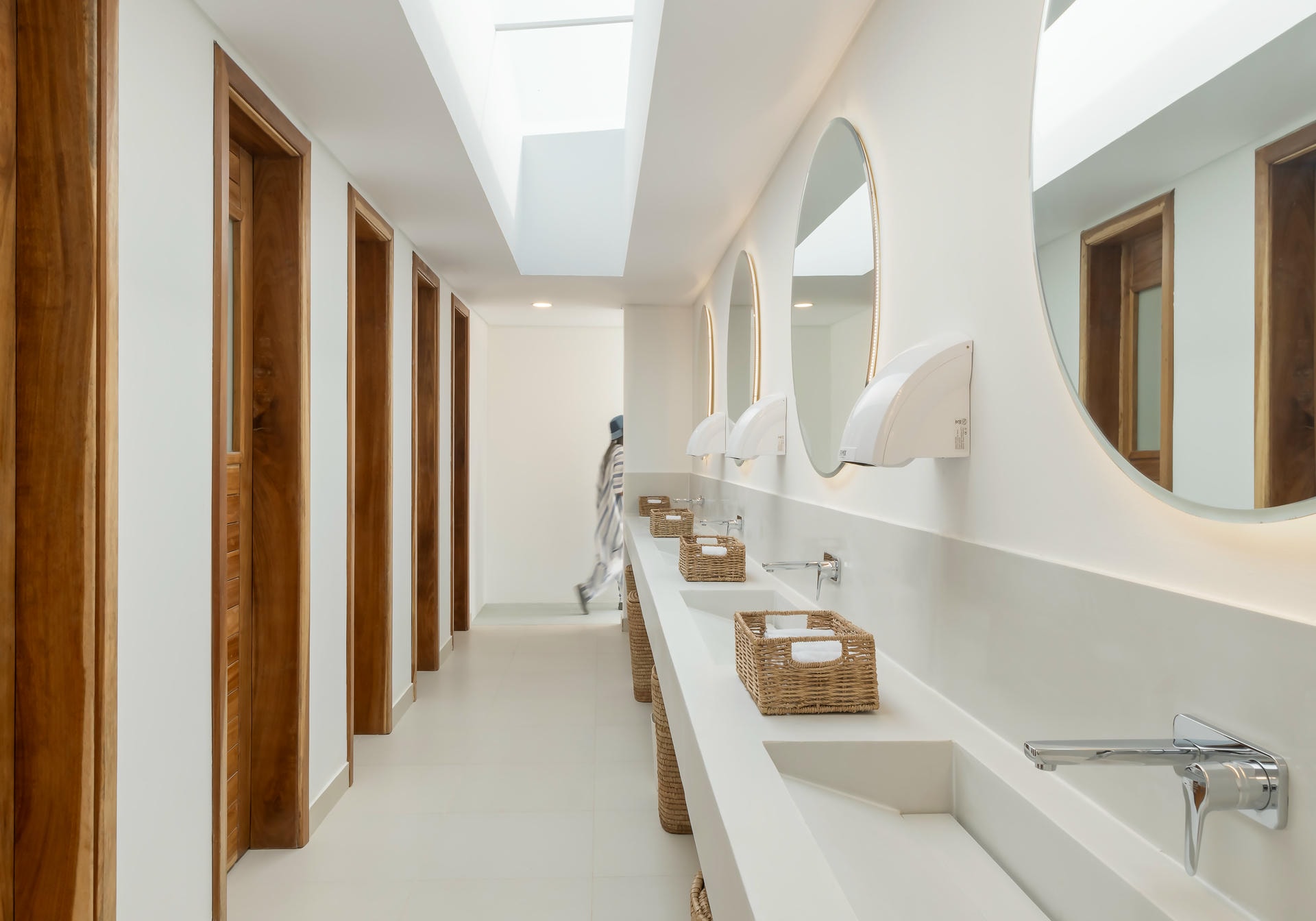
    I don’t usually like to highlight specific projects, because each one is a product of its own time, space, context, and form. They all carry qualities that make them distinct. However, if I were to choose one, I would say Foworale.

    I am particularly drawn to this project because it embodies our core values as a practice—the belief that architectural intervention should be gentle, thoughtful, and responsive to its context. The concept came to me very naturally; in fact, I completed the initial design over a single weekend. It reflects our commitment to creating architecture that is sustainable, sensitive, and conscious of both its environment and its climate. Above all, it embodies our pursuit of designs that are not overpowering, but instead approach space with elegance and restraint.

    Foworale is one of the projects I am most proud of and feel most connected to, because it so clearly reflects the values that guide our work. Its execution represents, in many ways, the essence of who we are as a practice.

    5. It must be hard to choose from, but what are your favorite architectural works in the world, and could you tell us why?

    I admire many architectural masterpieces, including numerous works I have encountered only through books. But two that I personally experienced—and that left me profoundly spellbound—were the Abrahamic Family House by Adjaye Associates and the Sydney Opera House by Jørn Utzon.

    When I visited the Abrahamic Family House, it was not open to the public, so I was only able to enter the church and walk through the grounds. Even with limited access, the experience was extraordinary. I felt a similar sense of awe at the Sydney Opera House. Although I did not see a performance, I had the opportunity to sit inside one of the theatres, and that was enough to feel the power of the space.

    Architecture can profoundly influence human emotion, and in both of these buildings, I felt that impact intensely.

    6. What is the part of your work as an architect that you enjoy the least?

    The administrative aspects of architecture are incredibly important, because they are ultimately how projects get executed. But they are also the least exciting—there is a great deal of paperwork, and it can be terribly boring. Still, it is essential work that keeps a project on budget, on schedule, and coordinated. Without it, even the best design cannot succeed.

    A successful project is not defined by good design alone. It is also measured by efficient delivery, which depends on cost control, time management, and seamless coordination across all disciplines.

    This phase of the work is often the most time-consuming, the most laborious, and, in many ways, the most thankless. Yet it is integral to taking a building from conception to completion. It is not the part of the process I enjoy the most, but I understand its importance and the level of responsibility it carries. It must be done—and done well—even if it is not the most exciting aspect of the profession.

    7. What are your inspirations? Is there a place, a figure, or an activity that always fuels your inspiration or always re-centers you?

    I’m inspired by everything that surrounds me. This is one of the reasons I enjoy Instagram so much: it is a visual repository that keeps you constantly aware—not only of what is happening within your own context, but also from a global perspective. What I find particularly compelling is how effortlessly it builds a record of your interests. If you are drawn to buildings, that is what the algorithm will surface. If you are interested in colour, materiality, or craft, those images will find you. It becomes an intuitive way of staying subconsciously attuned to the world around you, which I find incredibly exciting.

    I also love to people-watch. I love observing how people navigate and occupy space. I am especially intrigued by the post-occupation phase of a building, when the decisions you made as a designer are being tested in real time. Sometimes it is gratifying to see that a design choice works beautifully; other times, you realise there is a lesson to be carried into the next project. There is so much insight in the “in-betweens”—not in what people say, but in what they don’t, in how they move and behave in space when they are not aware of being observed.

    This, to me, is endlessly fascinating, and I draw a great deal of inspiration from it.

    8. Is there a motto that resonates in all your designs? A mantra that you live by when building?

    Yes: “Necessity is the mother of invention,” a phrase commonly attributed to Plato through The Republic, where he suggests that our needs give rise to the creation of society and the tools that sustain it.

    What I love about this motto is that it reinforces the belief that anything is possible—particularly when you live in a place marked by economic scarcity. Every day in practice, as designers, we are challenged to think innovatively about solutions. We are progressive in our approach to design and do not accept that geography or limited resources should constrain what is achievable. When you work within these kinds of limitations, you are often surprised by how much can, in fact, be realised.

    I approach each day with optimism, grounded in the conviction that if we think differently about the problem, we can arrive at a more appropriate and effective solution.

    9. Your work spans from intimate residences to civic and community-oriented projects rooted in culture and climate. How does your design process shift when working for a private client compared to responding to broader societal needs?

    Our process does not shift. This is a very important point. We have been fortunate to work at both extremities of economic resource—from high-net-worth individuals to communities displaced by insurgency. These experiences have reinforced a belief I hold strongly: design is a resource that should be accessible to everyone, irrespective of economic standing.

    When we provide a service, regardless of who the end user is, our focus is always on people. How do we create spaces that people can feel proud of? How do we create spaces that are comfortable, appropriate for their use, responsive to context, rooted in place, and attuned to climate?

    Good design, to me, is about the coupling, composition, and curation of space. It should not be determined by the availability of resources. As a practice, we invest the same level of effort into every project because, ultimately, all completed spaces are for people—and people deserve thoughtful, well-considered design.

    We take great pride in maintaining this neutrality of end-user. It is central to ensuring that we deliver an appropriate and meaningful service, no matter the project’s scale or budget.

    10. You often engage with local culture, climate, and materials in your designs — how do you balance tradition and modernity when rethinking contemporary African architecture for global relevance?

    There is no clear line that separates the traditional from the contemporary; even what we now call tradition was, at one time, modern. The way we design and occupy space is an ongoing evolution of lifestyle and, by extension, culture. The availability of technology also shapes this continuum—what we describe today as traditional was, in its own era, the cutting-edge technology of its time.

    I see this simply as a shifting timeline—one that moves in response to evolving narratives of how people live, yet remains rooted in place. Just as Africa has its traditional materials, so does Japan. What we now recognise as the materiality of place is the result of this evolution, forming a visual and cultural identity unique to each context.

    The question, then, is how we meaningfully engage all of these layers. Identity plays a critical role in how we develop space. Globalisation has brought many benefits, but it has also made the world smaller in ways that have led to a homogenisation of architectural expression. Technologies of construction have become increasingly uniform, and the materiality of place often becomes secondary. In this push toward a global narrative of progress, we have risked losing diversity, heterogeneity, and the uniqueness of local identity.

    Yet identity matters profoundly. It shapes who we are as people, and there is no reason we cannot celebrate diversity while also being part of a progressive, and at times monolithic, global world. Context—of place, of materiality, of climate—is central to my work. I believe deeply in building with a consciousness of the technologies of the past, not as nostalgia, but as a means of creating a future that is progressive, diverse, celebrated, equitable, resilient, and accommodating.

    This is why I deliberately refer to these as technologies: to remind us that the methods and materials of the past were, in their time, advanced and responsive. They hold lessons that remain valuable today, especially as we confront new climatic and contextual realities.

    I am very interested in fusing the technologies of the past with the lifestyles, needs, and technologies of the present to create an architecture that is firmly of today and equally of the future. In the linear narrative of progress, there are many threads worth carrying forward. When we consider climate, geography, and cultural context, it becomes clear that we cannot simply abandon the material intelligence and environmental responsiveness embedded in traditional methods. These, combined with contemporary technologies, form a compelling foundation for an architecture that is rooted, relevant, and forward-looking—a vision for the continent and beyond.

    11. What do you think the new architectural projects of today need the most? Or asked differently, what is something that the buildings of today lack the most?

    I believe the current global narrative around sustainability is fundamentally challenged. There is an overwhelming emphasis on zero impact—on “reducing our carbon footprint”—but far less focus on regeneration. What we need instead is an approach rooted deeply in context, in place, and in the principles of reuse and repair. We must reuse, and we must repair; these are not optional strategies but essential ones.

    Ironically, some of the world’s largest carbon producers are also the regions running out of land mass. This alone demands a shift in architectural thinking—towards active reuse and towards understanding how existing structures and materials can be adapted to meet contemporary realities. In contrast, in my region, we are still in a phase of intense development, with substantial growth still ahead of us. This requires a different mindset from that of already-developed regions, whose periods of major expansion occurred under very different environmental conditions and with far fewer constraints.

    The prevailing sustainability frameworks in architecture—often expressed through certifications, checklists, and performance tables—do not sufficiently transform how we conceptualise our cities. They measure, but they do not fundamentally shift our thinking. What is needed is an approach centred on balance with the climate, not solely through numerical calculations, but through a systemic reimagining of how we build, how we inhabit space, and how we design for the future.

    12. What would be an advice that you wish someone had told you as you were starting out?

    When I finished school, I had the impression that talent was all you needed. But talent will only take you so far. Many factors contribute to becoming a successful architect or building a successful practice, and many of those skills are not part of our natural repertoire as designers.

    If I could go back and give myself advice, it would be this: actively seek out the skills you were not taught but will absolutely need in order to build a practice. Understand the full spectrum of value required to make the machine of success function, and pursue those capabilities intentionally.

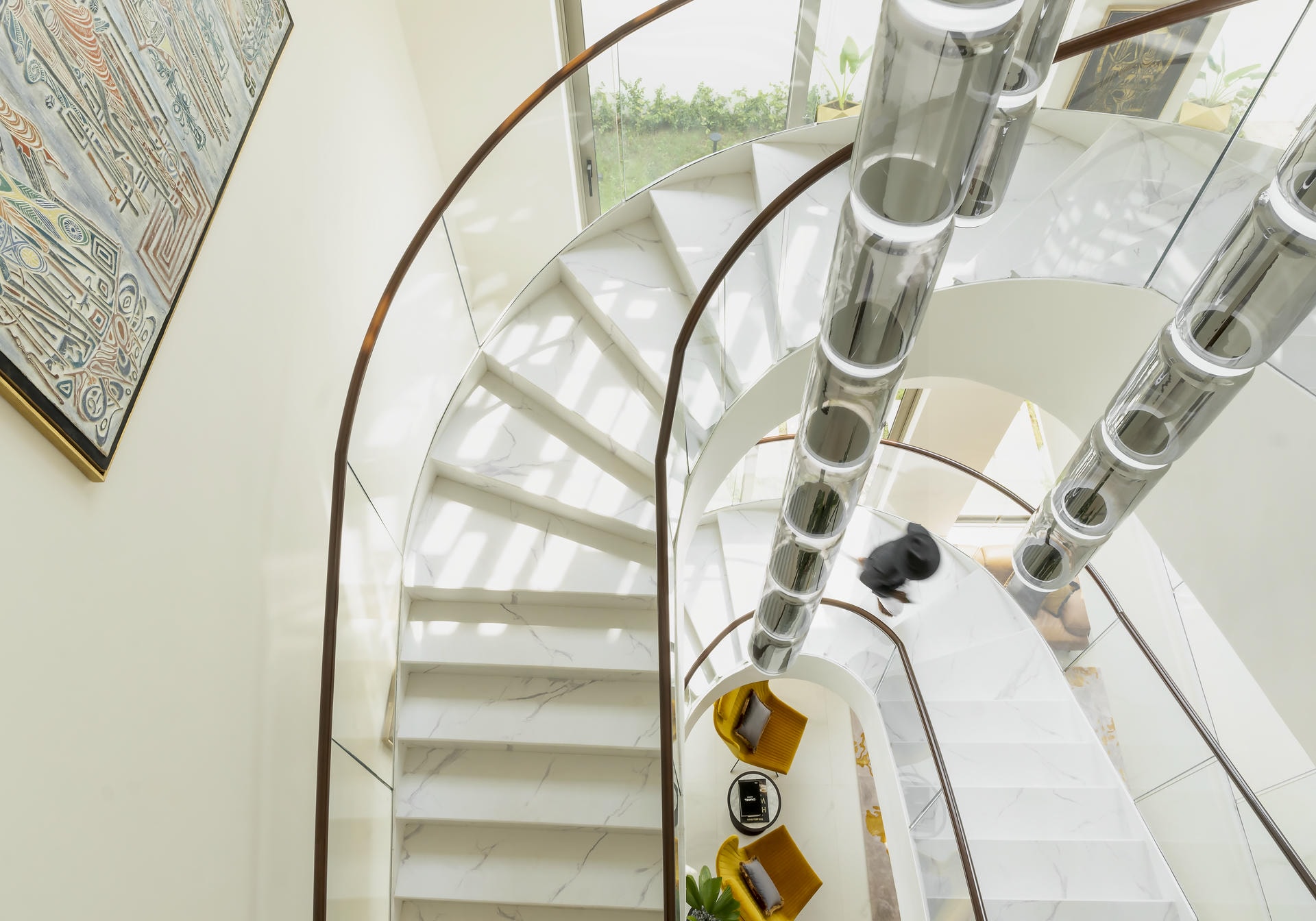
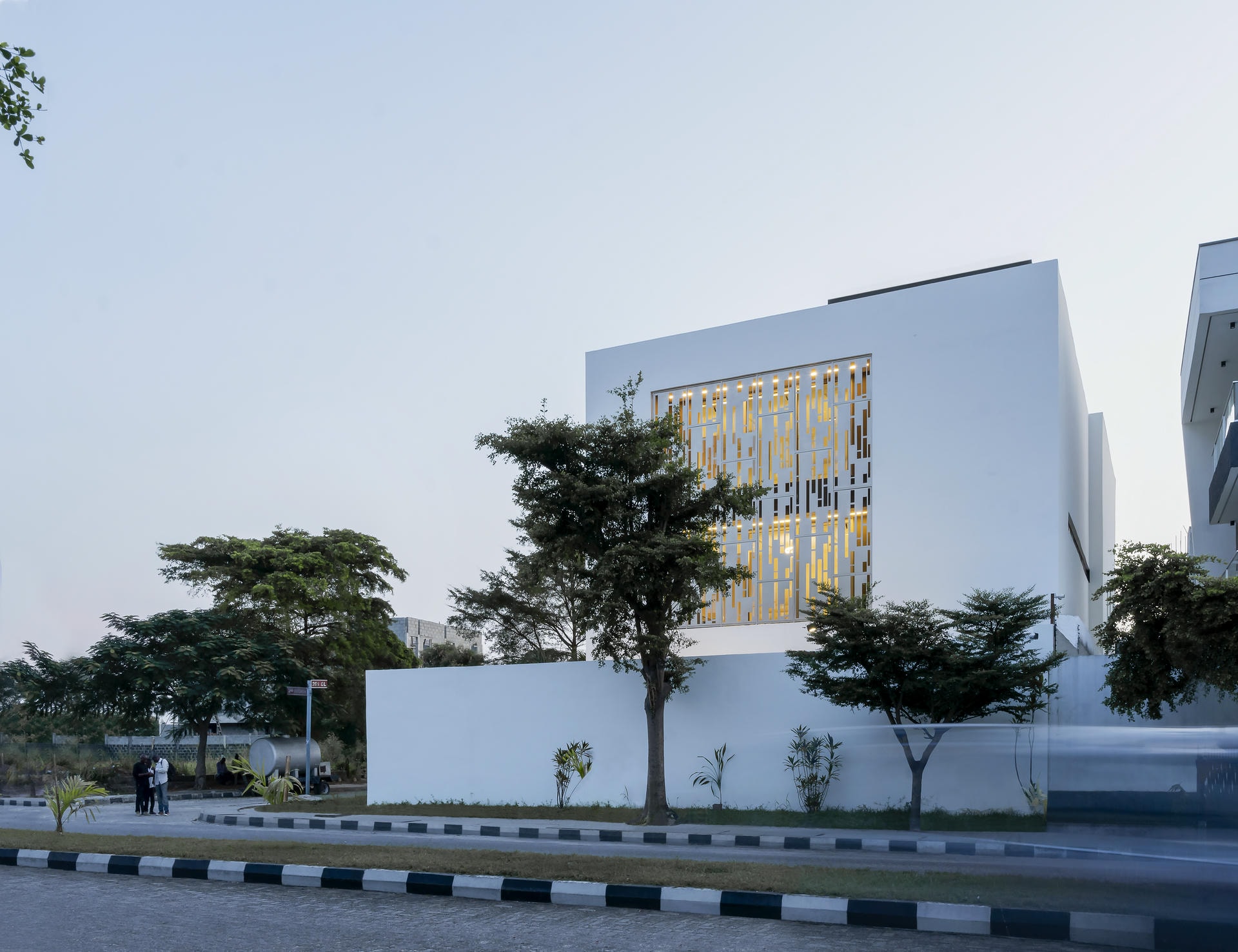
    Lantern House © Tolu Sanusi

    Lantern House © Tolu Sanusi

    Lantern House © Tolu Sanusi

    Coral Pavilion © Tolu Sanusi

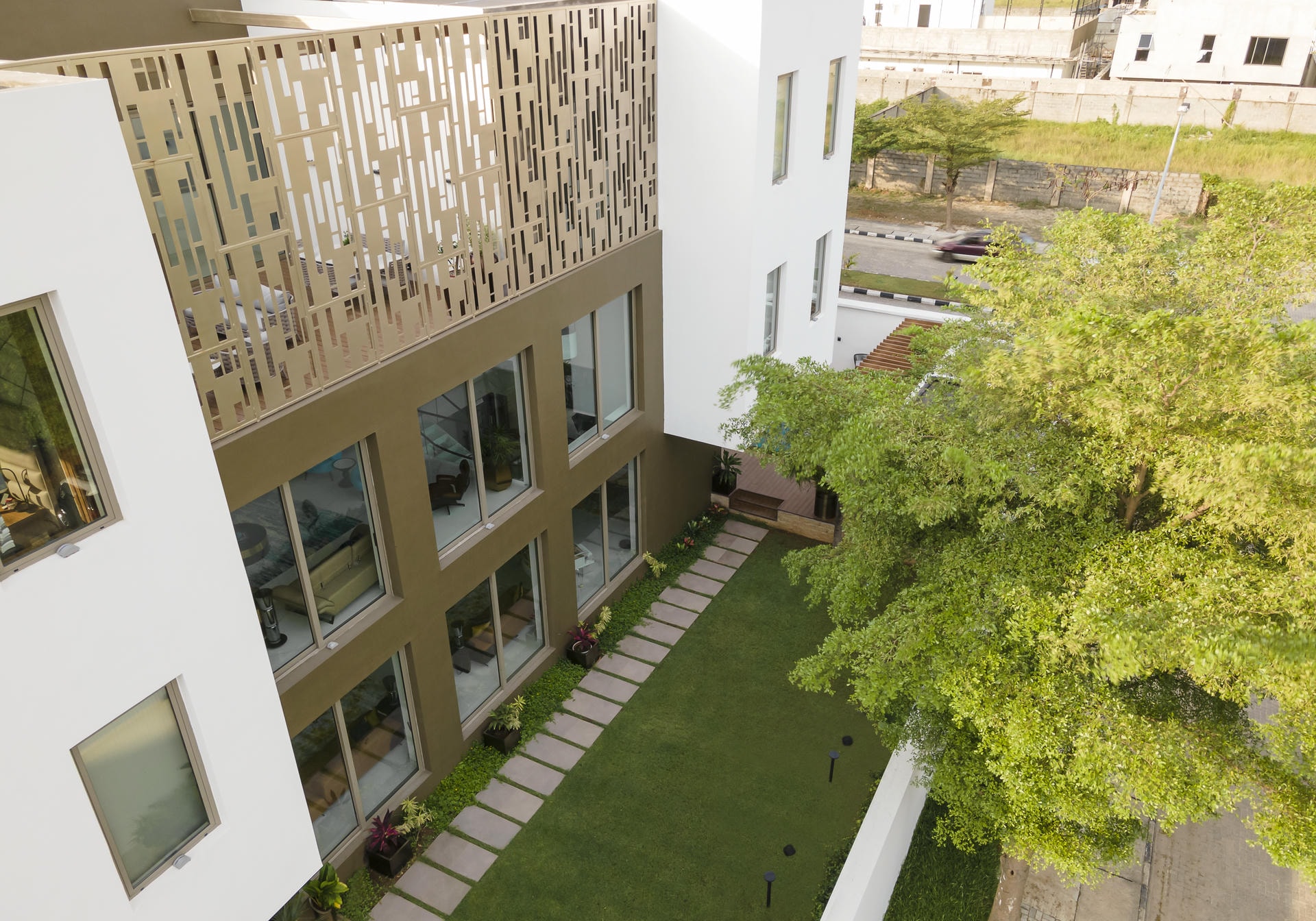
    FOWORALE 2 © Oshinowo Studio

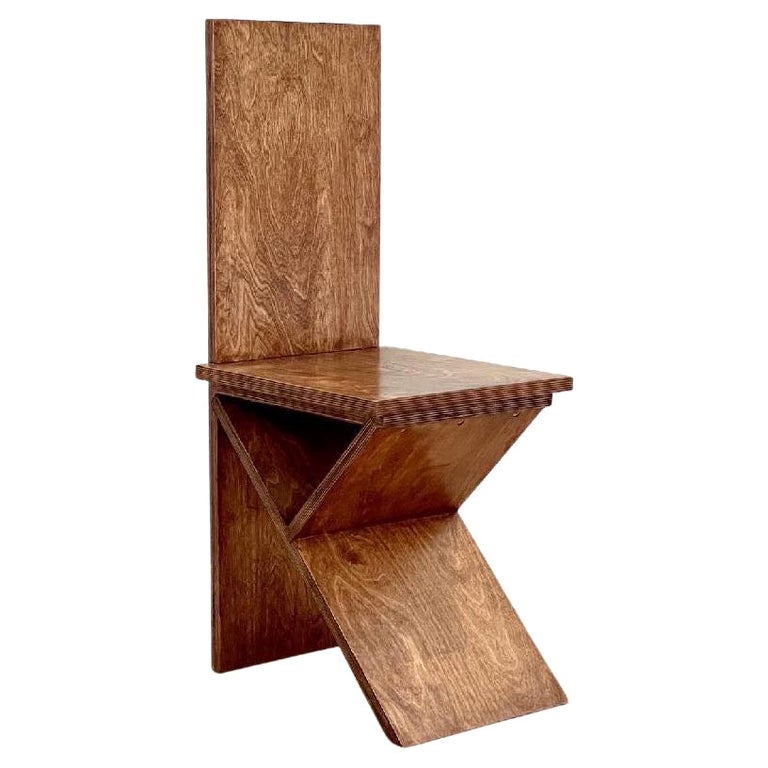
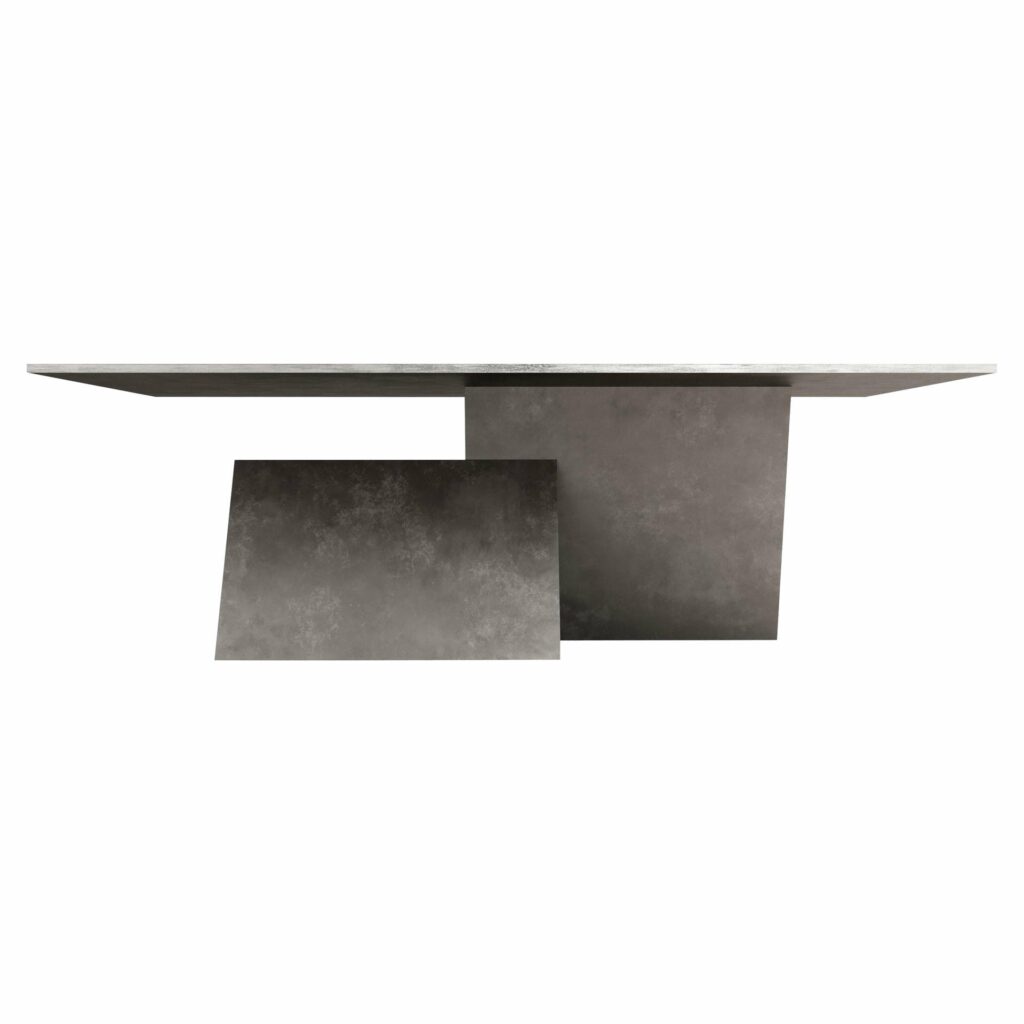
    13. Finally, what are your 3 favorite pieces from the Philia Collection?

    Thank you so much Tosin,  for this lovely interview!

    Leave a Reply