

As the Head of Design at Vesta Interiors, Freya Reed, likes to push boundaries through eclectic and unique design schemes. Taking much of her inspiration from changing trends, fashions and cultures from around the world, Freya’s designs always tell a story; capturing the uniqueness of her clients every time.
1. Could you tell us how your journey into interior design started?
My journey into interior design began in 2012, when I had the privilege of working for Louise Radley. I assisted on various projects and got my first taste of the industry. After a year of working closely with her, I took some time to travel, which further expanded my perspective on design. While in Australia, I studied interior design at KLC Design School, where I honed both my creative and technical skills. Prior to this, I had studied textiles at university, which gave me a deep appreciation for fabric and materials. In a sense, I stumbled into interior design, and it felt like a natural fit. It was the perfect blend of creativity and technicality, which has continued to define my approach ever since.
2. Do you think there has been a defining moment in your career?
One of the most defining moments in my career came when I received my first award. It was for a project I worked on during my time at MILC, my first high-budget project—a property on Oxford Street in London. The experience of working so closely with the client, understanding their vision, and delivering a high-calibre result was a pivotal moment for me. This project marked the beginning of my work with more prestigious clients and higher-budget projects, setting the tone for my future career.
3. What do you think is the key to a successful interior design? And in your business in general?
The key to success in interior design is undoubtedly communication. The process requires a deep understanding of the client’s needs, desires, and often, their unspoken expectations. It’s about reading between the lines, immersing yourself in their world in a very short time frame, and aligning your vision with theirs. A great designer doesn’t just take instructions; they guide clients, steering them toward the best solutions while keeping their budget in mind. It’s a delicate balance of creativity, practicality, and empathy. Ultimately, the success of a project lies in how well you can interpret the client’s hopes and translate them into a tangible, meaningful space.
4. How do you start your interior design projects? Do you usually start with a certain element of design or a keyword? And how do they develop?
The start of a project varies depending on the client. When working with private clients, the pace is typically slower, allowing more time for research and refinement. Some clients come to you with a clear vision, while others may be unsure of what they want, which requires a more exploratory approach. In these cases, I often provide several variations of designs and ideas, asking the right questions to draw out their preferences. Once the direction is clear, I begin researching materials, suppliers, and ideas, constantly evolving the concept until it feels just right.
On the other hand, when working with developers, there’s a lot of emphasis on local context—understanding the community, the location, and the branding of the project. The design process for developers is more about creating a space that resonates with the target market while maintaining a distinct identity. We’re not a “cookie-cutter” firm. Our approach is about gathering insights, researching, and making sure the design flows organically across the property, ensuring continuity while incorporating subtle thematic nods throughout the space.
5. How would you define your signature style? Do you have “a mantra” that encapsulates your taste in design?
My signature style can best be described as eclectic. I love combining different periods, textures, and styles to create something uniquely cohesive. There’s a strong emphasis on curating pieces that resonate with the space and the people living in it. My mantra is simple: “Check, and check again.” It’s about constantly reassessing design choices to ensure that everything not only works individually but also contributes to the overall harmony of the space.
6. Could you tell us about one of the favorite projects that you worked on?
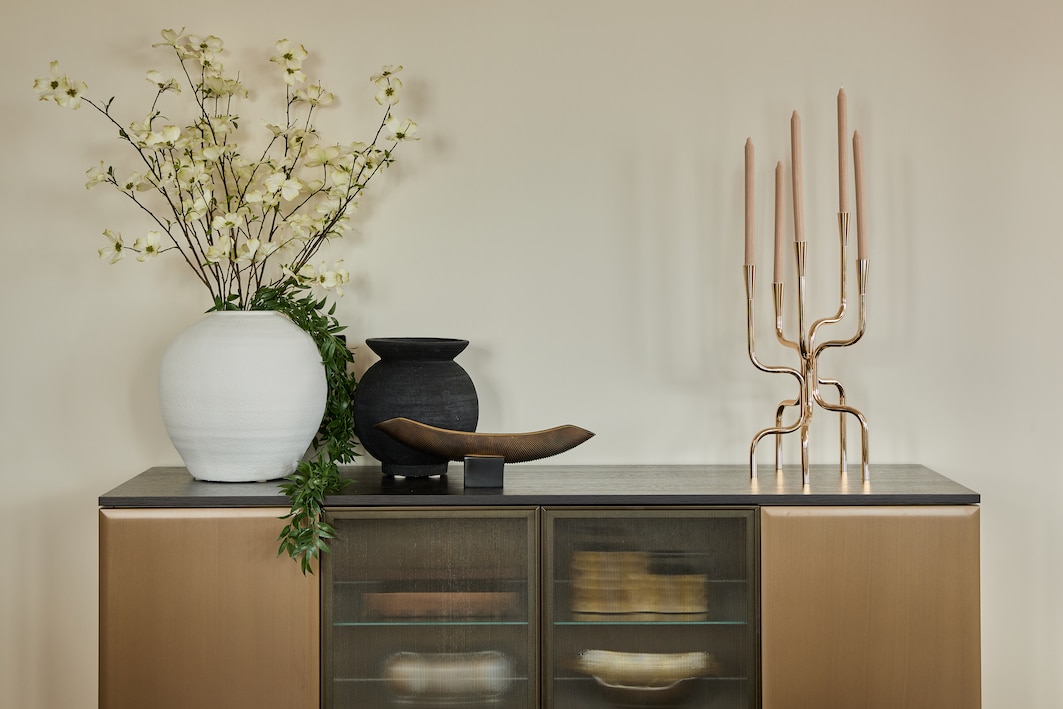
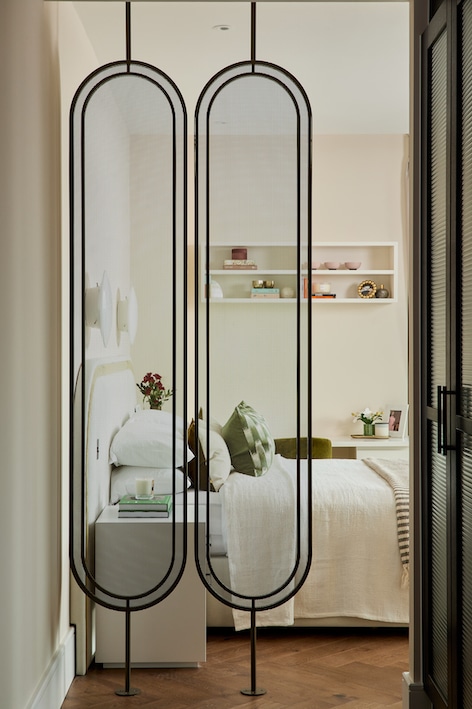
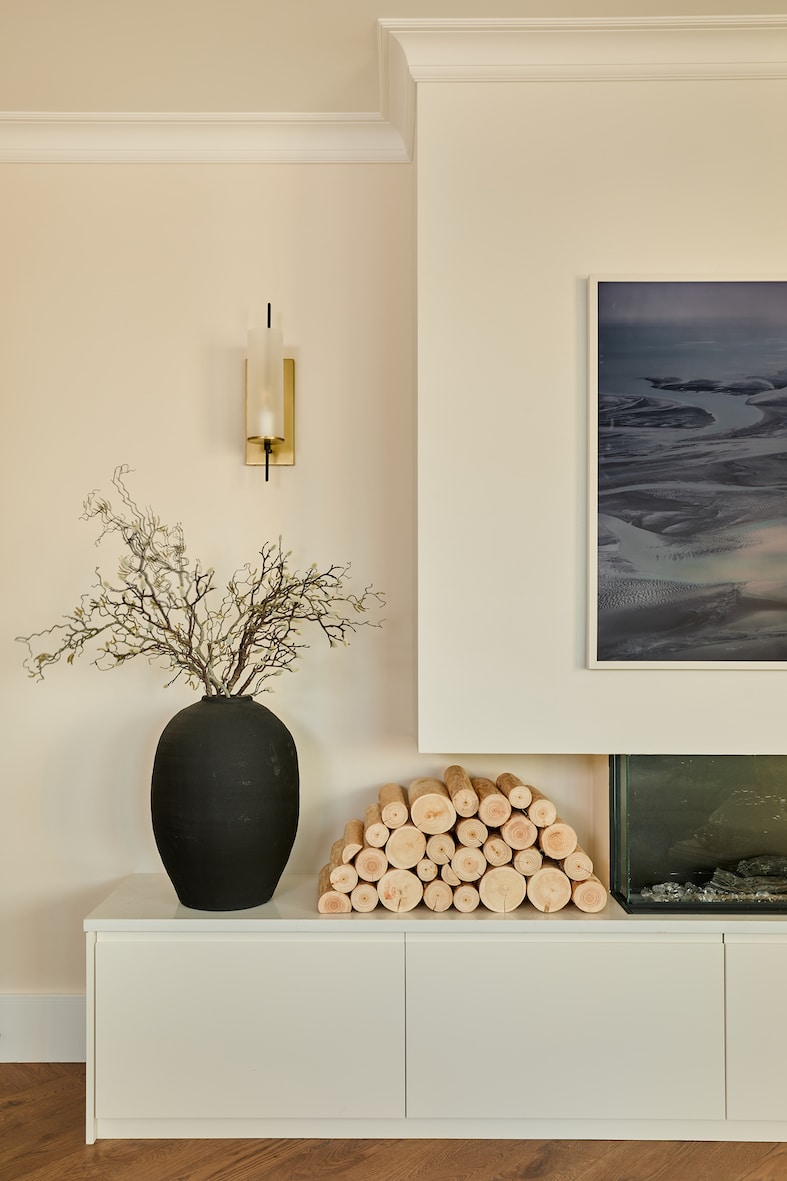
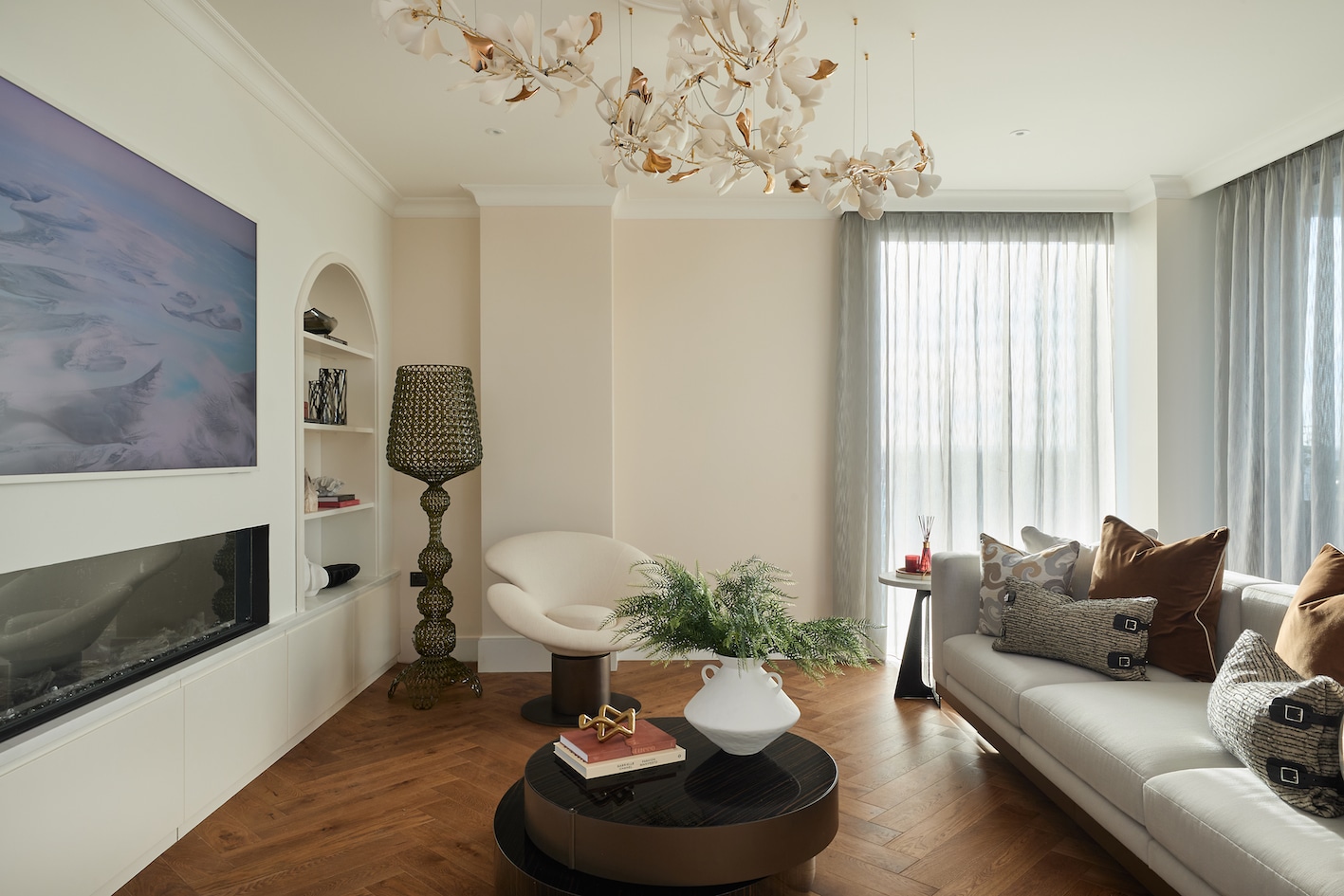
One of my favourite projects is Darwin House, located in London. The design was an exciting fusion of traditional Chinese intricate design and British heritage, blending contemporary London style with the richness of Eastern aesthetics. The challenge was to create a seamless flow from room to room, ensuring the design adhered to both feng shui principles and the cultural significance of the space. The result was a beautifully balanced home that felt both luxurious and harmonious.
7. What was one of the hardest learned lessons in your journey?
Interior design, especially on complex projects, is never without surprises. The more intricate the project, the more challenges tend to arise. One lesson I learned early on was the importance of flexibility and adaptability. Working on tight timelines, such as six-week projects, means you need to be agile and ready to solve problems quickly. The ability to stay calm under pressure and manage client expectations while addressing unforeseen issues has been one of the most valuable lessons in my career.
8. What was the best advice you have received in your path?
The importance of ergonomics. Design is not just about how a space looks, but how it functions. It’s essential to create spaces that are comfortable and practical, ensuring that the design enhances the experience of living in the space rather than detracts from it. This focus on human-centred design has become a cornerstone of my approach to every project.
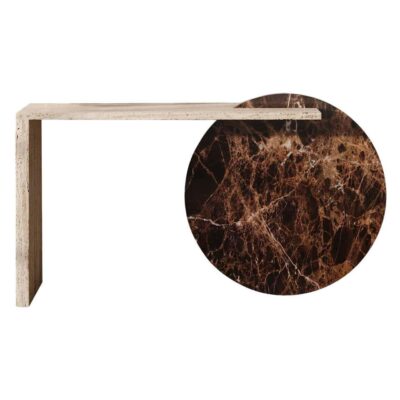
9. What are your 3 favorite pieces from the Philia Collection?
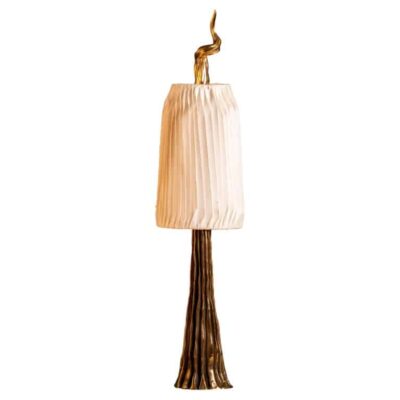
10. What would be your advice to beginner interior designers?
My advice to aspiring interior designers is to expose yourself to as many styles, tastes, and suppliers as possible. This helps you discover what truly excites you and gives you the foundation to develop your own unique design language. It’s also crucial to align yourself with companies and individuals who share your values and aesthetic. Surrounding yourself with like-minded people can elevate your work and help you stay true to your vision while learning from others in the field.
11. Are there any books/podcasts you would like to recommend to our readers?
- For anyone looking to expand their knowledge of design, I highly recommend “The Architect’s Pocketbook”—a comprehensive guide full of practical information for designers.
- The Chaise Lounge Podcast – it gives lots of practical business advice offering lots of tips and knowledge.
Thank you so much Freya, for these beautiful answers!
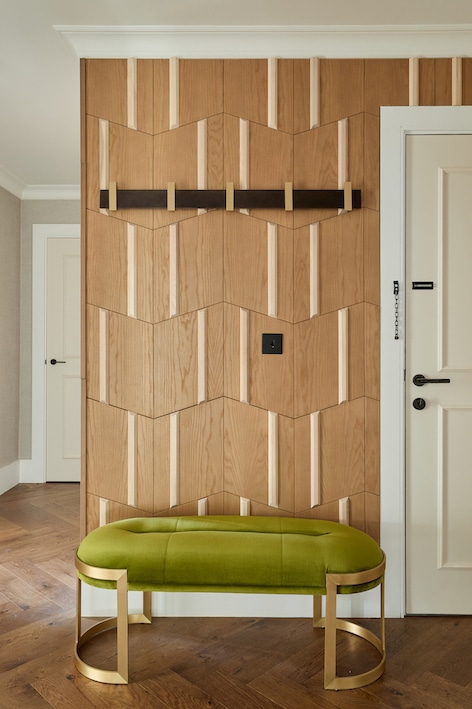
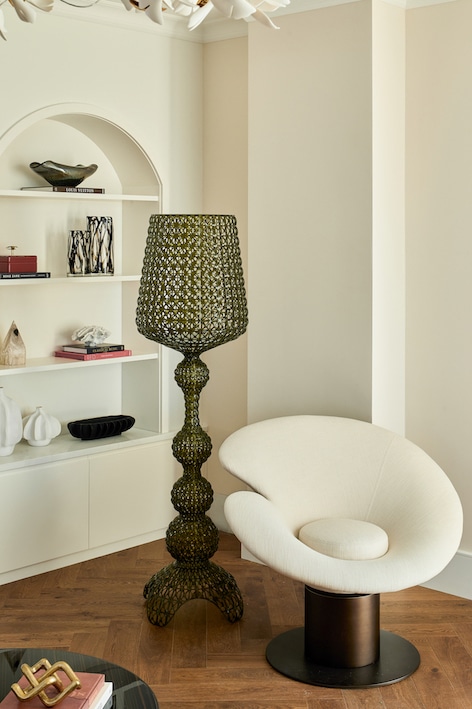
All images are from the Darwin House Project by Vesta