Victor Jacquard and Blaise Chatelain – LOOPPP
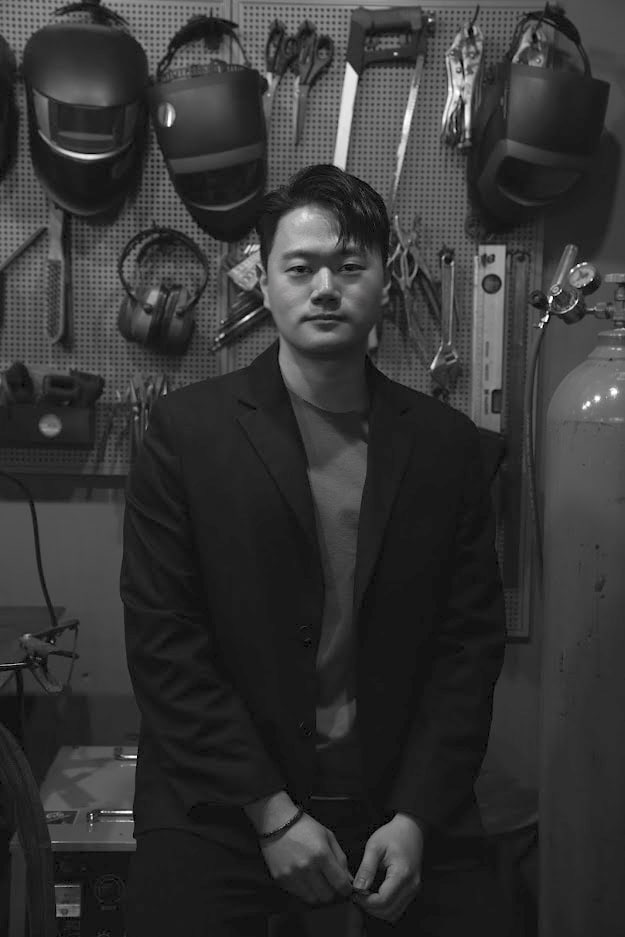
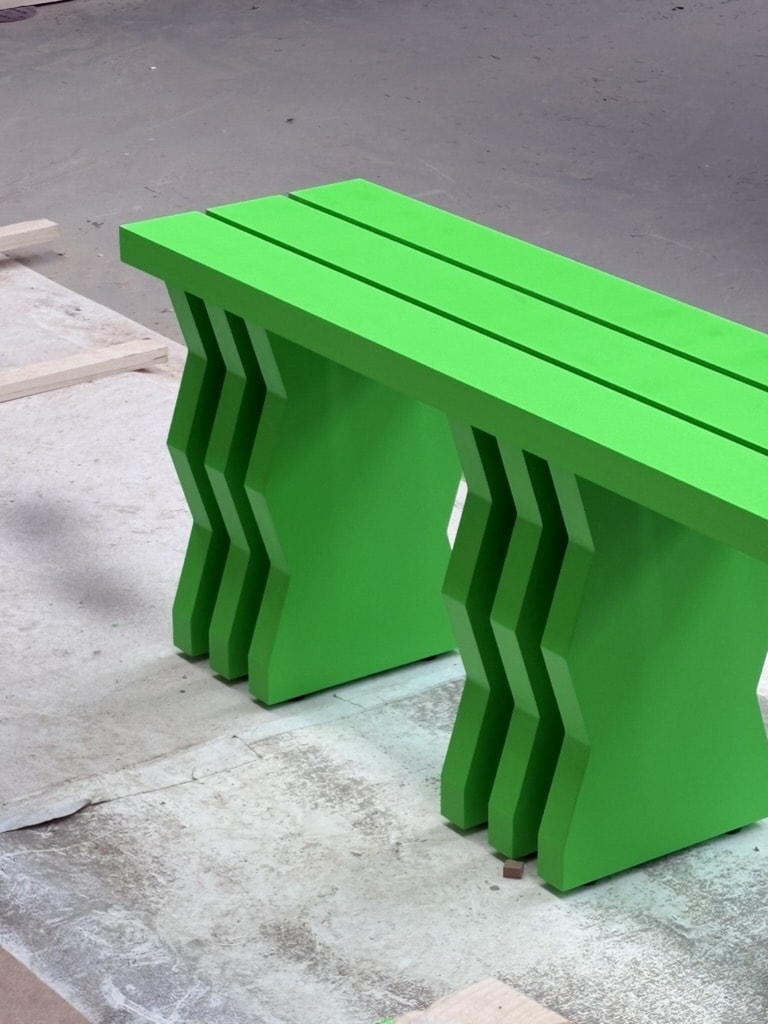
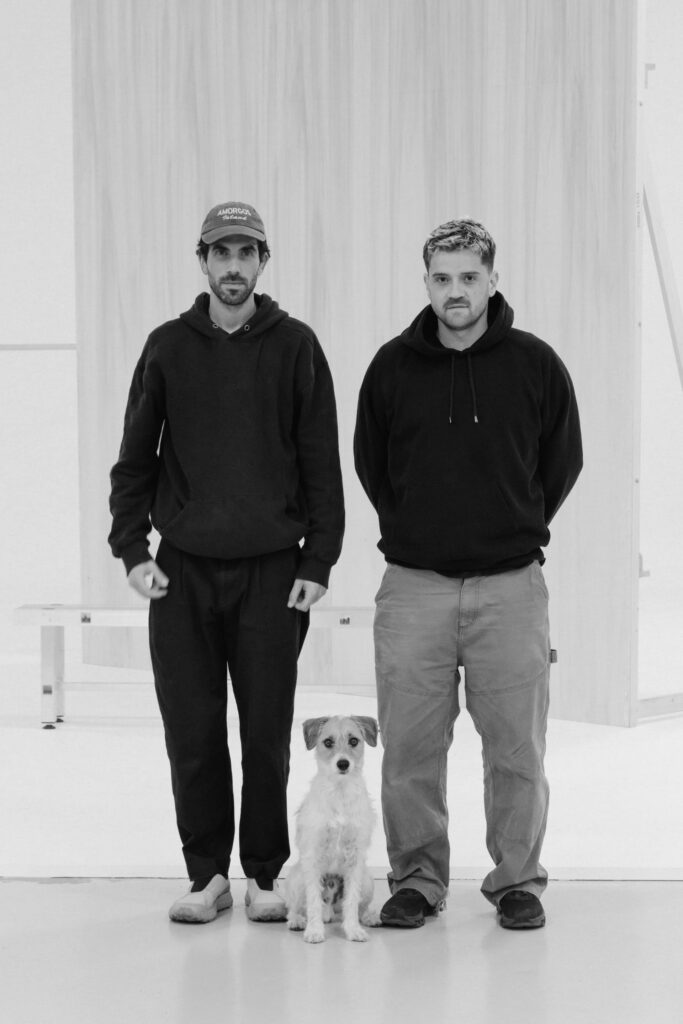
LOOPPP is a design studio and workshop founded in 2023 by Victor Jacquard and Blaise Chatelain, based in Pantin, in the Greater Paris area. Working across set design, scenography, spatial design, and fabrication, the studio creates spaces, sets, and objects for a range of creative projects, from fashion campaigns and temporary installations to retail interiors and custom furniture. Combining creative direction with technical expertise, LOOPPP approaches each project through a close relationship between design and construction.
With backgrounds in creative practice and hands-on fabrication, Jacquard and Chatelain established LOOPPP around a shared interest in both imagining and making. Their workshop brings together craftsmanship, material knowledge, and practical problem-solving, whether developing original concepts or translating another designer’s vision into physical form. Their work reflects an approach in which design and fabrication continuously inform one another, with an emphasis on experimentation, precision, and the possibilities of making.
INTERVIEW

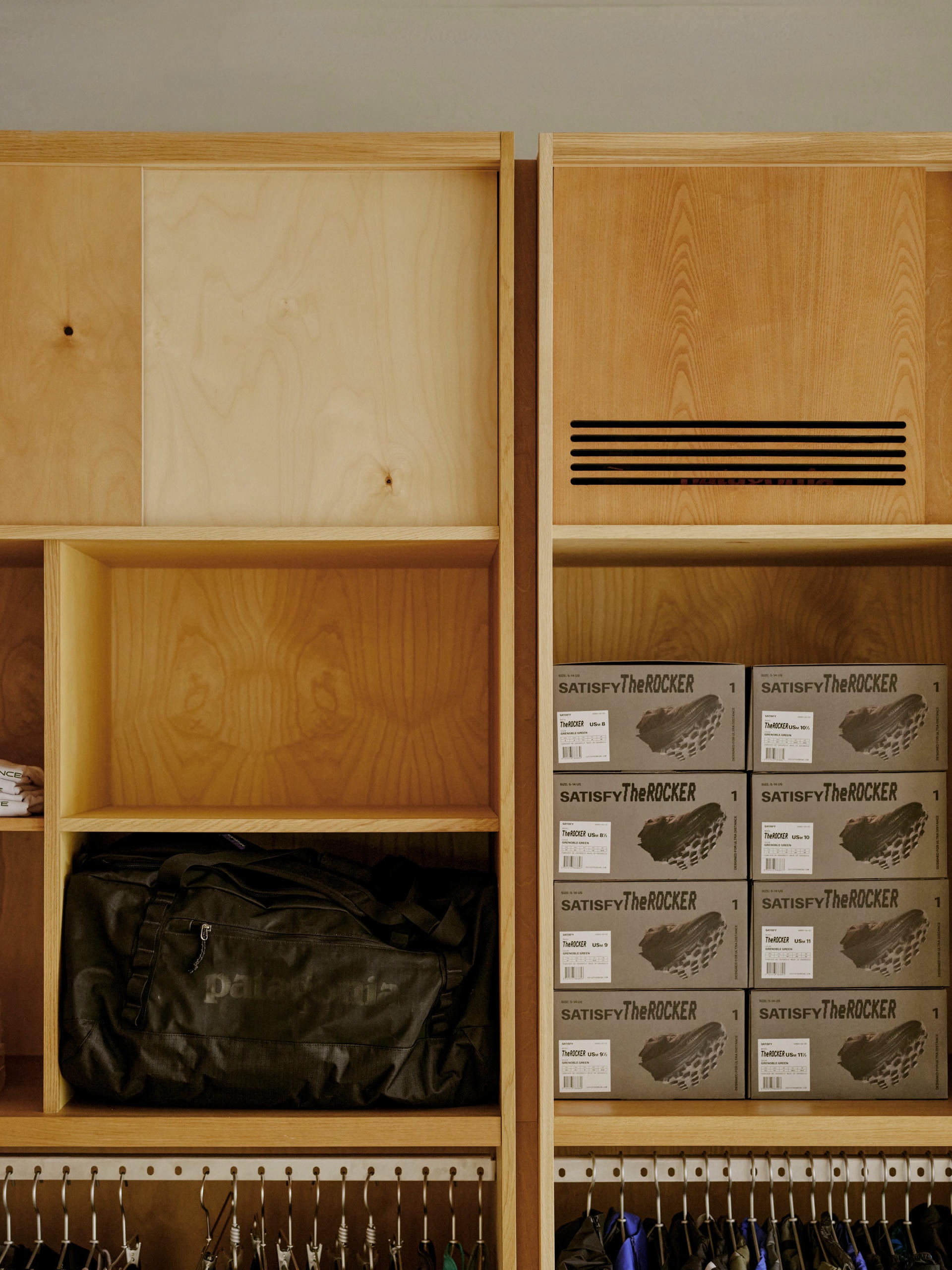
Distance Store, Paris, 2026. Designed and built by LOOPPP © Distance Athletics
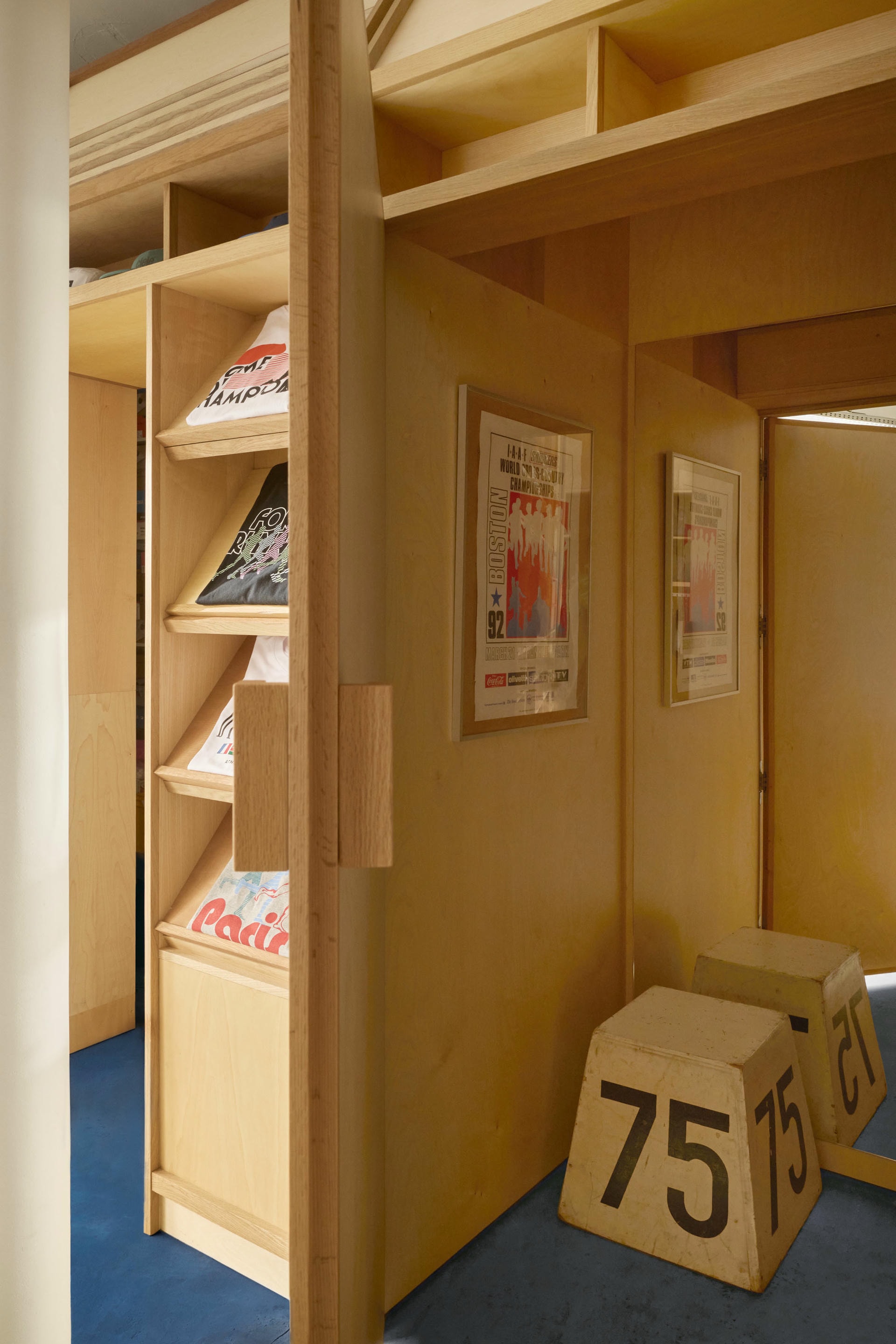
Blaise: We both grew up in Lyon with a lot of friends in common, and knew of each other’s work without being close. When I left Paris for Marseille, Victor was moving the other way, so I gave him my room and a few set designer contacts. Before long, he was building their sets and asking me to come up and help. We quickly realised it would be easier to just start a set-building company together.
Victor: The first projects were small builds with no workshop. We were making sets in my design office, moving the desk out of the way.
Victor: Yes, totally. We both come from a creative background, and we never stopped our own creative projects on the side. Our design practice was tied to the workshop anyway, to what we knew how to build, so mixing the two felt right. And we draw in order to build, which changes everything. It makes us faster, and the drawing already carries the answer to how it gets made. It also built us a portfolio that really looks like us, mostly sport and running brands, and style brands we like.
Blaise: Building gives you a different way of thinking. You learn how things are actually made, what materials work, how to try things out. It is a completely different way of using your brain than drawing a form on a screen. Neither is better, and mixing the two is the nice part.
Blaise: It depends on the project. Sometimes it’s a phone call and we start building the next day for a shoot that week; sometimes it’s a shop interior that takes months. Projects are getting more and more rushed. And honestly, most of them begin with a quote these days. That’s the first question we get.
Victor: There are really two ways in. When a brand comes to us to design a store or some furniture, we start from a brief, we look for references and we work on the art direction. When a set designer comes to us, the project is already drawn, and we bring the technical side. We redraw everything for the build, with our details, and we get it approved.
Victor: Not that different, really. When we draw for ourselves, we draw knowing we are going to build it, so we go faster. On someone else’s concept, it takes longer, because you have to understand the finishes and the intention behind it. But we still redesign it. We redraw the whole thing for the build, work out the details, and present how we are going to make it. Set designers trust us with that because we have our own aesthetic, so we follow theirs instead of imposing anything. Sometimes we are not even the ones building it. On fashion shows, we also get called in just as construction consultants, to work out how something can be made while another workshop fabricates it.
Blaise: It raises the question of where designing stops. Is it a render, an idea, a prompt, or the technical drawings and the thinking about how it’s made? For us, it’s a mix of everything.

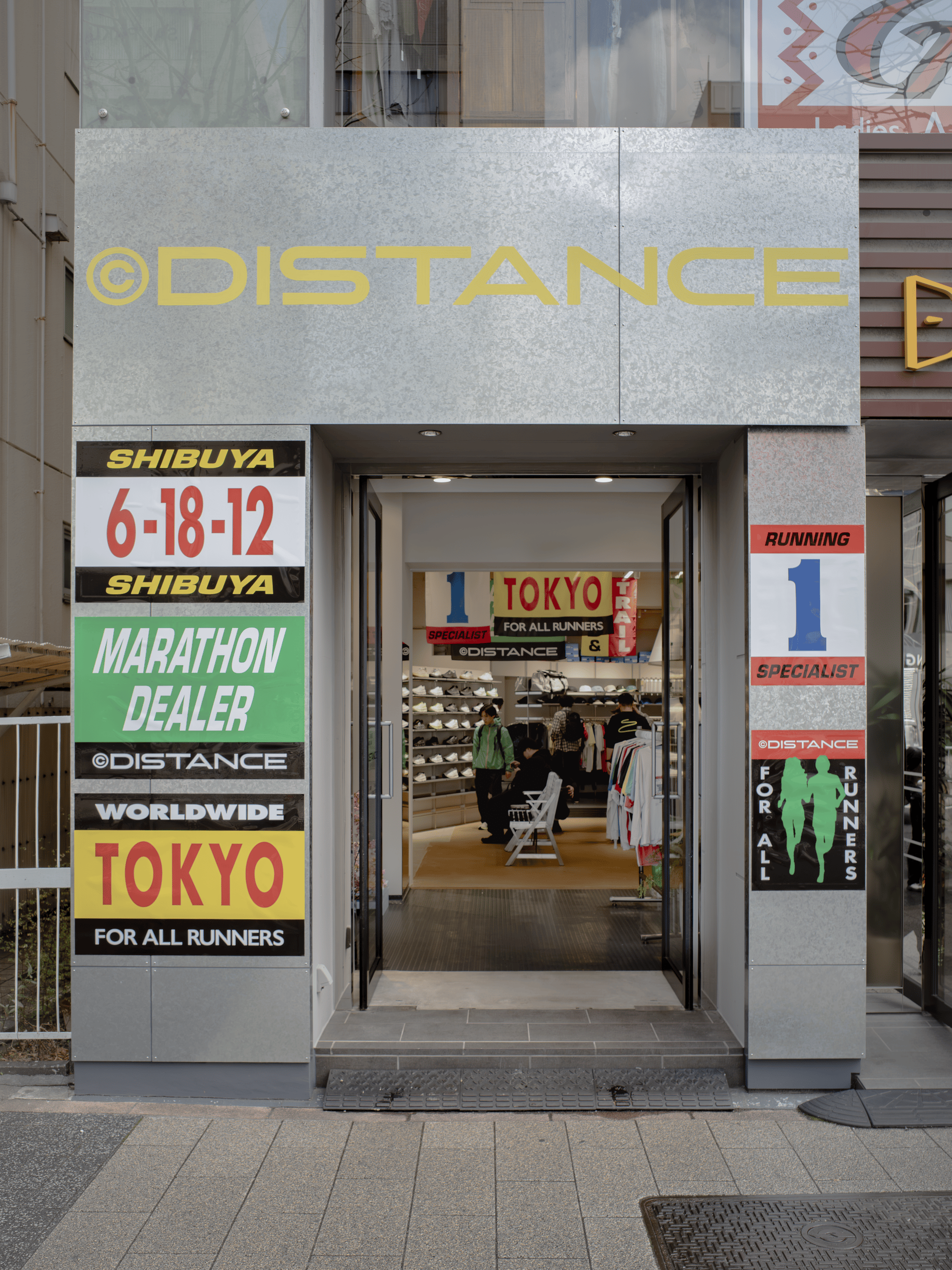
Distance Store, Tokyo, 2026. Designed by LOOPPP © Distance Athletics
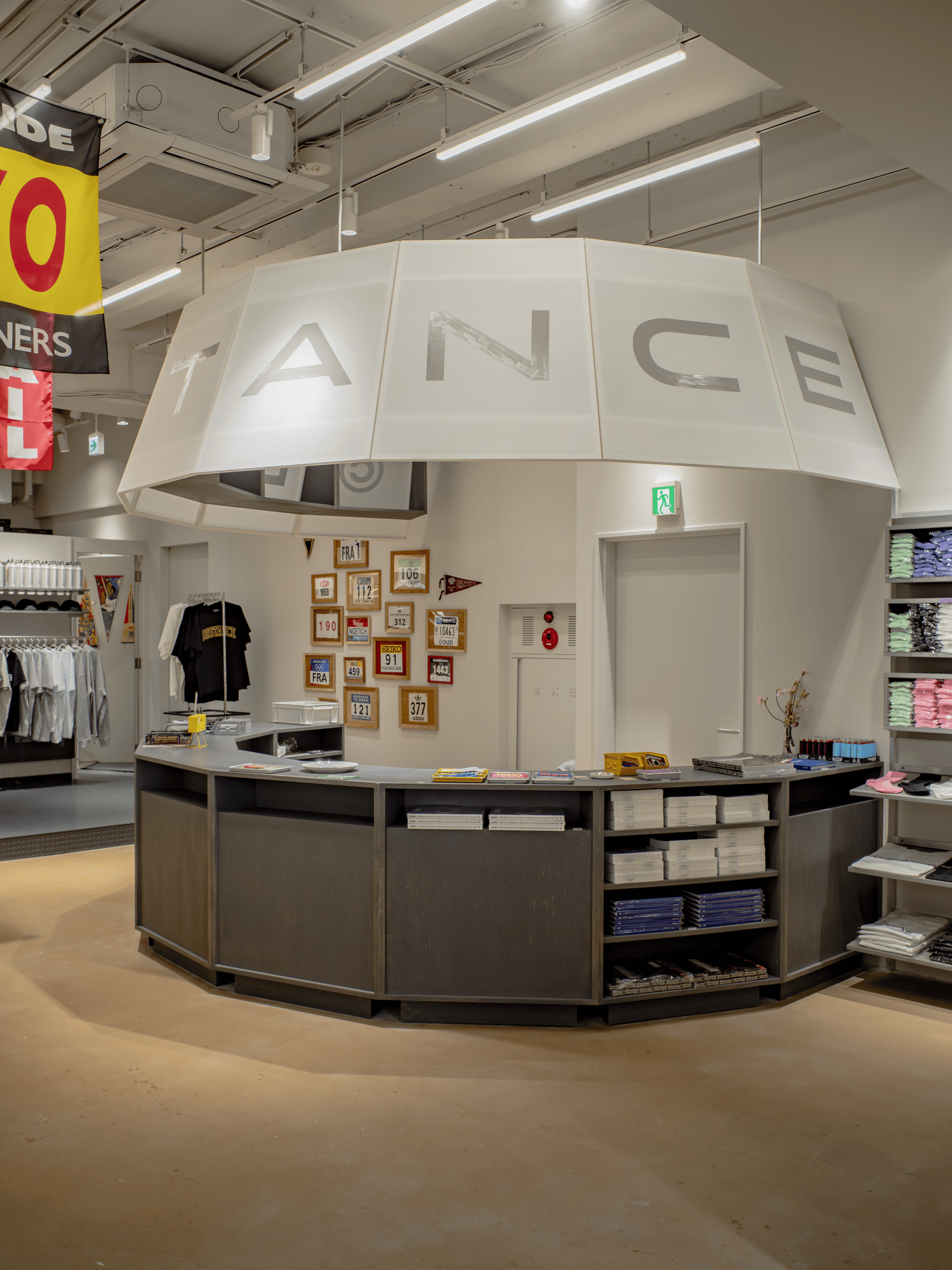

Distance Store, Paris, 2026. Designed and built by LOOPPP © Distance Athletics
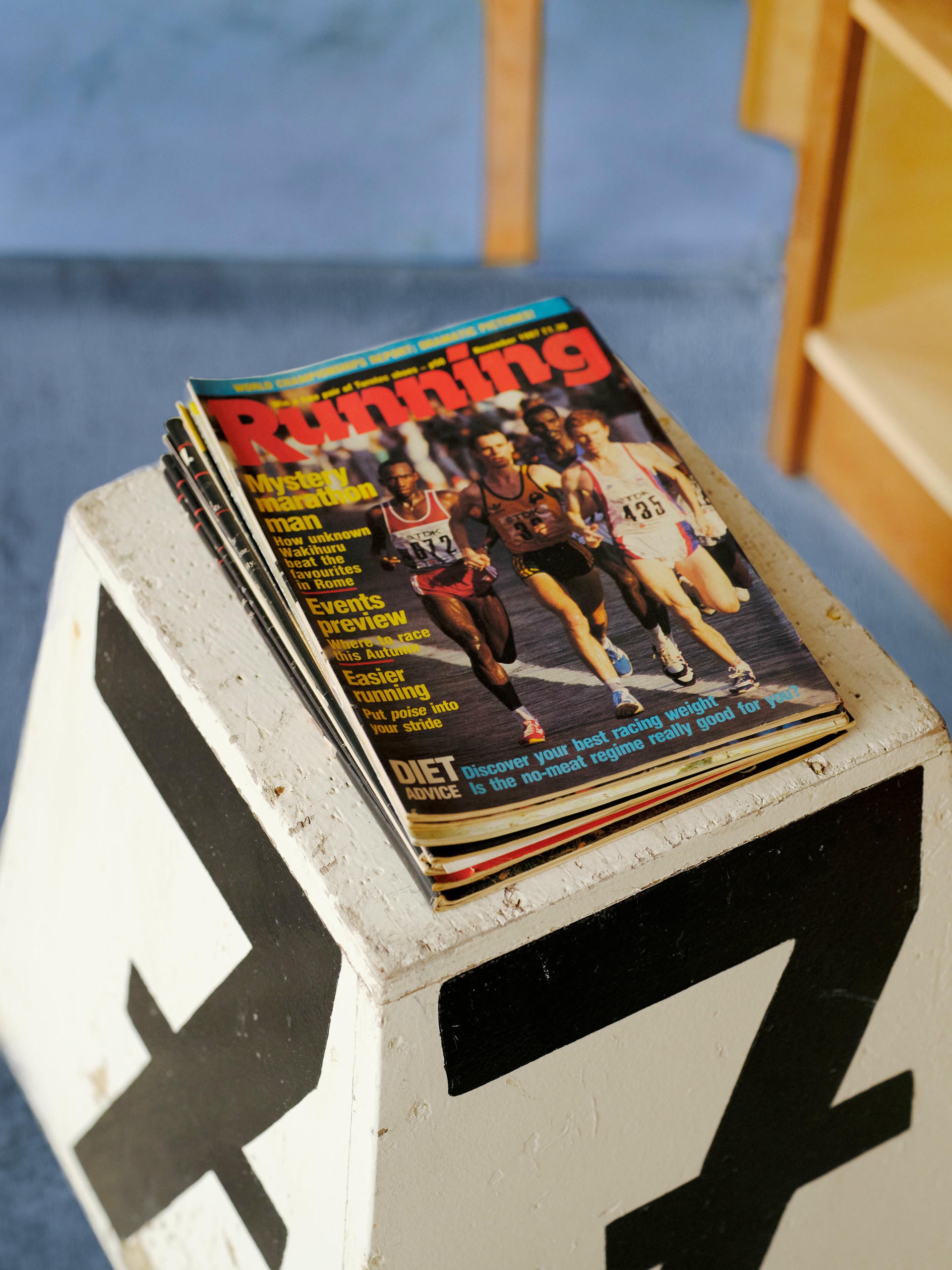
Blaise: All the time, and it’s part of the job. We work in an industry where ideas come first and the how comes later, which is what makes it interesting. When something can’t be built the way it was imagined, we don’t say no. We explain what is possible and start from there. Most of the time the conversation leads somewhere better than the original idea anyway. Yes, but. Yes, and what if this? Never no.
Victor: What actually blocks us is almost never the idea. It is the timing and the budget.
Victor: Honestly, less than I would like. Material research and experiments are the part I love the most, so it is something I would want us to do much more. But we never really have the time, and clients don’t finance the research. Our speciality is wood, we are building up a metal workshop and we make our own tools for almost every project, but the real experimenting stays rare.
Blaise: We love trying new materials and we never shy away from it, we don’t want to be known for doing the same thing over and over. But when there are projects, there’s no time, and when there are no projects, there’s no money. So it’s on us, and we think our methods through carefully to avoid late evenings when something doesn’t work.
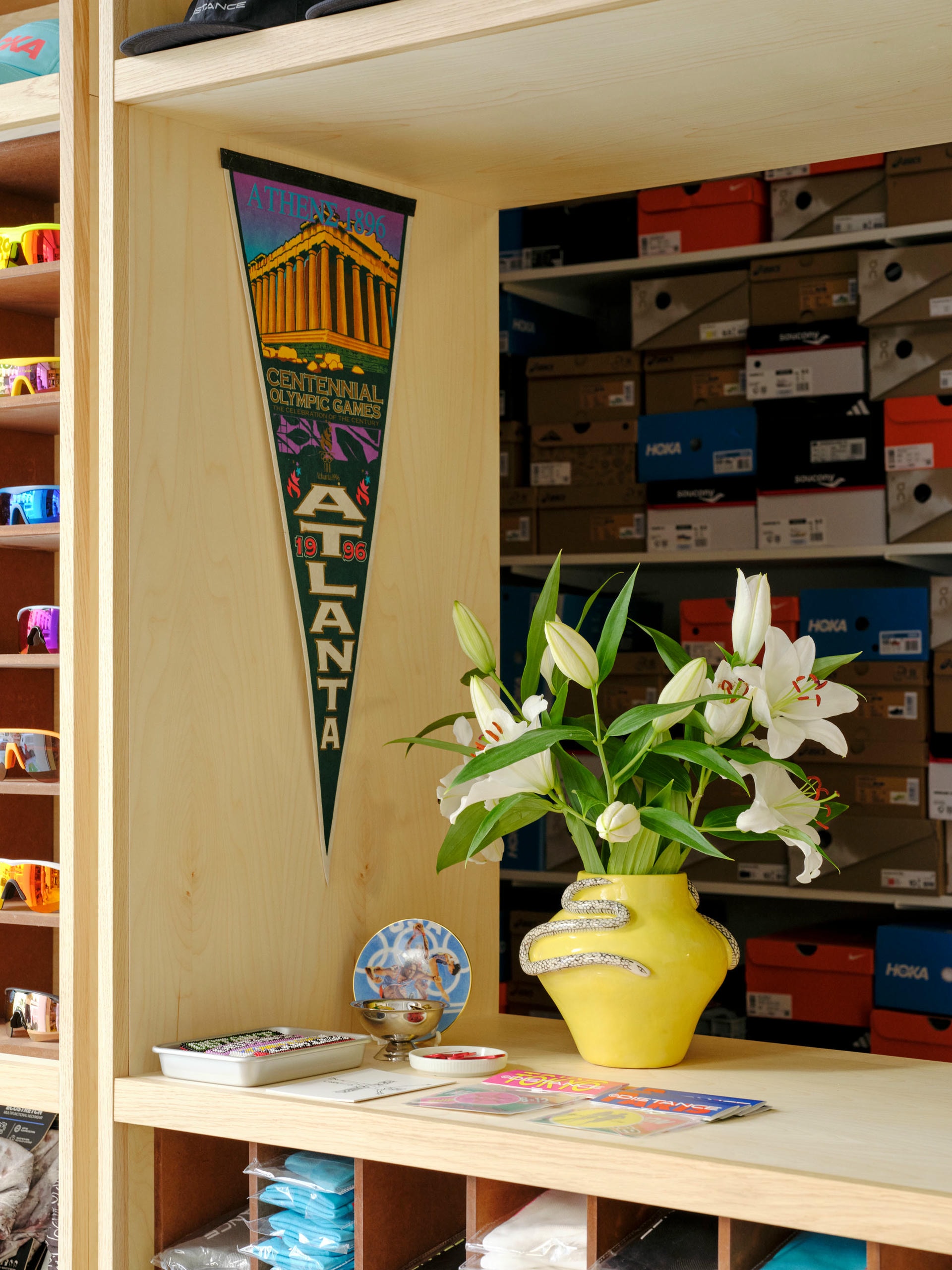
Blaise: The Distance running shop in Paris. The idea came from our in-house designer Nico, and it was one of those moments where you just know it’s going to be great. The craft was really pushed: different plywoods, joinery techniques, angles, stains, all custom, with discussions every day at the workshop on how to get the next bit done. It was hard, and it looked and felt good from start to finish. For me, it’s what LOOPPP does best: not following trends, but pushing what a shop interior can be.
Victor: Paris is also the only one that stayed in our hands from the drawing to the last coat. That is when we go the furthest, because we stop asking ourselves if someone else will be able to make it.
Victor: There are two versions. Either it’s a big last-minute rush and we work very late to finish properly, or we are on time and it becomes organisation and packing, so we arrive as clean as possible on site. We much prefer the packing version, but it is not always the one we get.
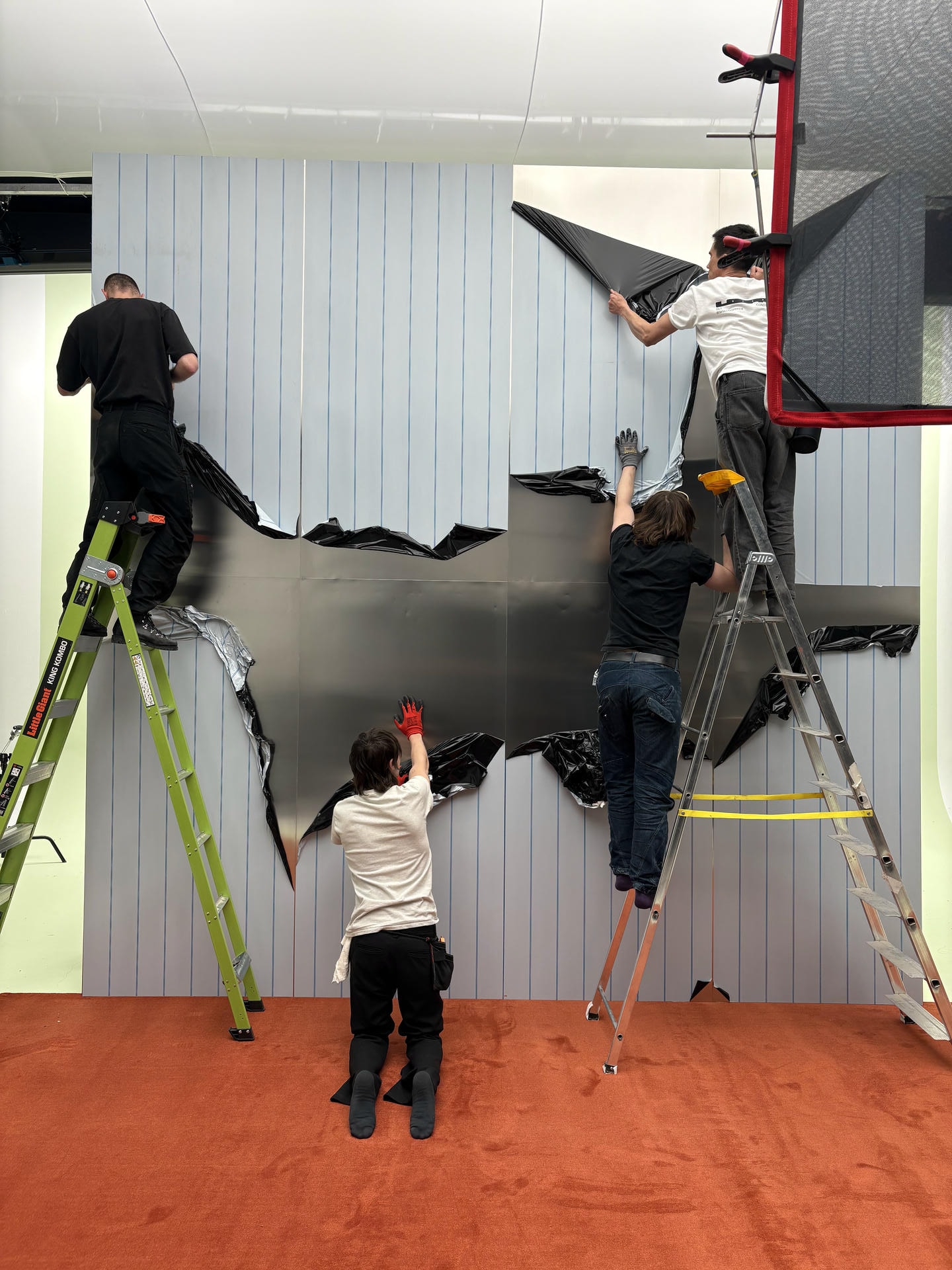
Blaise: People running around with checklists and loading vans. We never want to arrive on set not knowing what we’re doing, so everything is packed, wrapped and checked beforehand. There’s always something to change on site, but with that many tools, materials and modules per job, we have to be as organised as possible. The workshop does get full and messy before Fashion Week, though.

Distance Store, Paris, 2026. Designed and built by LOOPPP. Workshop fabrication © Distance Athletics
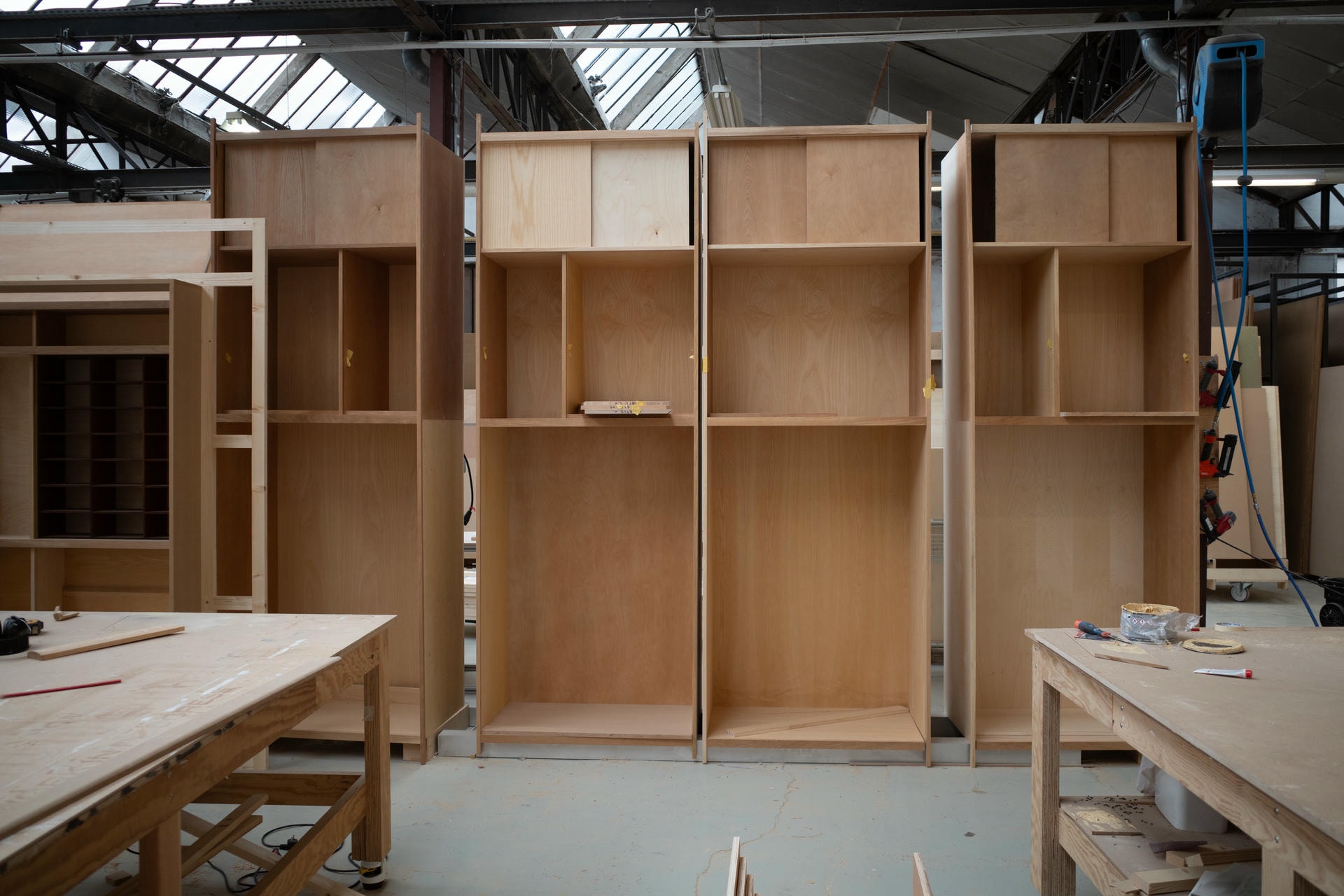
Distance Store, Paris, 2026. Designed and built by LOOPPP © Distance Athletics
Blaise: Less than you’d think. Everyone at the workshop is a skilled carpenter, cabinetmaker, sculptor, or painter, and we build things the way they should be built. We cheat on what’s behind: on a facade, not every door will open. But everything has to be finished to the highest standard, that’s what we take pride in. In the end, we don’t cheat that much.
Victor: We build for one camera angle, so we know exactly where to stop. But the brands we work for expect the same finish on a set as in a store, so we rarely stop early.
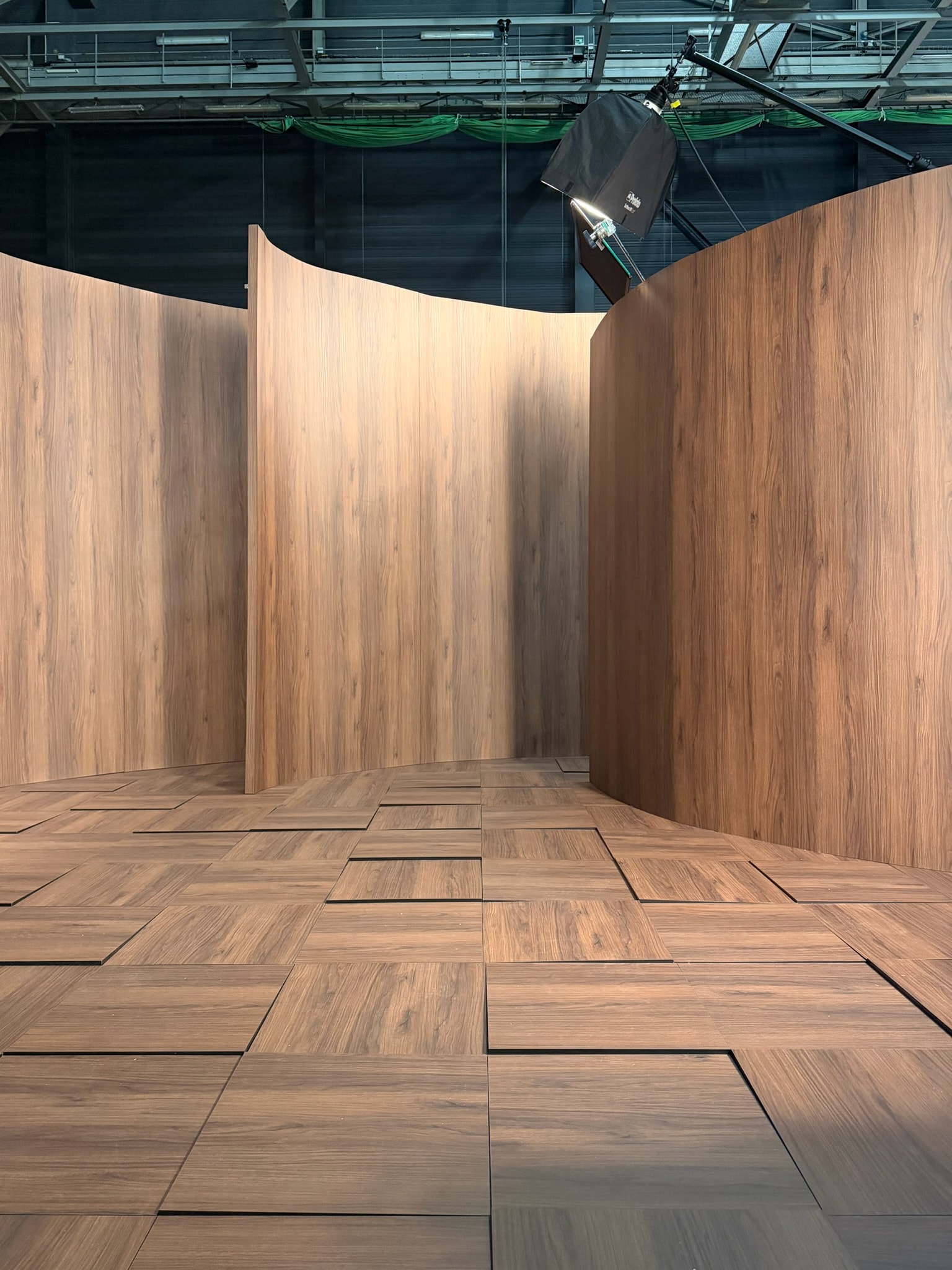
Victor: We think about it all the time. That is why we built Fragile, a catalogue of pieces we rent out instead of building them again: backdrops, plinths, floors. It saves the client from paying for something expensive that will only live two days, and it keeps the piece alive. On everything else, when we know it is going to be thrown away, we try to keep the materials and the weight as low as we can.
Blaise: We hate it, and we live with it all the time. We always try to give away what we’ve built before it’s thrown out: anyone interested, come and pick it up. It’s the part of the industry we’re not proud of. Sometimes we’re not even allowed to give it away. We have to destroy it.
Blaise: All the time. Confirmations take longer, our build window shrinks, materials need ordering, and then someone changes their mind. Deadlines are not deadlines, budgets are not budgets. But we roll with it. Everyone at LOOPPP knows the game: find solutions, keep going, keep saying yes. I think that’s what people appreciate about us.
Victor: We come in at the end of that conversation. Once the creatives and the art direction have decided, we are the ones who have to make it exist, and that is usually where the materials change again.
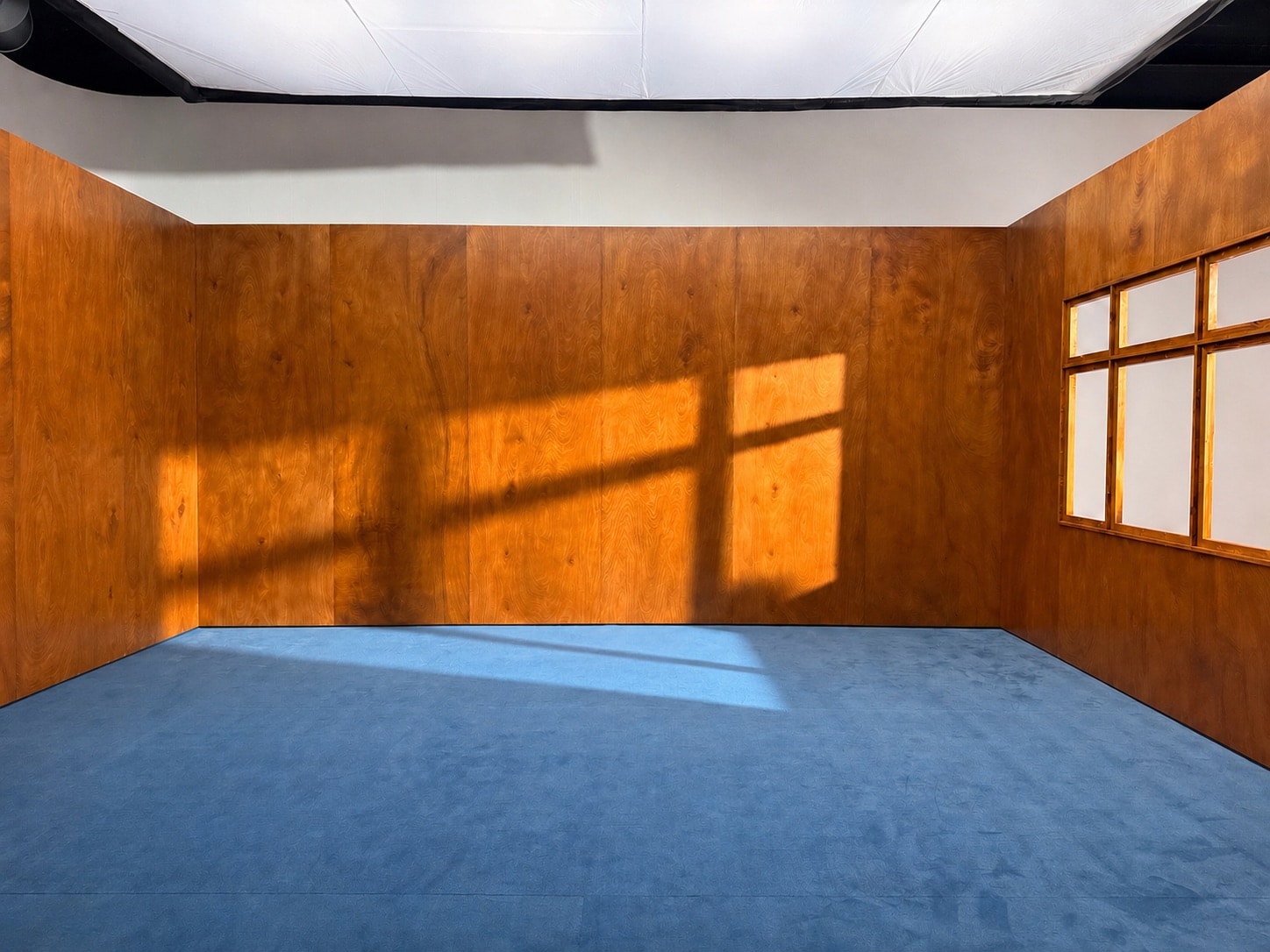
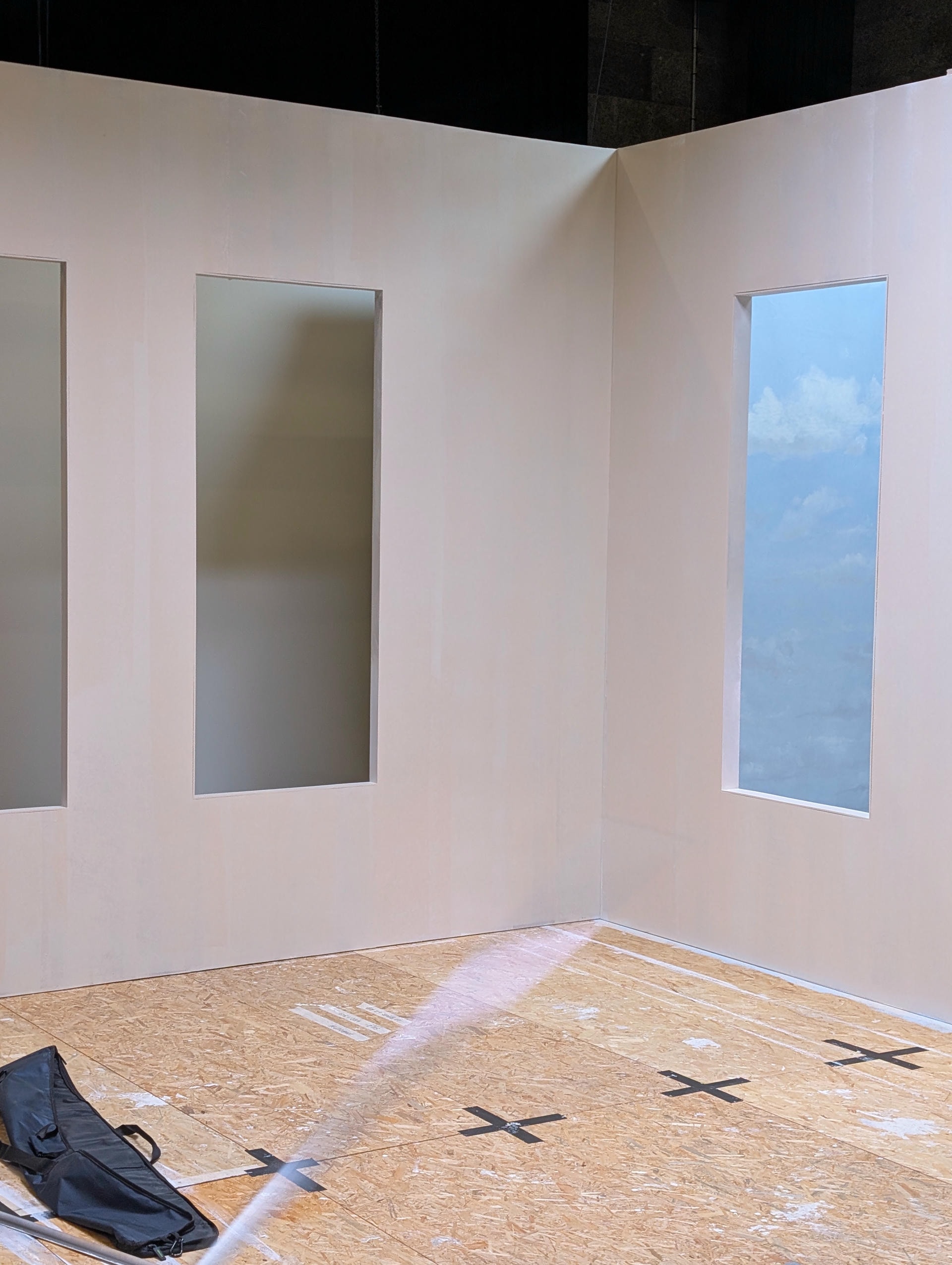
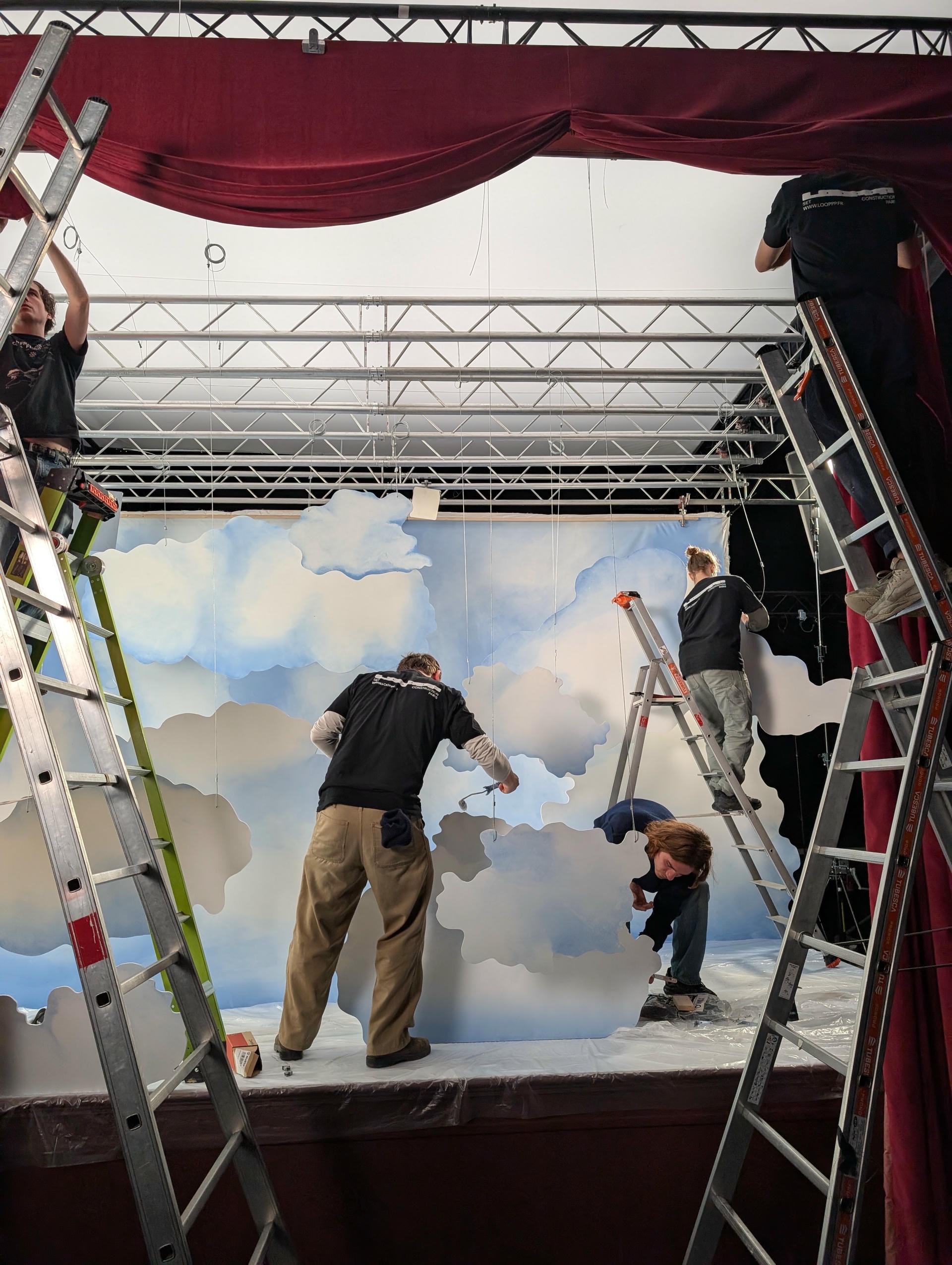
Victor: Often. We can spend days building walls in a studio to recreate a space, with ten people on the job, and in the final image it reads as a plain white background. It looks like nothing, and it was a team working for a week.
Blaise: A white wall with mouldings and a window. You wouldn’t believe the back-and-forth and the samples behind a simple decision. Choosing a RAL code is probably the hardest thing in set building. There are a million whites.
Blaise: In every set, there’s a hidden red button. If you press it, the whole set collapses.

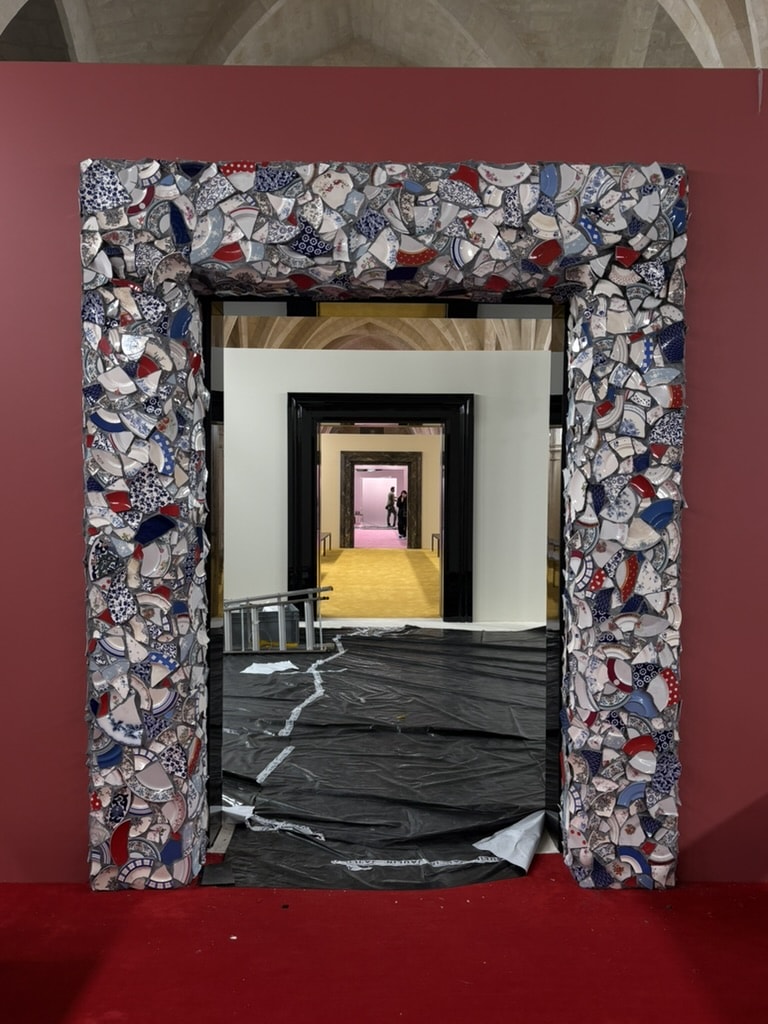
Valentino Beauty, Paris, 2025. Built by LOOPPP
Thank you so much Victor and Blaise, for this lovely interview!
Share article :