I was born in Toulouse, France. I lived there until I was 18 years old and then moved to Bordeaux to start my studies in graphic design. I have been living in this city for the last 10 years, and I’m pretty happy with it. Life seems simple and peaceful here…
MAGAZINE · INTERVIEW
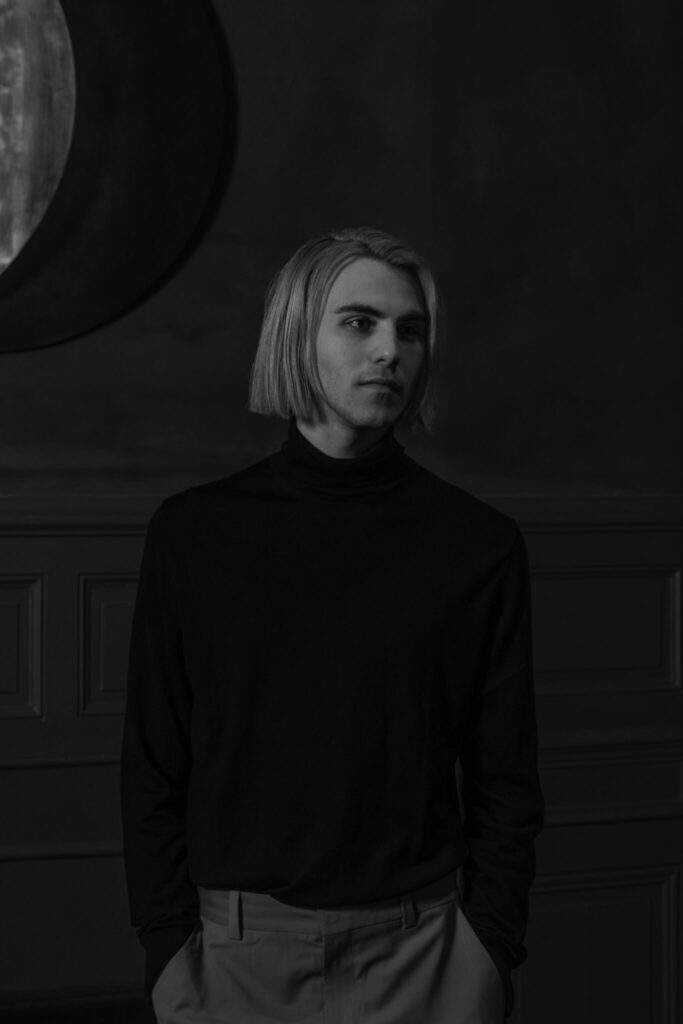
William Guillon
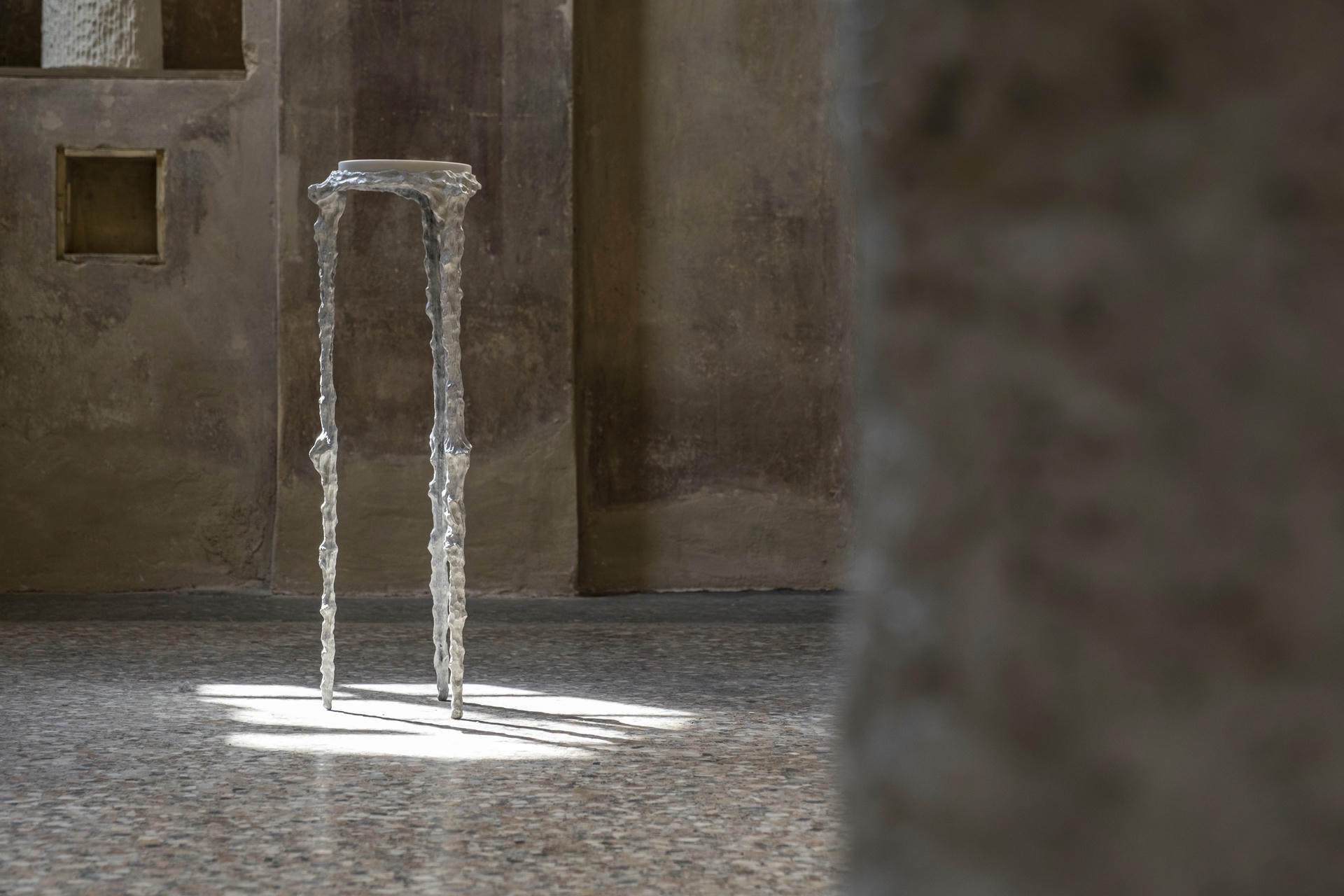
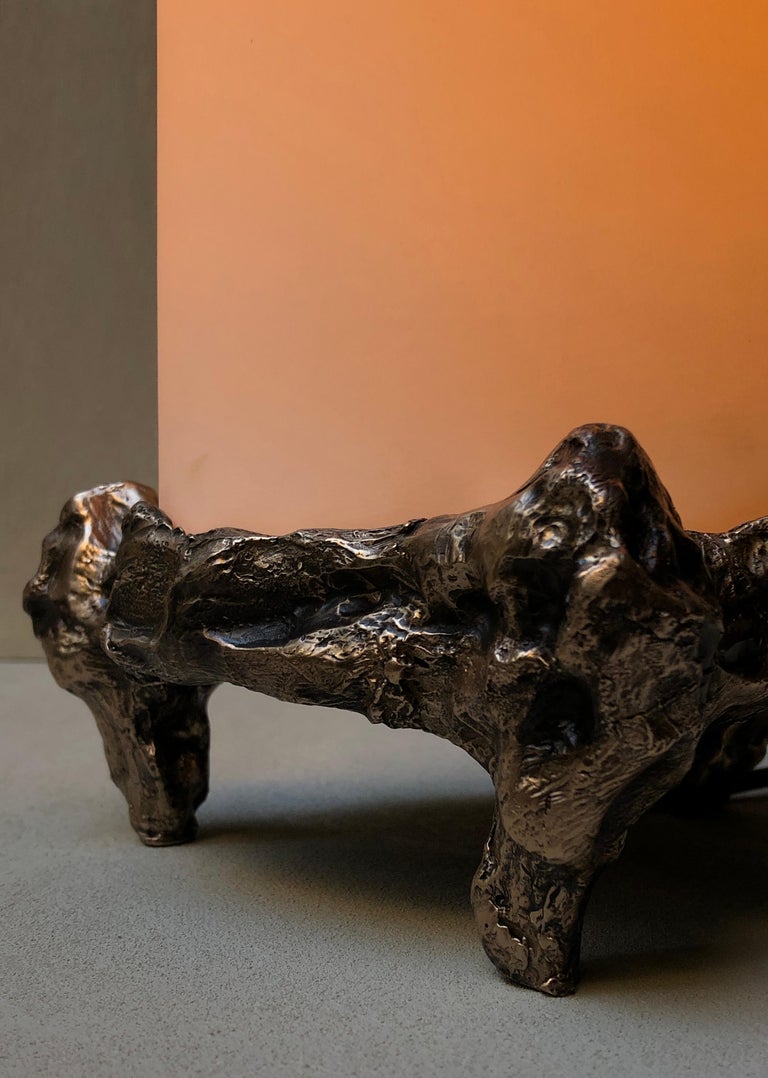
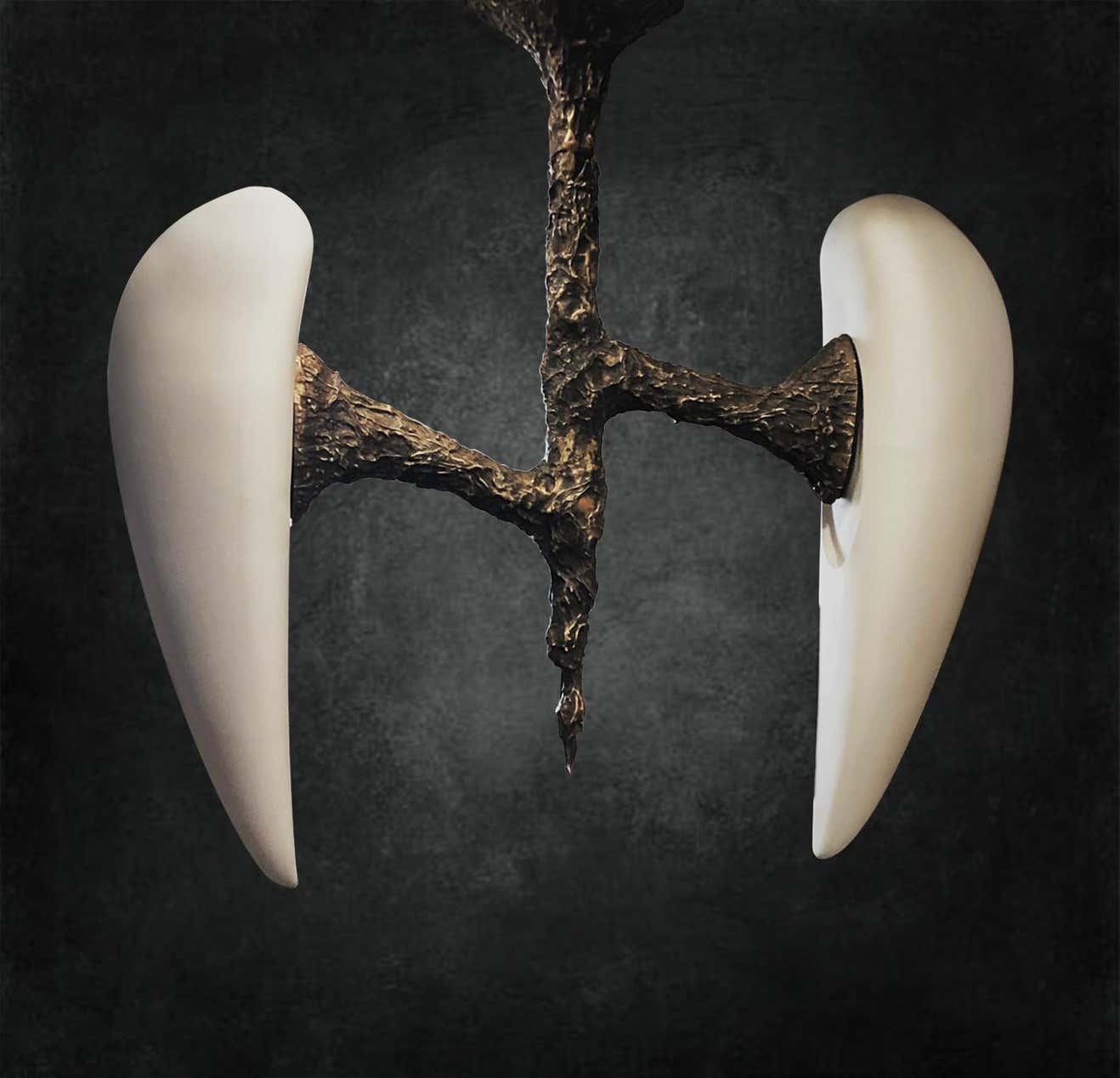
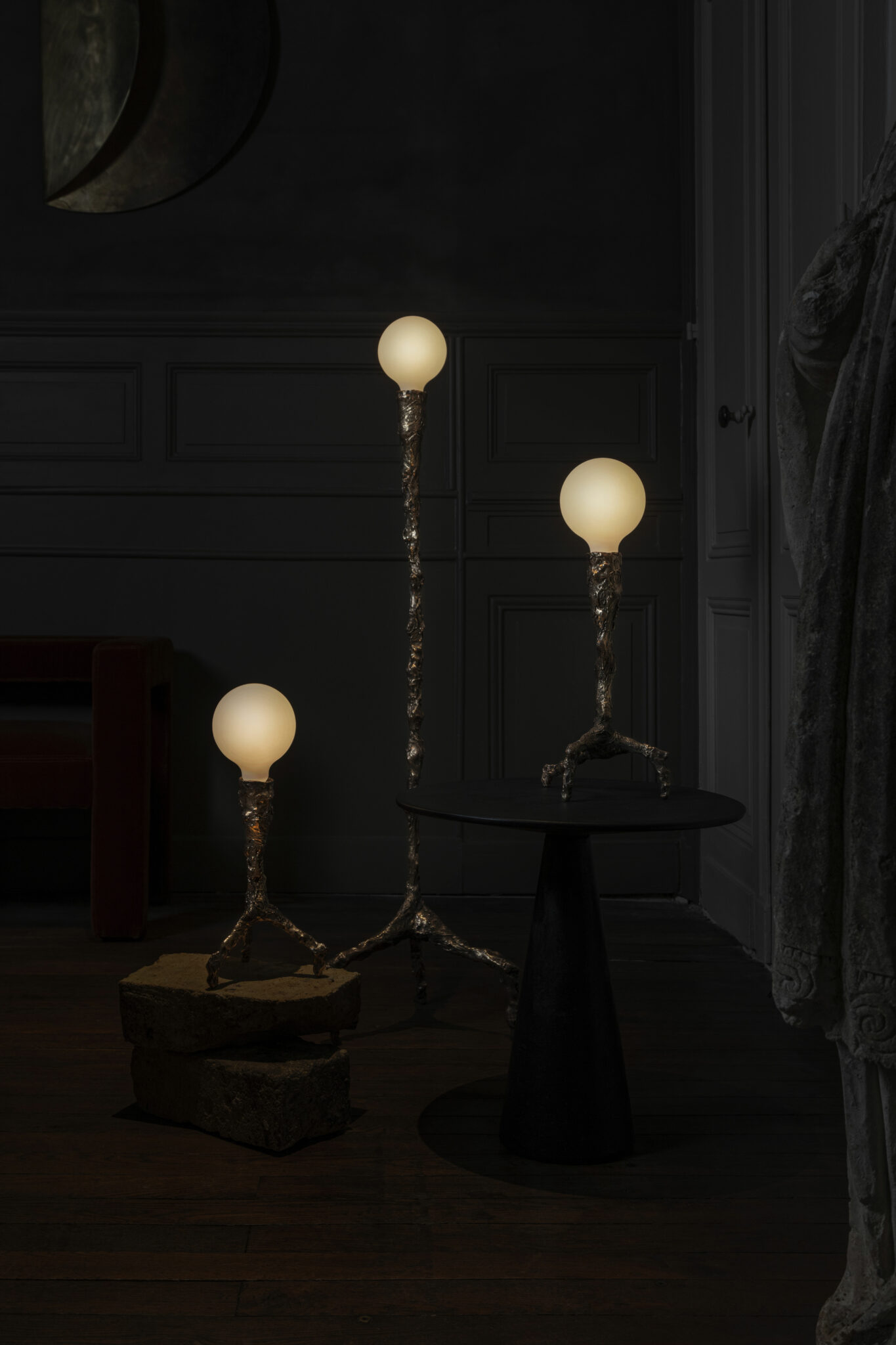
William Guillon is a French designer and art director based in Bordeaux. Since founding his studio in 2014, he has developed a multidisciplinary practice spanning collectible furniture, lighting, and functional objects. Working primarily in cast bronze, including rare alloys such as white bronze, he creates sculptural pieces that blur the boundaries between design and art through a deeply handcrafted process.
Rooted in a neo-romantic aesthetic, Guillon’s work explores the tension between permanence and fragility, decay and elegance, transforming traditional craftsmanship into emotionally charged forms that feel both ancient and contemporary. Characterized by expressive textures, dramatic silhouettes, and a fascination with imperfect beauty, his practice creates functional sculptures that evoke mythology, memory, and the poetic resonance of material. Handmade in his Bordeaux studio, each work is signed, numbered, and conceived as a singular object with its own narrative.
Let's know more about
Interview
Where were you born and where are you from?
What is your first memory connected to the art world?
I have several memories that come back! My parents were not interested in the art world, museums, or the design field at all, so I had to build my knowledge in those fields by myself. It came pretty late, around my 15th or 16th birthday, so my memories about this period are pretty clear. Strangely, my parents also made me do creative activities during all my childhood and teenage years. So I think those studies were my first link with the « art world ». My very first memory is probably me trying to paint an angel with different inks on a piece of silk! I still have this angel, and believe me, it was not a graphic success.
Have you always worked in the art/design field?
I have always worked in a creative field. I have a master’s degree in graphic design, and just after my degree, I launched my studio. Even during my studies, I worked in a design studio in Bordeaux; I really need to be connected with matter and build things.
What led you to design creation?
It’s a difficult one! What led you to be who you are?
I didn’t know I wanted to be a designer, I only knew I wanted to create things. Whatever the purpose, I wanted to be free to create what I had in mind. And it’s still very important for me to feel free to imagine and create what I want.
In my teenage years, I created abstract sculptures, I painted, I drew, and I read a lot of books about famous painters. I remember I had the feeling that it was too easy to call myself an “artist.” Don’t get me wrong, it is not easy at all to live as an artist, but when I was a teenager, this label seemed too obvious to me. I wanted to challenge myself. So I thought creating sculptures that could also be used as furniture could be amazing. At the time, I was sure nobody had ever done that. So I started creating design pieces around the age of 17. Through the eyes of an apprentice designer, artist, whatever, it looked like a very exciting and inspiring challenge.
How would you describe your creative process and its influences?
At the time of creation, what I’m looking for is emotion. I always start with a lot of sketches; they are my guideline. Most of the time, I start drawing without knowing what I’m going to do. I just let the pen guide me through my feelings. It’s a kind of “écriture automatique,” as the Surrealist artists said. I keep drawing until a sketch strikes me. There is always one that stands out; there is always one that reflects what I wanted to express. This is the most important part of the creative process for me. Once I have this sort of “intention sketch,” I build everything else around it.
I am not very influenced by other designers. I am searching for emotions that I can find in paintings, music, movies, or sculptures.
Could you describe a typical day of your work?
One of the best things about my work is that there is no typical day! I am trying to be as organized and effective as I can, but every day is different. However, I have a sort of global guideline for my daily routine.
I am not a morning person at all, so I wake up around 8 a.m. and start working quickly. At the beginning of my day, I deal with external demands. I always start with my emails; most of the time, I answer them from home. I didn’t imagine that before, but a big part of the work is answering emails from suppliers, collaborators, clients, etc.
Then, I go to appointments with craftsmen or clients. I always book my appointments in the morning if possible. Sometimes I eat, sometimes I don’t, and then I have the whole afternoon to work in my workshop. I check my orders and prepare them, complete the certificates of authenticity, schedule the shipments, etc.
The rest of my day really varies according to what I am working on. Sometimes I prototype new ideas, sometimes I sculpt wax for future cast bronze pieces, and sometimes I assemble parts for an order. My day ends around 7:30–8:00 p.m.
Why did you choose the specific materials you work with?
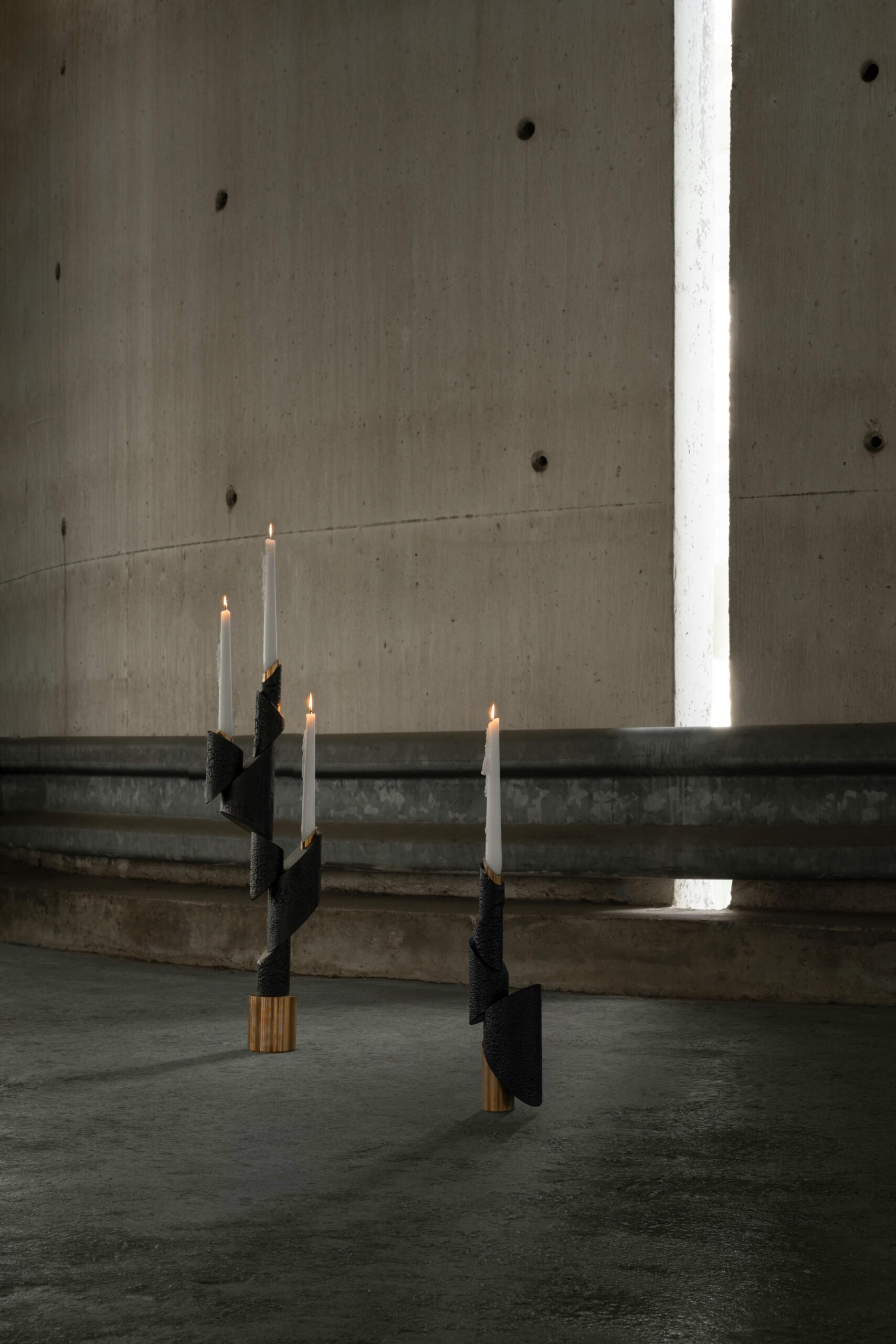
What I like is changing materials as often as possible. I like having new challenges and always learning more with each collection. But I must admit I have a real love for all kinds of metal. I started learning how to work with metal during my teenage years with my grandfather, and later with my uncle. I like its vibrations, the fact that it is difficult to work with, that it is heavy, and that it demands very specific tools and skills.
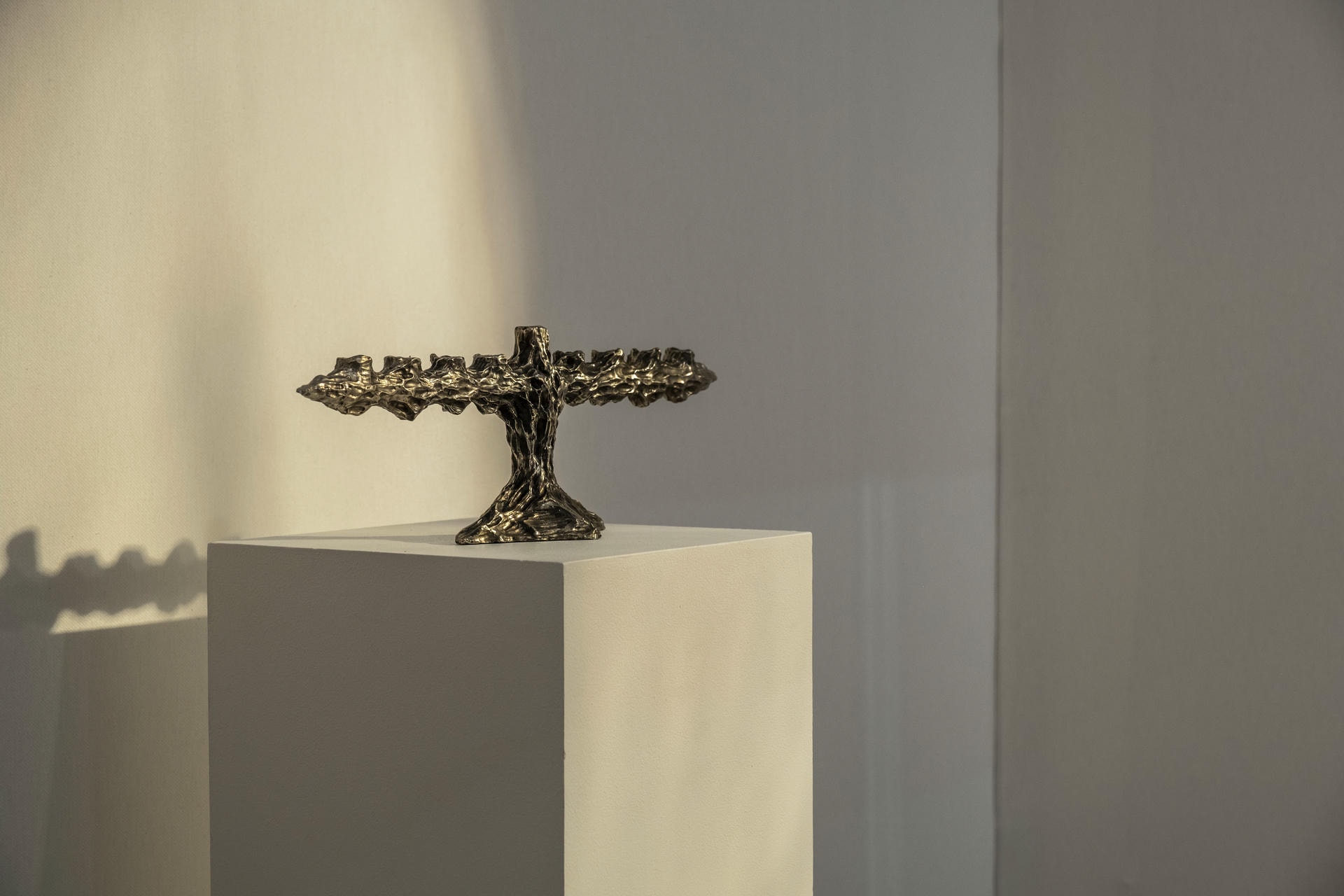
A year ago, I started working with cast bronze. For me, it was a real revelation! This historical technique allows me to create absolutely all the shapes and textures I want. The possibilities are endless!
What contemporary artists, in any kind of art, have you been inspired by?
Same as above.
If you had to summarize your creations in one word or sentence, what would it be?
Elegant and Radical.
What are the technical particularities of your creations?
I am obsessed with solid material! Most of my pieces are made with solid material; it gives me the feeling of working with pieces of Mother Earth. It’s rare and precious.
What advice could you give to beginning artists who would like to create sculptural design works?
I would say be sincere in your work.
If your works had to belong to a design movement, how would you define it?
I would say a kind of mix between Avant-Garde / Brutalism / Organic?
What designers and artists have influenced you?
As I have already said, I am not very influenced by other designers, but the very first contemporary designer’s work I saw was Ron Arad, and it had a big influence on me and what I wanted to do with my life. He was the first designer / Artist / Craftsman I knew about; I was spellbound by his work! (and I still am).
What contemporary designers do you appreciate?
There are so many!! Here is a non-exhaustive list:
Niamh Barry / Bec Brittain / Arno Declercq / Coutumes Studio / Erwan Boulloud / Ewe Studio / Frederic Saulou / Jojo Corvaia / Lindsey Adelman / Johan Viladrich / Evan Fay / Jan Garncarek / Awaré / Lukasz Friedrich / Paul Matter / JM Szymanski / Vincenzo De Cotiis / Steven Haulenbeek / Rick Owens / Charles Trevelyan / Nacho Carbonell / Raw Material.
“It’s still very important for me to feel free to imagine and create what I want.”
The Questionnaire
The Questions
(The Proust Questionnaire is a set of questions answered by the French writer Marcel Proust.
Other historical figures who have answered confession albums are Oscar Wilde,
Karl Marx, Arthur Conan Doyle, Stéphane Mallarmé, Paul Cézanne…)
What is your idea of perfect happiness?
Being able to create everyday
What is your greatest fear?
Loneliness
What is the trait you most deplore in yourself?
Loneliness
What is the trait you most deplore in others?
Their lack of perspective
Which living person do you most admire?
My mum
What is your greatest extravagance?
My hair
What is your current state of mind?
Excited
What do you consider the most overrated virtue?
Sociability
What is the quality you most like in a man?
I seek the same quality regardless of gender, Authenticity and Creativity
What is the quality you most like in a woman?
I seek the same quality regardless of gender, Authenticity and Creativity

Which words or phrases do you most overuse?
« We’ll see… »
Which talent would you most like to have?
I would love to know how to sing well
If you could change one thing about yourself, what would it be?
I would love to be less anxious
What do you consider your greatest achievement?
Being able to create what I want
If you were to die and come back as a person or a thing, what would it be?
An Alien
Where would you most like to live?
Somewhere in Asia
What is your most treasured possession?
My childhood’s book Where The Wild Things Are
What do you regard as the lowest depth of misery?
Not being able to create anything
What is your favorite occupation?
Lying on my bed and think
What is your most marked characteristic?
My gentleness
What do you most value in your friends?
Loyalty
Who are your favorite writers?
I only read biography or books to learn new skills but I love comic books, Enki Bilal is probably my favorite author
Who is your hero of fiction?
Ellen Ripley
Which historical figure do you most identify with?
Edie Sedgwick
Who are your heroes in real life?
The craftsmen I’m working with
What are your favorite names?
Saturne
What is it that you most dislike?
Dullness
What is your greatest regret?
Having burnt some bridges that I wish I hadn’t
How would you like to die?
Without any pain
What is your motto?
Nothing is forever
“I would say be sincere in your work.”
SHARE :