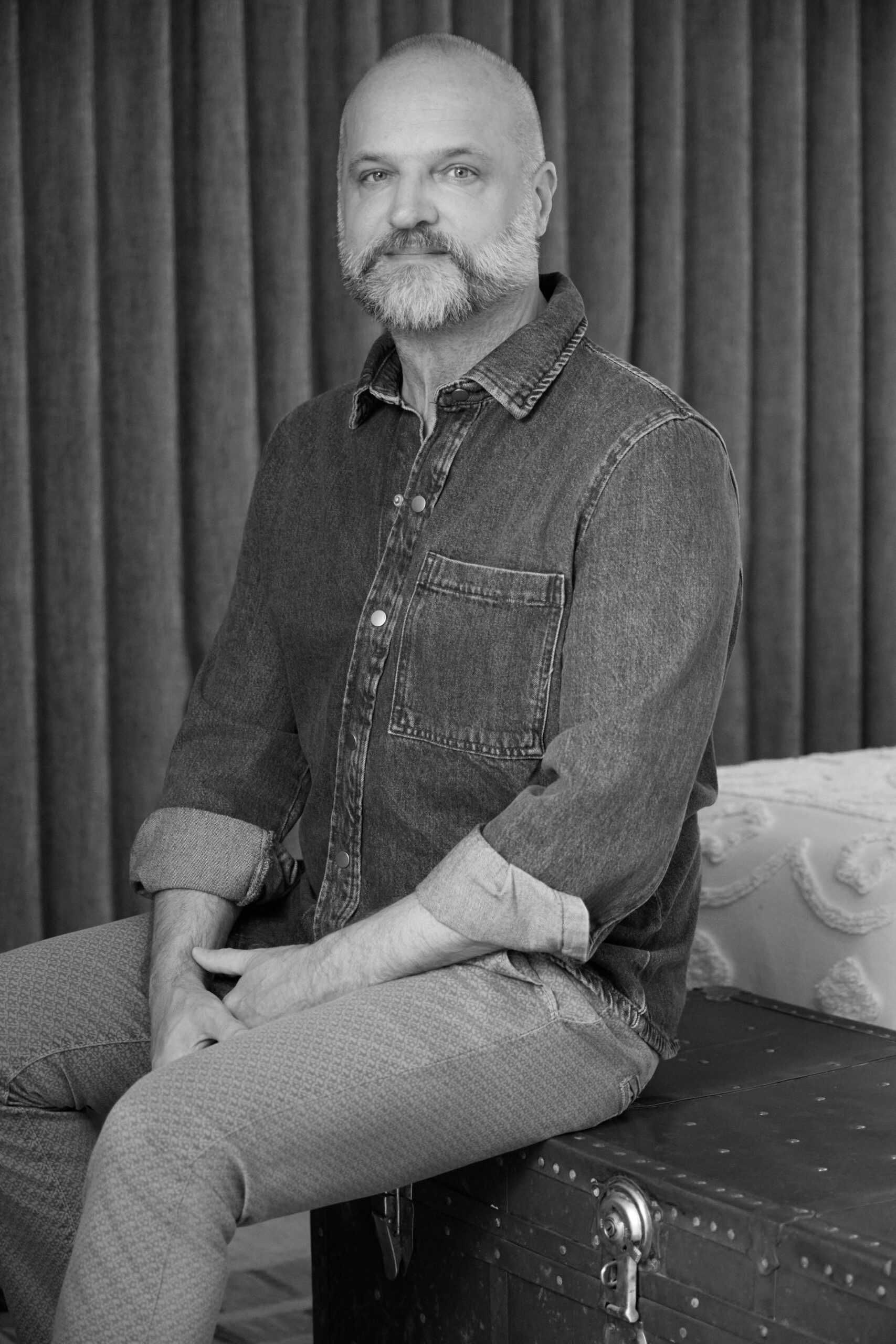
Xu Tiantian
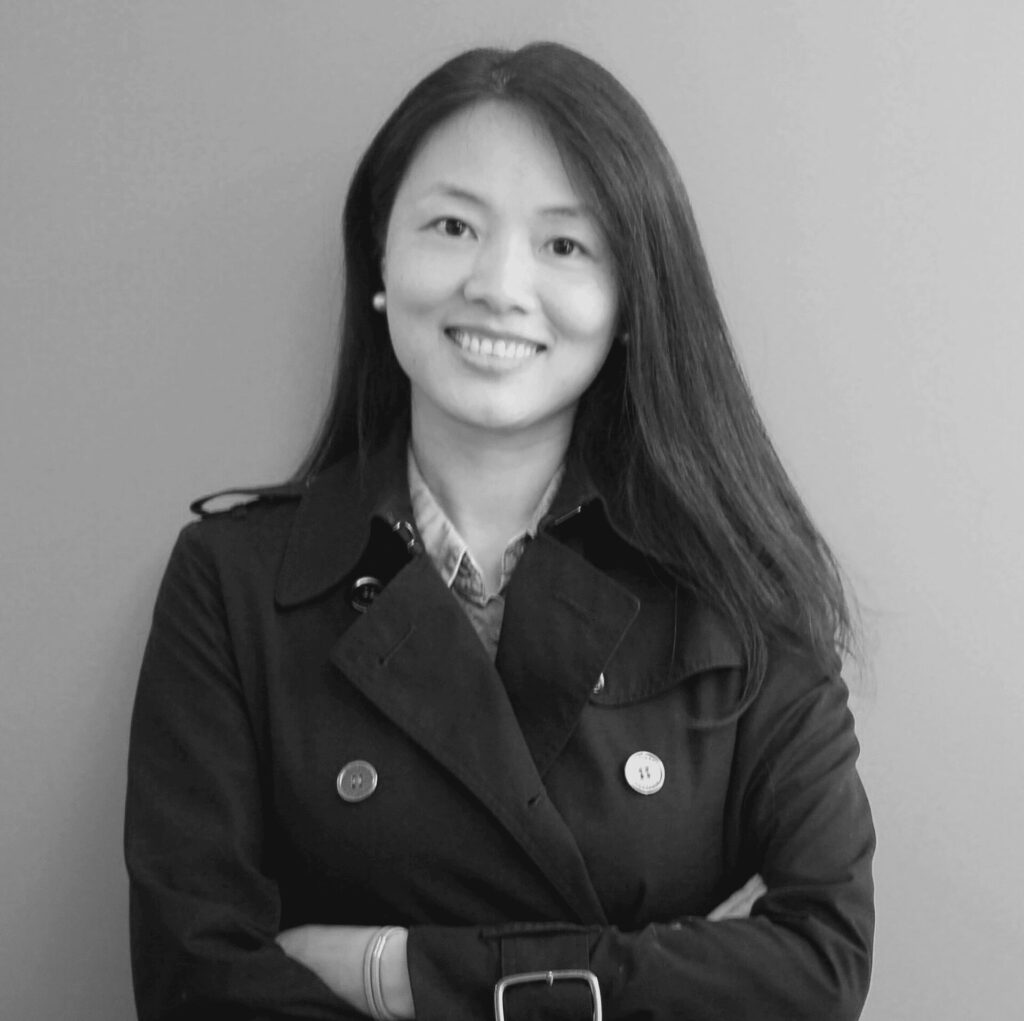
Xu Tiantian is a Chinese architect, educator, and founding principal of DnA_Design and Architecture, a Beijing-based practice known for its context-driven and socially engaged work. She earned her Bachelor of Architecture from Tsinghua University and a Master of Architecture in Urban Design from Harvard University’s Graduate School of Design.
Her work explores the relationship between architecture, culture, and rural development through a strategy she describes as “architectural acupuncture”—small-scale interventions that support local communities while preserving cultural identity. Alongside her practice, she serves as a professor at Tsinghua University.
Xu’s work has received numerous international distinctions, including the Swiss Architectural Award, the Holcim Gold Award for Asia-Pacific, and the Wolf Prize in Architecture.
“Architecture should not only produce new forms, but also strengthen the identity and vitality of places.”
INTERVIEW

Huangyan Quarry Cultural & Art Center, Taizhou, China. Photo by Wang Ziling
I would say our work does not follow a particular design style. Each project is different because it grows out of the specific conditions of a place, its landscape, culture, materials, and social context. We try to respond to the ecosystem and the resources that already exist there rather than impose a predefined architectural language.
Because every place has its own identity, the buildings should reflect that uniqueness. We are cautious about developing a recognizable style. What matters more is the logic behind each project – how architecture can activate local resources, respond to real needs, and strengthen the relationship between people, culture, and landscape.
My interest in architecture started very early, probably from the house where I grew up in Fujian. It was a large traditional compound with many courtyards and corridors, inhabited by an extended family of more than a hundred people. The spatial richness of that environment left a deep impression on me and made me aware of how architecture shapes everyday life.
Later, as China rapidly transformed during the 1980s and 1990s, I witnessed the shift from traditional settlements to modern urban development. Many rural areas were left behind as people moved to the cities.
This experience made me realize that architecture could play an important role in addressing social and territorial change. So architecture was not only a professional choice, but also a way to engage with the profound transformations happening in society and the built environment – a form of social activism.
The first step is always a careful reading of the context. We try to understand the different layers of a place: its ecosystem, geology, water systems, local production, cultural heritage, livelihoods, and history. These tangible and intangible resources often reveal opportunities that are not immediately visible.
Before designing a new building, we ask what the real problem is and whether a new construction is actually necessary.
Often, the most meaningful approach is to reuse what already exists or to intervene in the most minimal way possible. We work in close collaboration with the client and the local community, and the process is never about imposing a form or architectural vision, but about uncovering a response that grows from the site and its conditions.
We try to avoid mimicry or nostalgia. The goal is not to reproduce historical forms, but to understand the logic behind vernacular or industrial structures and make them relevant for today. Traditional buildings often contain deep knowledge about climate, materials, and ways of living, which we can revive with contemporary means. We make use of contemporary technologies such as prefabrication and advanced fabrication methods. These allow structures to be assembled quickly, remain flexible in use, and be resilient to future change.
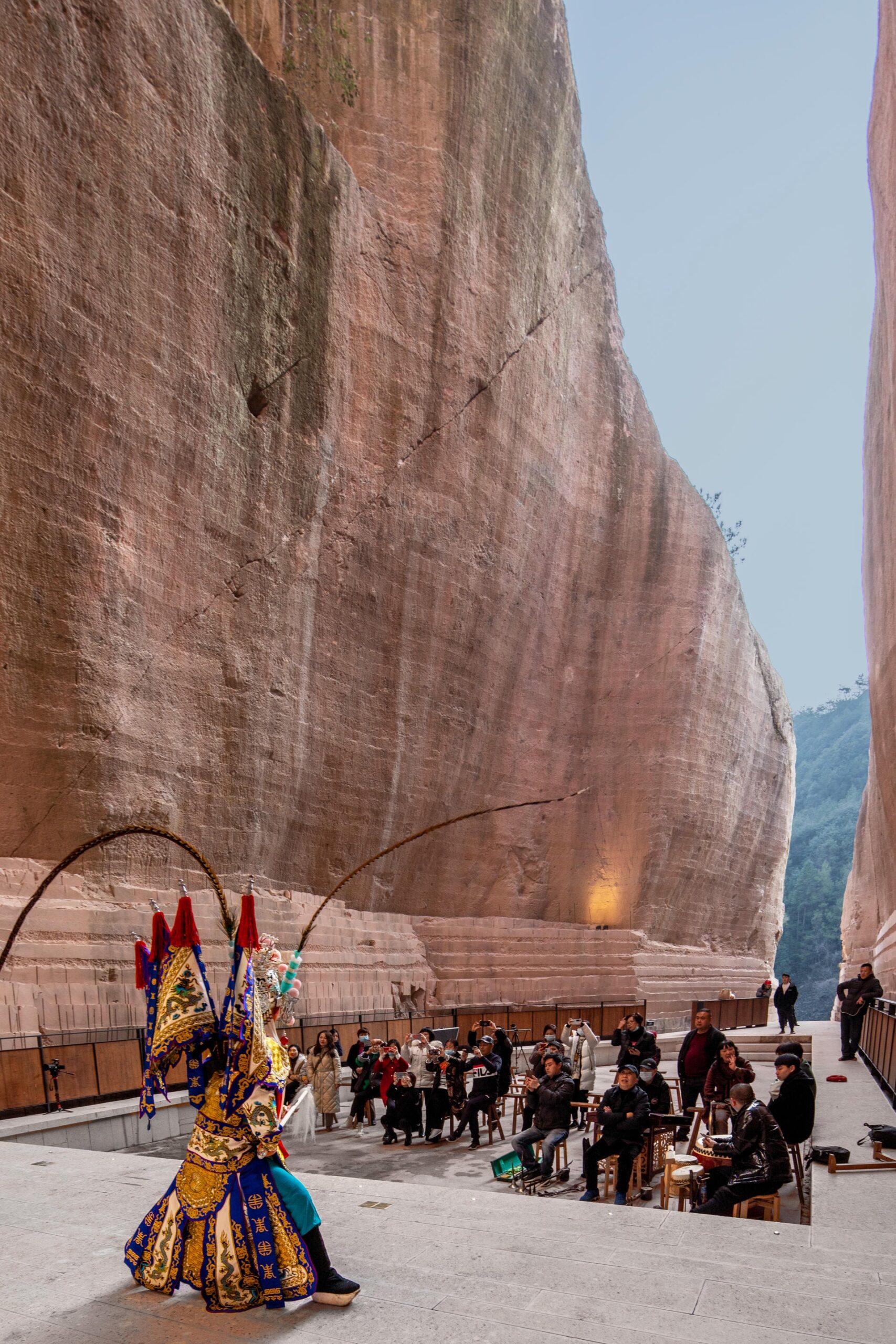
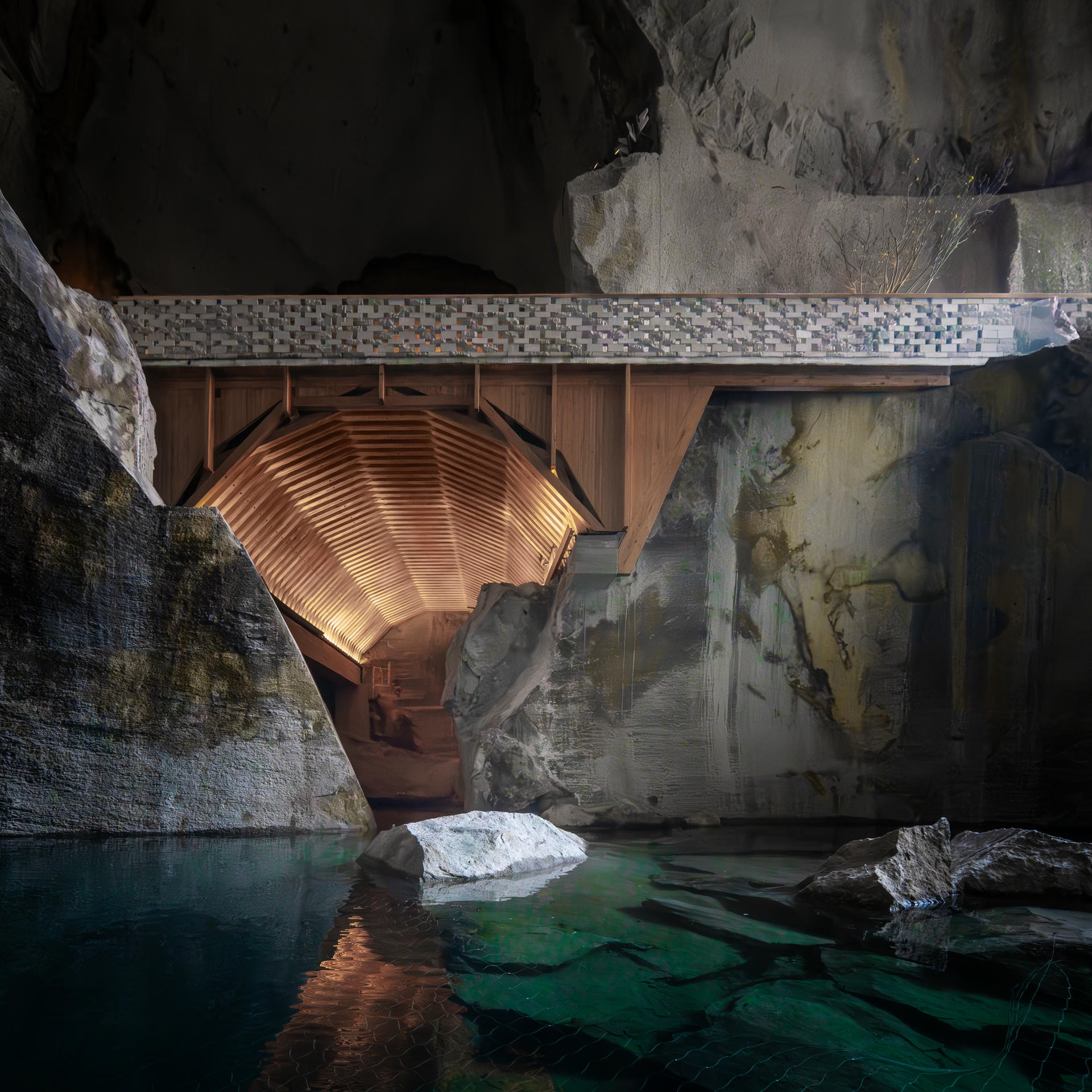
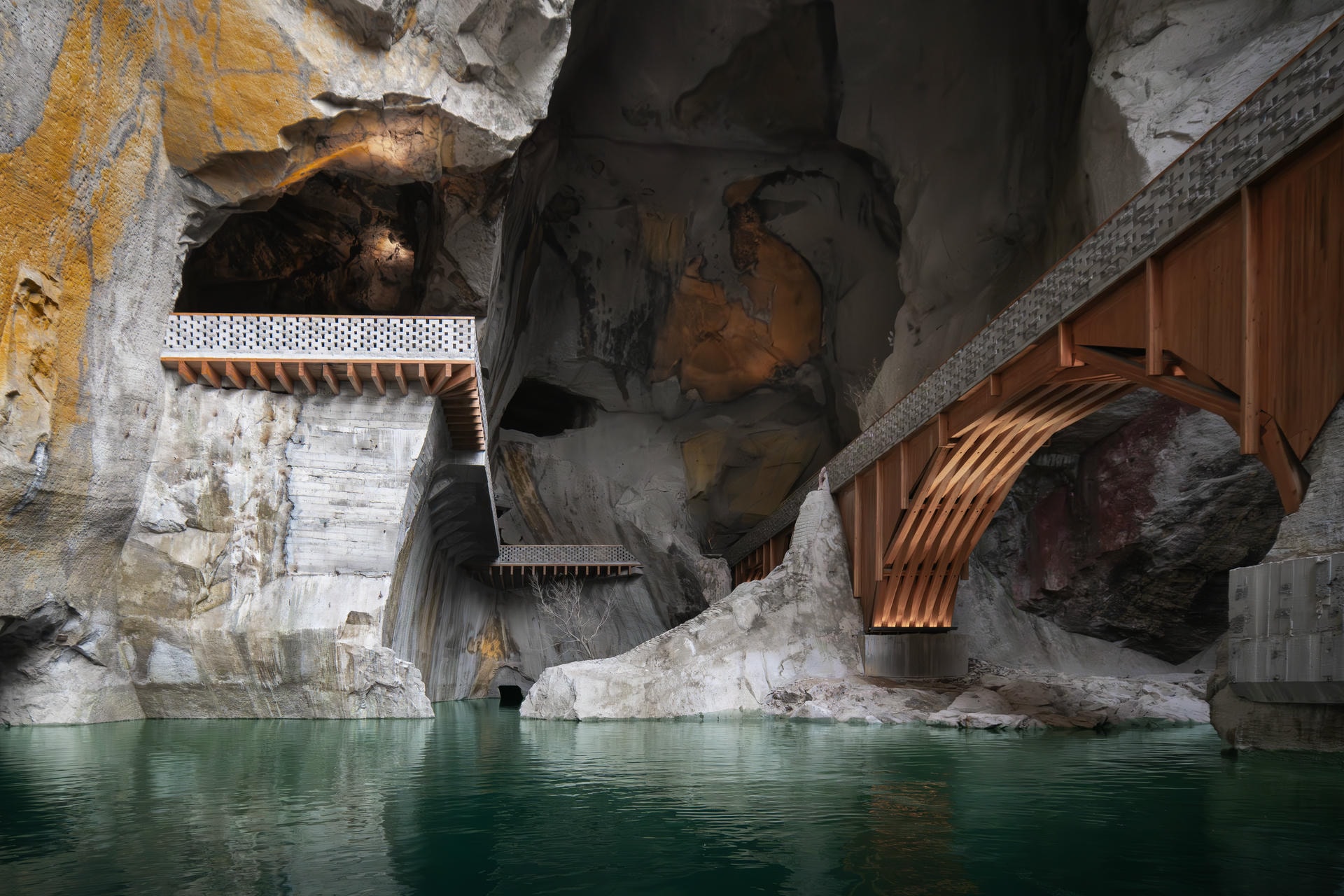
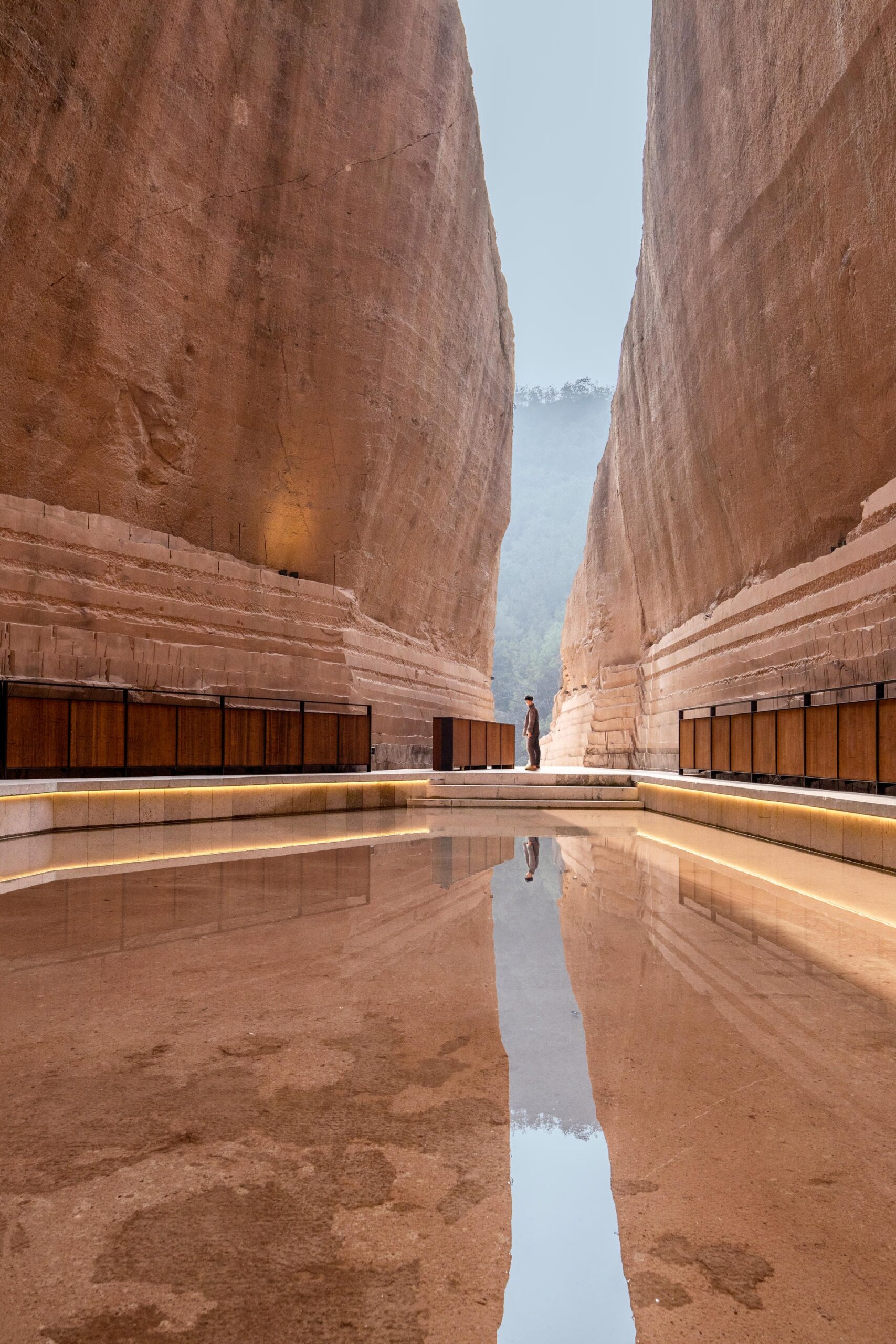
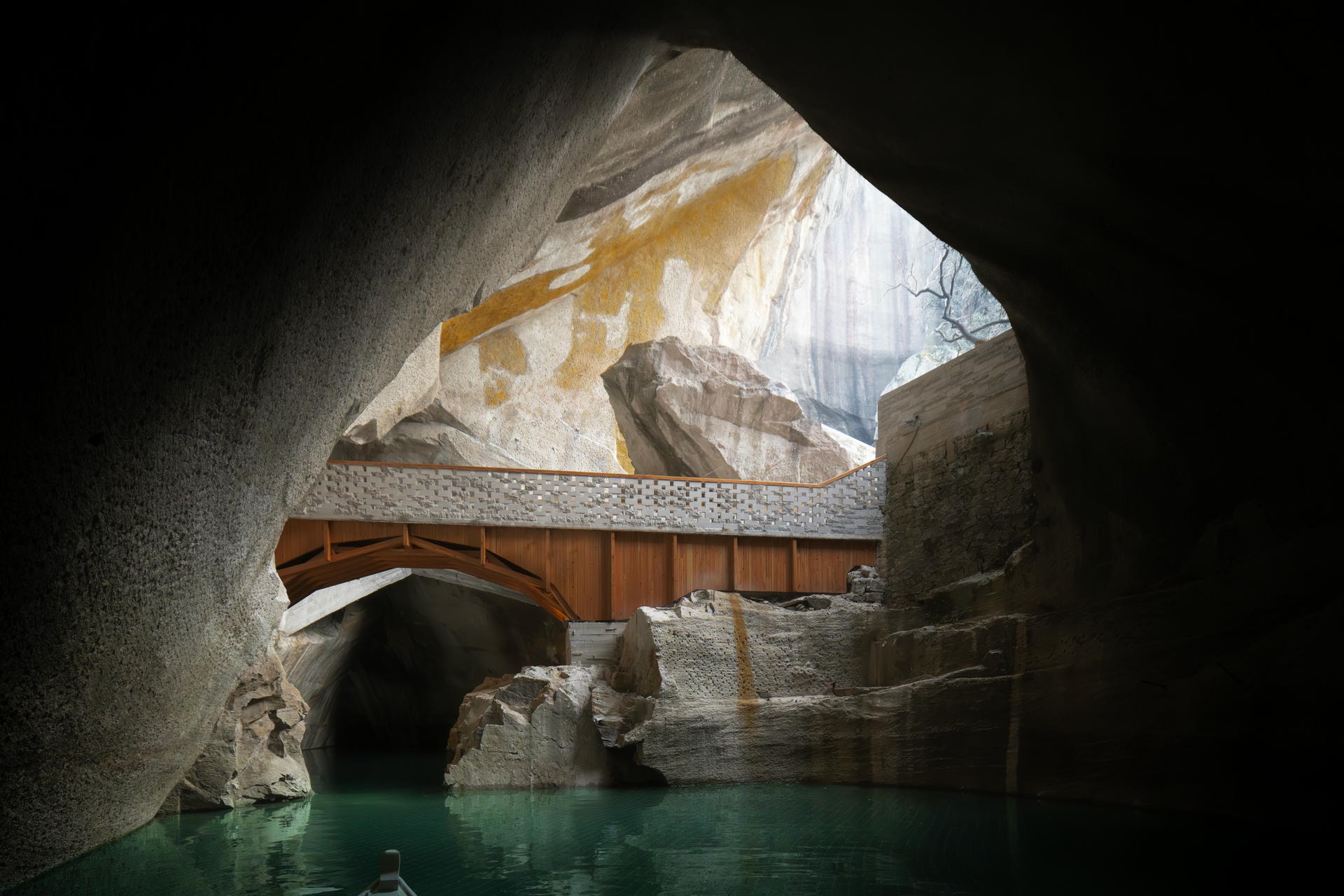
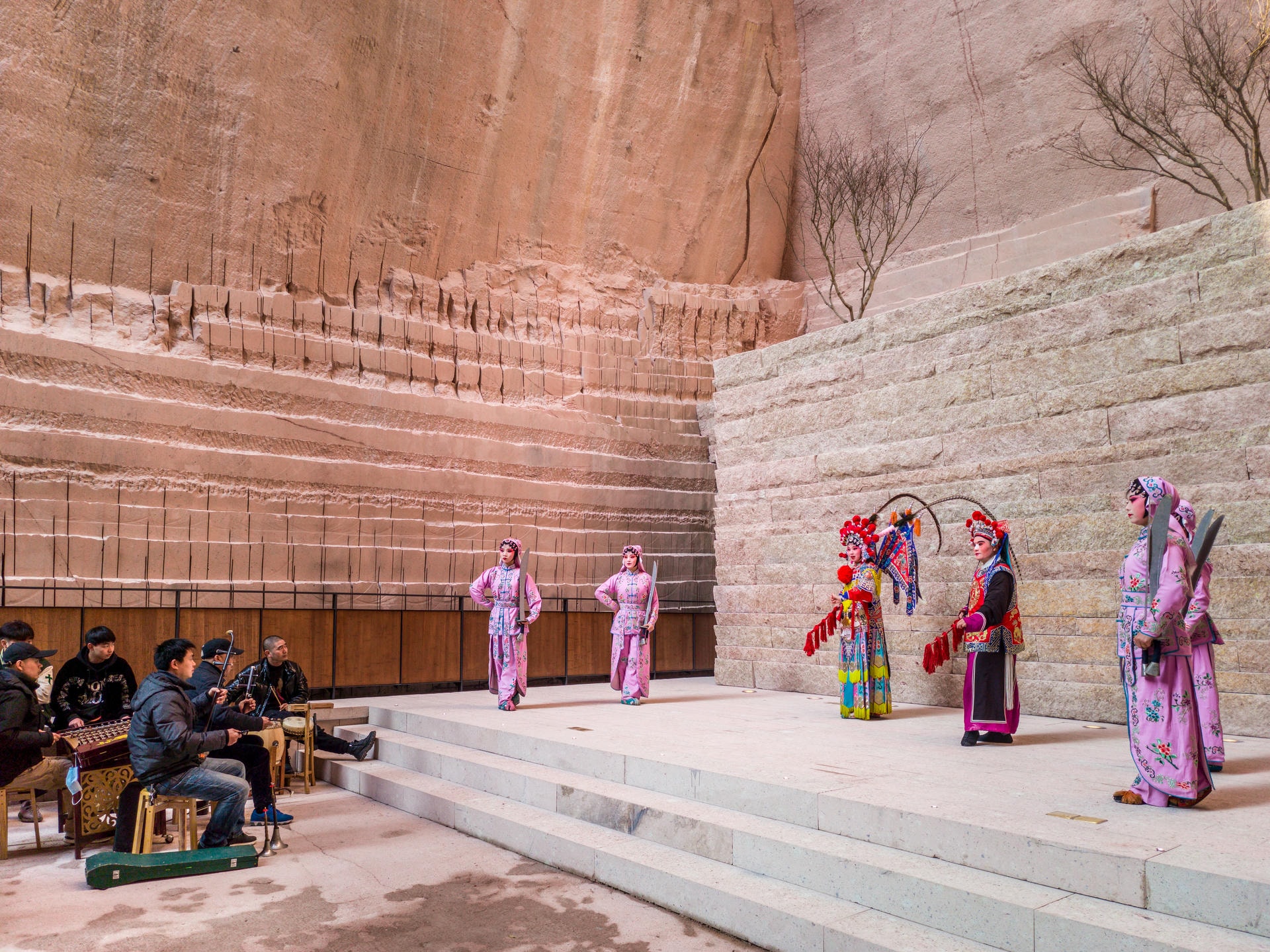
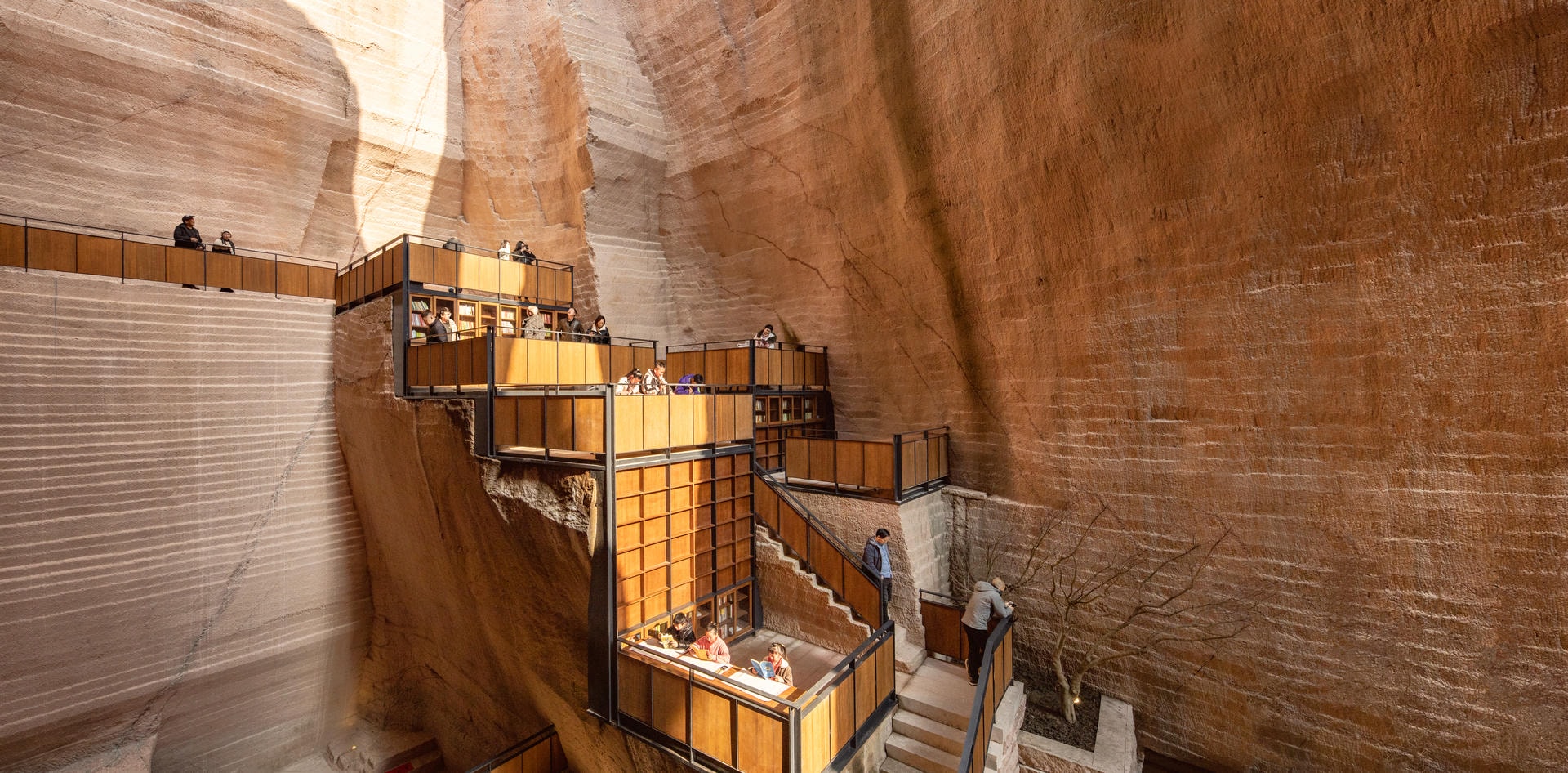
One project that I feel particularly special about is the transformation of the quarries in Jinyun. The existing spaces were already monumental, almost like a natural architectural heritage, and the challenge was to understand how such an unusual landscape could be opened to the public while preserving its character.
The process was very particular. The research was done thoroughly, in a very short time, intense. The geological conditions were complex, and we had to carefully study the structure of the rock and the safety of the existing cavities, while adapting these spaces for public use and meeting contemporary regulations.
The timing during the COVID period was particularly significant. It opened up a broader question: Is architecture only about buildings? The project became a way to explore how architecture can integrate nature, social and economic programs, and how it can reveal the hidden value of local resources
This line of thinking extends to all of our work. In each project, we ask: what is truly necessary? What hidden local resources can be activated? How can engineering logic be translated into architectural expression? And how can this be grounded in a specific local context?

Jinyun Quarries, Zhejiang, China. Photo by Wang Ziling
At first, it might seem that the most difficult part of the work is the uncertainty. But on reflection, uncertainty is simply the nature of architecture. Rather than resisting it, we try to see opportunity within it. In our office, we generally maintain an optimistic approach and genuinely enjoy both the projects and the process.
The same applies to constraints, such as site limitations, regulations, and various restrictions. These are often seen as obstacles, but for us, restrictions become the hidden traces that guide the design and help to define the real potential of a project.

Jinyun Quarries, Zhejiang, China. Photo by Wang Ziling
It is difficult to point to a single building. I am often more inspired by what is sometimes called “architecture without architects” – the vast body of vernacular architecture created collectively over time. Chinese traditional compounds, indigenous Australian structures, Karakalpak yurts…Many traditional settlements and building types around the world embody deep knowledge of climate, materials, and social life. They are often overlooked or underestimated because their authors are anonymous. What interests me in these environments is the way architecture grows naturally from local conditions, the landscape, available materials, and the patterns of daily life.
The Fujian tulou, for example, were designed for a very particular functionality, as defensive structures for collective living, capable of accommodating an entire clan within a single enclosed form. This integration of social organization, security, and spatial design is something I find very powerful.
In Chinese thought, there is the idea of Wanwu – the “myriad of beings”, which describes a world where all living and non-living things are interconnected. This perspective shifts architecture away from being purely human-centered toward engaging with a broader ecological system. At DnA, our approach shifts away from anthropocentrism, embracing the interconnectedness of all things: humans, other living beings, materials, spaces, and intangible cultural and ecological systems. In this view, everything becomes architecture, and architecture becomes a way of thinking about the world as an integrated whole.
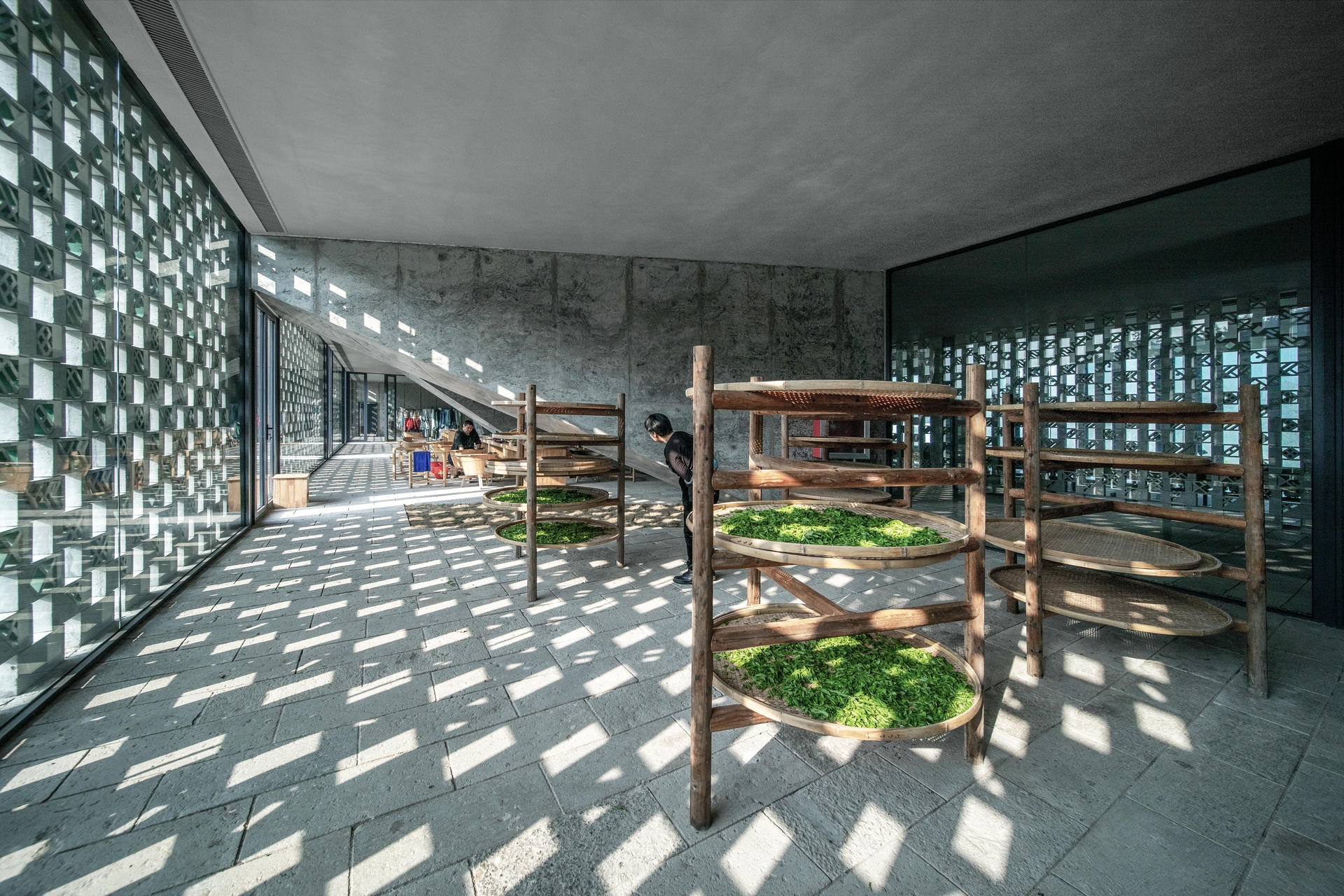
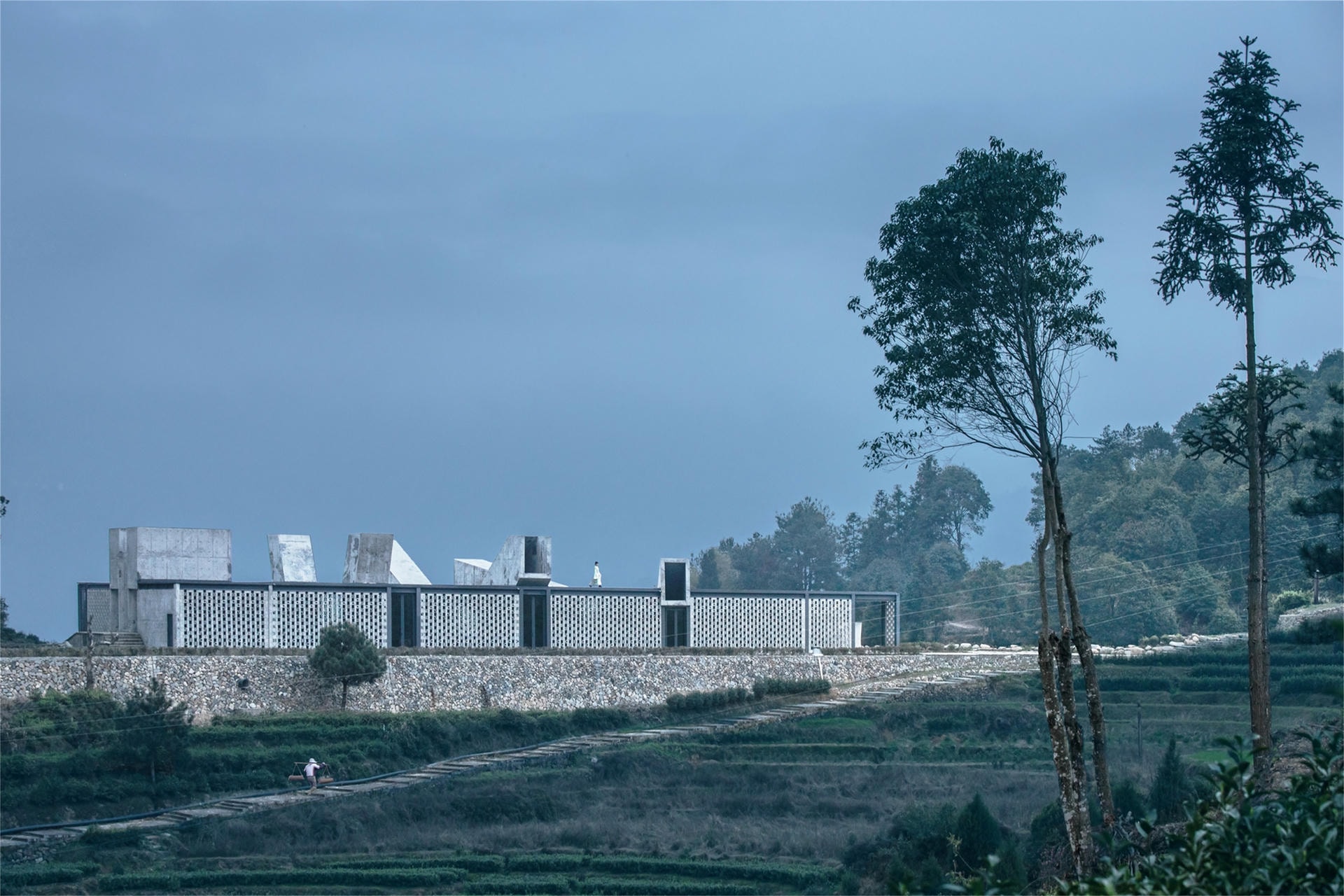
In many projects, we try to treat light as a material that reveals the relationship between architecture, time, and nature. A good example is the Huiming Tea Space.
The building is located within tea terraces near the historic Huiming Temple, where tea cultivation has existed for more than a thousand years. The project brings together tea production, tea tasting, and a public corridor where visitors can observe the process. The architecture, therefore, connects agriculture, daily life, and landscape.
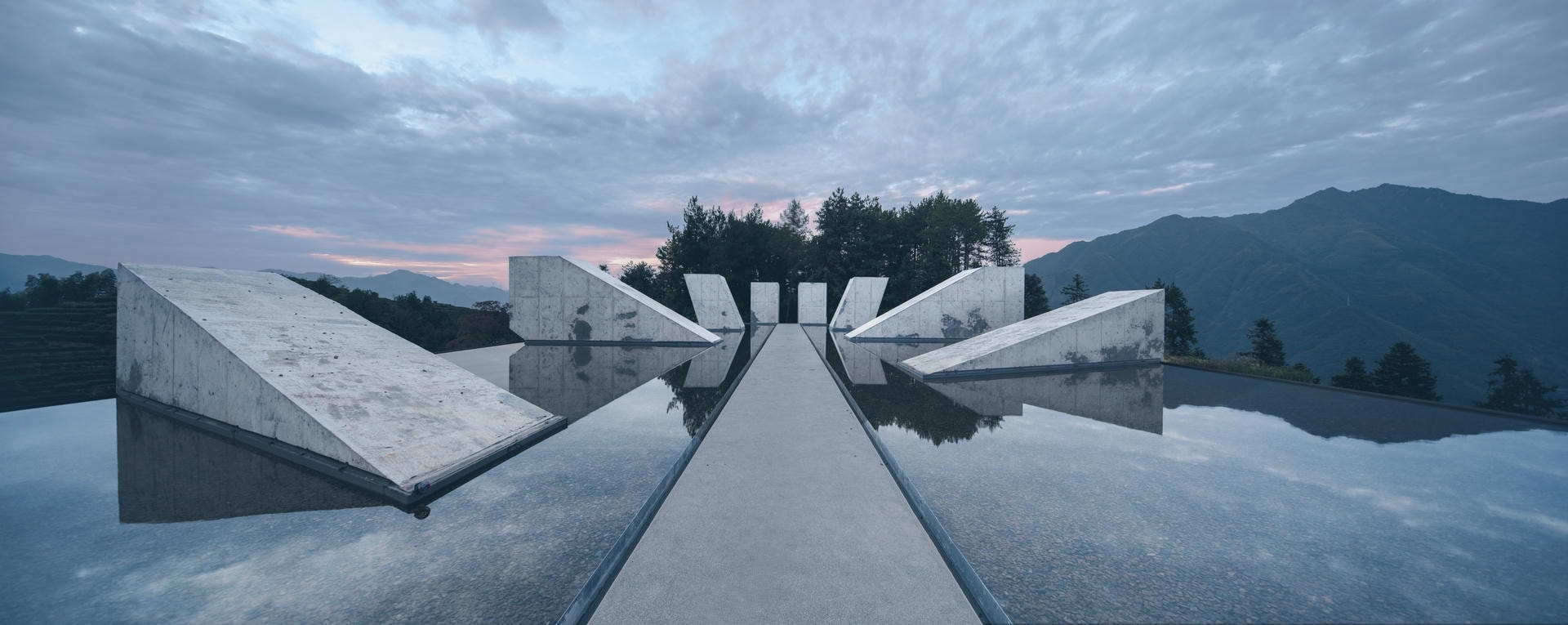
Light is used to structure the experience of the building. Eight diagonal light tubes penetrate the roof and are carefully oriented according to the sun’s position during the summer solstice. Each tube corresponds to a traditional Chinese zodiac hour, from sunrise to sunset. As the sun moves through the day, light enters the building through different tubes, tracing a path across the interior spaces.
This movement of light divides the building into different zones and moments: the morning light passes through the tea-tasting spaces, midday light marks the circulation area, and the afternoon light reaches the tea-processing workshop. The architecture becomes almost a sundial, expressing the rhythm of agricultural life and working with the cycles of the sun and seasons.

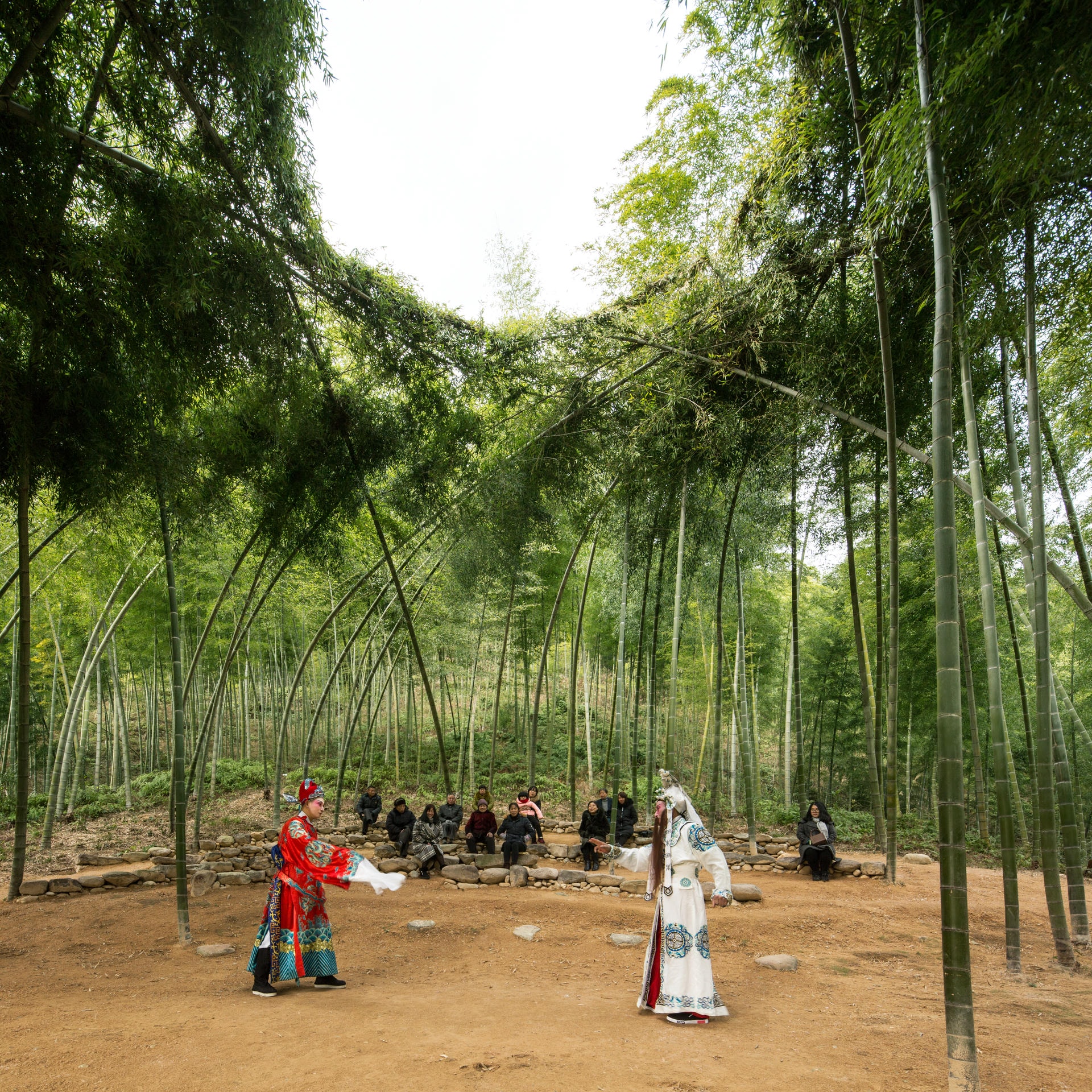
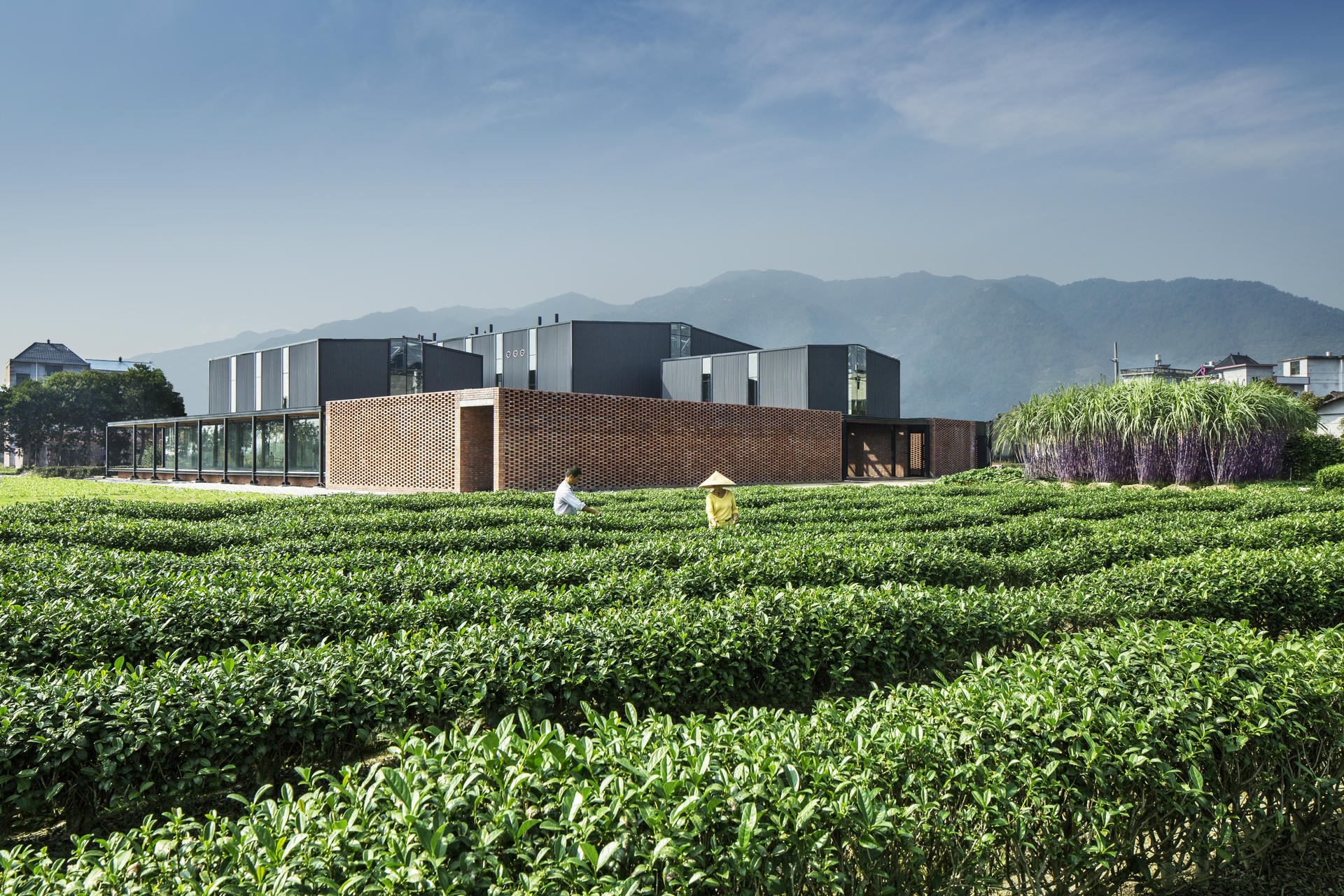
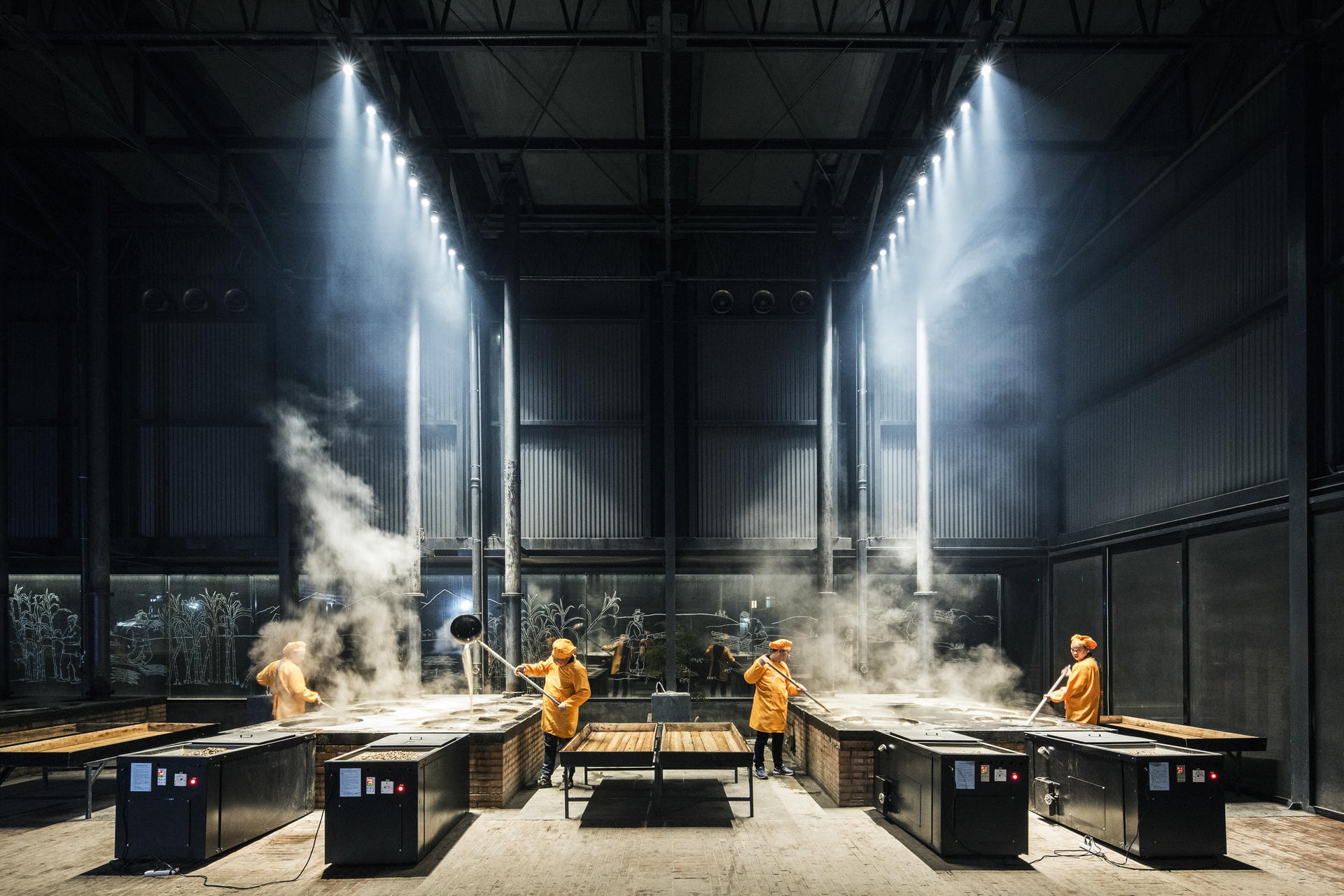
Brown Sugar Factory, Xing Village, China. Photo by Wang Ziling
Huiming Tea Space, Jingning, China. Photo by Wang Ziling
Young architects should spend time observing and understanding real places. Architecture is not only about designing objects; it is about reading a complex system of landscape, culture, economy, and social life.
It is also important not to rush to develop a personal style. The consistency should come from the logic of thinking and the values behind the work, not from repeating a formal language.
The guiding principle in our work is rooted in Wanwu — the interconnectedness of all things. We see architecture as part of a dynamic, circular system, where every intervention belongs to a larger ecological, social, and cultural network. Design, for us, is always about necessity: responding to real conditions and activating hidden potential.
This is why we use the concept of Architectural Acupuncture. Inspired by traditional Chinese medicine, acupuncture involves precise, small interventions that restore energy and promote healing. Similarly, our interventions are targeted at revitalizing underutilized spaces, supporting local economies, preserving heritage, and reinforcing community identity.
In Chinese, there are two terms: 雪中送炭 vs. 锦上添花 – providing charcoal instead of adding embroidery (offering help in times of need instead of adding flowers to brocade). It captures our approach perfectly: design should meet essential needs and respect the circularity of ecosystems, rather than being decorative or superficial.
Many contemporary buildings are driven by image and scale rather than by their relationship with place and society. Architecture risks becoming detached from local resources, local culture, and real community needs. What is often missing is sensitivity to context.
Architecture should not only produce new forms, but also strengthen the identity and vitality of the places. An important question to ask each time when working on a new project is whether we should really build a new building.

Thank you so much Tiantian, for this lovely interview!
Share article :