
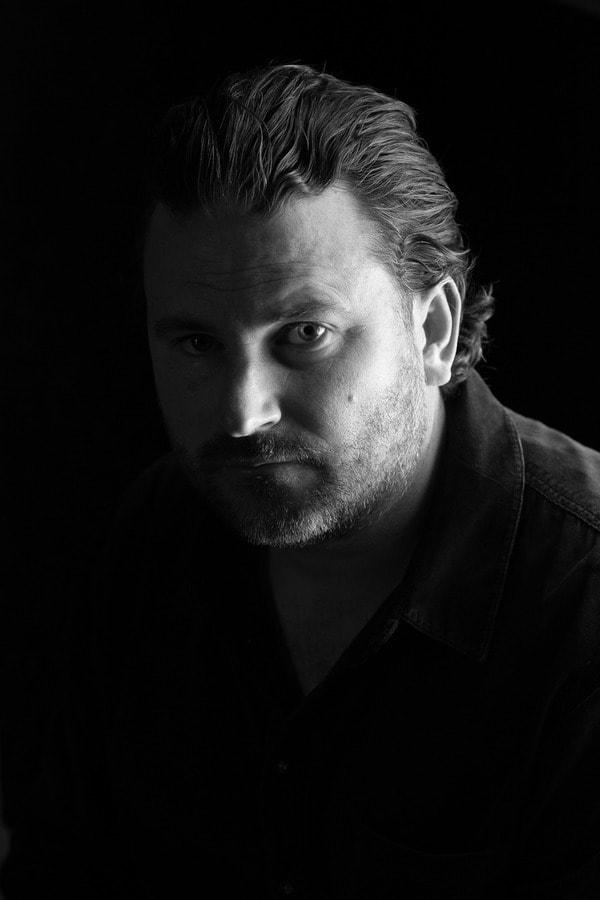
Youssef Benhamou
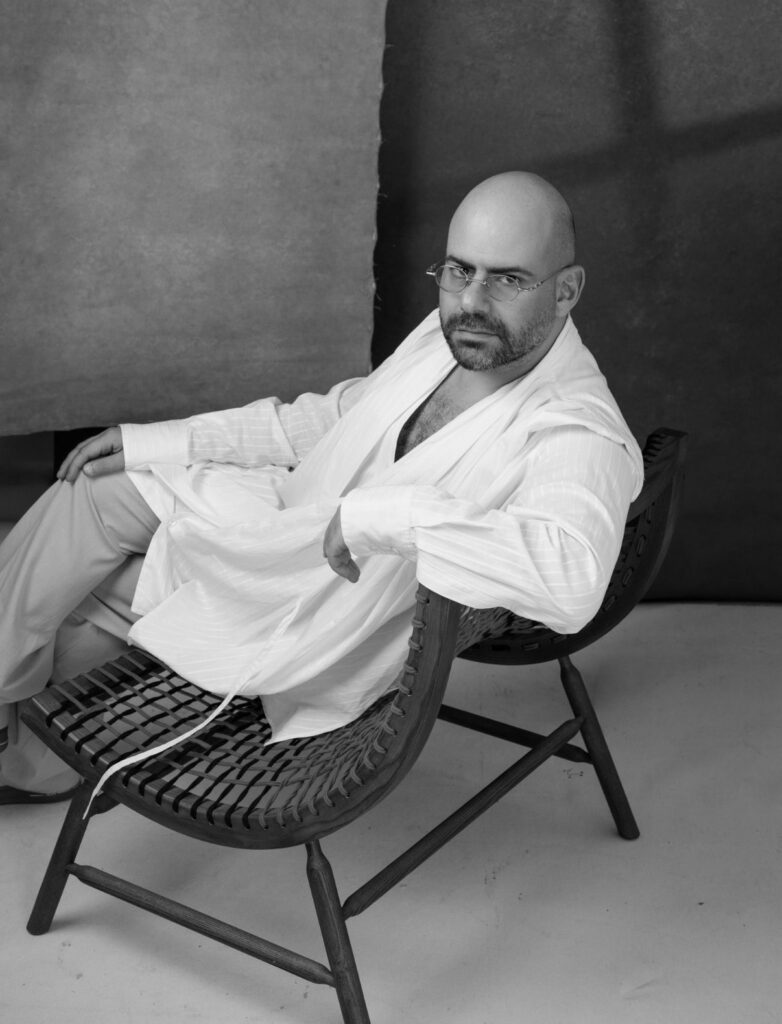
“Modernizing Moroccan craftsmanship means keeping the material, but telling its story differently.”
INTERVIEW
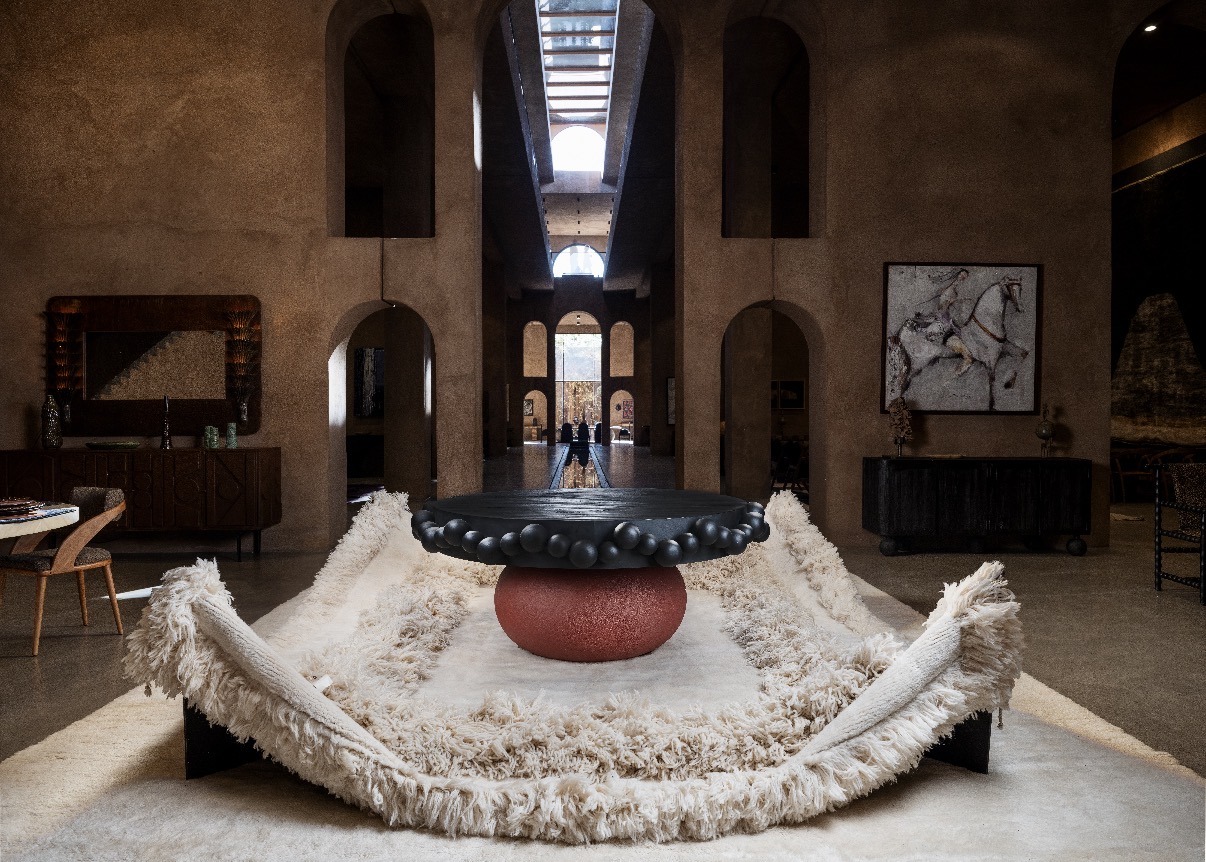
My journey into interior design developed quite naturally, at the intersection of architecture, objects, and the emotions that spaces can evoke.
From an early stage, I was fascinated by how light, materials, and proportions can completely transform the perception of a place. After several professional experiences, I founded Benhamou Studio in Casablanca with the ambition of developing an approach to design that is both intuitive and contemporary.
From the very beginning, my work has also been defined by an eclectic sensibility. I enjoy mixing references, eras, and materials to create spaces that feel alive and never confined to a single aesthetic language.
An important dimension of my work is also the desire to modernize Moroccan craftsmanship. The idea is not to reproduce traditional codes literally, but rather to preserve the material and the know-how while reinterpreting them in a different way so they can integrate naturally into contemporary interiors.
Modernizing Moroccan craftsmanship means keeping the material, but telling its story differently.
I would say that every stage of my life has been decisive.
I work a lot with emotion and intuition, so every encounter carries a particular importance. Each client has their own personality, their own story, and their own way of inhabiting space.
These exchanges inevitably influence how a project takes shape. Looking back, I realize that my path was not built around a single defining moment, but rather through a succession of encounters and experiences that have shaped my creative sensitivity.
For me, the key to a successful project lies in audacity combined with coherence.
Some decisions may seem surprising or even improbable at the beginning of a project. But when the vision is clear, every element eventually finds its place.
What I find most interesting is the moment when the client discovers the finished space and realizes that, despite strong design choices, everything ultimately feels natural.
A project may seem improbable at first. My work is to make it feel obvious in the end.
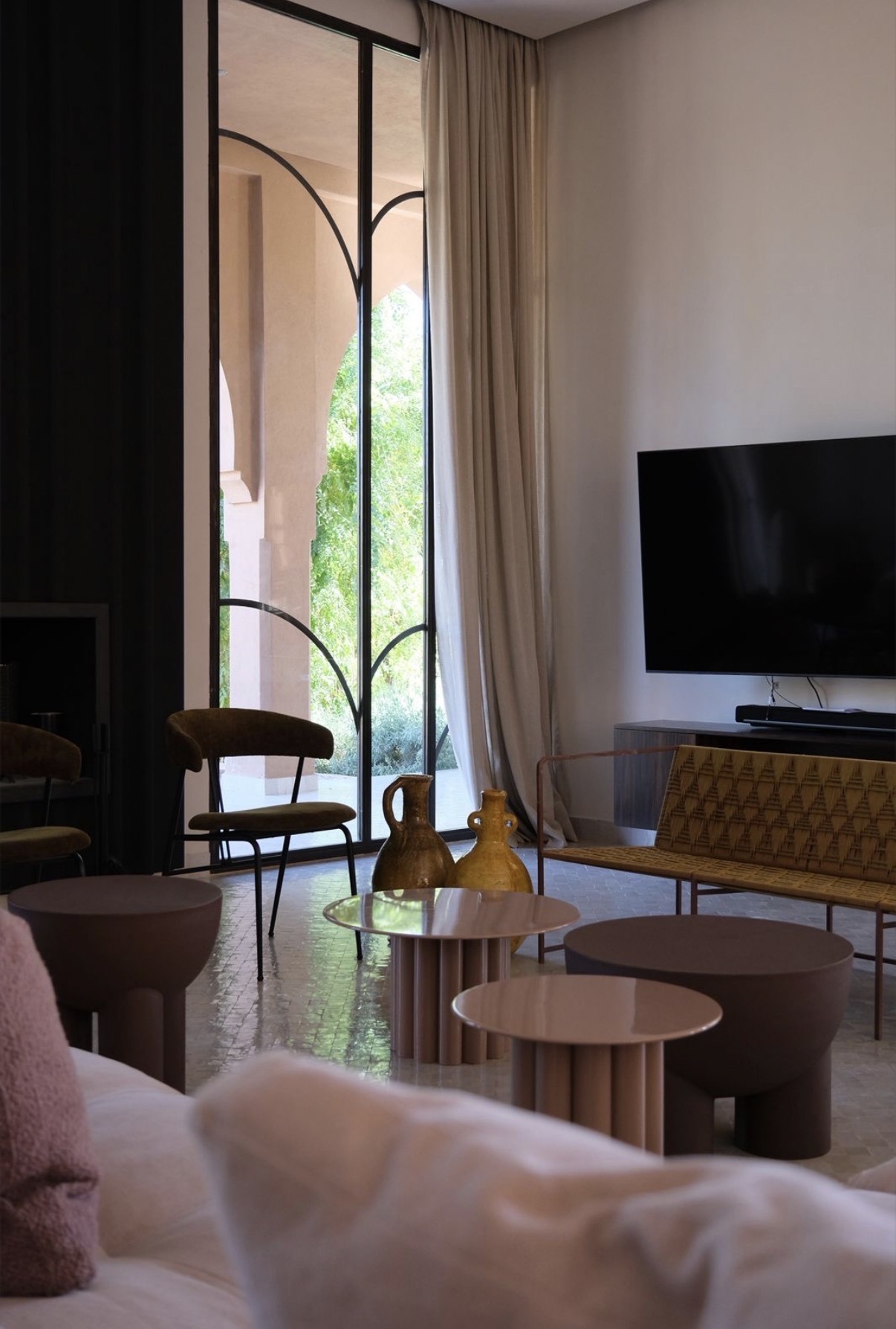
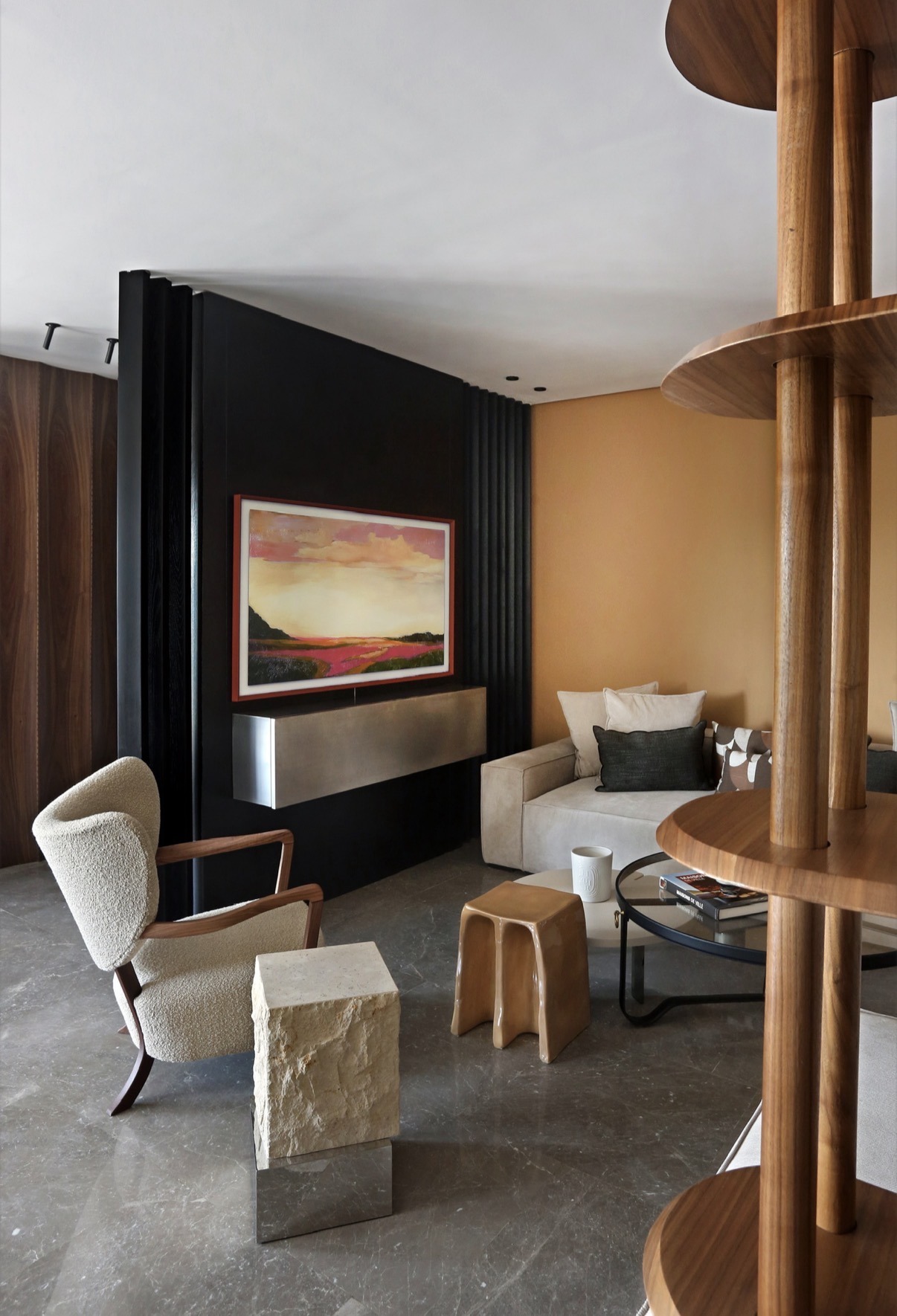
The first meeting with a client is always very revealing.
Of course, we discuss the functional aspects of the project, but I also pay attention to subtle details: gestures, the way someone moves through a space, sometimes even a piece of jewelry or an object.
These small elements can sometimes say more than long conversations. They help me understand a person’s sensibility and imagine the atmosphere that might resonate with them.
From there, the project gradually develops, often starting with a material, a light, or a particular sensation.
I prefer to speak about a philosophy rather than a style.
My approach could be summarized through a few key notions: audacity, intuition, and eclecticism.
I enjoy creating dialogues between different influences, materials, and cultural references. This eclectic perspective has accompanied me since the beginning of my career and allows me to avoid any rigid approach to design.
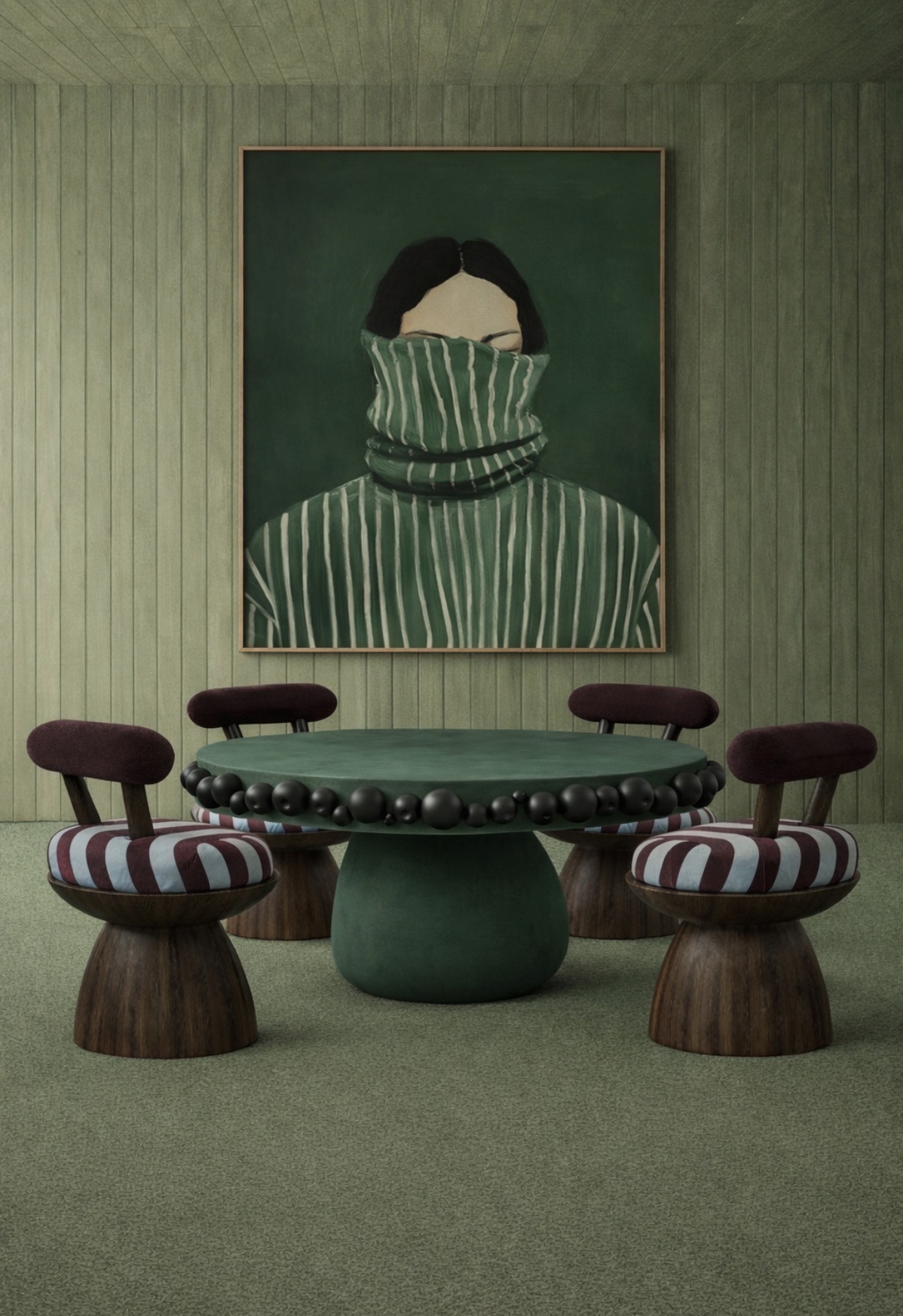
favorite pieces from the Philia Collection
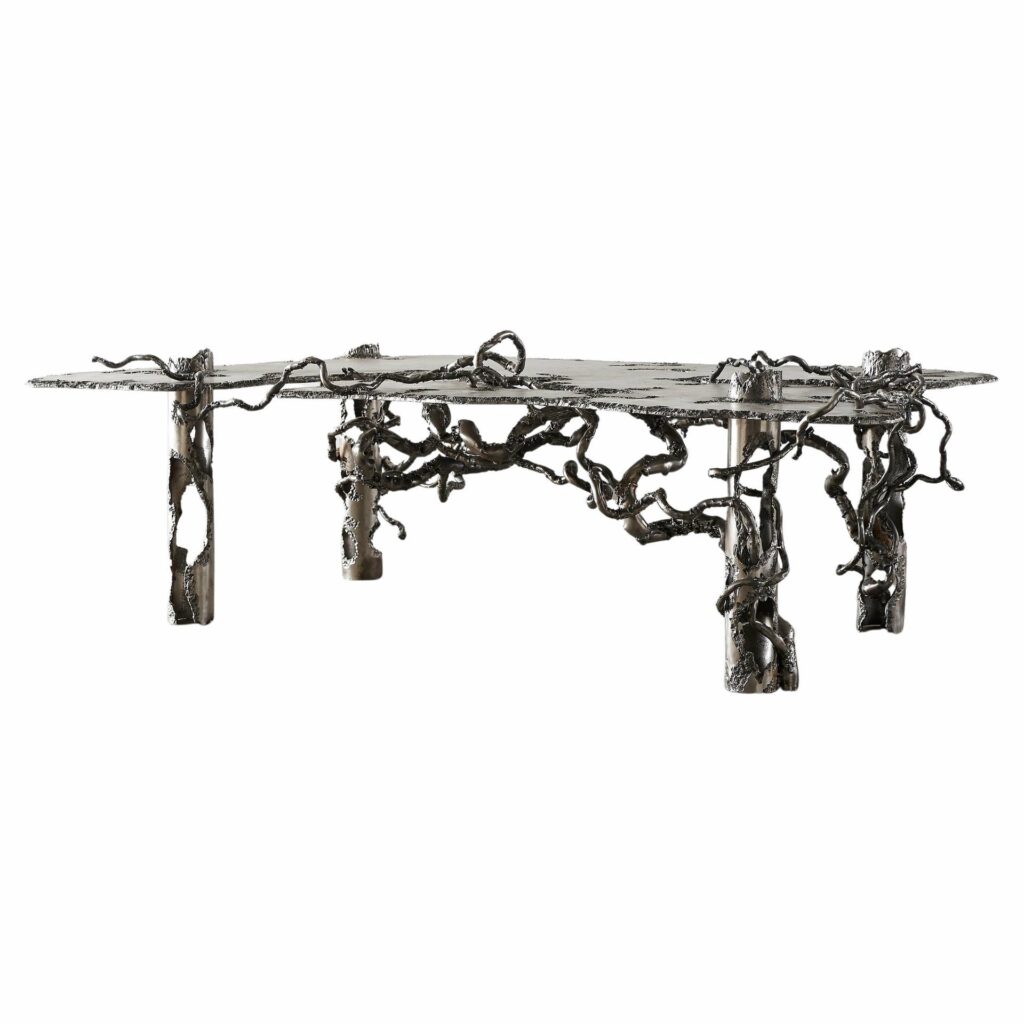
Among the pieces presented by Philia, several particularly resonate with me because of their sculptural presence.
What I appreciate about these creations is their ability to transcend function and become true spatial presences within an interior.
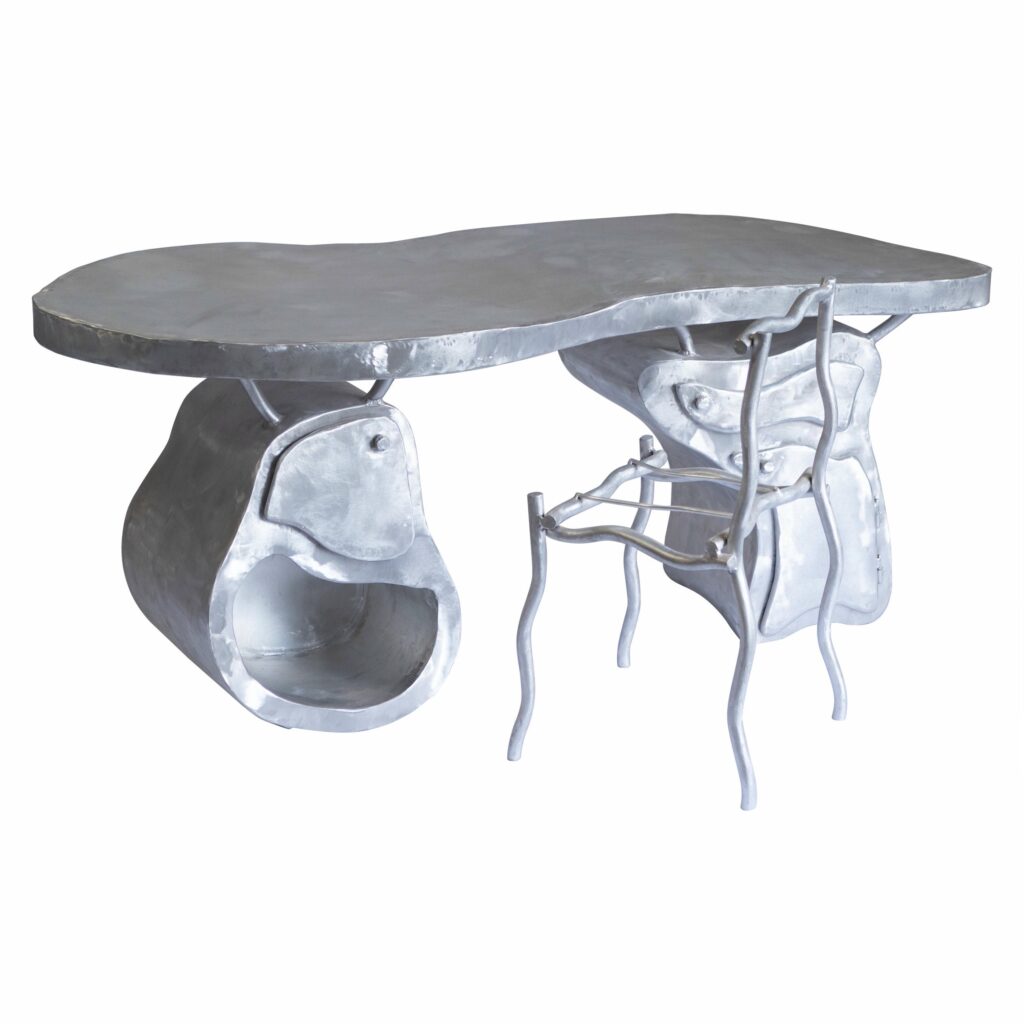
Set Of 2 Work From Home Desk And Chair by Six Dots Design
I was also drawn to the desk presented by Six Dots Design. The piece has a very experimental dimension, with a free and expressive form that highlights the materiality of the object. It goes beyond simple functionality and becomes almost an artistic statement.
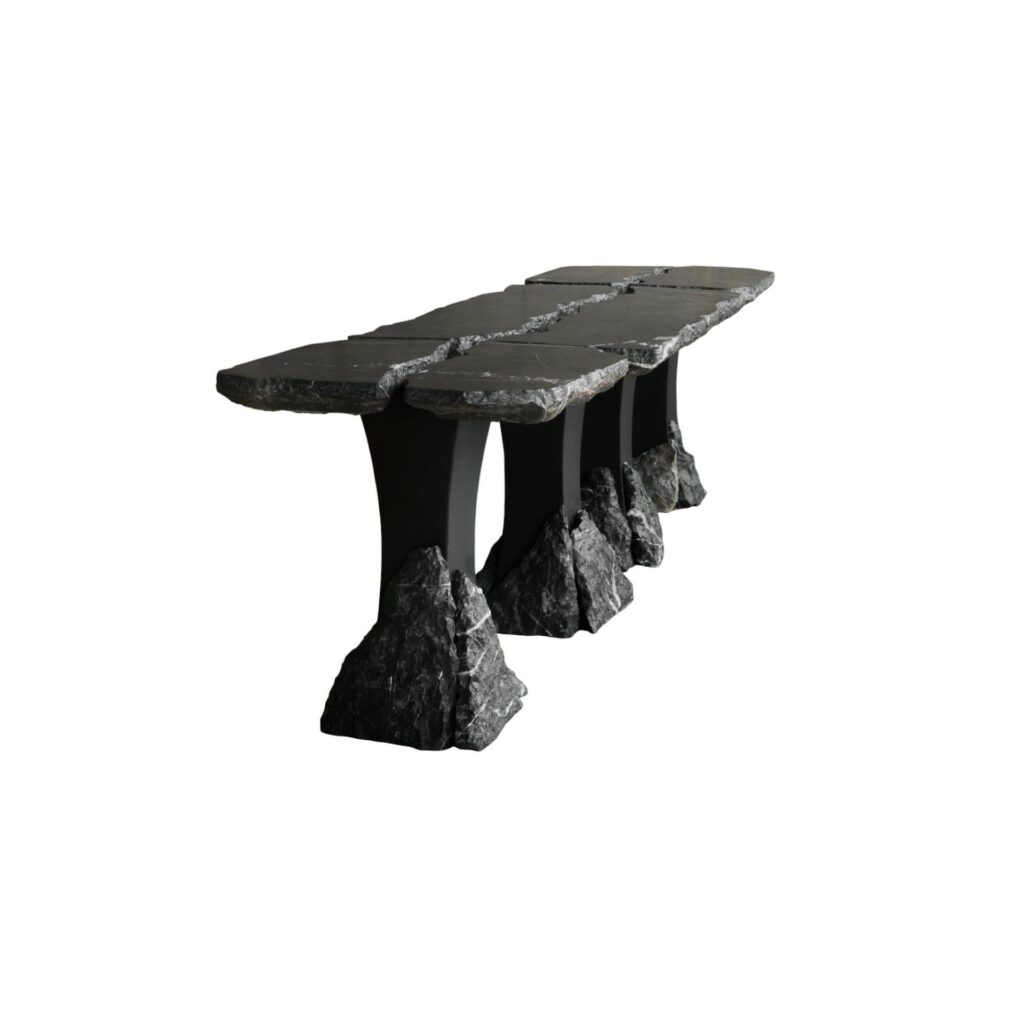
Set of 3 Divergente Textured Black Marble Table with Split Top by Andres Monnier
Finally, the black marble composition presented during the Accento Latino exhibition deeply caught my attention. The piece evokes a kind of mineral landscape, playing with verticality and light in a very poetic way.
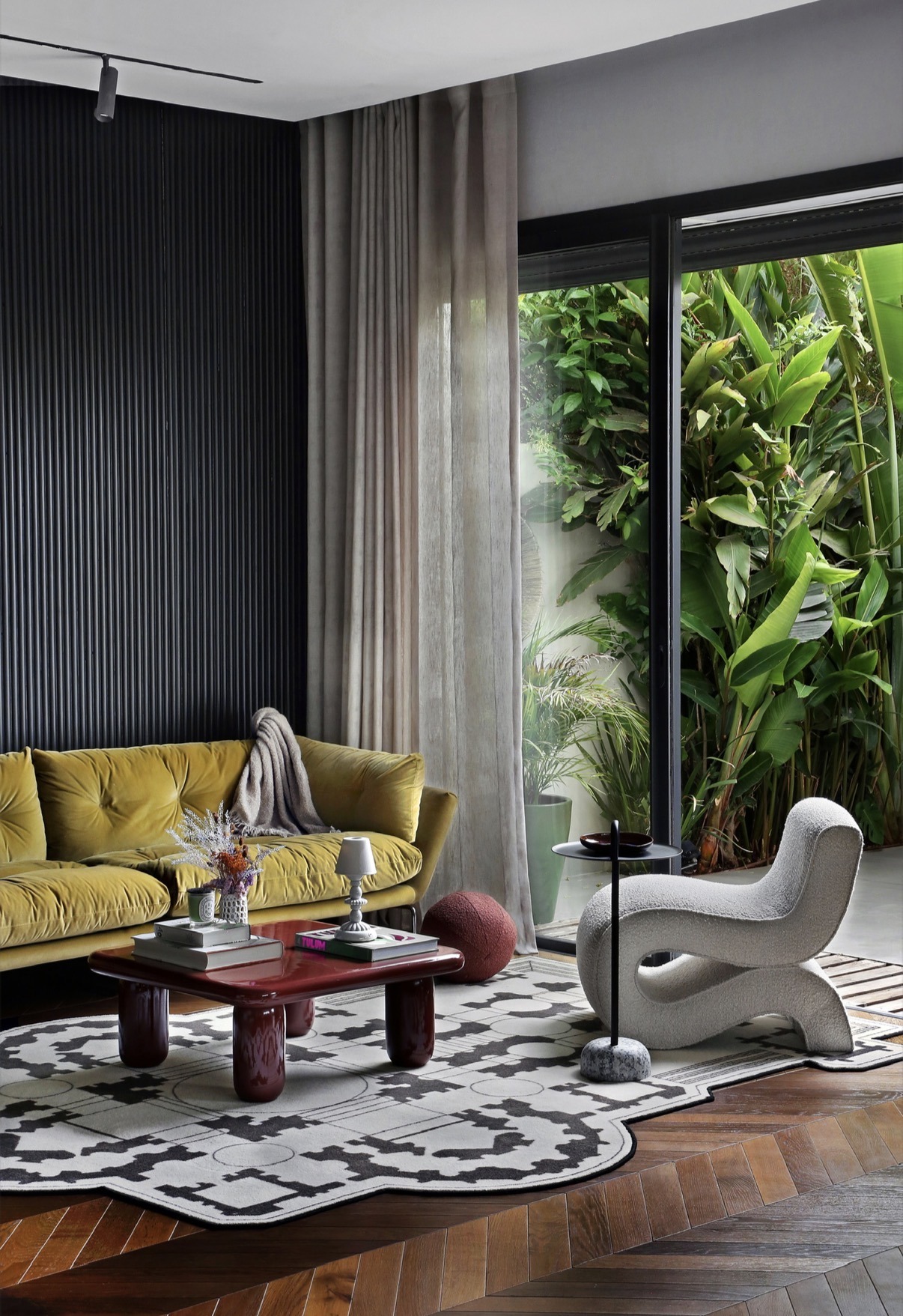
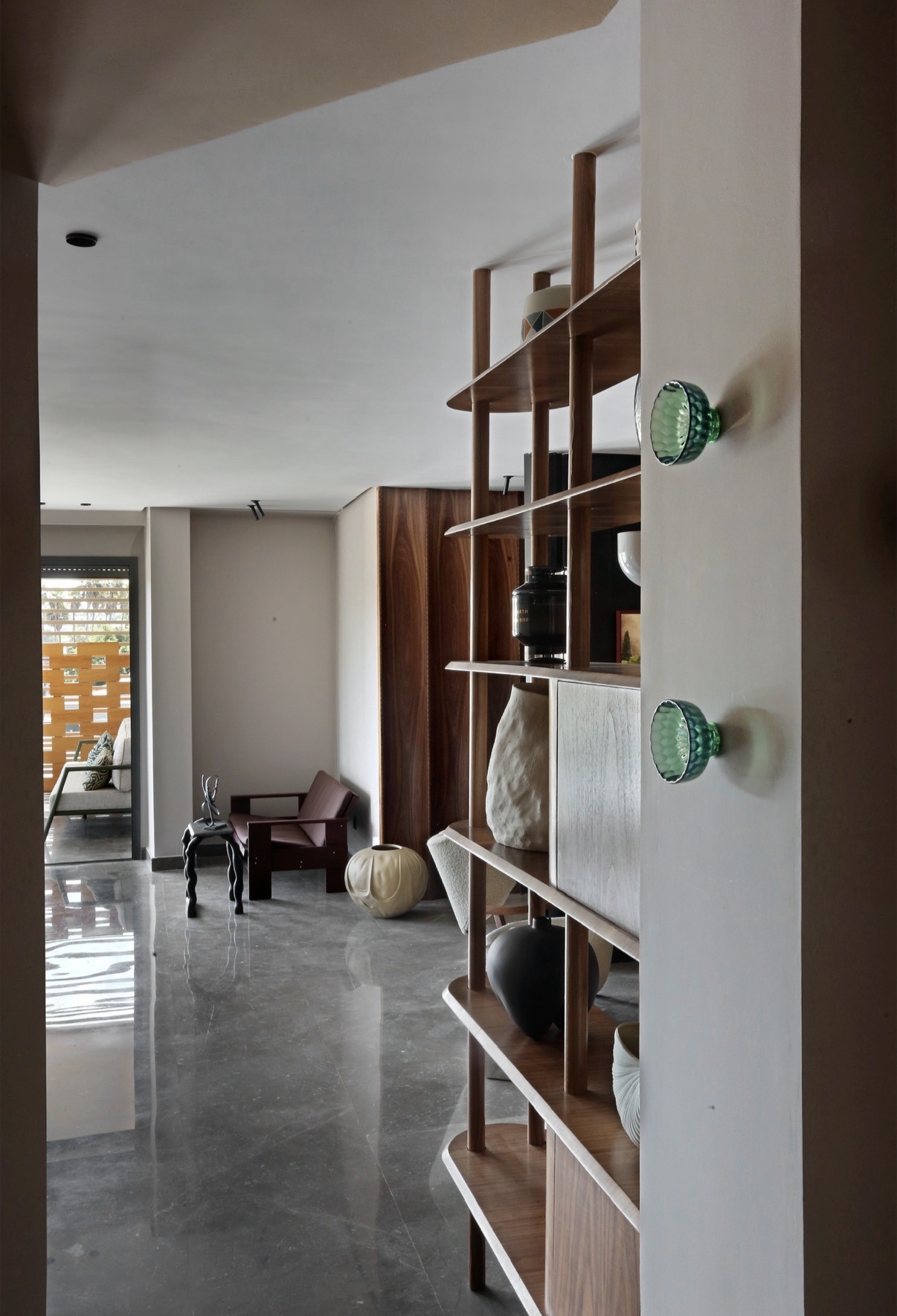
One particularly memorable project was the design of a penthouse located on the top floor of a hotel.
The space was organized in a linear sequence of rooms, which represented a real challenge in terms of circulation. The goal was to transform this constraint into a fluid spatial experience while maintaining a strong aesthetic presence.
Projects like this perfectly reflect the essence of interior architecture: finding the balance between function, emotion, and spatial composition.
Always work with light.
Light reveals materials, creates depth, and completely transforms the perception of a space. It is often the element that brings an interior to life.
First of all, to be patient.
It is also essential to travel, observe, and stay curious. Everything around us—architecture, objects, cities, light—nourishes the creative eye.
I also believe that designers should never apply the exact same sensibility to every project. Each space deserves its own identity. Otherwise, the work becomes repetitive, and its longevity becomes limited.
And most importantly: trust yourself and your own vision.
Alongside my interior architecture projects, I am currently developing Mindmade, a series of collectible furniture and object capsules. The idea behind this project is to place material at the center of the creative process. Each capsule explores a specific material and its sculptural potential.
Material is always the starting point. Design then reveals its potential. The collections are produced in limited editions, with one capsule released each year. This year, I worked with stainless steel. I can also share an exclusive preview: the next capsule will explore the integration of Moroccan leather craftsmanship into sculptural design furniture. For me, Mindmade represents a natural extension of my architectural work, where objects themselves become a way to express a design vision.
Thank you so much Youssef, for this lovely interview!
Share article :

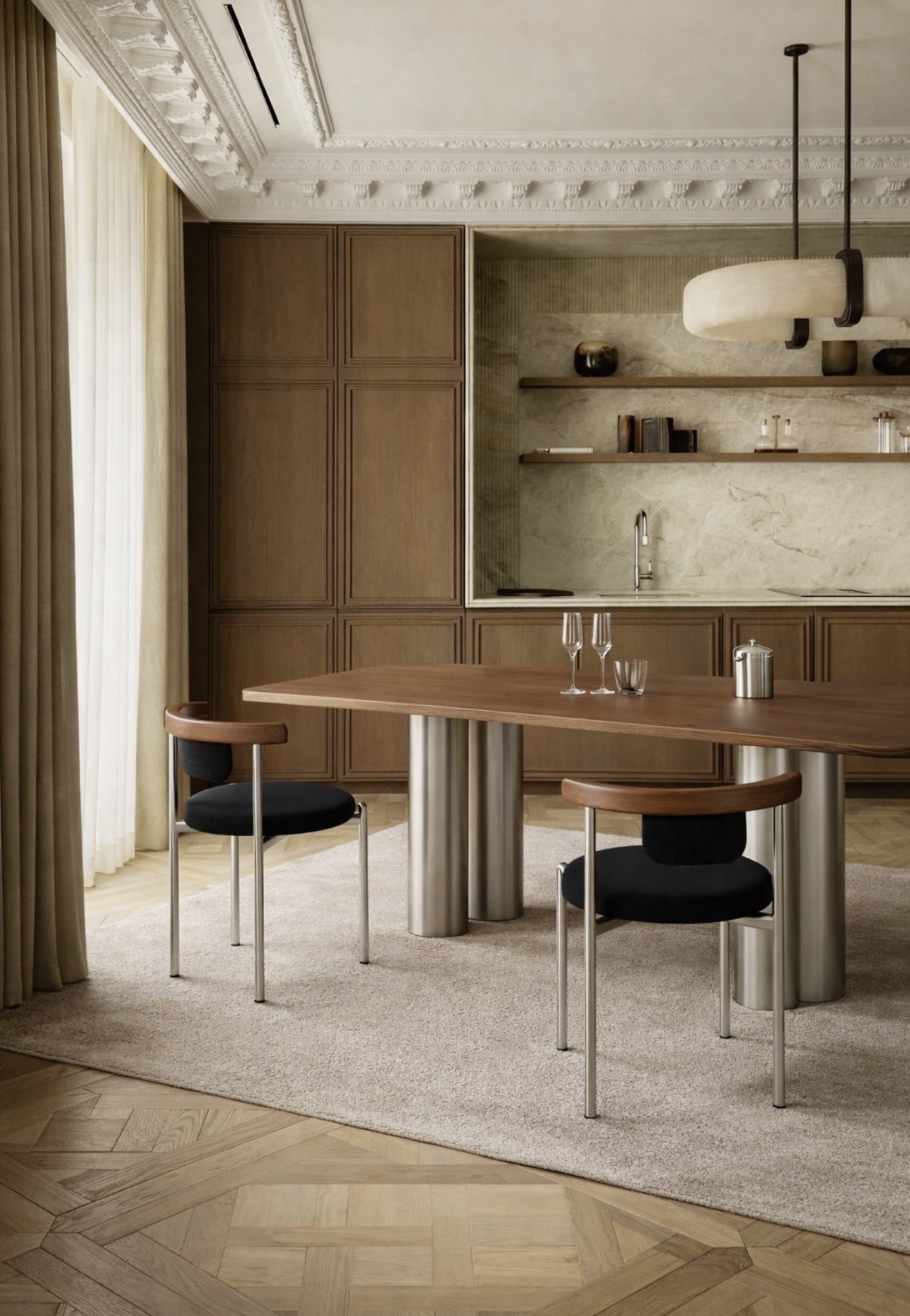
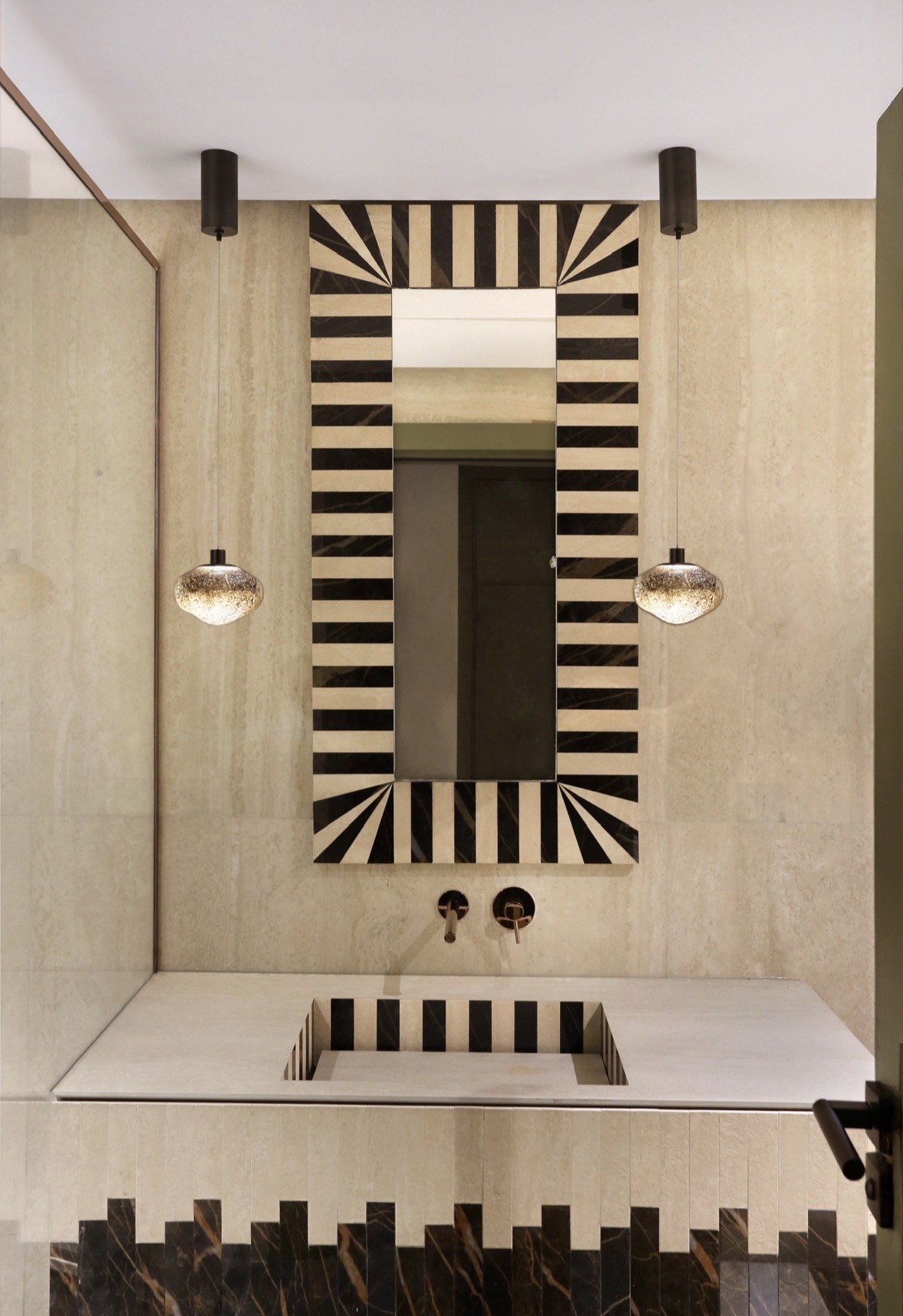
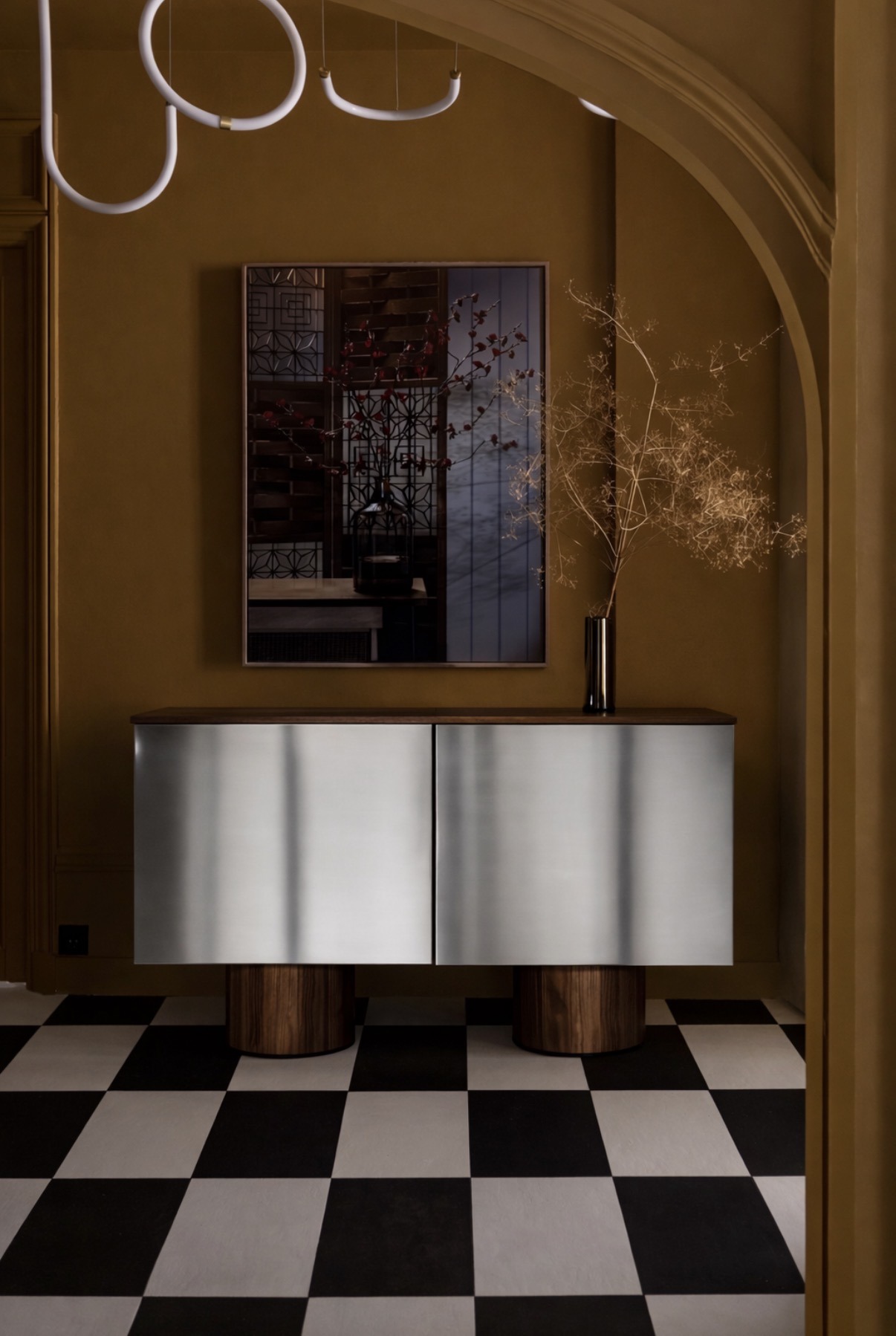
The first is the table by Michael Gittings. I appreciate the way the material almost feels organic, as if the structure had grown naturally. The raw metal gives the piece a strong presence, positioning it somewhere between furniture and sculpture.