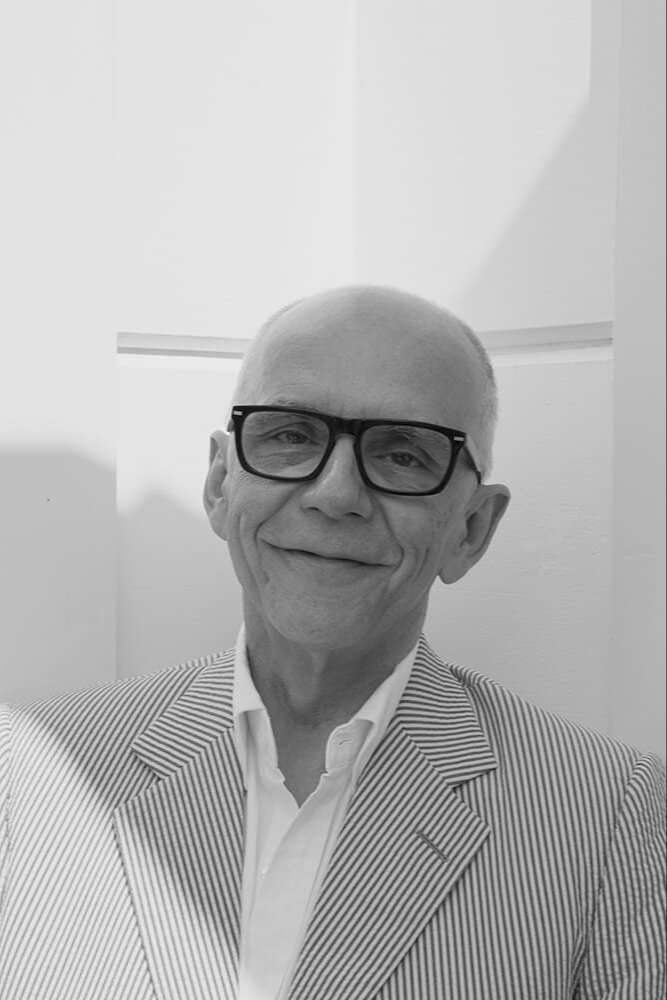
Stephanie Betesh
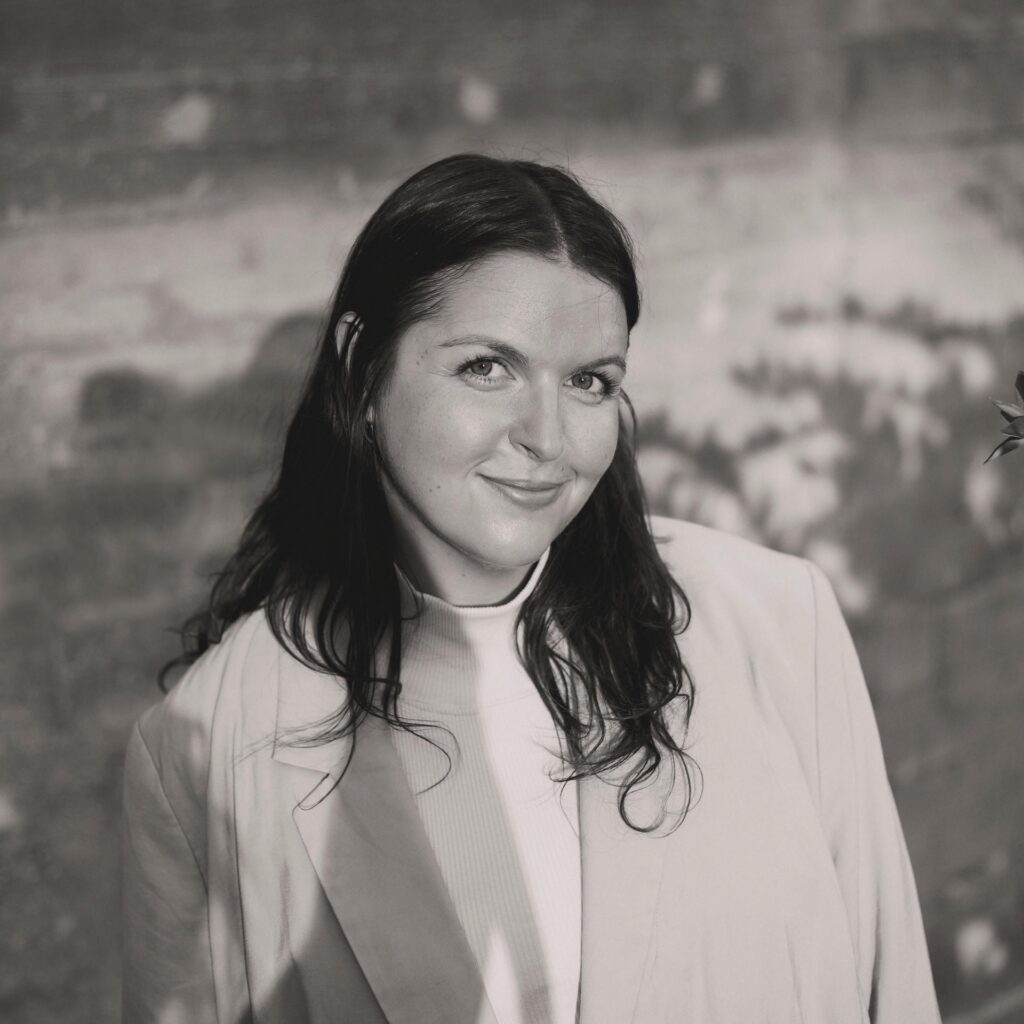
Stephanie Betesh is an American interior designer and the founder of Ember Studio, a New York–based practice working across hospitality, residential, and product design. Trained at the University of Texas at Austin School of Architecture, she approaches each project through an architecturally informed lens, creating spaces that balance functionality, personality, and human connection.
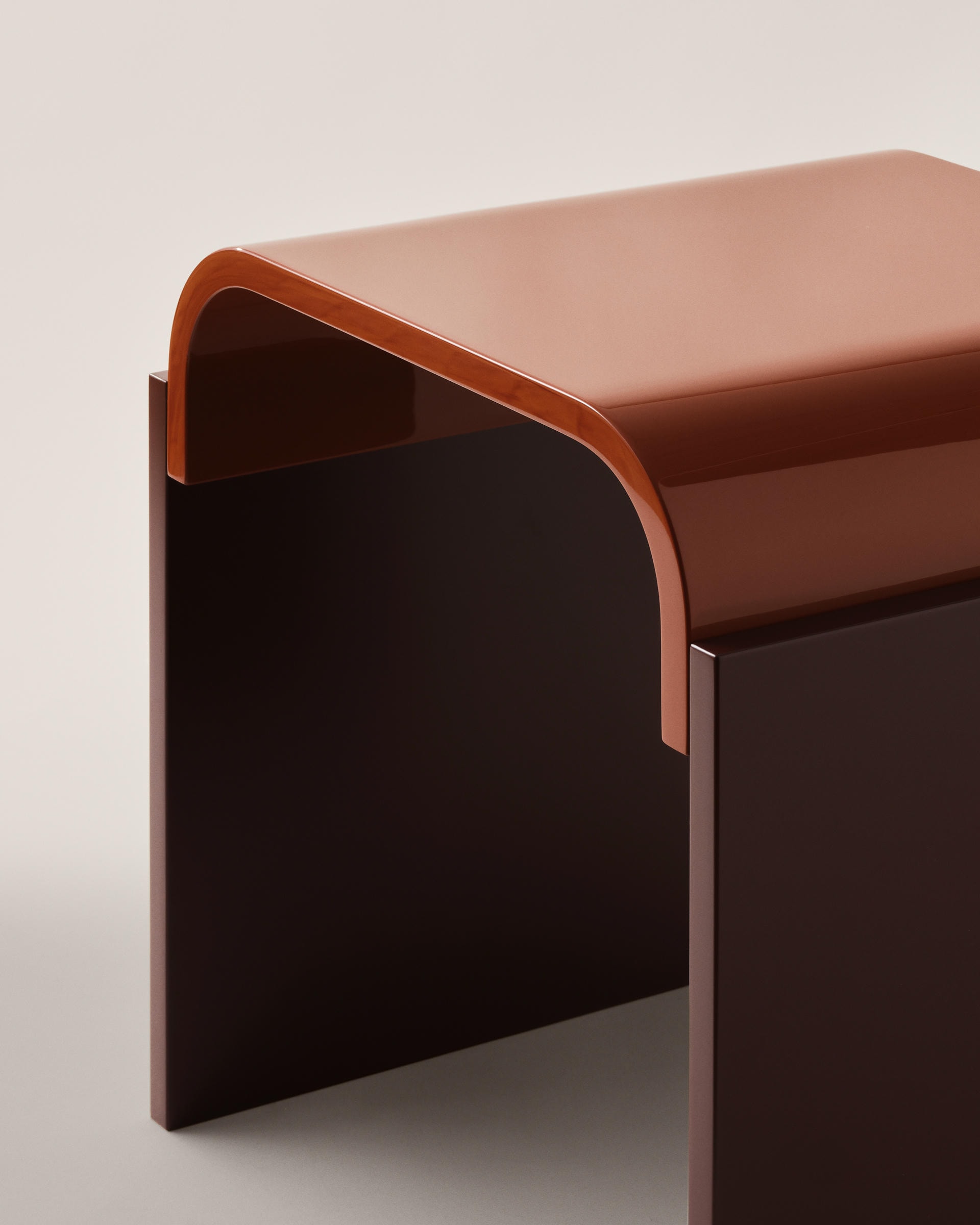
Guided by a holistic design philosophy, Betesh explores the relationship between objects and their environment, from interior architecture to custom furnishings. In addition to her design practice, she has developed furniture and lighting collections through Ember Studio, available at Colony in New York, and recently launched Riffmade, a renter-friendly furniture brand focused on adaptable and accessible design.
“Successful interior design begins with creating spaces that genuinely reflect the end user’s identity and daily life.”
INTERVIEW

© David Mitchell
Every project begins with a conversation to understand the client’s goals, aesthetic, and how they live, along with a walkthrough of the existing space. From there, I develop a design narrative grounded in both context and constraints, including budget and existing conditions. I typically present moodboards and keywords to establish a direction, alongside initial scaled floor plan options. Once there’s alignment, I move into 3D renderings, which is where much of the design is developed and refined. After approval, we transition into detailed drawings and technical documentation, followed by finish and lighting selections. Furniture, objects, and art are layered in toward the end to complete the space.
I took a relatively traditional path, studying interior design as an undergraduate within an architecture school, where the two disciplines were closely integrated. That foundation continues to inform my approach today. After graduating, I moved to New York and worked at several firms across the city, primarily on workplace and hospitality projects, before eventually starting my own practice, Ember Studio.
There have been a few, but two stand out. The first was having my Crosby Street project published in Elle Decor. It was my first large-scale gut renovation completed independently, and after waiting nearly a year from submission to publication, seeing it recognized was incredibly meaningful. The exposure also led to many new opportunities.
The second was launching Ember Studio’s first furniture collection through Colony’s residency program—a nine-month incubator that allowed me to design and produce a collection of furniture and objects. It marked an important expansion of my practice.
For me, successful interior design begins with creating spaces that genuinely reflect the end user’s identity and daily life. Spaces are meant to be lived in, so I try not to be too precious, so there should be a sense of ease and authenticity. Equally important is rigorous planning and coordination with the full project team. Translating an idea into the built environment requires clarity, consistency, and decisions that reinforce the overall intent.
From a business perspective, success comes from balancing creativity with execution, and being able to move between conceptual thinking and the technical, administrative, and logistical aspects of running a studio.
favorite pieces from the Philia Collection
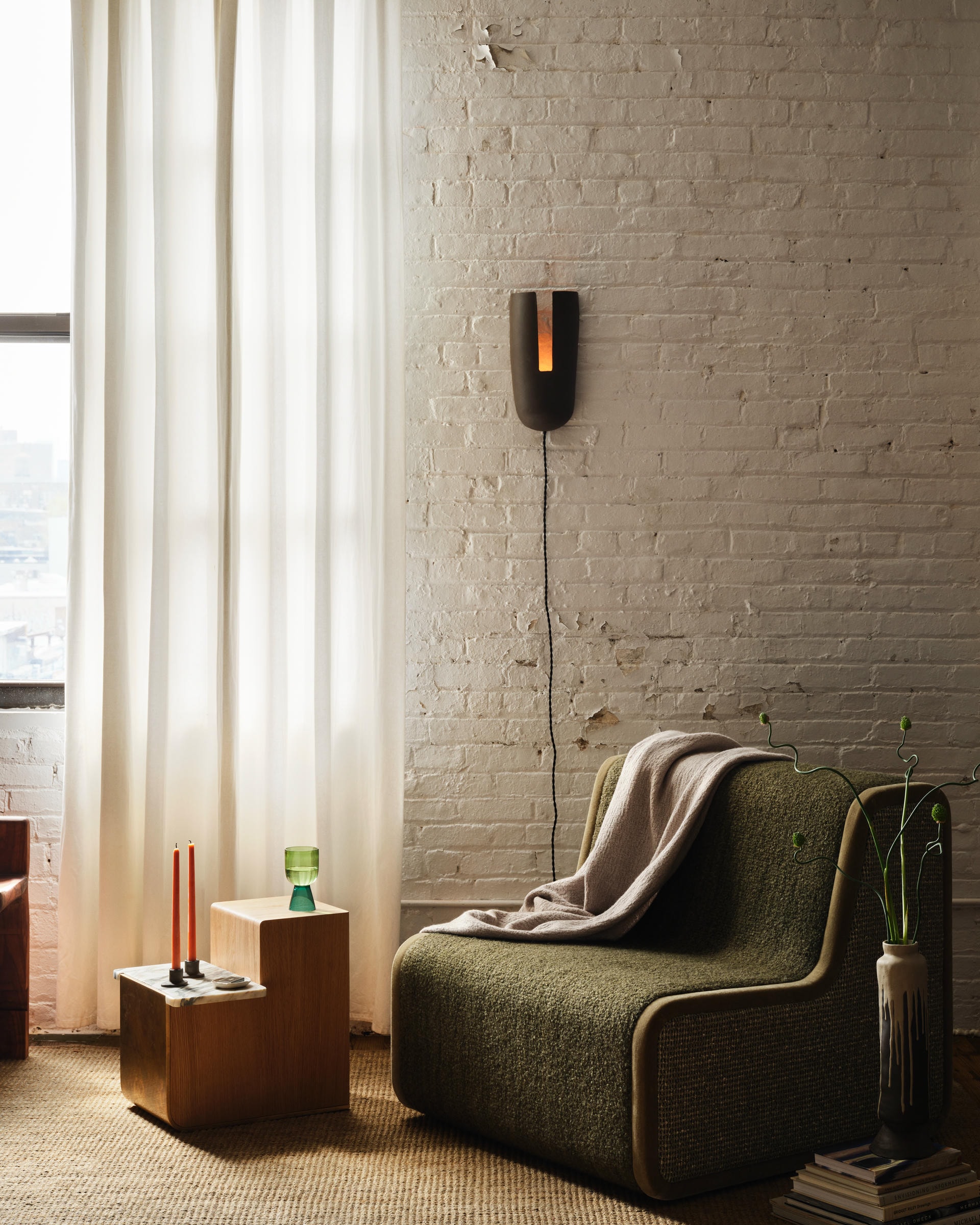
I love the Silver Antica II Sconce by Ohla Studio, the conical sconce by Henry Wilson, and all of the tables by Kar. There are so many great pieces on PHILIA, it is honestly hard to choose! But I think what I like about all of these is the natural materials and the handmade feeling of each one.
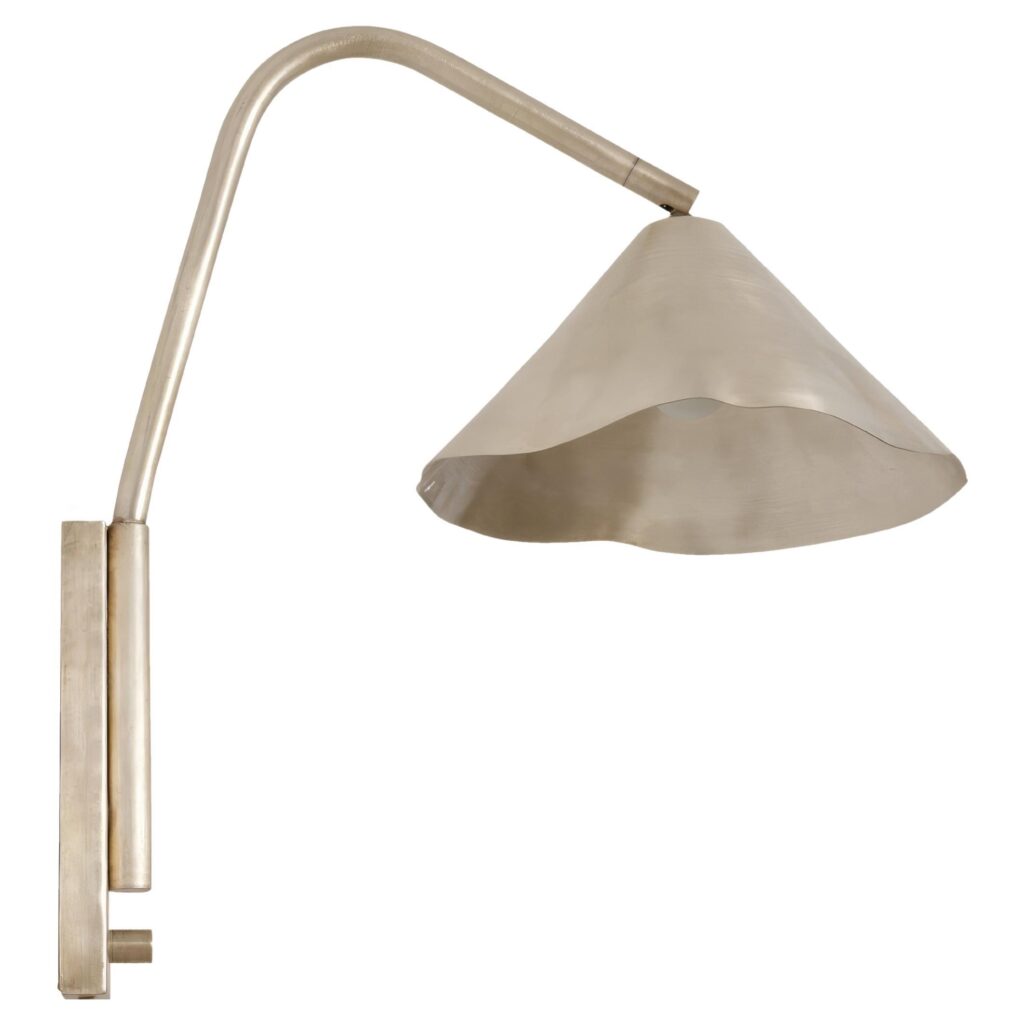
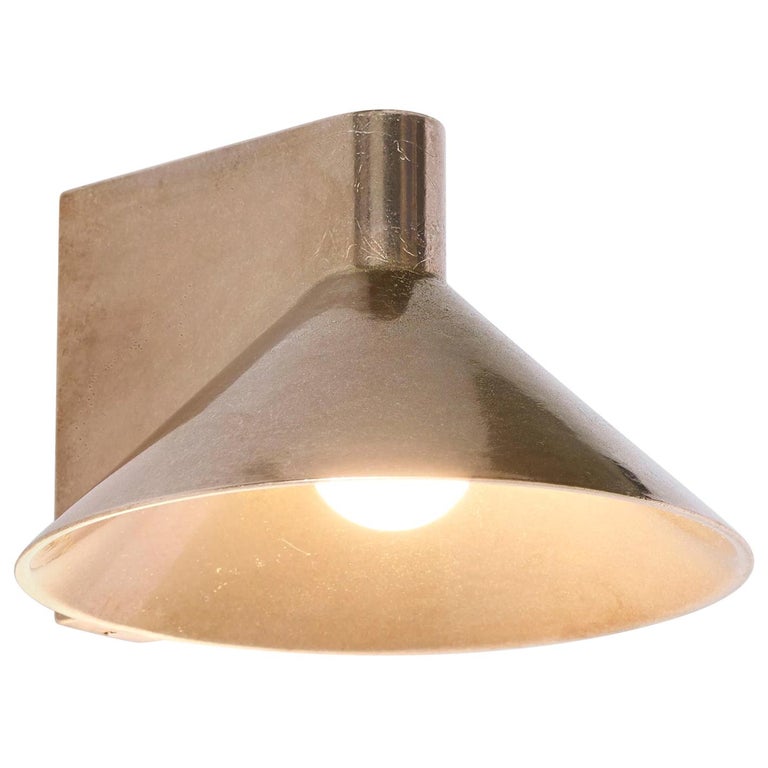
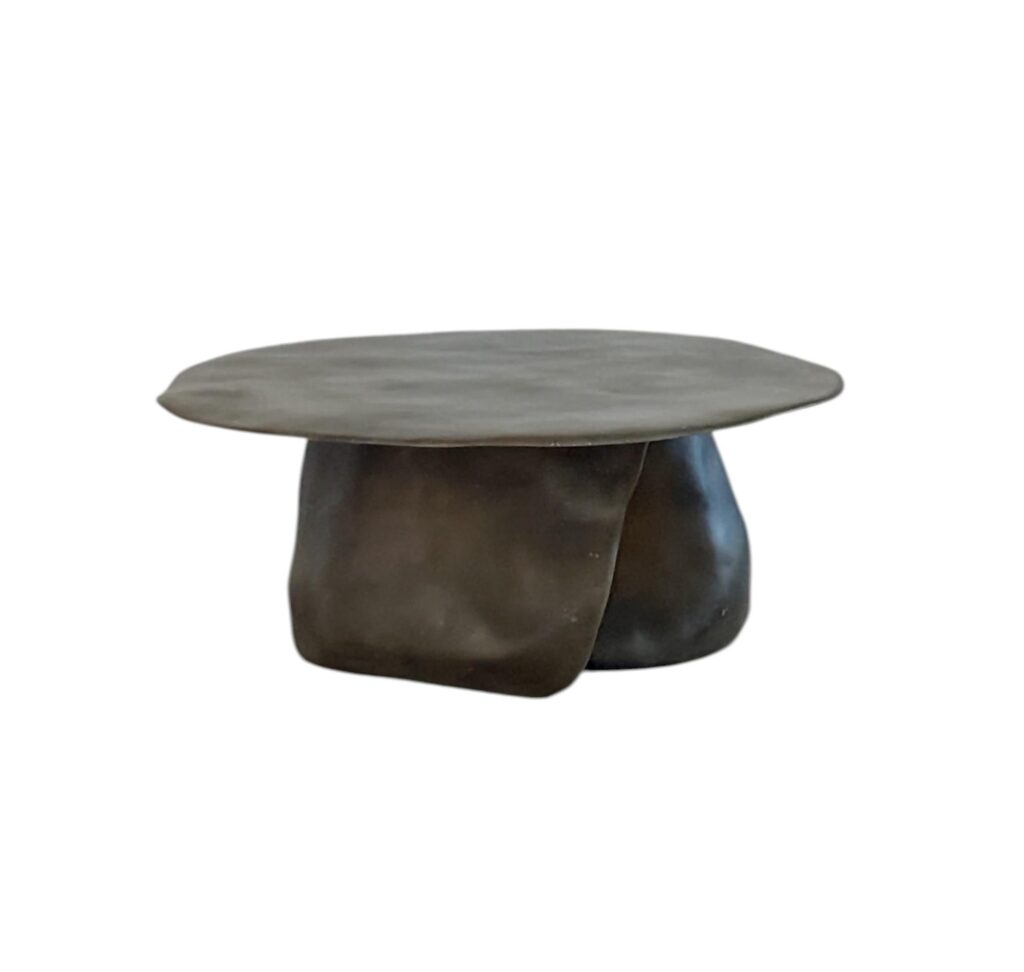
I don’t think of my work as having a singular signature style. Instead, I’m interested in layering references, drawing from different time periods, materials, and influences to create spaces that feel personal, collected, and specific to the client. If anything, my “mantra” is encouraging clients to have a point of view. Their perspective is essential to creating something that feels meaningful and authentic.
One project that stands out was a boutique hotel concept I worked on while at Parts and Labor Design, located in Boston’s Beacon Hill neighborhood. Although it was never realized due to COVID, it remains one of my favorites. It was a small, 14-room hotel in a historic setting, which allowed for a highly personalized and detail-driven approach. The concept focused on high-touch hospitality with bespoke, slightly unexpected moments throughout, something I’m always drawn to.
Pursuing an independent path requires a level of confidence that isn’t always encouraged. You have to trust your instincts—your decisions, your taste, your abilities—and be comfortable operating without constant validation. Another important lesson has been learning to say no. Not every opportunity is the right fit, and being selective ultimately leads to stronger, more aligned work.
It’s easy to focus on sourcing beautiful reference images, but creating a truly original project requires much more. Developing a strong technical foundation is essential—understanding scale, producing drawings, and being able to clearly communicate your ideas. The ability to translate a concept into something buildable, and to visually convey that beyond inspirational images, is one thing that ultimately sets a designer apart.

© David Mitchell
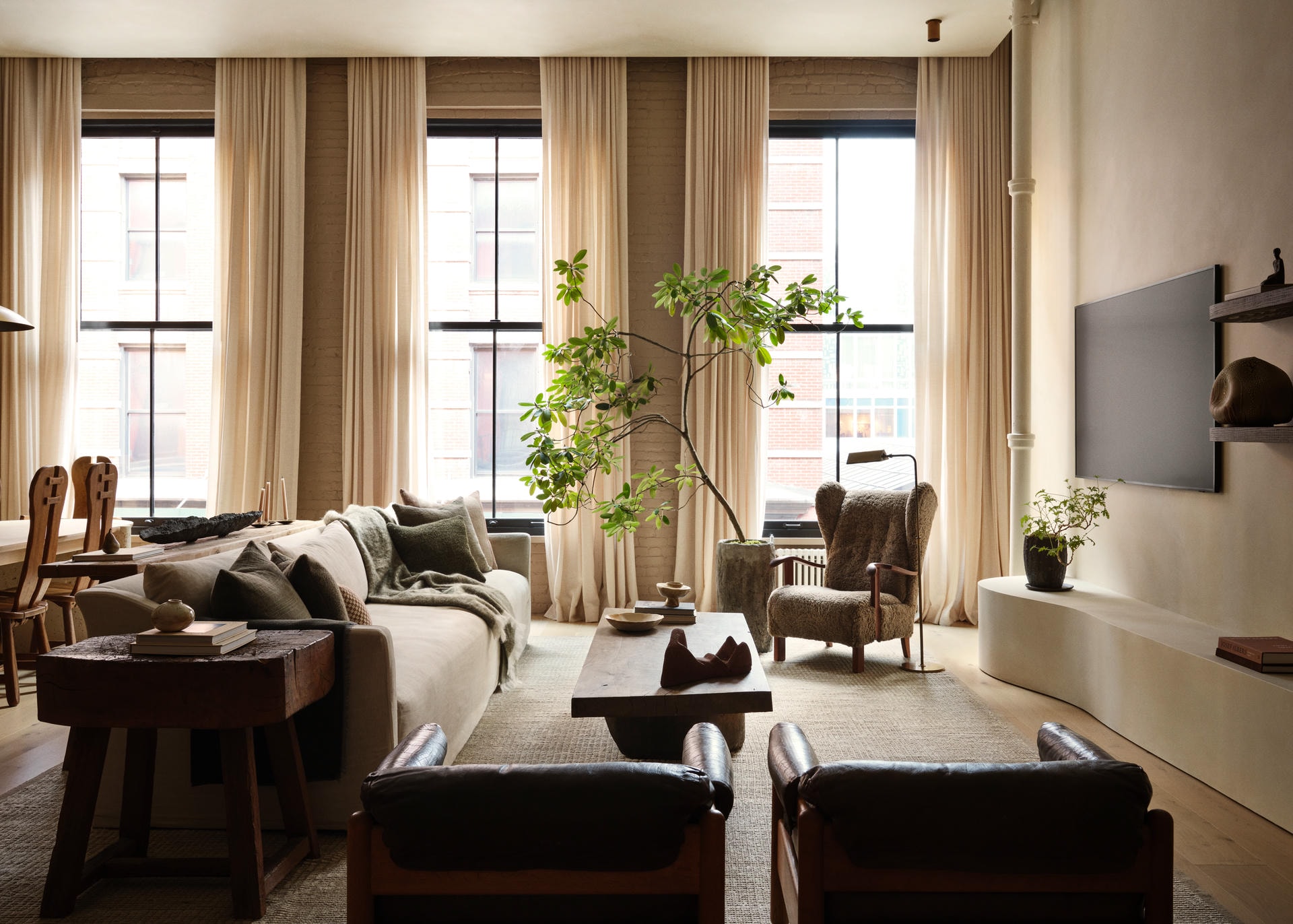
Everything worthwhile involves some degree of risk. If you’re completely risk-averse, it’s difficult to grow or move forward in a meaningful way.

© David Mitchell
I recently loved The Creative Act by Rick Rubin. It offers a refreshing perspective on creative practice—particularly around letting go of perfection and allowing room for iteration and the unexpected. I don’t listen to many podcasts, but it’s something I’d like to explore more.
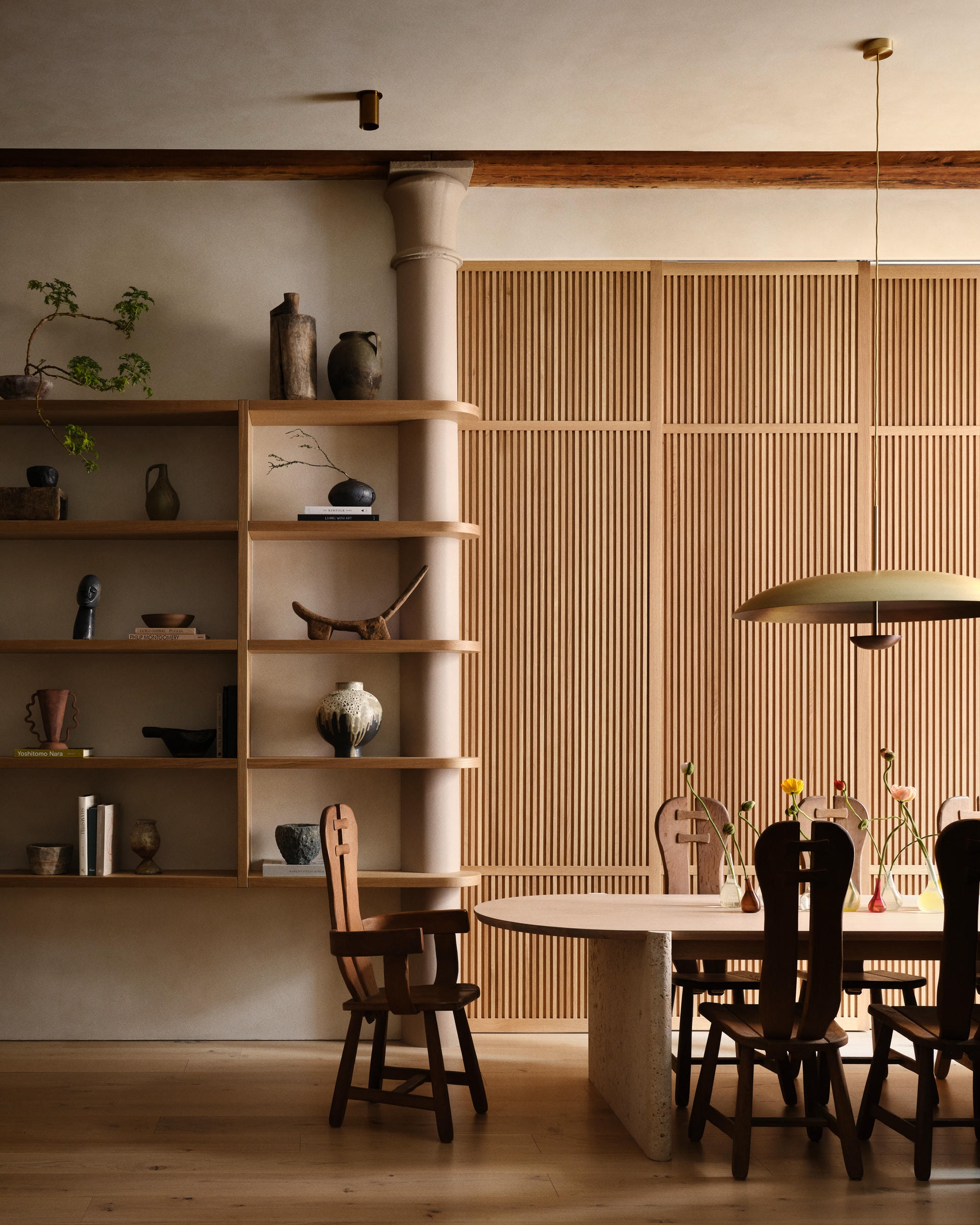
One principle I always come back to is contrast. Whether through color, texture, material, or lighting, contrast creates depth and visual interest.
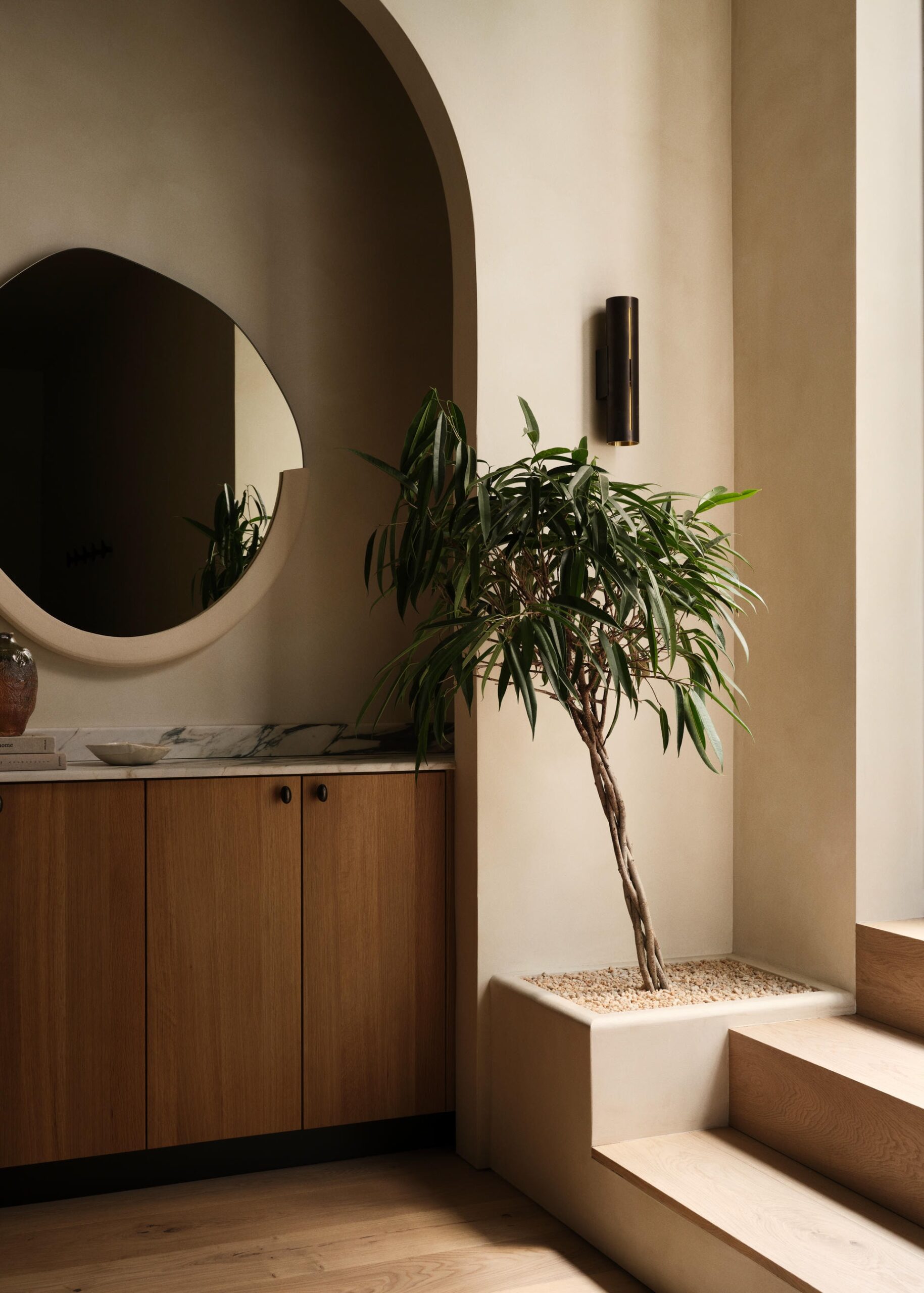
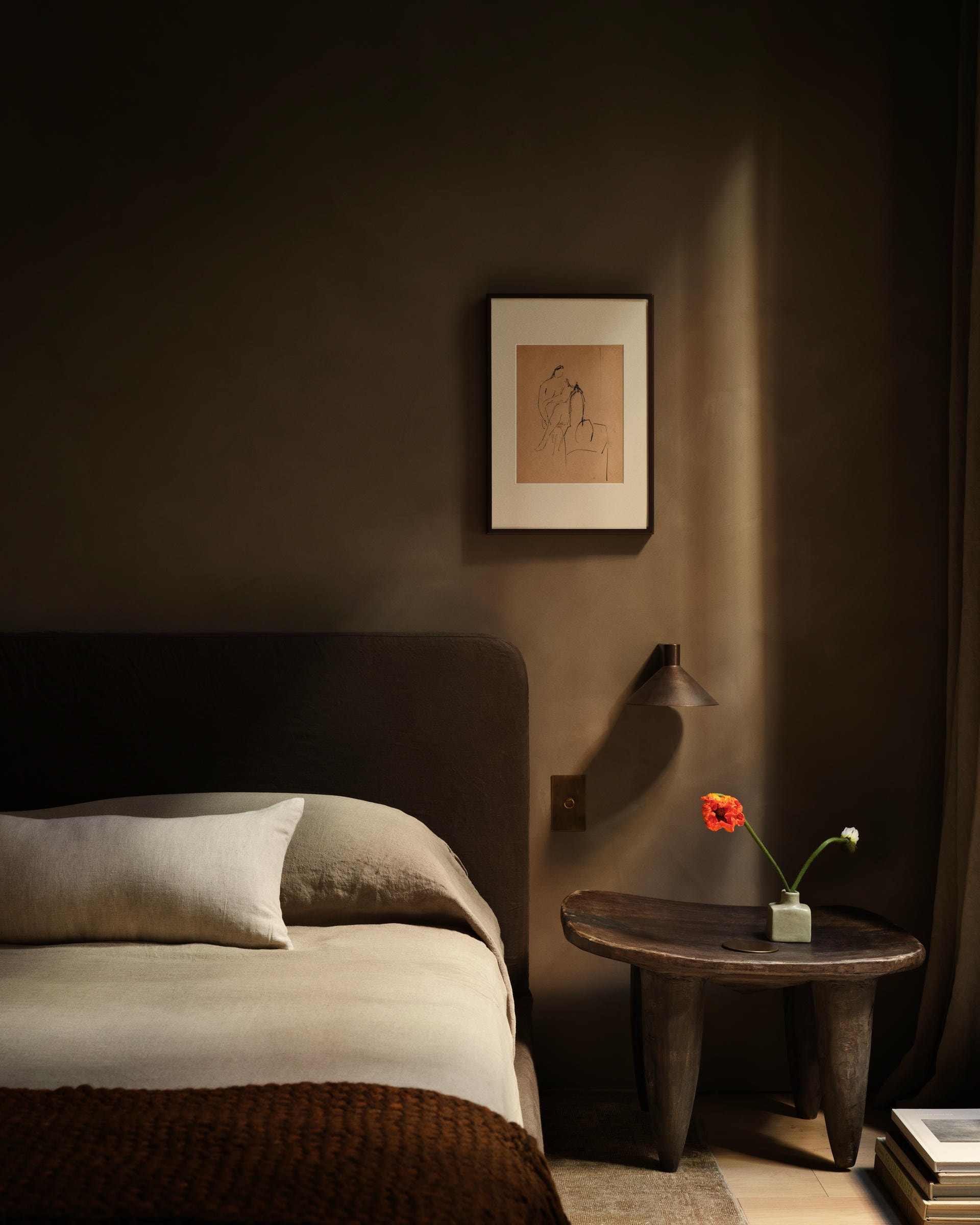
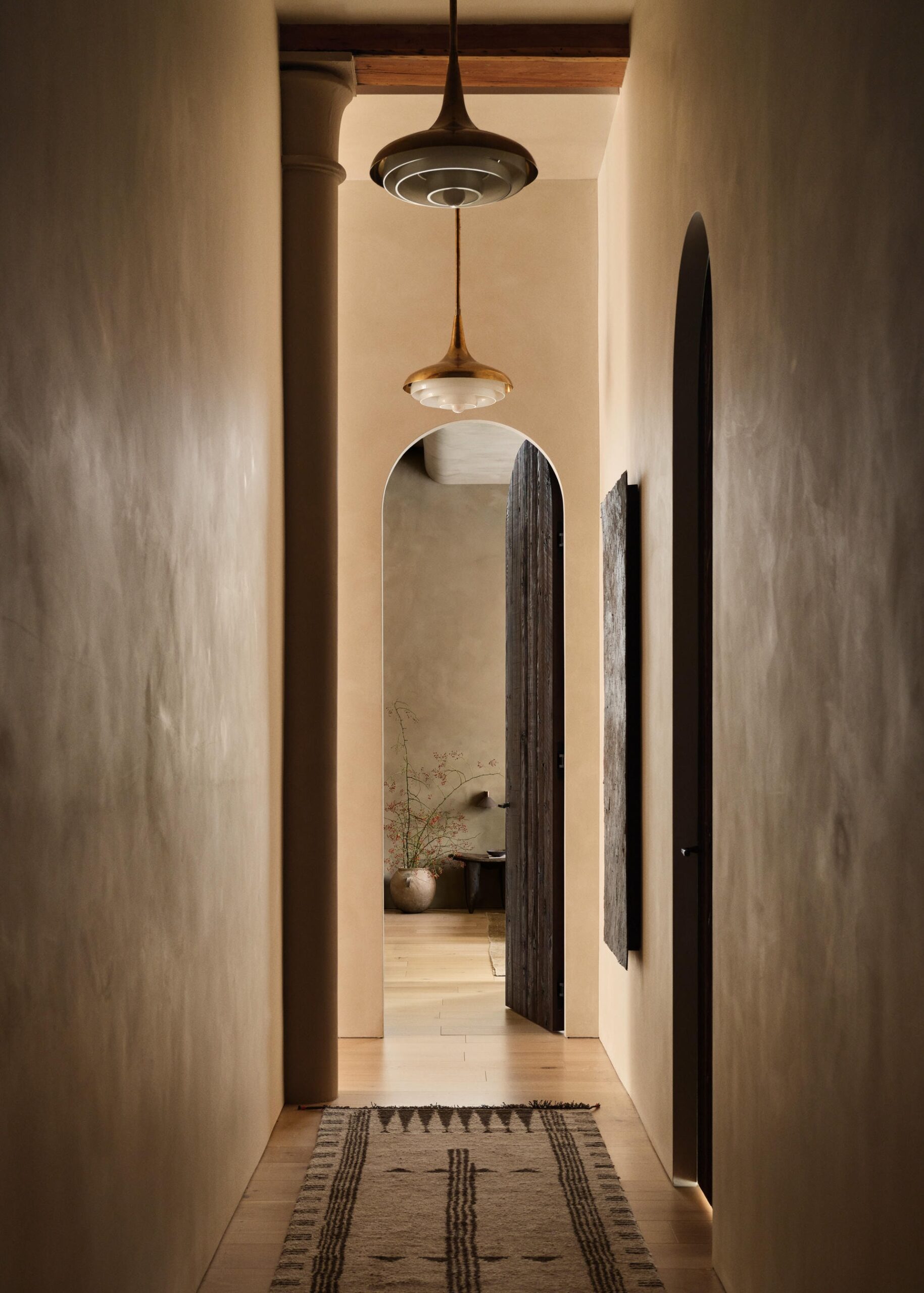
In the hallway of the Crosby Street project, for example, we paired dark reclaimed wood doors with lighter limewash walls, and carried a deeper tone into the bedroom beyond. Brass pendants added a reflective element. Together, these contrasts created a space that feels layered, warm, and dynamic.
I’m currently working on a house in upstate New York and a historic Tudor home in Westchester. Both projects are very different but equally exciting, and I’m looking forward to seeing how they evolve.
Thank you so much Stephanie, for this lovely interview!
Share article :