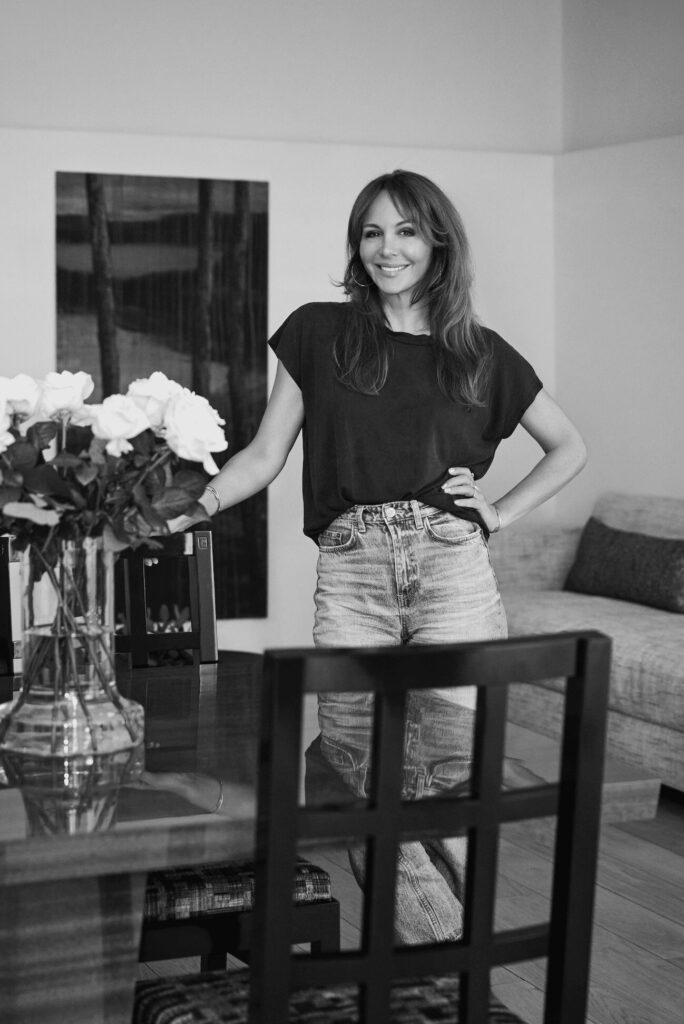
Louise Liljencrantz
Louise Liljencrantz is a Swedish interior and furniture designer based in Stockholm and co-founder of Veermakers, whose practice explores the relationship between sculptural form, natural materials, and enduring craftsmanship. Since founding her interior design studio in 2009, she has become known for creating refined, bespoke interiors distinguished by timeless elegance, tactile materiality, and meticulous attention to detail.
In 2017, Liljencrantz co-founded Veermakers in collaboration with KFK Cabinet Makers, extending her design philosophy into a collection of collectible furniture, lighting, and objects. Working closely with master cabinetmakers and artisans, she creates pieces defined by honest materials, balanced proportions, and uncompromising craftsmanship, resulting in works that celebrate permanence, sustainability, and the enduring beauty of Scandinavian design.
Interview
Stockholm, Sweden.
Not a specific artwork, but rather a feeling. Spaces that felt composed — where light, material, and proportion created a certain atmosphere. That stayed with me early on.
No, I haven’t. But I have always been searching — exploring different directions, learning, testing. I began working full-time as a designer later than most. I was 30 and had just had my first daughter. In a way, that timing gave me a stronger sense of clarity.
It came as a moment of recognition. After trying many different paths, I found something that felt both natural and deeply engaging.
Design offered a balance between structure and intuition — and that was something I immediately connected with. Finding that is rare.
It always begins with a sense of tension — something that needs to be resolved. It can come from a brief, a space, or simply an impression.
From there, the process becomes more precise — working through proportion, material, and detail. I’m interested in the point where something feels both controlled and quietly expressive.
I usually start the day at our studio with my team. We begin with a short alignment—reviewing what needs to move forward and how to structure the day.
The work itself shifts between designing furniture, developing interiors, and working closely with craftsmen and collaborators. There is also a constant dialogue with clients, often across different countries, which adds another layer to the process. It’s structured, but never static.
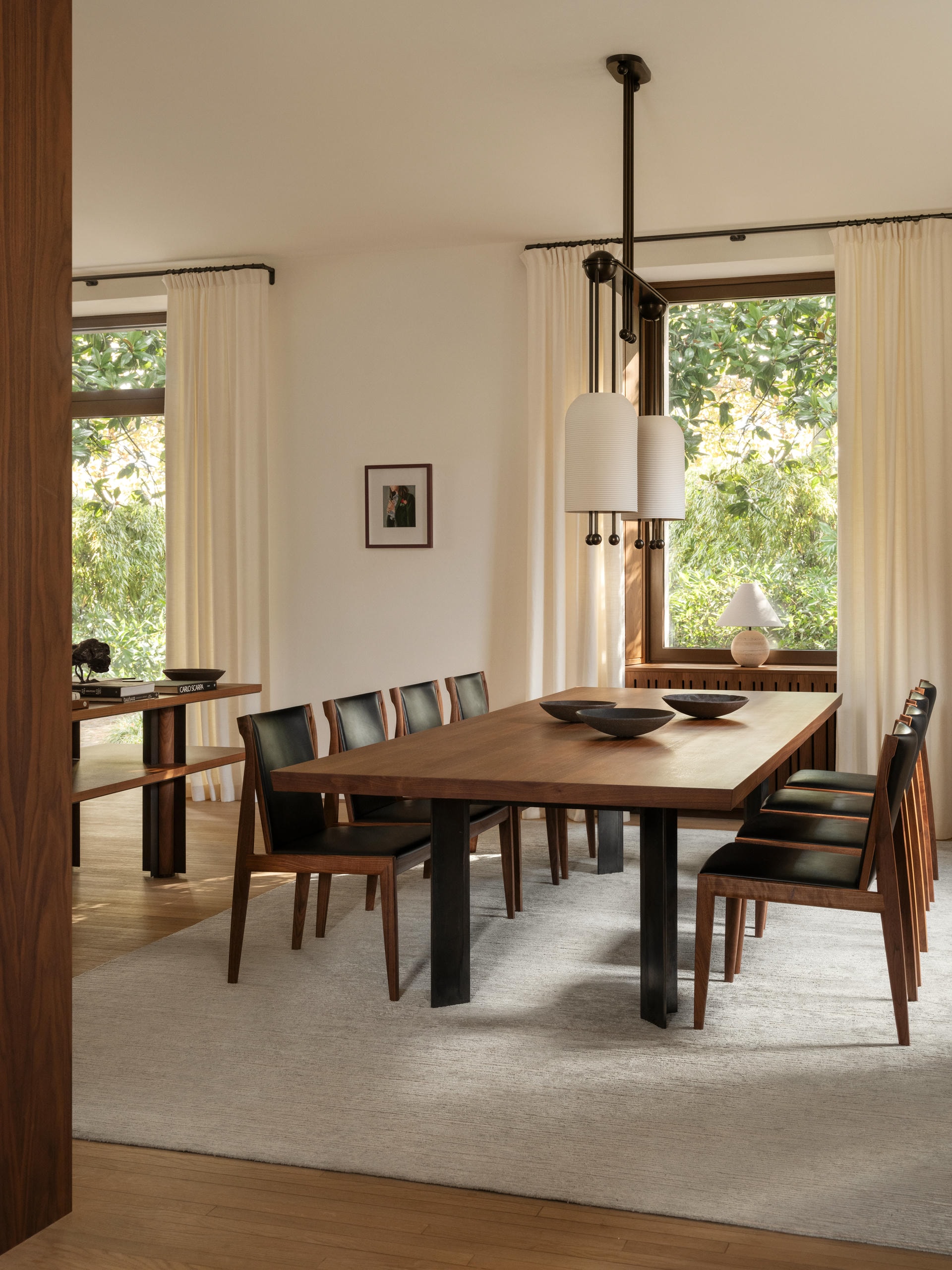
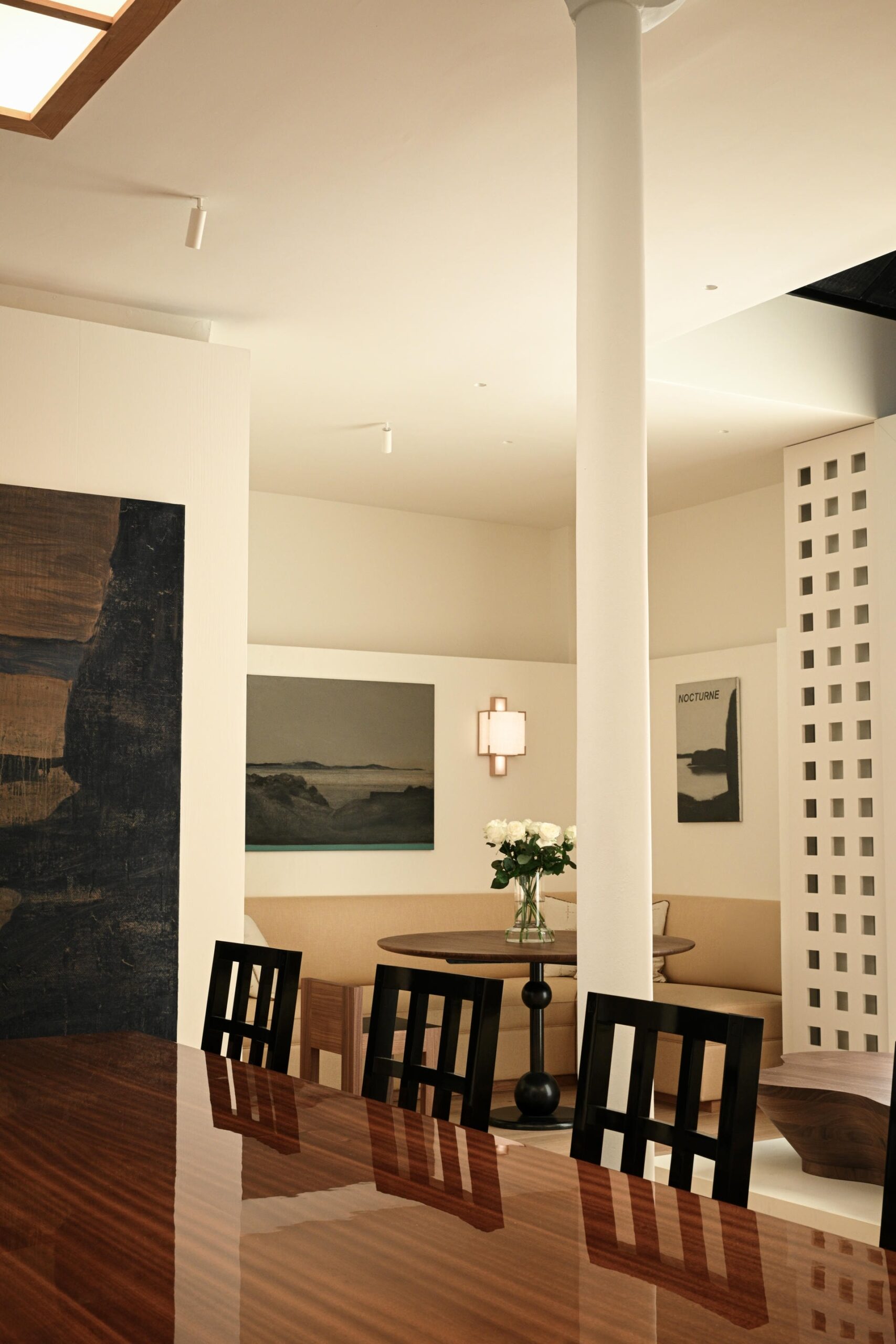
Because they carry depth. Materials like mahogany, sycamore, or high-gloss lacquer respond to light and time in a way that feels alive. They allow for precision, but also for nuance.
They often appear quite restrained, but are technically very considered. A great deal of attention goes into joinery, surface treatment, and the relationship between materials.
The goal is to achieve clarity — where nothing feels excessive, yet everything is intentional.
Develop a point of view. Not just references — but a clear position. That takes time, but it’s essential.
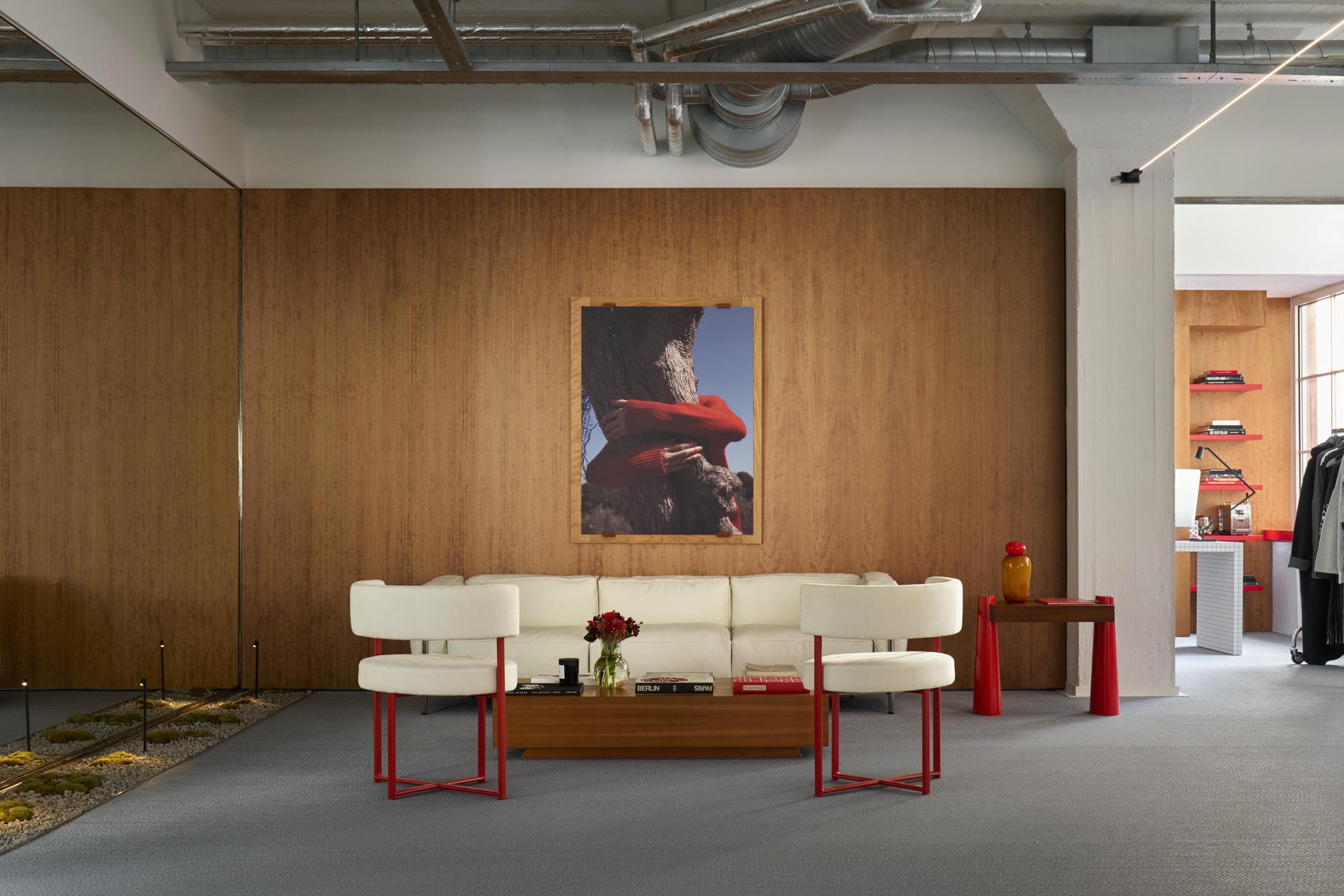
I don’t think it fully belongs to any specific movement. It sits somewhere between classical discipline and contemporary sculptural design.
Designers who worked with structure and proportion in a very deliberate way — such as Josef Hoffmann and Jean-Michel Frank.
I appreciate designers who maintain a strong sense of integrity in their work, such as Pierre Yovanovitch.
Artists working with scale and material in a direct way — for example, Anish Kapoor.
Quietly assertive.
I think there is a growing need for clarity in design. Less noise, more intention.
“I’m interested in the point where something feels both controlled and quietly expressive.”
The Questions
(The Proust Questionnaire is a set of questions answered by the French writer Marcel Proust.
Other historical figures who have answered confession albums are Oscar Wilde,
Karl Marx, Arthur Conan Doyle, Stéphane Mallarmé, Paul Cézanne…)
Stillness
Losing clarity
Impatience
Superficiality
Tadao Ando
Materials
Focused
Perfection
Consistency
Presence
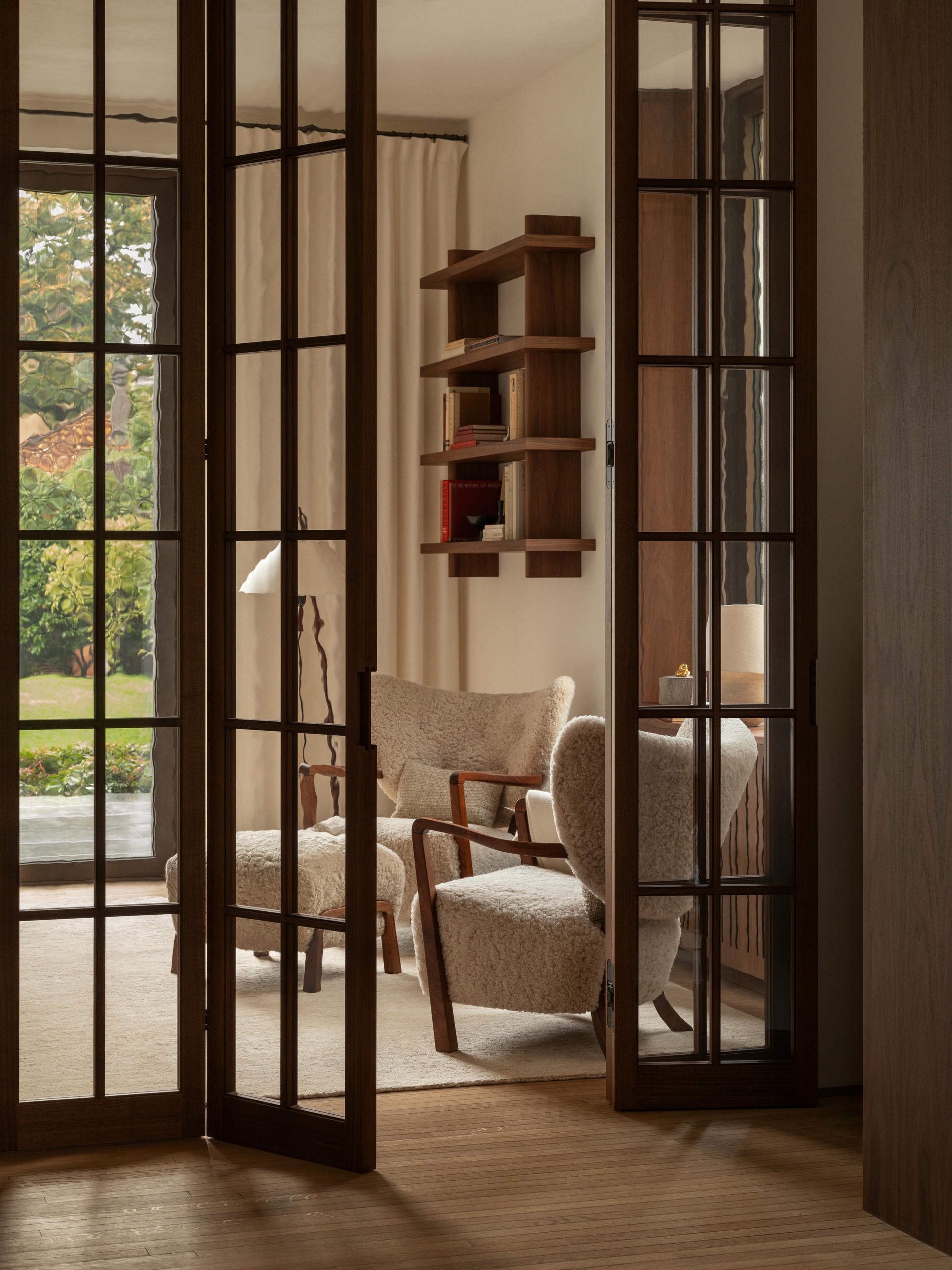
“Let’s refine it”
Musicality
Less urgency
Building something of my own
A place
Between cities
Time
Stagnation
Creating
Precision
Loyalty
Elena Ferrante
The Phantom
Josef Hoffmann, Carlo Scarpa, Tadao Ando
Craftsmen
Lykke, Nike
Noise
–
Quietly
Just do it!
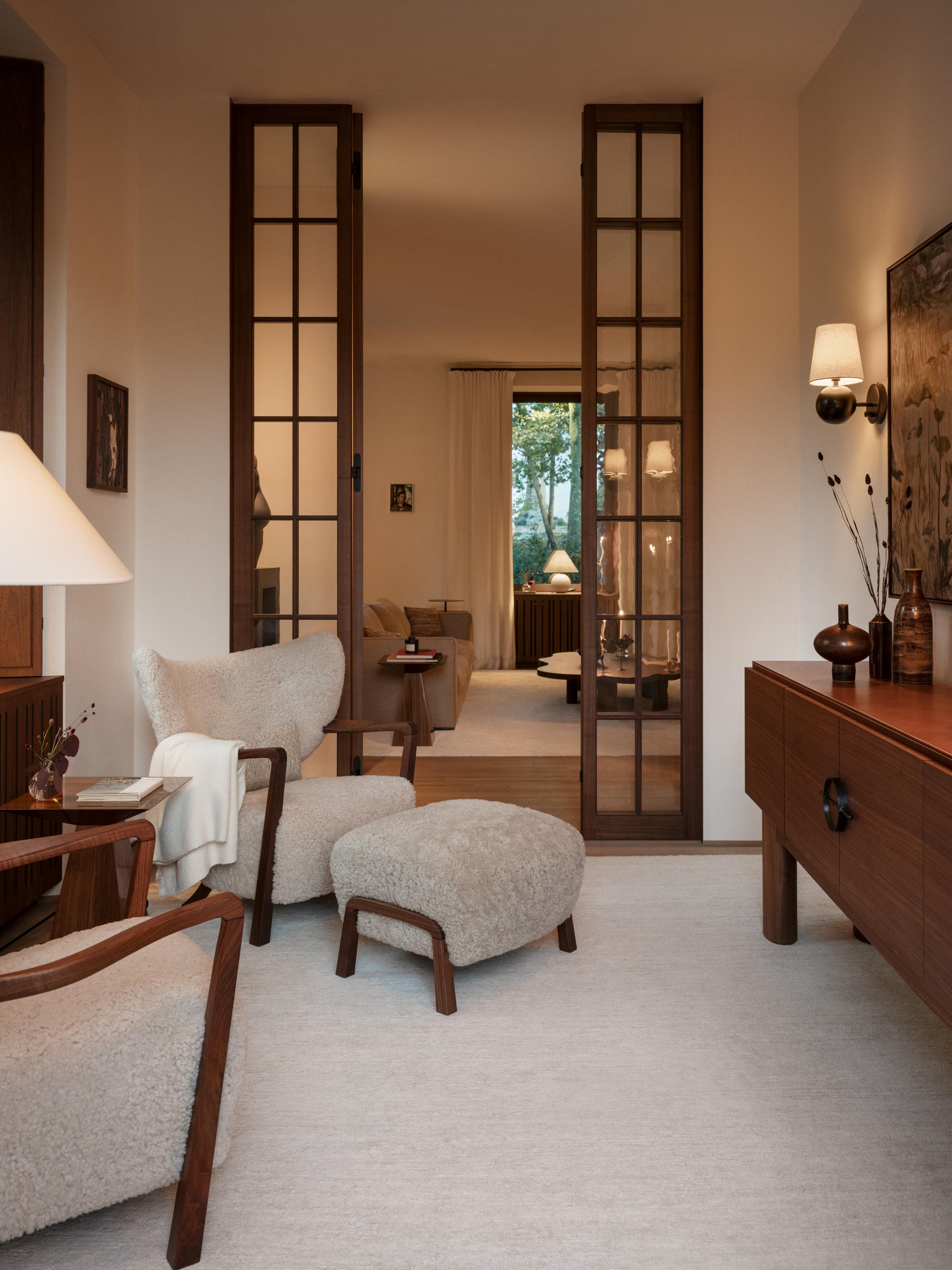
“The goal is to achieve clarity—where nothing feels excessive, yet everything is intentional.”
SHARE :