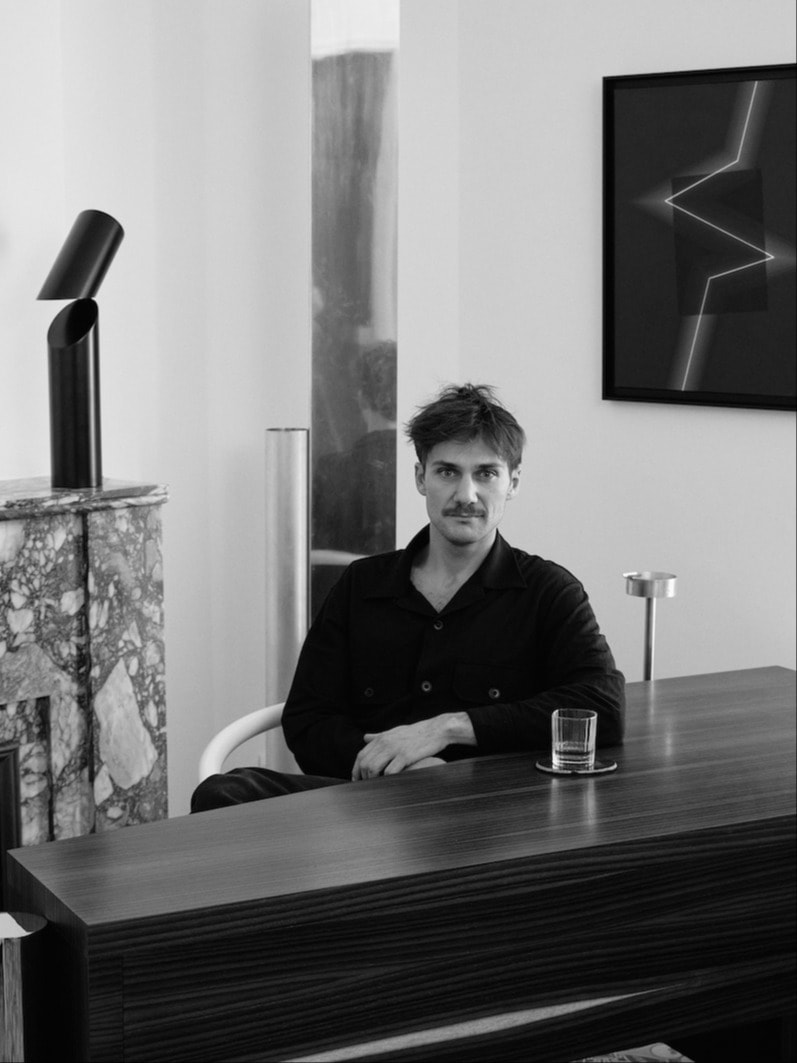
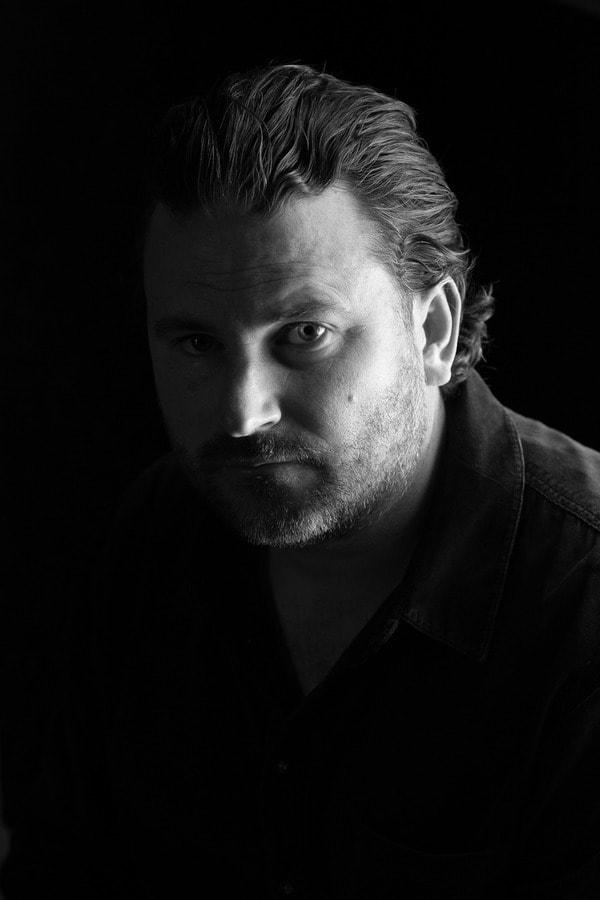
Huw Wellard
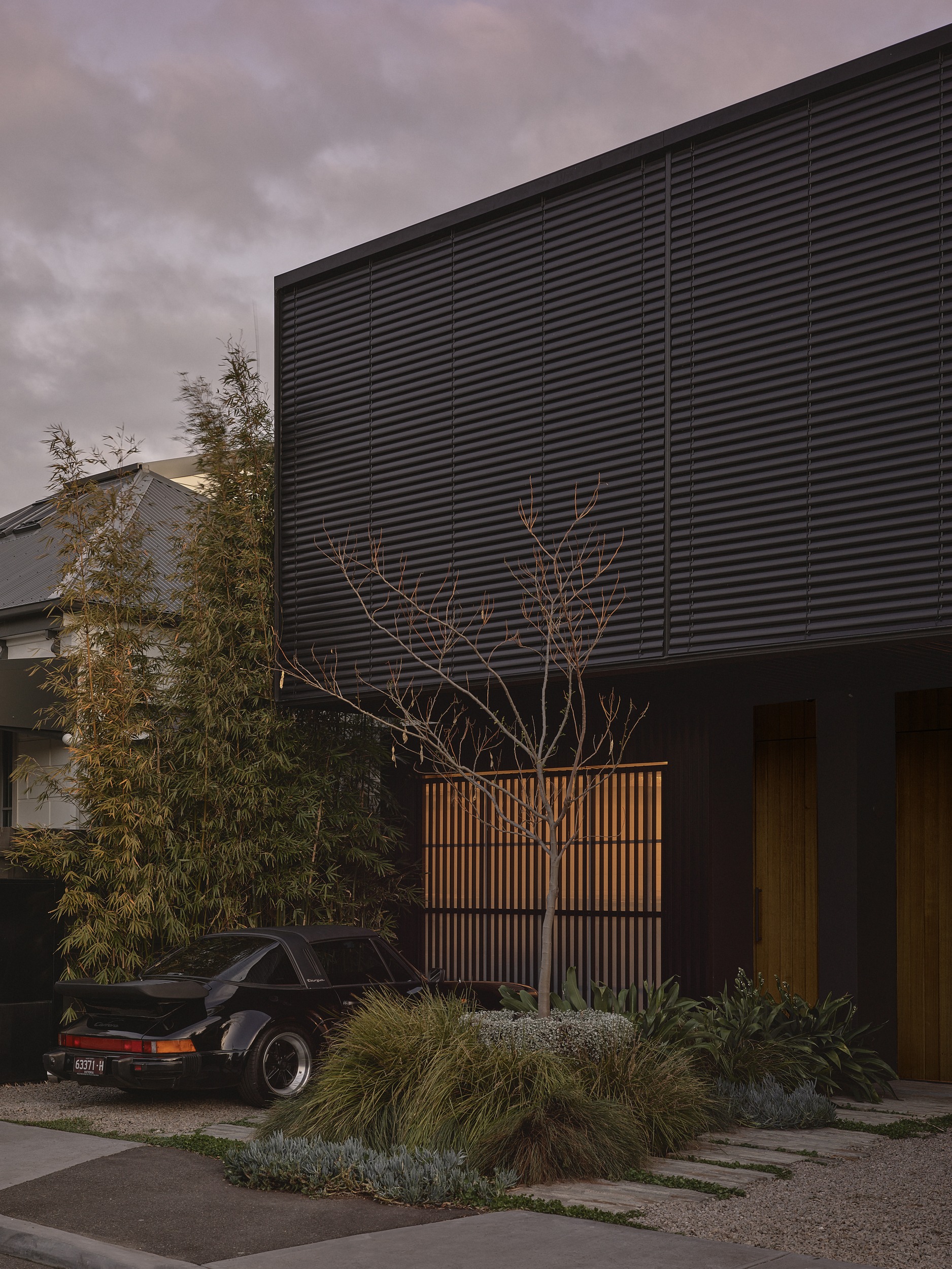
Huw Wellard is the architect behind Wellard Architects, a Melbourne-based architecture and design studio. Known for creating lasting impressions through built form, the studio delivers thoughtful outcomes with a sensitive, measured approach that responds to both people and place.
Working across urban, coastal, and rural environments throughout Australia, the practice engages in a process of refinement and shared dialogue to design highly resolved spaces that evolve with life and context.
“The success of our buildings is what they are actually like to live in.”
INTERVIEW
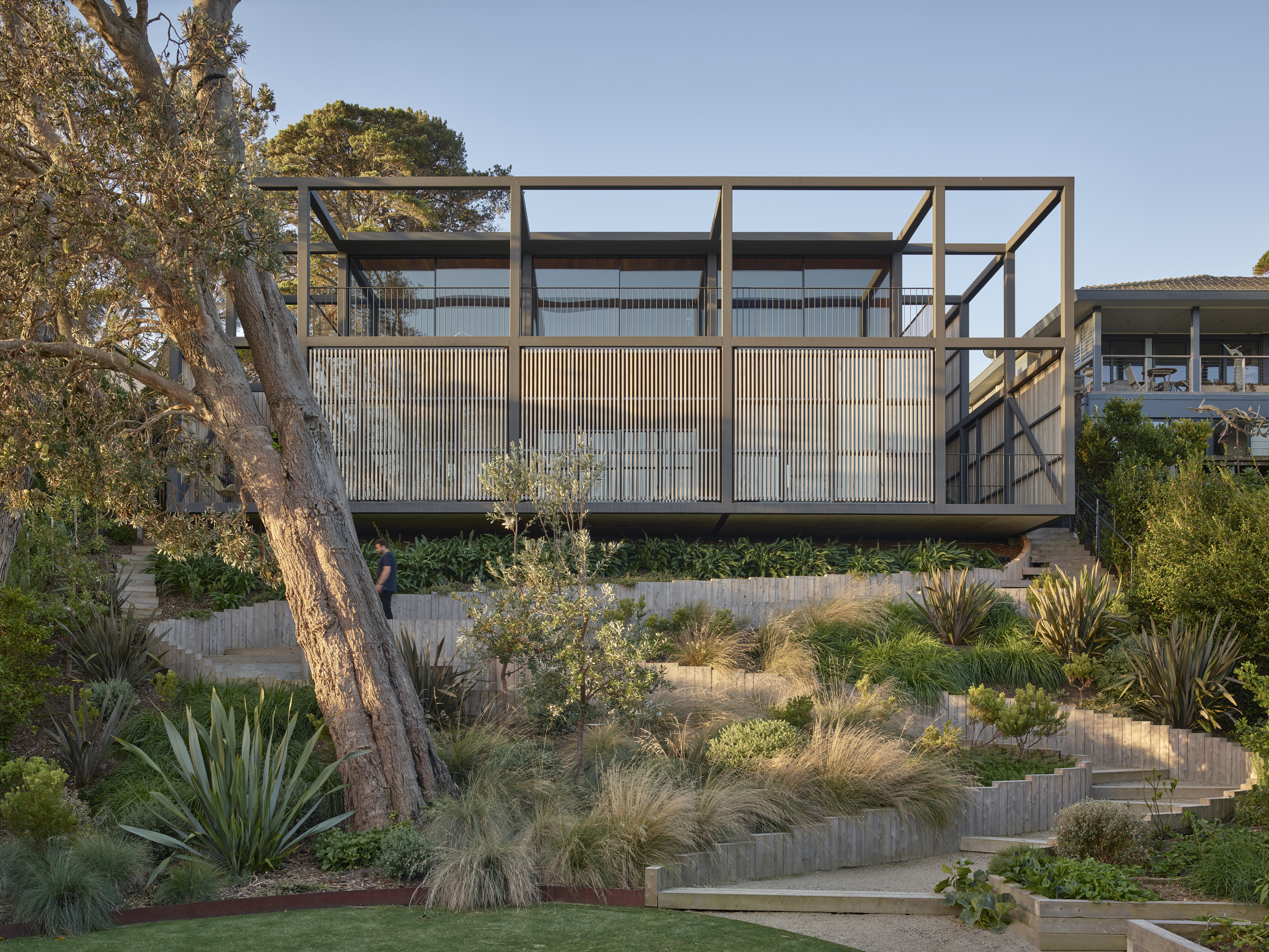
I’m always uneasy about describing our ‘style’. We try to conceive well-considered, site-responsive architecture. I think our work is adaptable to different climates, which, given the size of Australia, enables us to work across the country.
My parents were both architects, and I was always interested in building and construction as a child. I knew from an early age I wanted to be an Architect.
It always starts with gaining an understanding of the site and broader context a building will sit within. This is critical for all projects and is a foundation for all the projects we undertake. We always take a detailed brief from our clients and listen to their needs and aspirations. Distilling a client’s brief into an architectural response is always an exciting part of the design process.
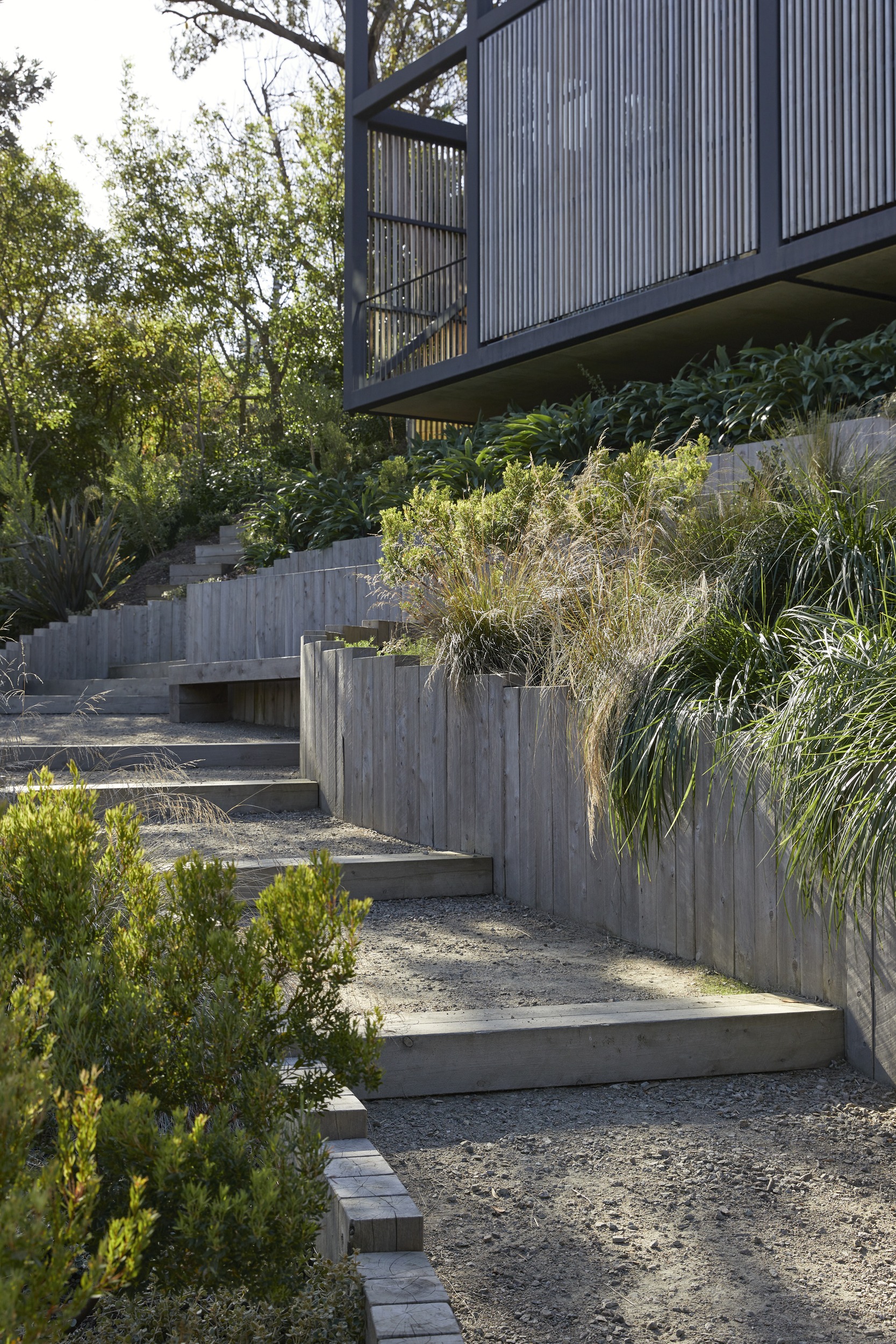
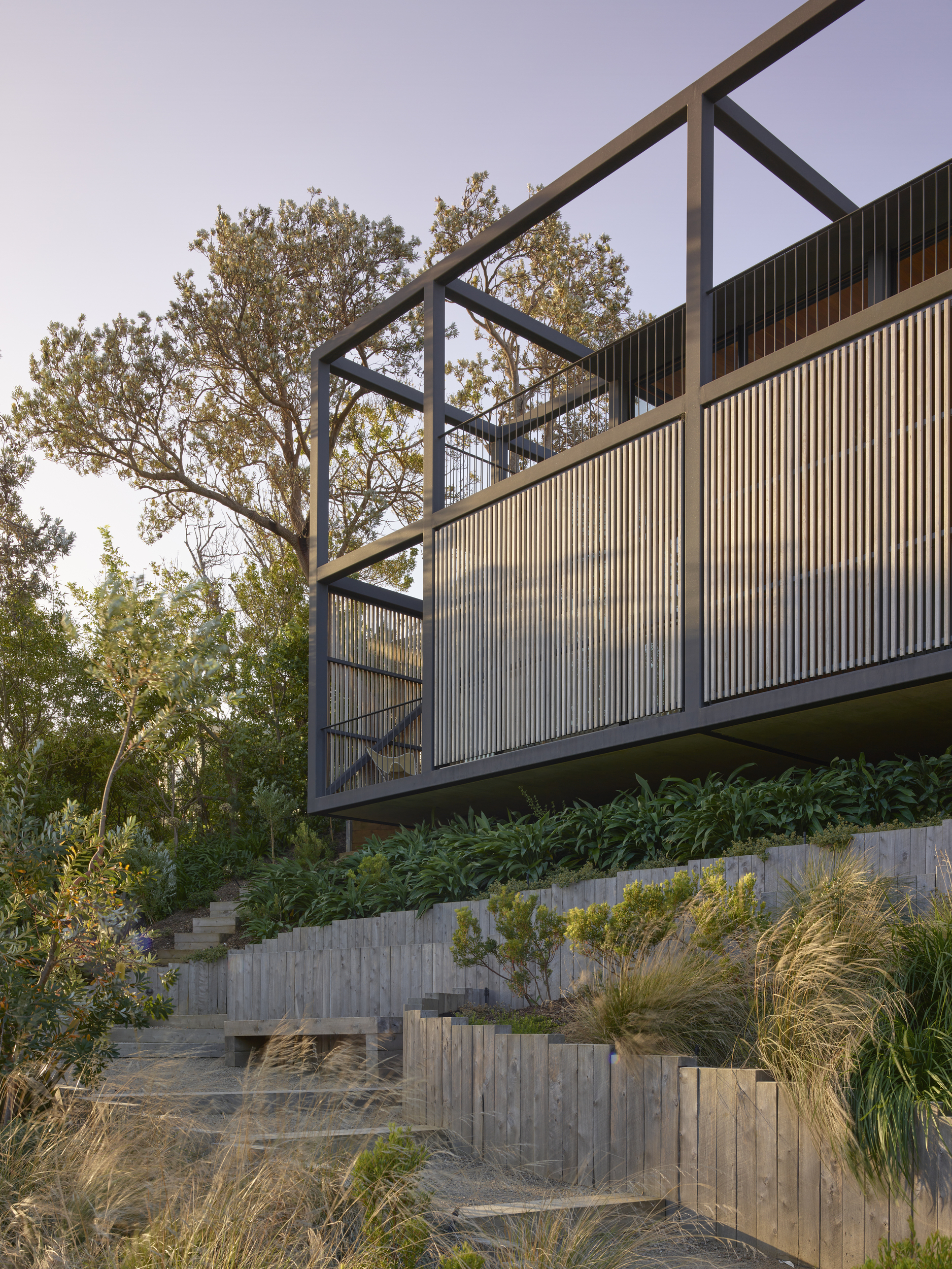
I’m quite fond of a project we completed late last year that hasn’t been photographed yet. It’s a holiday home for a family on a coastal bush block. The house is split into two volumes connected by a covered walkway.
The main volume has the kitchen, living area, and master bedroom with an ensuite, forming an intimate core. The second volume includes bedrooms, a bathroom, and a second living space, offering privacy and flexibility. Together, they balance shared and private areas, with the walkway blending indoor comfort and interaction with the outdoors.
So hard! Marcel Breuer is a constant inspiration. 945 Madison Avenue, NYC (The former MET Breuer) is one of my favourites. I visited the building in 2022, and it blew my mind!
Travelling is so important to me, and I think to most Architects generally. Opening your eyes to other cultures and how people live often provides insights into how we design buildings.
As mentioned previously, the site and context of a project are critical. The building’s siting and orientation need to be tailored to the site and weather conditions, and these decisions become the foundation for our architectural response.
I’m not sure if I would call it a ‘mantra’, but always front of mind is the idea of ‘liveability’. The success of our buildings is what they are actually like to live in. This focus might dictate a particular material, for example, or help determine a room’s dimensions and circulation space.
I’m pretty fortunate that I love what I do!
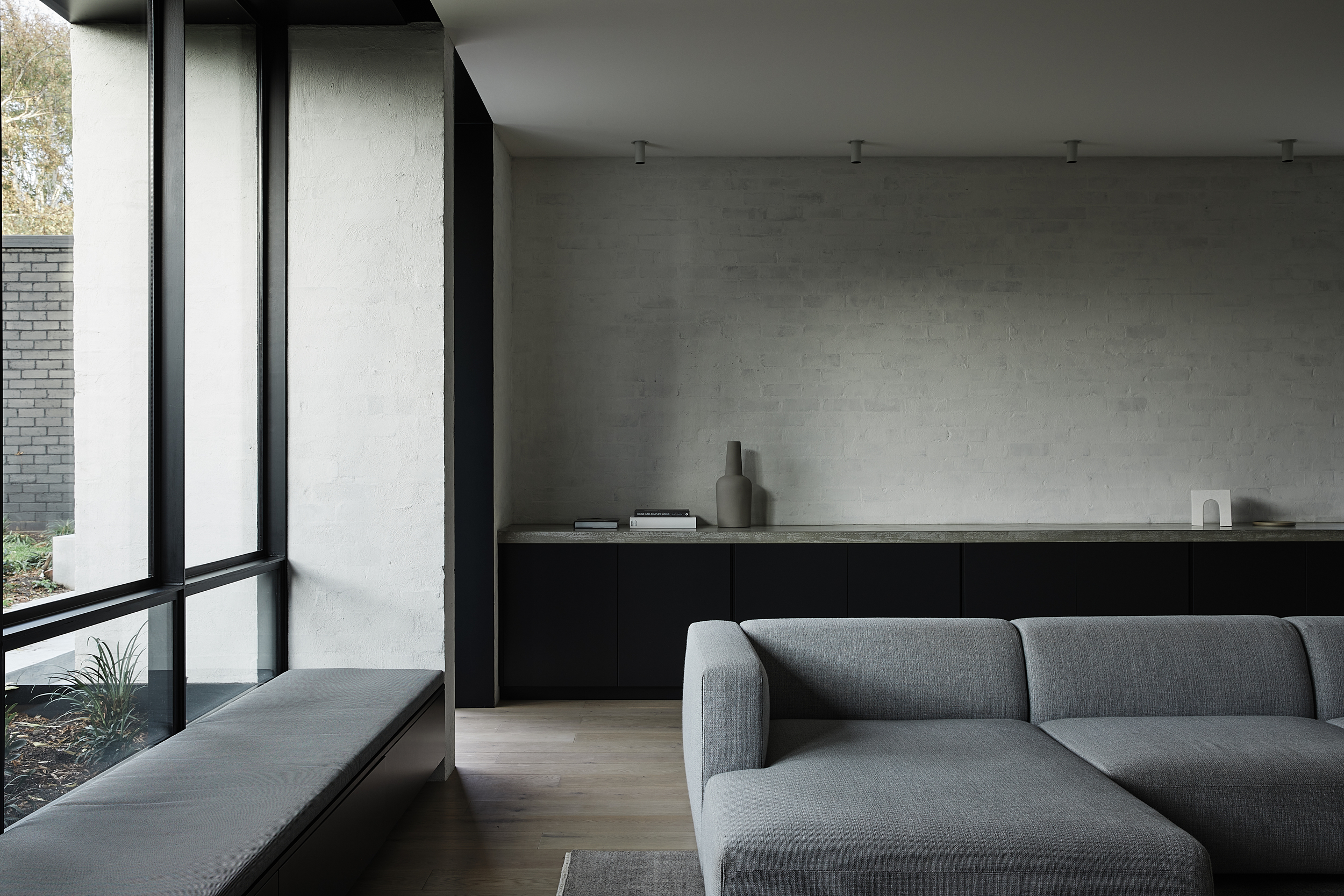
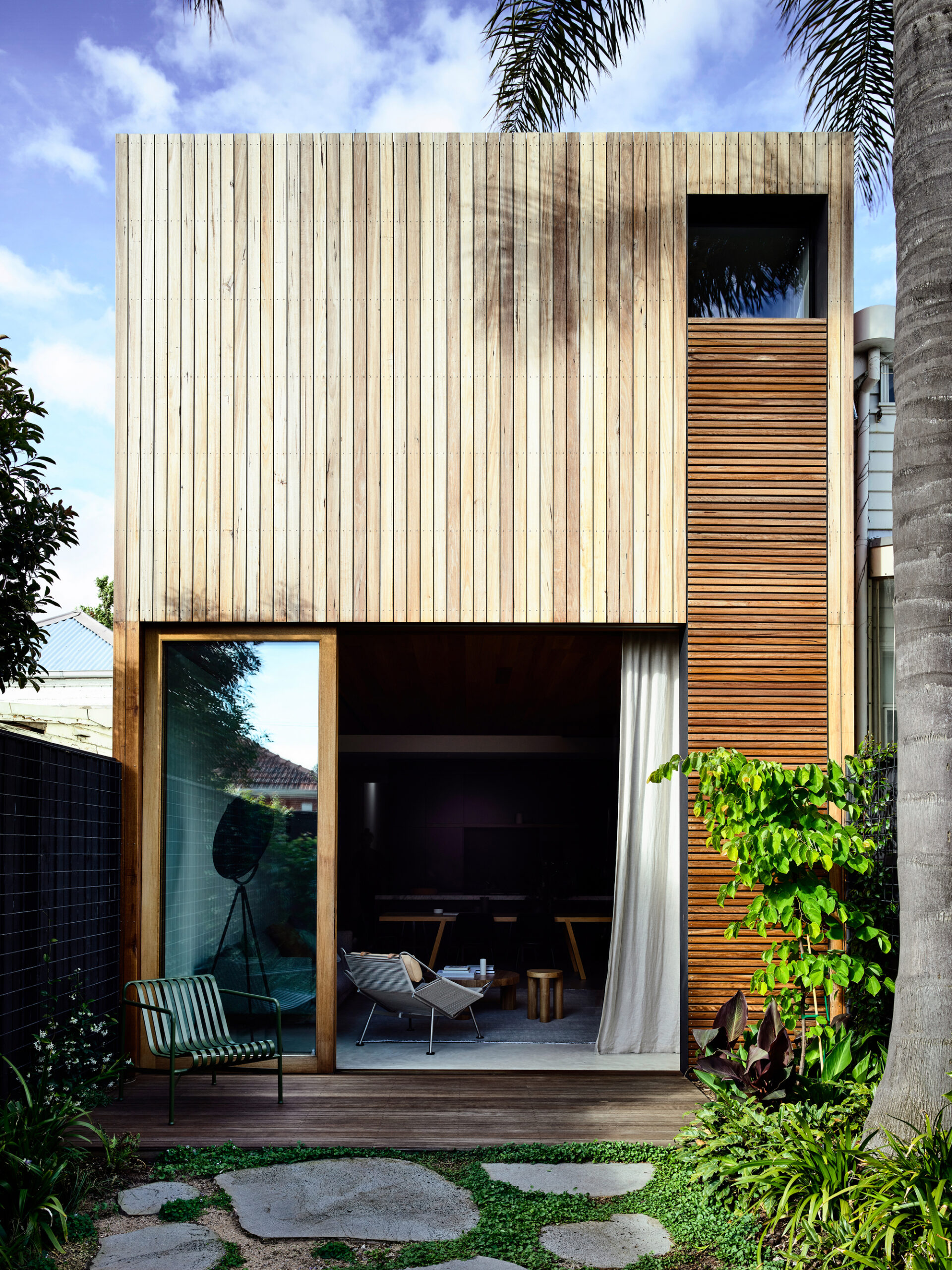
We have always been interested in using materials that change and improve with age. We choose materials that weather well and respond honestly to time, use, and environment. As buildings are occupied, these materials develop patina and character, becoming more settled in their surroundings. Rather than aiming for a finished appearance on day one, we design for longevity, allowing our work to mature over time.
In terms of housing, I think there is too much wastage in how we build today. Going back to the fundamentals of what we need to live and be comfortable needs to be more critically assessed. Smaller houses are ultimately more sustainable, and I would argue that if designed well, more comfortable to live in as well.
Probably to be patient! Architecture is a long game.
Thank you so much Huw, for this lovely interview!
Share article :