Mikel Welch
Mikel Welch is an American interior designer, television personality, author, and creative director known for creating interiors that balance timeless character with the realities of everyday living. His distinctive approach, often described as “primitive modern,” brings together antiques, collected objects, natural textures, and contemporary elements to create spaces that feel layered, personal, and enduring.
Welch first gained national attention through HGTV’s Design Star and has since appeared across numerous design programs, including Trading Spaces, Murder House Flip, and Netflix’s Emmy Award-winning Hack My Home. He currently serves as a design expert on The Drew Barrymore Show and a monthly contributor to The Today Show. His career also extends beyond television into residential interiors, set design, and creative direction.
In 2024, Welch participated in the Kips Bay Decorator Show House in New York. The following year, he published his first book, The Forever Home, exploring an accessible and practical approach to creating character-filled spaces designed to evolve over time. Based in Los Angeles, Welch continues to work across interior design, television, publishing, and product collaborations.
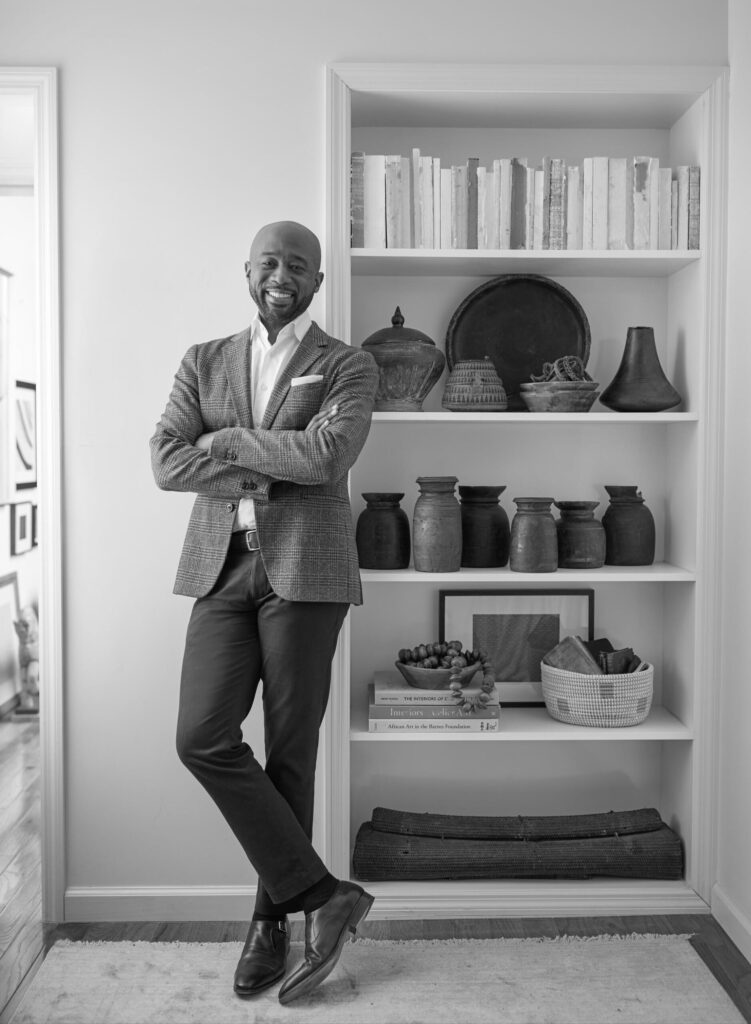
“Your home should tell your story, not mine.”
INTERVIEW

Los Angeles, CA © Michael Clifford
I got started in interior design by offering to design one free room on Craigslist. My deal was simple: I would design the room for free as long as the homeowner paid for the materials. At the time, I needed experience and a portfolio more than I needed a paycheck. It allowed me to build a body of work and gain real-world experience.
Shortly after, I moved from Atlanta to New York, where I met my mentor, who introduced me to the world of high-end design. I began working on interior design show houses as a prop stylist, which eventually led to opportunities as a set designer on The Steve Harvey Show. Around the same time, I was auditioning for HGTV Design Star, which launched my television career.
That path ultimately led to projects on Trading Spaces, Murder House Flip, and Netflix’s Hack My Home. Today, I serve as a design expert on The Drew Barrymore Show and am a monthly contributor on The Today Show.
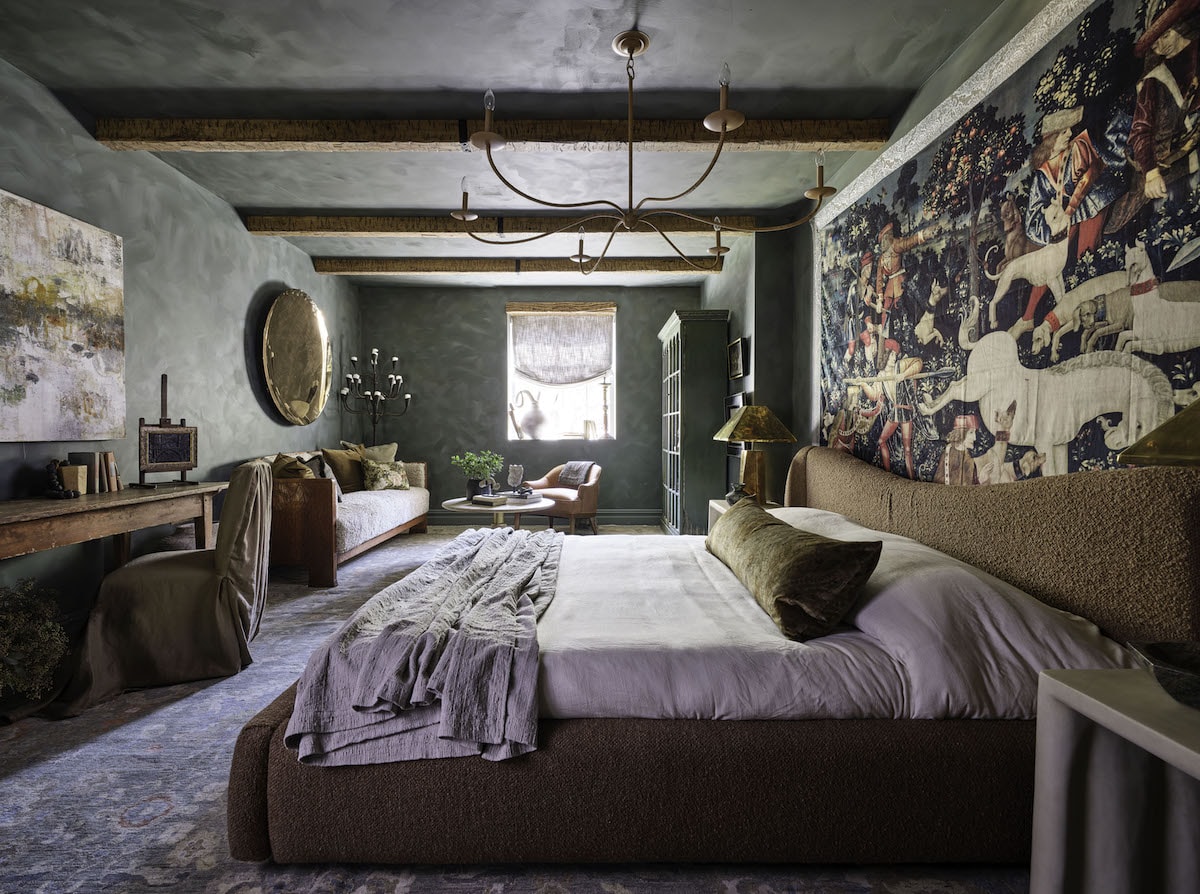
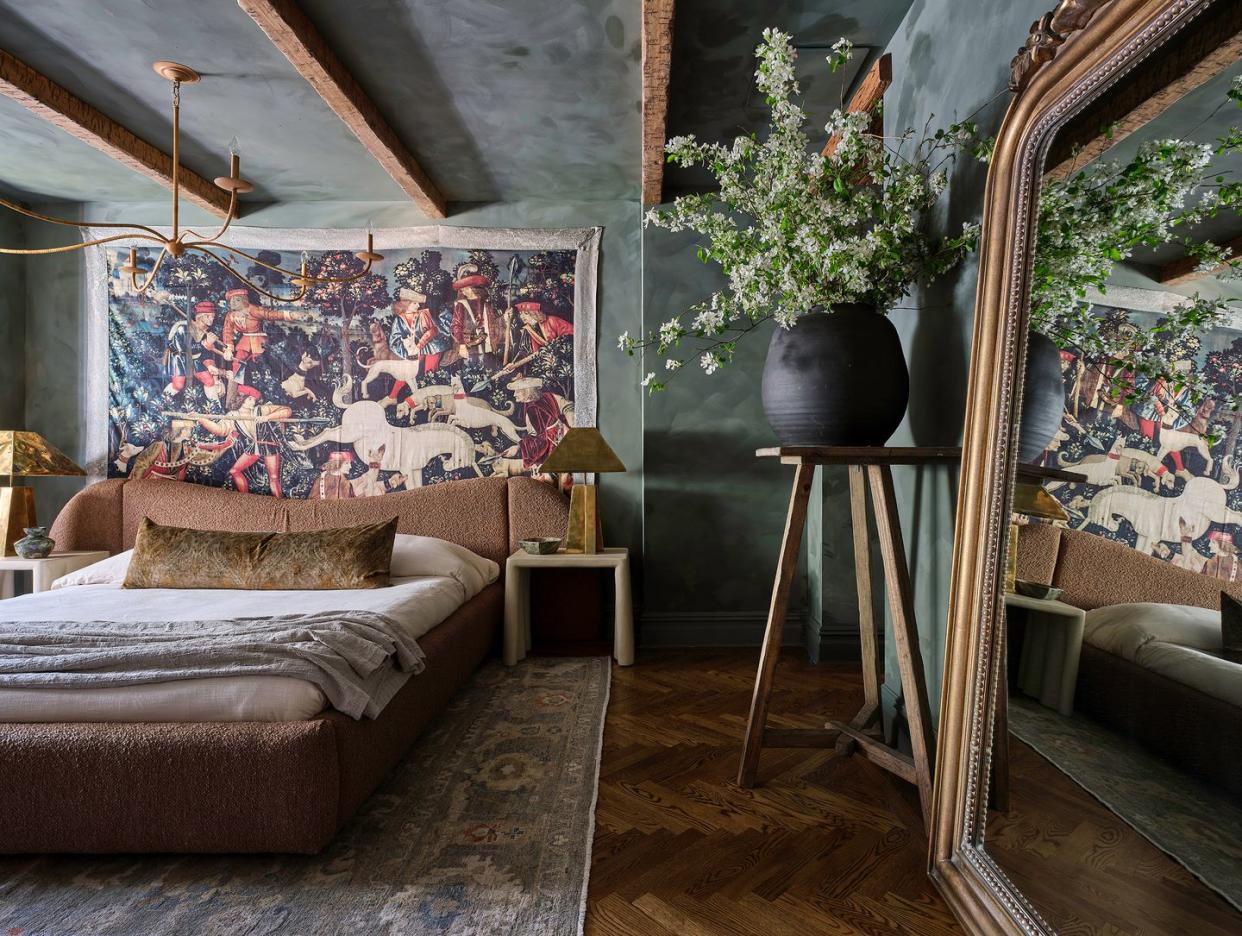
I think the most defining moment in my career was participating in the Kips Bay Decorator Show House in New York in 2024.
Within the design industry, Kips Bay is considered one of the highest honors a designer can receive. Being invited to participate was a huge moment for me because it validated years of hard work and allowed me to share my work alongside some of the most respected designers in the country. It was one of those moments where I stopped and thought, “Wow, this is really happening.”
I think a lot of designers get caught up in the creative side of the business and forget that design is, first and foremost, a business. Of course you need talent and creativity, but you also need systems, good people, and the ability to make difficult decisions.
One of the biggest lessons I’ve learned is hiring the right people and knowing when it’s time to let someone go. That’s never easy, but keeping the wrong person on a team because of emotion can hold a business back. I’ve also learned that you don’t have to be great at everything. The key is finding people who are stronger than you in the areas where you’re weak. The more I’ve focused on hiring people to handle the tasks I don’t enjoy or don’t excel at, the more successful my business has become.
I usually start with the person rather than the furniture. I want to understand how they live, what they collect, where they’ve traveled, and what matters to them. The goal isn’t to create a room that looks like it belongs to me. The goal is to create a room that looks like it belongs to them.
From there, I begin looking for anchor pieces that help tell that story. Sometimes it’s an antique. Sometimes it’s artwork. Sometimes it’s a family heirloom. I think the best rooms are layered over time and don’t feel like they were purchased in a single shopping trip.

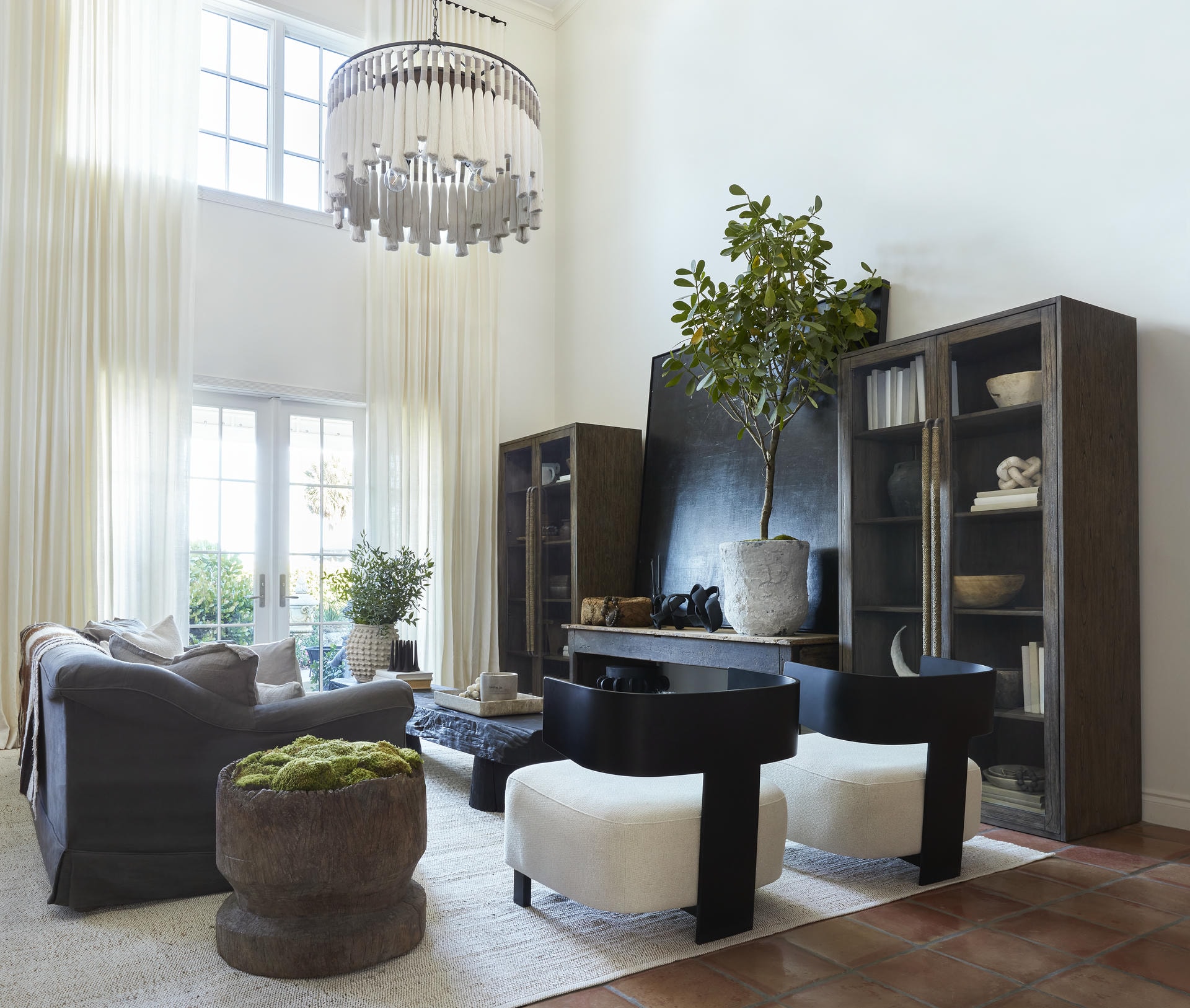
West Palm Beach © Carmel Brantley

Chicago, IL © Marcel Page
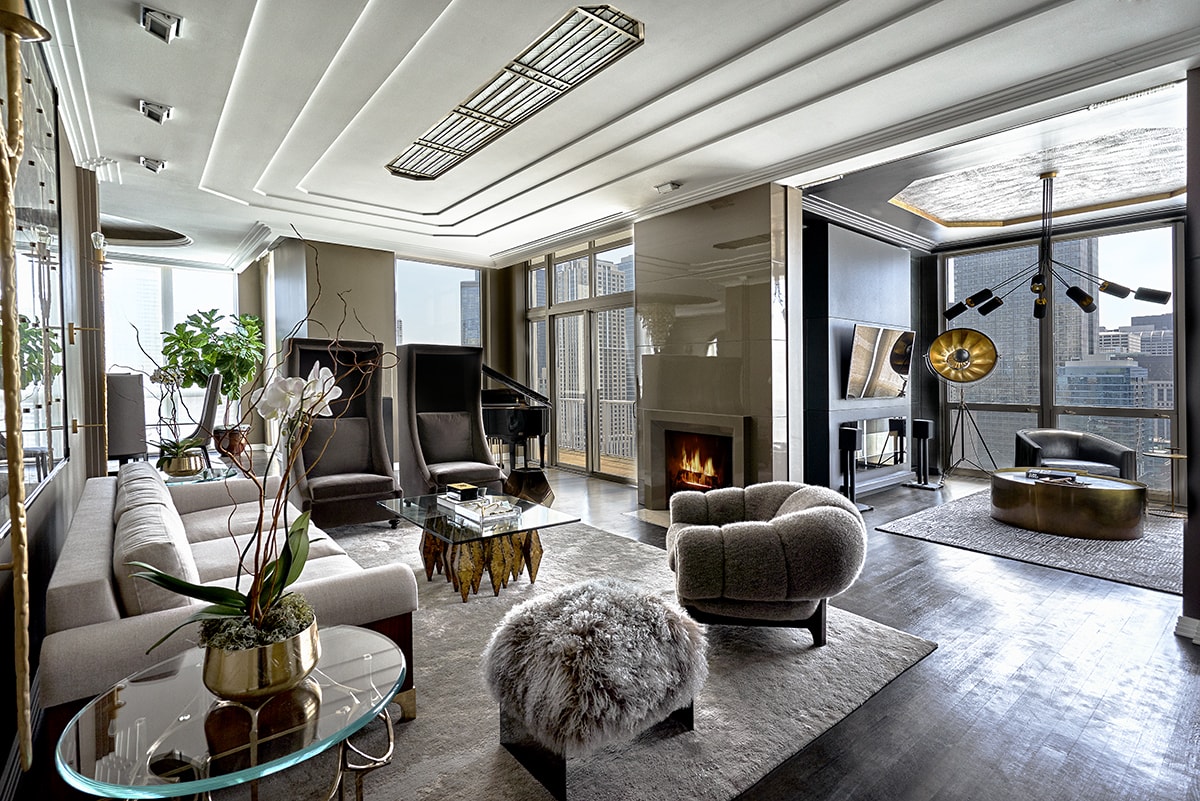
My style has often been described as “primitive modern,” and I think that’s probably the most accurate way to describe it. I’ve always been drawn to antiques, worn materials, and objects that have a sense of history. I love pieces that feel like they’ve lived a life before they entered a room.
What excites me is pairing those older, collected elements with modern design techniques and cleaner silhouettes. That tension between old and new is where I find the most interesting spaces. I don’t want a room to feel like a museum, but I also don’t want it to feel like a furniture showroom.
If I have a design mantra, it’s simple: your home should tell your story, not mine.
One of the hardest lessons I’ve learned is to trust my own instincts. Early in my career, I spent a lot of time listening to what everyone else thought I should be doing. The reality is that everyone has an opinion. They’ll tell you what kind of designer you should be, what opportunities you should pursue, and what direction your career should take.
Over time, I’ve learned to cut out a lot of that noise. The moments when I’ve trusted my gut have usually been the moments that moved my career forward the most. Whether it was moving to New York, auditioning for television, writing a book, or taking on projects that felt intimidating, those decisions came from trusting my own intuition rather than following someone else’s roadmap.
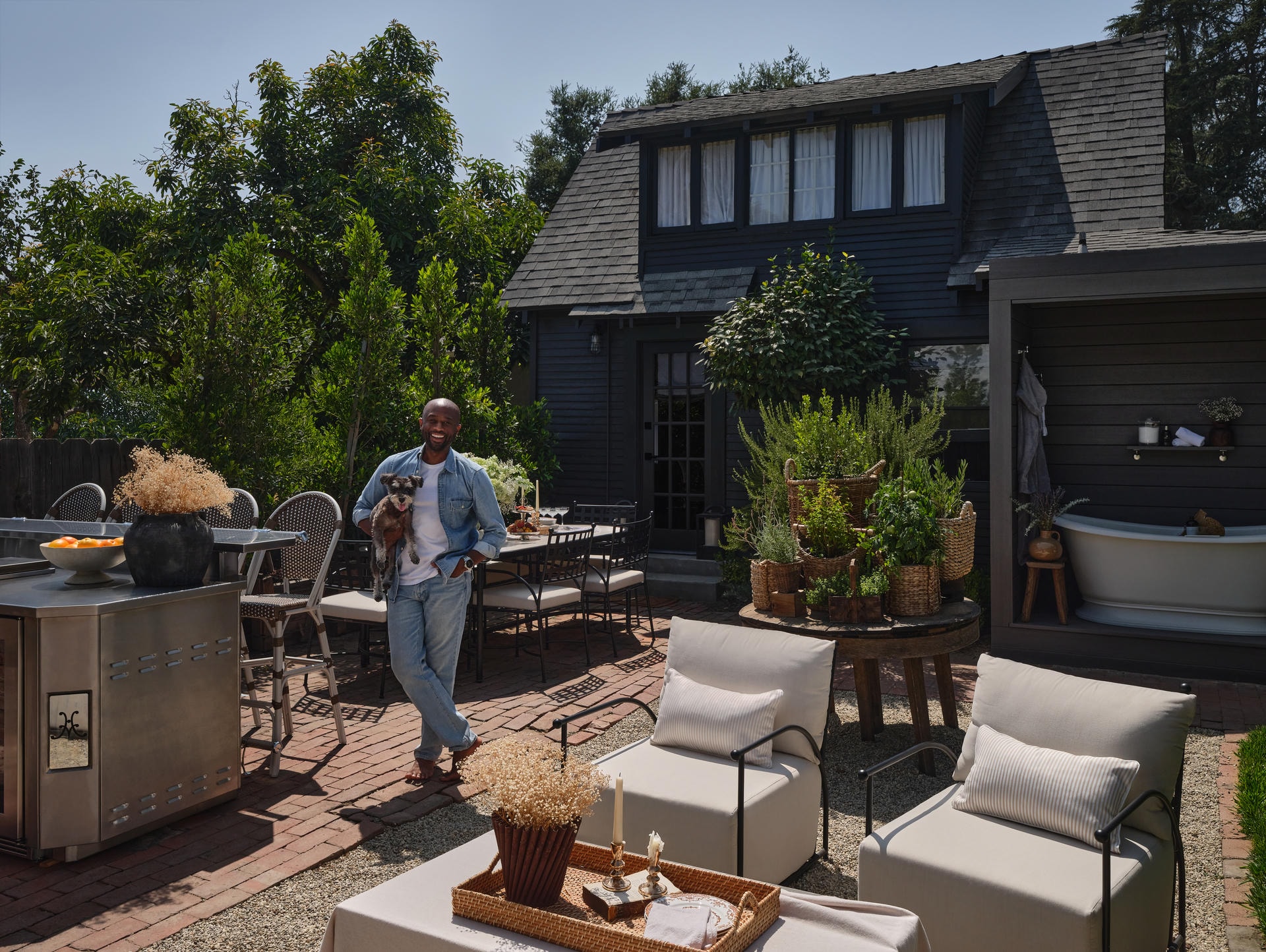
One of my favorite projects has been designing my own home in Los Angeles. After moving from New York, I finally had the opportunity to be my own client, which was both exciting and incredibly challenging.
As designers, we often tell our clients to trust the process, but living through a renovation yourself is a completely different experience.
I had to live in the house while work was being completed, which gave me a whole new appreciation for what clients go through. It taught me patience and made me much more sensitive to construction delays, back orders, and the frustrations that come with living in an unfinished space.
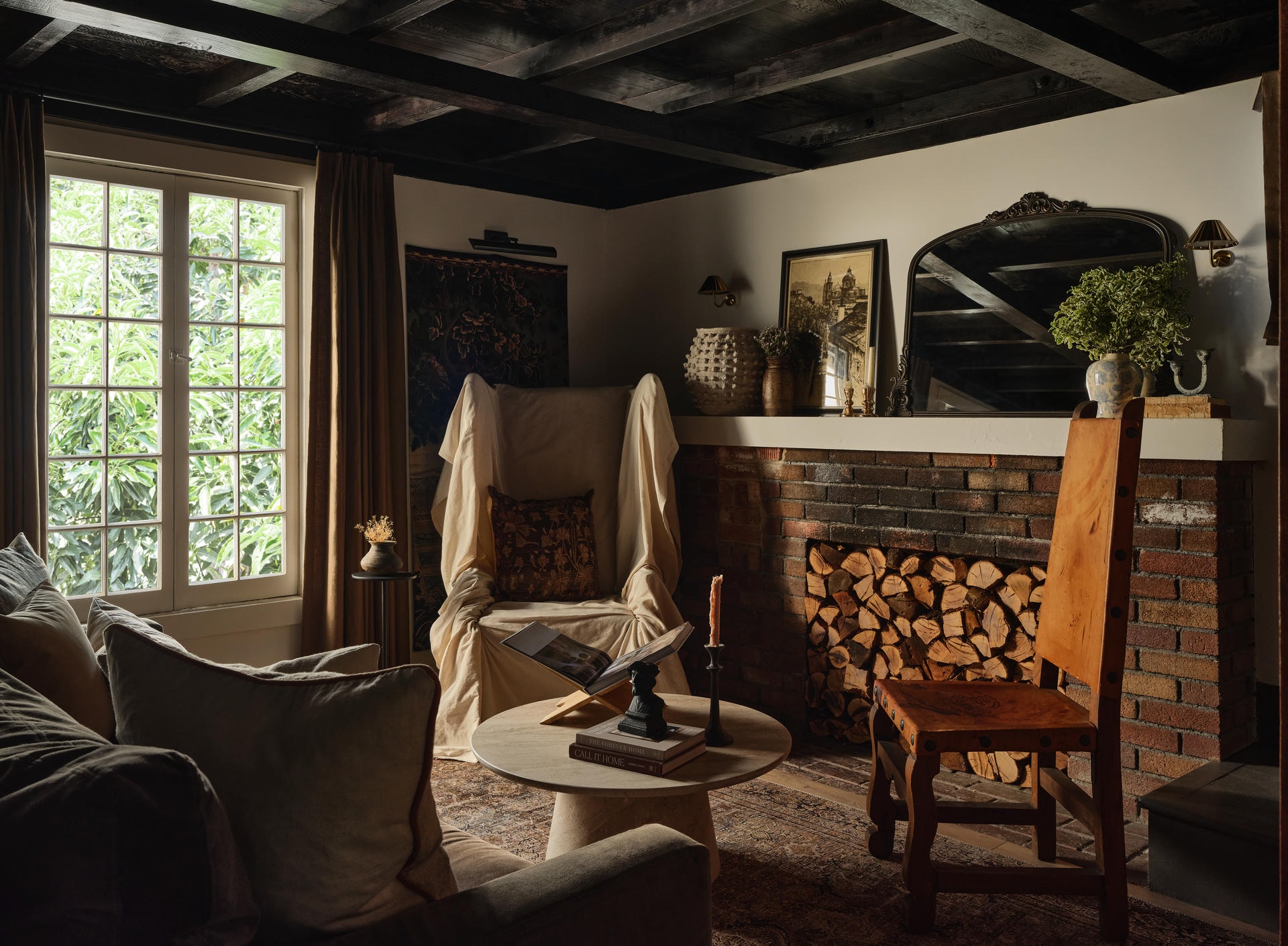
What made the project especially meaningful was the opportunity to pull inspiration from my travels. I wanted the house to remind me of the English countryside, which is one of my favorite places to visit. Many of the materials, colors, and design decisions were influenced by places I’ve stayed throughout the Cotswolds.
In a way, I was able to bring a small piece of that experience back home with me. Today, it feels like I have my own little slice of the English countryside right here in Los Angeles.
The best advice I received was to stop waiting for permission.
Nobody called and asked if I wanted to become a designer. Nobody invited me into the industry. I had to create opportunities for myself. That’s exactly why I was willing to design rooms for free in the beginning. I knew I needed experience more than I needed comfort.
I think a lot of people spend years waiting for someone to discover them, when in reality most successful careers are built by people who are willing to take the first step before they feel ready.

Los Angeles, CA © Michael Clifford
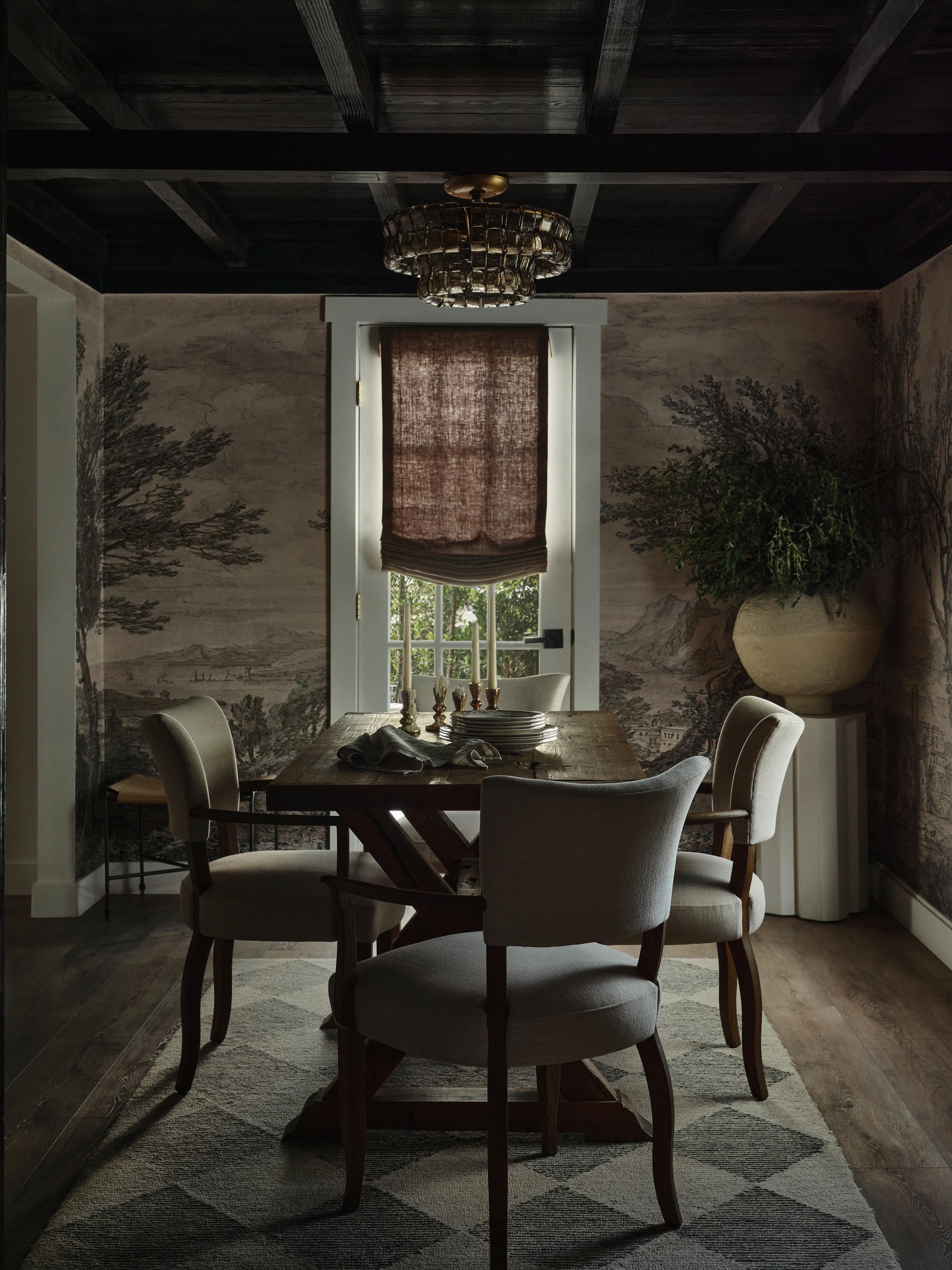
Naturally, I would recommend my own book, The Forever Home. I wrote it to be a practical resource not only for interior designers but also for everyday homeowners who want to create more thoughtful spaces. The book includes everything from proper rug sizing and furniture layouts to cabinet hardware placement, complete with visual diagrams and easy-to-follow design principles that people can apply immediately in their own homes.
I would also highly recommend Jake Arnold’s Redefining Comfort and Colin King’s Arranging Things. Both books have been incredibly inspiring to me. Jake has a remarkable ability to create spaces that feel timeless, warm, and livable, while Colin’s approach to styling and composition has influenced the way I think about objects, balance, and storytelling within a room.

Brooklyn, NY © John Bessler
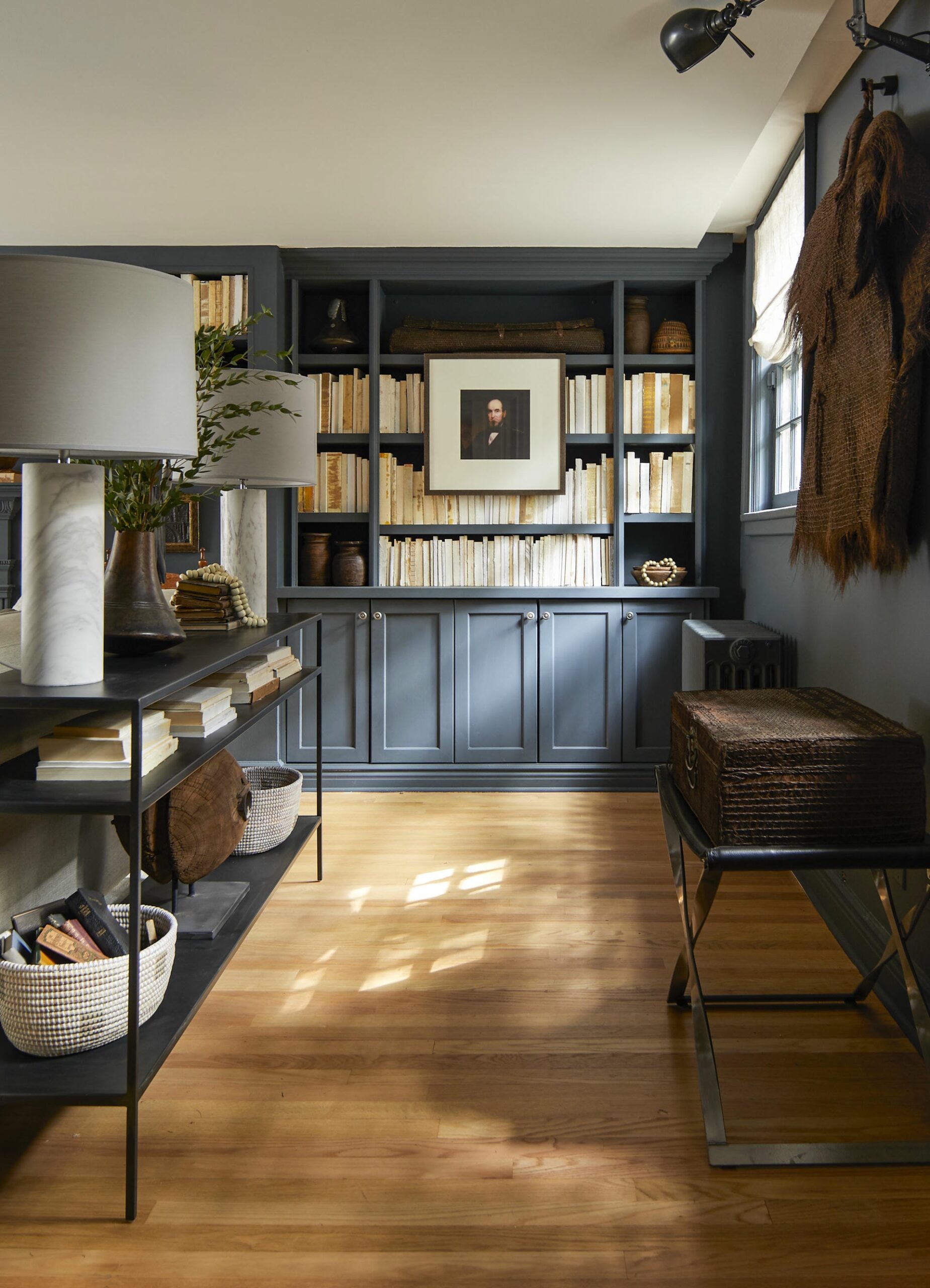
It’s an exciting season. In addition to my ongoing television work with The Drew Barrymore Show and The Today Show, I’m currently opening an Inspired Closets showroom in Pasadena, California. It’s a project I’ve been working toward for years, and I’m excited to bring my perspective on organization, function, and design into a retail environment.
I’m also continuing to promote my first book, The Forever Home, which explores how to create spaces with character, meaning, and longevity. Writing the book allowed me to share many of the lessons I’ve learned throughout my career with a broader audience.
Whether it’s through television, design projects, retail, or writing, my goal has always been the same: helping people create homes that feel authentic to who they are.
My advice would be to go work for another design firm first. I think a lot of young designers are in a rush to start their own business, but there’s tremendous value in learning under someone else’s leadership. Tuck your ego away for a few years and become a student of the industry. Go be an assistant. Go sit in client meetings. Learn how projects are managed. Learn how budgets work. Learn how to deal with mistakes and difficult situations.
The truth is you’re going to make mistakes, and it’s a lot better to make those mistakes on somebody else’s dime than your own. Working for another designer also teaches you what kind of leader you want to be one day. You begin to understand what you’ll expect from your own assistants and team members. It also gives you a realistic view of the business. Most people fall in love with the creative side of design, but there are contracts, budgets, schedules, staffing decisions, and countless responsibilities that happen behind the scenes.
Most importantly, you’ll learn what parts of the business you enjoy and what parts you don’t. That knowledge becomes incredibly valuable when it’s time to build your own team because you’ll know exactly where you need support. Getting paid to learn is one of the best investments you can make in your future business.
One of the lessons I learned from my years as a set designer is that every home needs a little bit of theater. I think people sometimes get so focused on function that they forget a home should also spark curiosity and create memorable moments.
For me, that idea comes to life through my outdoor bathtub. The inspiration came from a hotel in the English countryside, and I loved the experience so much that I decided to bring it home. Most people wouldn’t think to place a bathtub outside, but that’s exactly why I love it. It’s functional because I use it every morning, but it also creates conversation. When I entertain, I’ll often fill it with ice and use it as a champagne and beverage station. Other times I’ll fill it with water and create an over-the-top floating floral arrangement. It becomes a centerpiece that people remember long after they’ve left.
My design tip is to create one unexpected moment in your home. It should be beautiful, functional, and a little aspirational. Those are often the elements that transform a house from simply well-designed into something truly memorable.
Thank you so much Mikel, for this lovely interview!
Share article :