David Trubridge
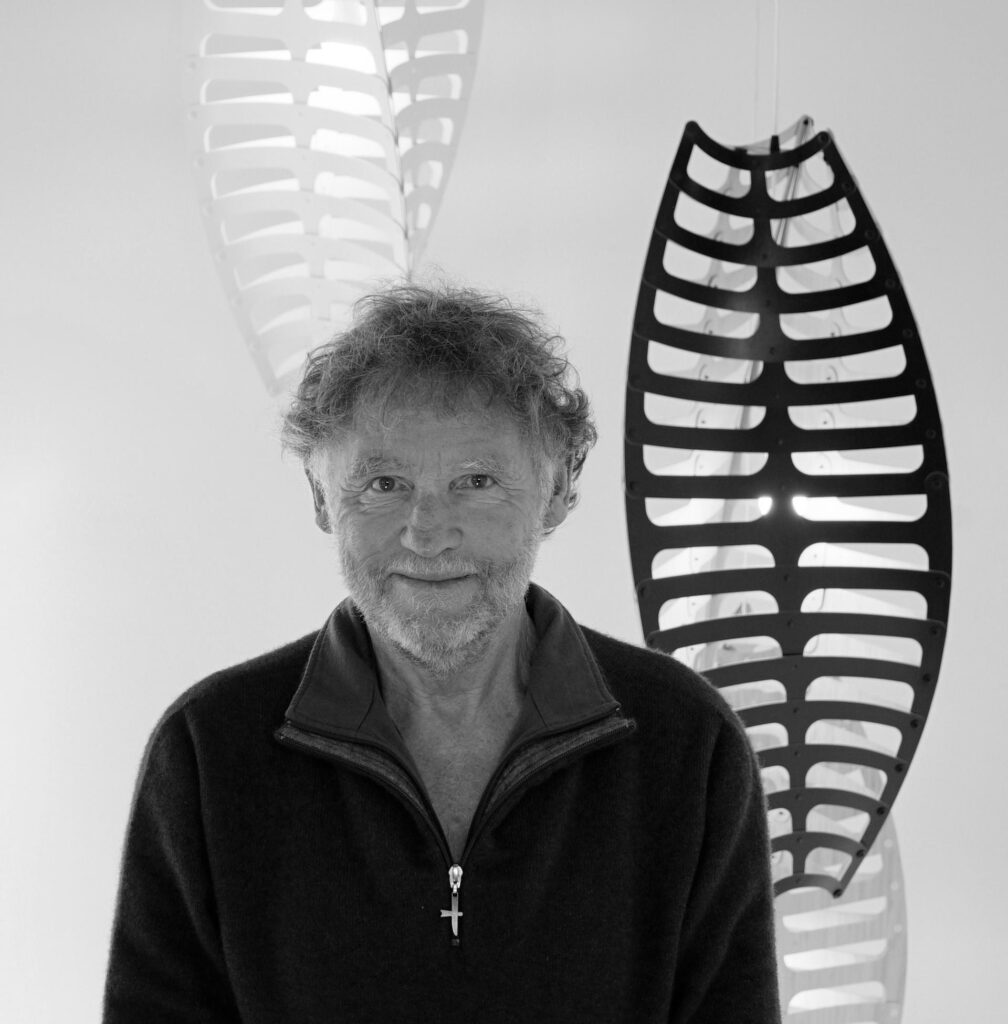
David Trubridge is a New Zealand-based designer known for his work across lighting, furniture and sculptural installations. Originally trained as a naval architect at Newcastle University in Britain, he later established himself as a designer and maker after a five-year sailing journey with his family that brought him to New Zealand. His practice combines craftsmanship, sculptural exploration and contemporary design technology, deeply informed by nature.
Trubridge’s work has gained international recognition, with pieces held in major collections including the Centre Pompidou in Paris and the Victoria and Albert Museum in London. Among his notable works are Body Raft, produced by Cappellini, and the Icarus installation, acquired by the Centre Pompidou. In 2019, he was appointed an Officer of the New Zealand Order of Merit for his services to design.
Interview
I was born in Oxford, England, and after a long ocean voyage on a yacht with my then-young family, I now reside in Aotearoa/New Zealand.
I was initially homeschooled by my mother, and I remember her showing me books on artists like Monet and Constable.
Yes. At school, I spent most of my spare time in the Art School painting Impressionistic landscapes. I also loved to make things, like model boats built from used matchsticks that I collected along the promenade where I lived on the South Coast of England. I studied Naval Architecture (ship design) at Newcastle University, but then made a lifestyle choice to live in remote Northumberland.
While renovating an old stone cottage, I bought machines and taught myself the craft of woodworking in order to make doors and windows for the house. From there, it was a small step into making traditional wooden furniture. As I became proficient, I then taught myself how to design contemporary furniture.
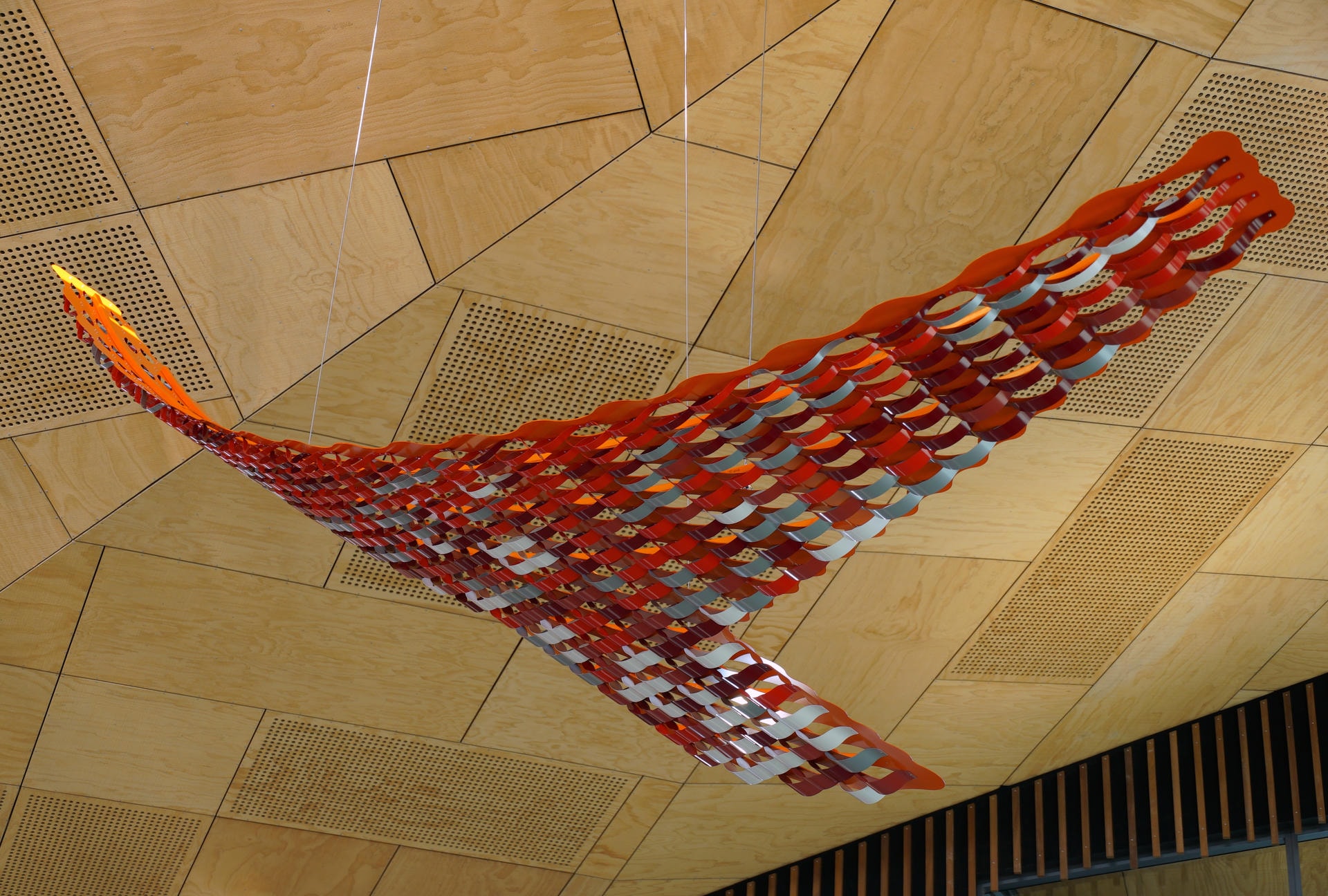
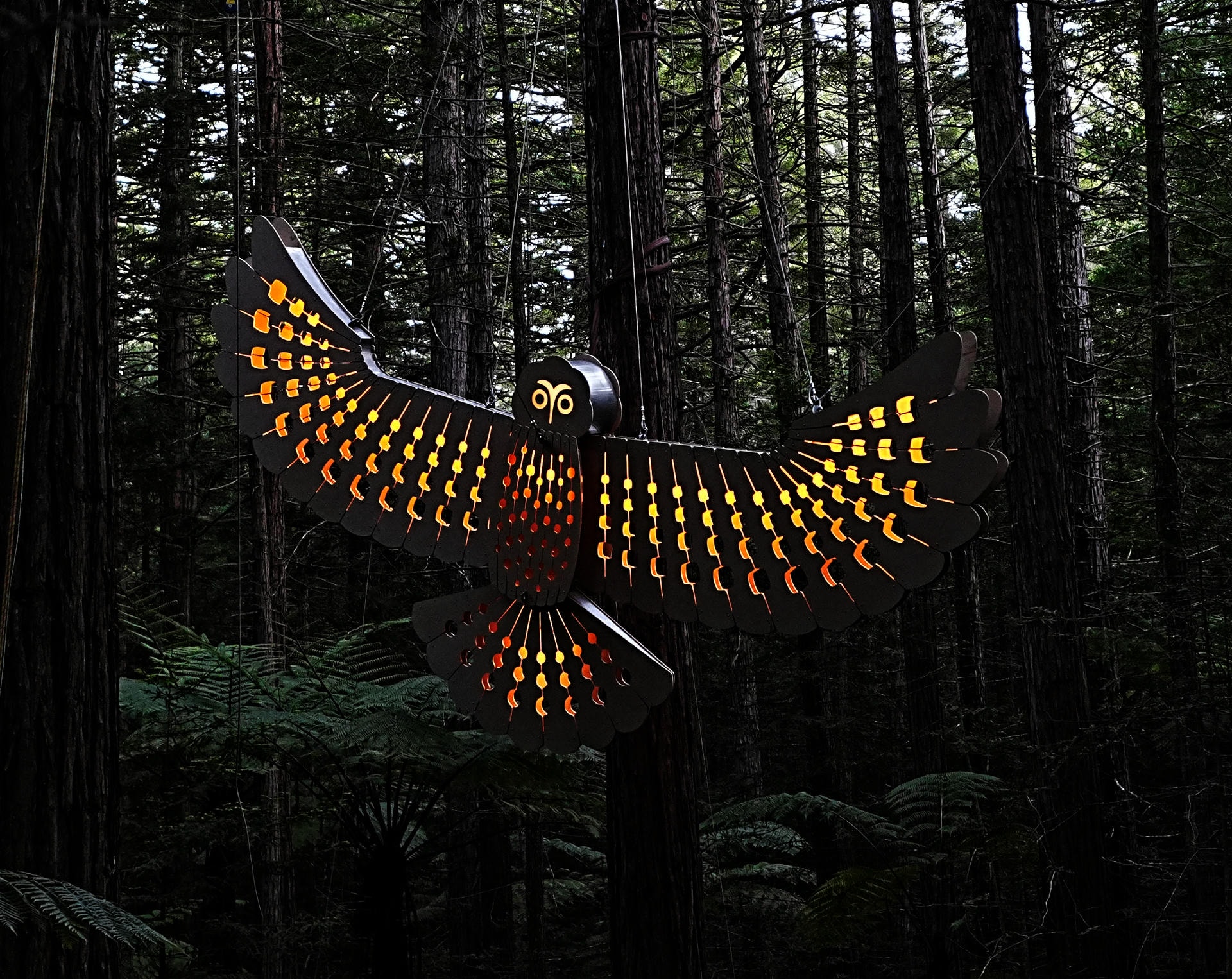
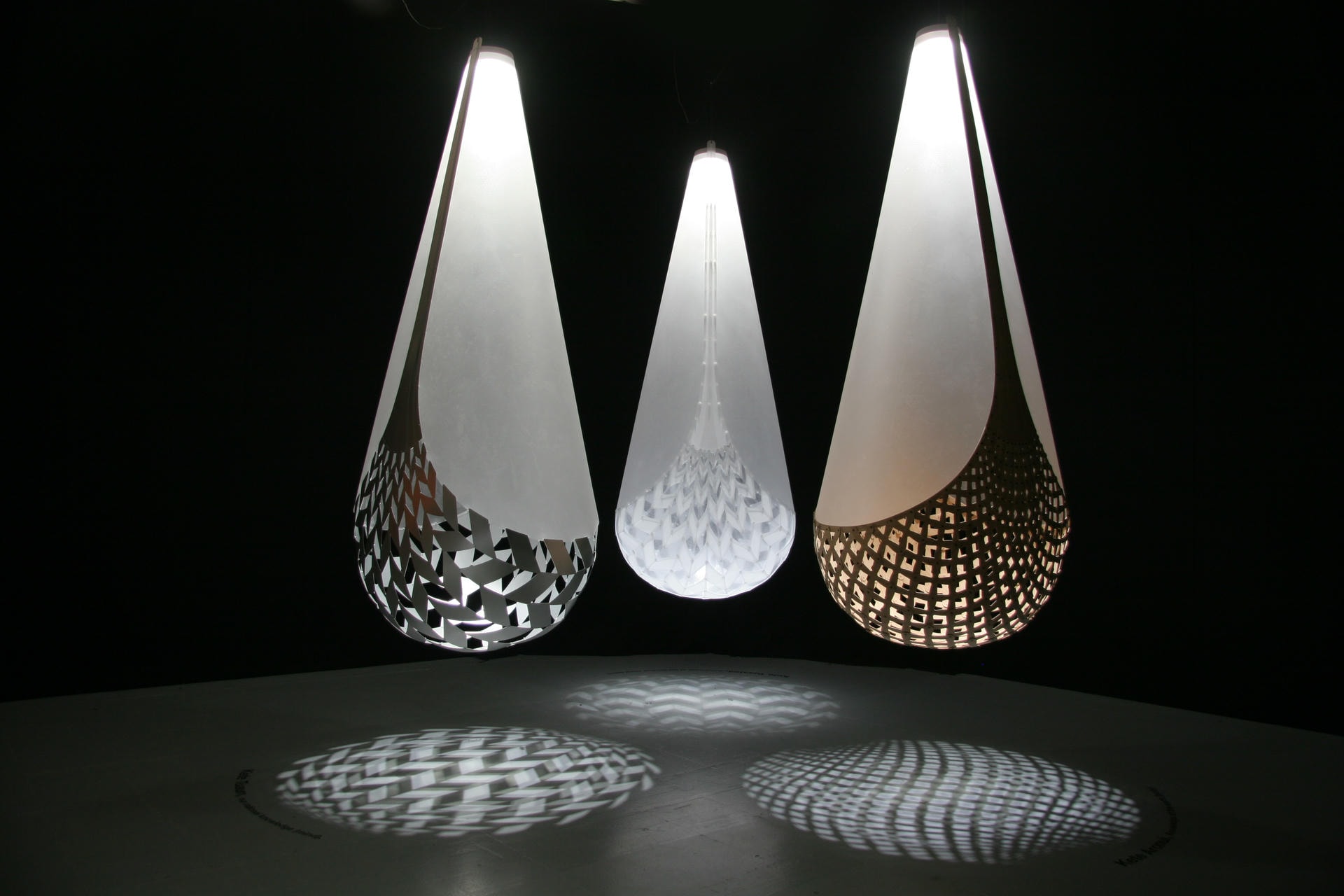
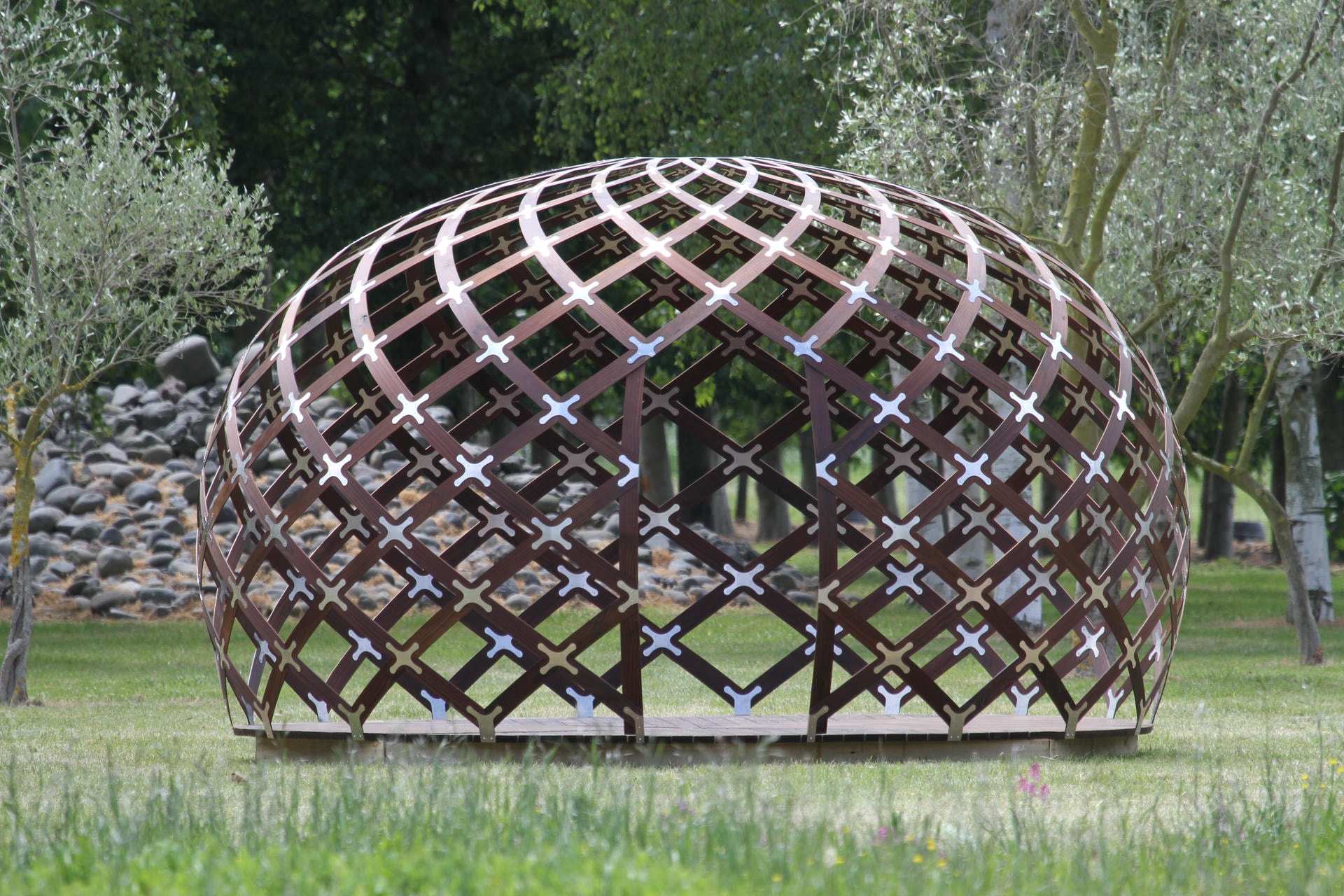
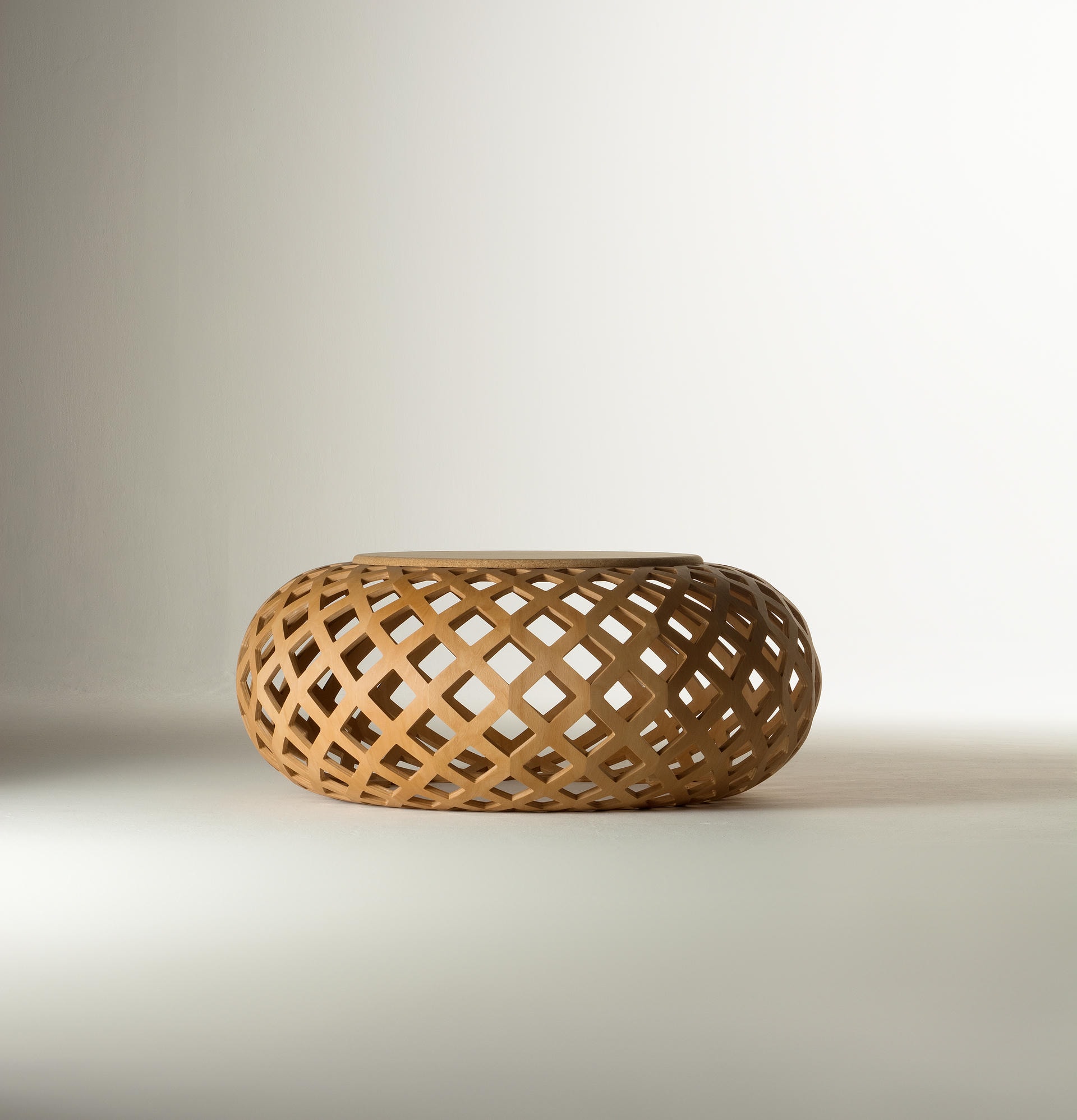
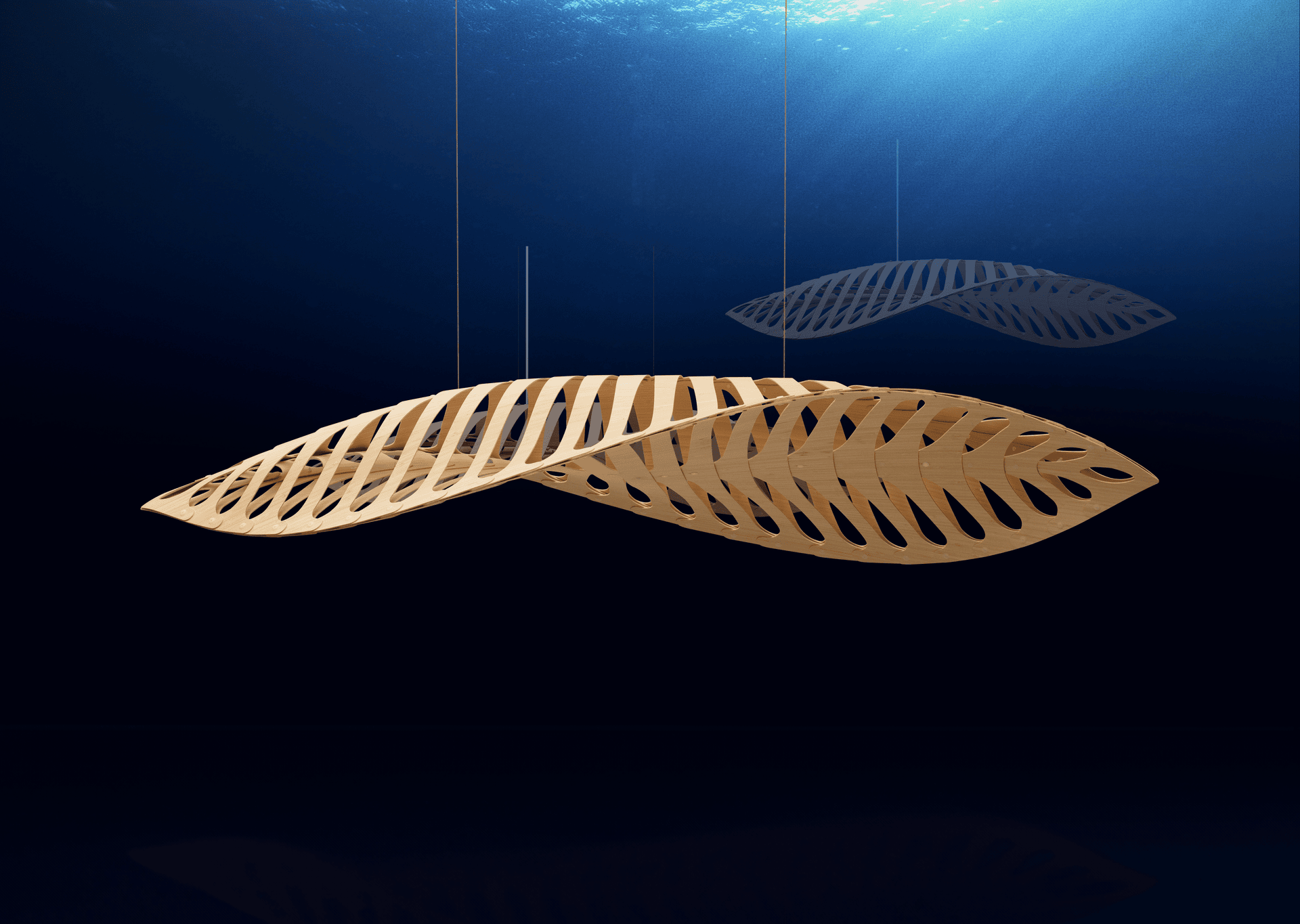
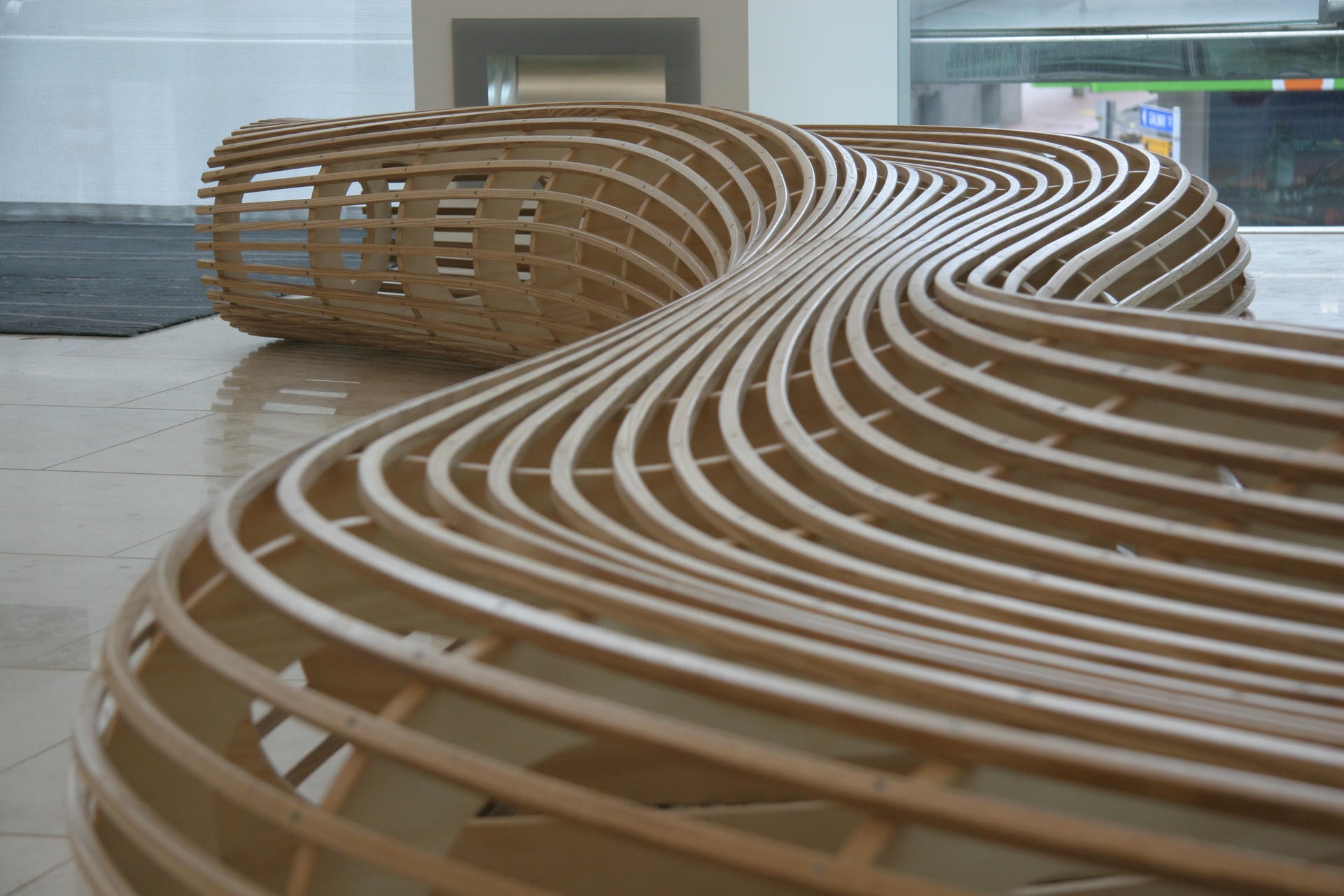
Today, we design and manufacture a range of kitset decorative lightshades made from bamboo plywood. These are sold globally through our website and local distributors. We also undertake one-off commissions for large lighting installations, feature furniture, and outdoor sculptures as seen in the accompanying photos.
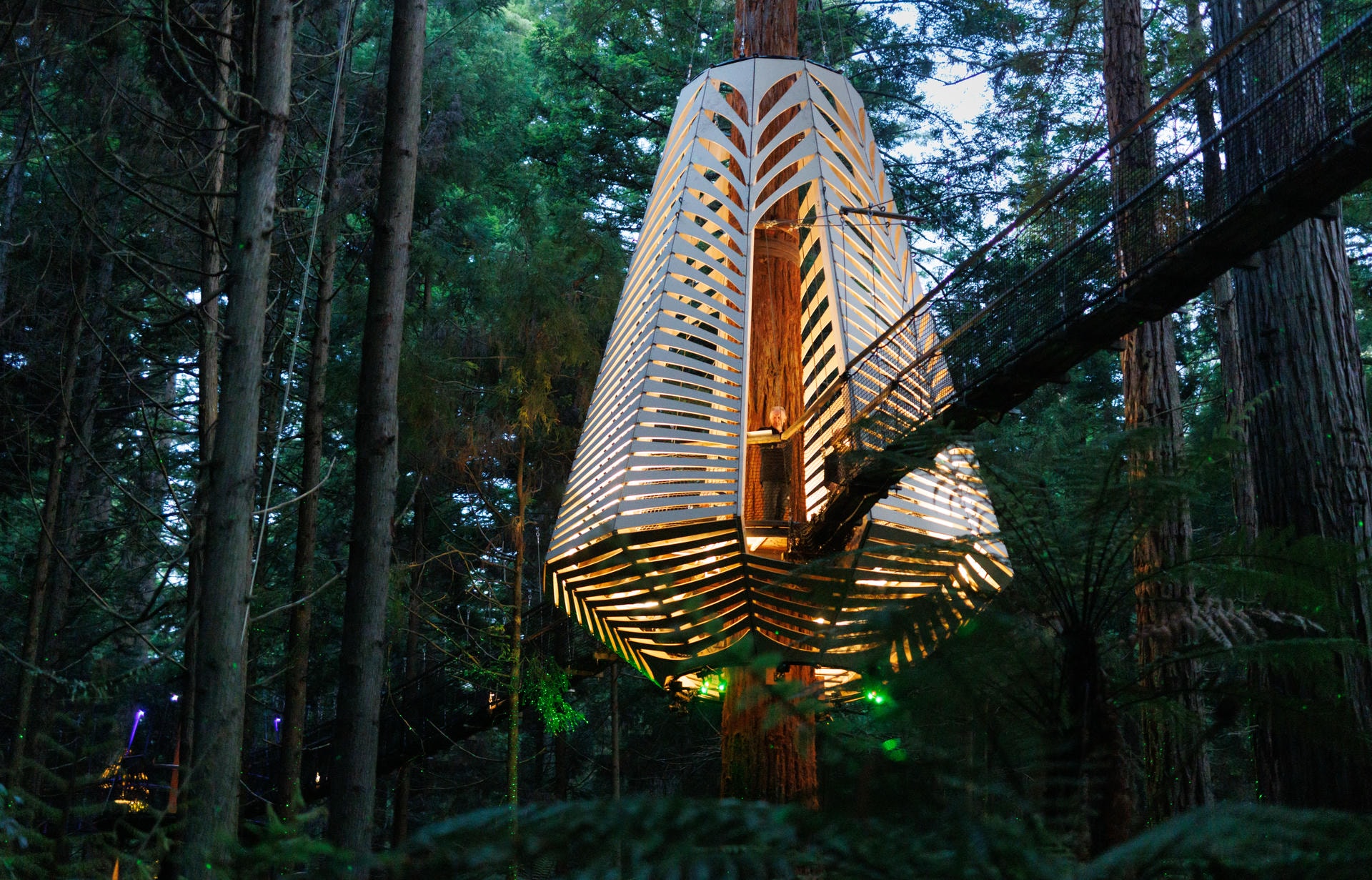
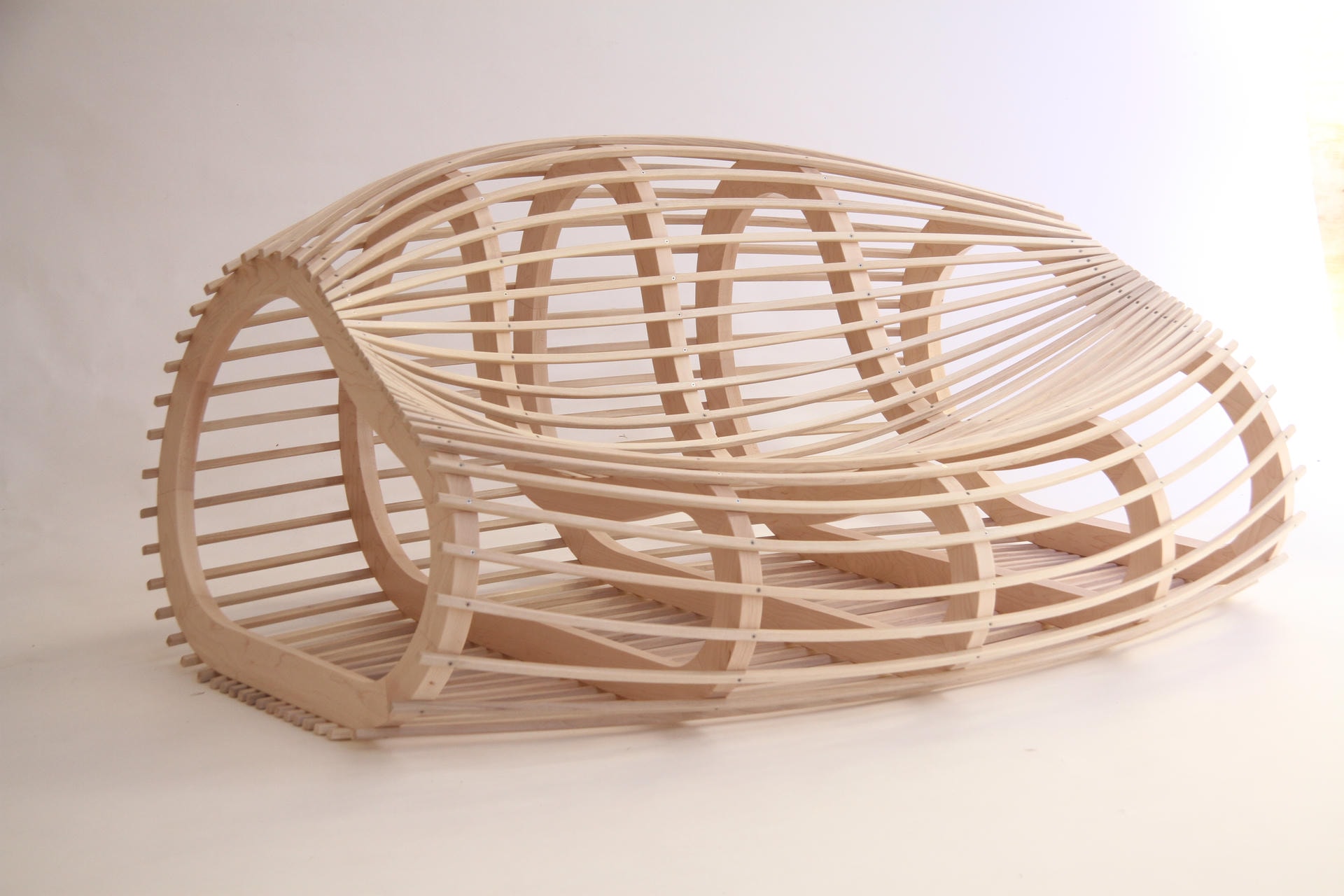
It draws on my life’s rich experience and my love of nature. I try to reference the patterns, structures, and processes of nature, with as much environmental responsibility as possible. Initially, I was responding to the material: my early furniture designs evolved intuitively from the wood and the ways of processing it. Later, the advent of CAD drawing allowed me to use my original training as a naval architect, opening up an exciting new way of developing ideas. I usually build an idea in my mind’s eye long before I make marks on paper. But I always work with pencil drawings first because nothing can replace your unique hand gestures.
I start the day with a cold shower and a short standing yoga session outdoors to breathe in the morning air. I am now semi-retired, but I am at work most days for 4-5 hours. I don’t start early and have an easy morning of coffee and emails. I might spend time with my team, discussing projects they are working on, creating new ideas for them to develop, or helping practically to build a prototype or sculpture. I can’t stop my brain from hatching ideas and playing with them.
Wood chose me—there was no choice on my part! I had worked part-time as a forester on a local estate while starting my career. So I already loved and knew all about trees as living things. I could use the estate sawmill to process my first timber supplies of local oak and elm. So wood was never an inert plank I bought off a shop shelf, it was a living part of nature that I redirected through my workshop into someone’s home.
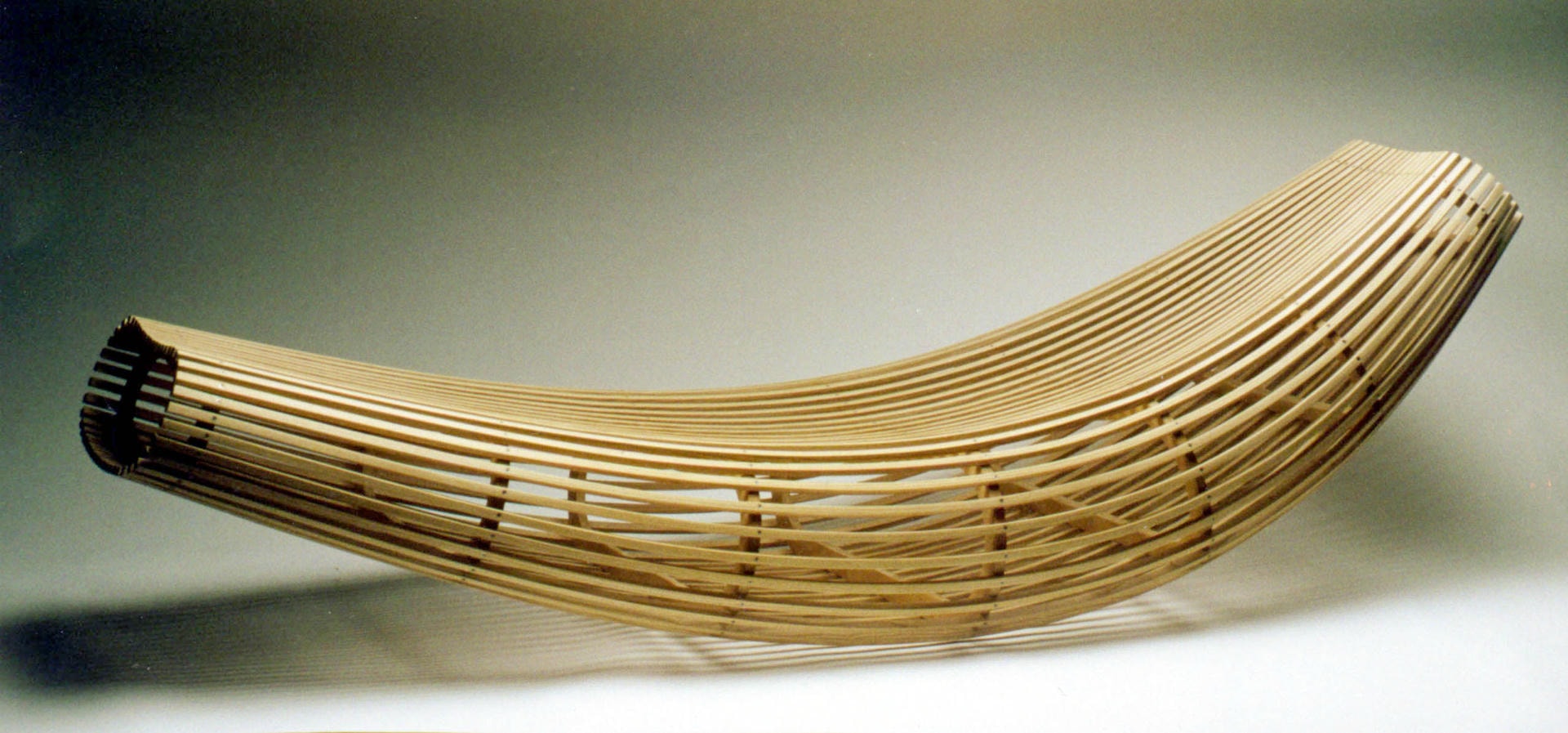
Nowadays, it is the building of very lightweight shell forms from thin, curved plywood pieces. This uses minimal material to create large forms.
It comes from the powerful combination of CAD drawing and accurate CNC cutting technology. But because plywood can only bend one way at a time, you have to get very creative to create forms of compound curvature.
Be true to yourself. Because each one of us is unique, your work will be unique. Build a bank of knowledge of what others are doing, but then put that aside and do not try to follow or imitate them.
Raw sophistication.
Ron Arad, Richard LaTrobe Bateman, John Makepeace, Phillipe Starck.
Tom Dixon, Ross Lovegrove, Thomas Heatherwick.
Anish Kapoor, Andy Goldsworthy, Anselm Kiefer, Richard Serra, Maya Lin, Olafur Eliasson.
Biophilic.
In my opinion, design is at risk of becoming irrelevant if it does not more seriously take up the challenge of becoming not just fully sustainable, but eventually regenerative. We have to take full responsibility for the things we create and for their effect on the environment.
“Be true to yourself. Because each one of us is unique, your work will be unique.”
The Questions
(The Proust Questionnaire is a set of questions answered by the French writer Marcel Proust.
Other historical figures who have answered confession albums are Oscar Wilde,
Karl Marx, Arthur Conan Doyle, Stéphane Mallarmé, Paul Cézanne…)
Silence and space.
Being confined in a dense city.
My conditioned upbringing of privilege.
Intolerance/lack of empathy or caring.
My wife Linda.
Chocolate.
Sleepy.
Faith.
Compassion.
Compassion.
F—
Musicianship.
To be able to play music.
Building an international design business.
A tree or a mountain, I can’t decide.
In the countryside of a compassionate caring country.
A paper nautilus.
Not experiencing love.
Hiking in the mountains.
Humour.
Loyalty.
Robert MacFarlane, Sarah Hall, Ali Smith.
Captain Ahab.
Ernest Shackleton.
My two sons.
Mississippi, Aotearoa.
Selfish greed.
Not seeing more of the wild wonders of Earth.
Suddenly without warning.
“Dare, never grudge the throe.” — Robert Browning
“I try to reference the patterns, structures, and processes of nature, with as much environmental responsibility as possible.”
SHARE :