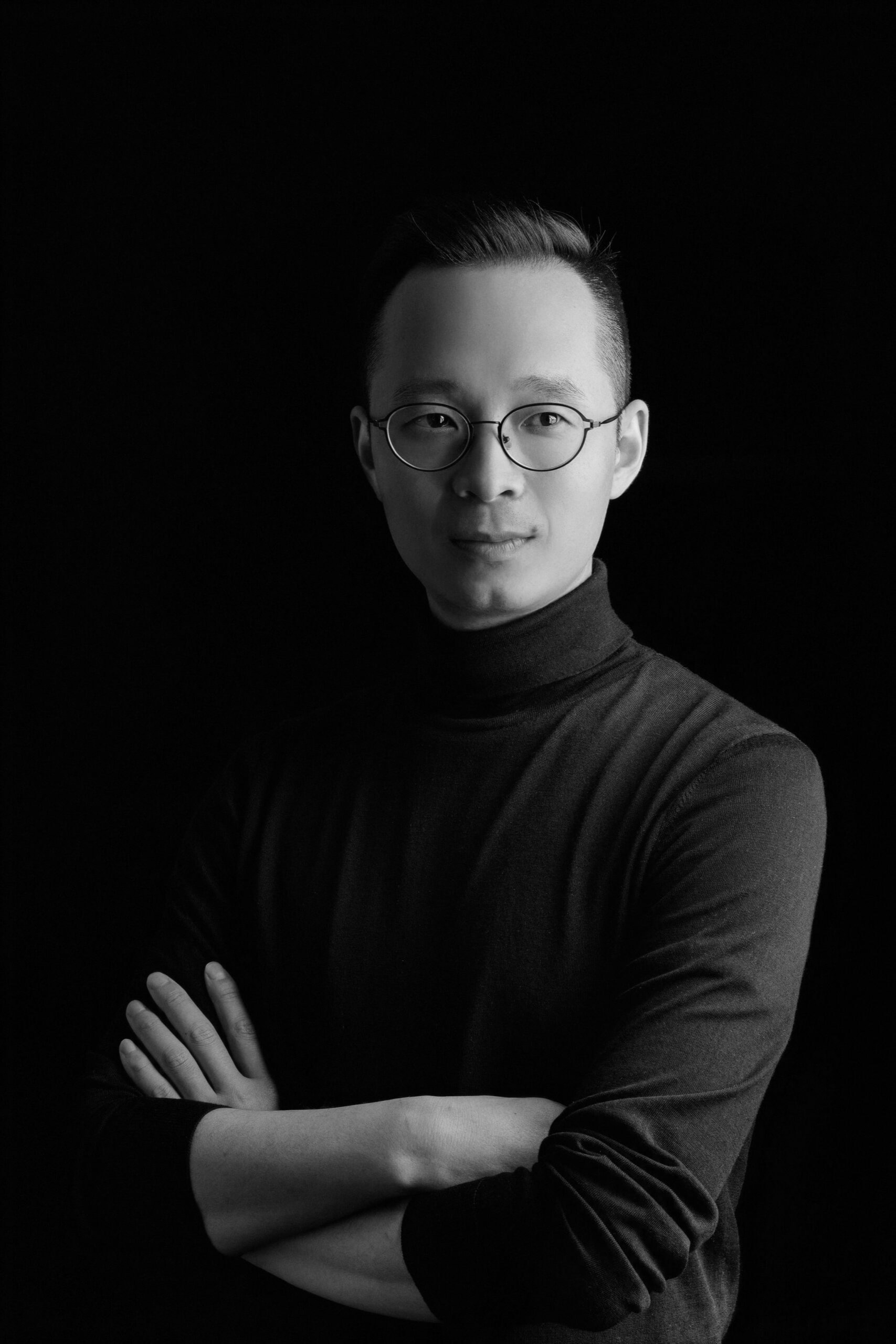
David Samuel Ko
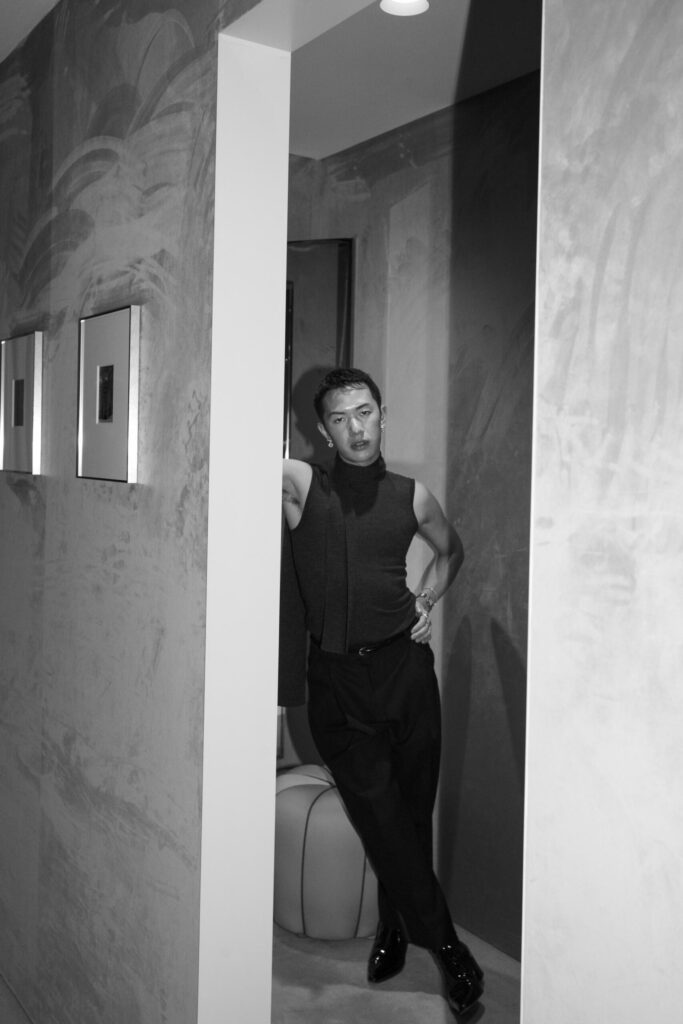
David Samuel Ko is an American designer and founder of Maison Ko, a Los Angeles–based interior design studio whose practice spans residential, commercial, and event design. Drawing on a multidisciplinary background in fashion, styling, photography, and interiors, he creates spaces that blur the boundaries between fashion and interior design, combining a sharp sense of style with an honest and approachable design philosophy.
After beginning his career in fashion public relations while apprenticing at an interior design firm, Ko founded Maison Ko to bring his multidisciplinary creative vision to life. Through the studio, he develops thoughtfully curated interiors that reflect each client’s personality and celebrates the belief that design is a deeply personal experience. His work has been featured in publications including Architectural Digest, Domino, and Clever.
“Understanding your own perspective and not letting all the noise dictate your decisions is very important. Essentially—trust your gut.”
INTERVIEW

© Jeff Jones
My journey started at a boutique interior design firm in Los Angeles, but it was something I had unknowingly enjoyed doing while growing up. After graduating from college, I had a hard time figuring out what I wanted to do and, in turn, finding a job I was interested in. I had always loved fashion but wasn’t quite sure it was the path I wanted to take, especially after realizing what having a career in fashion actually meant.
Throughout my childhood and teenage years, I expressed my creativity in a variety of ways, one of them being decorating my room and helping family friends decorate for the holidays. I didn’t realize what I was actually doing at the time—I just thought I liked my spaces to represent me, and I never imagined I could make a career out of it.
So when I started my first job at the design firm, I realized it was something I was good at and found purpose in. I worked there for a few years, had a short stint with another designer, and soon after started getting my own clientele. I founded my own firm in 2019.
I would probably say getting featured in Architectural Digest for styling a client’s home in 2020. Although I was still working really hard on making a name for myself and my company (and had A LOT to learn), it definitely helped set the trajectory for where my business would go in the years that followed.
That said, my career is ever-growing and changing, and I still have so much to experience. I love taking on new challenges and am constantly trying to become the best version of myself to show up for my team and clients.
Having a point of view. I think now more than ever, especially with social media, there is a lot of content out there telling you what you should and shouldn’t do in your home. While informative, I do think it can cause you to second-guess not only your space, but also your own style and taste. I work in a very visual industry and am therefore a visual person myself. Seeing other spaces can be very inspiring and important in training your eye, but it can also be challenging when you are trying to create a space that is true to you. So understanding your own perspective and not letting all the noise dictate your decisions is very important. Essentially—trust your gut.
As far as the business side of things goes, I would say knowing your worth and asking questions. Stay curious. If you don’t know the answer to something, don’t be afraid to ask. I think there is this pressure to act like you know everything because you are essentially coming in as an “expert,” but that’s how you can end up making mistakes. You will learn so much more if you are honest with yourself and your clients, and work to find a solution or answer. At the same time, knowing when something is worthwhile for you and your growth is very important. Working with an advisor to provide insight is an expense I always suggest as well. It’s better to have structure and organization from the start so you can really set yourself up for success. Your time and creative input are your most valuable assets, so treat them as such.
My design process always starts with a conversation with my client. Interior design is a sensory experience, so I like to get a pulse check from my clients on how they want the space to feel, what inspires them (cities, hotels, movies), their favorite colors, textures, and scents, and other similar questions. From there, my team and I begin to develop mood boards based on how we envision the project and spend time pulling references. Once we have everything compiled, we create a deck that we send to our clients for feedback. It starts off more broad, and once we receive their notes, we begin to hone in on the spaces in greater depth, sharing things like interior architectural details, color palettes, material suggestions, and even furniture and lighting inspiration.
Designing is such a collaborative effort between me, my team, and our clients. We value our clients’ feedback since, at the end of the day, they are the ones living in the space. Projects are constantly evolving, and my clients know that, so even during construction, changes are often made on the fly. The final product is an intentional and well-thought-out space that has had so much care poured into it. You can really feel that in the end.

© Jeff Jones
My signature style in design is something that I am still refining. What I liked when I first started out is so much different than what I am drawn to now. But since you are asking me today, I would say my style is mid-century with European and Japanese influences.
I always look at spaces the way I look at putting an outfit together. Sometimes I’m in a chic, classic mood, but then other times I want to be bold and wear something flirty and fun. I think each space has a different mood, and as long as there is a consistent story being told, it can all work together harmoniously.
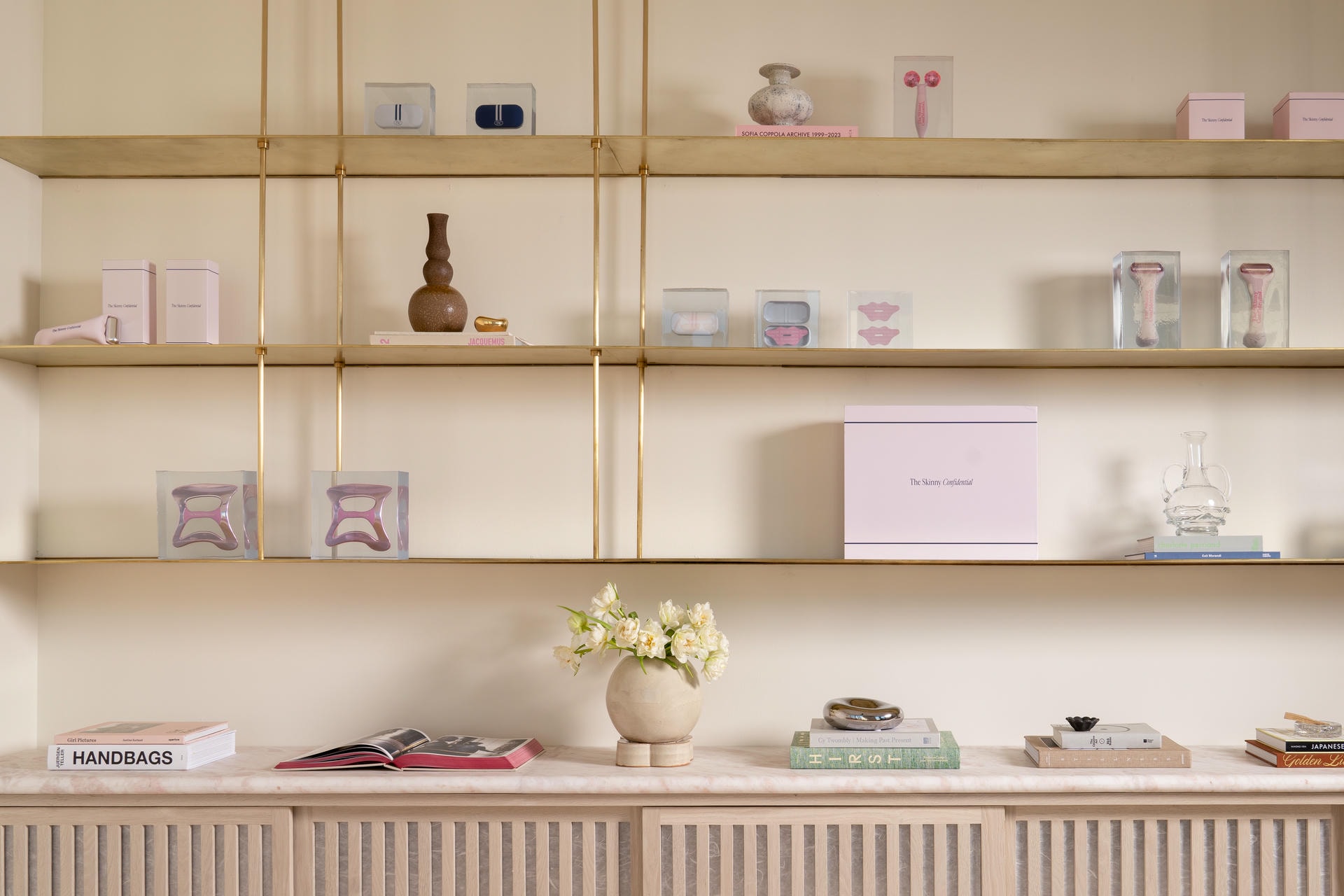
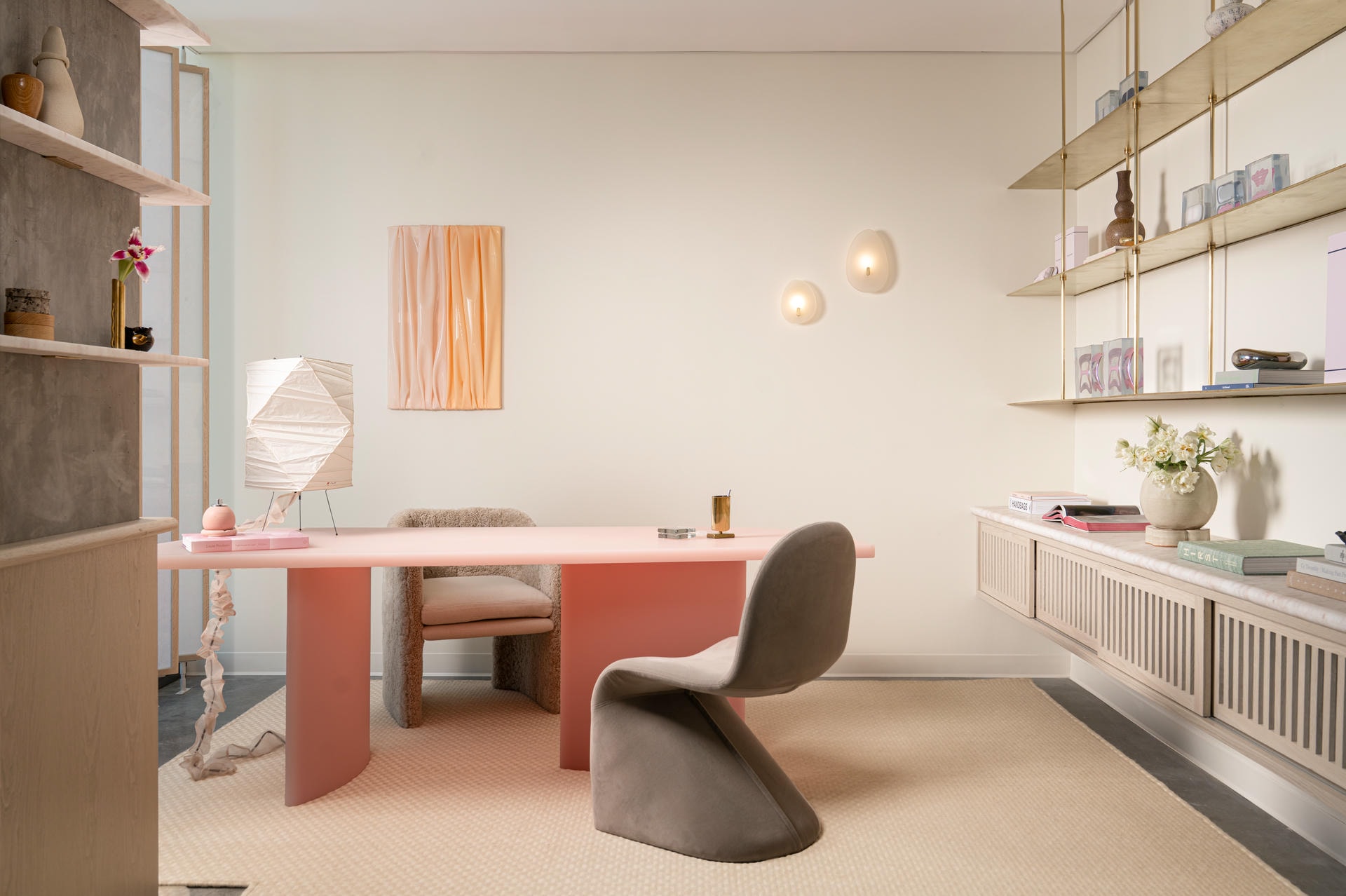
I would have to say my most recent project, designing Lauryn Bosstick’s office for The Skinny Confidential. It was my first project with her as a client, and she really gave me creative freedom with the space. She is so trusting, and any wild idea we had, she was game for. It’s one of the first completed projects that truly feels like a Maison Ko–designed space.
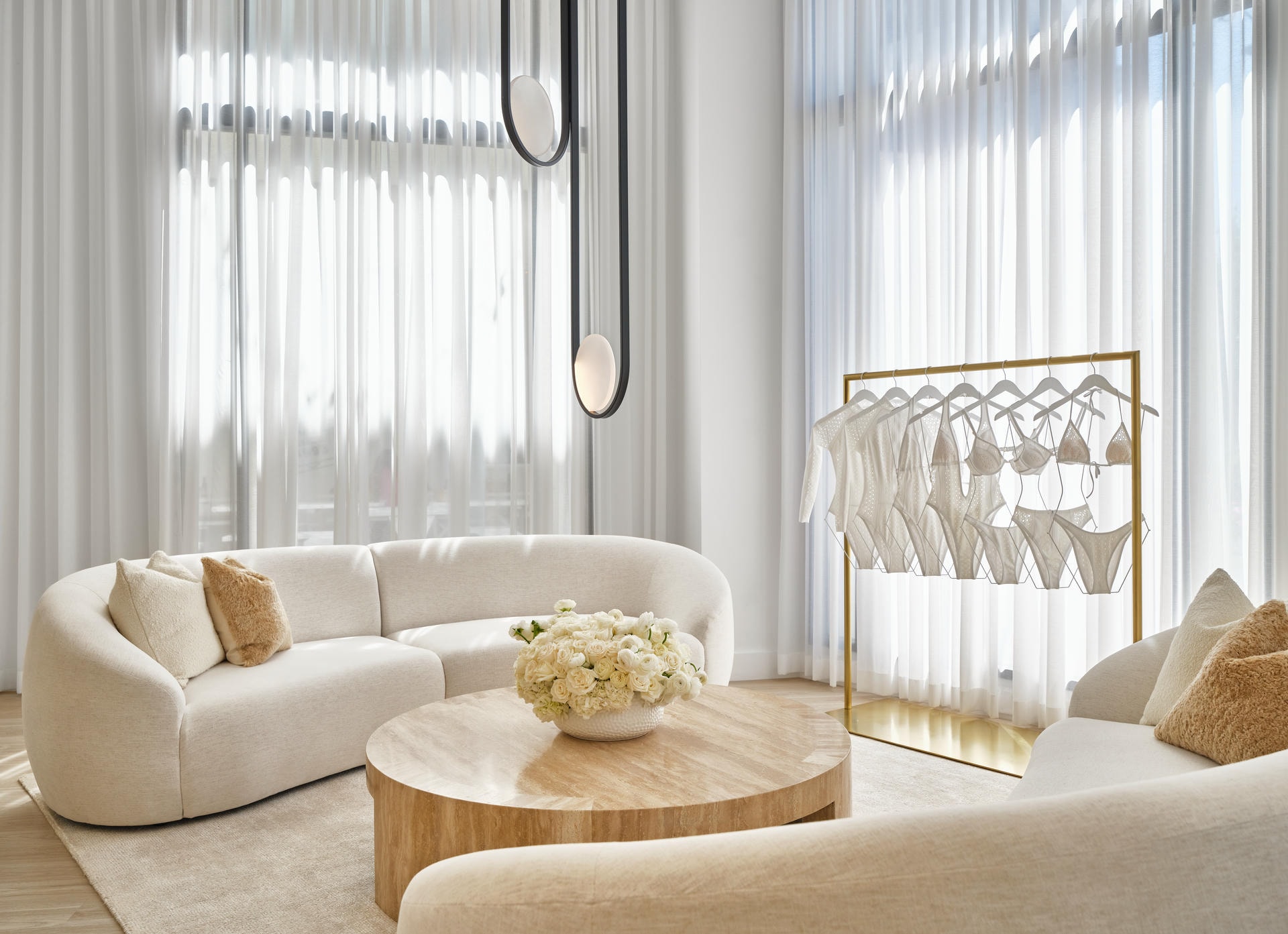
My company also does event production, and I would say my favorite project to date would be one I did for the Japanese skincare brand Tatcha at Flamingo Estate.
Learning how to say no and stand up for myself. I’m such a people pleaser, and I’m in an industry where that is essentially what I’m paid to do. I’m in a constant state of wanting to make my clients, team, and vendors happy. Otherwise, I feel like everything will blow up in my face.
That said, I’m really learning to have boundaries and stand my ground in situations that require it. When building a business, saying yes to everything doesn’t always make sense. There is a level of strategy involved, as you need to make sure it makes sense not only for yourself, but also for your team and your resources. So it’s about navigating what will benefit not only my company, but everyone involved as well.
I don’t know if there has been one piece of advice that I’ve received and thought, “Oh wow, I’m going to live by that till the day I die,” but I will say that words of affirmation from my clients, team, and vendors are something I do not take for granted and are what keep me going. I do not expect any praise for the work I do whatsoever, so when it comes, it’s the biggest reminder of, “Oh yeah, this is what it’s all about.”
It’s also very easy to get distracted and lose sight of what it all actually means. So now, whenever I receive a really nice email or text, I screenshot it and put it in a folder on my phone so I can always look back if I ever need a pep talk to keep going.
Think outside the box. With all the interior design content and imagery already out there, there is always room for a refreshing new perspective. Don’t follow trends, set them.
Lie With Me, Philippe Besson.
The Diary of a CEO, Steven Bartlett.
More Than One Thing, Athena Calderone (Not currently active, but still a good listen).
If you’re unsure about measurements, especially for custom pieces, I always measure them out and use blue tape to physically map them out on the floor to get a sense of how they will feel in a room. I’ve been doing this ever since I started. It has saved me from a lot of headaches and anxiety.
Oh, and also make sure things will fit through your doorways. 🙂
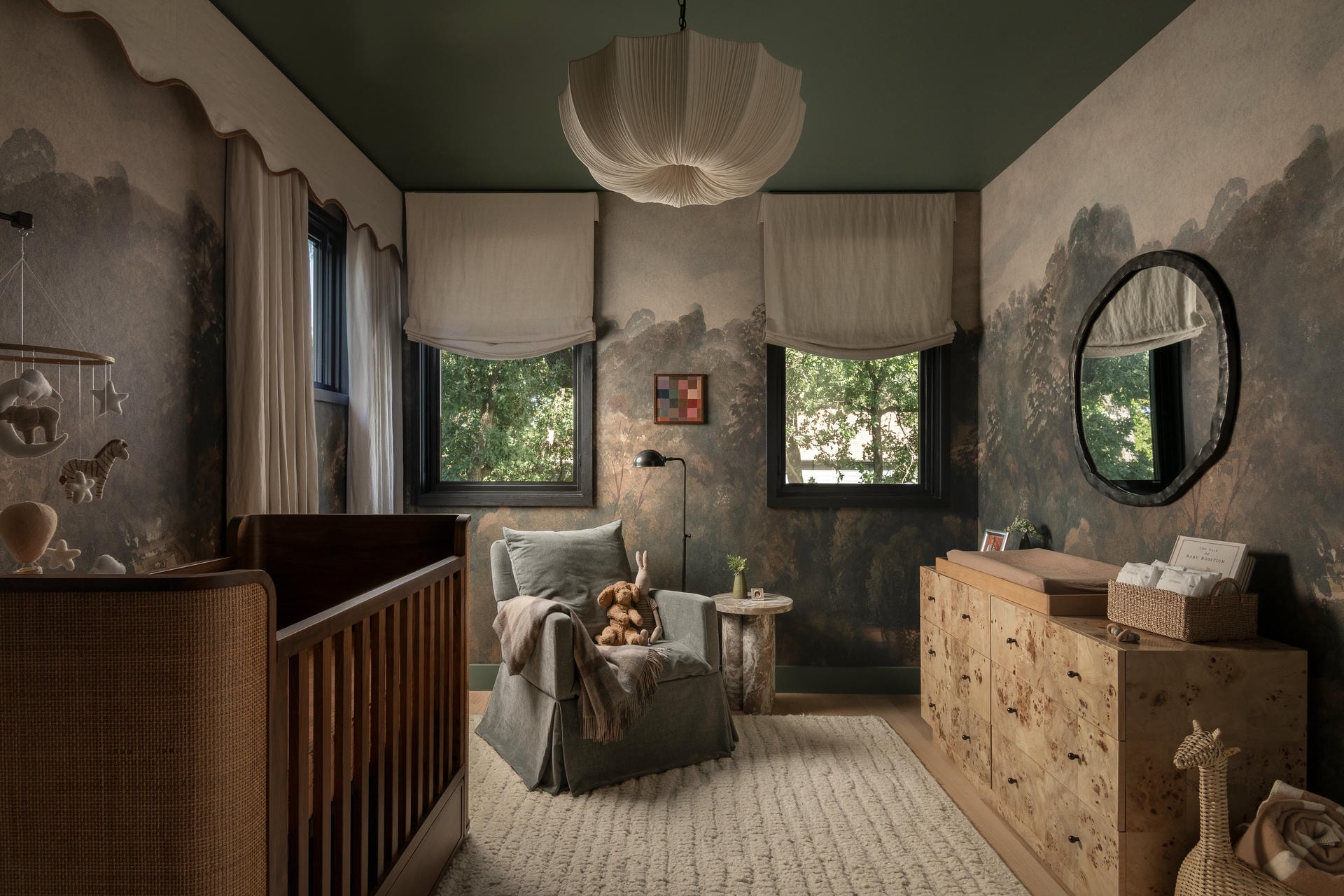
I’m working on a residential project in Austin, TX that I’m really excited about and is very much me and my team’s current style obsession. Sourcing a lot of beautiful lighting, furniture, etc., and can’t wait to see it all come together.
Thank you so much David, for this lovely interview!
Share article :