Noz Nozawa
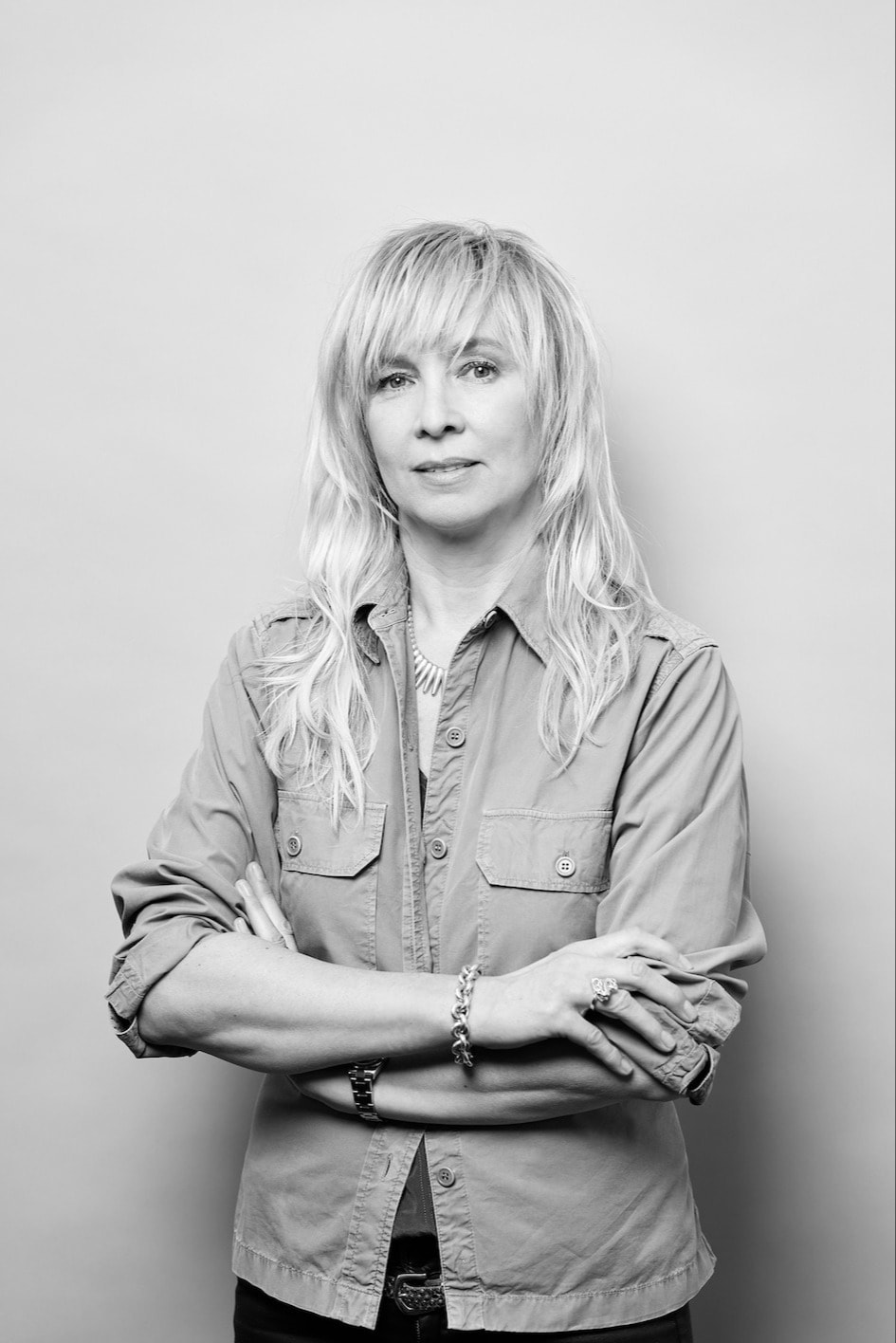
Noz Nozawa is a San Francisco-based interior designer and founder of Noz Design, a studio she established in 2014 after leaving a career in the corporate world to pursue her passion for design. Her practice is rooted in the belief that interiors should reflect the individuality of the people who inhabit them, creating expressive, personal spaces that encourage a sense of belonging. Rather than following a particular aesthetic, she embraces unexpected combinations of colors, materials, and details to create environments that tell the stories of her clients.
Her work has earned recognition from Architectural Digest’s New American Voices, House Beautiful’s Next Wave, Sunset Magazine’s Best of the West, and the Luxe Magazine Gold List. Alongside her design practice, Noz is committed to fostering a studio culture centered on kindness and putting people first. She holds a bachelor’s degree in Economics with a minor in Art History from the University of Pennsylvania.
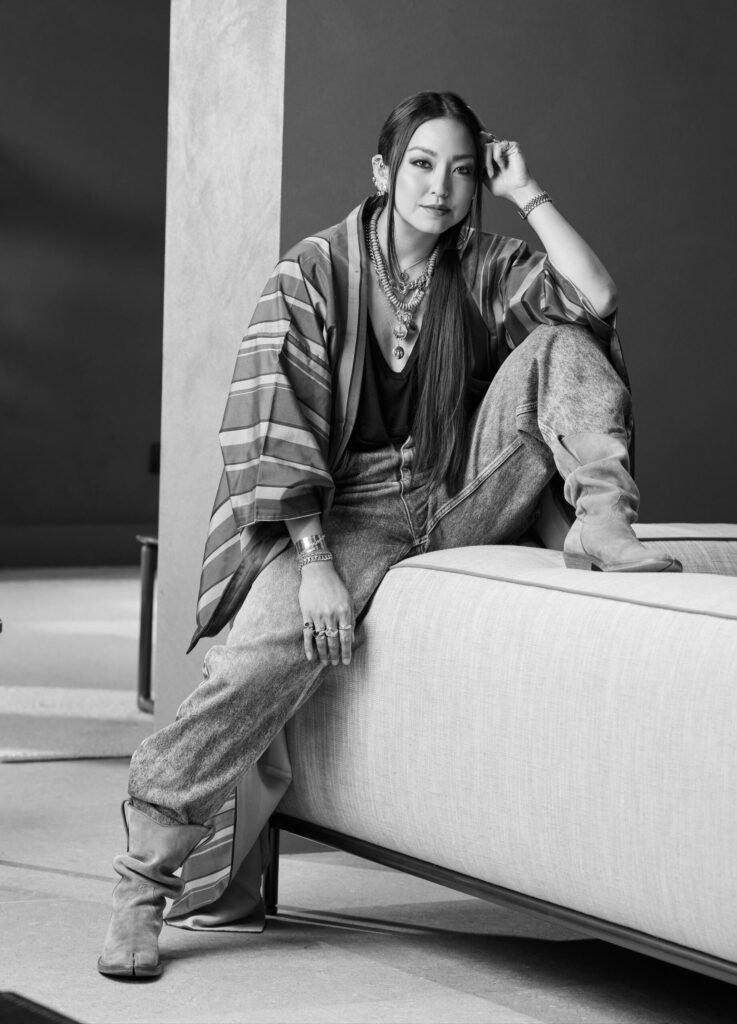
“I want our clients to step into the spaces we’ve created for them and feel that they have ‘come home to themselves.’”
INTERVIEW
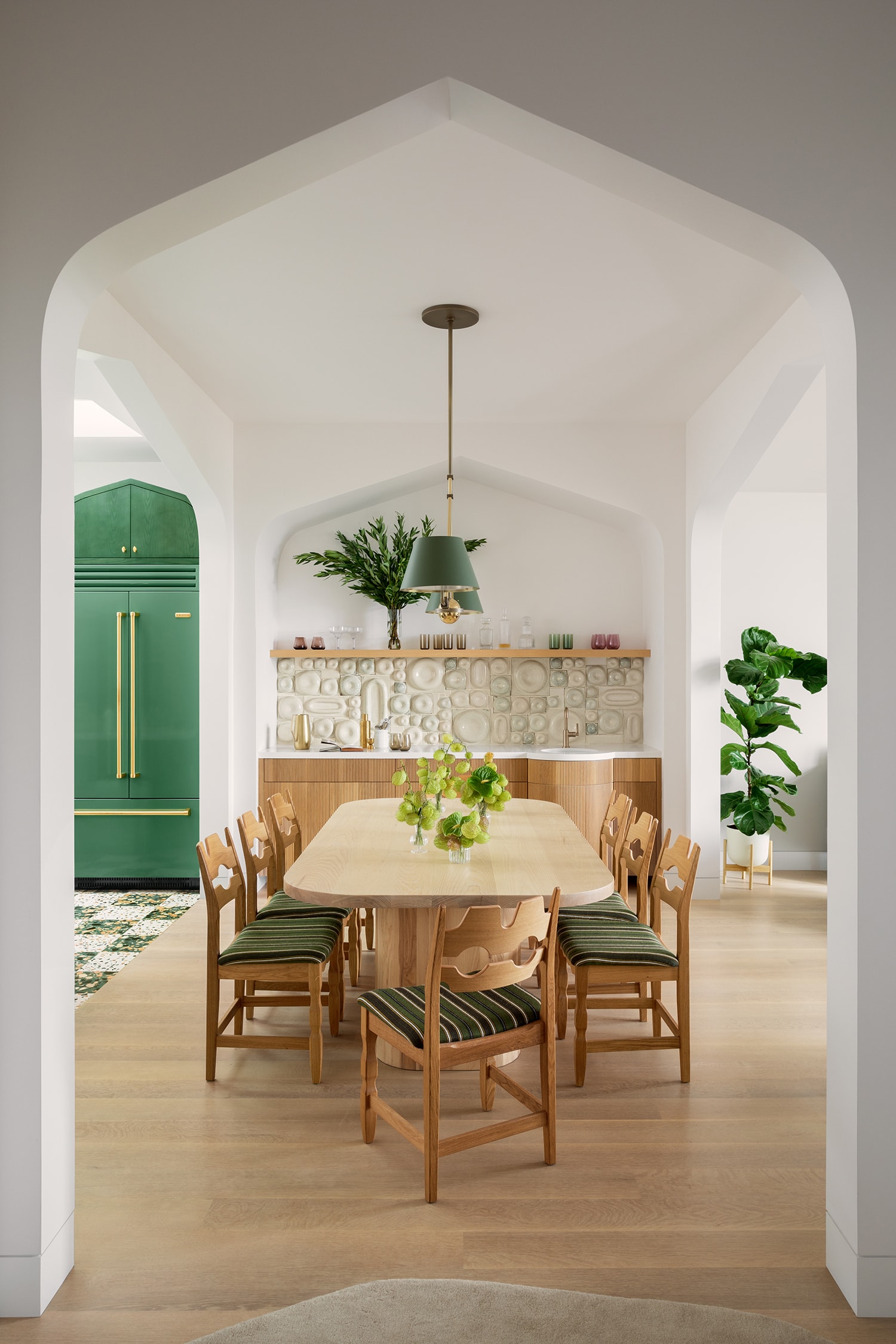
Since I was a kid, I have loved home design. My dad would bring me and my sister to our local Bookstar, and I’d skip the children’s section and head for the design section to thumb through pages of books about bathrooms + living rooms.
But growing up Asian American meant that I studied “business” in college, which was safer. I ended up in marketing, which led me to a job at Houzz in 2012 when it was still a startup. My job was to meet designers, architects, builders, and landscapers, who all shared that they had “standard” careers in law, finance, medicine, etc. before changing industries. Their paths gave me the courage to quit my job and start my interior design studio!
Well, 2020 (despite being a terrible year otherwise) was the year that AD and House Beautiful recognized me as a rising design talent, when until then, I’d never thought a magazine would ever even publish my work!
But really, it was 2022 when we could start traveling again, that I was able to meet people, make community in this industry. I also did the Kips Bay Decorator Showhouse in Palm Beach, where AD discovered me for their “AD Space Savers” video series.
To me, successful interior design has to be personal. It has to be specific to, and tell the story of, the people who will live in that home, or who will be guests in that restaurant. For my clients, I want them to feel like the homes we’ve created for them feel like they’re coming home to themselves – that they’re surrounded by reminders of who they are, where they come from, and what they love.
And I think centering the individual, not abiding by a specific aesthetic formula or rubric, is why my studio has been successful too (with the caveat that my definition of success looks like keeping our team and project volume boutique!).
Our projects always start with the client – we have them tell their story and their dreams of the life they want to have in their new space. And then we listen for threads that help us identify the narrative that we can bring body and surfacing to.
Sometimes it’s a word or a theme that keeps coming up; sometimes it’s a pattern or motif we observe they have saved.
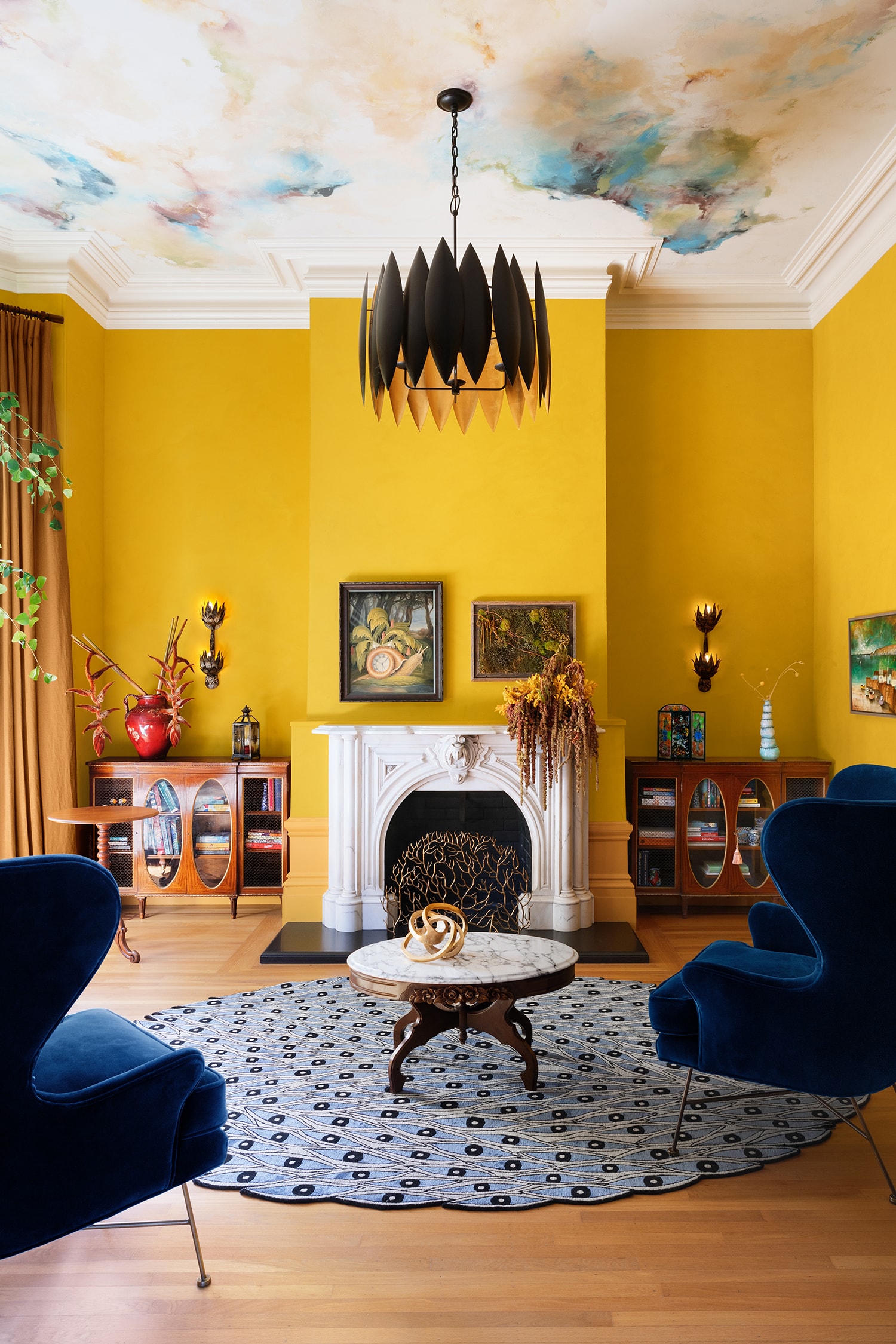
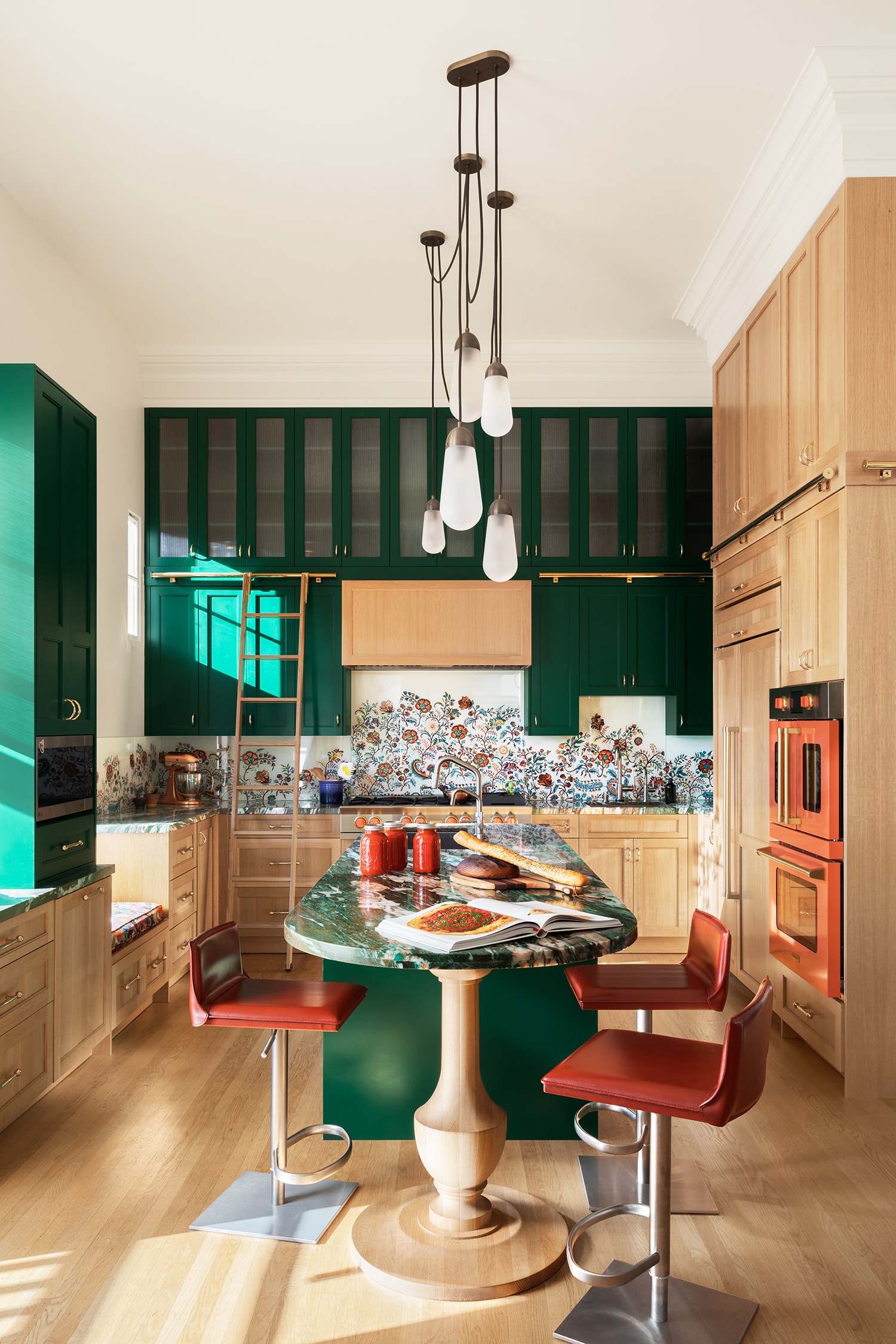
I think there is a freedom to the way I design our projects that really allows us to capture who our client is in their homes. Because I think we’re untethered from any expectation to create spaces that are strictly “beautiful,” we can really instead be idiosyncratic about each project so that they tell their inhabitants’ stories. I want our clients to step into the spaces we’ve created for them and feel that they have “come home to themselves.”
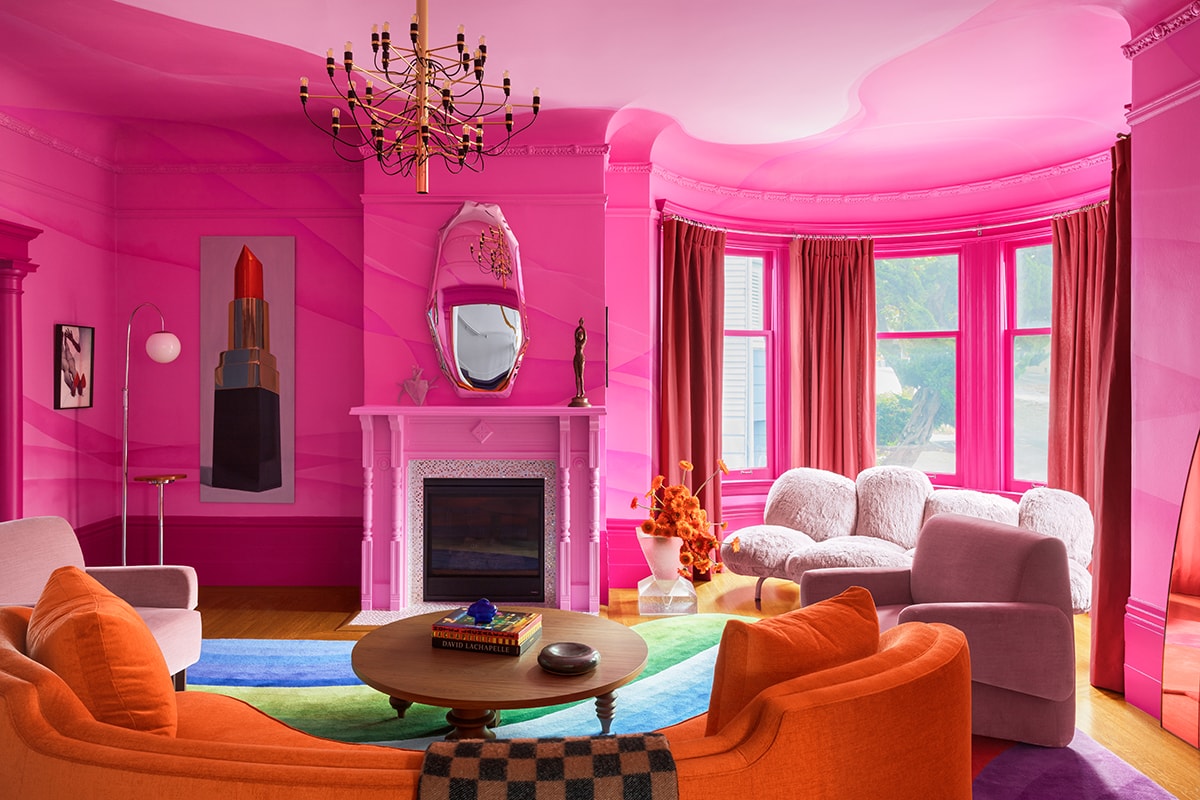
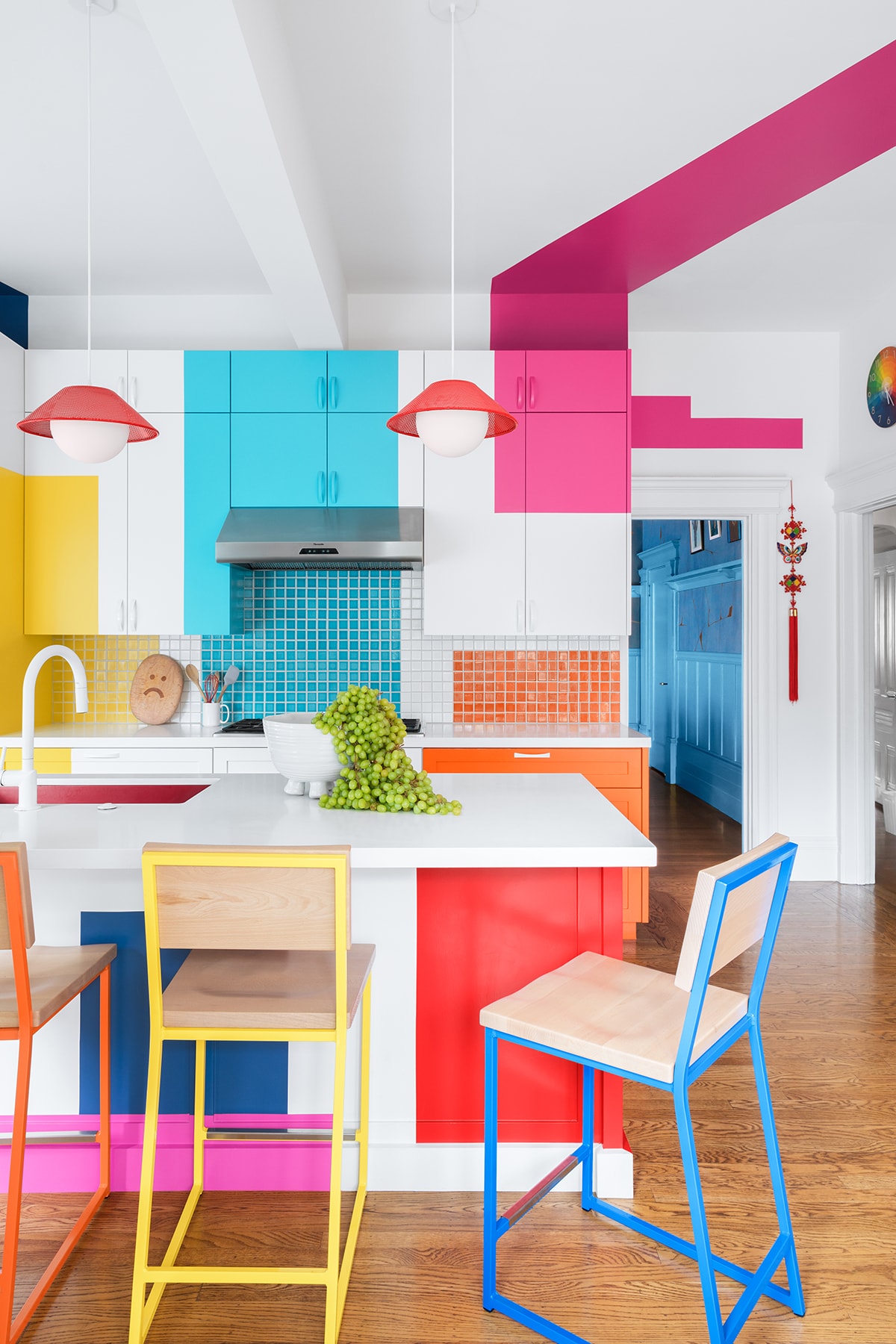
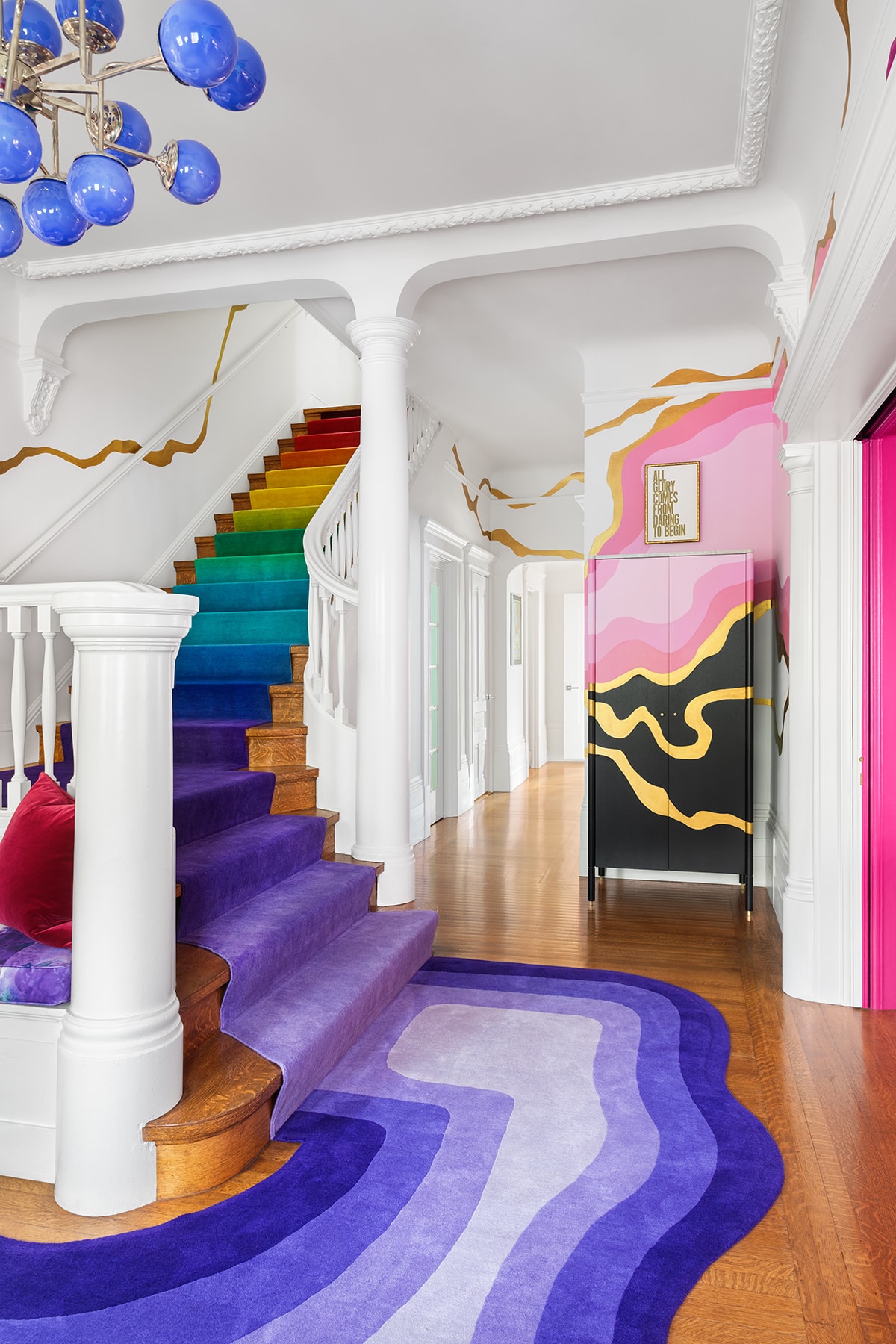
It’s so tough to pick a favorite, but I am so fond of our projects where I have really had to grow. My Rainbow House project, for example, was my first experience in editing down the limitlessness of our client’s ideas for their “Rainbow” design brief! It’s ironic, because it’s still one of my most exuberant projects; but the challenge was in creating rooms that all felt unique in how they tied to “Rainbow,” while creating language that allowed the home to feel cohesive.
That a lot of times we are at most 50% in control of the situation. I can want something to work out, a project, a team member, a design idea, so badly — but there is someone else on the other side of the relationship or transaction who has to agree to be on the same journey. It applies to much more than just my design career, but the lesson has been (and continues to be) in being fluid in adapting to and accepting the 50% that is in my capacity.
Do it before you think you are ready. You’ll never feel ready enough. Once you do it, you will figure it out. (This has been so important to me when it came to making my first full-time hire, getting my own office, saying yes to my first licensed lighting collection, and so much more.)
Everything is the hardest at the beginning. Potential clients don’t take you as seriously. Vendors don’t take you as seriously. It is harder to make friends and find community. Not knowing something triggers imposter syndrome instead of excitement for being new to it. If you can muster enough grit and enough capital to tough it out, and if you can keep loving your craft through these demanding early times, you will make it.
We actually just fully released season 1 of Objects of Desire, a new podcast from 1stDibs that I co-hosted with 1stDibs Editorial Director Tony Freund! My favorite episodes were with drag performer Detox, comedic writer and creator Dan Rosen, and New York Magazine’s Wendy Goodman and Jerry Saltz, art critic.
Separate from that, I’ve been a years-long subscriber to podcasts Criminal and This is Love, hosted by Phoebe Judge. Every episode is its own story about incredibly varied topics, from spiritual guidance for inmates on death row to the theft of extinct bird feathers from a natural history museum to use in fly-fishing lures.
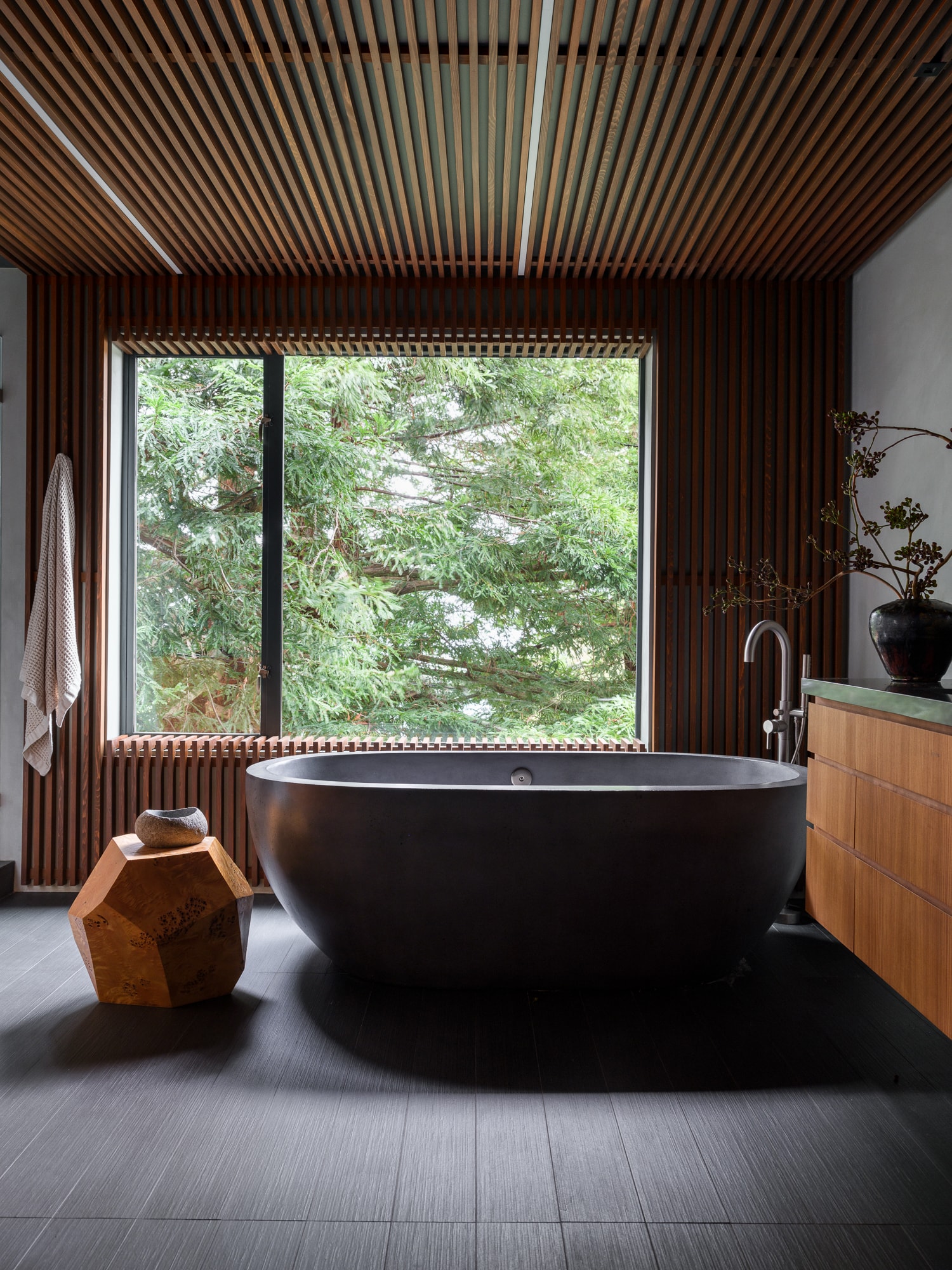
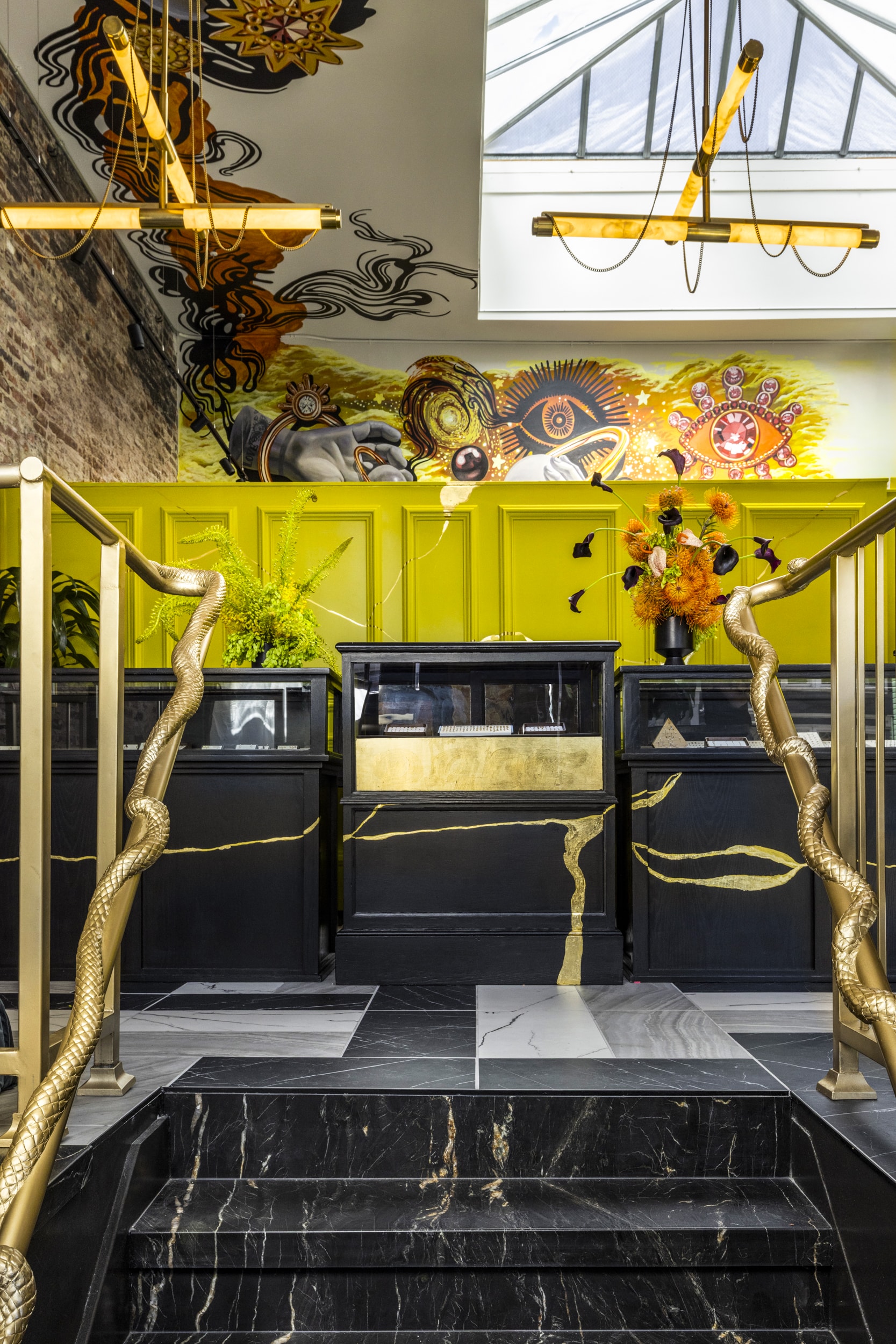
This is very specific, but I feel strongly that if you want to do a very colorful room, it should not represent the “full rainbow” – that a fully saturated room, even if the brief is “Rainbow,” feels best when 1 big color category is omitted.
For example, in our rainbowiest living room, we left out yellow. In the Rainbow House kitchen, we left out green and purple. If an element in the room is meant to literally be a rainbow, that’s one thing. But otherwise, I do think that a more harmonious room that is packed in color benefits from this minor act of aesthetic restraint.
We’re almost completed with a lakefront home in Lake Tahoe that I am incredibly proud of. It is a magical property. We’re building the pier into the lake this summer, and I can’t wait to be able to share photos when it’s all done.
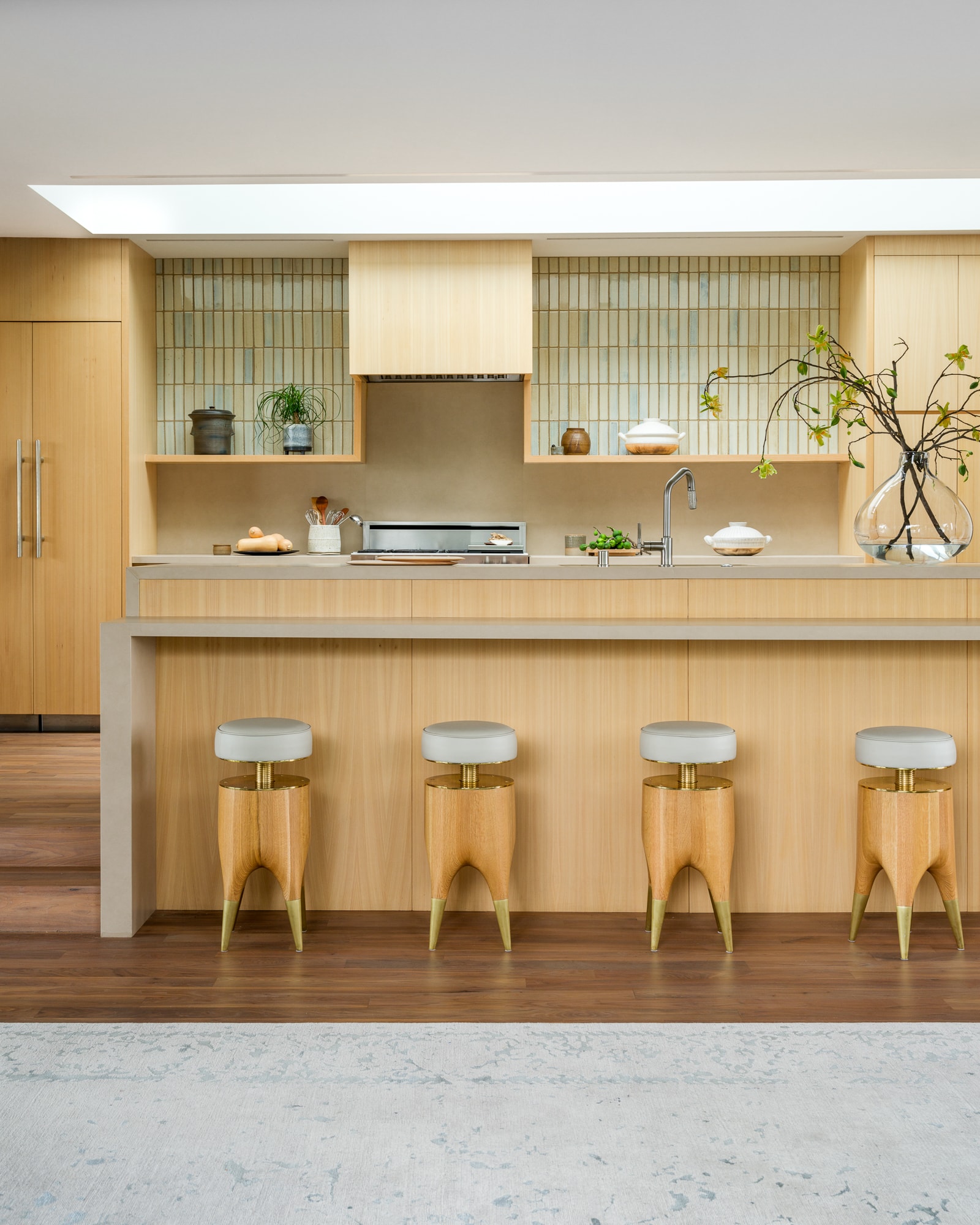
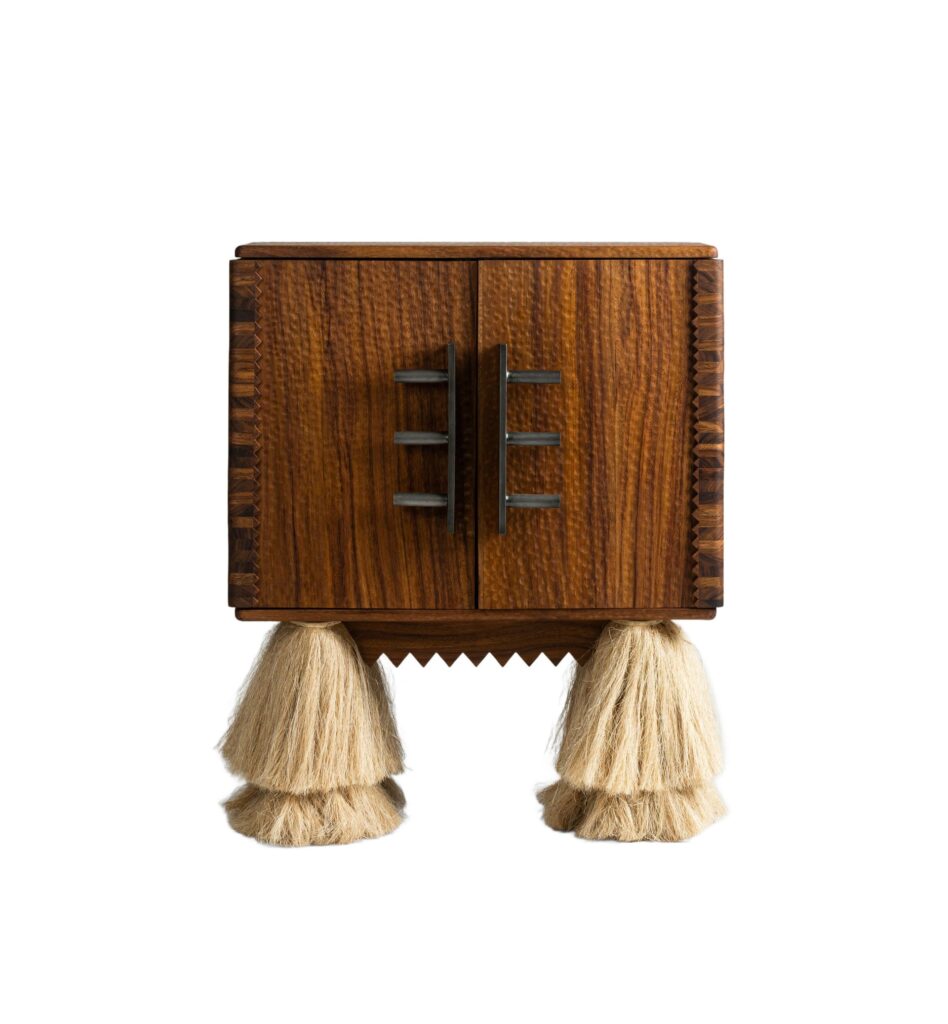
I’m also working on a very fun collection that will debut in January. I wish I could share more, but it will reflect a coming together of my urban life in San Francisco, my life in the mountains of Lake Tahoe, and my love of Japanese design.
Thank you so much Noz, for this lovely interview!
Share article :