
Niek Joanknecht – FIRM Architects
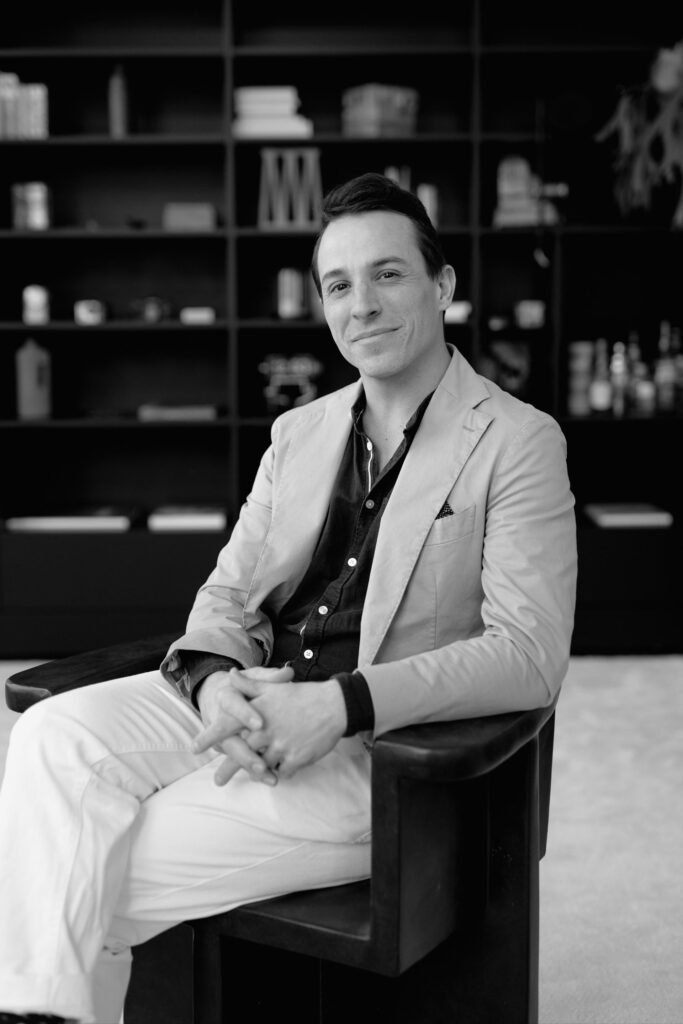
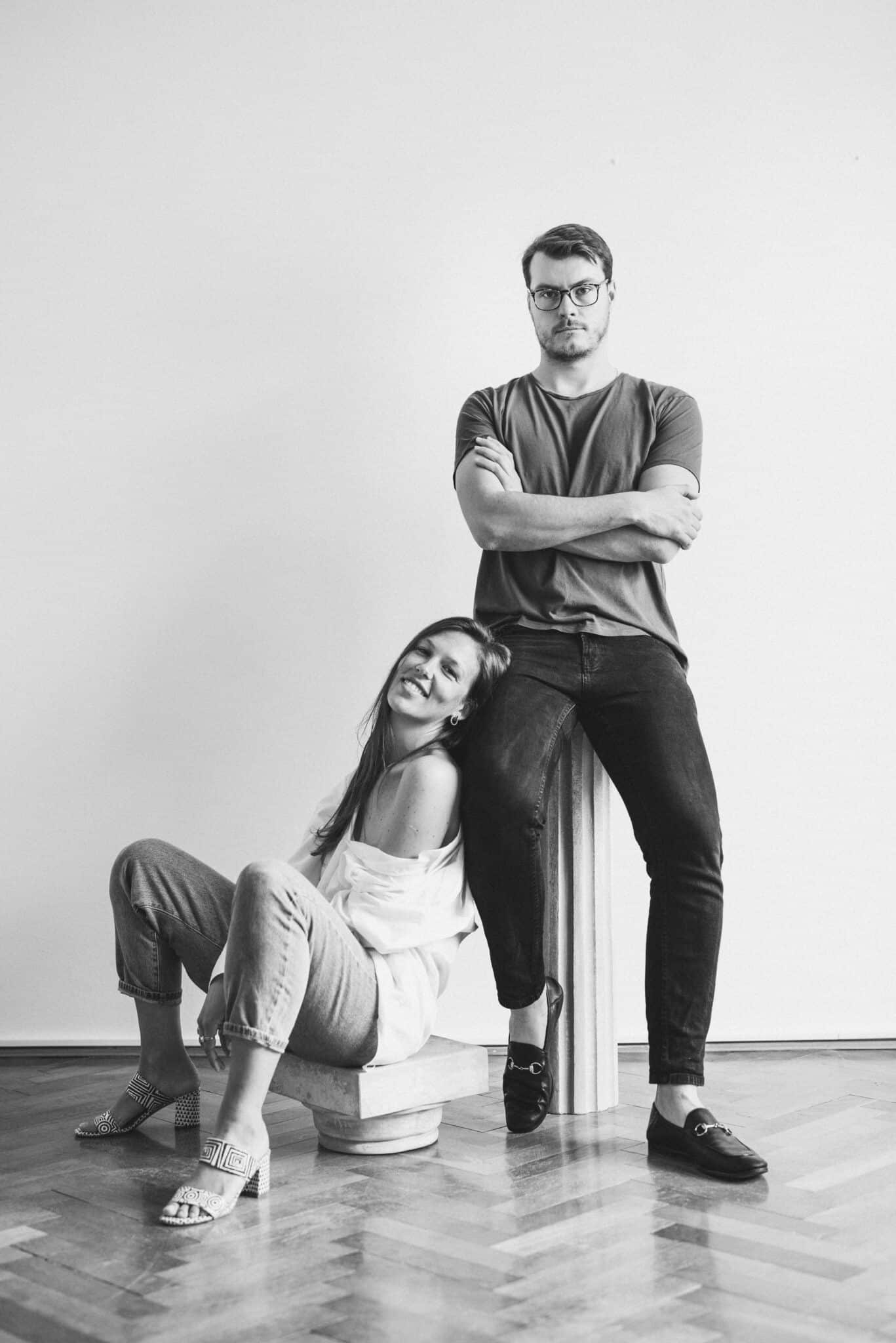
Niek Joanknecht is a Dutch architect, interior architect, and furniture designer, best known as the co-founder and Creative Director of FIRM architects, an internationally recognized architecture and design practice. Following his studies at art academy and a brief period working in finance, he co-founded FIRM architects with his friend and creative partner, Carolien. Over nearly a decade, the studio has established itself within the international architecture and design landscape.
Alongside his work at FIRM architects, Joanknecht continues to explore design across different scales and disciplines. His ventures include VormVast, a development company, and the beginnings of a furniture company centered on storytelling and narrative. Through these projects, he extends his creative practice beyond architecture and interiors into property development and furniture design.
“Life is a garden, not a road. We enter and exit through the same gate. Wandering where we go matters less than what we notice.” — Kurt Vonnegut
INTERVIEW

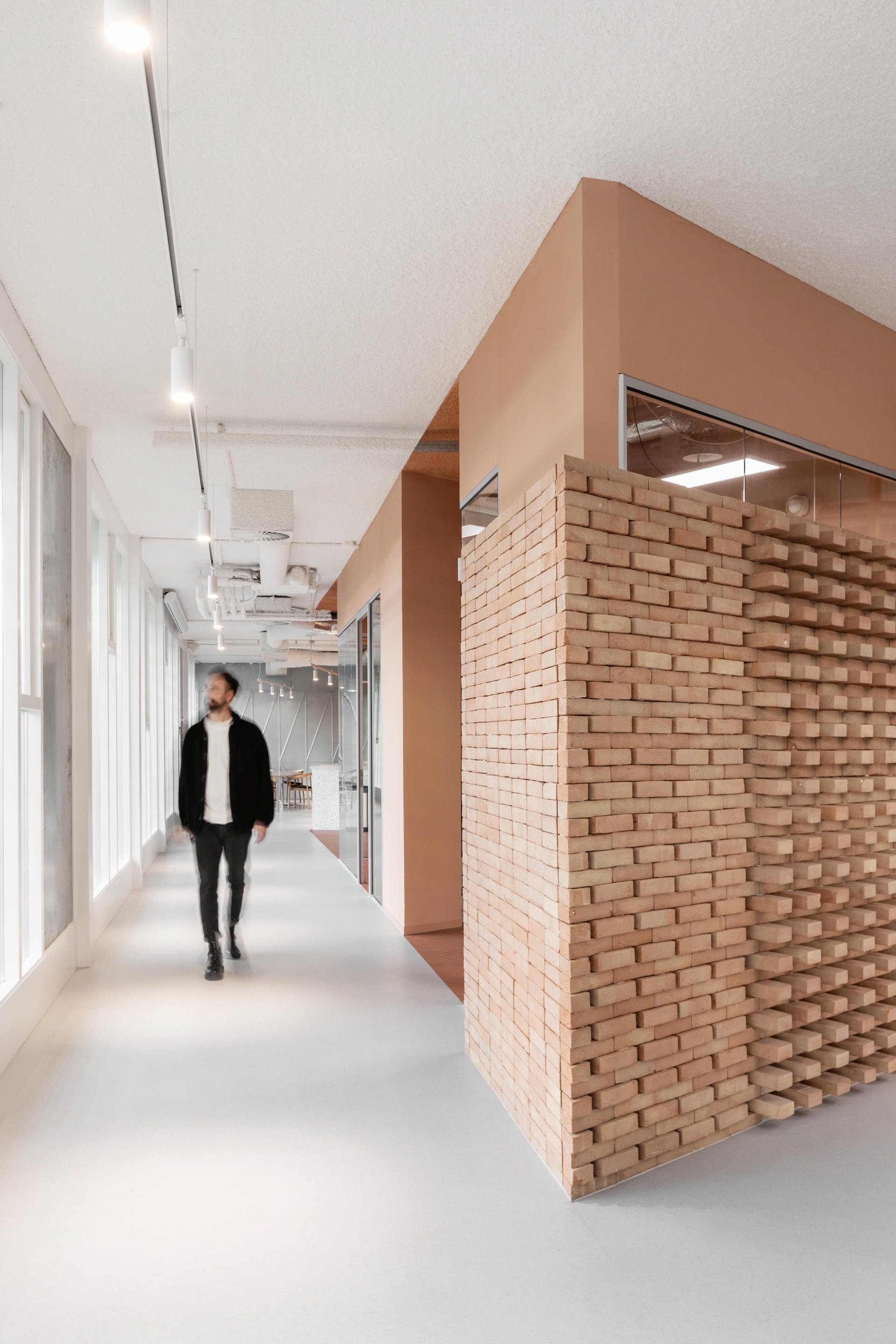
The Fish Factory © Giovanni Nardi
As a young kid, I was always building models of houses and buildings, from all sorts of materials and in all sizes and styles. Often with working elevators, lamps, or other technologies from old, dismantled devices. And in all different styles, from cardboard skyscrapers to wooden Wild West villages.
After that, I started to redo my room a lot, especially drawing how it should look, already incorporating concepts, which back then were mostly things like a high sleeper with a jungle world around it, for instance.
In high school, I made a switch to cooking and music, but after high school, I decided to go to art academy and study spatial design and architecture. This is where and when I met Carolien, my business partner. We became close friends and did a lot of academic projects together.
Both our hands-on mentality and interest in conceptual design and art, as well as our love for wine and late evenings, paved the way for a shared future in architecture. We remained each other’s biggest fans and critics for years, and in 2017, we started FIRM Architects.
We call the method narrative design. Our style would be best described as Poetic minimalism.
We start with what many designers would call the boring stuff. We project-manage and plan, and more importantly, we talk with our clients. We ask questions. A lot of questions. Those questions are about the building or site, but also about music, art, or their favourite food. We want to get to know our clients.
From these sessions comes the input for a concept. The first signs of a narrative that could fit the building or site and the identity of the client. We overlay this onto the programme of demands and wishes of the client and find the positions where to focus the narrative in the design.
To have a dialogue with the context means understanding the context first. We approach this in a rather methodical and scientific manner. We start with the history of the place and its surroundings, but also look into the infrastructural fit, the surrounding typologies in architecture and vegetation, the relation to the area or city, and of course, the conceptual, compositional, and narrative elements of the building itself.
Combined with the story from the client, we look for poetic hooks that could form the basis of a design concept.

Land Over Water © Giovanni Nardi
The Fish Factory © Giovanni Nardi
FIRM Architects stands for embedded architecture. Spaces that are grounded. We have a philosophy of designing spaces where everything should be intentional. This translates not only into intricate, unique, and storytelling elements, but also into the opposite. This leads to a fundamental design question we always ask ourselves: Should it be invisible or applauded?
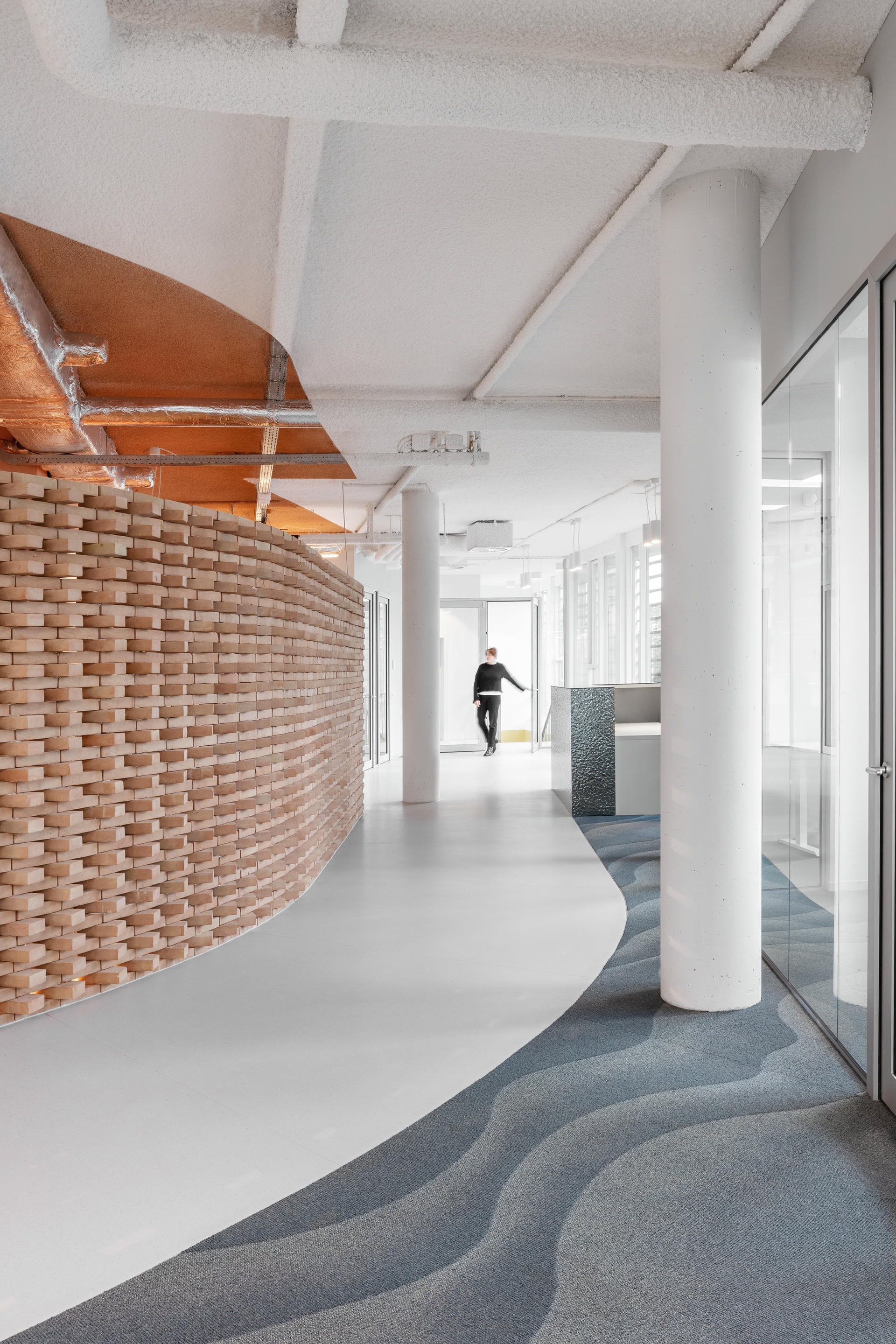
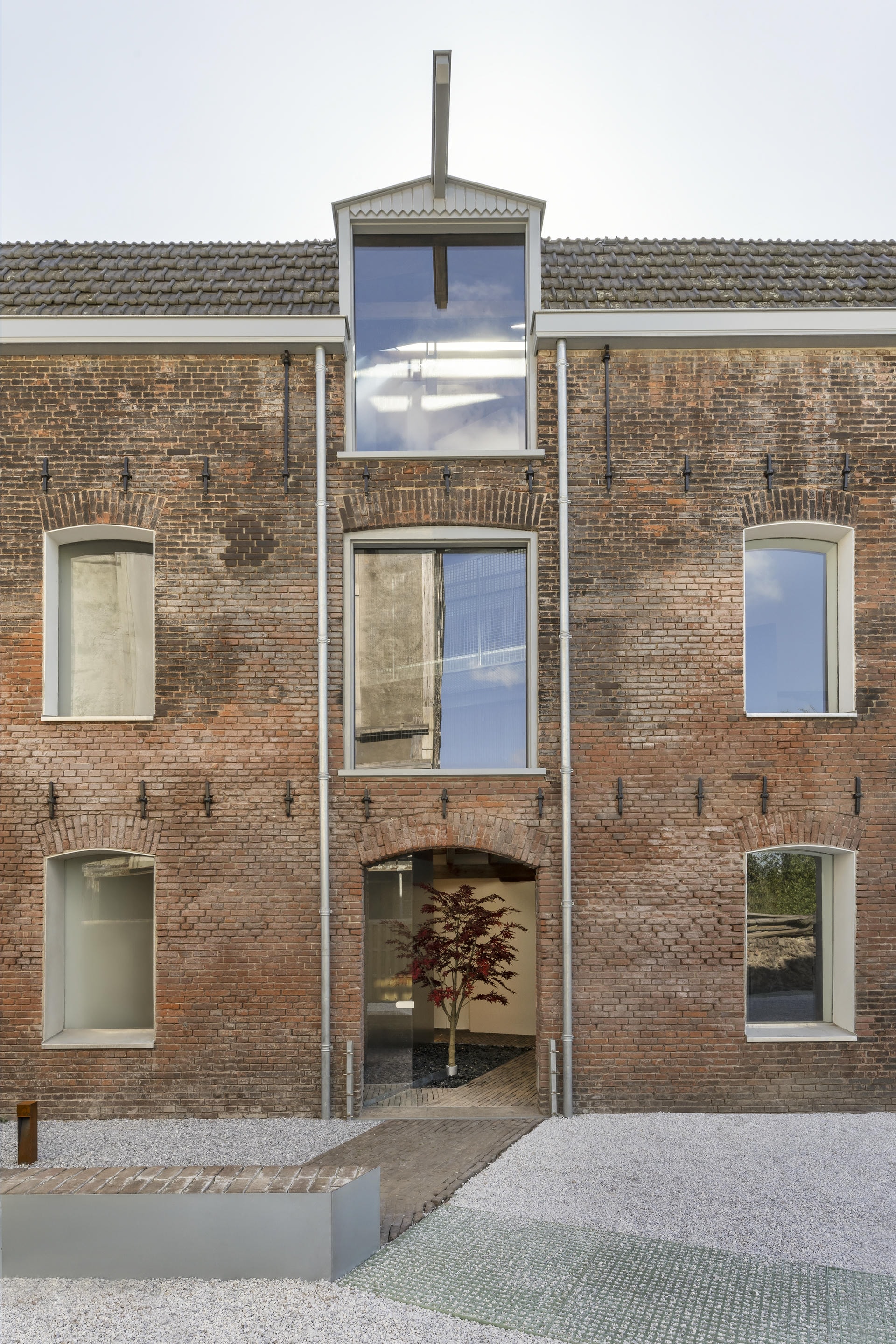
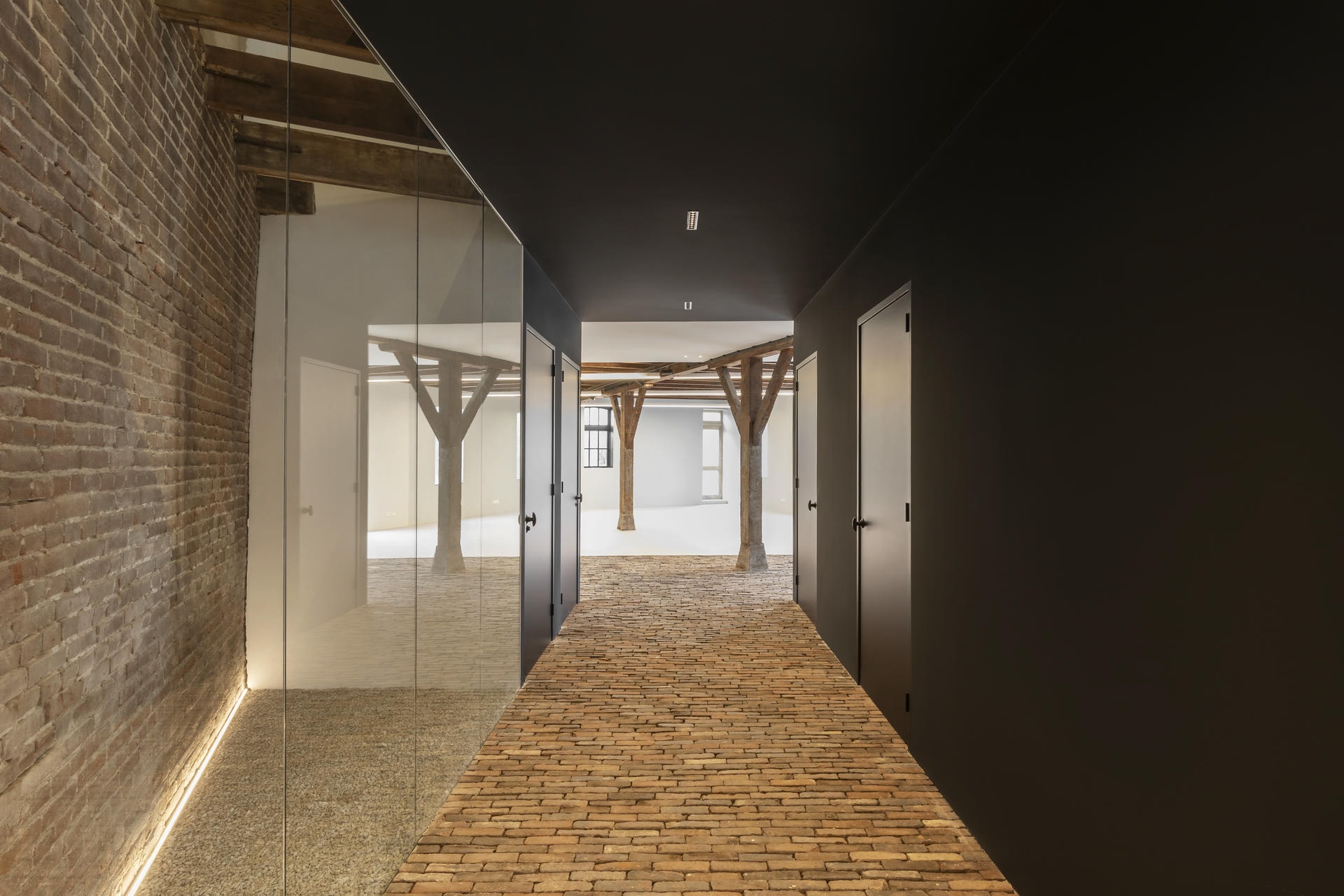
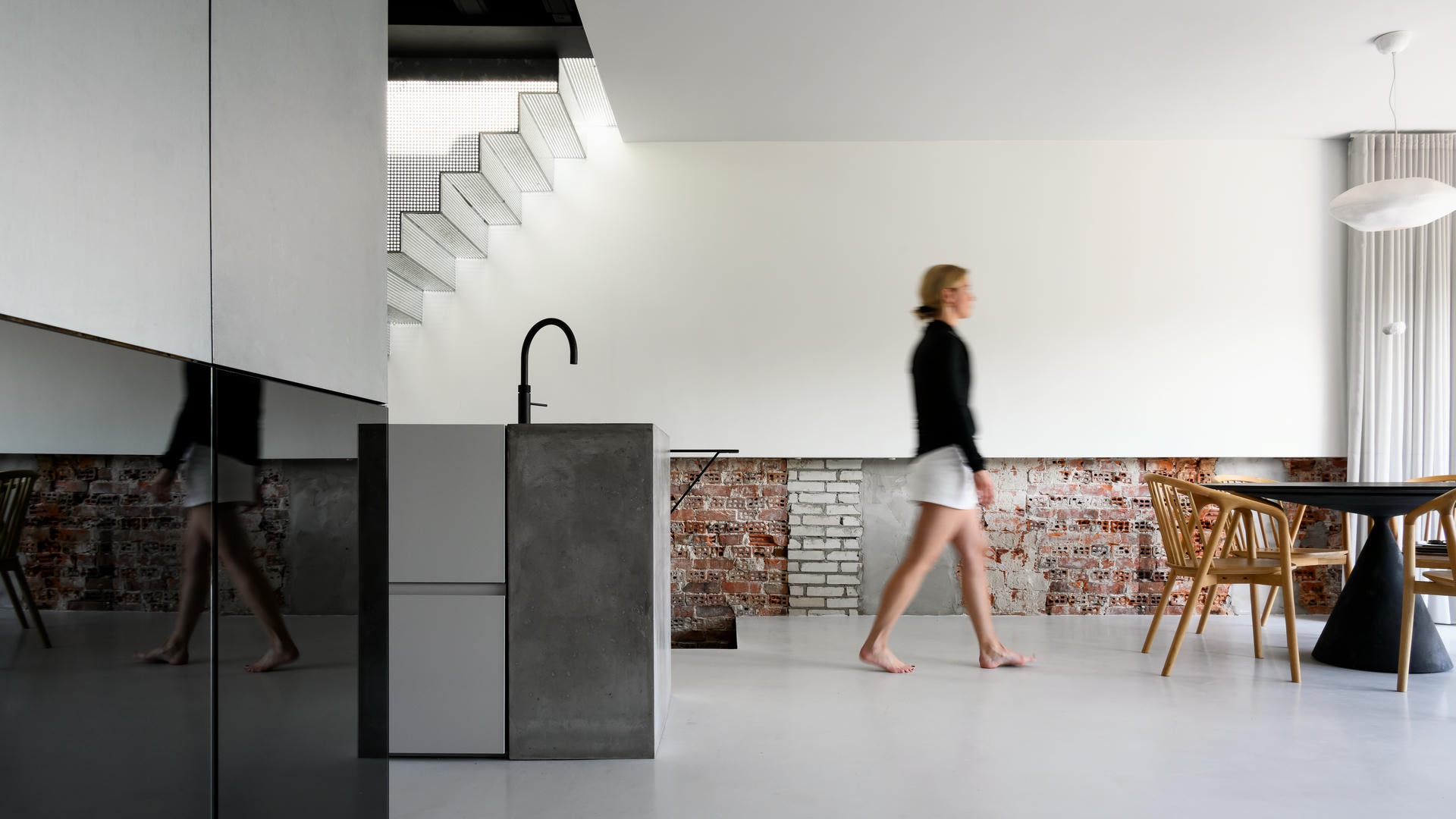
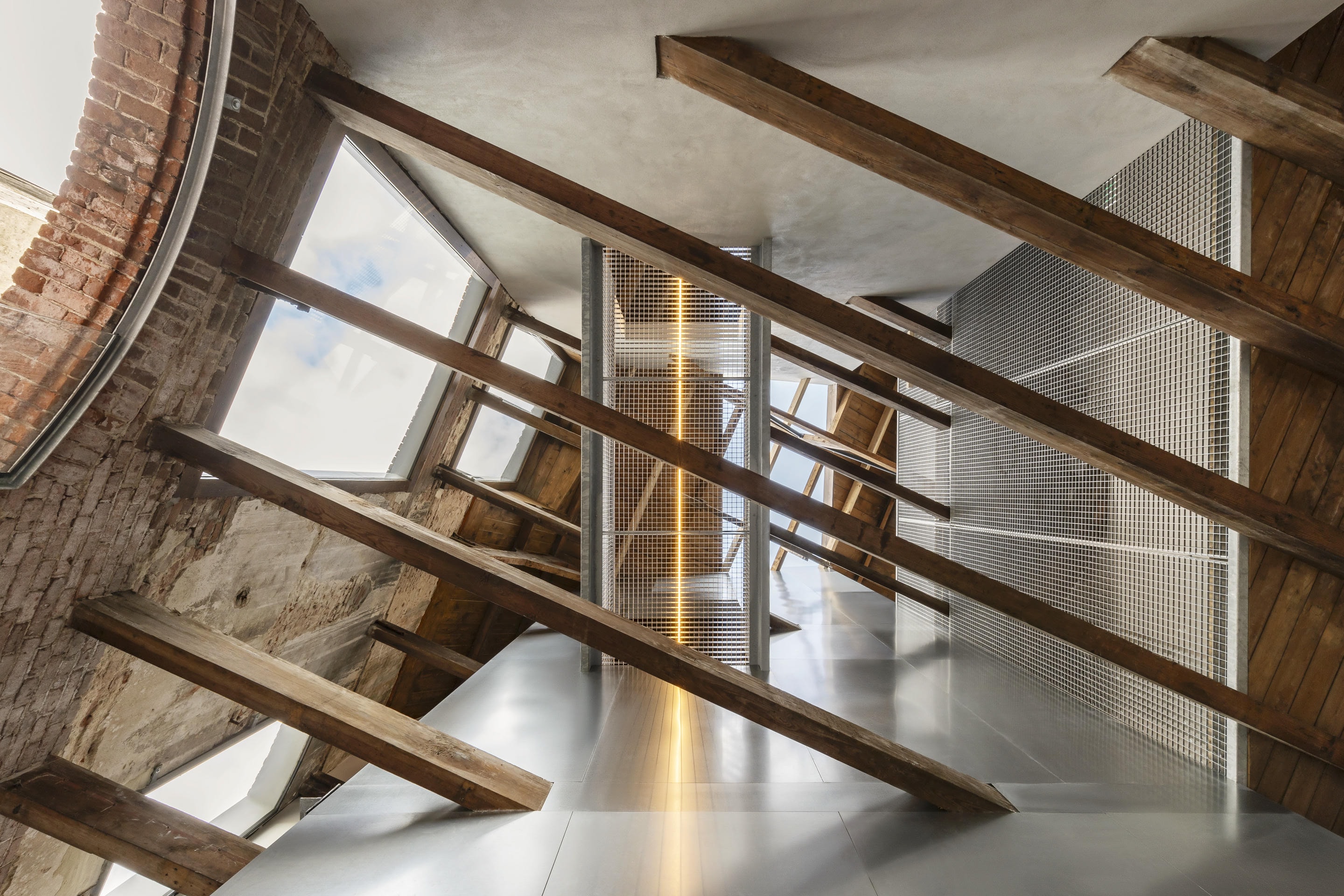
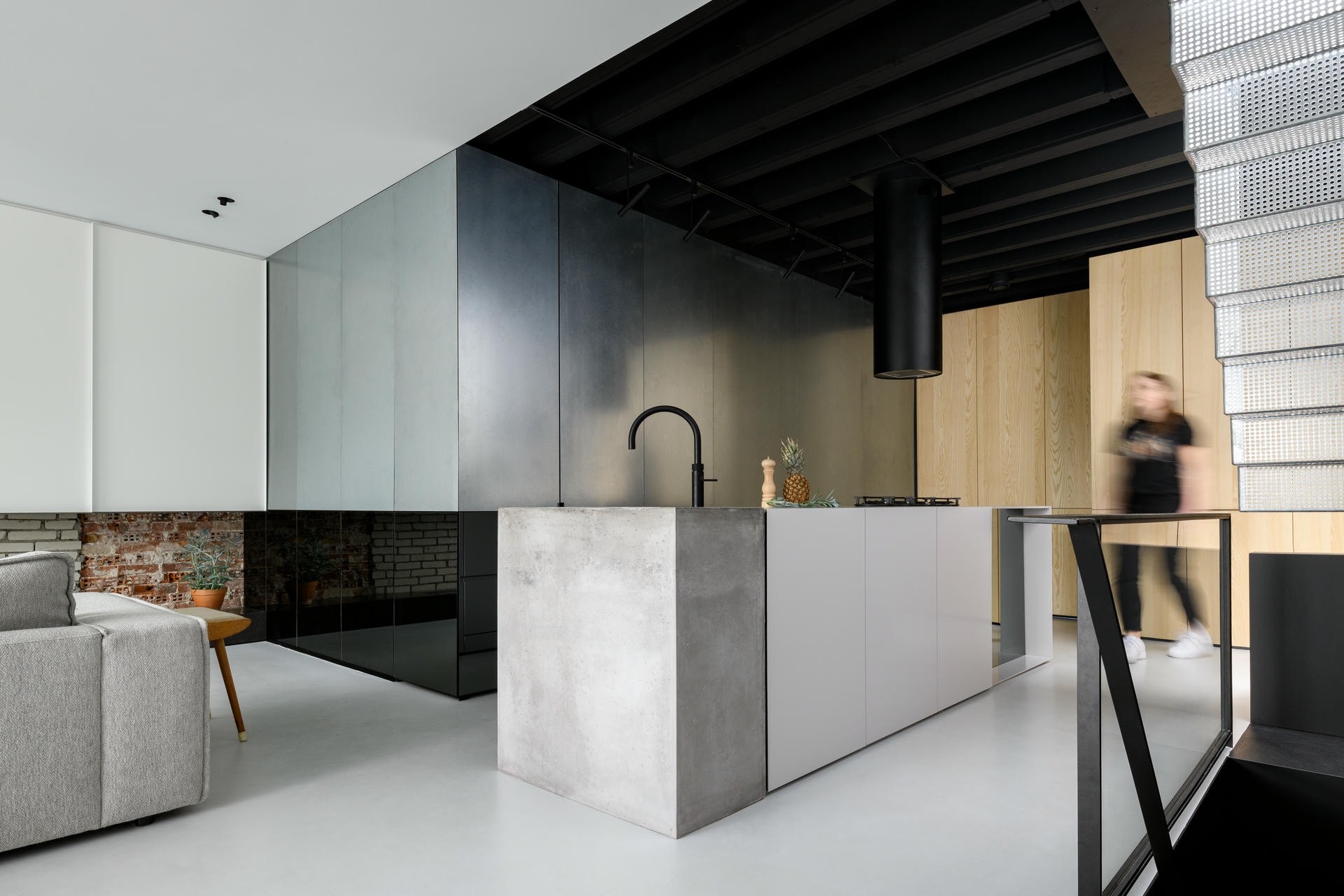
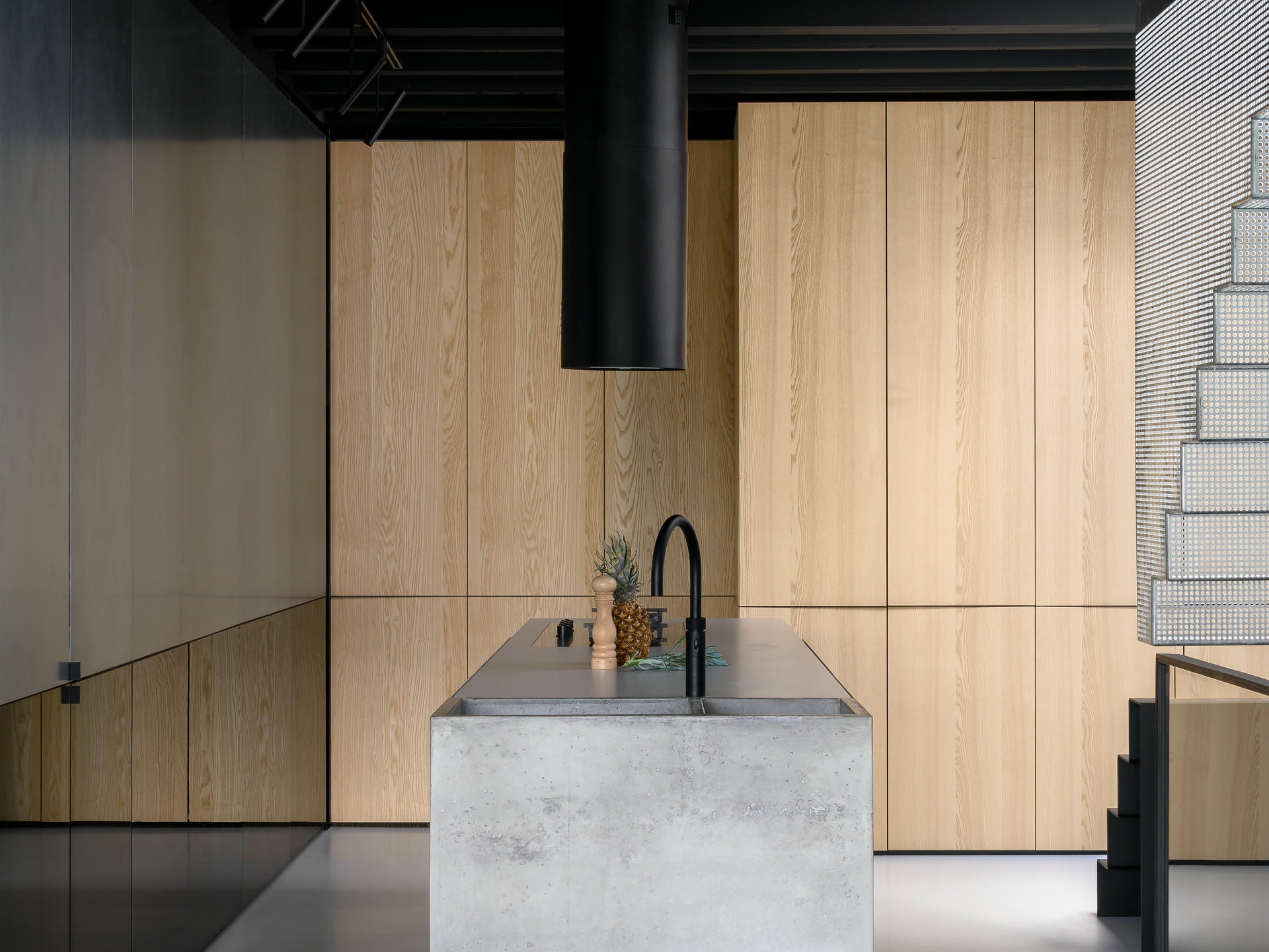
We recently completed a transformation project of 1,200 m² called The Fish Factory. It involved the redevelopment of an old, monumental fish warehouse into a new office building. This was the first project where we held so many different roles. We were the owner, developer, architect, interior architect, and project manager. This made it a very difficult project, but resulted in a beautiful and highly sustainable development.
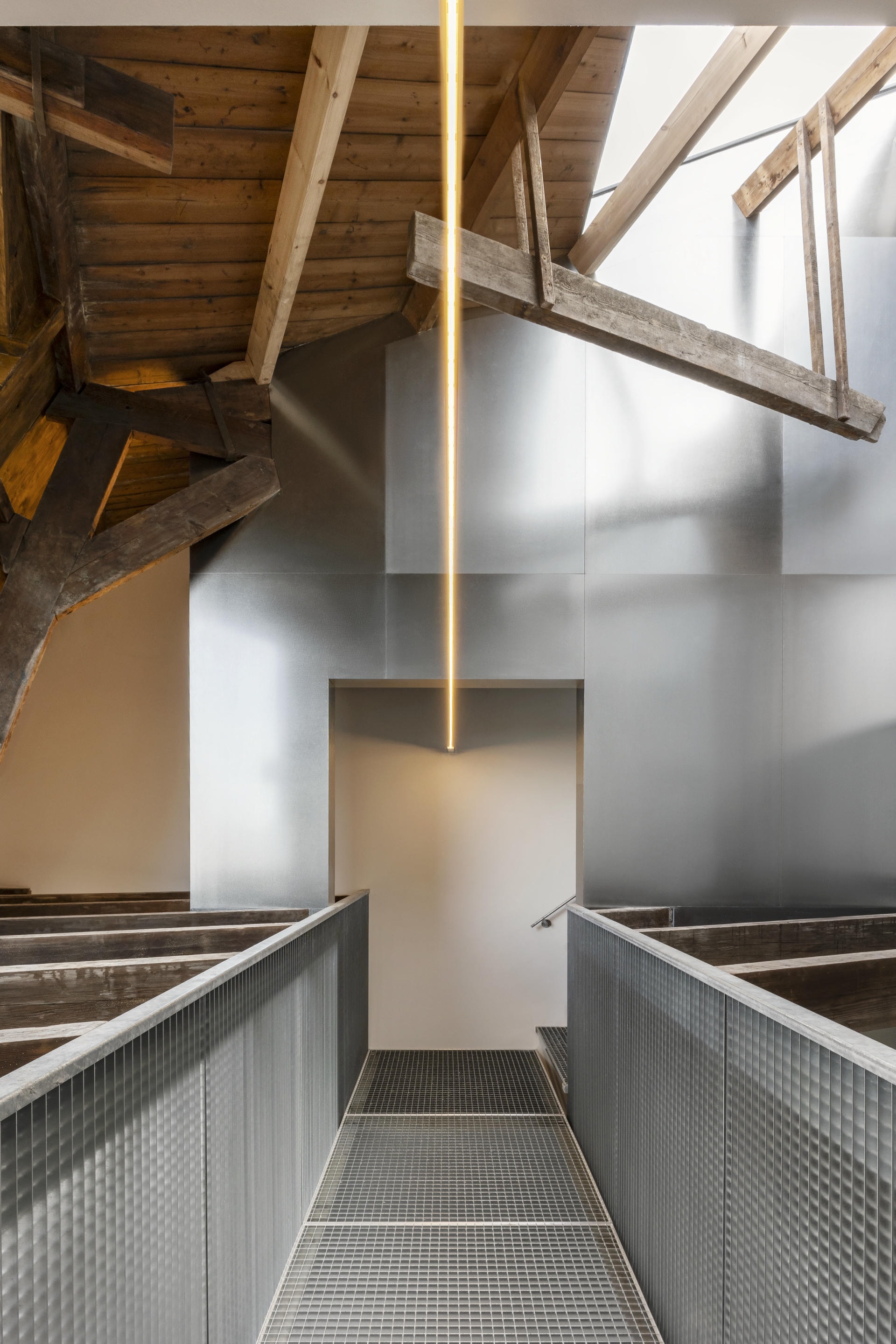
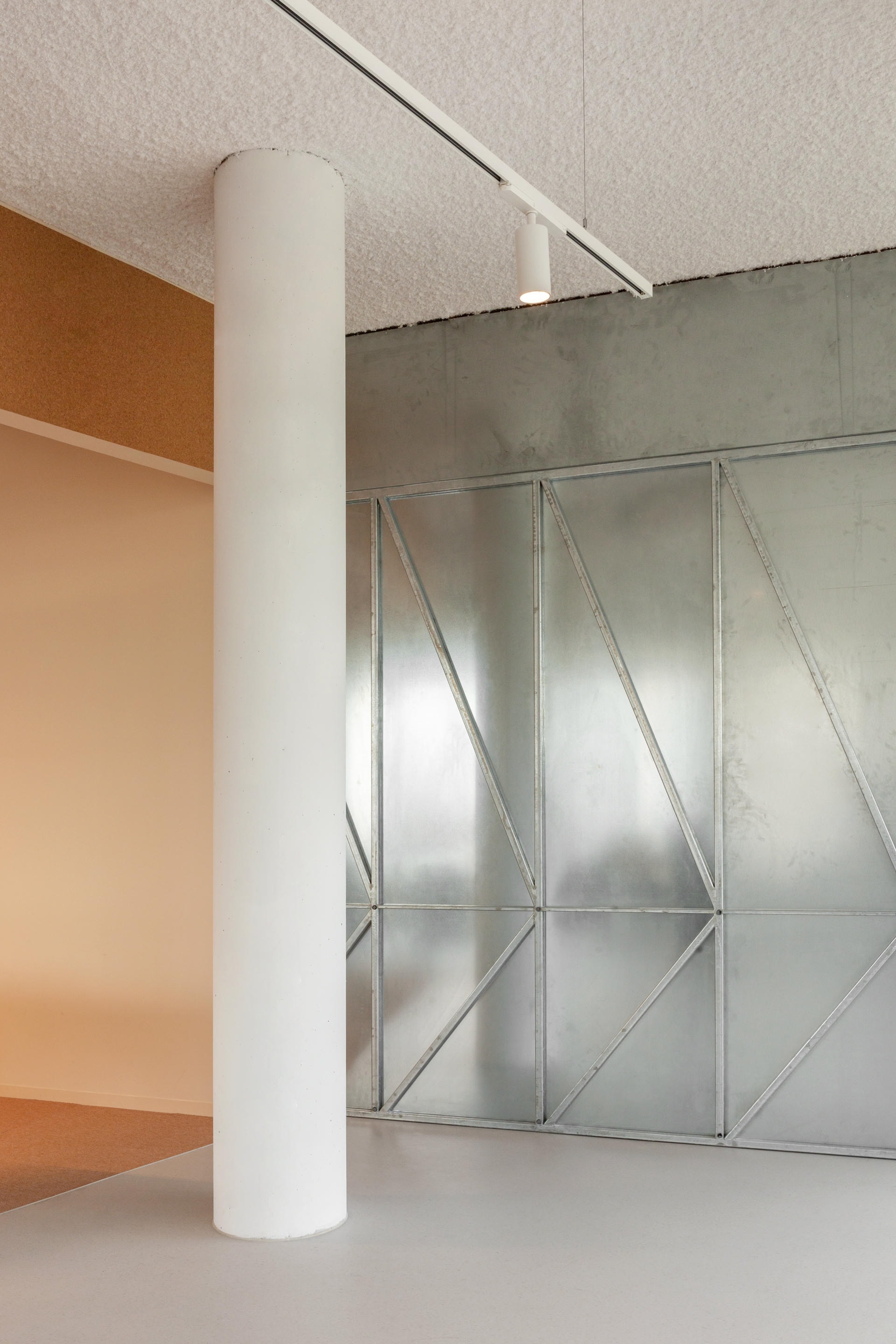
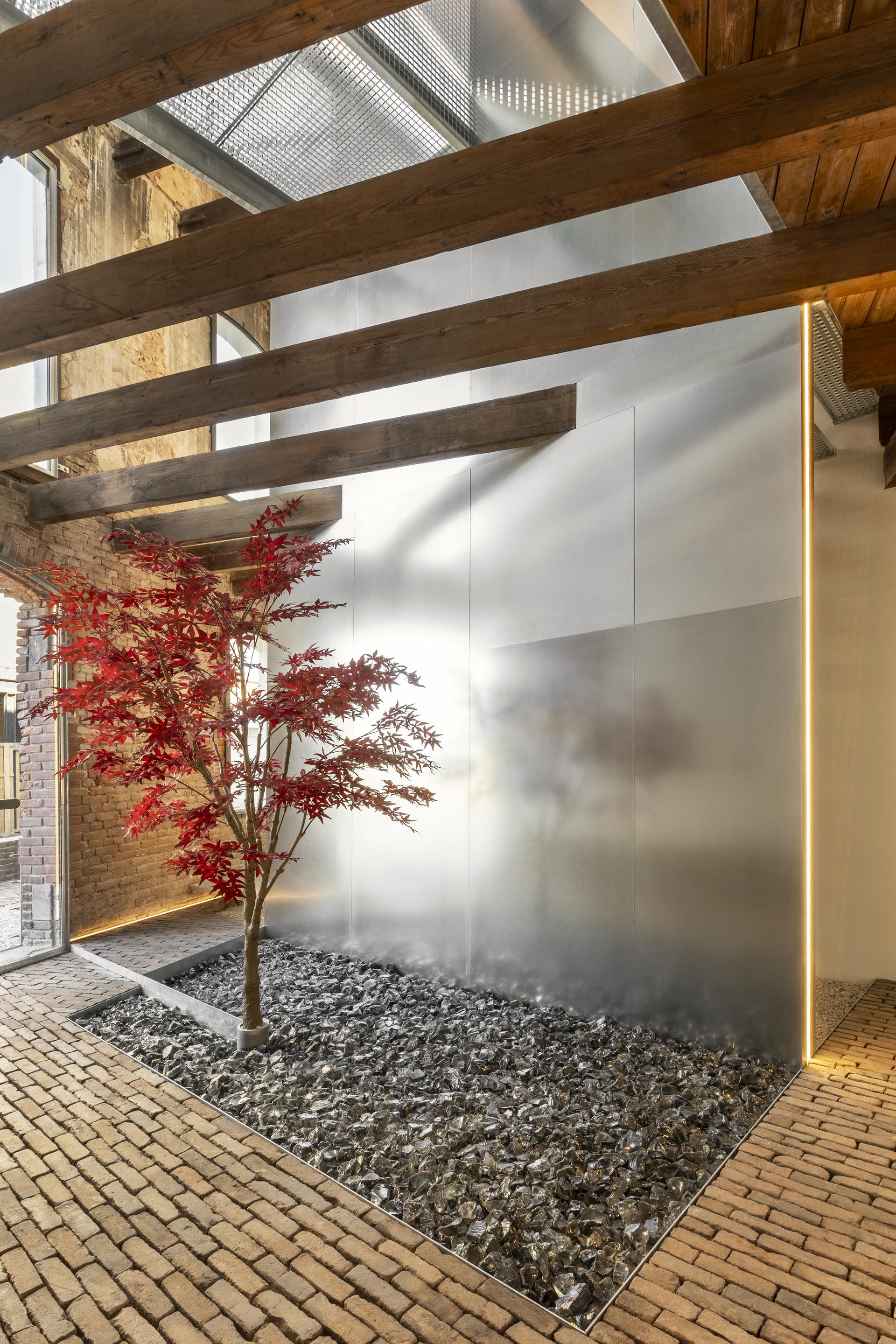
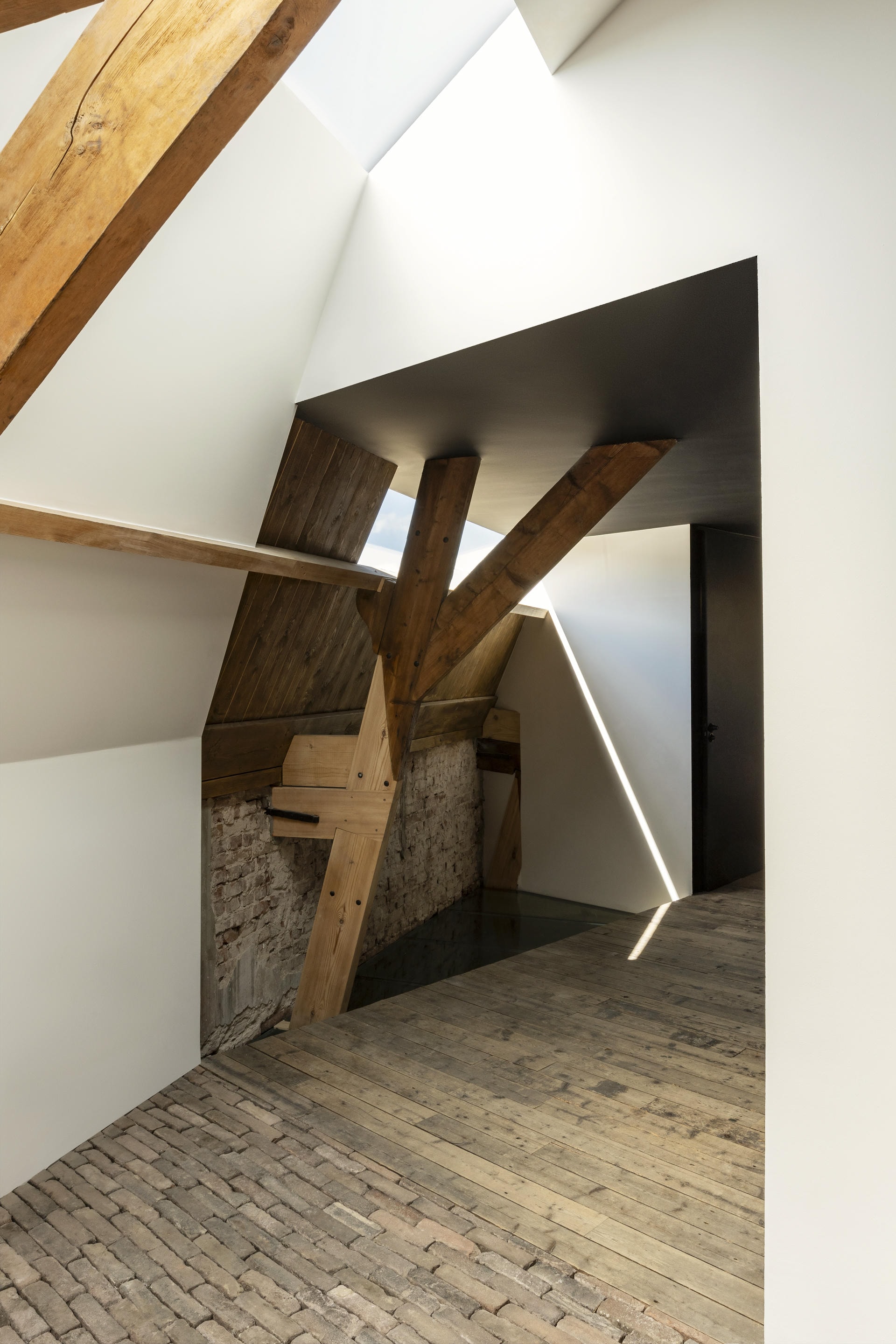
The Fish Factory’s design is exemplary of our narrative approach to a project. The concept is based on a fisherman at sea, looking at a fading horizon and longing for home, then looking at his compass to find the right direction. This is why the concept is titled North × Northwest. The primary intervention features a new volume cut through the historic structure at an angle aligned with geographic north, establishing a clear, deliberate contrast between old and new while creating a covered transitional courtyard. Inside, architectural elements such as galvanised steel grating staircases, a central skylight, and a zinc-clad wall reflecting a central tree create an immersive, archaeological experience that connects visitors to the building’s maritime history.
Of course, there are many, but my absolute favourite has been the same for 20 years. Roden Crater. It is an unprecedented large-scale artwork created within a volcanic cinder cone by light and space artist James Turrell.
Representing the culmination of the artist’s lifelong research in the field of human visual and psychological perception, Roden Crater is a controlled environment for the experience and contemplation of light.
This project is so strong because it combines so many aspects and layers. Persistence, art, architecture, interior, experience, and the ethereal. It is a monument transcending art and culture.
The administrative part. It makes the art look like accountancy…
In general, both nature and art inspire me. It is not a single place, figure, or artist; it is the very being of these things, in myriad forms and at different moments in time, that inspires me.
A story stays. Giving buildings, interiors, and design a narrative makes them long-lasting and more connected. More grounded. Giving meaning creates an understanding between an object and its viewer. It makes it art.
And who throws away art? In that sense, it is an often-overlooked form of sustainability.
Reflections of the Past © Chiel de Nooyer
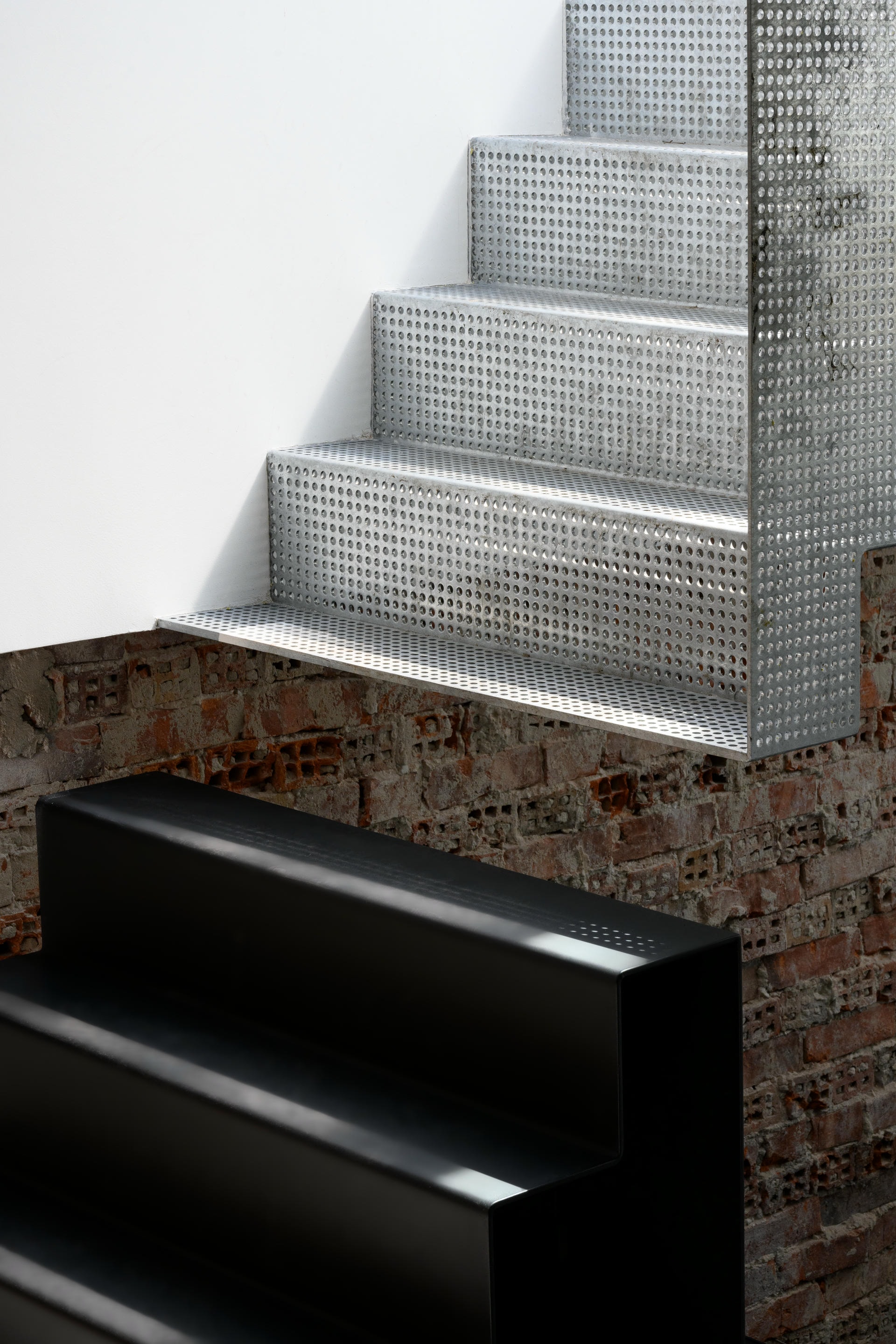
Begeisterung. Emotion. A story to tell. And of course, more Poetry.
It is as much business as it is art. So, focus on the business part, but believe in your art.
favorite pieces from the Philia Collection
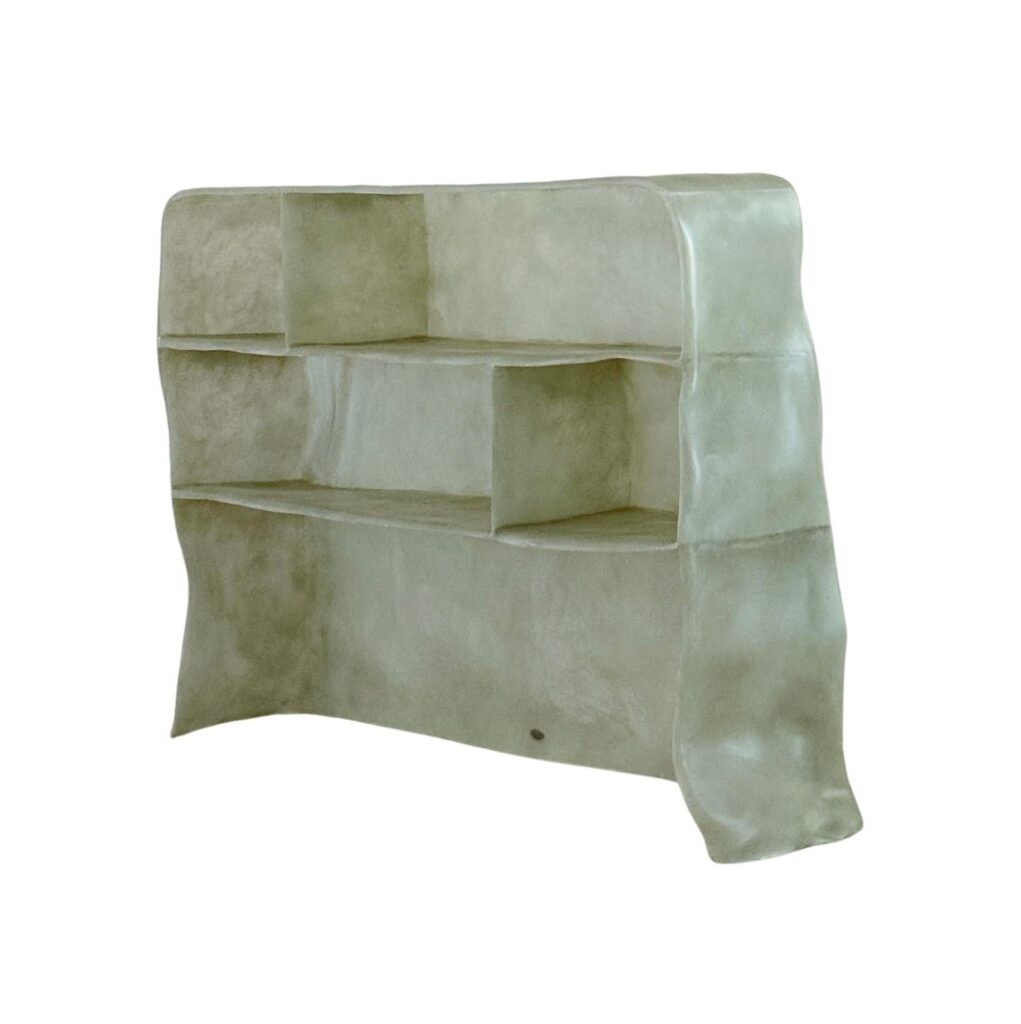
Jade Formless Fiberglass Cabinet by kar
The design combined with the material makes it almost childlike and soft. It looks pure and is as little as it needs to be.
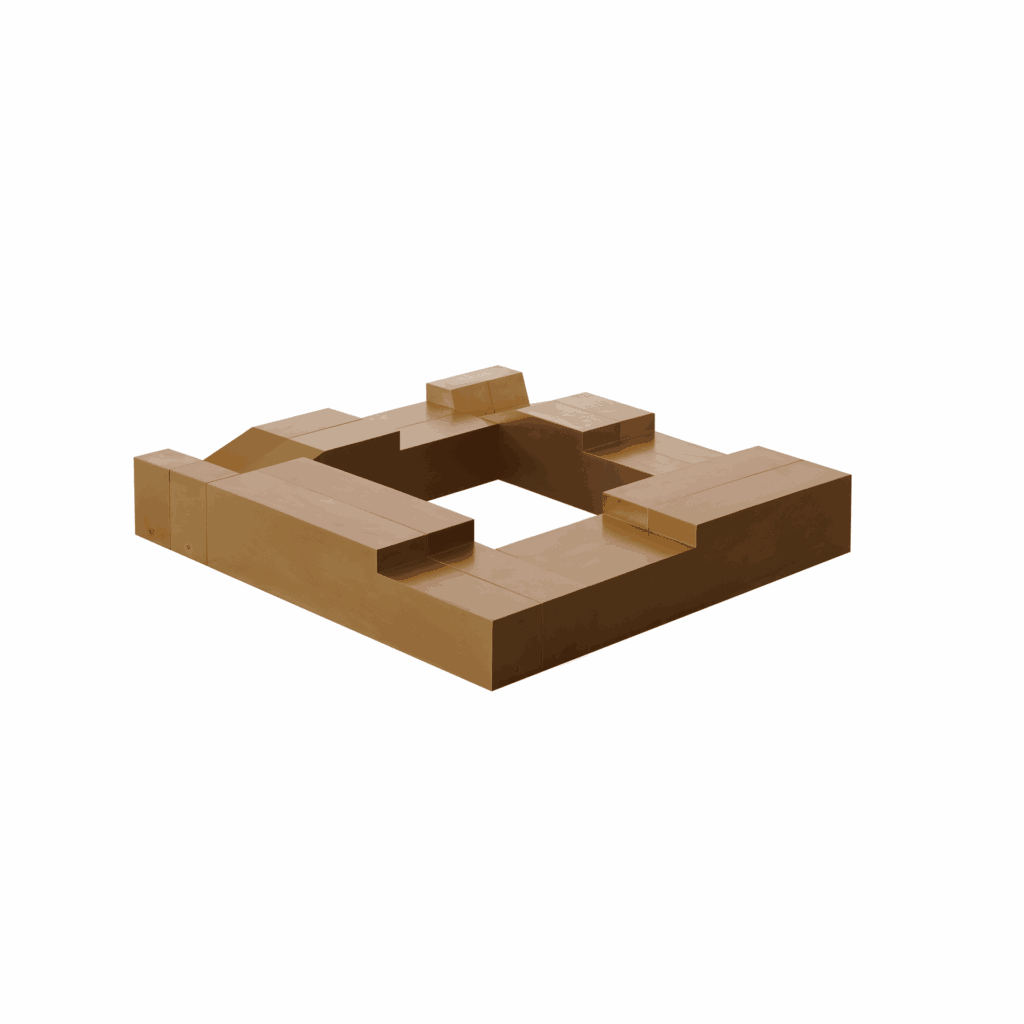
The Wall 08 Set Of 8 Coffee Tables by Sing Chan
The flexibility and playfulness of the Sing Chan coffee tables are beautiful, and the material and shape make them look like pieces of art.
Thank you so much Niek, for this lovely interview!
Share article :
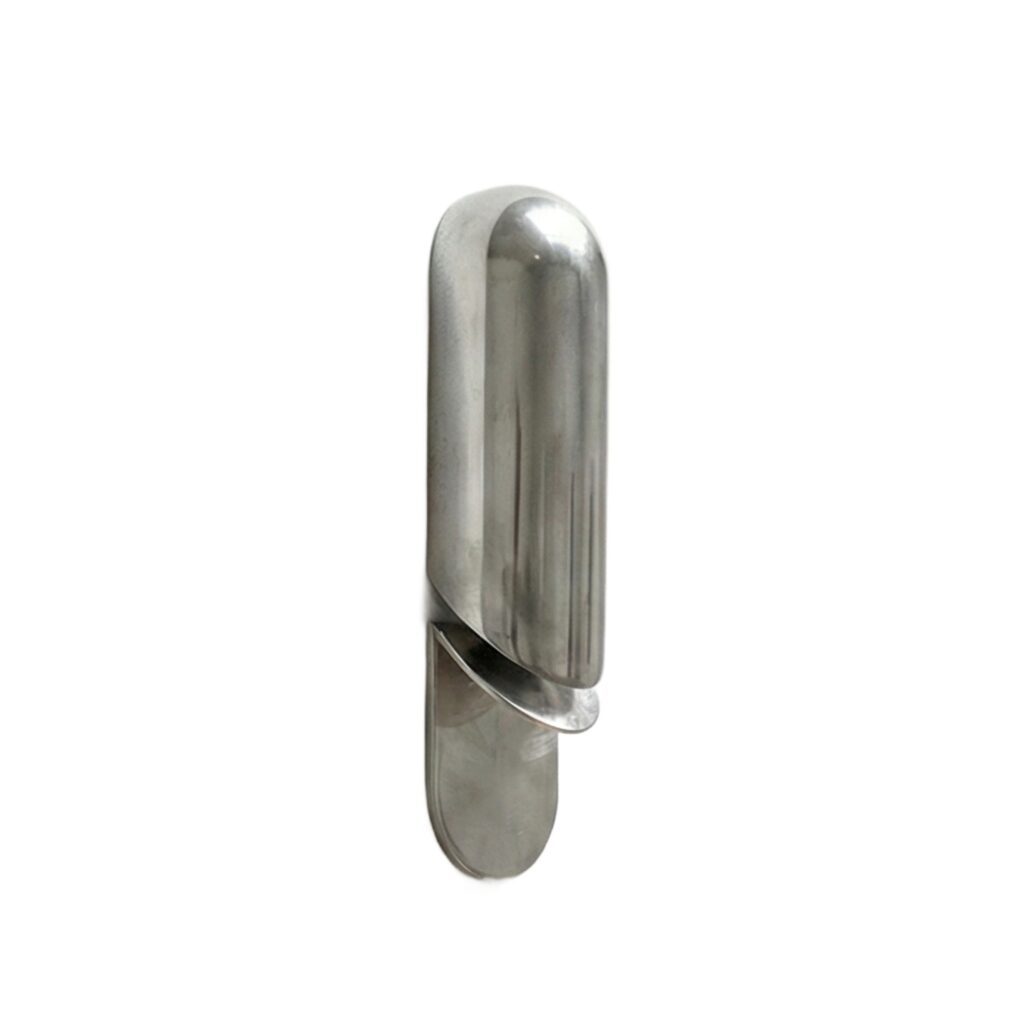
Very strong wall lamp. Well-made, good materiality, and strong presence.