Marianna Fiorin
Marianna Fiorin is an Italian interior architect based in New York whose work is deeply influenced by her upbringing in northern Italy within a third-generation woodworking family. Raised surrounded by craftsmanship and materials through her family’s millwork company, she developed an early sensitivity to wood, texture, and construction that continues to shape her design approach today.
After earning her Master’s degree in Architecture in Venice, Fiorin worked on several international projects, including the Hamad International Airport by Antonio Citterio and Patricia Viel, as well as the Radisson Blu Hotel Nairobi Upper Hill. In 2014, she moved to New York to further specialize in high-end interior architecture while continuing to support her family’s business.
Working across residential and commercial projects in New York, Long Island, Jerusalem, and Los Angeles, Marianna Fiorin creates interiors defined by materiality, light, and emotional atmosphere. Her spaces combine simplicity, natural materials, soft tones, art, marble, and carefully selected details to create timeless and eclectic environments.
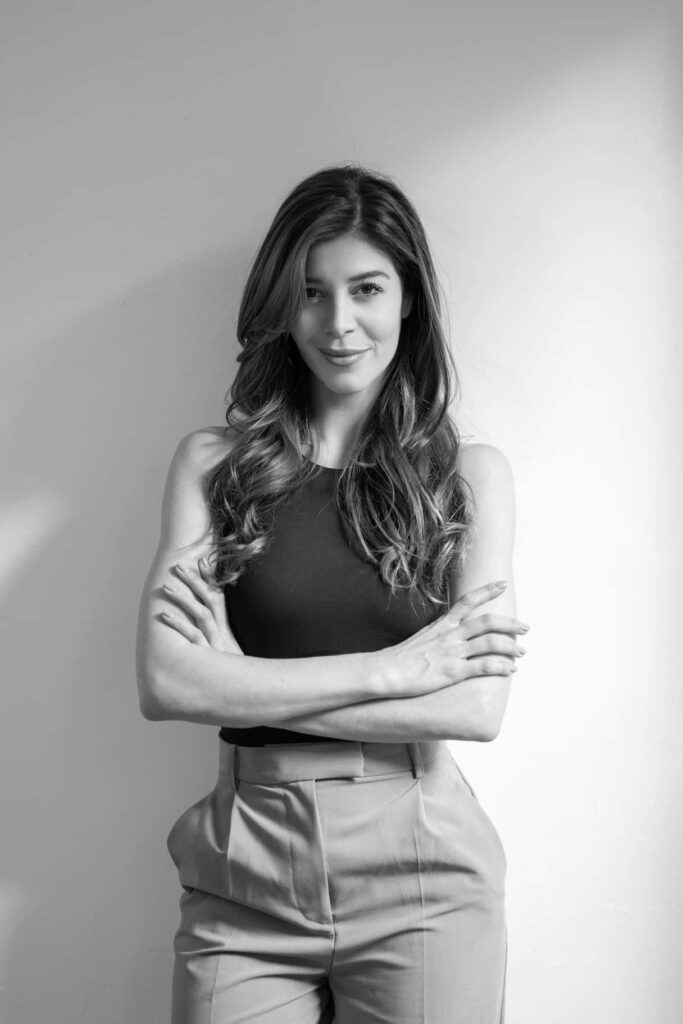
“I think the balance between aesthetics and comfort is key.”
INTERVIEW
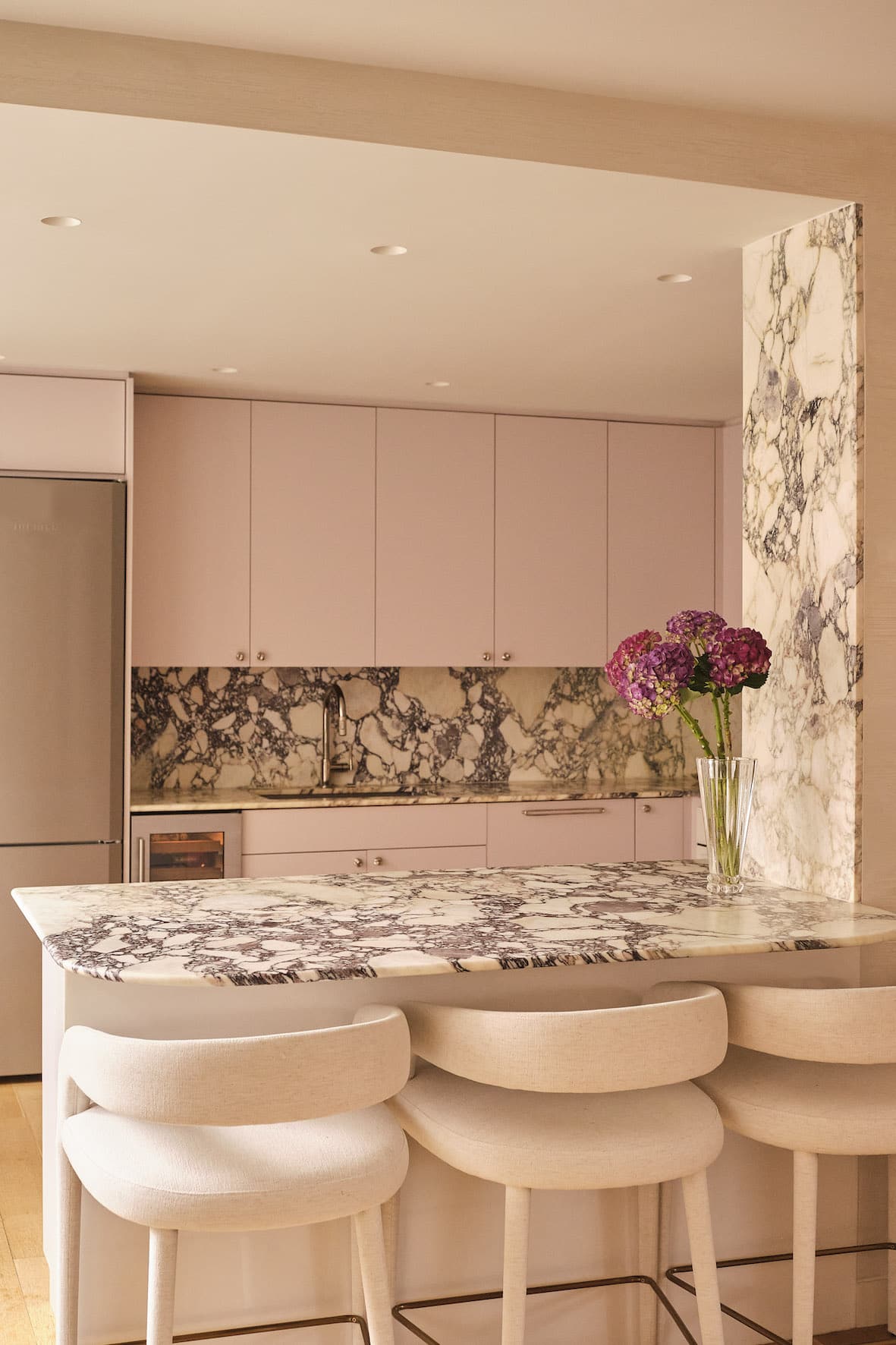
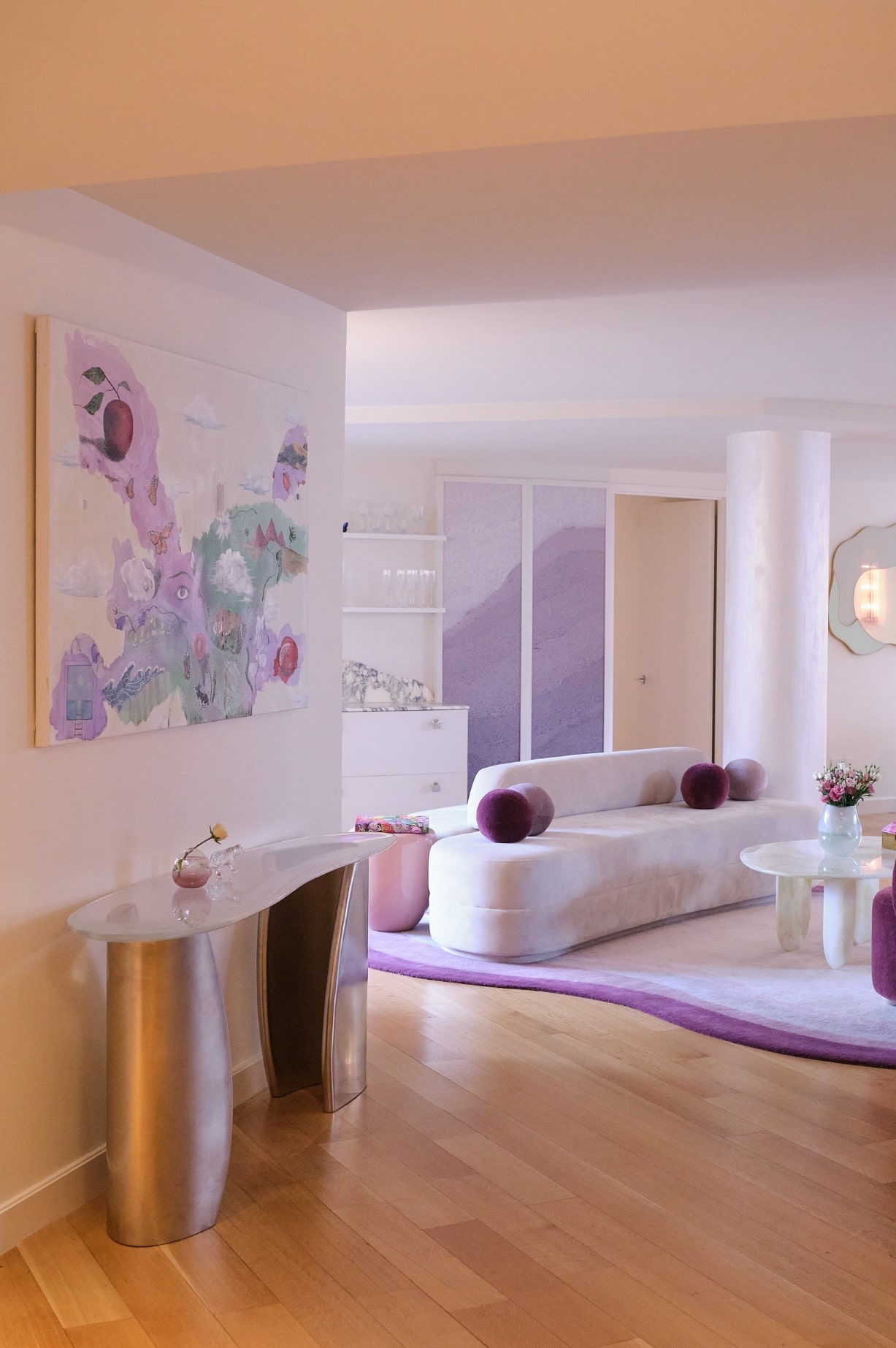
It is hard to pick a favorite. However, one of the most recent ones, in Battery Park, was a very special one, where the clients let our team play with fun shapes, art pieces, and colors. We stepped out of our comfort zone. Another fun project is the house of a musician and his family in Greenpoint which we did together with the architecture firm when I used to work when I moved to NY. We should take pictures soon, and I cannot wait.
My passion for design blossomed when I was a little child, as I sat at my father’s desk in our family’s third-generation millwork factory near Venice, Italy. Seated at his desk, I’d immerse myself in sketching on checkered notebooks, inspired by the craftsmanship surrounding me. Amidst the shelves, Architectural Digest magazines became my portals to boundless creativity, igniting my love for design.
Among several moments, one stands out, altering not just my career but the trajectory of my entire life. It unfolded with a touch of magic, amidst the grief of losing my beloved grandmother Anna, my best friend. Struggling with sorrow, I turned to her in prayer, pleading for guidance to fulfill my dream of relocating to New York.
One day later, a job offer materialized, and within a month, I boarded a plane to the city that would become my new home. I felt like it was the most natural step, and I have felt that way since then.
My background in Italy is architecture; I am an architect with a master’s in restoration of historical buildings. After working on some architectural projects, I started working on interior projects while in Italy, but on commercial spaces and not residential.
Once I arrived in NY, my ex-boss assigned me my first residential project. Being here, exposed to this mix of styles, culture, and seeing unique interiors, opens up my vision, and with that also my heart and passion.
My inspiration comes from the city, as it really is in every corner of it, not only in the buildings, but also in the people that inhabit it and that come from every angle of the world. However, the best inspiration comes from traveling. Nothing is like traveling to discover new ideas. And also design shows and art galleries, like yours, are always a good source of inspiration.
I think the balance between aesthetics and comfort is key. Also, the use of some design and art elements that are recognizable and make the project unique.
At the beginning of my career, I found myself in situations where I felt betrayed and used, as I didn’t have experience or a portfolio, so some clients were coming to me as a young designer, only to execute their ideas. That didn’t feel right to me, and I felt sad at the time, as I did have a lot to express.
With time, I learned to be more self-confident while also coming to understand that people’s reactions to design proposals can vary. Sometimes they’re immediately drawn to an idea, while other times they’re hesitant or even resistant. It’s not personal; rather, it’s a reflection of the subjective nature of art and design.
A good designer knows the importance of listening to clients, understanding their needs, and remaining flexible in their approach. Authenticity and self-respect are always fundamental, as is maintaining a respectful attitude towards others throughout the creative process.
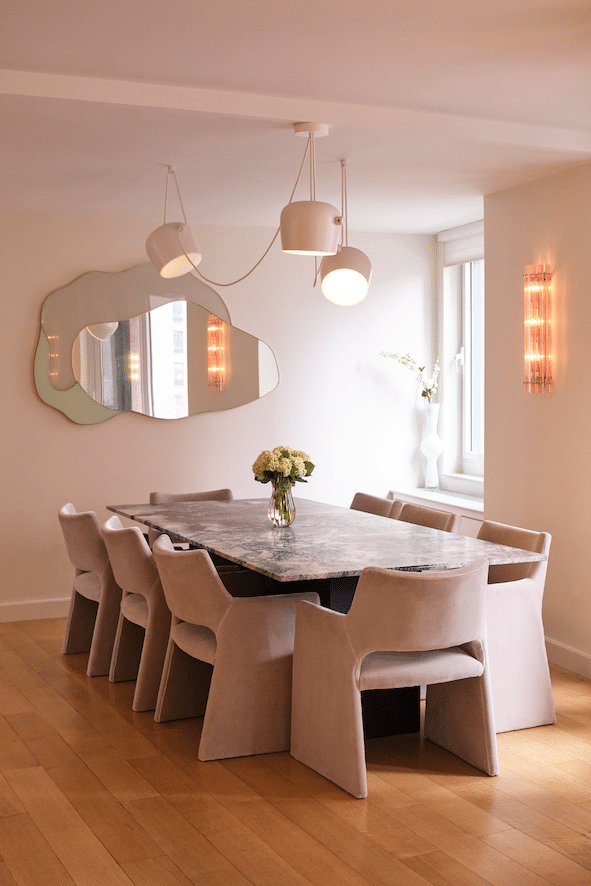
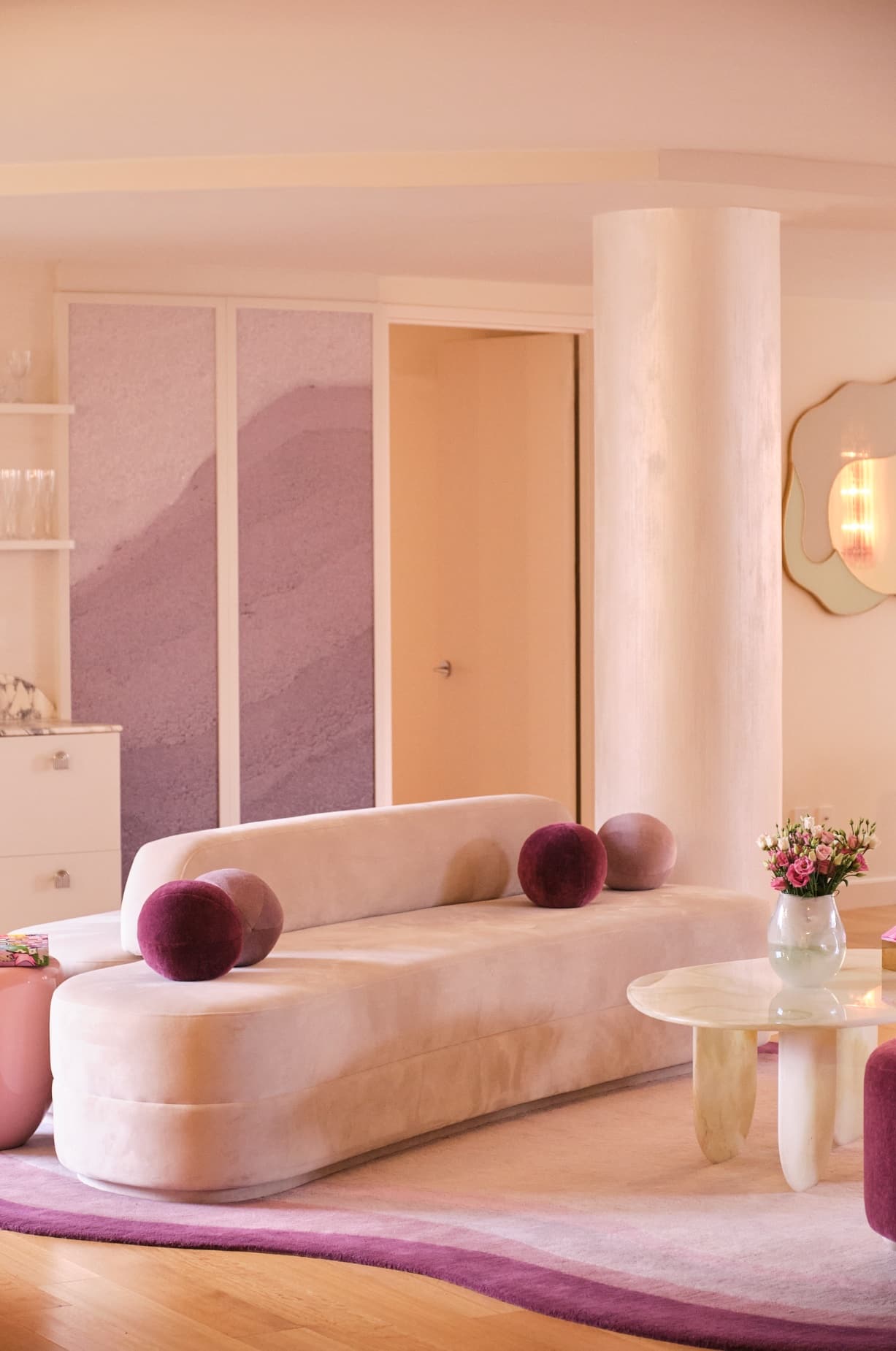
There is no typical day, as some days I spend more time in the office, others I am around construction sites, others I am sourcing pieces for our projects, visiting showrooms, art galleries, marble yards, or meeting with clients. I can really tell there is no standard day, which is also a reason why I love design.
Some of my favorite designers are Julie Hillman, Joseph Dirand, Kelly Wearstler, and Jeremiah Brent. Artists and creatives include Dimore Milano and Elsa Foulon.
Take lots of notes, save inspirations that you like, but most importantly, listen to your clients’ words.
Thank you so much Marianna, for this lovely interview!
Share article :