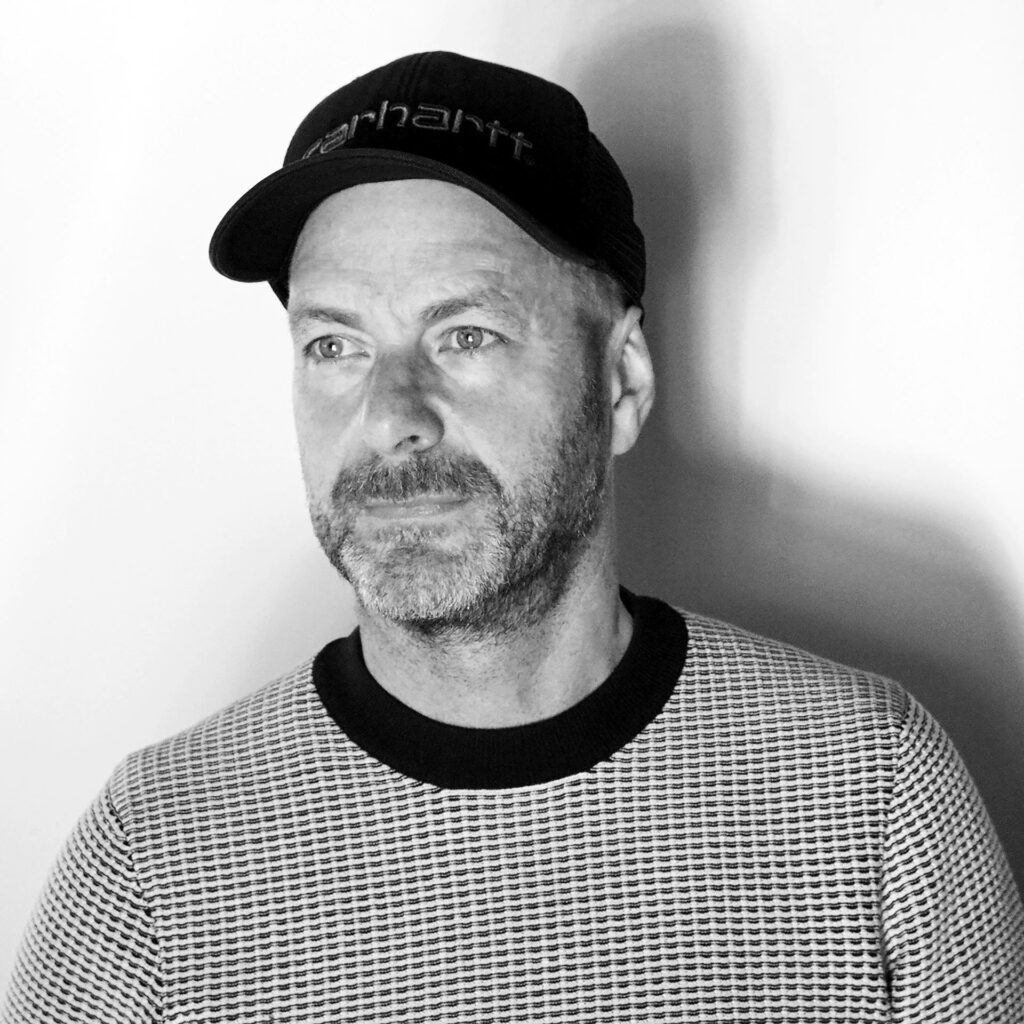
Stuart Haygarth
Stuart Haygarth (b. 1966, Lancashire, UK) is a British artist and designer known for transforming discarded and everyday objects into sculptural works and lighting installations. He graduated with First Class Honours in Graphic Design and Photography from Exeter College of Art & Design in 1988. Following a career in photography and illustration, he established his artistic practice in 2005, exploring the beauty and potential of overlooked materials.
His work has been exhibited internationally, including at the Victoria and Albert Museum, Design Museum London, Design Miami/Basel, and the Venice Biennale, and is held in several major museum collections. His accolades include the Wallpaper* Best Breakthrough Designer Award (2007), the British Design Awards’ New Designer Award (2008), and the Ladislav Sutnar Prize (2022).
Interview
I was born in the small town of Whalley in Lancashire, in the northwest of England.
Early in my career, I was represented by Haunch of Venison Gallery, which temporarily occupied the rear galleries of the Royal Academy in London while its own premises were being renovated.
It was a beautiful exhibition space, and I was fortunate to present my first solo exhibition there.
Since graduating from art school, I have had three distinct creative careers. Although my degree was in graphic design, I specialised in still-life photography, so after moving to London, I began working as a commercial photographer.
After several years, I realised photography no longer fully satisfied my creative ambitions, so I reinvented myself as an illustrator, working primarily with collage and assemblage.
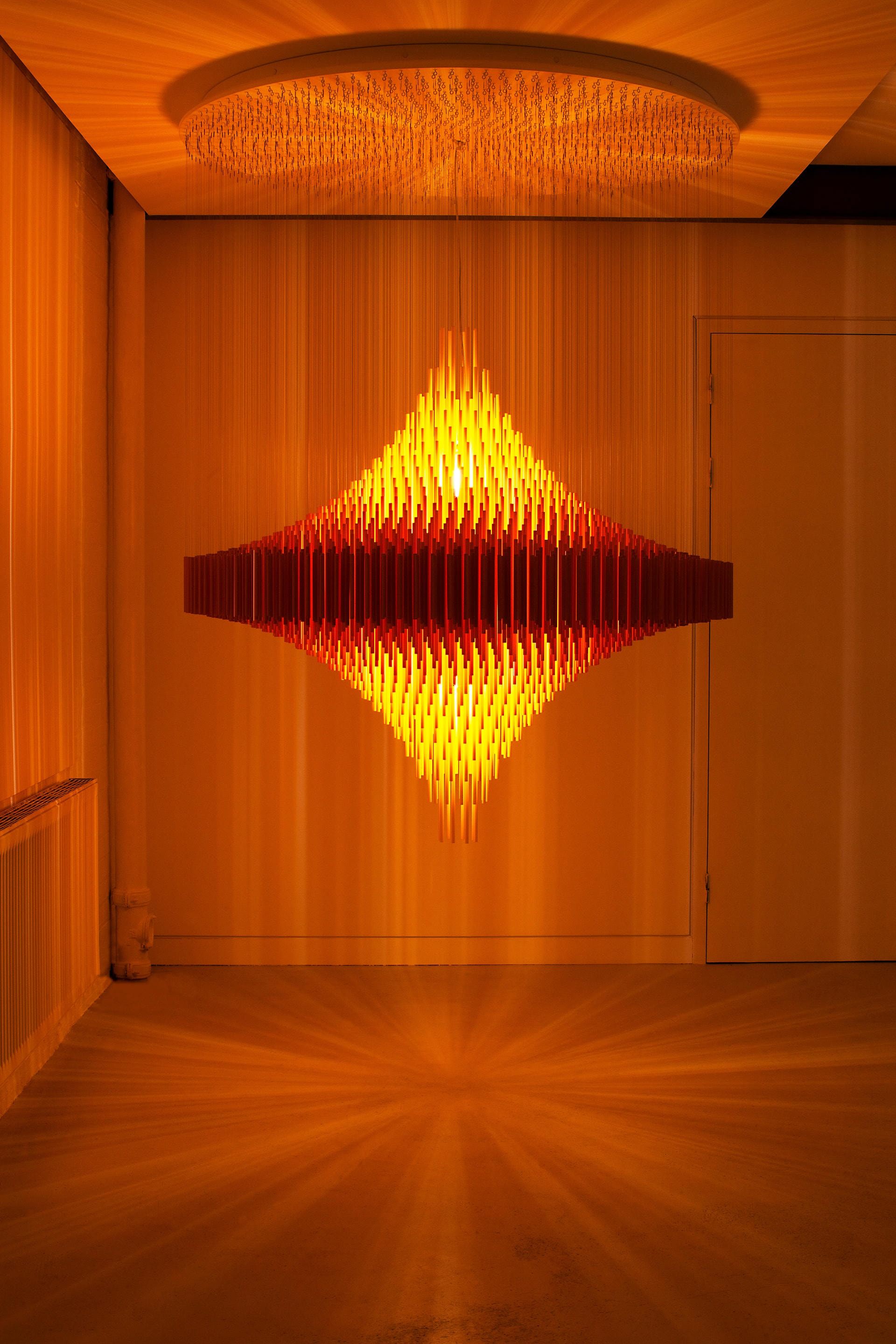
My current practice as an artist and designer draws on the skills I developed in both previous careers, but the work has evolved into sculptural objects and installations that continue to explore my fascination with found objects and light.
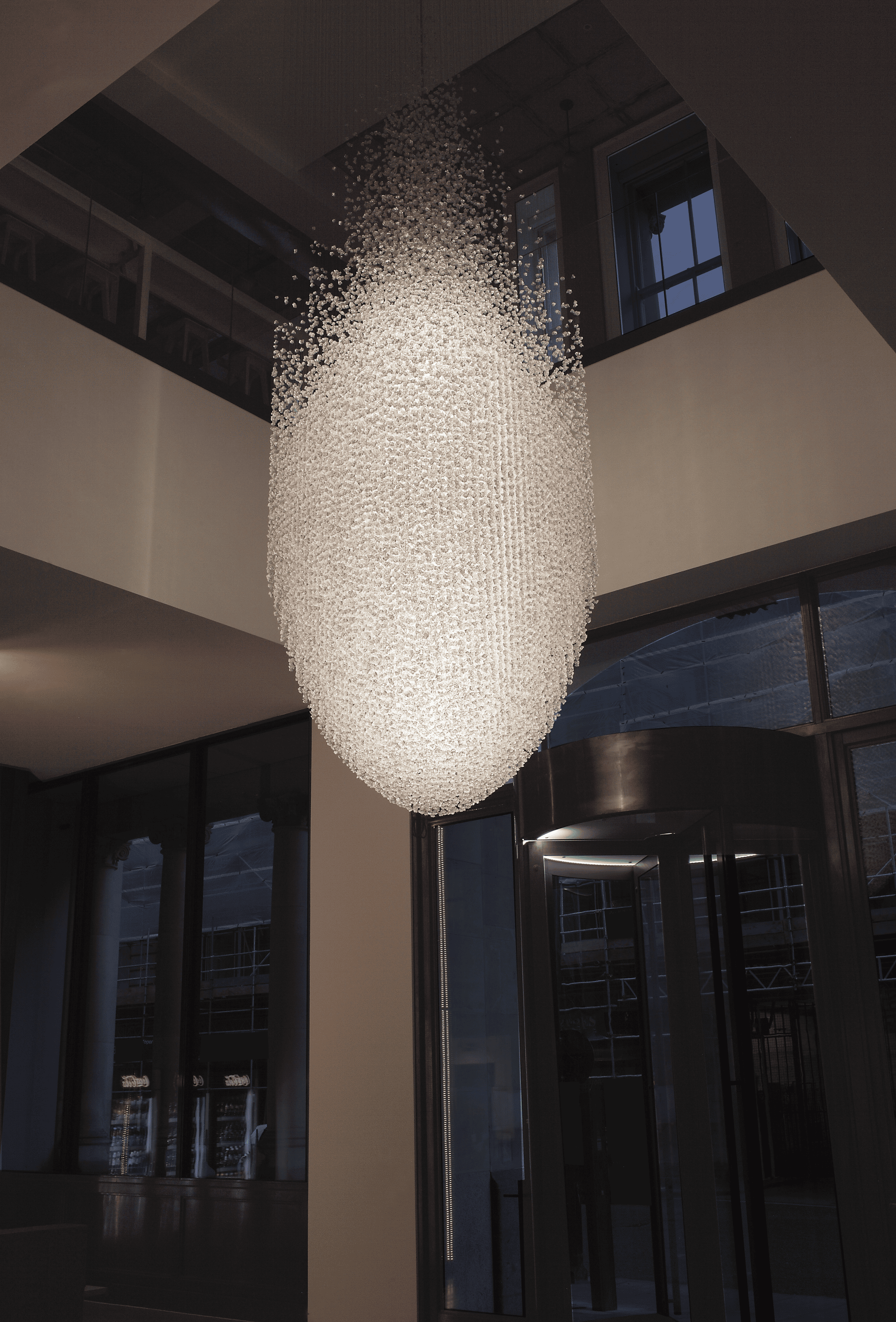
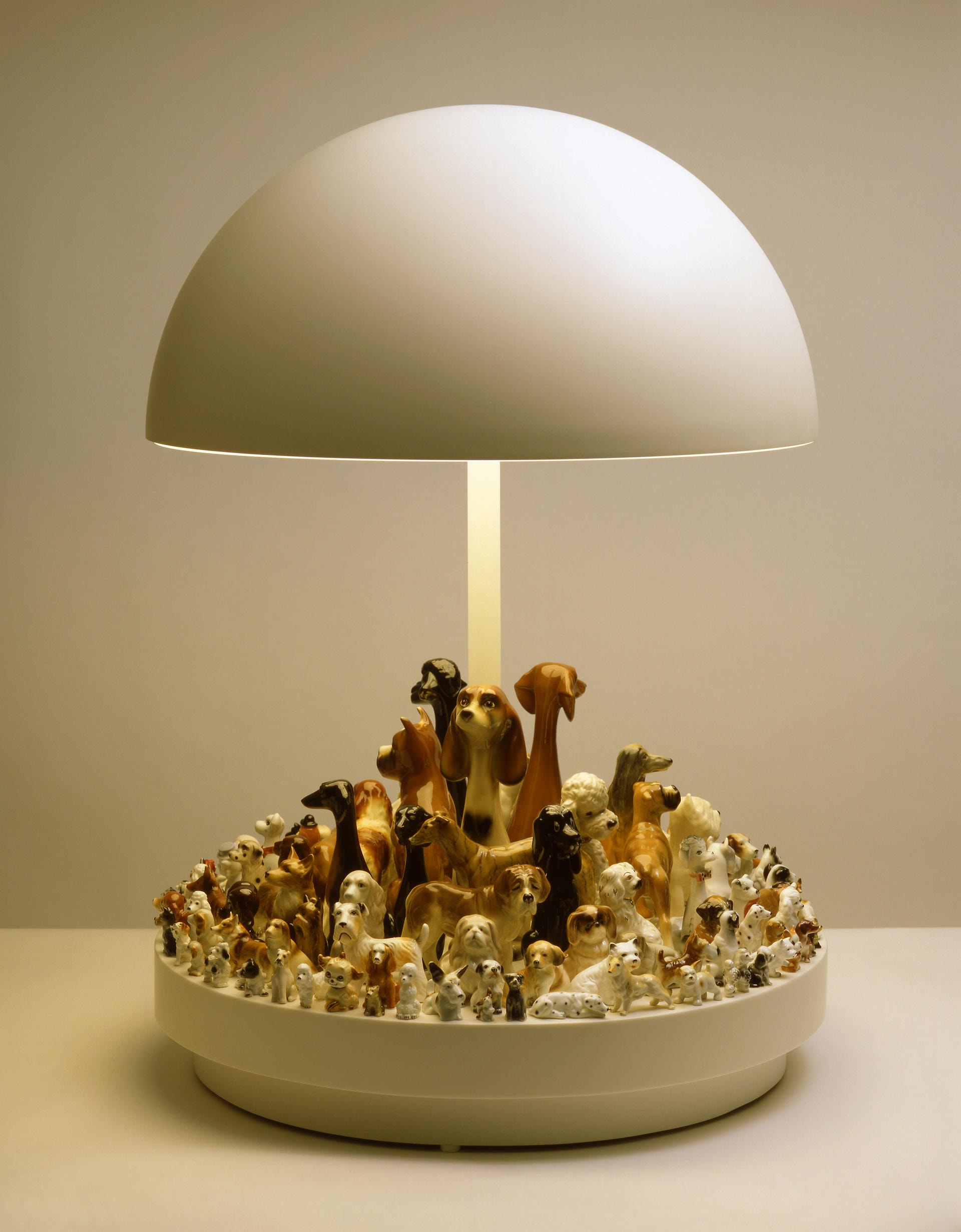
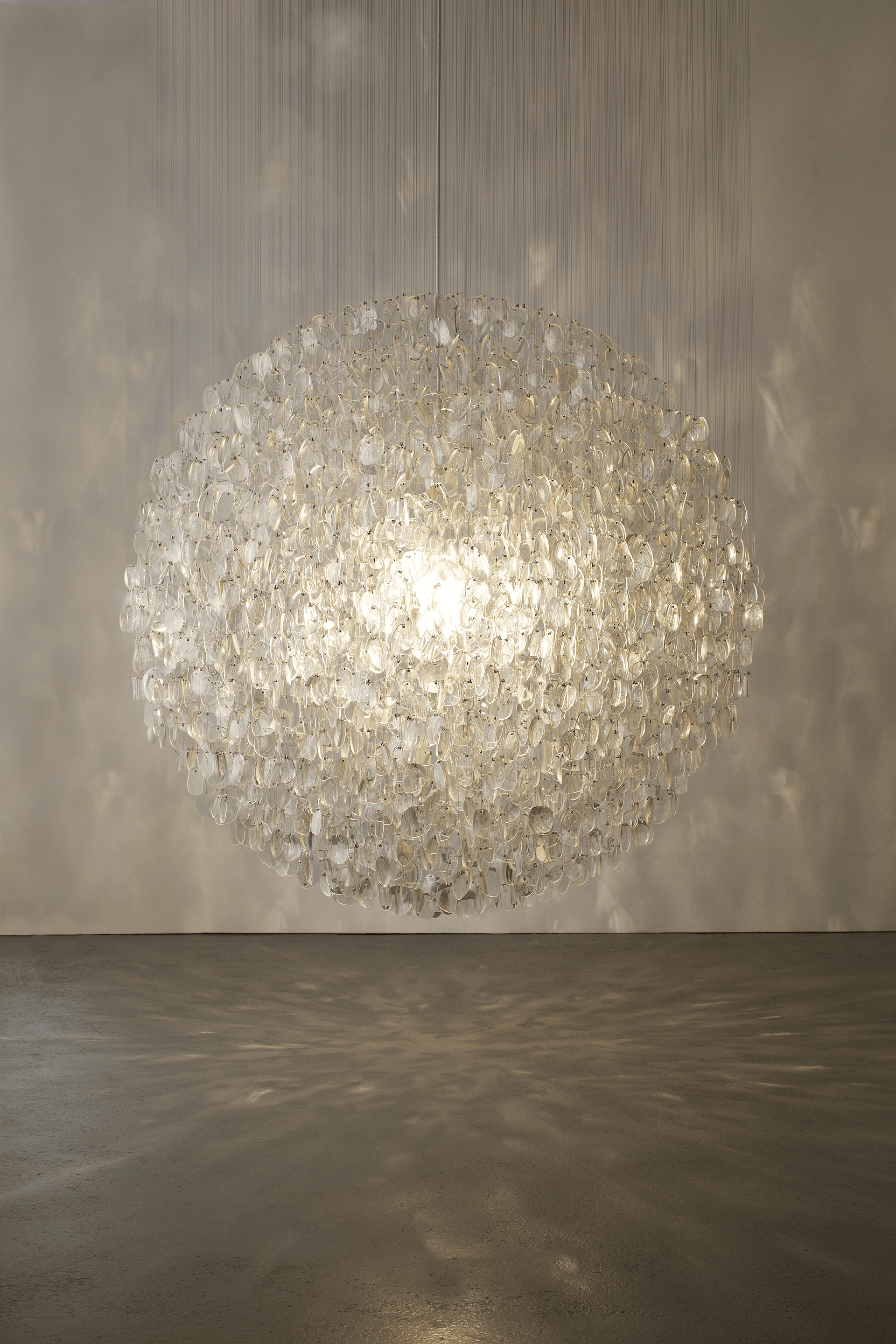
I have always been a collector, whether discovering objects while walking or searching flea markets and car boot sales. My first significant art and design work, TIDE, was created from found plastic objects collected along the British coastline.
It began when I regularly drove to Dungeness on the Kent coast to walk my dog, Albert. During these walks, I became fascinated by the objects washing ashore and gradually built up a collection. Over time, I categorised the objects by colour, shape and material, and eventually this archive became the basis for the TIDE chandelier.
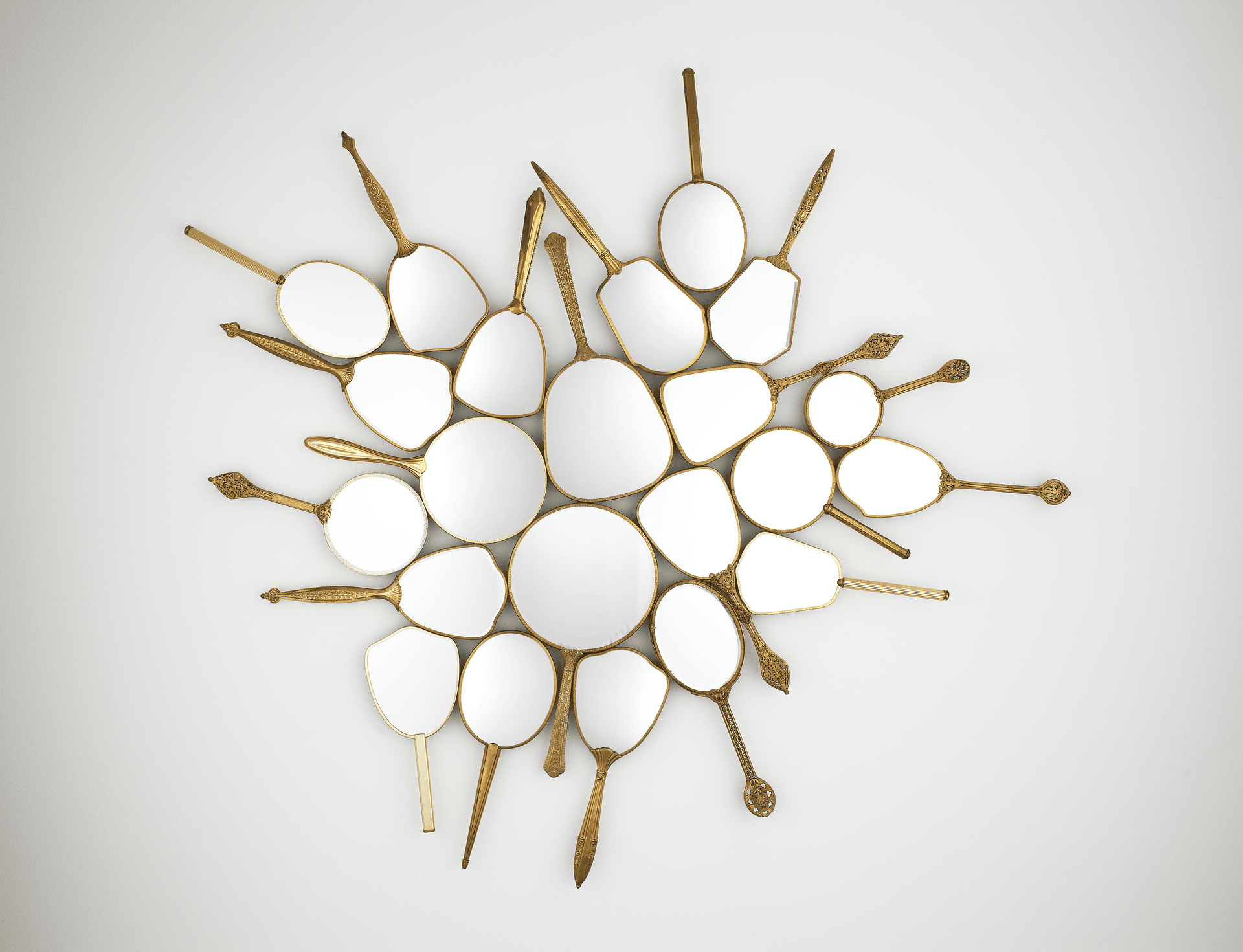
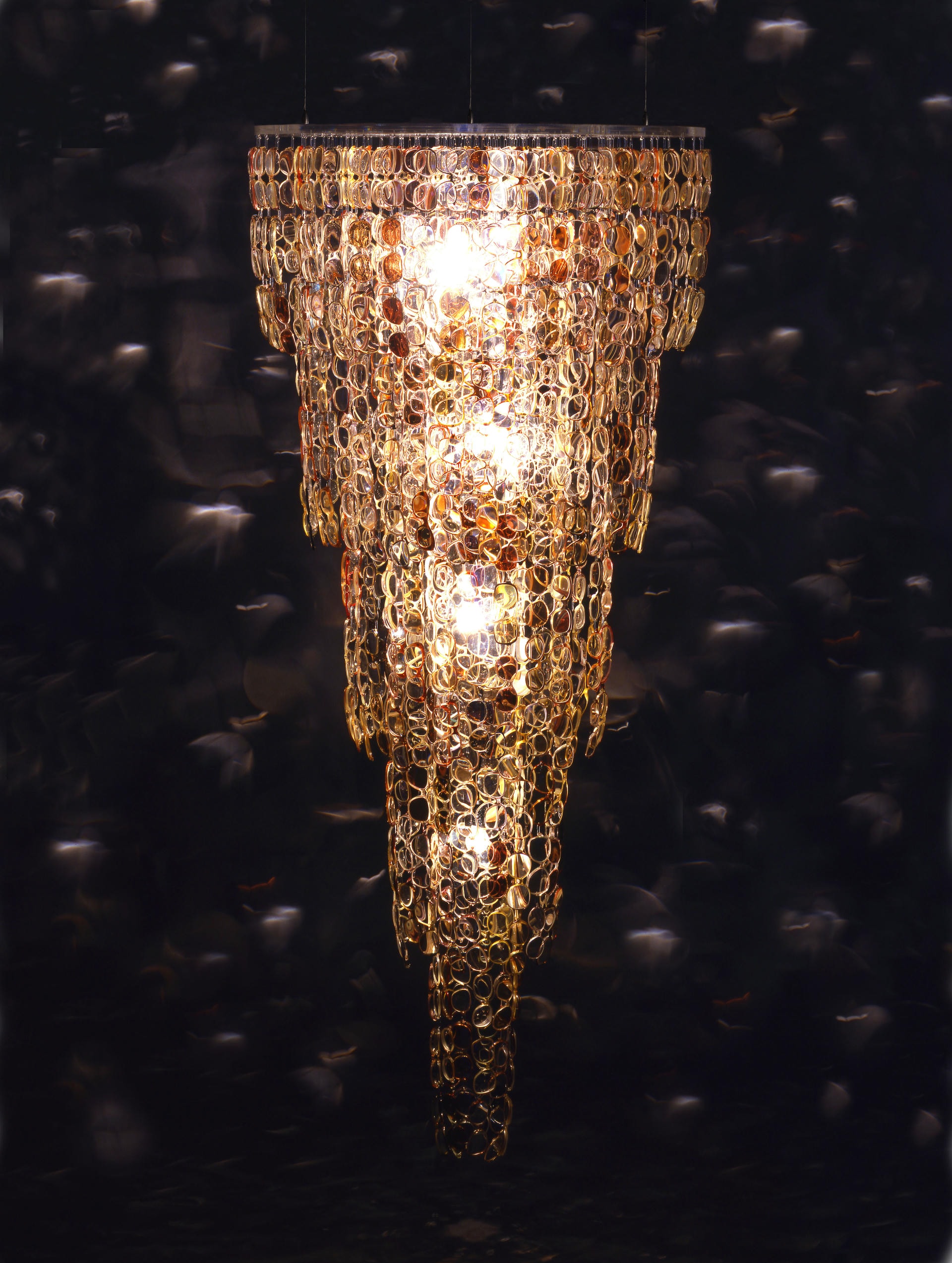
My work is about elevating the commonplace and the discarded. Using the flotsam and jetsam of everyday life, I create order and symmetry from randomness and waste. The process of collecting, cataloguing and organising materials is as important as transforming them into objects of beauty and value.
Through these works, I explore themes of time, loss, abandonment and modernity, recognising that every object carries traces of human experience. Ultimately, my practice is about giving overlooked and ordinary objects a new significance.
There is rarely a typical day, as it depends entirely on the stage of a project. A day might involve building a commissioned piece with my studio assistant, sketching and researching new ideas, sourcing materials, meeting clients or galleries, and, inevitably, dealing with emails and administration.
I work with found and collected objects because they already possess their own histories. Every object carries traces of previous ownership, use and experience, and these embedded narratives become an important part of the finished work.
My approach is very analogue. I still use large sheets of graph paper to calculate measurements, proportions and scale. The work is highly precise and labour-intensive, often involving thousands of individual components assembled through repetition and careful organisation.
The most important thing is to develop your own visual language—an approach that is genuinely personal rather than following trends. Alongside that, discipline, curiosity, hard work and passion are essential if you want to sustain a creative career.
I would describe my work as belonging to the field of conceptual design. It reappropriates everyday and found objects, transforming them into extraordinary works where the underlying idea and process are just as important as the final form. Humour also often plays a subtle role within the work.
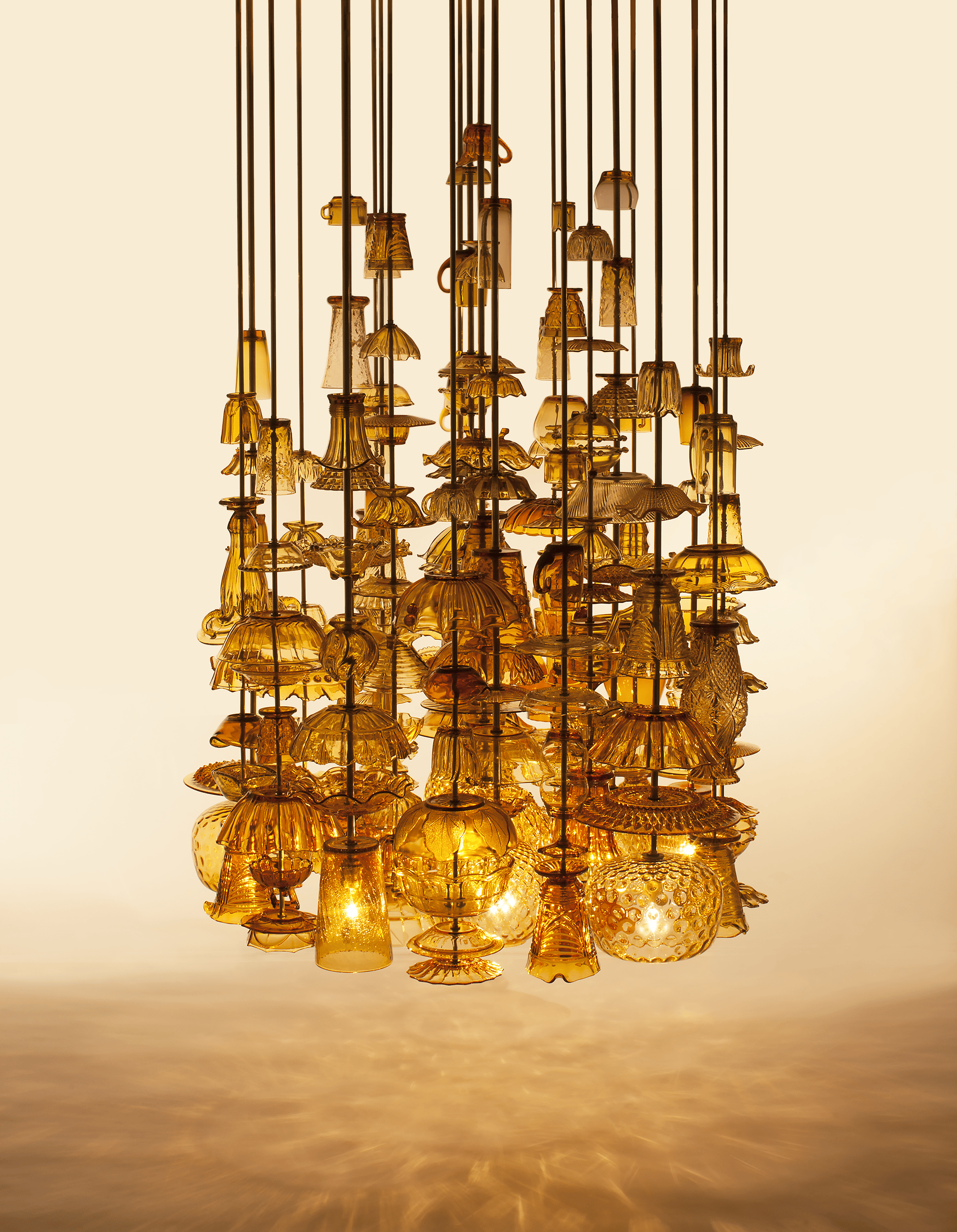
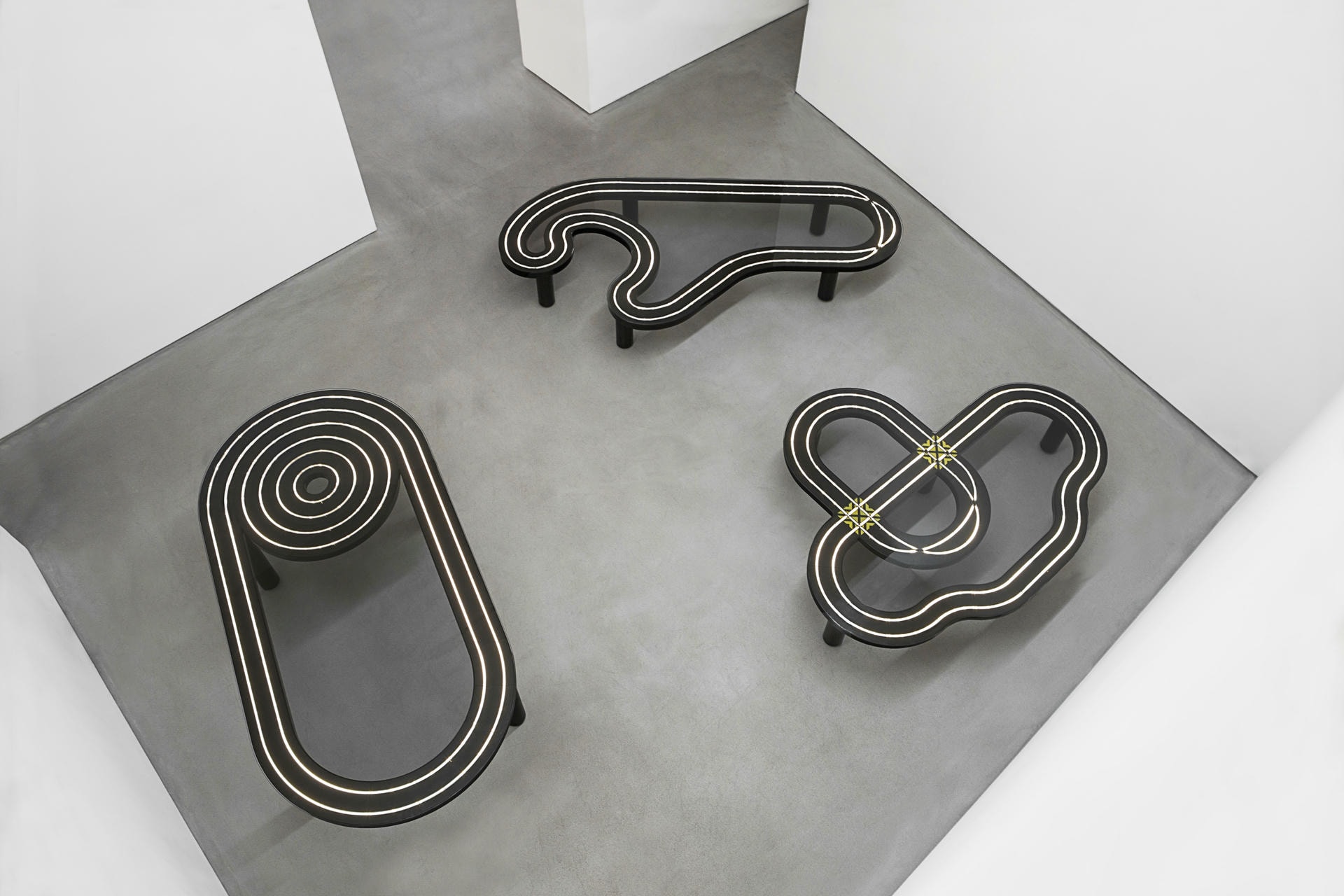
The Droog Design collective has been a significant influence, particularly designers such as Tejo Remy and Marcel Wanders, whose conceptual approach challenged conventional ideas of design.
I have admired the work of Paul Cocksedge and Martino Gamper for many years. Both combine strong conceptual thinking with exceptional technical ability, and they have maintained a consistently high standard of work throughout their careers.
My work has always been more influenced by the art world than by the design world. Early inspirations included artists such as Tony Cragg, Mark Dion and Tom Friedman, while the Dutch conceptual design collective Droog had a profound influence on my early thinking about design.
Creating harmony from chaos.
I think that covers everything.
“Creating harmony from chaos.”
The Questions
(The Proust Questionnaire is a set of questions answered by the French writer Marcel Proust.
Other historical figures who have answered confession albums are Oscar Wilde,
Karl Marx, Arthur Conan Doyle, Stéphane Mallarmé, Paul Cézanne…)
Walking my dog, cycling and skiing in deep powder.
Something terrible happening to my daughter.
Being a perfectionist, it’s hard work!
Selfishness.
Nick Cave, for the extent and diversity of his creative skills.
My campervan.
Excitement.
Moderation.
Manners maketh the man not money.
Thoughtfulness and compassion.
STAY! (when talking to my dog)
To be able to play the guitar and sing well.
My hair.
Having a wonderful daughter.
A dog.
London.
My campervan, it gives me spontaneous freedom away from London.
Watching someone you love being tortured.
Being an artist.
Being creative.
Loyalty and humour.
Octavia E Butler, Cormack McCarthy & Max Porter.
Atticus Finch.
Thomas Edison.
Volodymyr Zelenskyy & musician Thom Yorke.
Billie, Melanie and Otto.
People dropping litter.
Not speaking German fluently (my wife is German).
Quickly and peacefully and with family around.
Variety is the spice of life.
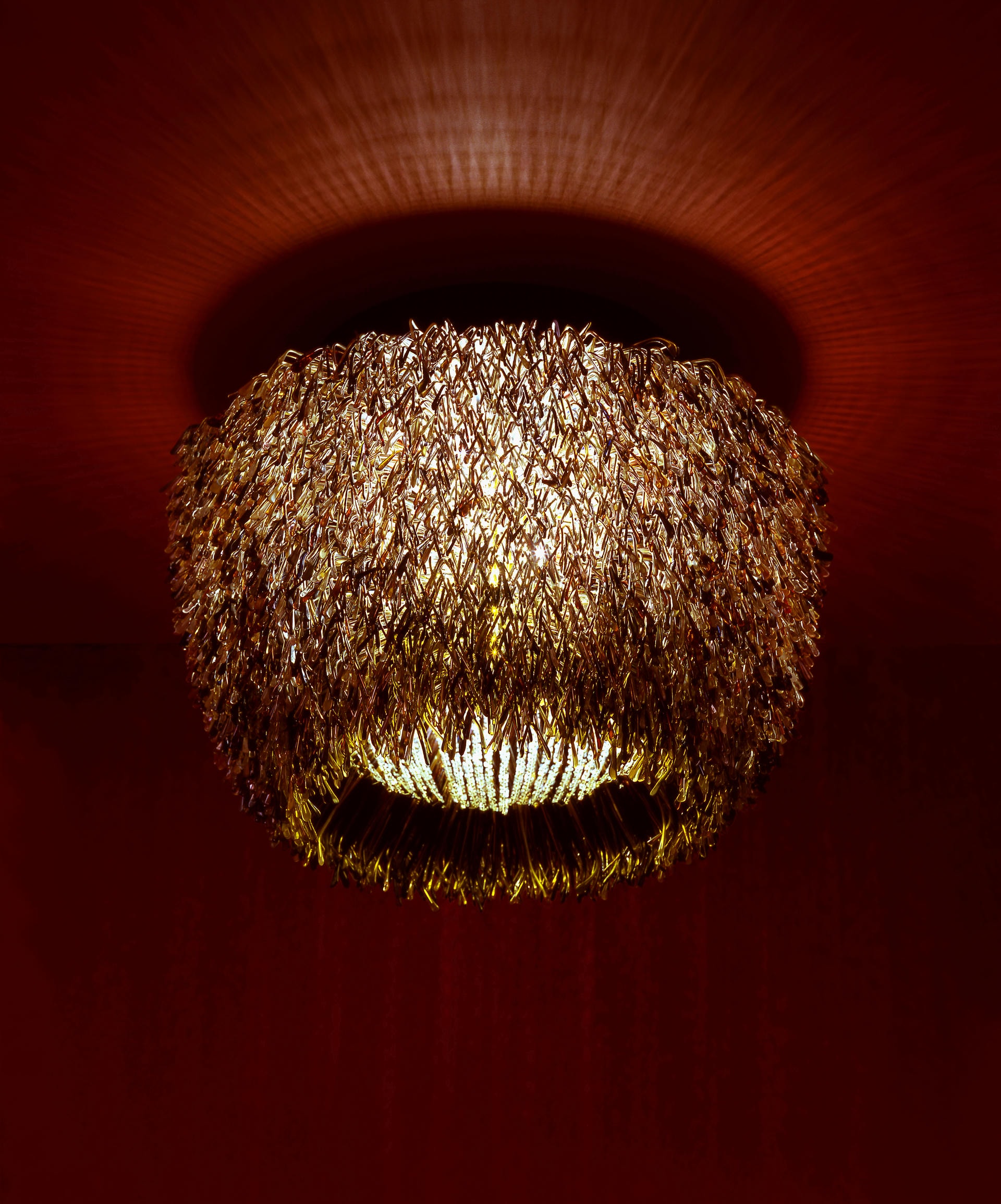
“My work revolves around everyday objects, often collected in large quantities, categorized and presented in such a way that they are given new meaning. It is about banal and overlooked objects gaining new significance.”
SHARE :