Isac Elam Kaid
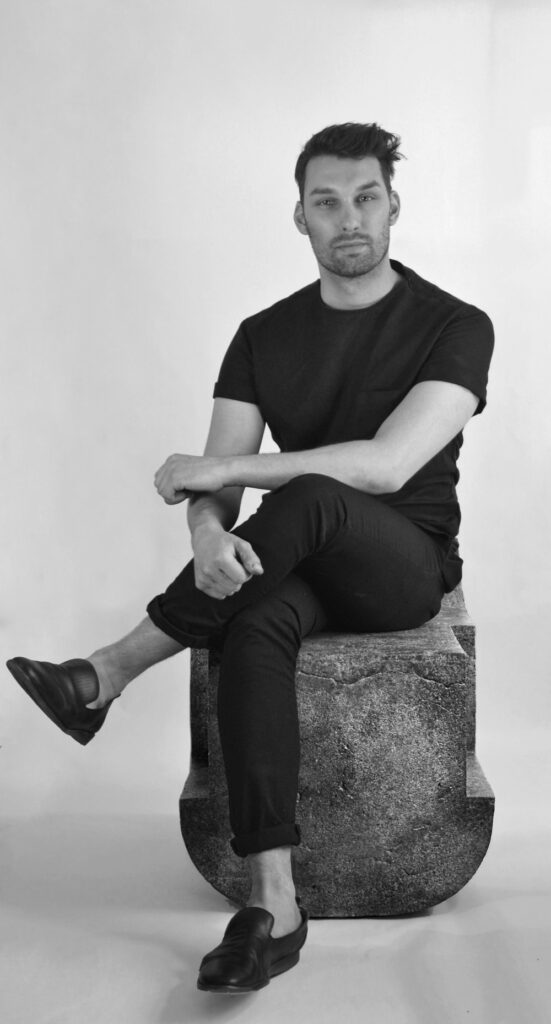
Isac Elam Kaid is a Canadian sculptor and designer whose work explores the relationship between material, time, and form. Born in Alberta and now based between Vancouver and Tel Aviv, he creates collectible design, sculpture, and architectural commissions that draw from geological processes, ancient craftsmanship, and the natural world. His practice is rooted in direct engagement with materials, allowing fracture, erosion, texture, and imperfection to shape the final work.
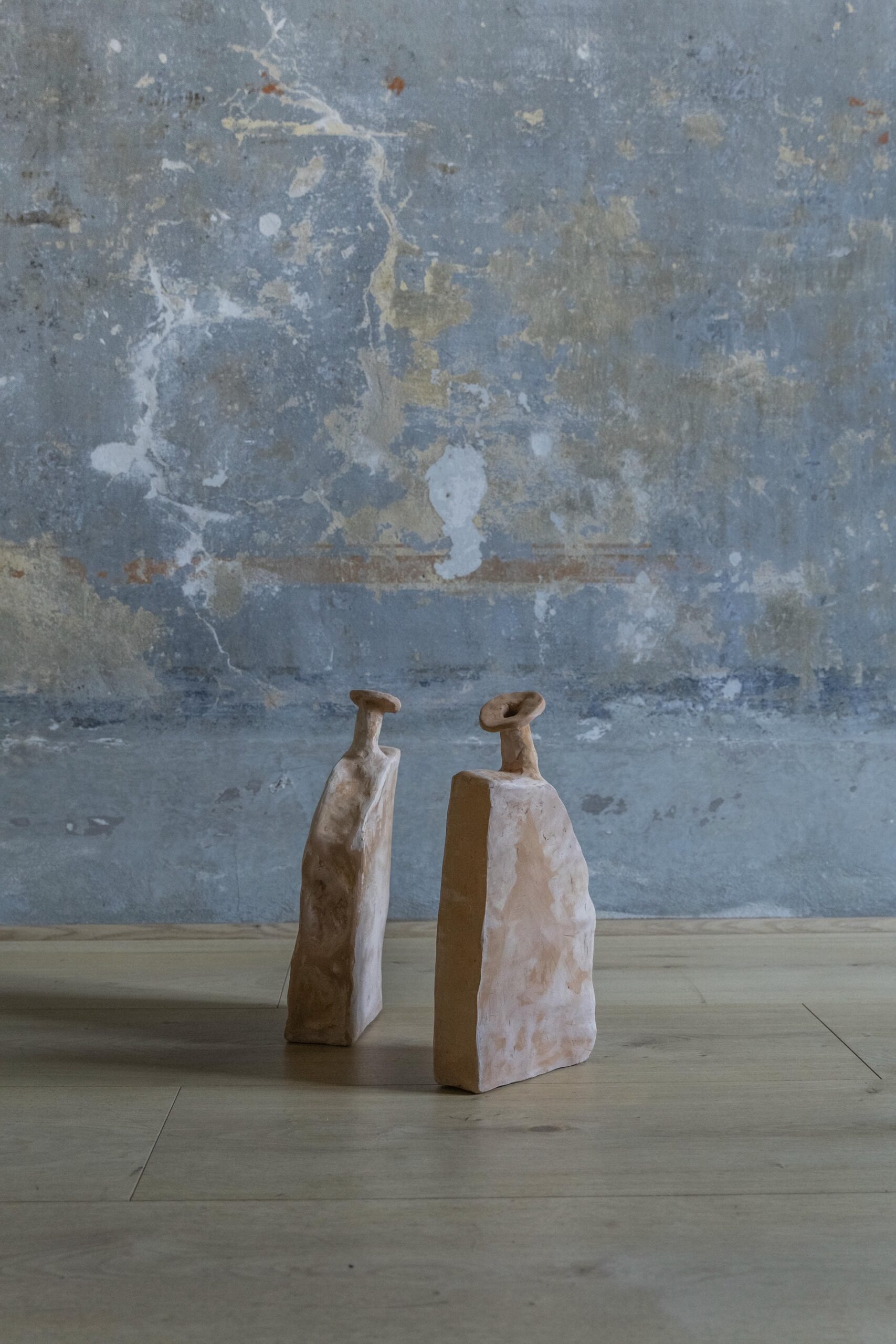
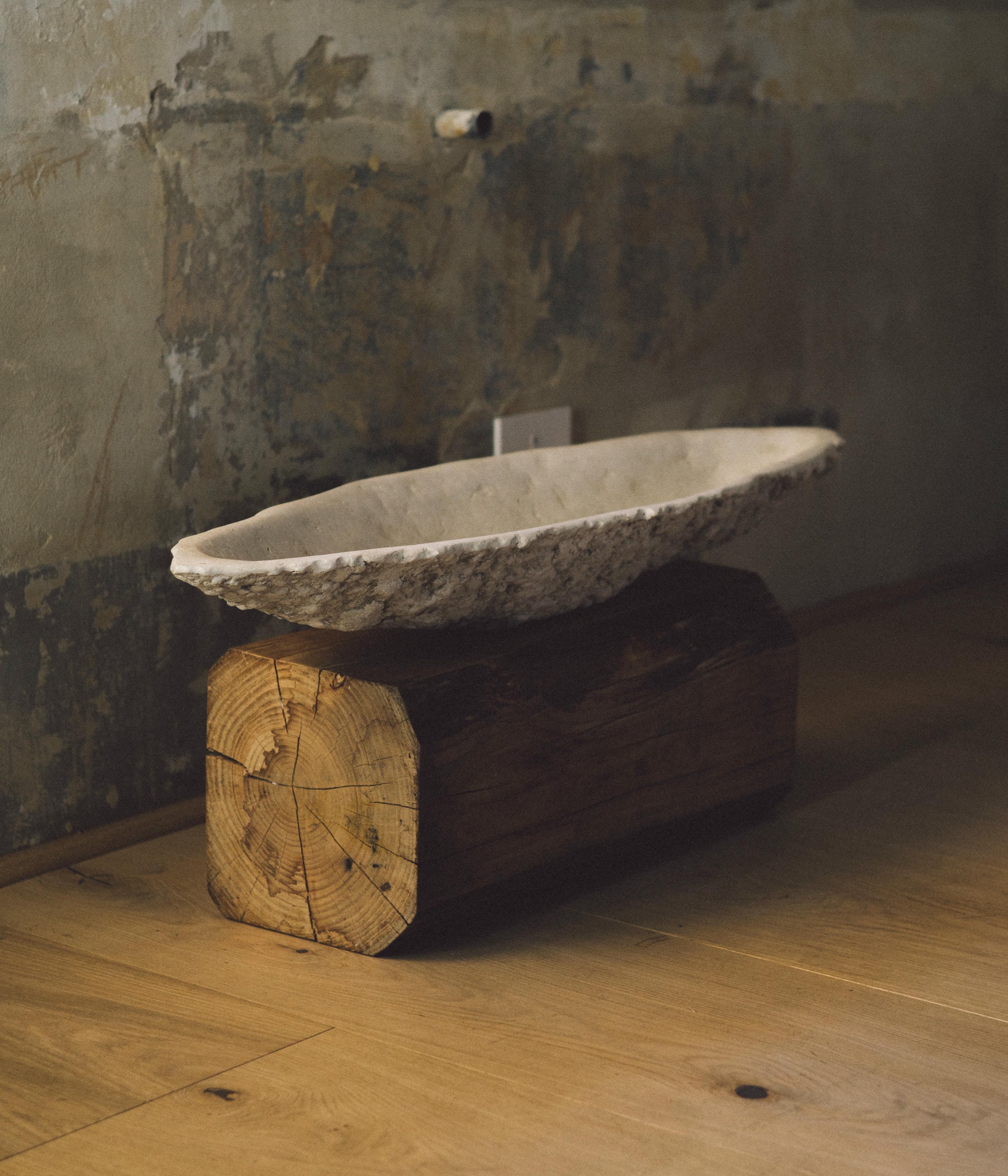
Working across stone, plaster, wood, and cast materials, Kaid develops pieces that exist between sculpture and function, often evoking archaeological artifacts, architectural fragments, and ritual objects. Influenced by rural landscapes, Mediterranean heritage, and traditional building practices, his work has been exhibited internationally and is held in private collections as well as diplomatic and institutional commissions, including the Canadian embassies in Italy and the Netherlands.
Interview
I was born in Canada and grew up in the countryside, surrounded by nature.
Growing up, I loved sculpting and sketching. I wasn’t aware of Design as a profession, but was instinctively drawn to the textures, contrast, and forms of my environment. I would make sketches of things that seemed unimportant – like the patterns of rust on an old door, or the scale of a boulder against a tree. I think I was trying to study those qualities and pull out what attracted me. I see the work I do now as a constant practice in observing those qualities and interpreting them in objects of permanence.
Yes. I studied Architectural Design and worked with private and commercial clients to conceive interior spaces before designing sculptural works.
I think we find a way to our paths, regardless of our backgrounds, if we keep moving toward what we feel called to. Growing up, I really didn’t know that what I do now existed. I just knew that I was attracted to an aesthetic world and to form. I have a keen interest in Architecture, but I primarily chose my studies because it was an accessible way to live and work in creativity. When I worked with clients, I would have a very specific vision of the objects that would be in the space. The problem was that none of those objects existed. I started creating objects for my clients, and almost immediately realized that this is what I truly wanted to do.
While almost everything has the ability to influence the work, there are definitely key influences in almost everything I do. My family is originally from the Mediterranean – in Greece, Israel, and France. I feel a deep connection to that heritage; to sacred temples and places of worship, and to old practices of building and design.
I am also constantly inspired by the natural world – to roots, to trees, patterns, and decay. I think a lot of my work is an attempt to capture what I feel and see. I don’t necessarily have a process, other than study, experimentation, and observation.
No two days are ever the same, as I’m always responding to what must be done next. Having a morning routine is important to me, though, to set up my work day. I wake quite early, because I love the morning. I’ll spend a few hours easing into the day: reading, meditating, going outside. I usually begin work around 8:00 or 8:30.
For me, there is no separation between my life and my work. If I can, I’ll spend the whole day moving in and around the work, often until late in the day. I use the word work, but it really isn’t. I think of what I do as play and study.
I often listen to something quiet in the background, and sometimes the objects come to be associated with those sounds for me. For the pulp series, I listened to Erik Satie’s Gnossiennes endlessly. Those sounds are embedded in the forms.
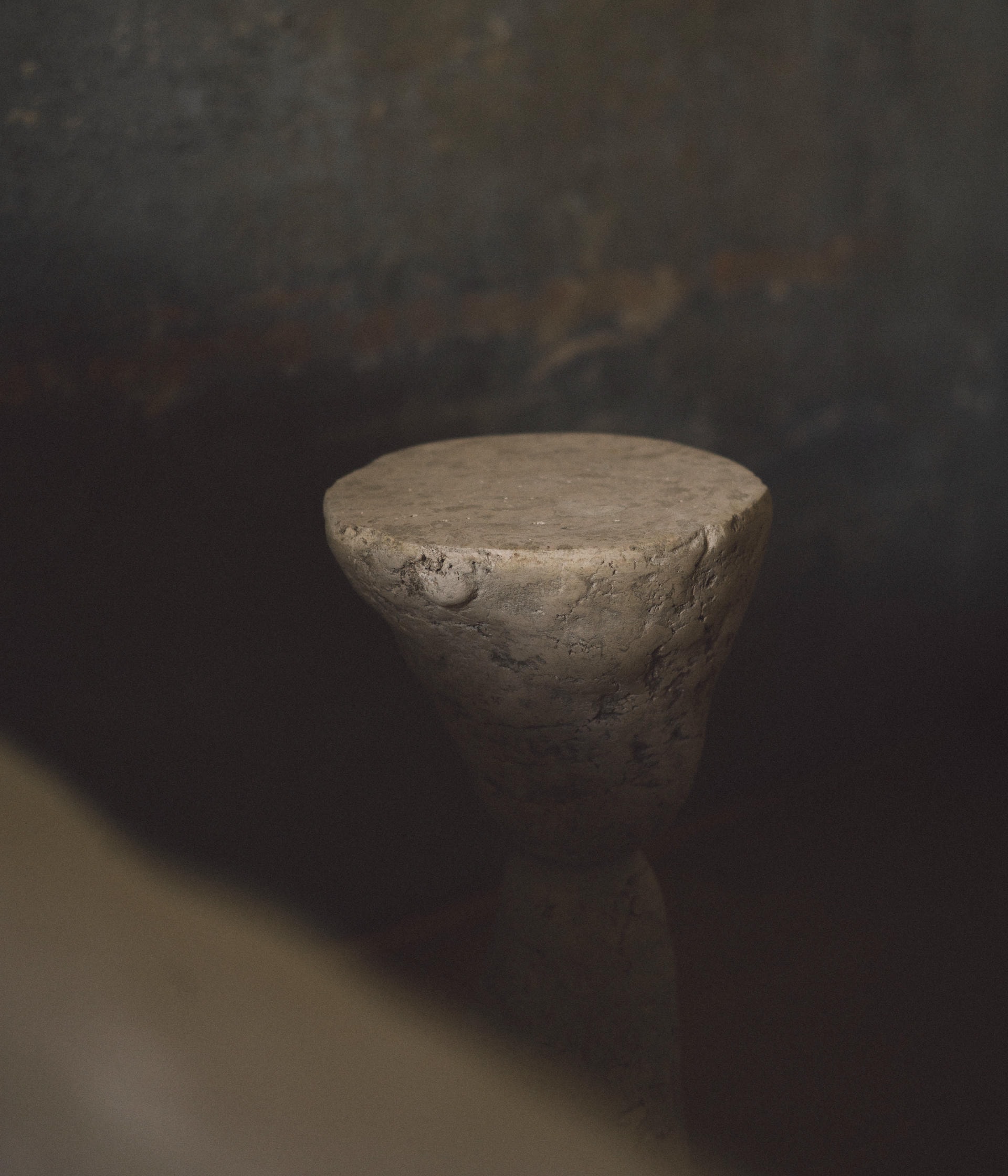
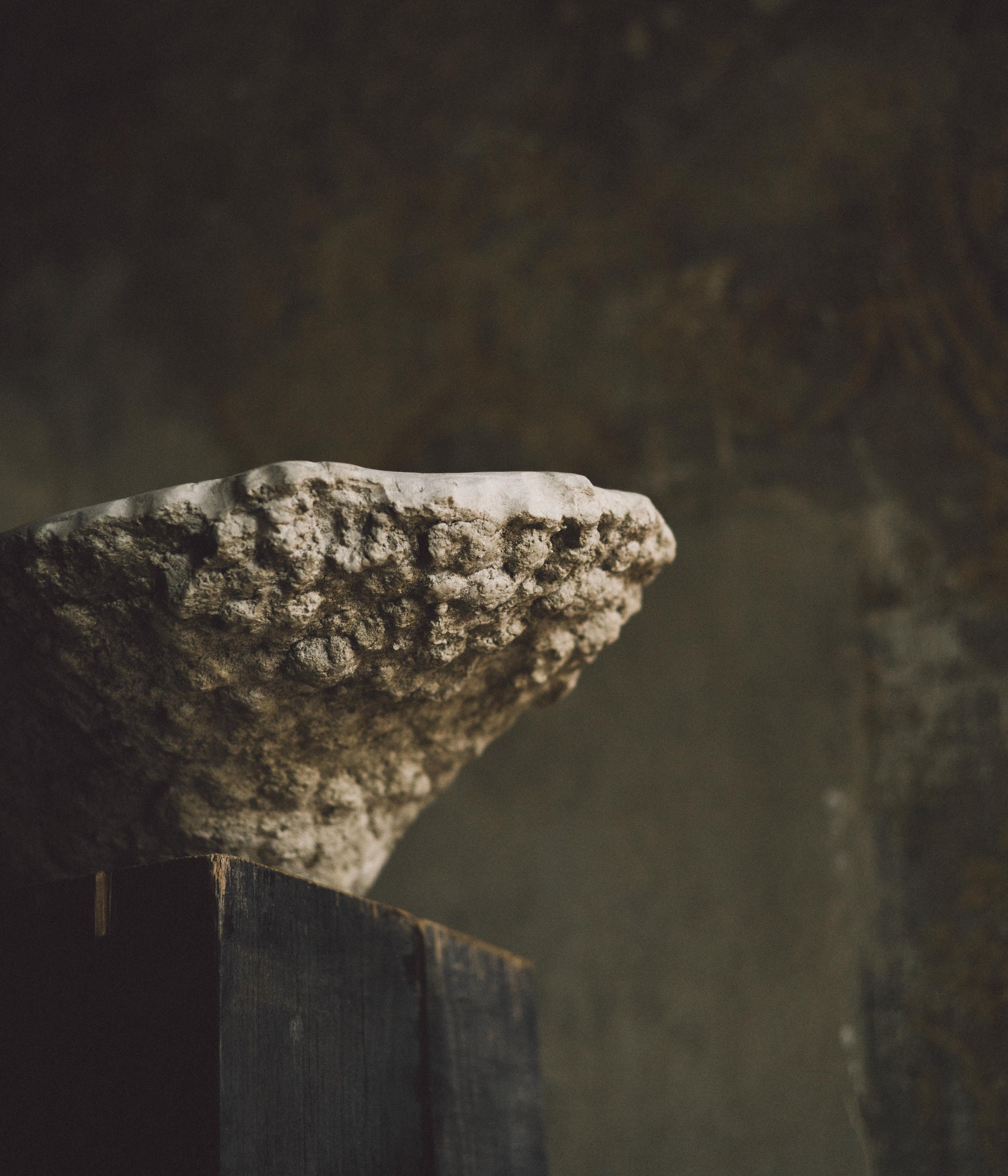
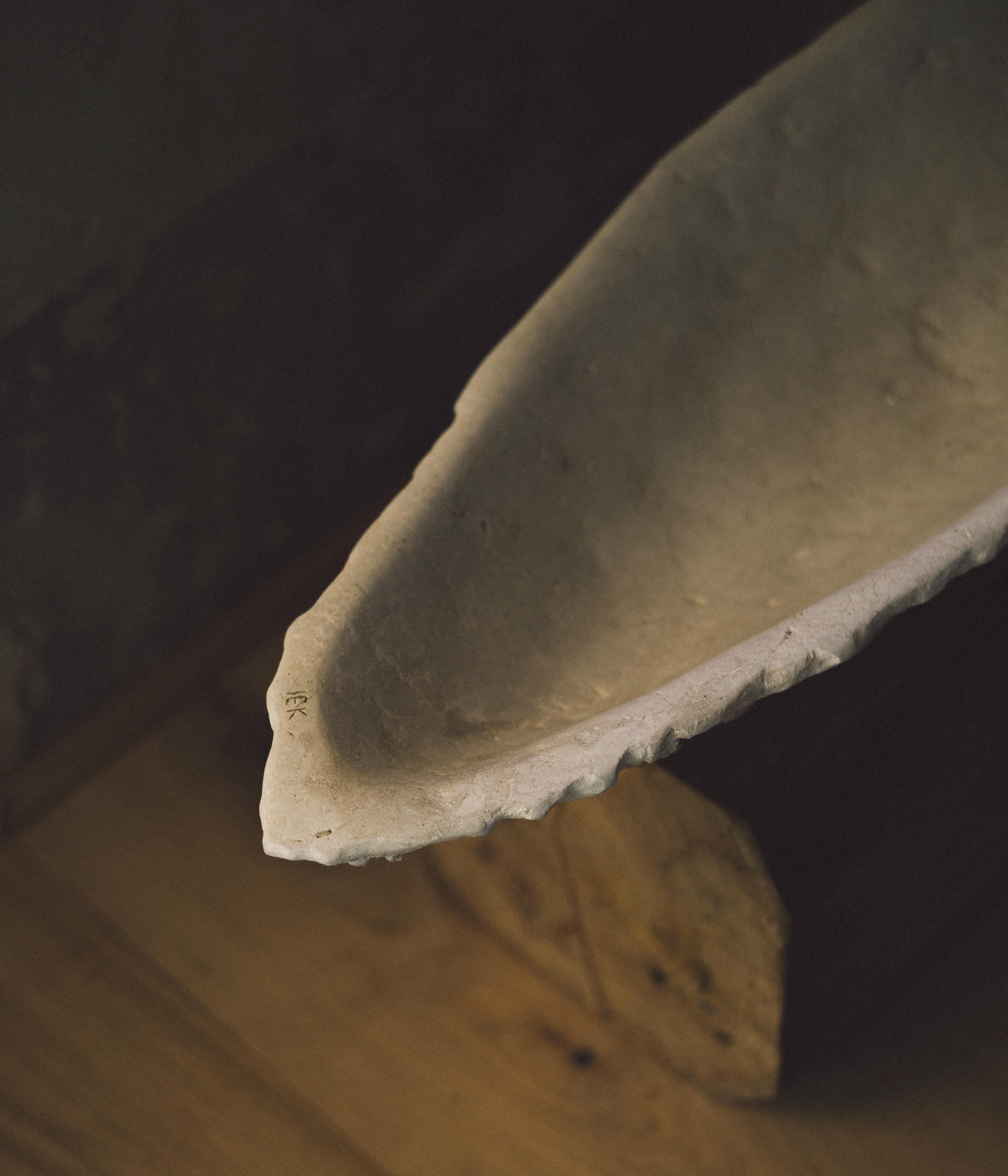
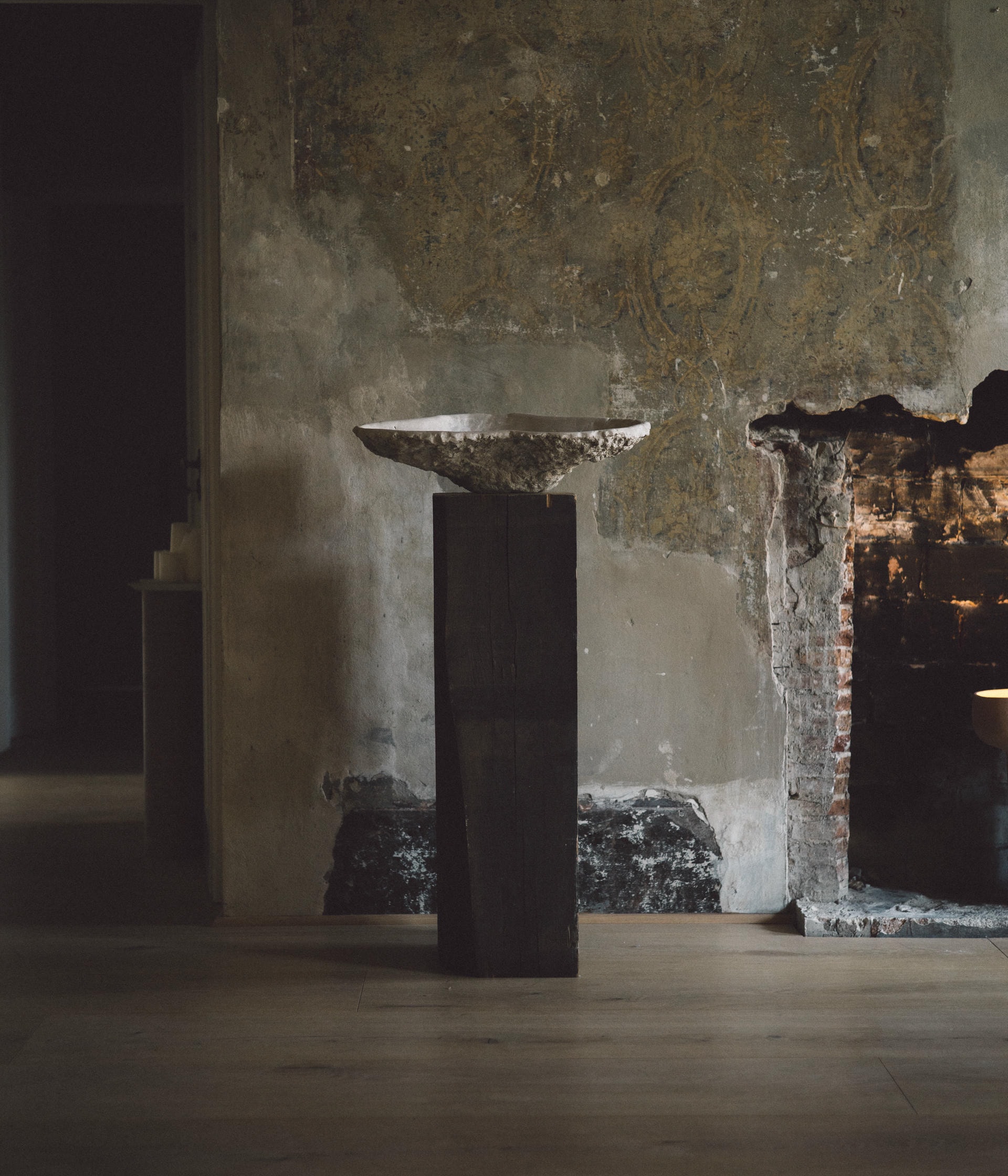
Every project is different, but often the material inspires the object. I am attracted to materials that feel raw, perhaps ancient.

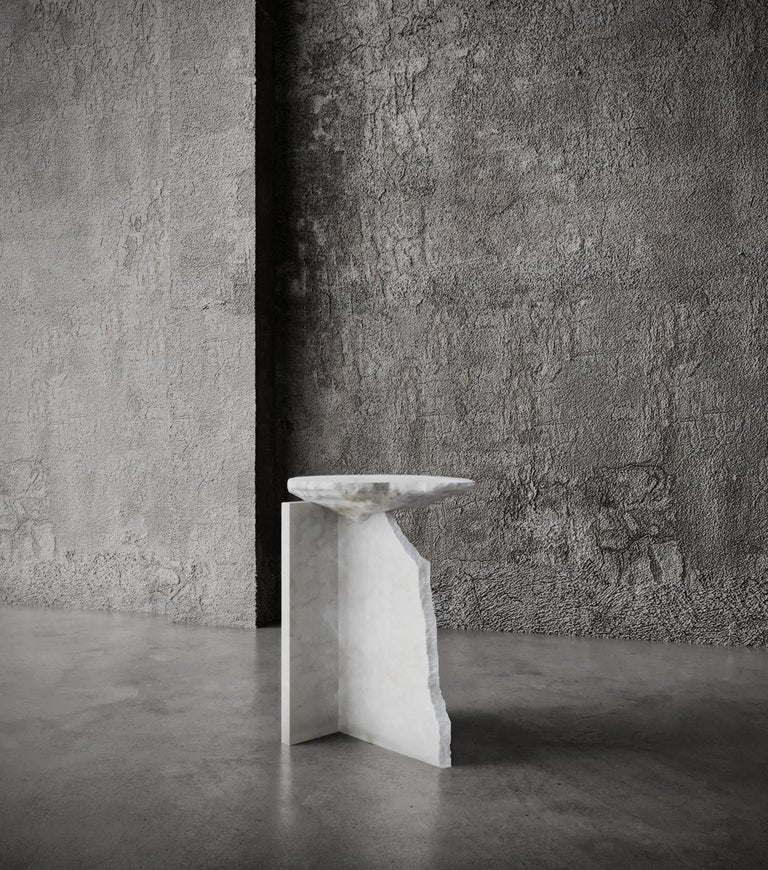
My work is largely sculptural and free-formed in its creation. I find meditation in working slowly and intuitively. For the Mono Block chairs, the process is based on antiquated building practices from the Middle East. A combination of gypsum, clays, cement, and earth is layered and compacted slowly in moulds, consisting of three basic shapes, rearranged as unique compositions. This is a very common means of construction in rural places of worship, where there have been fewer means of opulence. In these spaces, you will often find repetitive shapes in the architecture from the repeated arrangement of the moulds. I think I created those pieces because I wanted to feel a sense of the weight and presence one feels in those places.
I’d tell them to show up every day and do the work, keep moving, and evolving, and to remember that this is a practice, not a destination.
I’d rather not define the work by a movement.
Rick Owens, Vincenzo de Cotiis, and the work of Palomba Serafini.
Thierry Martenon, Ernst Gamperl.
I am in love with the work of Michele Oka Doner, of Iris Van Herpen, and of so many more.
I believe them to command presence, and to be honest.
“I am attracted to materials that feel raw, perhaps ancient.”
The Questions
(The Proust Questionnaire is a set of questions answered by the French writer Marcel Proust.
Other historical figures who have answered confession albums are Oscar Wilde,
Karl Marx, Arthur Conan Doyle, Stéphane Mallarmé, Paul Cézanne…)
Swimming in the ocean.
A lobotomie.
I overthink everything.
Apathy.
My Mother.
Long baths in the early morning, preferably with a good book.
Contentment.
Seflessness.
Humour.
Humour.
I’ll think about it.
In another life, I would like to sing in the Opera.
To be more decisive.
My relationships.
A migratory bird. One with a very long journey.
In the mediterranean, by the sea, surrounded by history.
Years ago, I visited the archives at the Yad Vashem museum and found the records of dozens of family members who died in the Holocaust. They sit bound in my bookshelf, and their memory makes them my most treasured possession.
Shame.
To be a creator.
I am always in pursuit.
Empathy and communication.
I couldn’t possibly choose one.
Hmm… Atticus Finch.
H.C Anderson.
Those who create unconventional paths.
Marlo, Greer, Atticus.
Apathy, Slothfulness.
Moments gone by, in which I wasn’t present.
At an old age, with my mind in tact and reflection on life.
Show up every day and take care of your part.
“I think we find a way to our paths, regardless of our backgrounds, if we keep moving toward what we feel called to.”

SHARE :