Lorenzo Bini
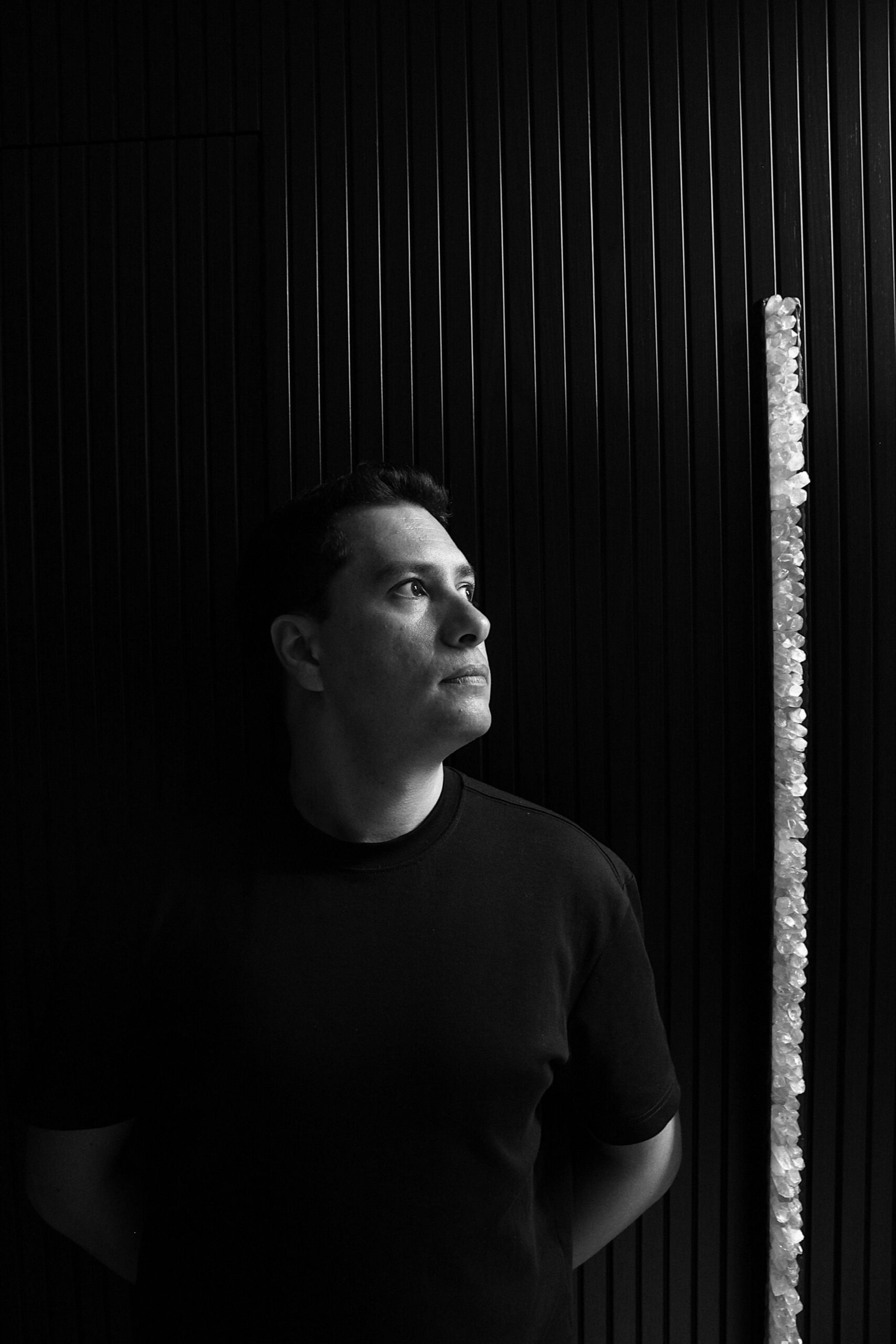
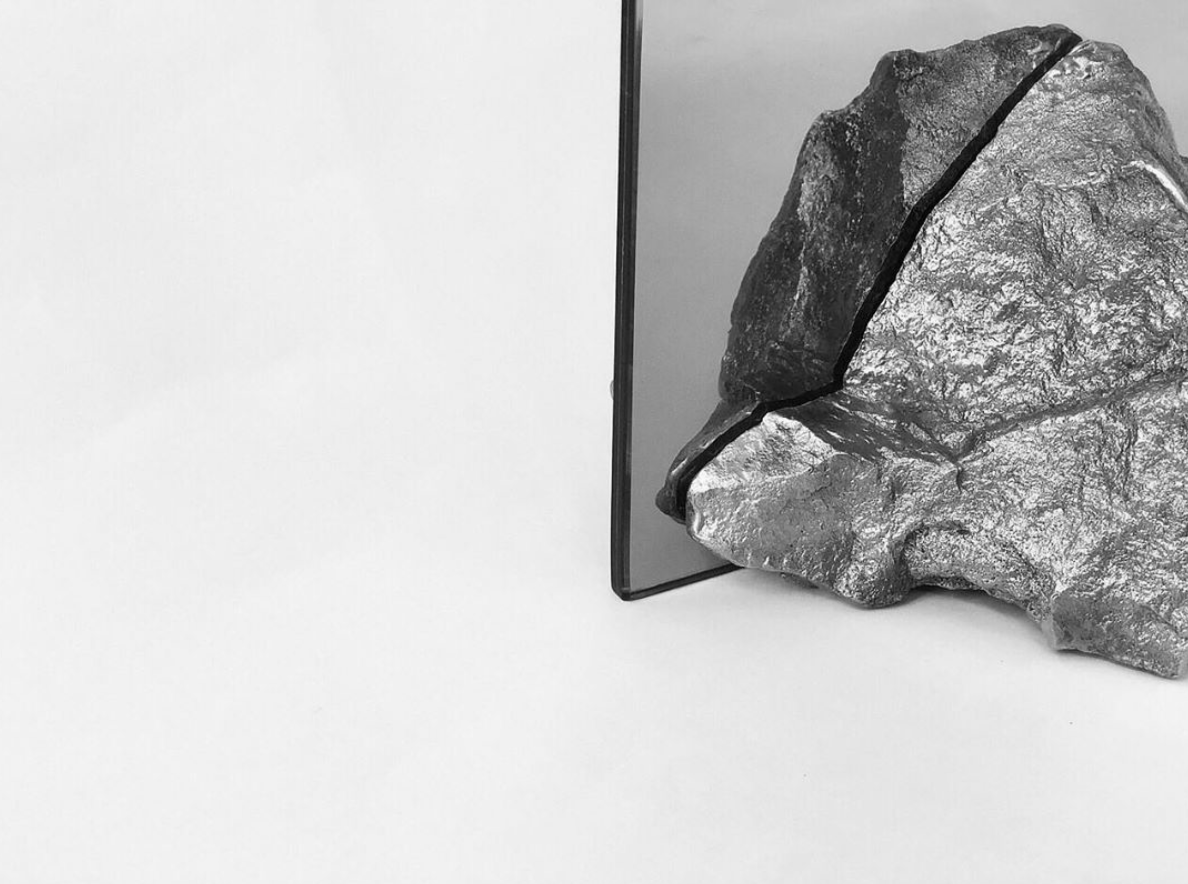
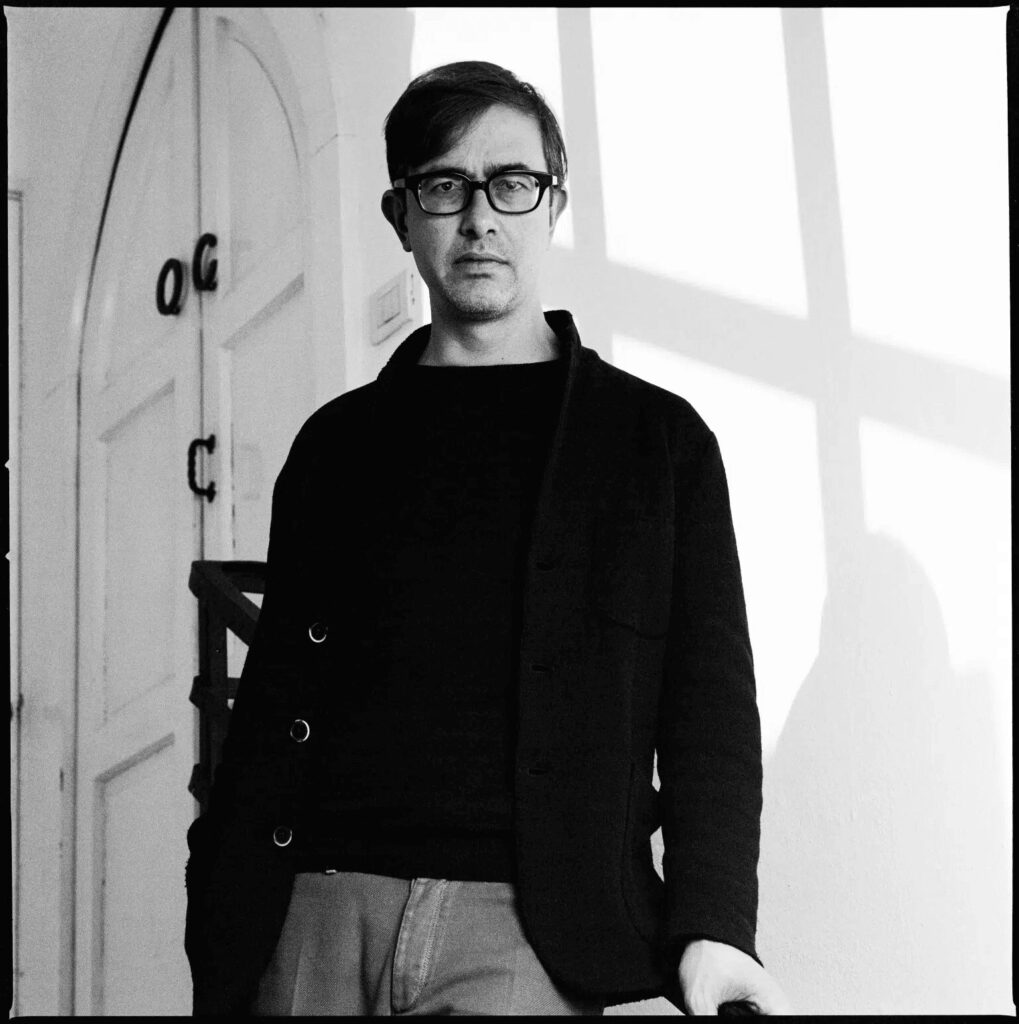
Lorenzo Bini is an Italian designer whose practice explores the intersection of sculpture, furniture, and collectible objects. Through his studio Binocle, he develops pieces that investigate the expressive relationship between geometry, material, and craftsmanship, creating refined forms that balance architectural clarity with sculptural presence.
Guided by a minimalist sensibility and a fascination with natural materials, Bini works with stone, wood, metal, and glass to create timeless furniture defined by precise proportions and tactile finishes. Rooted in thoughtful making and meticulous detailing, his work celebrates material honesty, understated elegance, and the enduring dialogue between object and space.
Interview
I was born in Milano, Italy, to Milanese parents.
I met Gianfranco Maraniello in high school; we were in the same class and quickly became best friends. His father, Giuseppe, is an artist, and Gianfranco’s attendance brought me close to art. I was stoked when I realized that Giuseppe was doing office hours exactly like my dad but would spend his days painting and casting bronze…
I did those little part-time jobs you often do as a kid, but at least since work has become my main activity, I am in the design field, design and architecture to be precise.
Already as a child, I was drawing all the time. I guess my mum gave me some sheets of paper and some pencils, and I just started fooling around with them. Later, as I graduated from high school, I went to the Architecture University because I thought there was a lot of drawing involved, and I had spent 5 years studying ancient Greek and Latin, so I wanted my drawing back…
I don’t like the adjective ‘creative’; I would rather describe my process as a process of transformation.
It usually involves a good deal of communication, coordination, and problem-solving. The time to think, react to a design challenge, turn a project around, and make a decision usually comes when I walk from somewhere to somewhere else or when I discuss stuff with clients, colleagues, or collaborators.
Because I am intrigued by their nature, their properties, and the process that makes them available.
Simplicity, geometry, craftsmanship, efficiency… But as I said, I don’t create.
Ask yourself if what you are doing is making you happy. If it does, continue regardless of its purpose; if it doesn’t, just quit as soon as you finish reading this sentence.
It is impossible to answer this question, but I’d be happy if what I do could be as free as Italian Radicalism and as strict as German Modernism.
Ettore Sottsass, Achille Castiglioni, Vico Magistretti and Enzo Mari. I am shortsighted, so I just answer without looking beyond my national borders.
Maarten Baas because he’s a genius, Max Lamb because he’s really able to break free, Francesco Faccin because he’s carrying on the Italian legacy.
Sol Lewitt is my North Star, Nick Cave is my ocean, Karl Ove Knausgård is my form of addiction.
Although ‘creations’ are not my thing, I would steal this sentence, ‘Wandering with a compass’ from Javier Marías.
Forget about everything I just said.
“I am intrigued by the nature of materials, their properties, and the processes that make them available.”
The Questions
(The Proust Questionnaire is a set of questions answered by the French writer Marcel Proust.
Other historical figures who have answered confession albums are Oscar Wilde,
Karl Marx, Arthur Conan Doyle, Stéphane Mallarmé, Paul Cézanne…)
SHARE :