Kwak Kyung Tae
Interview
I was born in a rural village in the southwestern part of South Korea, grew up in Seoul, and am currently working in the Icheon ceramic village in Gyeonggi Province.
대한민국 남서쪽 시골마을에서 태어나고 서울에서 자랐으며 지금은 경기도 이천 도자기 마을에서 작업하고 있다.
After majoring in ceramics in high school, I continued my studies through university and graduate school, then devoted two years to the study of onggi. As a result, I was able to open my first studio in 2001.
고등학교에서 도예를 전공한 후 대학교와 대학원을 거쳐 2년간 옹기공부에 매진했습니다. 그 결과, 2001년에 마침내 저의 첫 작업실을 열게 되었습니다.
In 1999, at my graduate thesis exhibition, which was also my first solo exhibition, I presented works created using surae-jil, a traditional onggi technique. Through this body of work, I was able to successfully reinterpret the beautiful lines of traditional onggi into my own distinctive forms.
1999년. 당시 대학원 졸업전시이자자 첫 개인전에서 저는 전통 옹기 성형 기법인 수레질을 활용한 작품을 선보였습니다. 이 작업을 통해 전통 옹기의 아름다운 선을 저만의 독창적인 형태로 성공적으로 재해석할 수 있었습니다.
While learning traditional onggi techniques, I found inspiration for design creation. Rather than limiting these techniques solely to the making of jars, I began my work with the intention of applying them to sculptural art as well as to functional tableware that can be used in everyday life.
옹기 기법을 배우면서 디자인 창작에 대한 영감을 받았습니다. 저는 전통적인 옹기 기법을 단순히 항아리 제작에만 한정하지 않고, 조형 예술이나 실생활에서 유용하게 사용할 수 있는 생활 식기류에도 적용하고 싶다는 생각으로 작업을 시작하게 되었습니다.
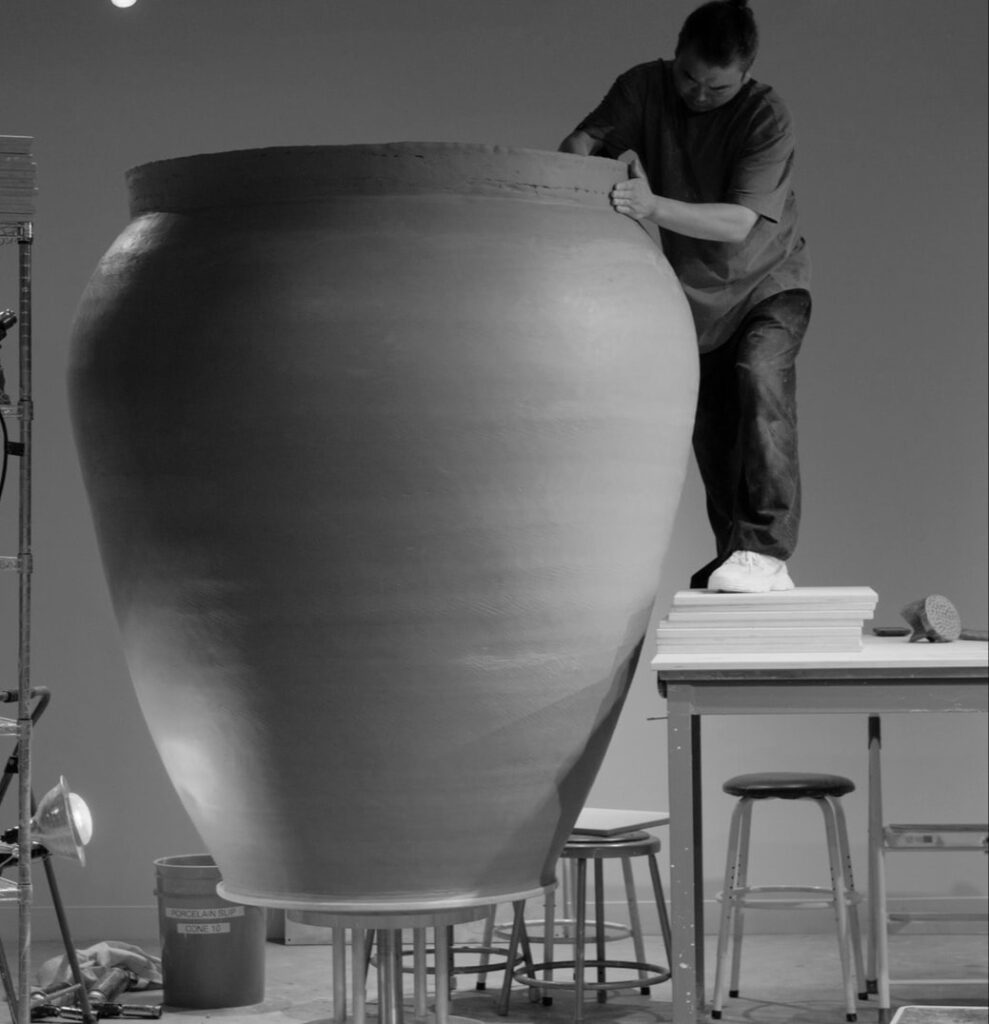
I first encountered Onggi in the spring of 1993 during my university’s annual ceramics wheel-throwing tournament. That morning began with a demonstration by an elder Onggi master. With striking ease and confidence, he stretched, stacked, and rhythmically paddled the clay into a massive, beautifully proportioned vessel. His movements were fluid yet grounded, rooted in a deep understanding of material, tradition, and time.
I was completely transfixed. So much so that I nearly missed my time to compete. But in truth, the competition faded in importance. What stayed with me was the profound presence of that vessel and the quiet authority of the hands that shaped it.
That moment marked the beginning of a long journey for me. Onggi was not just a form or technique; it was a way of being in dialogue with the earth, with history, and with the body. It stirred something elemental in me – a respect for raw clay, a fascination with physical process, and a desire to root my practice in something honest and enduring.
제가 옹기를 처음 만난 것은 1993년 봄, 대학에서 매년 열리는 도예 물레성형 대회에서였습니다. 그날 아침, 한 원로 옹기장이의 시연으로 행사가 시작되었습니다. 그는 흙을 늘리고, 쌓고, 두드리며 거대한 항아리를 만들어냈습니다. 그의 손길은 놀라울 만큼 자연스러우면서도 힘이 있었고, 재료와 전통, 시간에 대한 깊은 이해가 느껴졌습니다.
저는 그 광경에 완전히 매료되어 제 순서가 다가온 줄도 모를 정도였습니다. 대회의 긴장감은 사라졌고, 제 안에 깊이 남은 것은 단지 그 항아리의 압도적인 존재감과 그것을 빚어낸 손의 조용한 권위였습니다.
그 순간은 제게 하나의 전환점이 되었습니다. 옹기는 단지 하나의 형태나 기법이 아니었습니다. 그것은 땅과의 대화이자, 역사와 신체성에 대한 탐구였습니다. 흙에 대한 경외감, 물성과 과정에 대한 매혹, 그리고 제 작업을 진실하고 지속적인 무언가에 뿌리내리고자 하는 열망이 그때 처음 싹텄습니다.
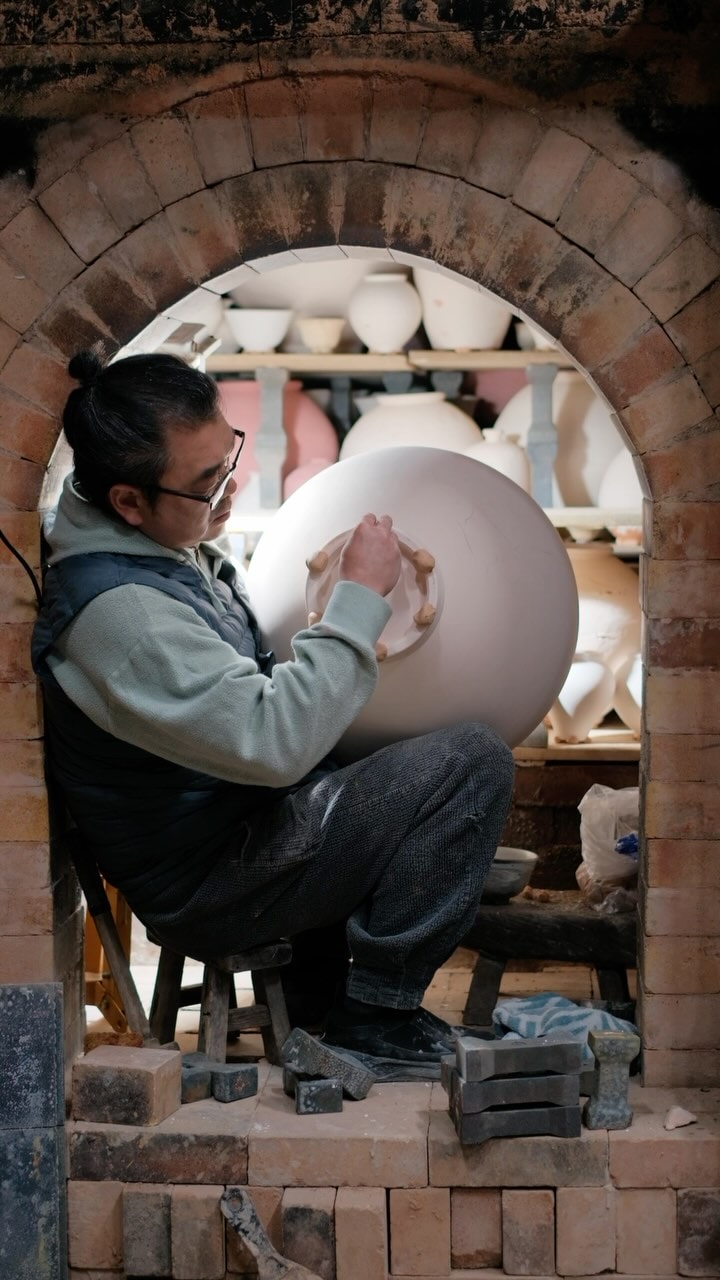
My favorite tool is my own hand, an extension of my body. It is a tool shaped by time and experience, refined through years of practice. Over time, my hand has become so familiar with the material that it now intuitively determines both the beginning and the end of a piece.
내가 가장 좋아하는 도구는 내 몸의 일부인 손이다. 이 손은 나의 시간과 경험으로 축적된 도구이다. 시간이 지남에 따라 익숙해진 손은 작업의 시작과 끝을 결정하는 도구인 것이다.
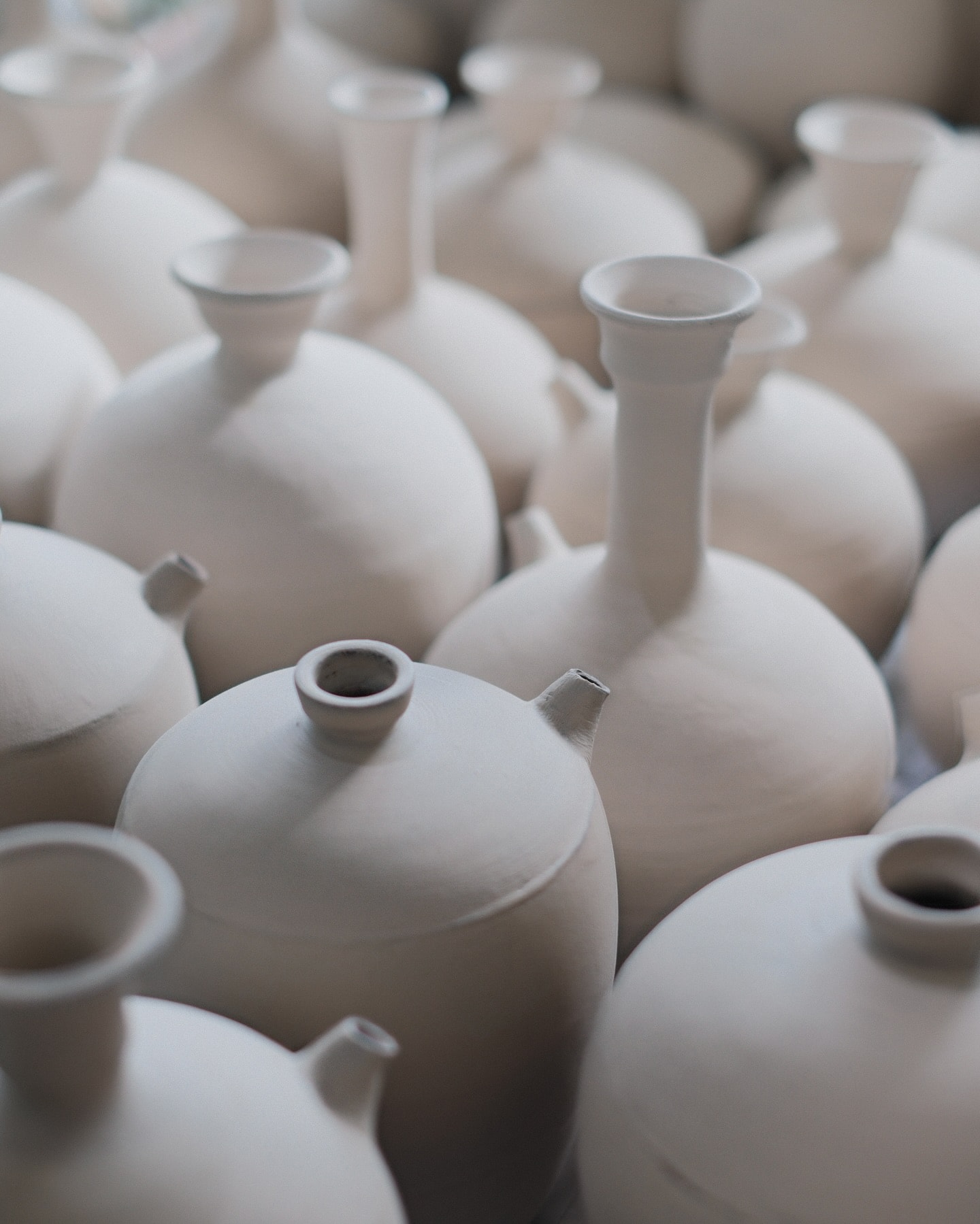
My work always begins early in the morning. Ceramic practice is a continuous process of forming, trimming, applying buncheong, bisque firing, glazing, glaze firing, and finishing. Although it may seem that I repeat the same tasks in the same space each day, I carry out this repetitive process in order to create something new every time. As a result, there are many days when the hours never seem sufficient.
저의 작업은 늘 이른 아침에 시작됩니다.
도예 작업은 만들고, 깎고, 분청하고, 초벌, 유약, 재벌, 다듬는 과정의 연속입니다. 저는 항상 같은 공간에서 같은 작업을 반복하는 듯하지만, 늘 새로운 결과물을 만들어내기 위해 이 반복적인 과정을 수행합니다. 그래서 하루가 부족한 날이 꽤 많습니다.
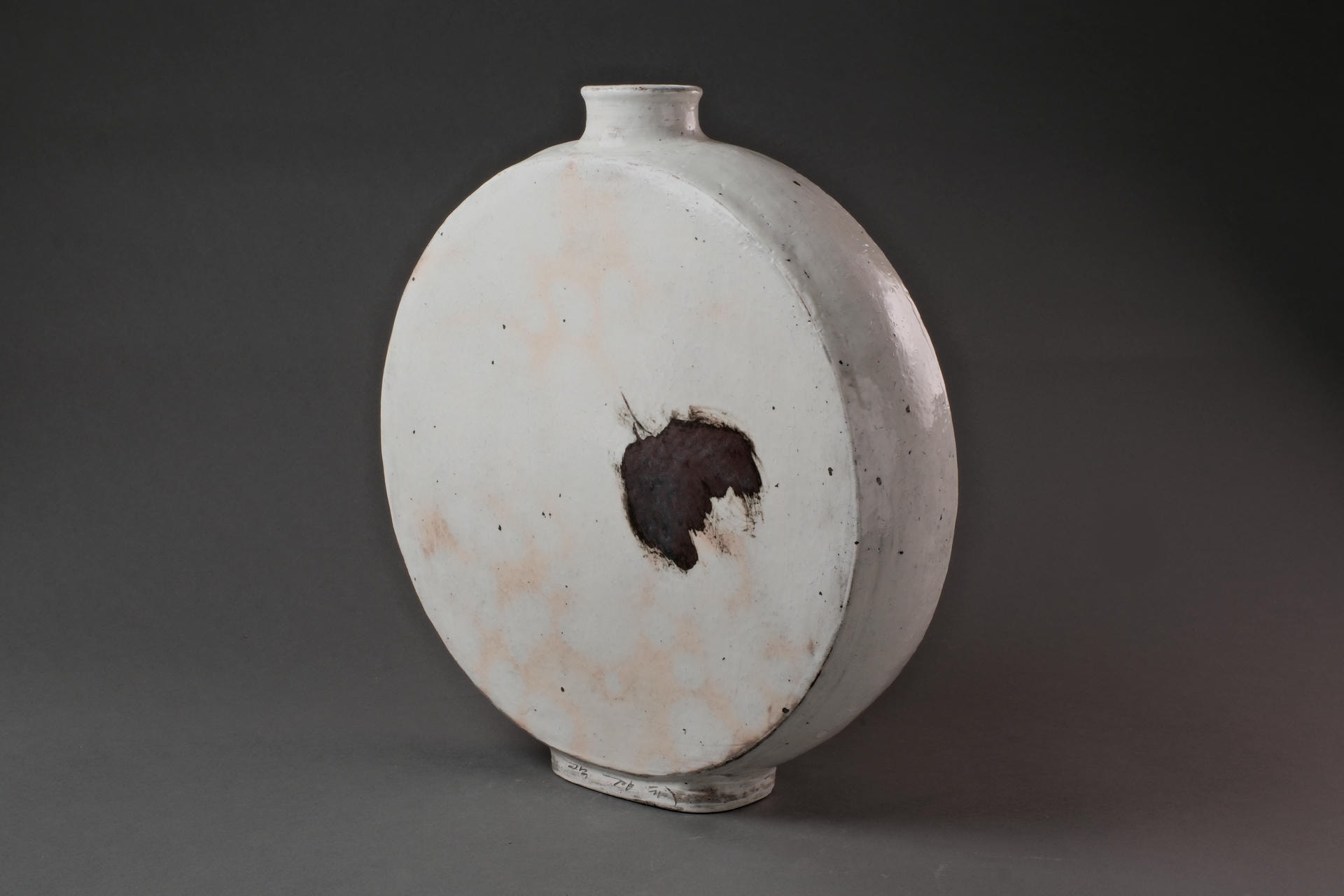
In ceramic practice, functionality comes first. Only when that functionality flows naturally from the body do I believe one can move on to the next stage.
도예 작업은 기능적인 부분이 먼저 입니다 그 기능적인 것이 몸에서 자연스럽게 베어 나올때
그 다음 단계로 넘어가기 바랍니다.
I am an onggi buncheong artist. I work with coarse, iron-rich clay suitable for making onggi, along with white slip.
On the surface, my work may appear spontaneous, but beneath it lies a deep intentionality. For me, instinct is not separate from knowledge; it exists as tacit understanding embedded in the body, formed through decades of working with clay, fire, and brush.
I listen closely to the subtle transformations and interactions created by the iron in the clay, the white slip, and the fire.
True mastery lies in allowing traces of skill to feel natural and effortless. This comes from long years of accumulated training and focused attention. Within the boundary between intention and instinct, something genuine and alive is finally revealed.
나는 옹기분청 작가 입니다
옹기를 만들수 있는 거칠고 철분이 많이 함유된 흙과 흰색 화장토를 사용합니다
표면적으로는 즉흥적으로 보일 수 있지만, 그 안에는 깊은 의도가 깔려 있습니다. 저에게 본능은 지식과 분리된 것이 아닙니다. 그것은 몸에 스며든 암묵지로 존재하며, 수십 년간 흙과 불, 붓을 다뤄온 경험을 통해 형성된 것입니다.
저는 점토 속 철분, 백토, 불이 만들어내는 미묘한 변화와 그 상호작용에 귀를 기울입니다.
진정한 숙련은 그 흔적이 자연스럽고 effortlessly 하게 느껴지도록 하는 데 있으며, 그것은 오랜 시간 쌓아온 훈련과 집중에서 비롯됩니다. 의도와 본능 사이, 그 경계 안에서 비로소 진실하고 살아 있는 무언가가 드러납니다.
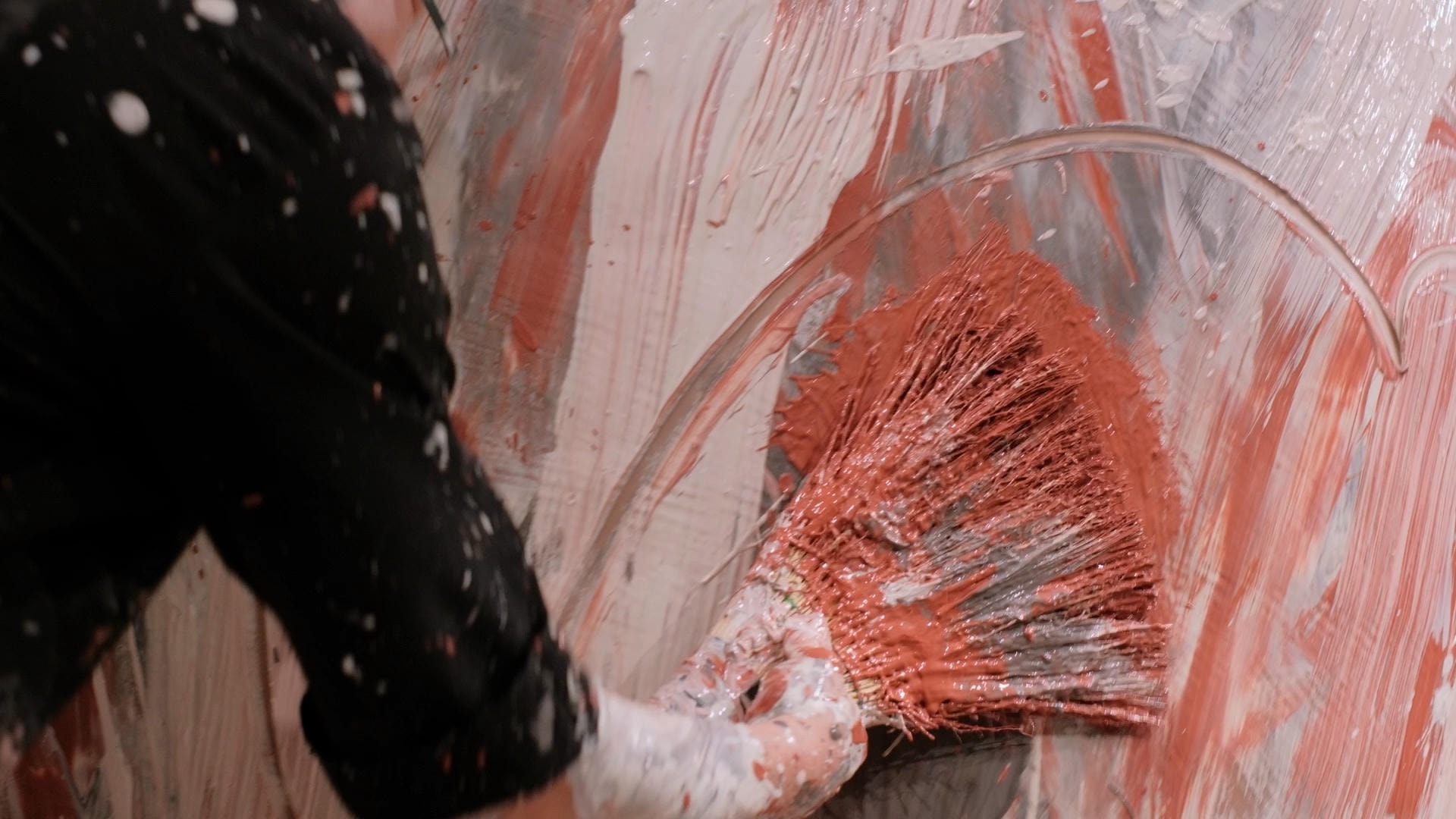
It is not easy to define my work within a single movement. Fundamentally, I create non-formal, irregular forms based on onggi techniques refined over many years, and layer them with improvisational buncheong work and painting. If I were to define it at all, I would describe it as a form of process-based art.
제 작업을 하나의 사조로 규정하기는 쉽지 않습니다. 기본적으로 오랜 시간 숙련한 옹기 기법을 바탕으로 비정형의 형태를 구현하며, 여기에 즉흥적인 분청 작업과 페인팅을 더합니다. 굳이 정의하자면 ‘프로세스 기반 예술(Process-based Art)’이라고 할 수 있을 것 같습니다.
The ceramic artist Lee Kang-hyo, the teacher who first introduced me to the onggi practice. His work, his exemplary character, and his passionate dedication to creation have always been a great source of inspiration and motivation for me.
도예가 이강효 선생님이십니다. 옹기 작업을 처음 가르쳐주신 스승님이시며, 선생님의 작품과 훌륭한 인품, 그리고 작업에 대한 뜨거운 열정은 저에게 언제나 큰 영감과 자극이 됩니다.
The ceramic artist Lee Kang-hyo.
11번과 같다.
Young emerging artists.
젊은 신진 작가들.
Continuously moving.
계속 움직이고 있다.
I didn’t expect this survey to become a time for reflecting on myself.
이 설문을 통해 나에대해 생각하는 시간이 될지 몰랐다.
“Onggi was not just a form or technique; it was a way of being in dialogue with the earth, with history, and with the body.”
The Questions
(The Proust Questionnaire is a set of questions answered by the French writer Marcel Proust.
Other historical figures who have answered confession albums are Oscar Wilde,
Karl Marx, Arthur Conan Doyle, Stéphane Mallarmé, Paul Cézanne…)
Food and drinks made by my wife. 아내가 해준 음식과 술
Becoming lazy. 나태해 지는것
Lack of communication. 대화 부족
Lying. 거짓말
Farmers and fishermen—the people who sustain the most basic aspects of our lives. 농어민. 가장 기초적인 삶을 지탱해주는 분들
My studio. 나의 작업장
Clear. 맑다다
Social Relationships. 인관관계
Sense of responsibility. 책임감
Wisdom. 지혜로움, 현명함
Practice. 연습
Pictorial expression. 회화적 표현
Eloquence. 언변
My marriage. 결혼
A Genius. 천재
A place with mountains at the back, a river in front, and the sea nearby. 뒤에는 산이 있고 앞에는 강, 가까운 곳에 바다가 있는곳
She is not my possession… but my wife. 소유물은 아니지만….. 모든 명의를 갖고있는 아내
A dinner without soju. 소주없는 저녁
Making work. 작업
Cheerfulness. 밝음
Loyalty. 의리
–
Wong Fei Hung. 황비홍
I wonder who?? 누굴까요??
All the mothers in the world. 세상의 모든 엄마들
Song Jung Keum (my wife). 송정금 (나의 아내)
Laziness. 나태함
Not being able to study abroad. 유학 못간것
Comfortably while sleeping. 자다가 편안하게
Always keep moving. 항상 움직여라
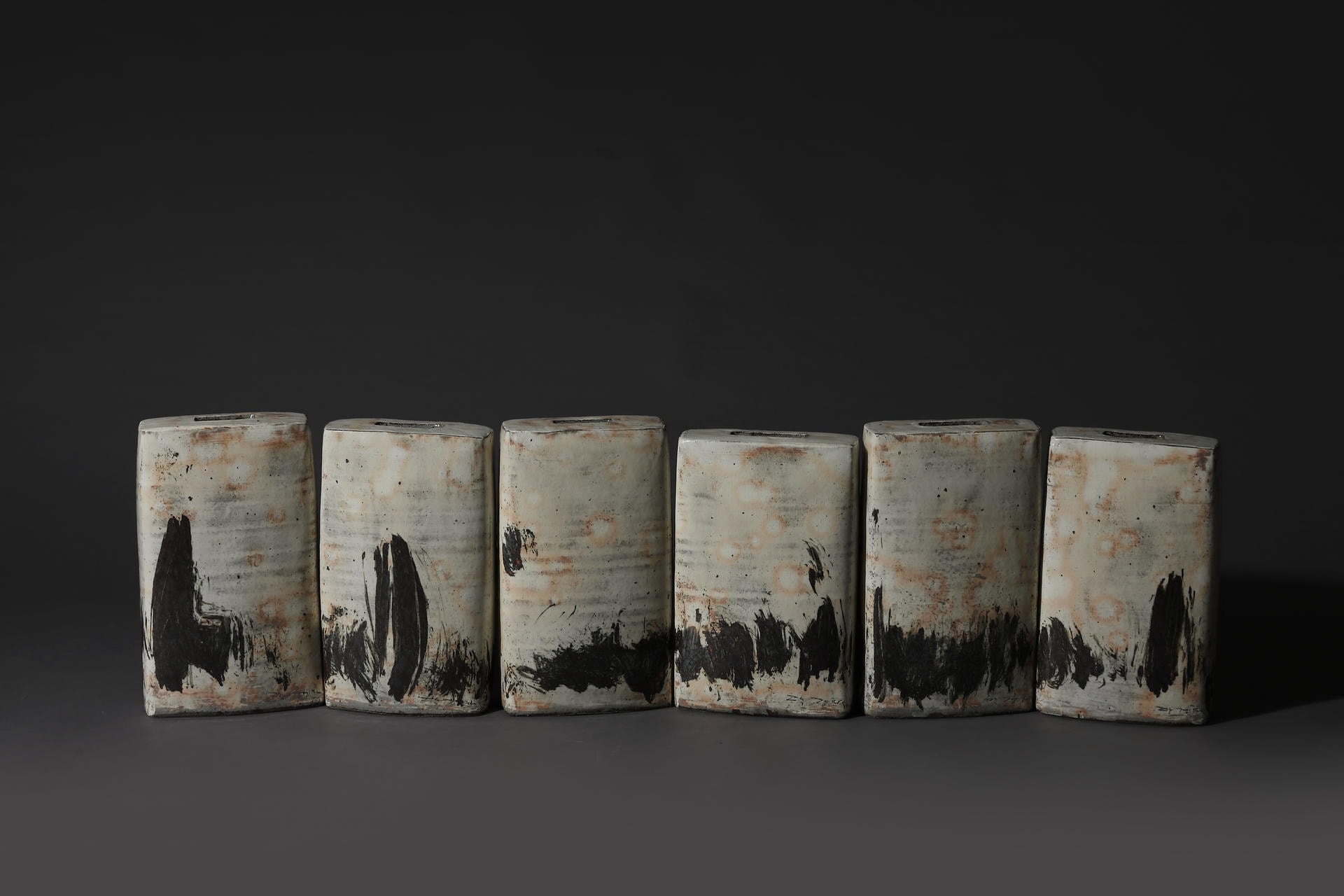
“Within the boundary between intention and instinct, something genuine and alive is finally revealed.”
SHARE :