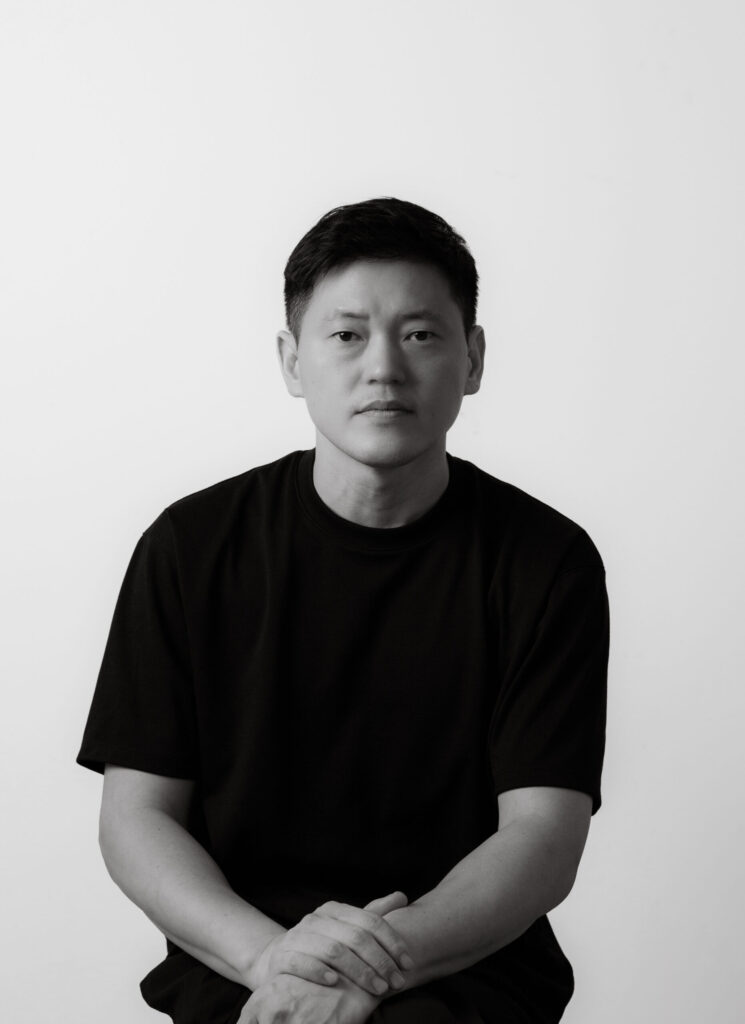
Hyungshin Hwang
Hyungshin Hwang is a Seoul-based designer whose work explores memory, materiality, and structure through furniture and objects. Trained in woodworking and furniture design at Hongik University, where he earned both his BFA and MFA, Hwang develops a distinctive formal language that transforms everyday experiences and emotional narratives into carefully crafted forms.
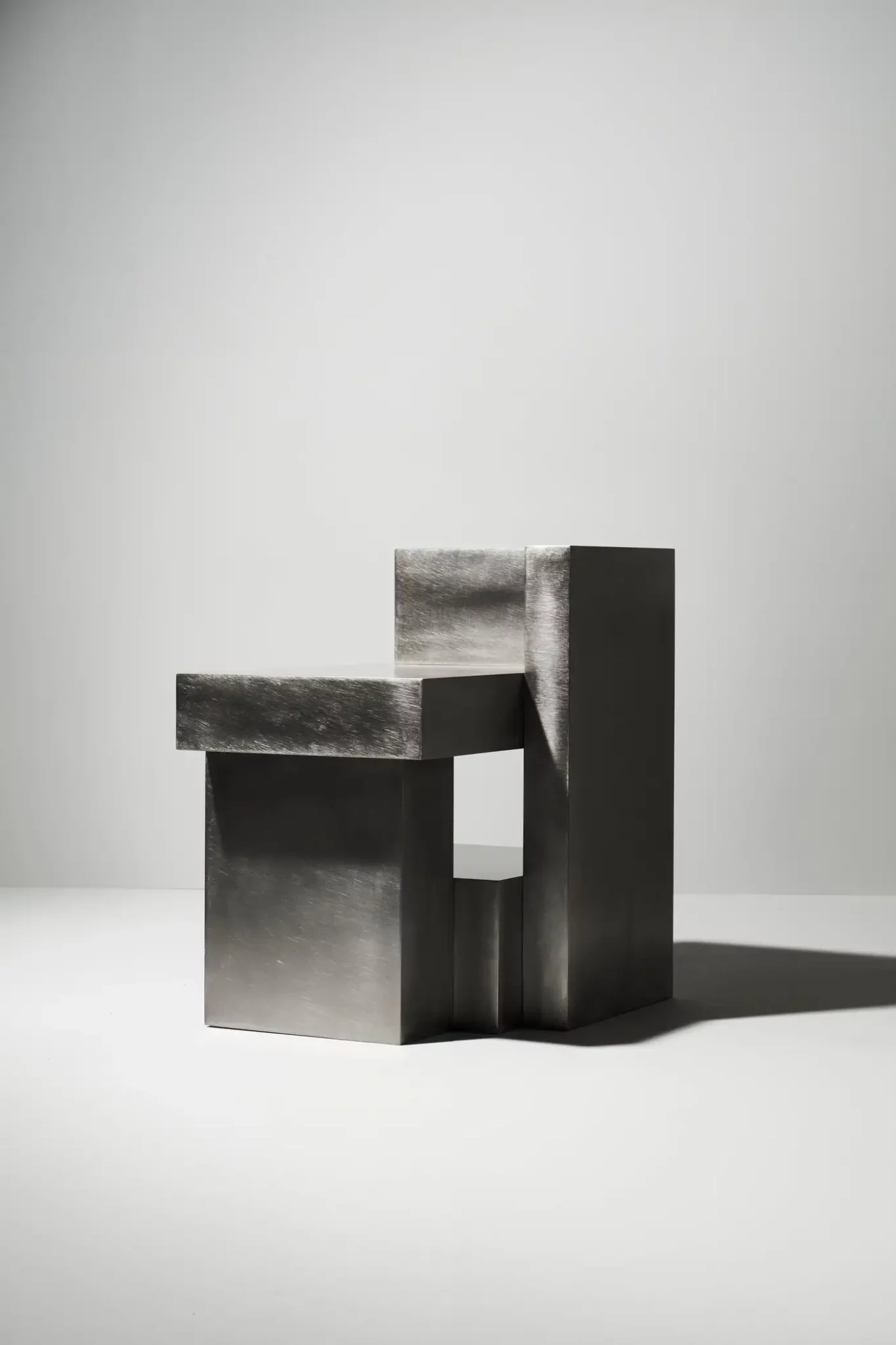
Central to his practice is the ongoing Layered Series, first introduced at KIAF in 2007. Through modular construction and layered surfaces, the series reflects the accumulation of time, memory, and lived experience. Hwang’s work has been exhibited internationally at Milan Design Week, DMY Berlin Design Festival, Design Days Dubai, and Art Beijing, while also being presented at institutions including La Triennale di Milano, the Korea Craft & Design Foundation, and the National Hangeul Museum. Alongside his studio practice, he has taught at several leading universities in Korea, continuing to shape a body of work defined by a quiet sensitivity to material and form.
Interview
I was born in Seoul. Today I work in my studio in Paju, on the outskirts of the city.
Rather than a specific artwork, my first memory is connected to observing structures. Growing up in a dense urban environment, the architectural scenes and structural rhythms that repeatedly surrounded me began to feel like a kind of sculptural language. Those observations naturally became the starting point of my work.
I studied furniture design both for my bachelor’s and master’s degrees. I was not initially drawn to furniture itself, but I was always fascinated by the act of making and constructing something. During graduate school, encounters with different people and ideas helped clarify my direction, and I have continued working ever since.
A turning point came during a school exhibition in my third year of undergraduate studies. After that exhibition, I was contacted by a fine art gallery and was able to participate in a domestic art fair as soon as I entered my fourth year. That experience made the idea of working as an artist feel tangible and real.
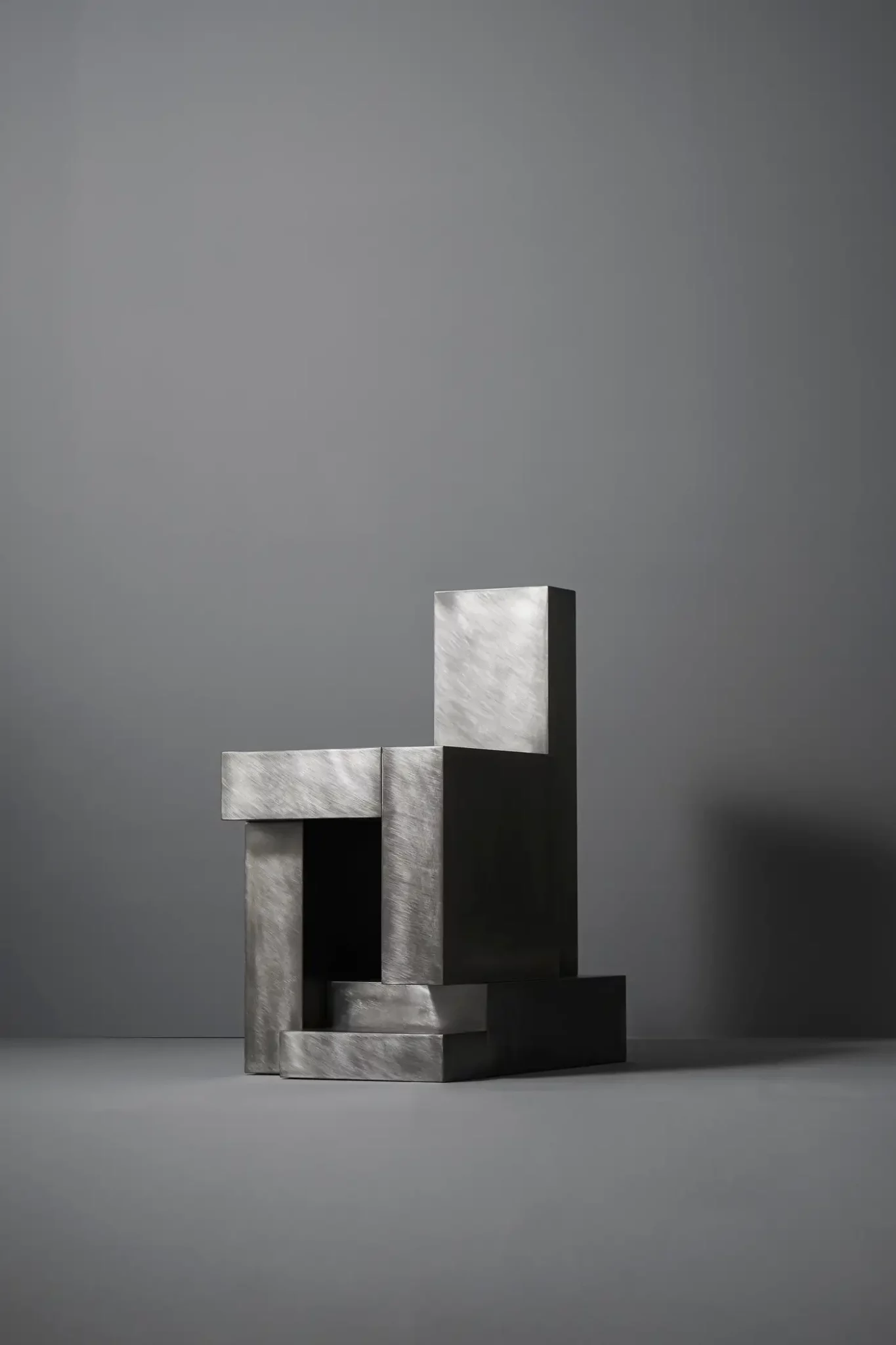
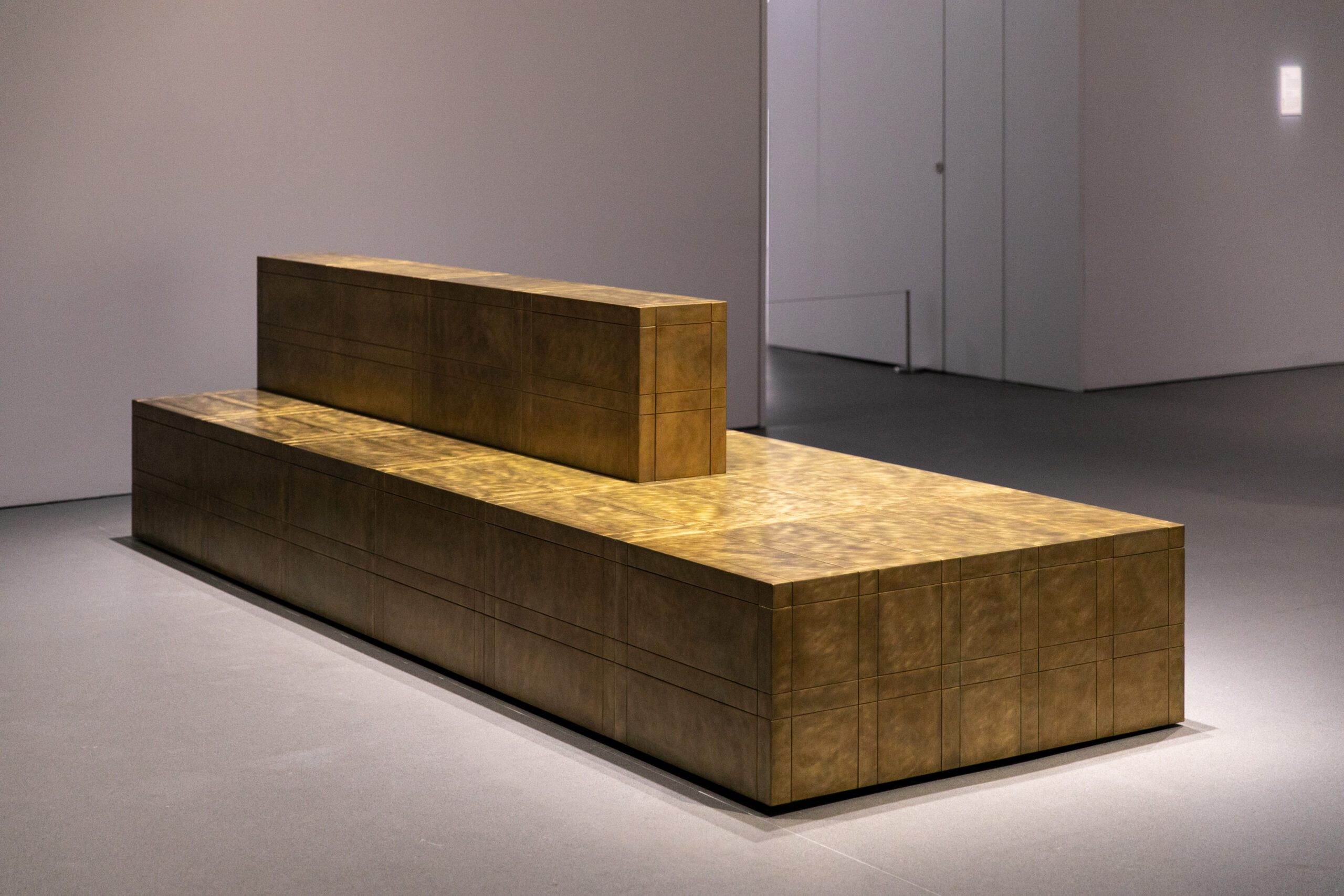
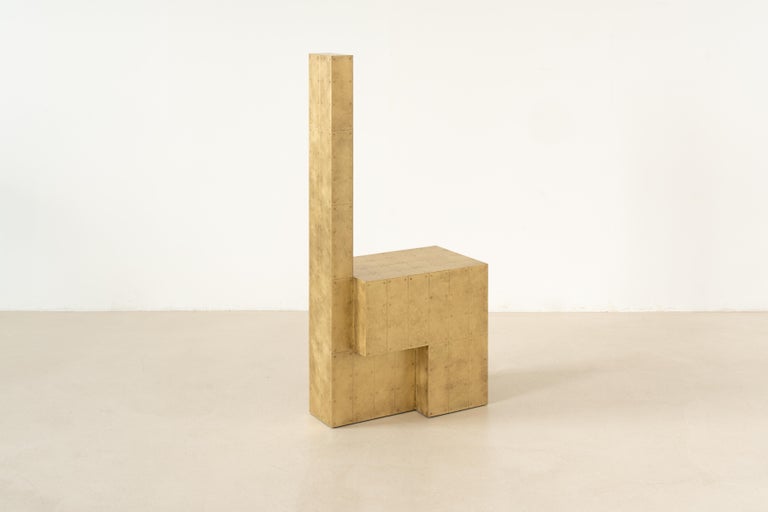
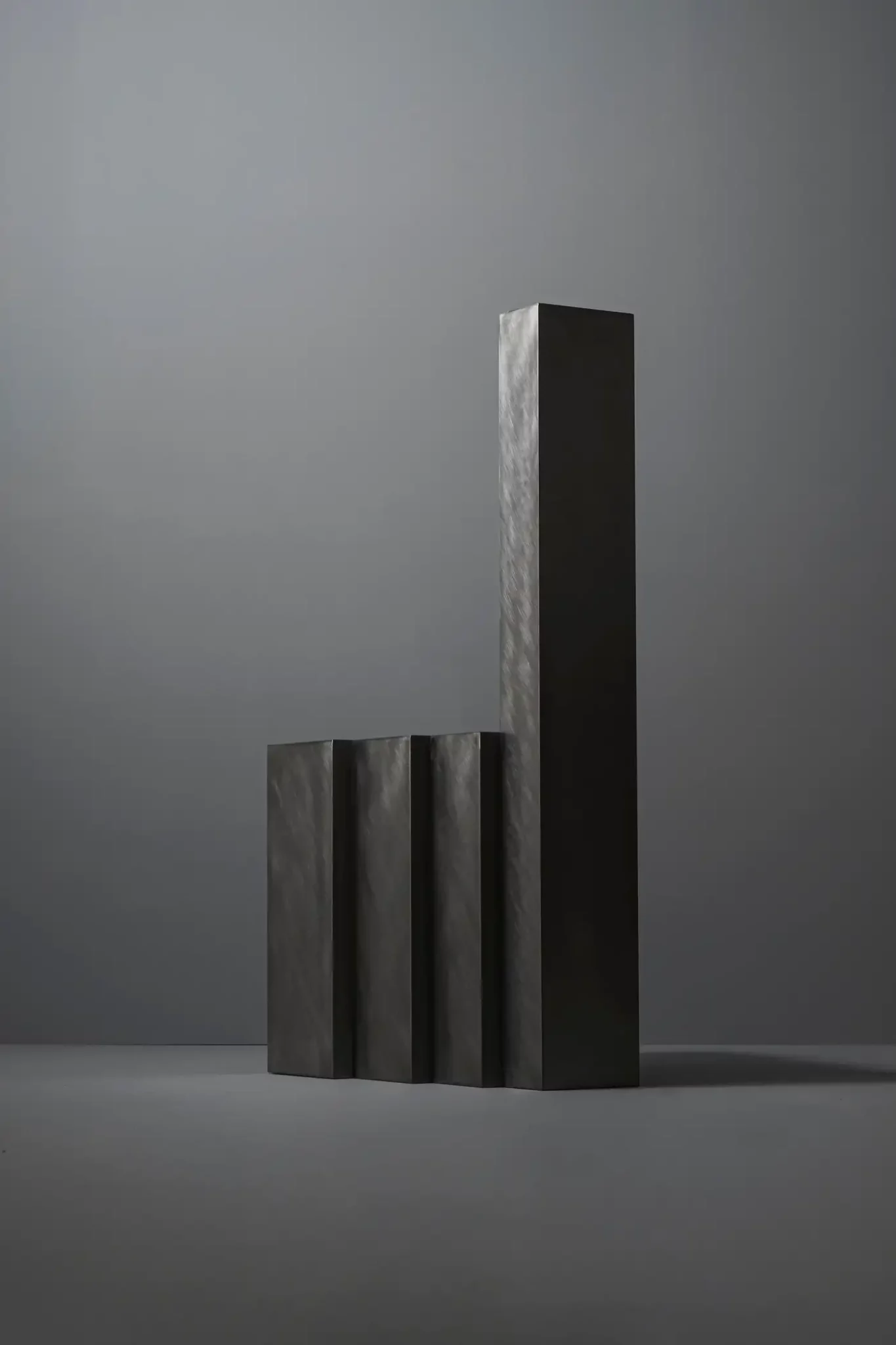
My work begins with the act of stacking. Layering and accumulating materials is not simply a fabrication method but a way of thinking. Just as structures emerge through layers, memories and experiences also accumulate to form a shape.
My days in the studio follow a fairly consistent rhythm. When I arrive in the morning, I make coffee and share a short conversation with my colleagues. After that, we each return to our work—developing projects, experimenting with new ideas, and gradually refining them through repeated adjustments.
My work is often described as “building furniture in an architectural way.” Multiple panels and structural elements come together to form a single object, and each component functions not merely as a part but as an integral element of the whole structure.
I believe it is important to observe a great deal and to remember what you see. Rather than trying to create something entirely new, the process of reconfiguring existing experiences and images in your own way is often more meaningful.
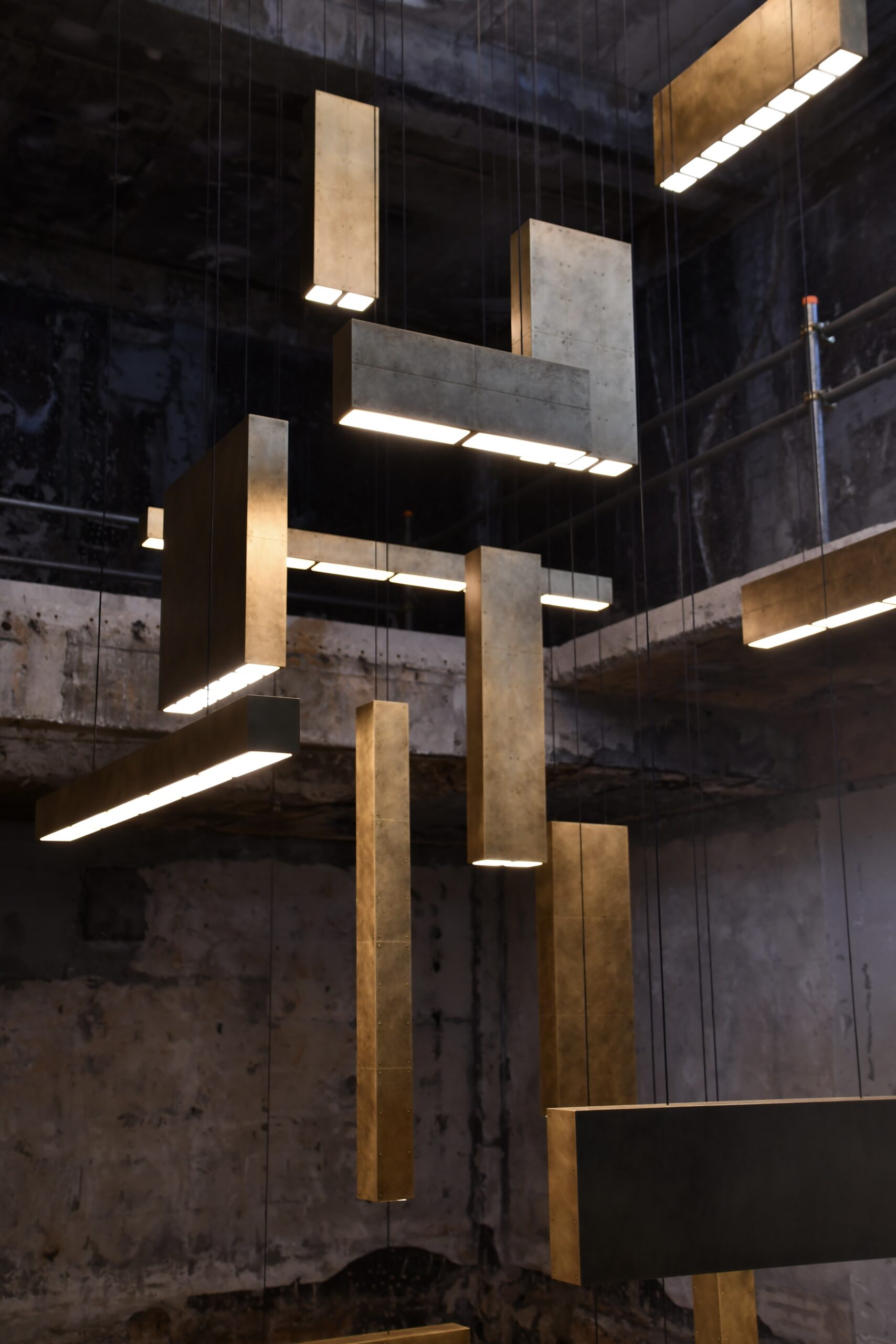
If I had to situate my work within a movement, it would probably be collectible design. Like many contemporary creators, I work at the boundary between art and design, where sculptural presence and conceptual ideas often take precedence over pure functionality.
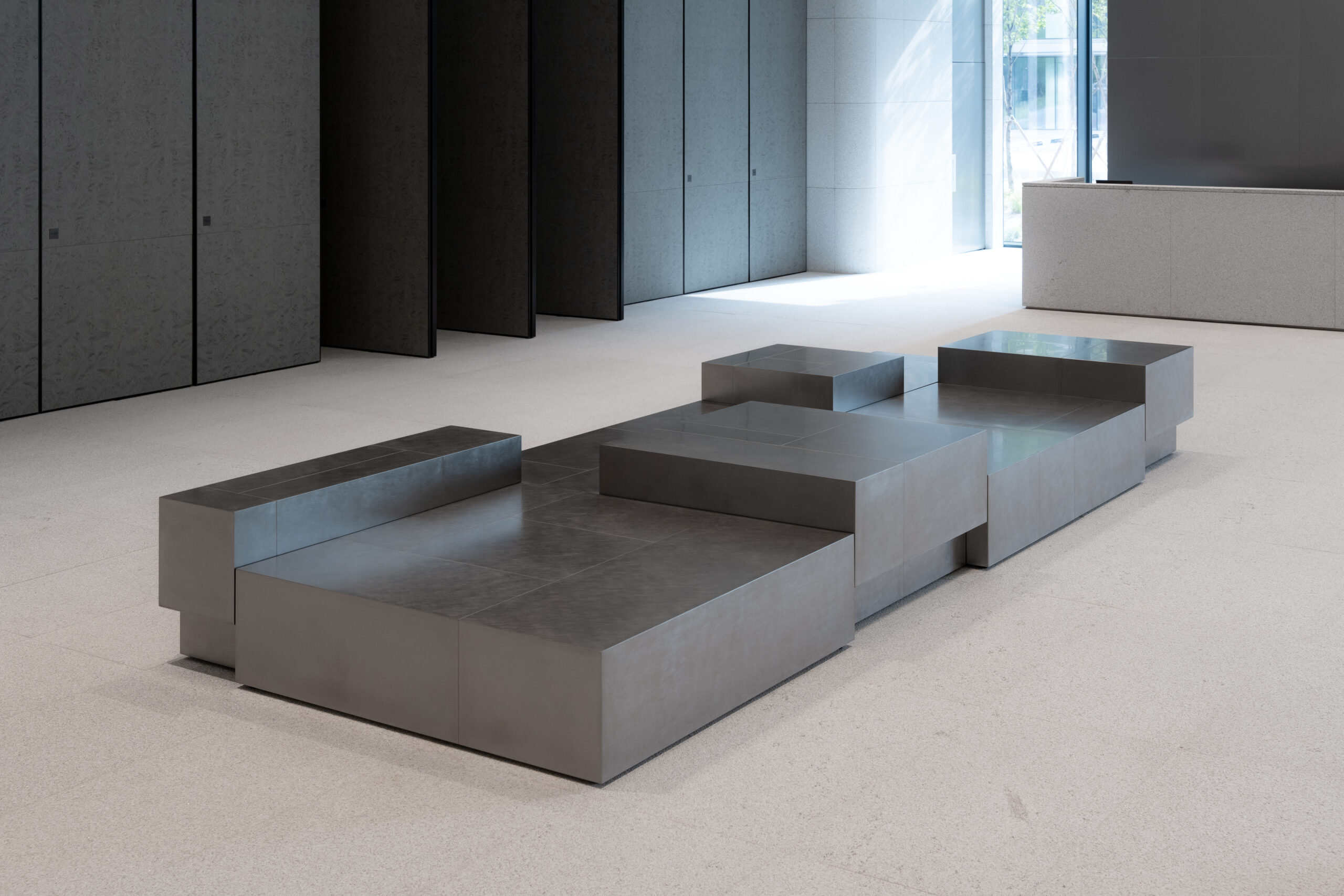
I have probably been more influenced by architects than by furniture designers. I particularly admire Peter Zumthor, Mario Botta, and Herzog & de Meuron. I am deeply drawn to the way they approach materials and detail within their architecture.
A contemporary designer I deeply admire is my mentor, Byung Hoon Choi. Beyond his work itself, I have immense respect for his attitude toward life, his consistency, and his unwavering passion for creation. He has been an essential source of inspiration and support since the beginning of my career.
I admire the work of Antony Gormley. However, two exhibitions left an especially strong impression on me: Olafur Eliasson’s exhibition at Martin-Gropius-Bau in Berlin, and Damien Hirst’s exhibition Treasures from the Wreck of the Unbelievable in Venice. Even after many years, these experiences remain powerful sources of inspiration.
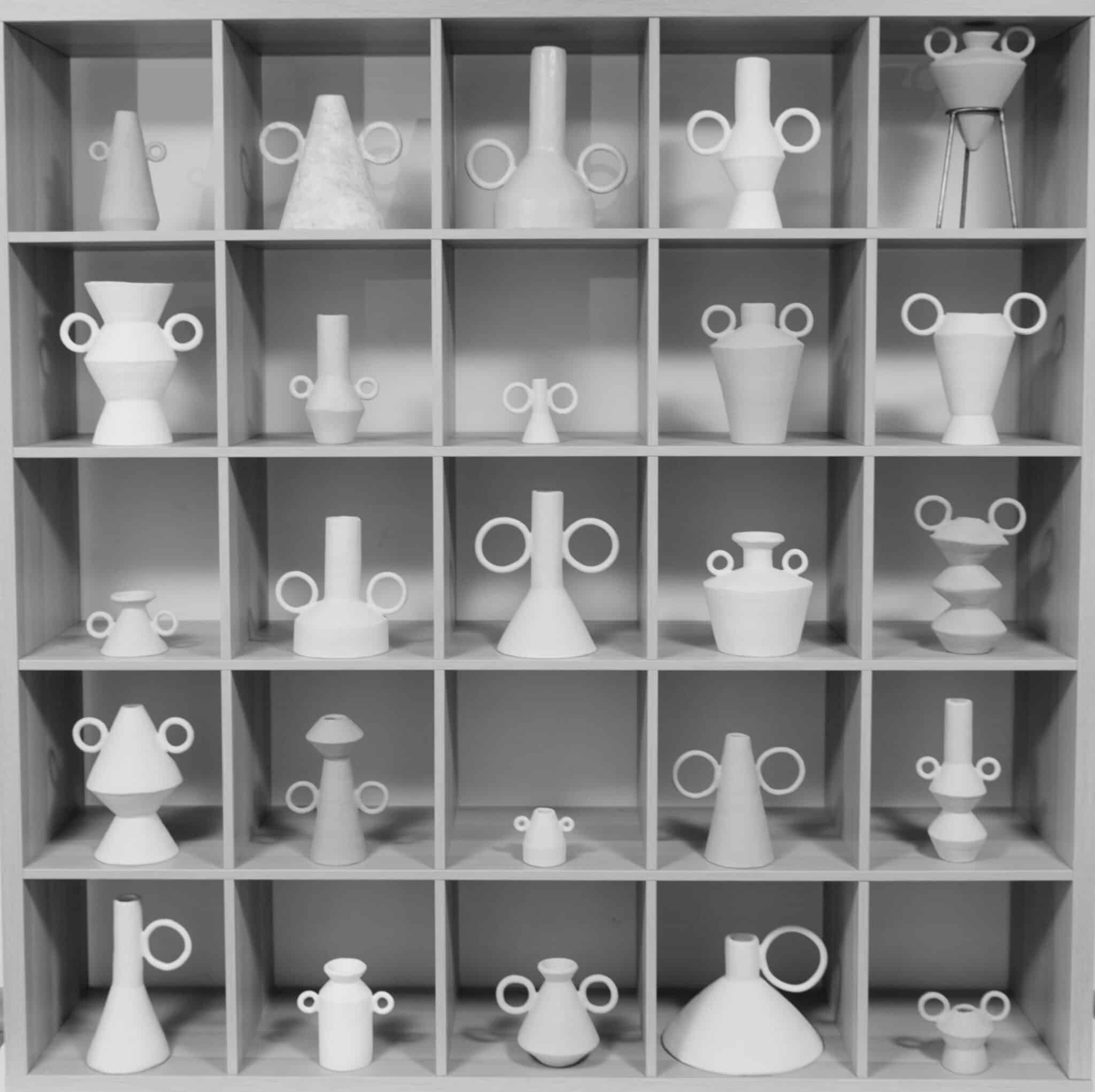
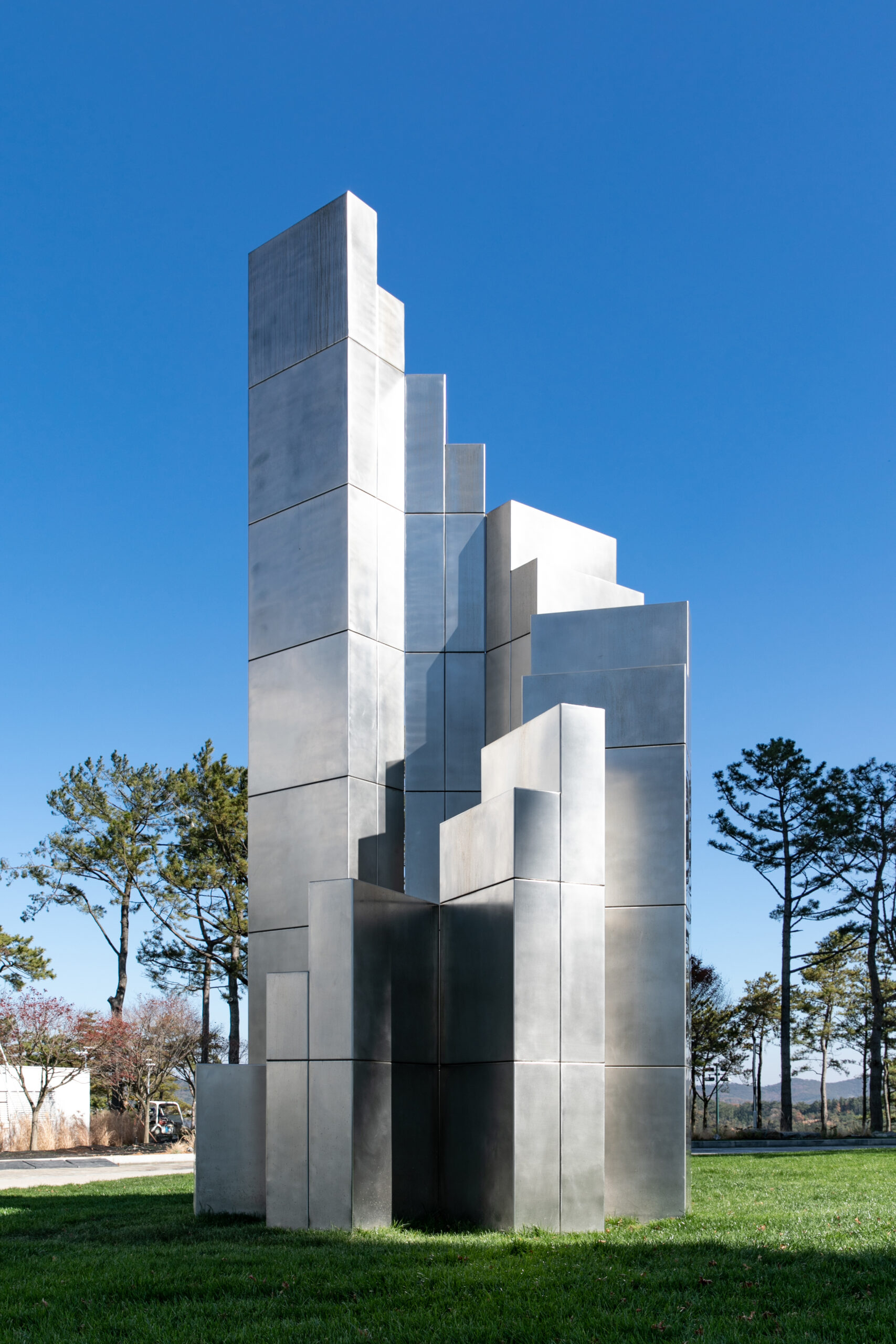
Sculptural furniture formed through layers of urban structures and accumulated memories.
“Layering and accumulating materials is not simply a fabrication method but a way of thinking.”
The Questions
(The Proust Questionnaire is a set of questions answered by the French writer Marcel Proust.
Other historical figures who have answered confession albums are Oscar Wilde,
Karl Marx, Arthur Conan Doyle, Stéphane Mallarmé, Paul Cézanne…)
Not longing for happiness.
Laziness.
Being unsociable.
Arrogance.
Choi Byung Hoon.
Family trips.
A feeling of being constantly chased by time.
Perfectionnisme.
Composure.
Composure.
“Thank you.”
The ability to speak multiple languages.
Introversion.
Still being able to do what I love.
The sea.
Here and now.
Nothing.
Self-doubt.
What I do.
Consistency.
Constancy.
Han Kang.
Yeong-hye.
No one.
My parents.
Ji-Hye (wife) and Doyun (son).
Arrogance.
Hesitation.
Quietly.
Keep going.
“I believe it is important to observe a great deal and to remember what you see.”
SHARE :