Cara \ Davide
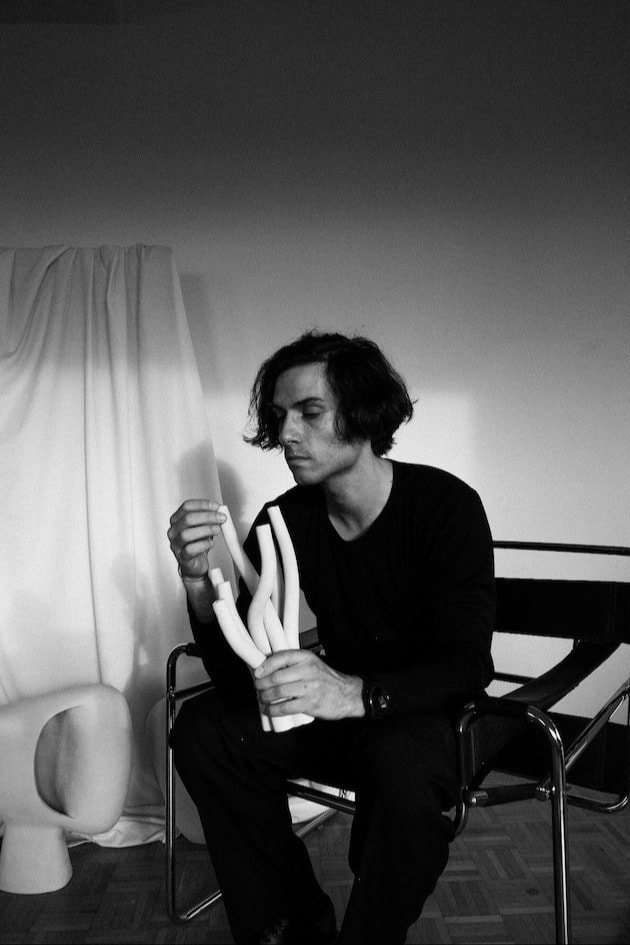
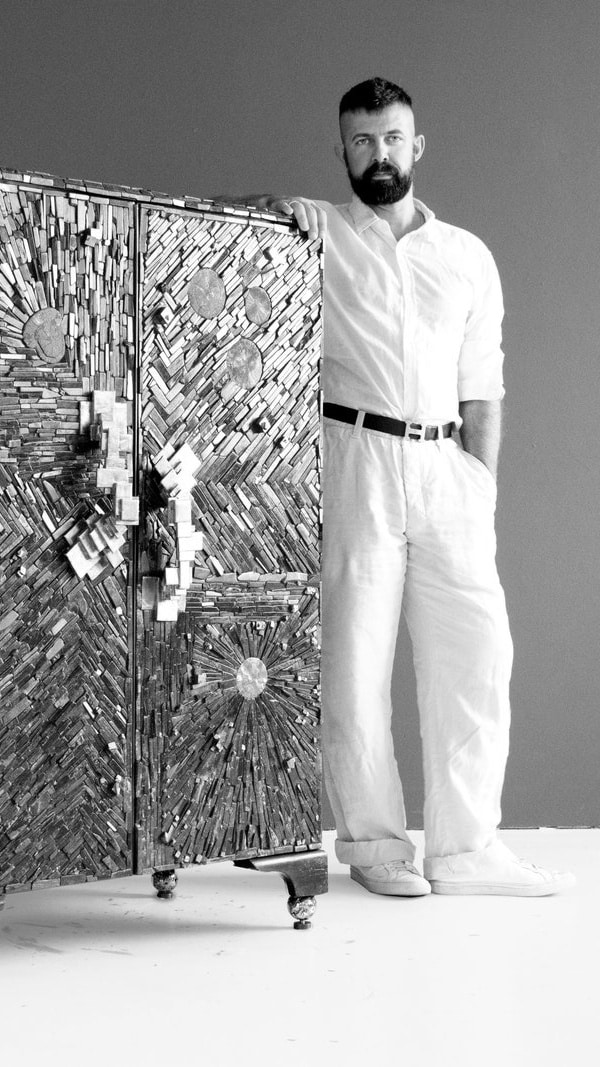
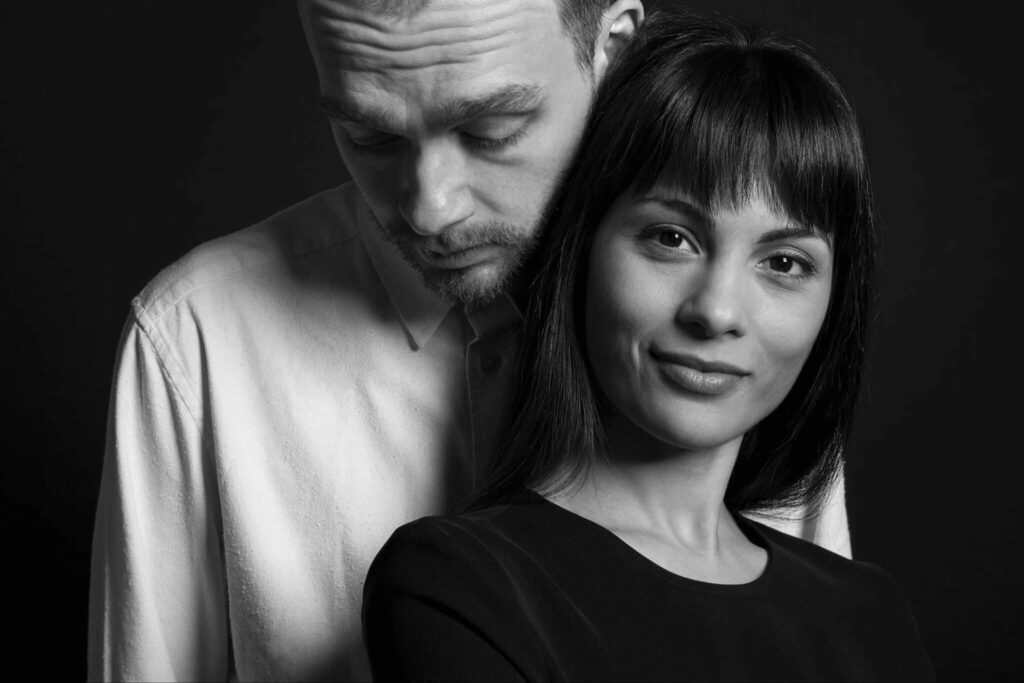
Cara \ Davide is a multidisciplinary design studio founded in Milan in 2016 by South African designer Cara Judd and Italian designer Davide Gramatica. Working across collectible design, furniture, interiors, and exhibition design, the duo creates limited-edition collections and bespoke projects that explore materials, craftsmanship, and cultural exchange through a distinctive sculptural language shaped by collaborations with artisans in Italy and South Africa.
Interview
Cara: I was born in South Africa and grew up in Cape Town. In my early twenties, I moved to Europe and have been living in Italy for over 10 years now. Davide is Italian and grew up in Milan, where we met in 2011 and also where we now live and work.
Davide: I remember as a child I was very interested in the adverts on TV by Jean Paul Goude, particularly for their scenographies and dynamics.
Cara: Yes, after a few work experiences in the field, we decided to start a collaboration, which allowed us to continue working in design.
Davide: A fascination with materials and special techniques related to a specific material is an ongoing discourse in our practice. We are lucky because, in Italy, it is possible to work with expert artisans to develop our ideas through a variety of materials.
Cara: Our process is varied and in continuous evolution; it changes according to the project we are working on. Sometimes ideas are spontaneous, but they are always sparked by the continuous and subconscious research that we all naturally carry out daily. Our fascination with materials and graphics in our urban context guides this continuous research. The dialogue that we develop with the different artisans or our mentors influences the final outcome of our work. We like to be open to external influences and not be too fixed on a single idea.
Davide: Just as our creative process is varied, so is the way we spend our workday. We usually start the day with a long morning walk to the studio, and when we are working on a design project, we spend a lot of time drawing and sharing ideas with each other. Since we both have rather different ideas, we naturally spend a lot of time discussing them, in search of finding some point of balance. Our favourite days are the ones where we go to visit an artisan in their atelier and start working with the material or discussing the ideas.
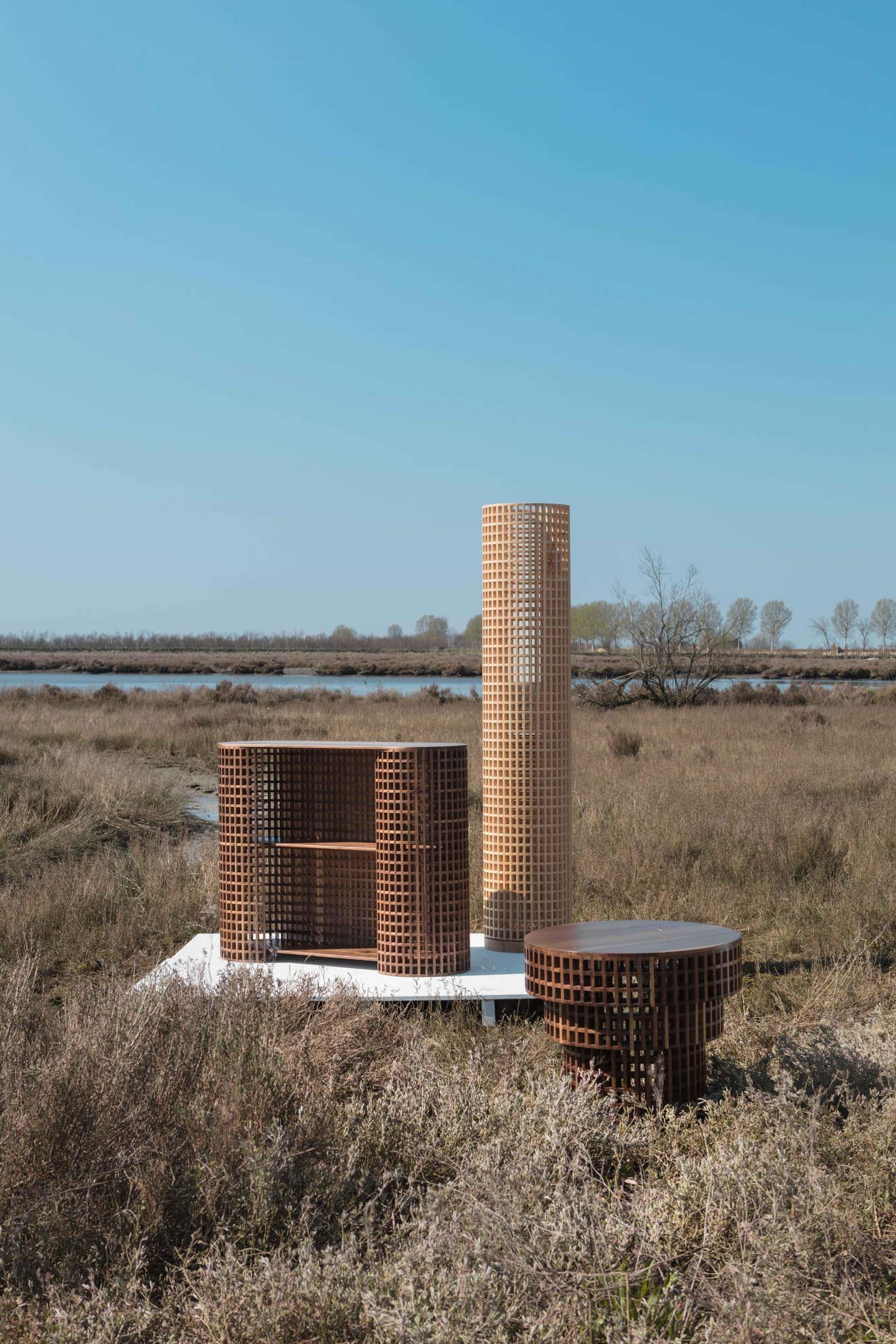
Cara: Our choice of materials so far has been dictated by the context in which we develop a project. Whether it be in Italy or South Africa, or any other place for that matter, we try to let our surroundings guide our material choices. We like the idea of working with local materials and know-how. In the urban city context of Milan, we like to work with industrial materials but living in Italy also gives us the opportunity to collaborate with artisans who are skilled in working with such a wide variety of materials ranging from marble to glass and ceramics, from wood to metal. We’re very fortunate to be able to work in this way.
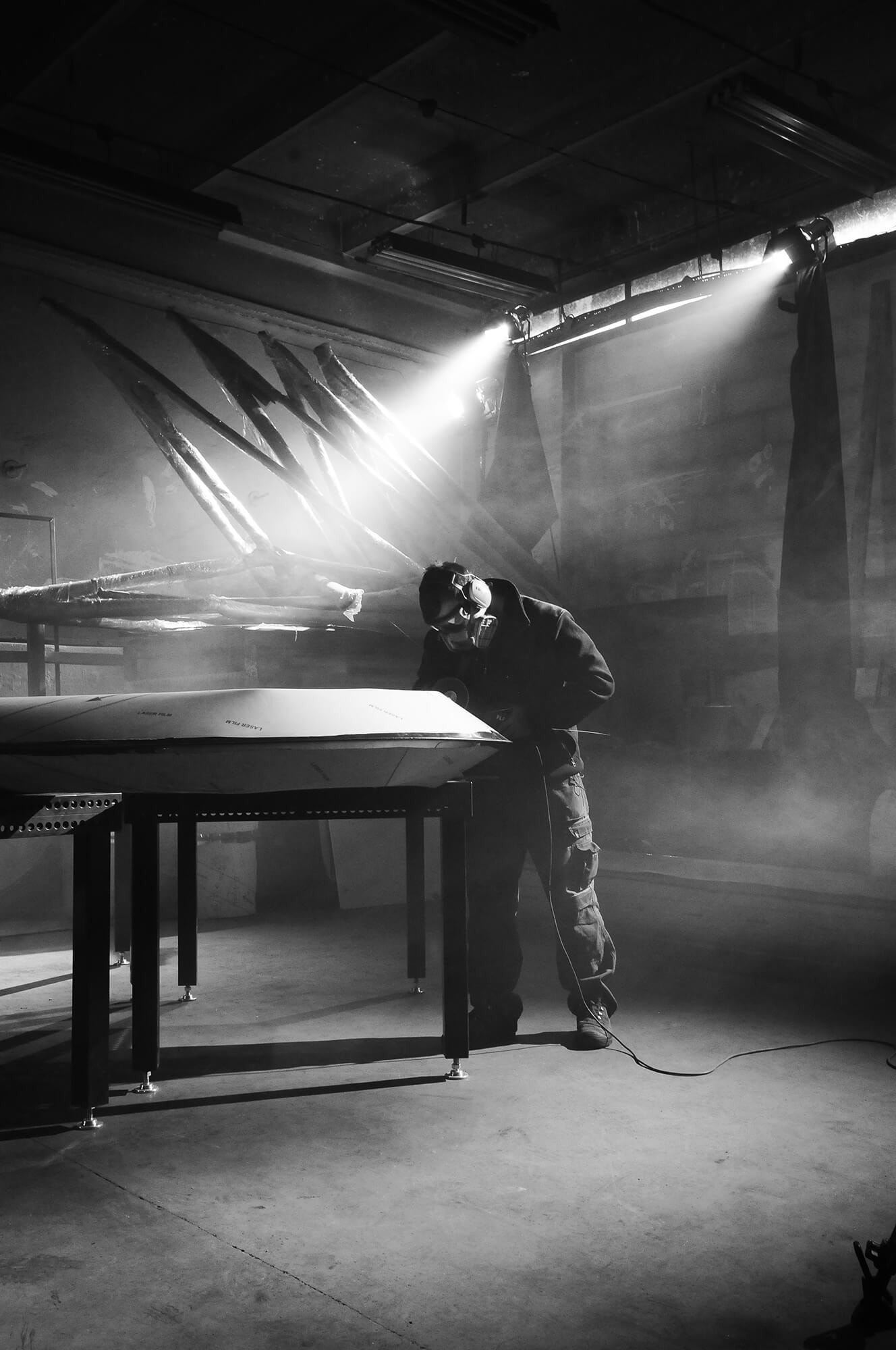
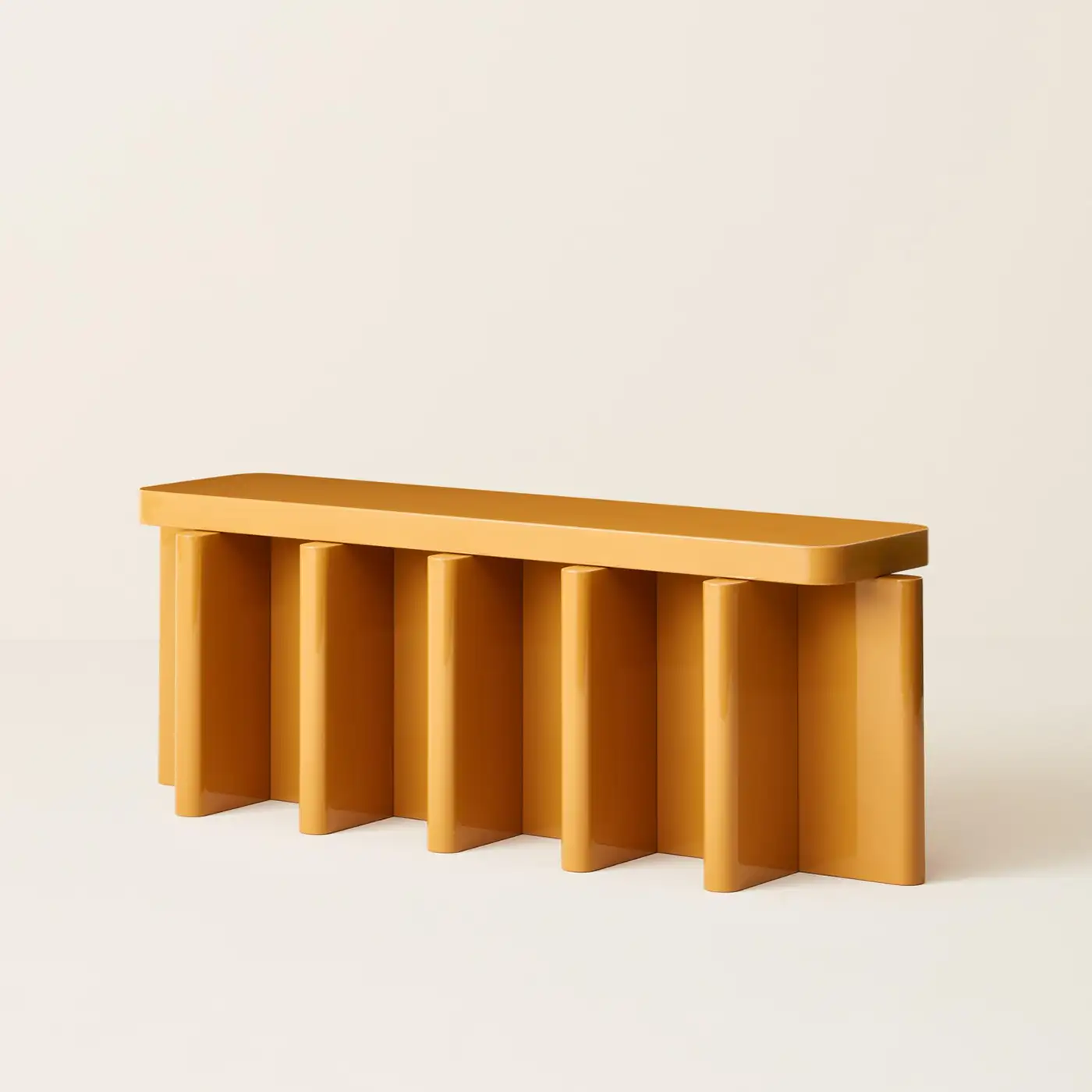
Davide: It depends on the material we are working with, but whatever the material, we try to exalt the technique in our work. We keep the formal shape simple to give importance to the manufacturing techniques. For example, if we work with metal, we like to highlight the welding marks as a precious feature. If a piece is handmade, we like to see the fingerprints embedded in the material.
Cara: Start collaborating with an artisan or start making maquettes early in the process!
Davide: The Italian Radical Design is probably the closest.
Cara: Our friend and mentor Daf Griffith, and others are Enzo Mari, Carlo Scarpa, Ettore Sottsass, and Gaetano Pesce.
Davide: Max Lamb, Ronan, and Erwan Bouroullec.
Cara: Luigi Ghirri, Franco Battiato, Michael Heizer.
An exercise in material, techniques, geometry, and territory.
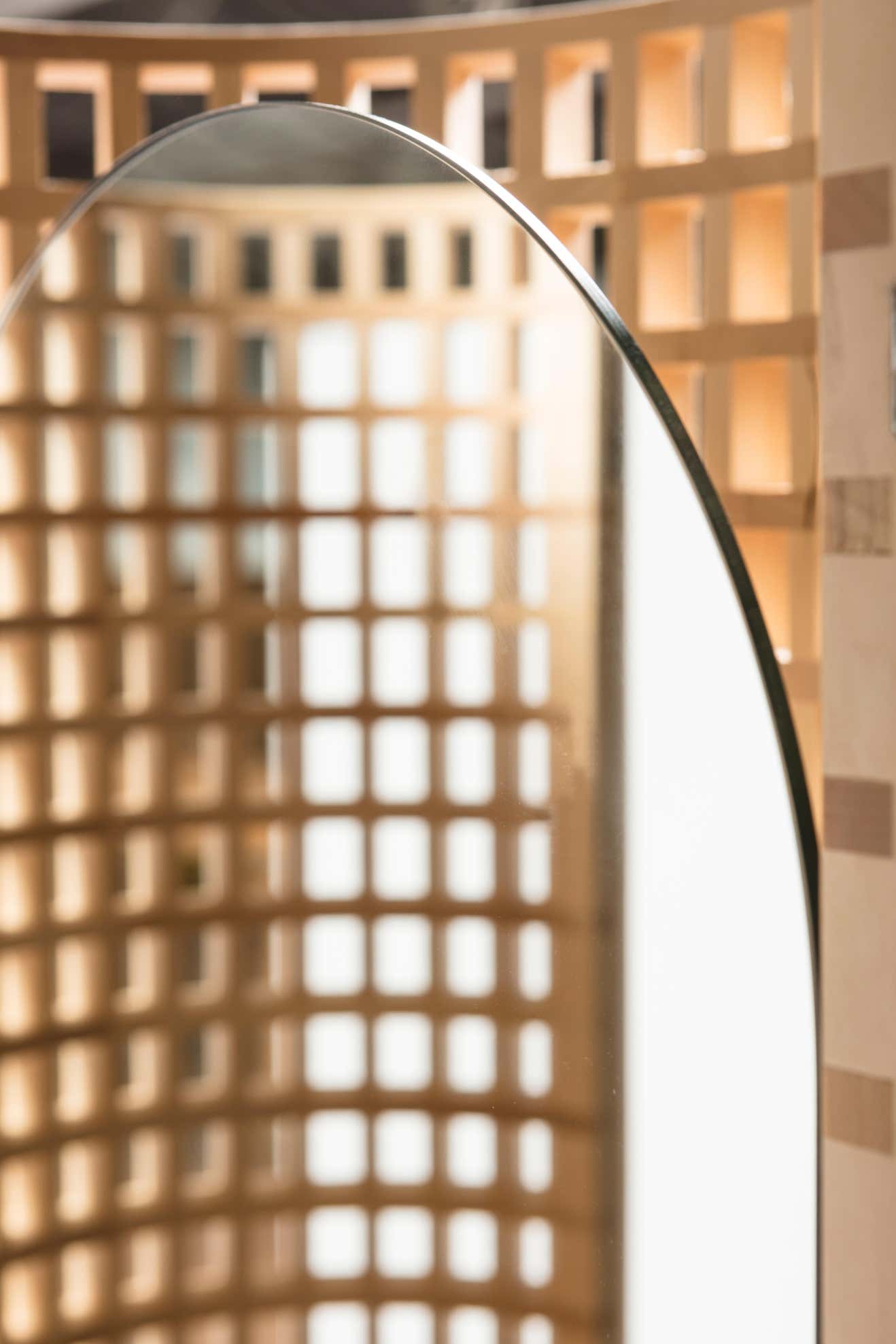
“We try to let our surroundings guide our material choices.”
The Questions
(The Proust Questionnaire is a set of questions answered by the French writer Marcel Proust.
Other historical figures who have answered confession albums are Oscar Wilde,
Karl Marx, Arthur Conan Doyle, Stéphane Mallarmé, Paul Cézanne…)
SHARE :