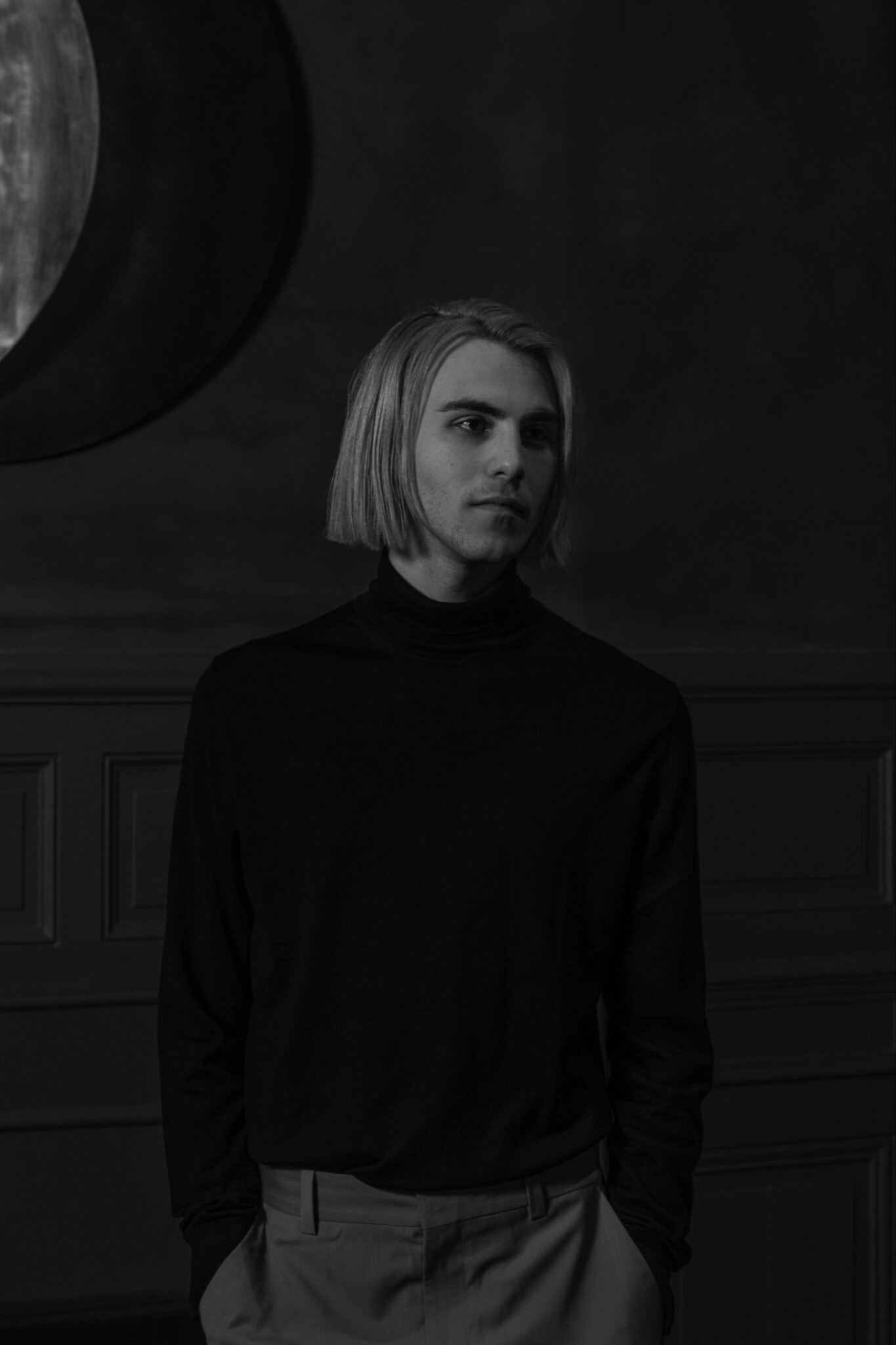
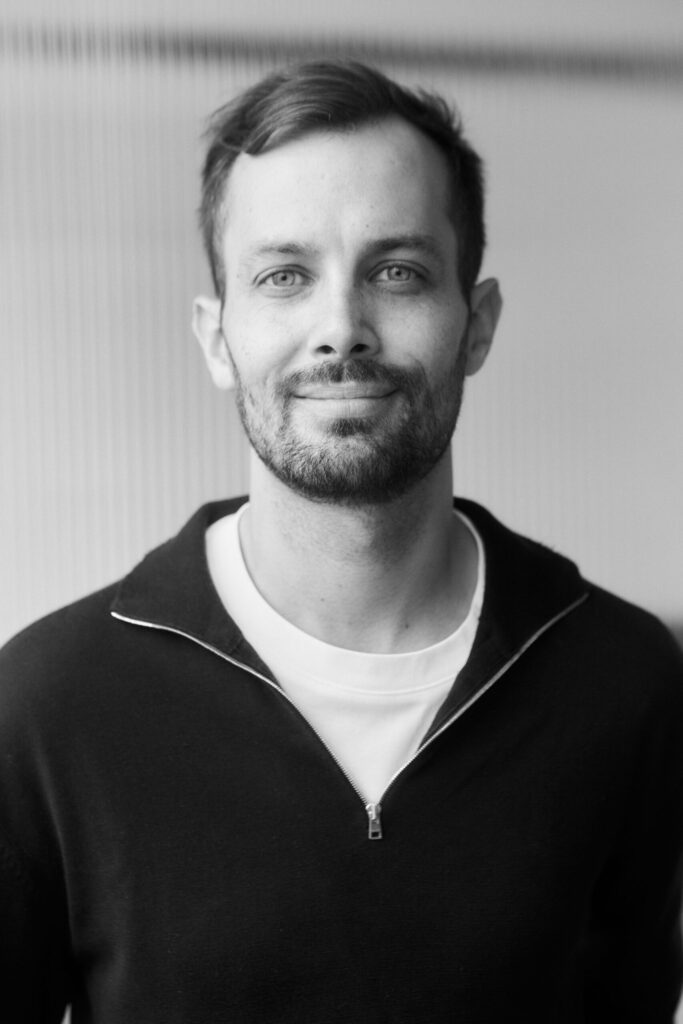
Nicolas Bossard
Nicolas Bossard is a Paris-based architect (HMONP) and founder of Nicolas Bossard Architecture, established in 2018 following his experience with LVMH and Studio Vincent Eschalier. His practice is rooted in transformation, engaging with projects that present both structural and contextual complexity, where existing conditions are reinterpreted through a precise and contemporary architectural language.
Working across a wide range of scales and typologies, the studio develops projects that span compact living environments, large-scale refurbishments, rooftop extensions, heritage interventions, and mixed-use programs. Each intervention is approached as a dialogue between constraints and possibilities, with a particular attention to spatial clarity, material expression, and the relationship between architecture and its environment.
In 2024, the studio was selected for the Bpifrance Accelerator Architecture & Design – France 2030, further supporting its development within the contemporary architectural landscape. Operating through an agile network of independent experts, Nicolas Bossard Architecture adopts a flexible and collaborative structure, enabling each project to be shaped by a tailored combination of skills and perspectives.
“Architecture should be a backdrop for life, not a frozen image.”
INTERVIEW
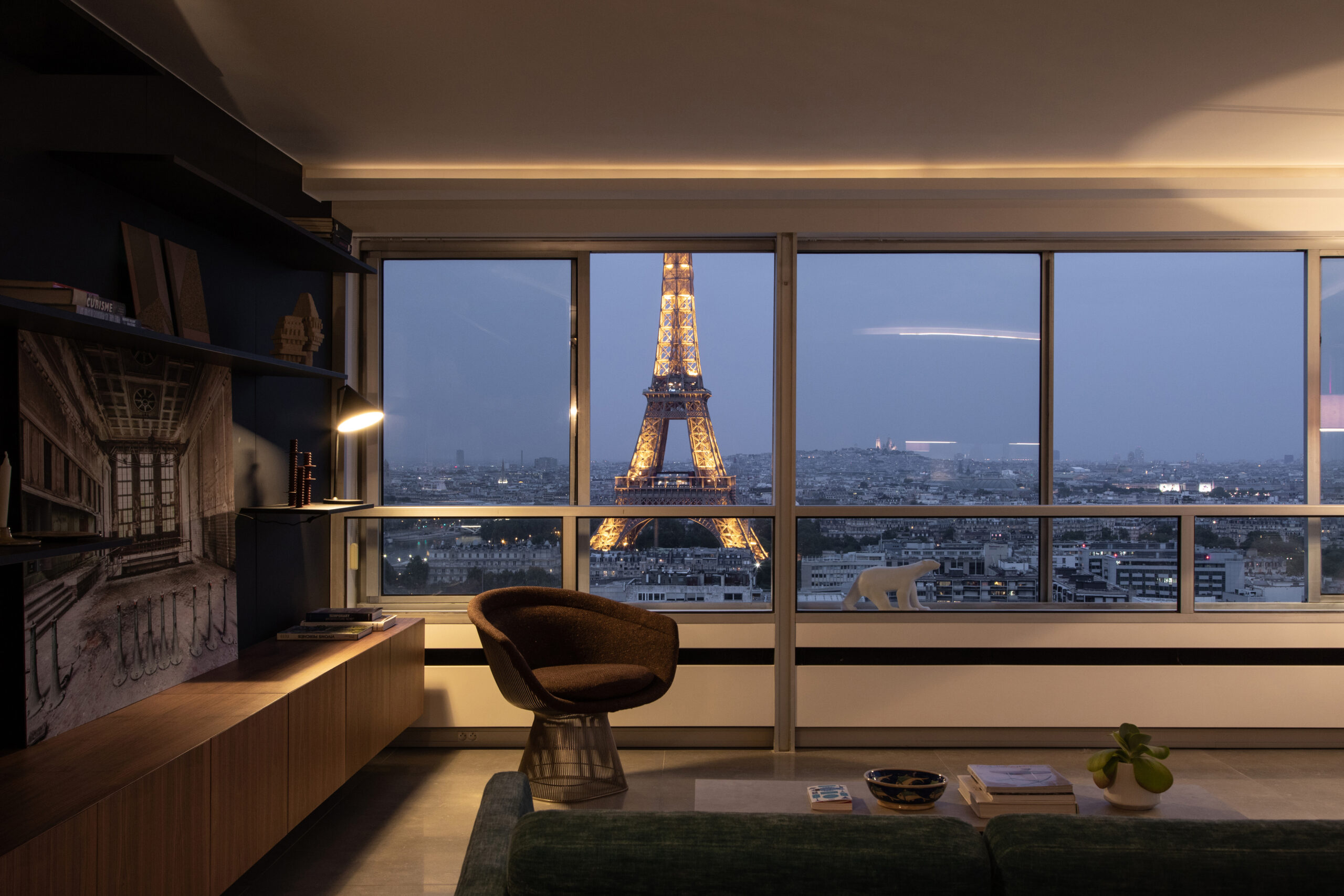
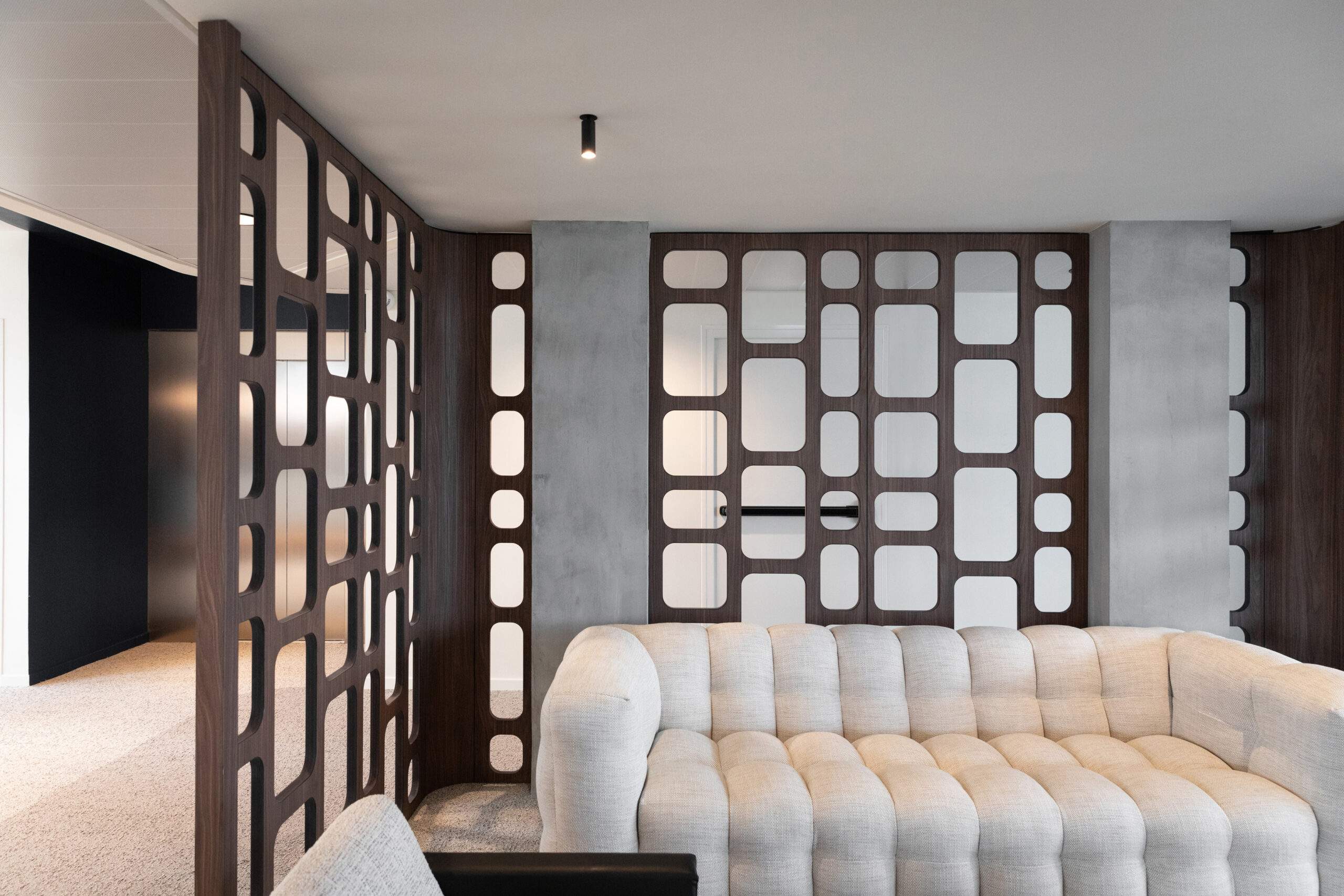
I don’t really believe in a fixed “style.” My approach is driven by sobriety, precision, and “truth” in construction. Whether it is a rooftop extension or a heritage renovation, I try to reveal the intrinsic qualities of the place. I focus on perennial materials, structural clarity, and the exploitation of volumes rather than just decoration.
My training began at the Belleville School of Architecture in Paris and continued in Montreal. Before founding my own practice, I worked for Louis Vuitton and Studio Vincent Eschalier. Working in a large luxury structure gave me strong insight into how international design processes are managed, while the smaller agency environment taught me autonomy. I founded Nicolas Bossard Architecture in 2018. I quickly realized that I wanted to be closely involved in design decisions and carry out projects from concept to completion. Today, the agency has evolved into an agile structure, relying on a network of independent experts (engineers, specialized architects) to tackle complex projects.
The context is always the starting point, especially since a large part of my practice focuses on transformation and heavy restructuring. For me, translating a client’s vision isn’t just about aesthetics; it is about understanding their usage and lifestyle. I believe the quality of a project relies heavily on the quality of the dialogue with the client. My role is to translate their needs into spatial solutions that respect the existing structure while bringing in light and fluidity.
Constraints are actually the fuel for the project. In dense urban environments like Paris, we deal with strict regulations, complex structures, and tight spaces. I don’t see these as obstacles, but as the parameters that define the design. A successful project is one that turns these technical or regulatory constraints into an architectural opportunity.
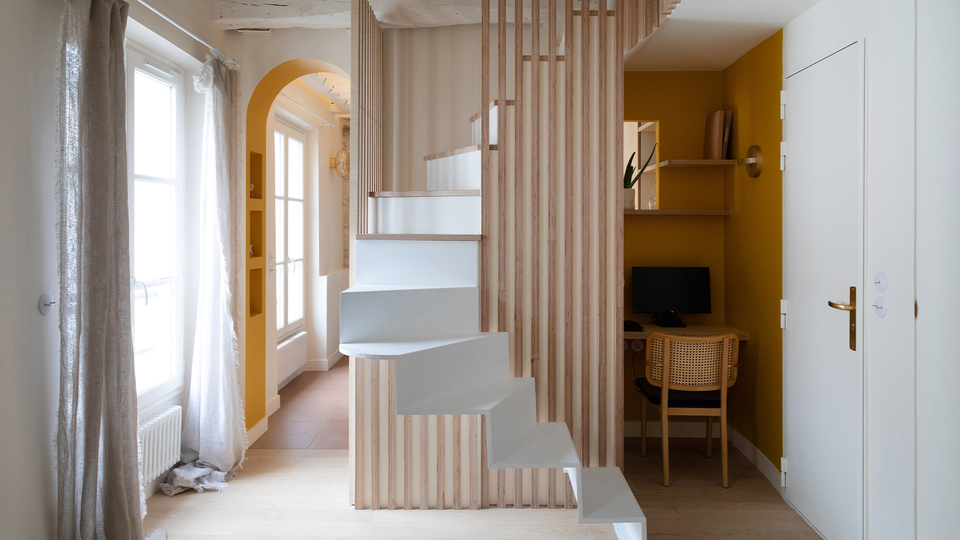
The “Villa Saint-Michel” project is very representative. It involved transforming a small, dilapidated space under the roofs of Paris into a functional duplex. The excitement came from the technical challenge: reworking the framework and structure to create volume and bring in light where there was none. It illustrates how we can maximize potential in highly constrained spaces.
If I had to choose one, it would be Louis Kahn’s Phillips Exeter Academy Library. It is a masterpiece in its mastery of light and its rigorous vocabulary of forms. Kahn’s approach to the rawness of the materials—particularly the dialogue between the warm, heavy brick on the outside and the monumental, stark concrete circles on the inside—is profoundly moving. It perfectly illustrates how basic geometries and a meticulous control of natural light can elevate a structural necessity into something almost timeless and sacred.
I attach great importance to durability. We use materials that age well and structure spaces so they can evolve. My hope is that the architecture remains relevant and robust, serving its users long after the “trend” of the moment has passed. Architecture should be a backdrop for life, not a frozen image.
What frustrates me the most is the persistent misconception that hiring an architect is a “luxury.” In too many societies, our profession is still seen as an optional aesthetic add-on. The architect should systematically be at the heart of the building process, not perceived as a constraint. We are the guarantors of a building’s habitability, its quality of use, and the everyday well-being of the people who experience these spaces. Good architecture is a condition for a better daily life, and having to constantly prove this basic utility can be exhausting.
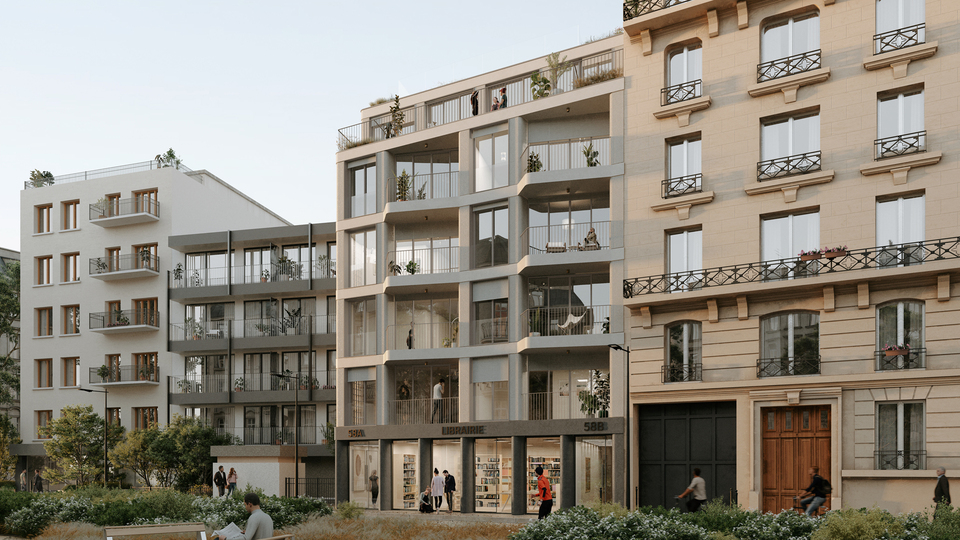
My daily life in Paris, and the way the city layers different historical periods, is a constant source of inspiration. I also draw heavily from traveling and observing ruins, which reveal the bare essence of a structure and the true impact of time on materials. Literature plays a crucial role as well. Reading Alessandro Baricco, for instance, is a lesson in distilling language to its absolute essence. In his writing, every word is load-bearing; if you remove just one, the sentence collapses. I seek this exact same economy of means in architecture: being incisive, precise, and highly intentional. It is about stripping down the composition until only the pure essence of the project remains—a profoundly minimalist approach.
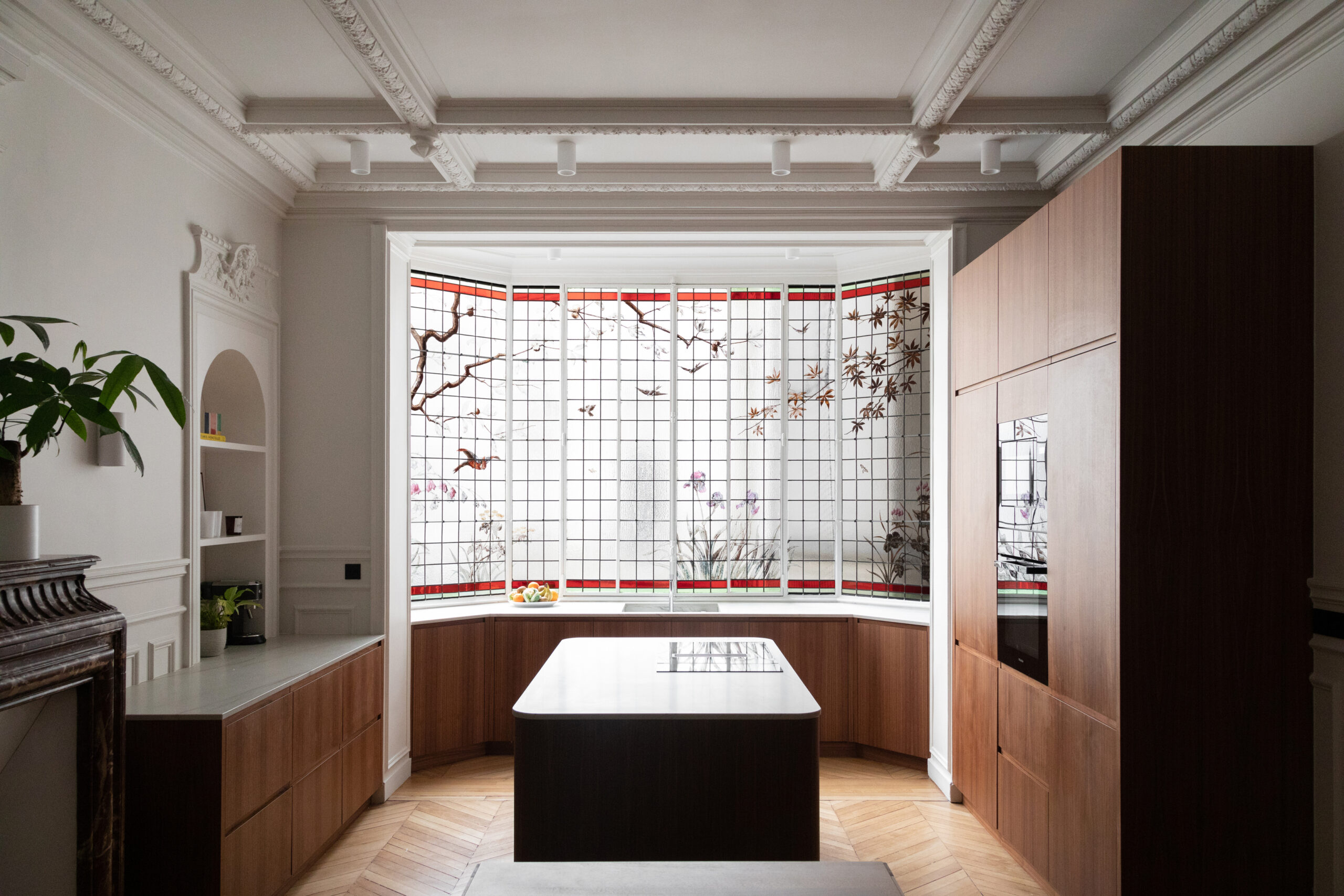
If I had to choose a mantra, it would be: “Do less, but do it better.” In all our projects, the goal is never ostentatious demonstration, but rather to design spaces with accuracy and without unnecessary emphasis, ensuring longevity. Every function is thought out through a dual economy: economy of space and economy of means. This translates into rigorous work on three essential elements: maximizing natural light, intelligently exploiting volumes, and using noble, natural materials. The ultimate goal of this purity is simple: architecture has the quiet but powerful ability to enrich the lives of its inhabitants and transform the way we live.
They often lack common sense and adaptability. Today, we need to think about reversibility and the reuse of existing fabrics. There is sometimes too much focus on immediate visual impact (for social media) and not enough on the intrinsic quality of the space, the light, and the structure itself.
The most critical variable in a project is not just the design, but the client. A trusting, intelligent relationship with the client is what allows good architecture to happen. I learned that finding the right partners is just as important as drawing the right lines.

Thank you so much Nicolas, for this lovely interview!
Share article :