Valeria Coster
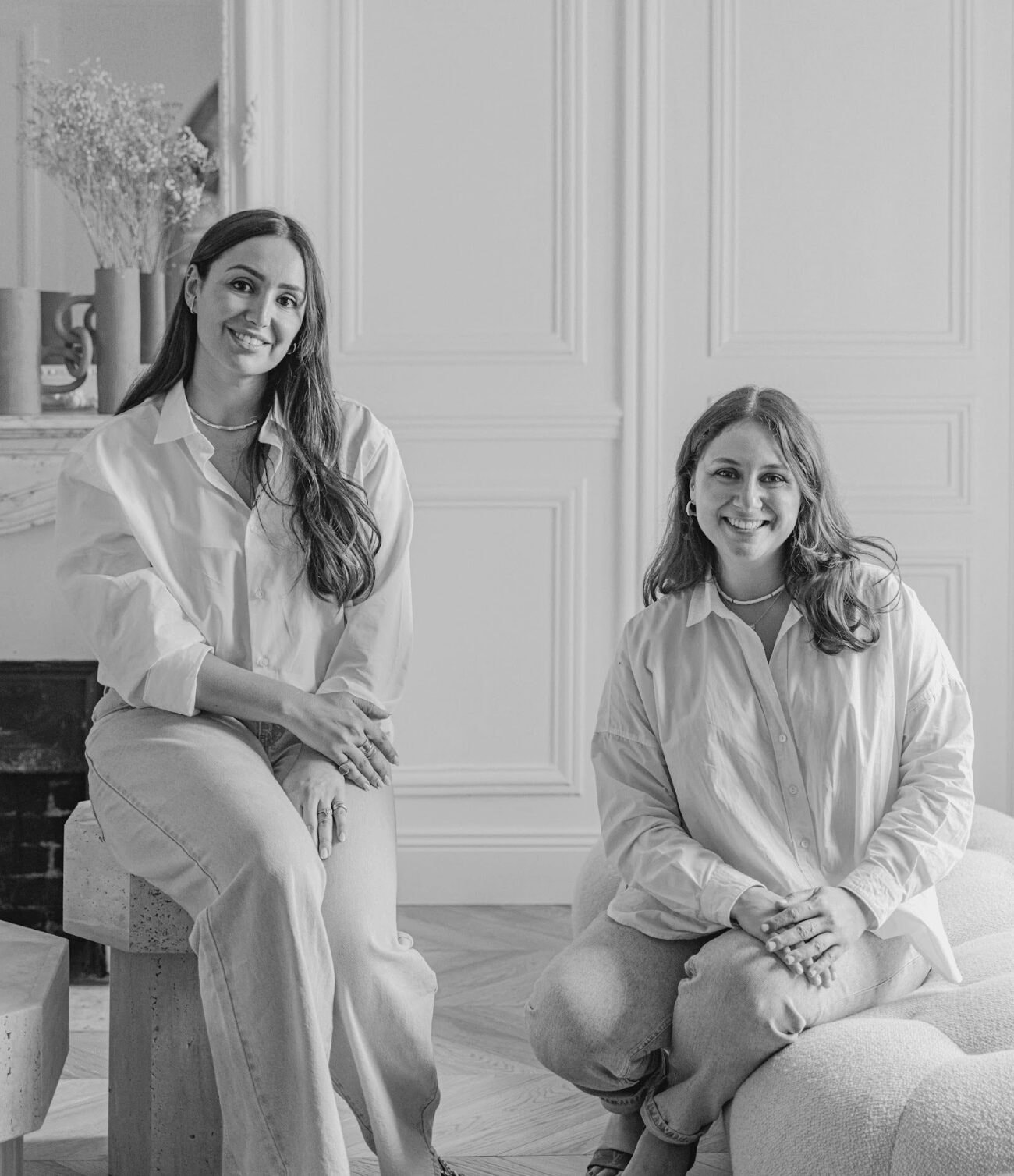
Valeria Coster is a Brazilian-born architect and founder of Valeria Design Studio, a practice rooted in empathy, human connection, and respect for nature. Educated at the Faculdade de Belas Artes de São Paulo, she began her career in Brazil before moving to the United States in 2003. Her multicultural journey and life-long fascination with people’s relationship to space define her philosophy: design is not about imposing a style, but about listening deeply and creating environments that reflect the essence of those who inhabit them.
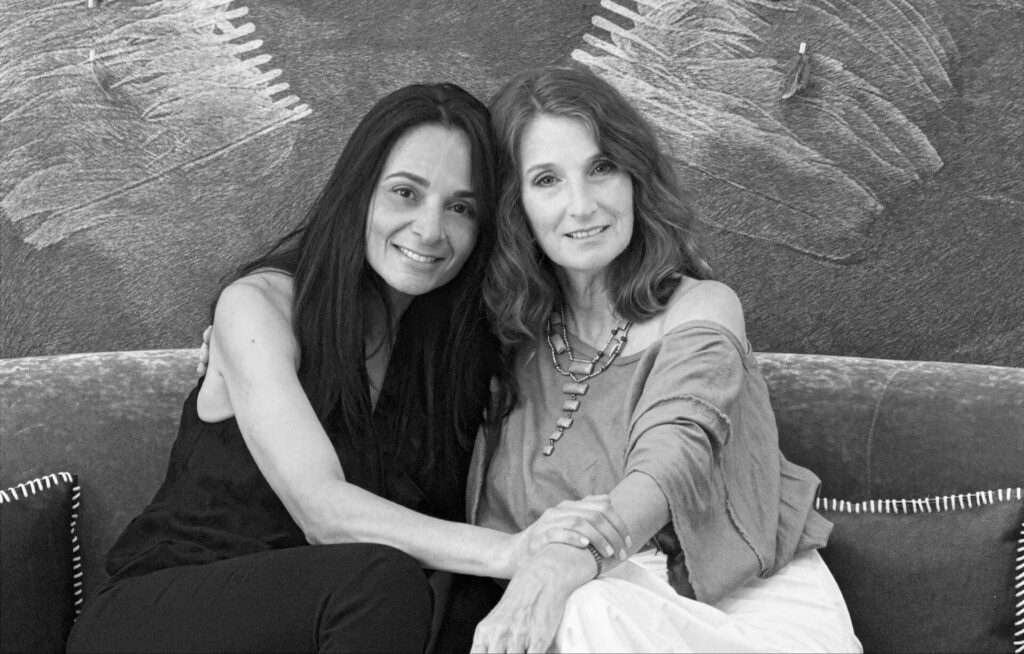
Since arriving in the U.S., Valeria has nurtured a long-standing creative partnership with artist Jennifer Radoci, with whom she collaborates on projects that merge art and design into poetic, human-centered spaces. Together, they curate interiors that embody their shared values: love for people, reverence for nature, and the joy of creation.
“Design with empathy, and let the space tell its story.”
INTERVIEW
My journey began in Brazil, where I was born and raised. I studied Architecture and Urban Design at Faculdade de Belas Artes de São Paulo, but the first spark came as a teenager during a school visit to Ouro Preto, a city heavy with colonial history and baroque architecture. I watched a young woman restoring a gilded 18th-century wood carving inside a church. She was about my age but completely absorbed in her work. Watching her made me recognize that design is not only about buildings – it’s about people’s stories and devotion, and the way they connect lives and craft with space. That moment stayed with me and shaped how I experience art in all its forms.
Around the same time, I was also very involved with theatre, and I wrote and acted in a play that won a prize in a school contest. That experience of moving people through storytelling left a deep mark on me. Over time, I have been able to weave those threads of architecture, theatre, fashion, and human expression into my passion for design.
Losing my mother at a young age made me deeply aware of life’s fragility, a lesson that later shaped the way I approach design. In 2003, I moved to the U.S. to marry my husband and start a family. Taking first steps in an unfamiliar country, culture, and language gave me experience listening, observing, and connecting without words. Those skills became the foundation of my design philosophy: understanding people first, and creating spaces that tell their stories about how they experience life.
For me, the key is empathy. Every project begins with listening to the client—not only to their words, but also their silences, their gestures, and the emotions they may not know how to express. That is where the real story lives, and my role is to translate that story into space.
In business, I believe success also comes from respect for the client’s needs, for the work of craftsmen and artists, and for the creative process itself. When empathy and respect are present, design stops being decoration and becomes something deeper.
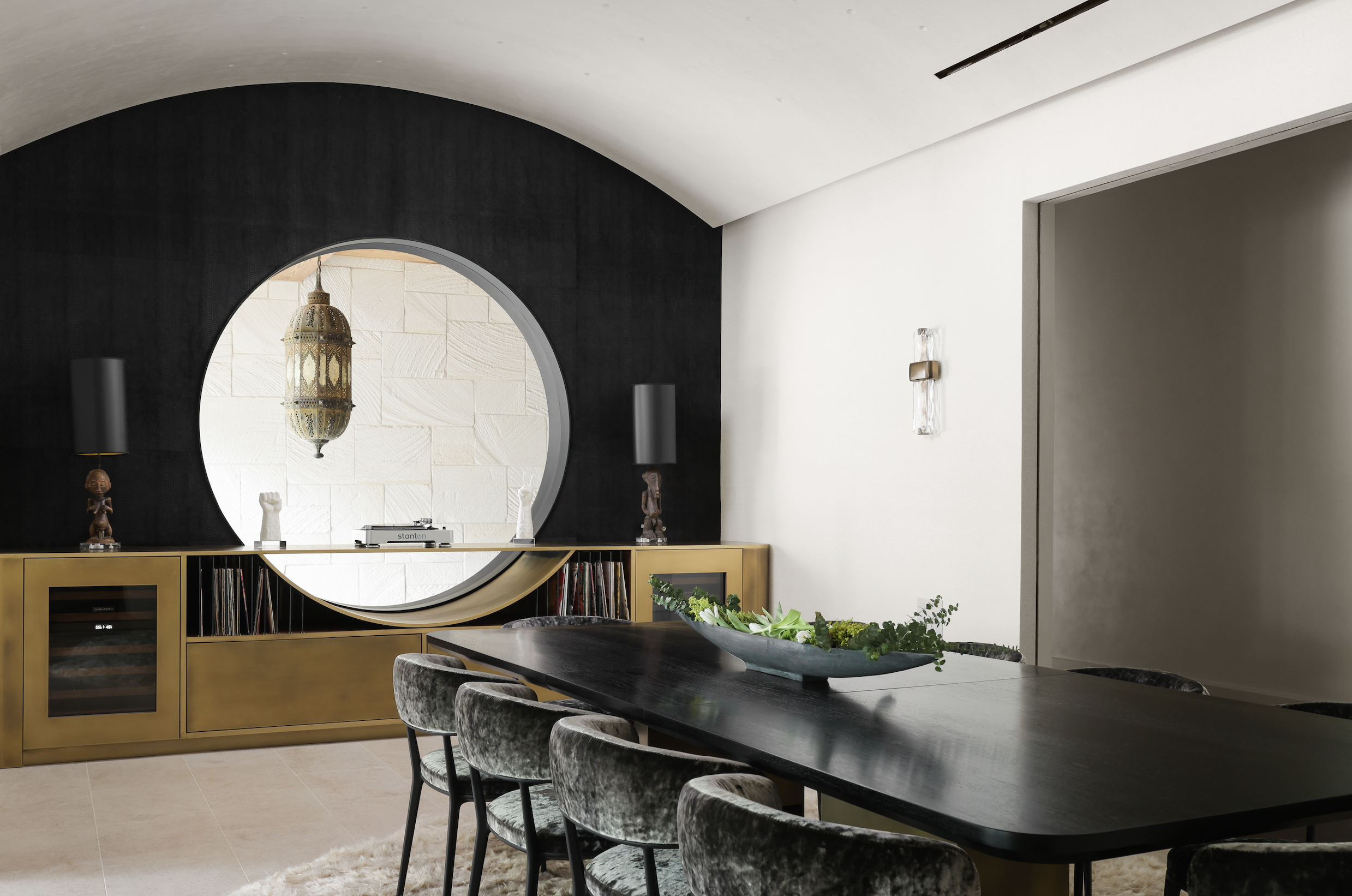
I wouldn’t say I have a fixed style, but there are common threads: a respect for nature, a love of timeless materials, and a balance between function and poetry.
My early love for theatre still echoes in the way I design—I think of spaces almost like stages, where light, texture, and form set the mood for life to unfold. There’s always a search for rhythm and movement, but also for authenticity, because what matters most is that the space reflects the soul of the people who live in it.
If I had to choose a mantra, it would be: Design with empathy, and let the space tell its story.

I begin each project with a mission to understand the atmosphere the client wants to experience and the emotions they want to feel when they walk through the door. Sometimes it’s a word, or a sensory memory, or sometimes it’s something unspoken that comes out through our conversations.
From there, the design begins to unfold like a story. I often think of it as setting a stage: light, texture, and materials create the backdrop, while life itself becomes the performance. The technical aspects—plans, details, drawings—are important, but they come after the essence of the composition is clear.
For me, design begins with capturing the invisible: the moods, the desires, the spirit of the life that will take place there.
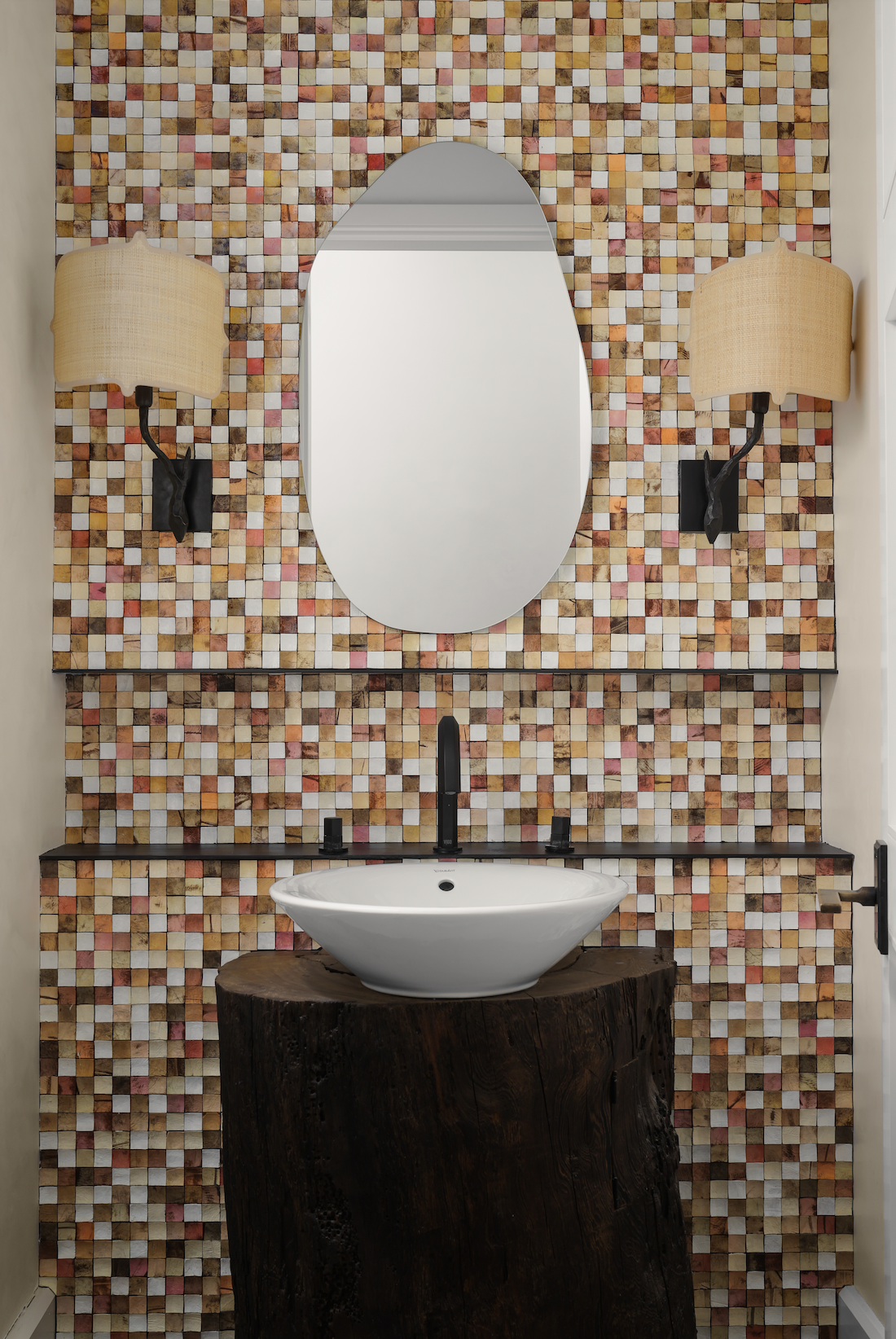
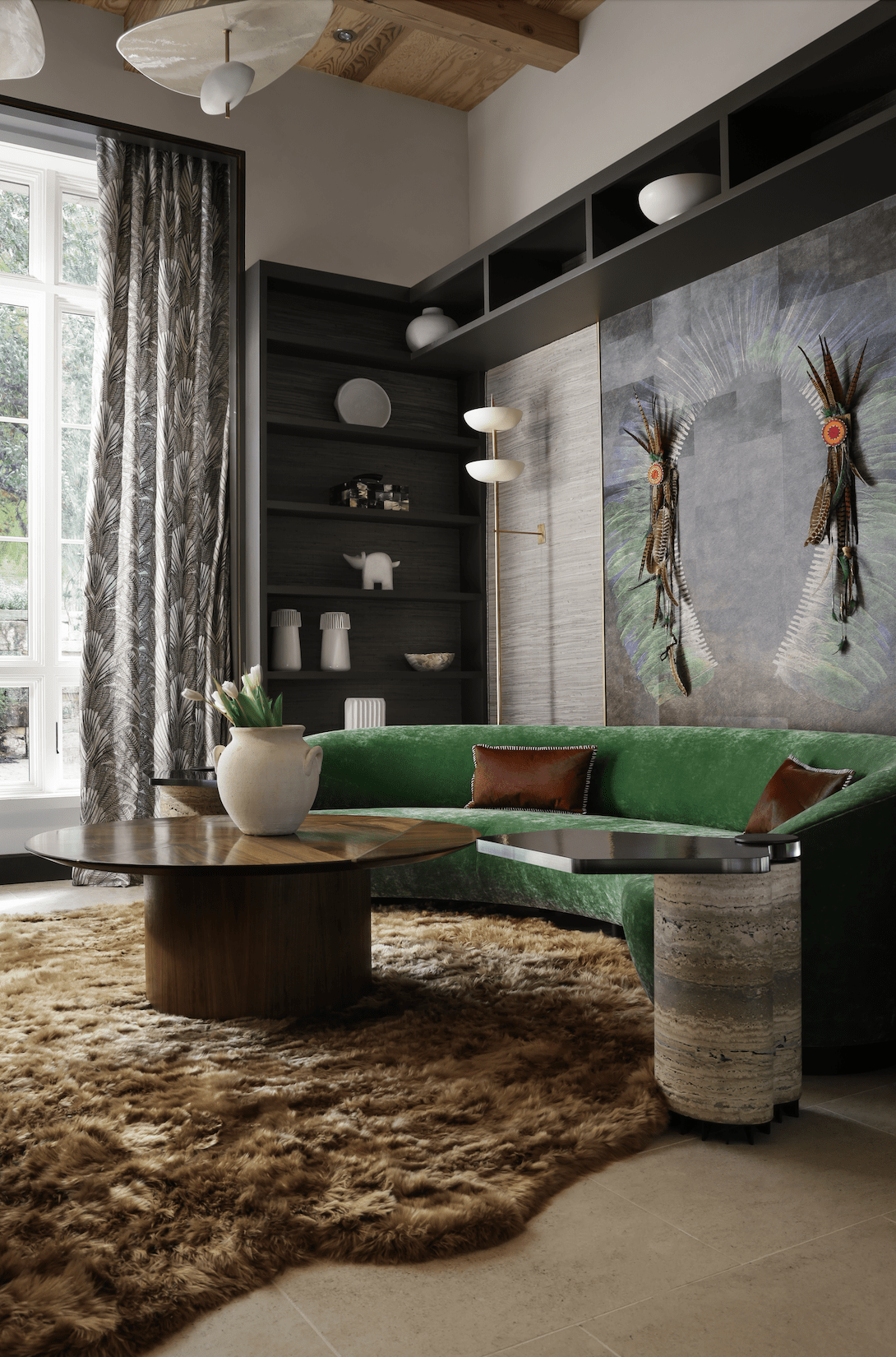
One of my favorite projects is Scenic Drive in Austin, Texas, because it represents not just design, but deep friendship and collaboration. It was created in partnership with my dear friend and talented artist, Jennifer Radoci. Jennifer and I first met when I moved to the U.S., and from the very beginning, our connection was effortless—even before we spoke the same language. Over the years, we’ve collaborated in many ways, and this project was a chance to bring our shared values to life.
What makes Scenic Drive so special is how naturally our strengths complement each other. We are both a little goofy, and when we work together, there’s a magic that shows up in the details of how our art and space speak to each other. It feels less like work and more like an extension of our friendship.
My tip would be: Let natural light guide you. Light shapes mood more than any other element. Before choosing colors, textures, or furniture, I study how the light moves through the space over time – morning, afternoon, and evening, and through the seasons. If you honor the light, the rest of the design will follow beautifully.
The best advice I’ve ever received is simple yet profound: be true to yourself, and don’t rush the process. Design, much like life, unfolds in its own rhythm. It’s tempting to push for quick results or to try to control every detail. But I’ve learned that when you try to force something into being, it often loses its honesty.
Design requires patience to let ideas evolve, and trust that the right solutions will emerge at the right time. When you honor that process rather than race through it, you create work that not only looks beautiful but also feels authentic, layered, and deeply connected to the people it serves.
My advice would be: listen more than you speak. Design is not about imposing your vision, but about discovering what makes each client unique. Don’t be afraid of patience—sometimes the silences and pauses tell you more than the words.
Additionally, surround yourself with people who inspire trust and kindness. Collaboration is the soul of design, and the right relationships will shape your path as much as your own talent will.
One of the hardest lessons has been realizing that not everyone you work with will value trust and commitment in the same way you do. Earlier in my career, I had a business partner who broke that trust, and it was a painful experience. It taught me resilience, but also the importance of surrounding myself with the right people.
Over time, I’ve learned that the people you choose to walk alongside—whether clients, colleagues, or collaborators—make all the difference.
Books
- In Praise of Shadows by Jun’ichirō Tanizaki
- The Eyes of the Skin by Juhani Pallasmaa
- Oscar Niemeyer: Curves of Irreverence
- A Arquitetura de Ruy Ohtake
- Vincenzo de Cotiis Interiors by Sarah Medford
Podcast
- The Great Women Artists
One of the projects I’m most excited about is for a couple I’ve been working with for the past 12 years. From the very first day we met, it felt personal—it wasn’t just about a professional relationship, it was an instant friendship. Now we’re on our third project together, and I have to say, this is the one that has touched our studio the most. It’s truly a project of love.
What makes it so special is not only the deep trust we’ve built, but also the incredible collaboration with artists and craftspeople from around the world. Every piece carries emotion, talent, and meaning. My client for this project has been an amazing creative partner and can actually take credit for the design! Her collaboration is always constructive and fun.
On a more personal note, my family—my husband and our daughter—are a constant source of inspiration and pride. They remind me every day why creating spaces filled with love, trust, and beauty matters so much. In the end, whether it’s family, friends, or clients, design for me is always about connection.
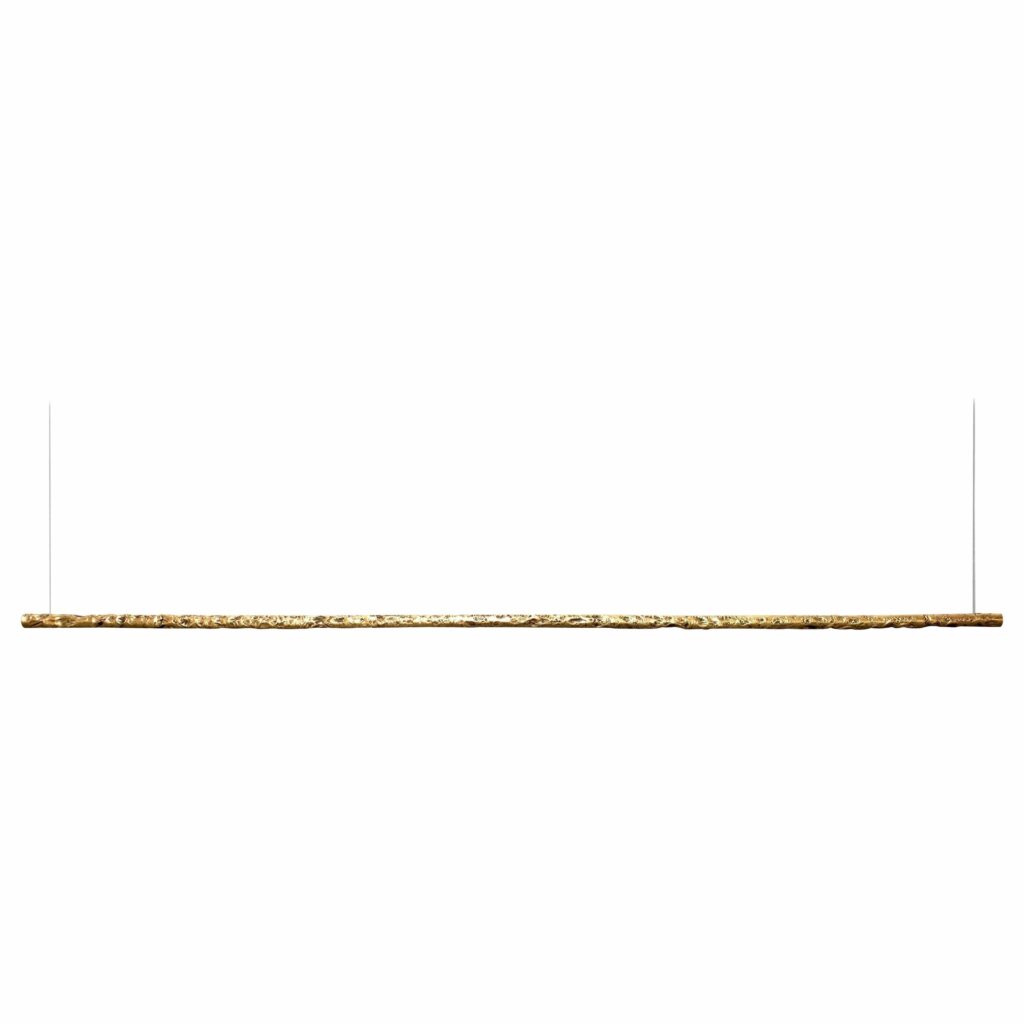
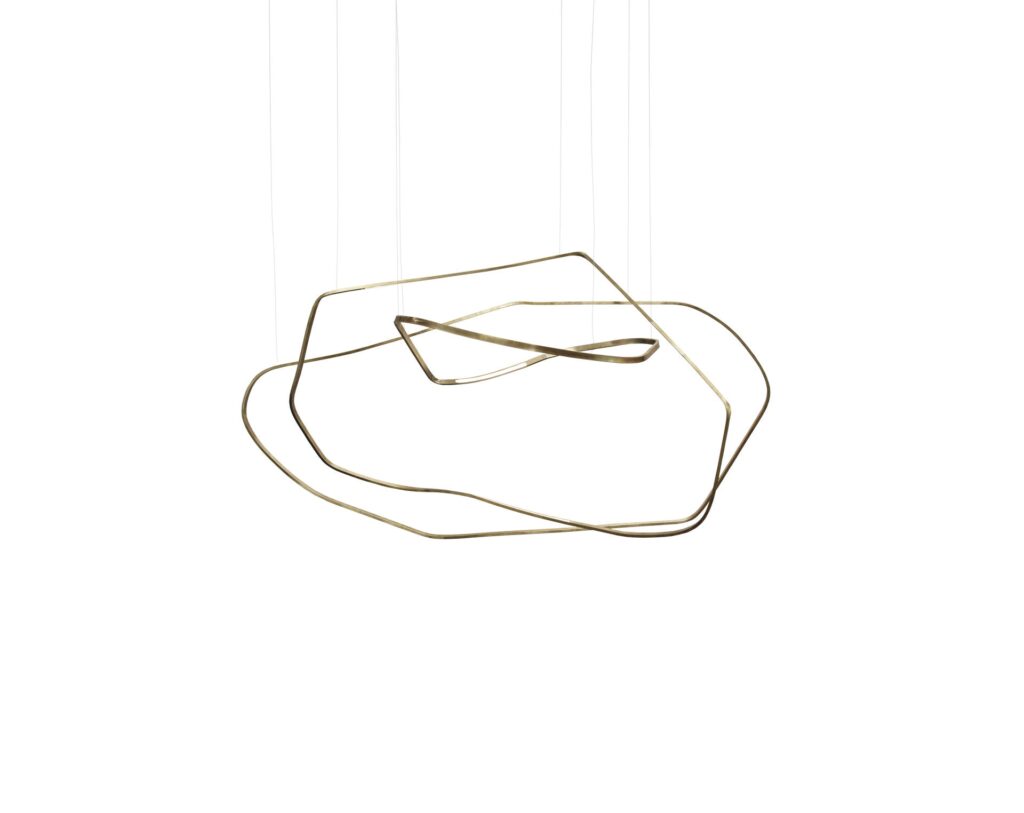
favorite pieces from the Philia Collection
We’re featuring these in one of our exciting upcoming projects, with each pendant designed for one of the two offices.
Thank you so much Valeria, for this lovely interview!
Share article :