Manu Bañó
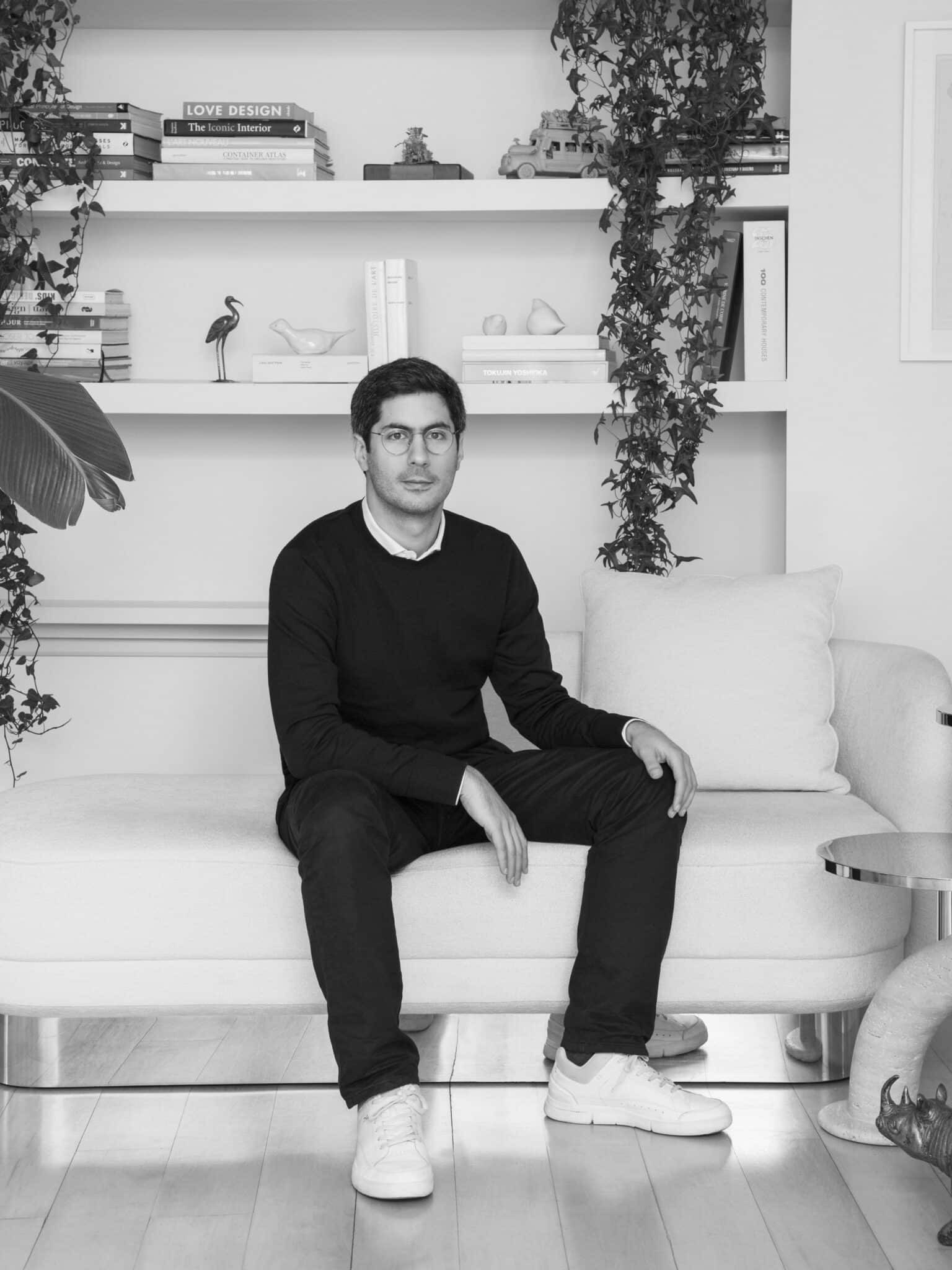
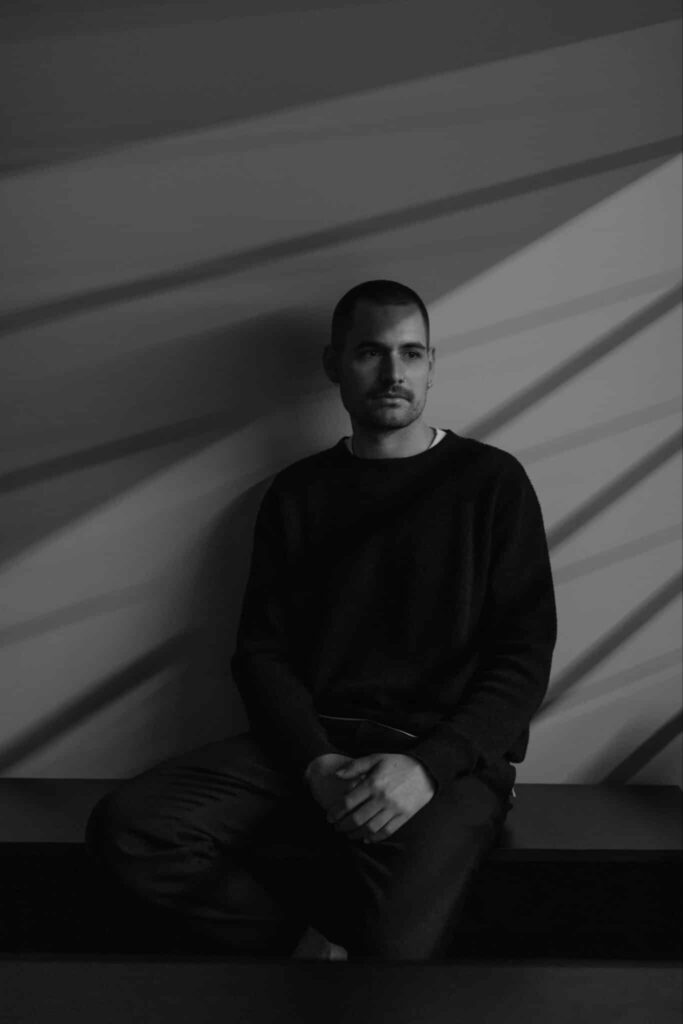
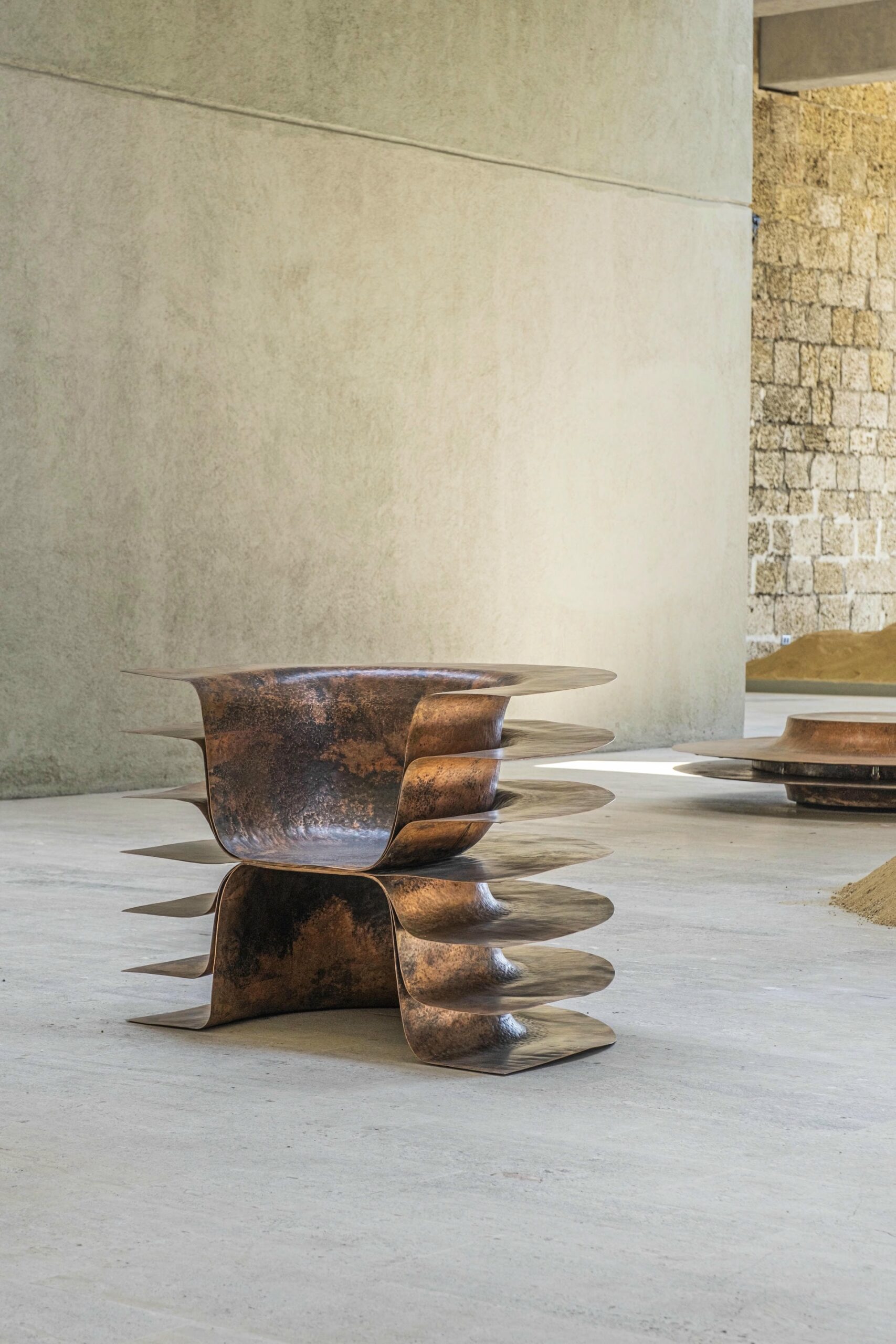
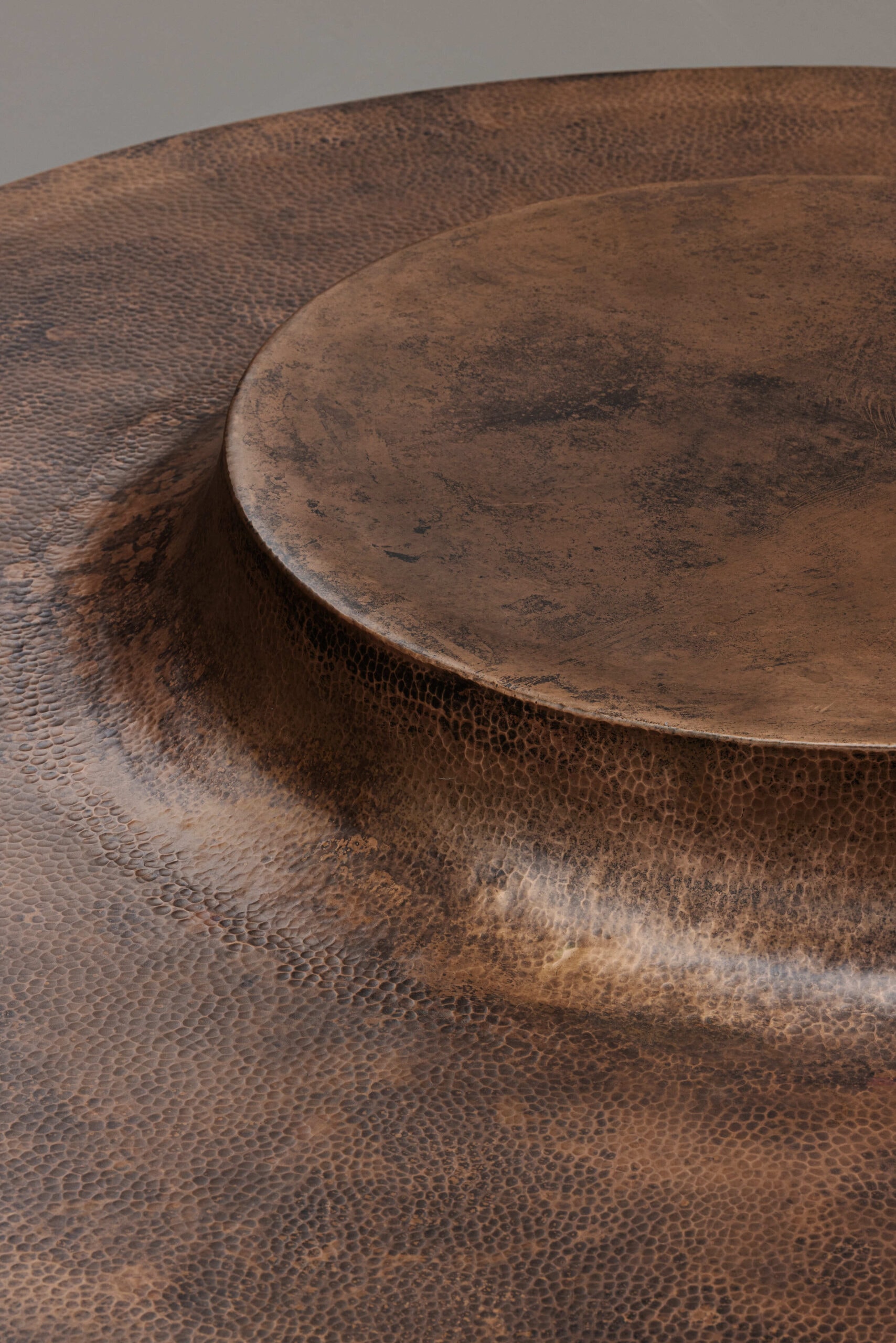
Manuel Bañó is a Spanish designer based in Mexico City whose practice explores the relationship between material, craftsmanship, and sculptural form. Trained in design engineering and furniture design, he works primarily with copper, brass, and steel, transforming sheet metal into collectible furniture, lighting, and objects that balance geometric precision with expressive materiality. His minimalist approach is rooted in a deep respect for traditional metalworking and the inherent qualities of each material.
Drawing on a background shaped by both art and design, Bañó develops pieces that embrace the marks of the making process rather than conceal them. Through meticulous craftsmanship and refined construction, his work celebrates the evolving beauty of metal, creating timeless objects that unite functional clarity with sculptural presence.
Interview
I am Spanish, I was born in Valencia in 1990.
Since my mother is an artist, she painted in the basement of our house. So my first memories related to the art world were watching her paint. I also remember very well the first contemporary art exhibition I went to, an exhibition of James Turrell, at the IVAM Museum in Valencia. My mother also took me there when I was very young.
I studied industrial design because my father is an industrial designer and I have always found it an interesting world. I have worked in several design studios in Valencia, London, and Mexico City for about 10 years of my life. In the last 5 years, I have felt more and more attracted to the art world, so I started to design furniture and sculptural objects, pieces that are between art and design.
Since I was very young, I have been attracted to the transformation of materials and how man has turned them into commercial objects of different sizes, weights, shapes, and properties. I like to spend time in factories and material stores; I spend a lot of time looking at them and imagining how I could modify them to turn them into a functional and sculptural object at the same time.
My creative process is not based on references, nor does it have a previous research stage; my way of approaching design is through intuition. I enjoy drawing simple lines and ideas in my many notebooks, and over time some of these strokes become physical objects.
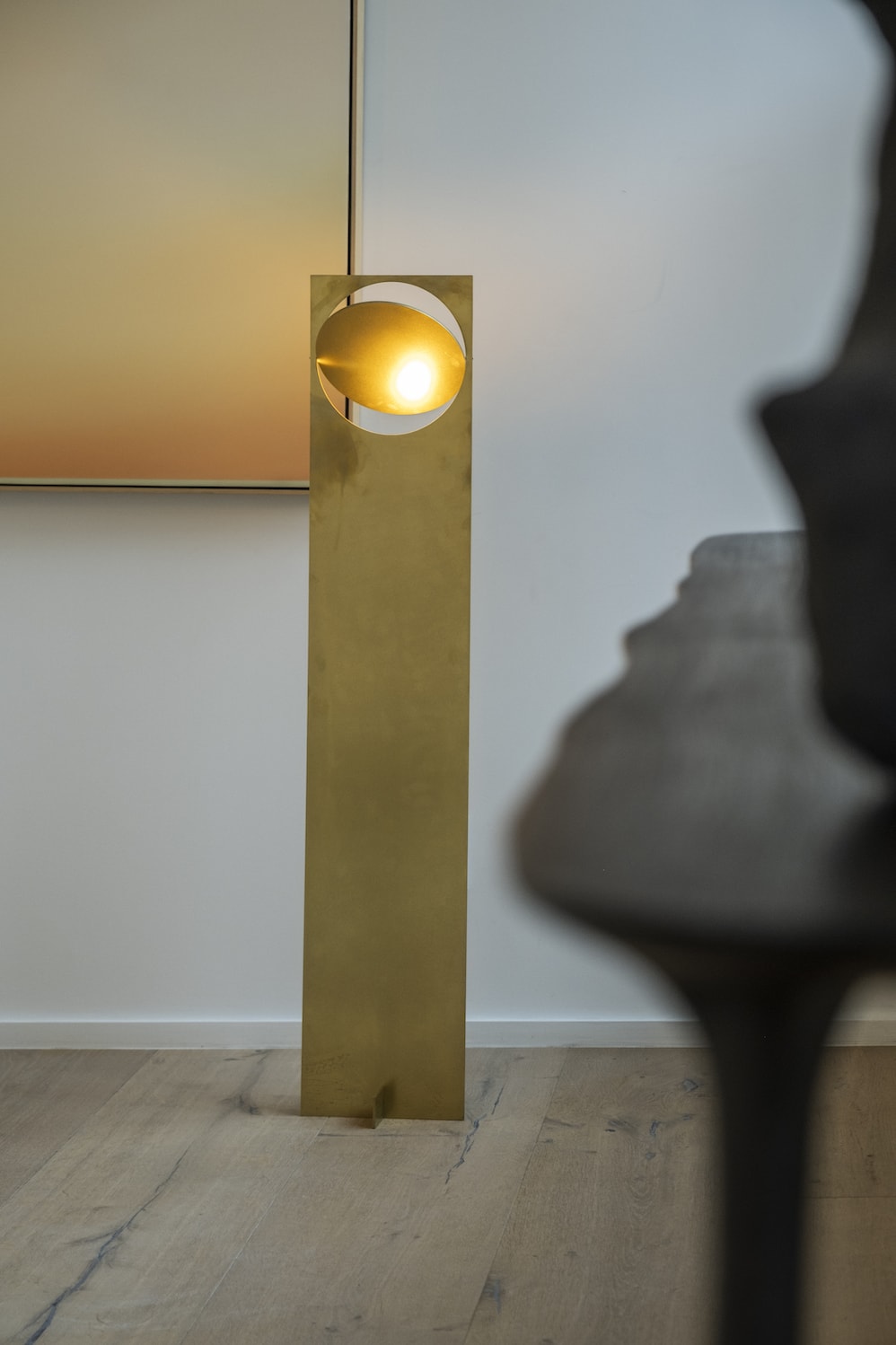
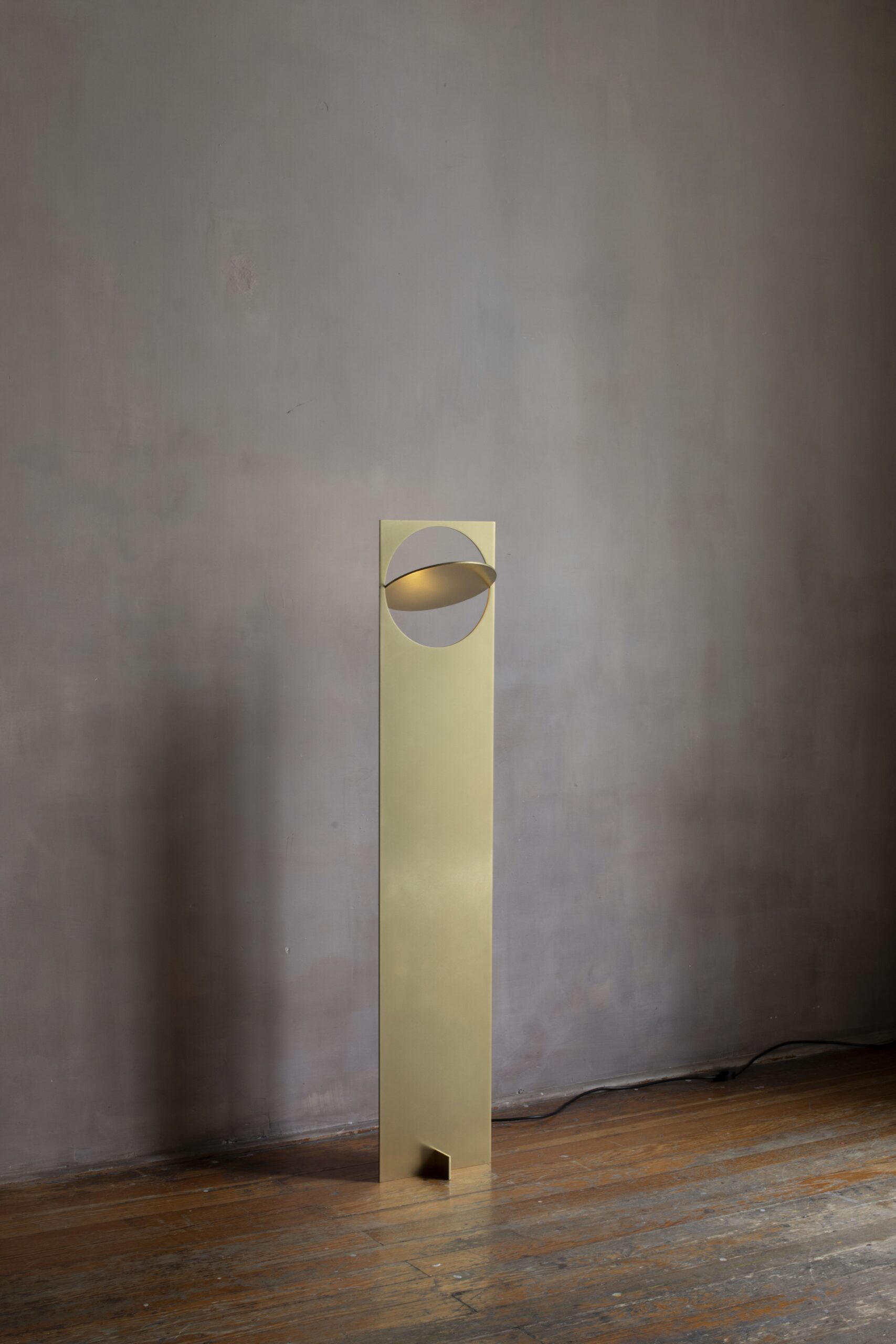
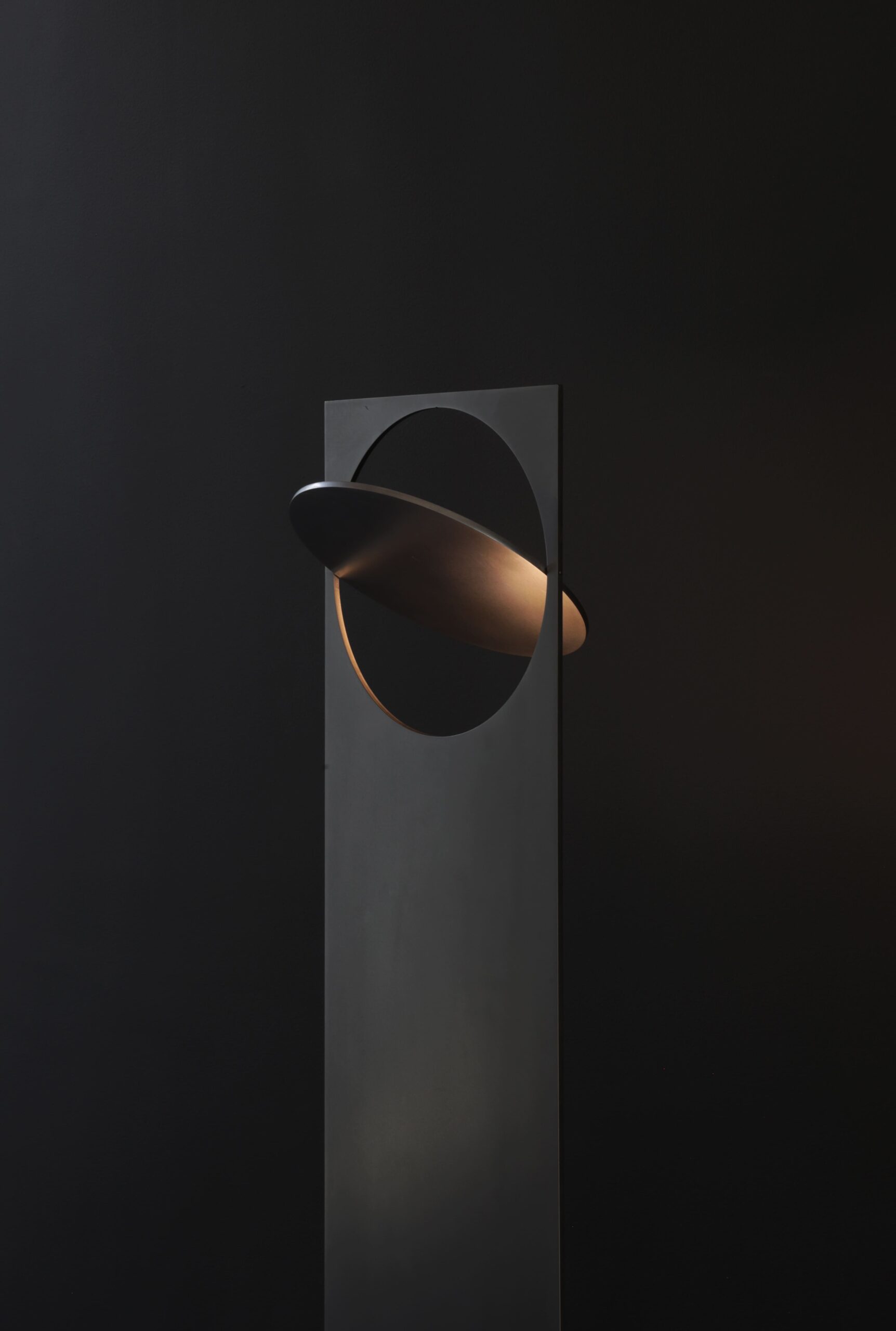
The OBJ series has an aesthetic ambition and puts beauty over function, even though, as a designer, I feel comfortable placing these objects somewhere in the house and always end up feeling the need for them to serve a function.
I currently divide my days between EWE, the studio I have with my partners Hector Esrawe and Age Salajoe, and my personal practice. In the morning, I enjoy a cup of coffee in the sun, do some exercise, and go to our office located in the Roma Norte neighborhood of Mexico City. I am constantly visiting the workshops of the artisans I work with. In the afternoons, I am usually in my studio located in my home.
I like working with metal because it acts exactly as you expect; there are no surprises.
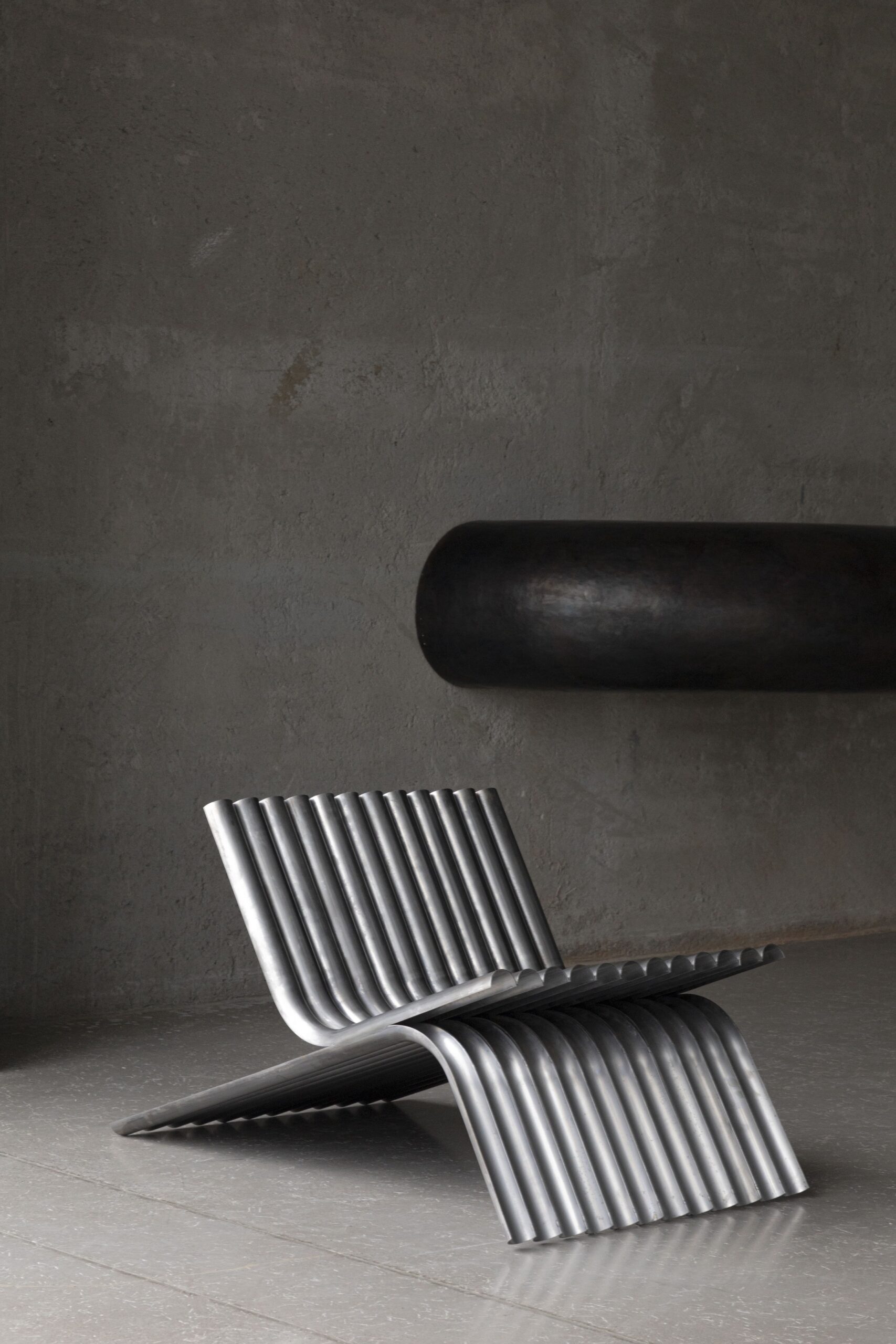
The OBJ collection is based on simple gestures applied to materials in their commercial format. With simple manipulations such as cutting and folding, the raw material is transformed into a utilitarian object. These simple and subtle gestures are usually very technically challenging; I have had to modify many machines and commercial tools to achieve the result I wanted. But my favorite part is that it still looks simple at first glance.
It is important to have knowledge about materials and industrial processes; the more, the better. You also have to work hard and never be a conformist. I produce less than 1% of my ideas, and I think about them a lot, sometimes for years. When an idea seems good but not brilliant, I don’t produce it; I keep working on it until I consider that I have achieved the best of the initial idea.
Minimalism.
Donald Judd, Formafantasma, Peter Karpf.
Nacho Carbonell, Orta Miklos, Vincenzo de Cotiis, Atelier van Lieshout.
Sol LeWitt, Richard Serra, Antony Gormley, José Dávila.
Gesture.
“I produce less than 1% of my ideas. When an idea seems good but not brilliant, I keep working on it.”
The Questions
(The Proust Questionnaire is a set of questions answered by the French writer Marcel Proust.
Other historical figures who have answered confession albums are Oscar Wilde,
Karl Marx, Arthur Conan Doyle, Stéphane Mallarmé, Paul Cézanne…)
Beach and desert
Getting older
Procrastination
Conformism
Any doctor
I can’t stay 5 minutes without showering with fresh water after coming out of the sea
Excited
Business skills
Charisma
Strength
Let’s do it
Singing
Be less hesitant
People all over the world are buying my work
A film director
In the Balearic Islands of Spain
My hard drive
Taking advantage of someone
Skateboarding
be determined with my goals
Loving, carring and fun
Julia Navarro
Ellen Ripley (Alien)
Juana la loca
Humanitarian aid volunteers
Dario and Lucas
Football
Not having learned to play an instrument well
Without suffering and surrounded by my loved ones
Enjoy life
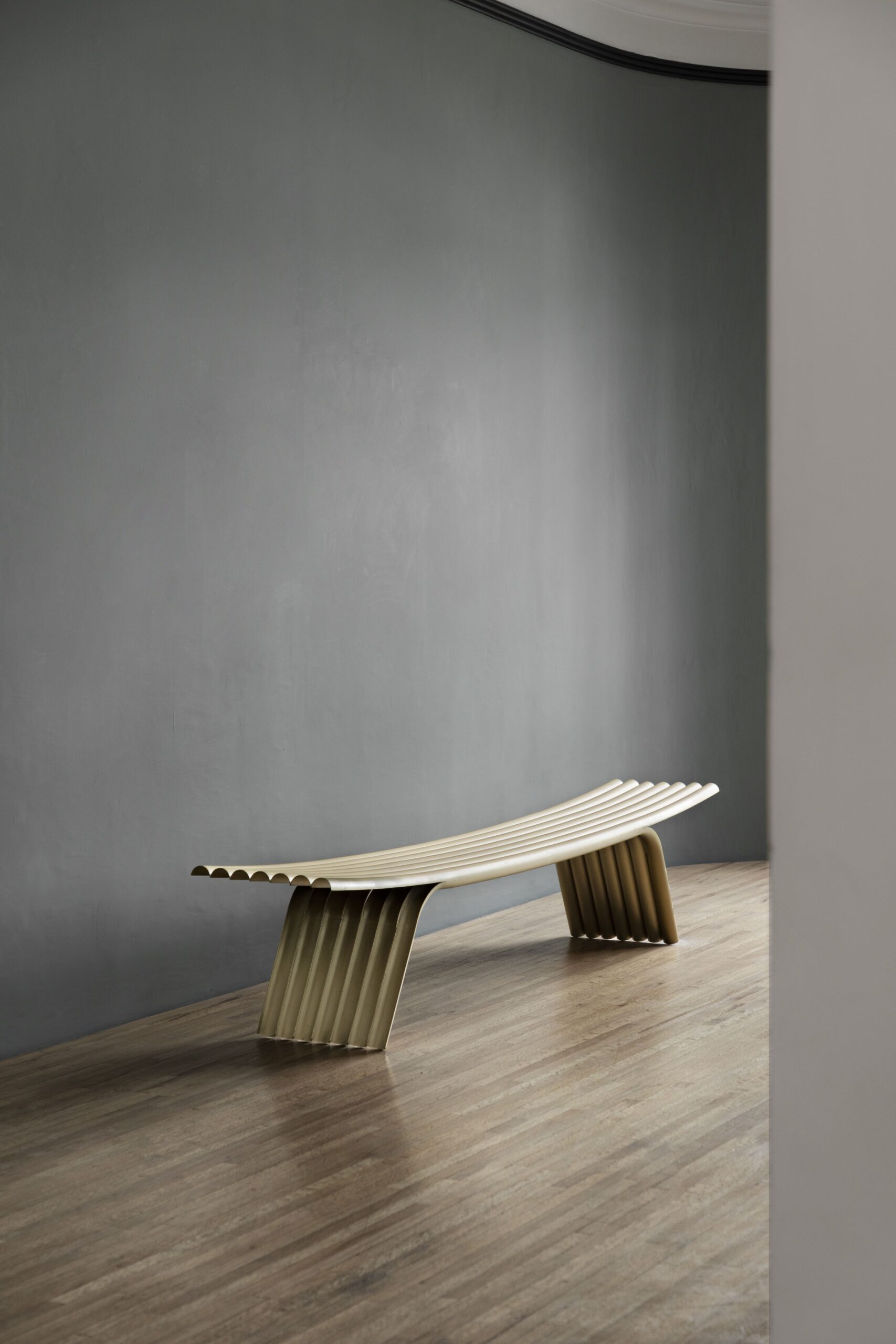
“With simple manipulations such as cutting and folding, the raw material is transformed into a utilitarian object.”
SHARE :