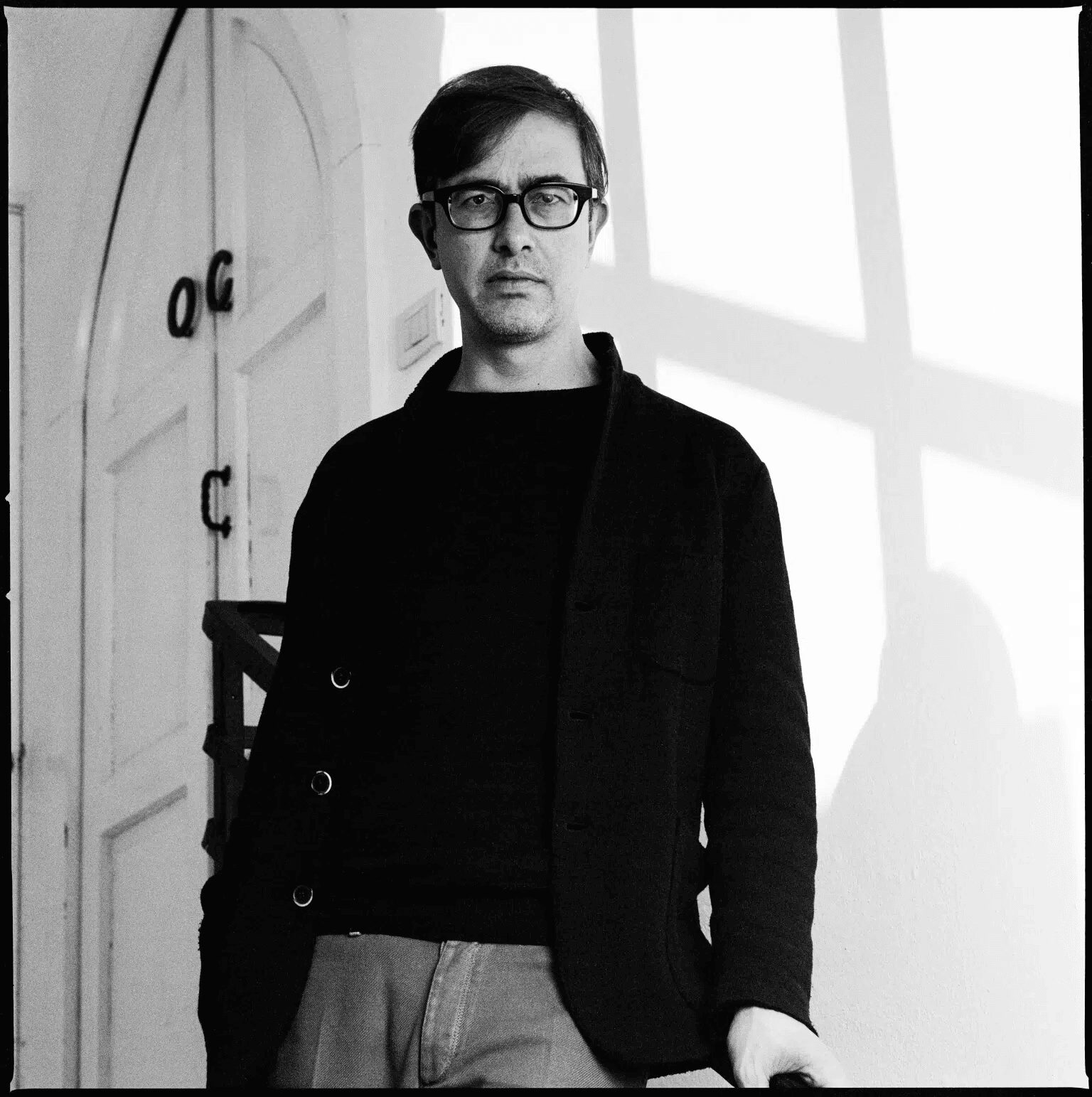
I was born and raised in Seoul, and I’ve had the opportunity to live in both Seoul and Paris. Currently, I reside in Seoul, where I primarily work in both Seoul and Guangdong, China.
MAGAZINE · INTERVIEW
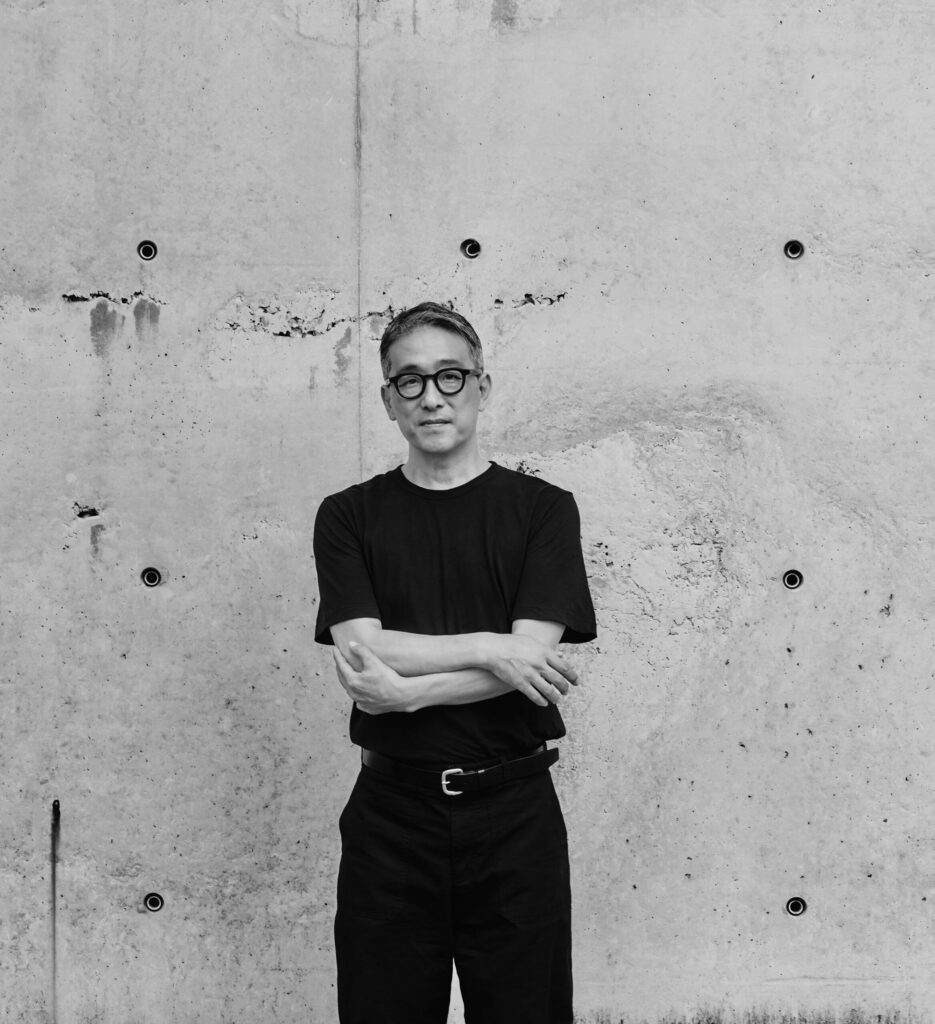
Wonwoo Koo
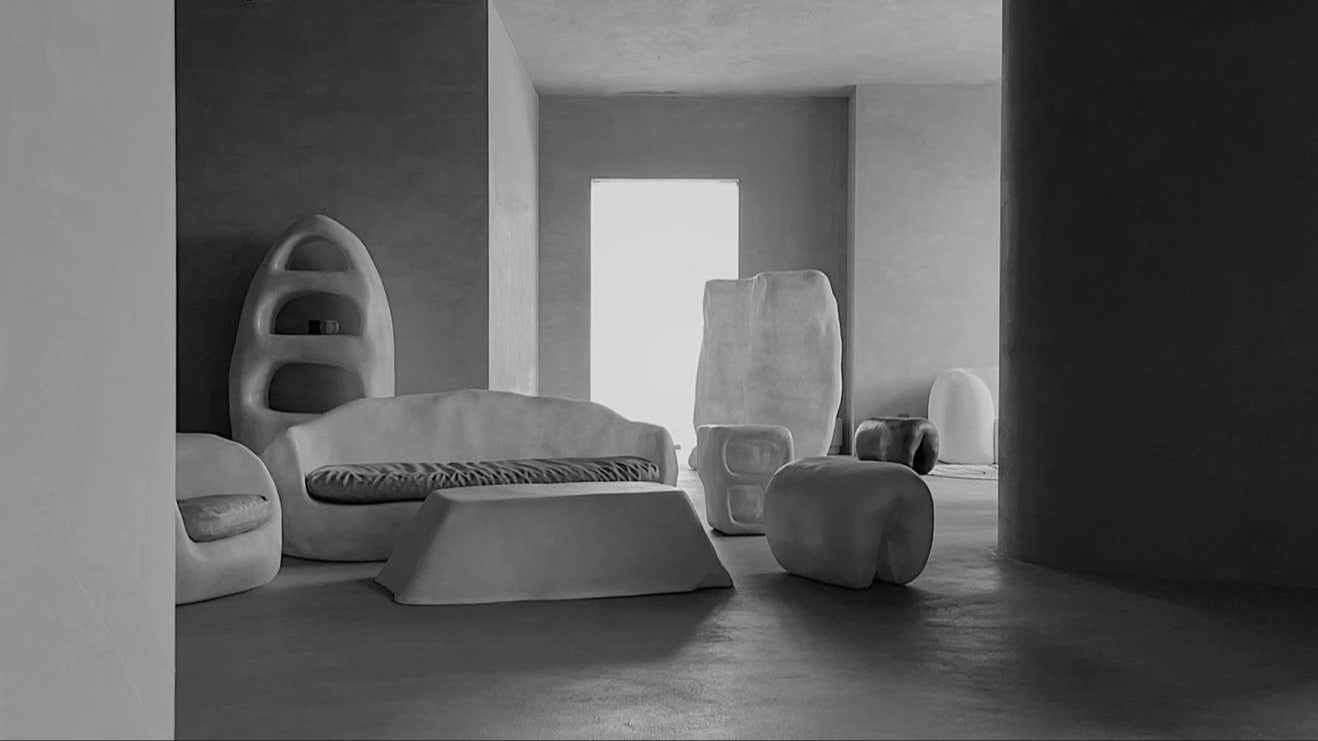
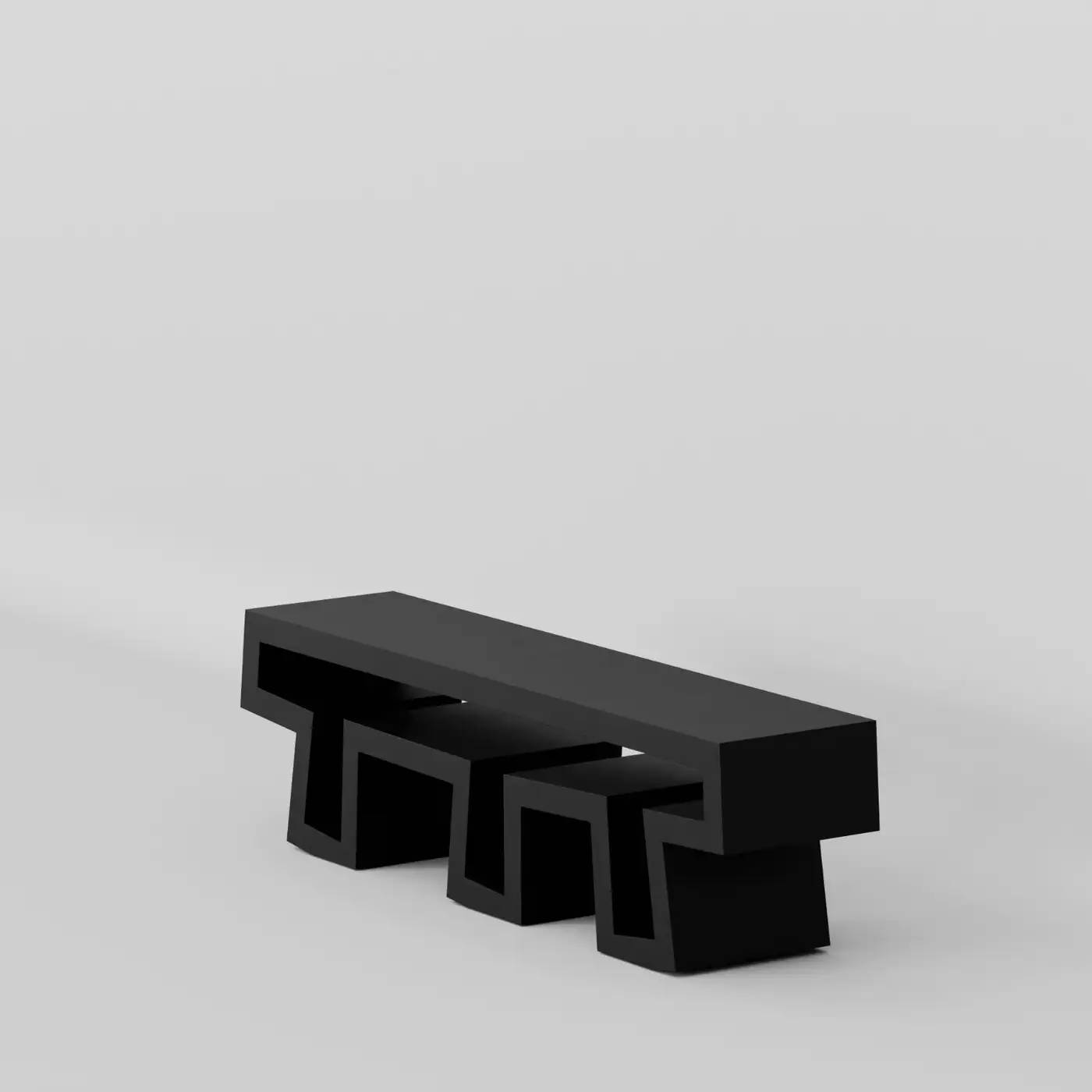
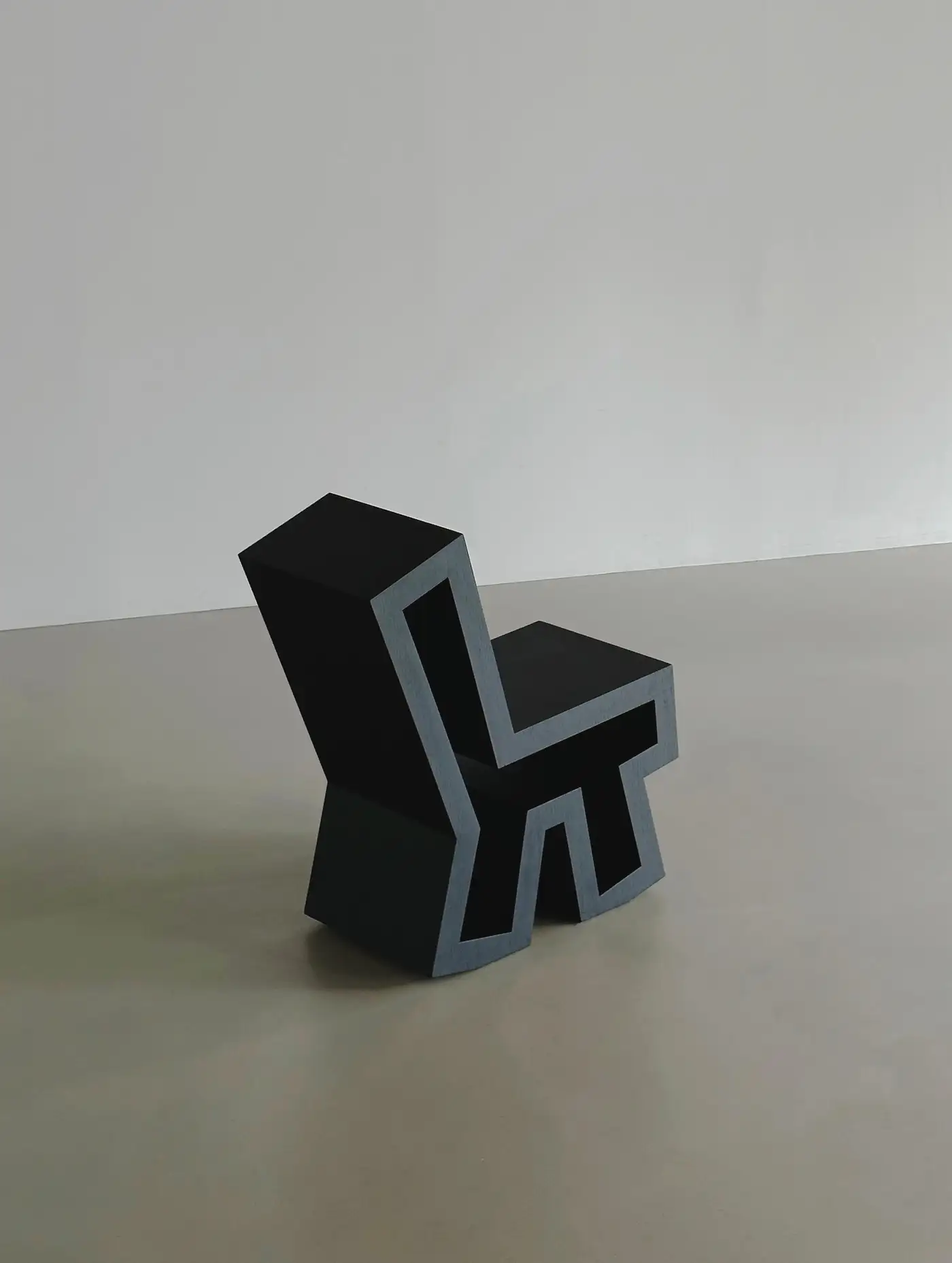
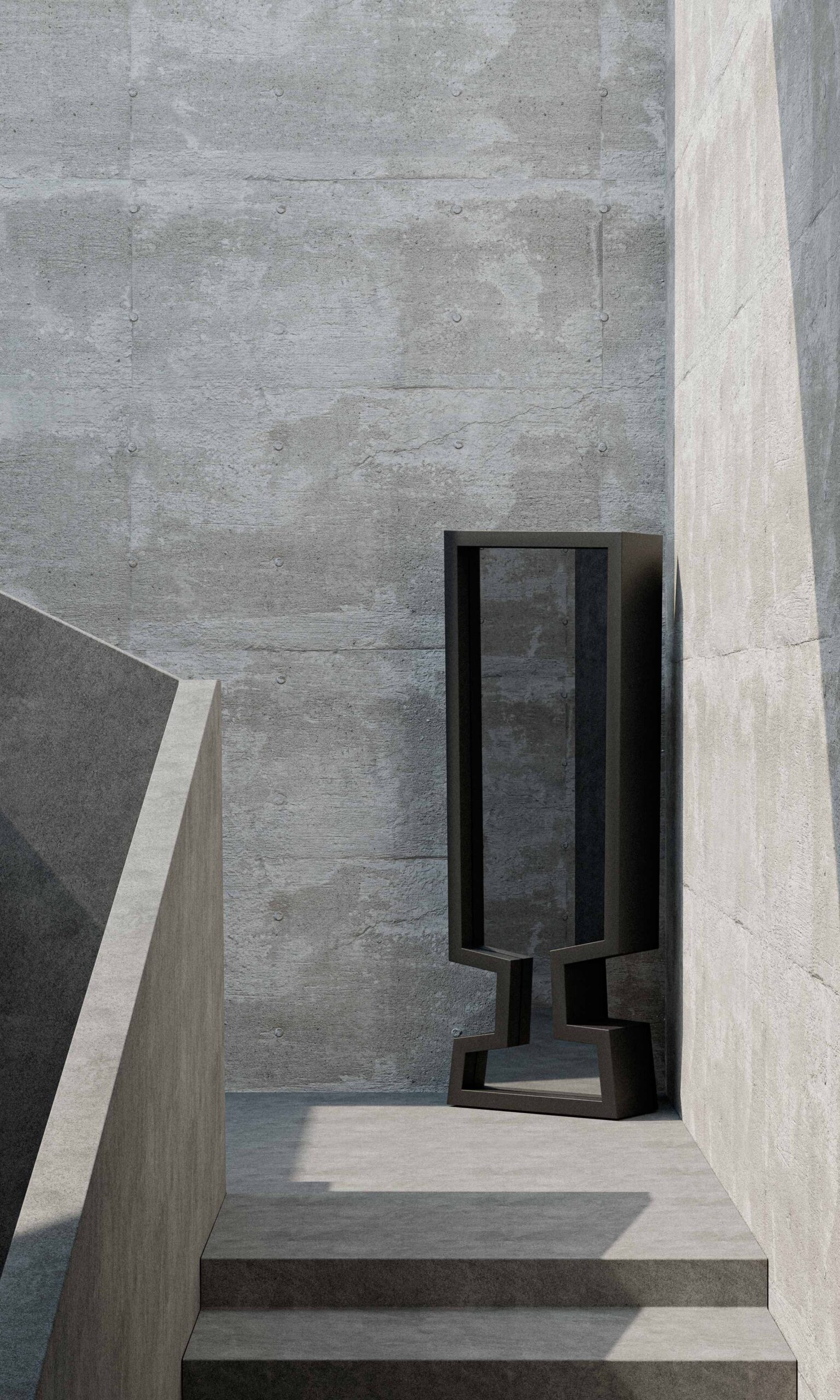
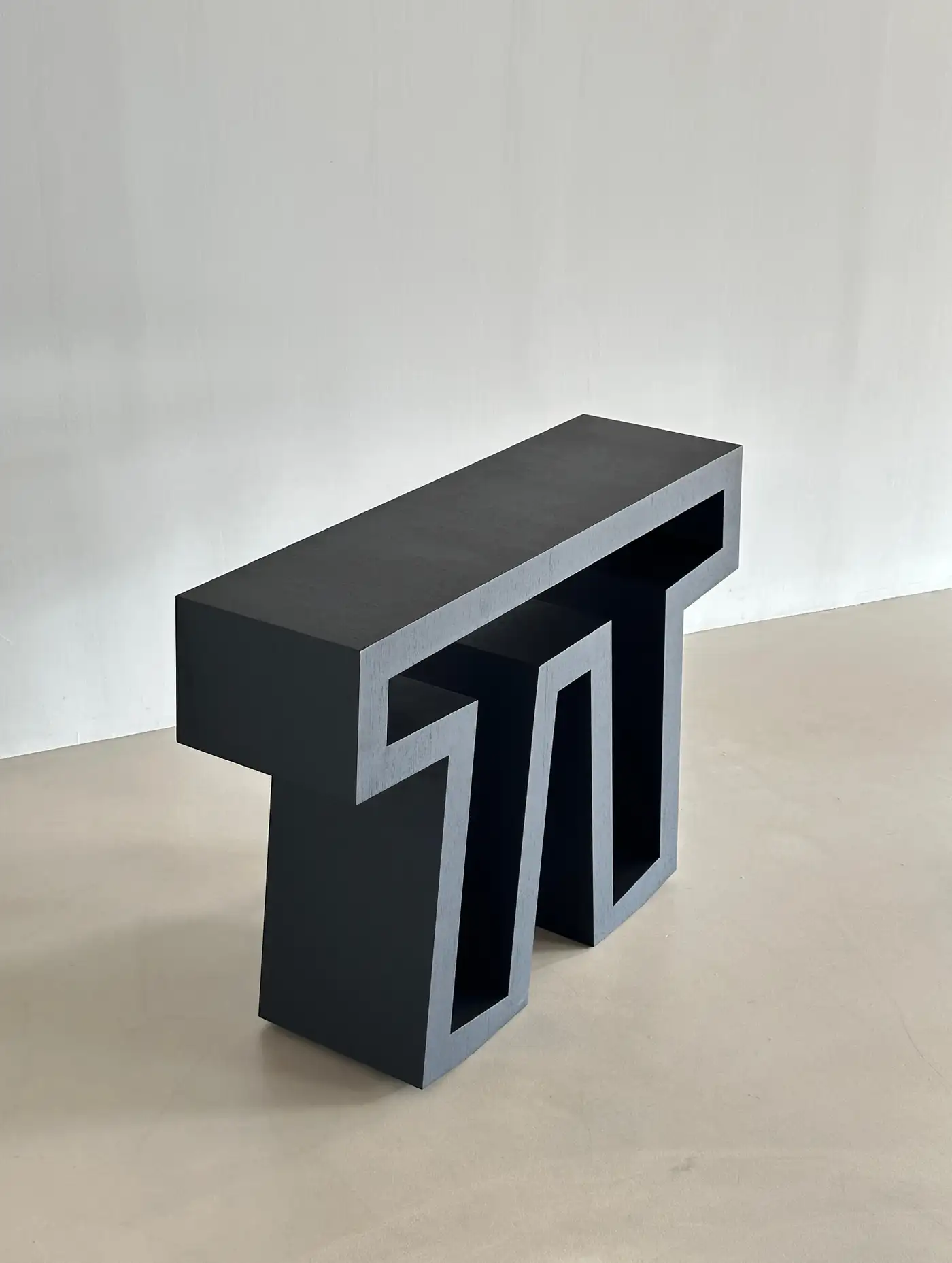
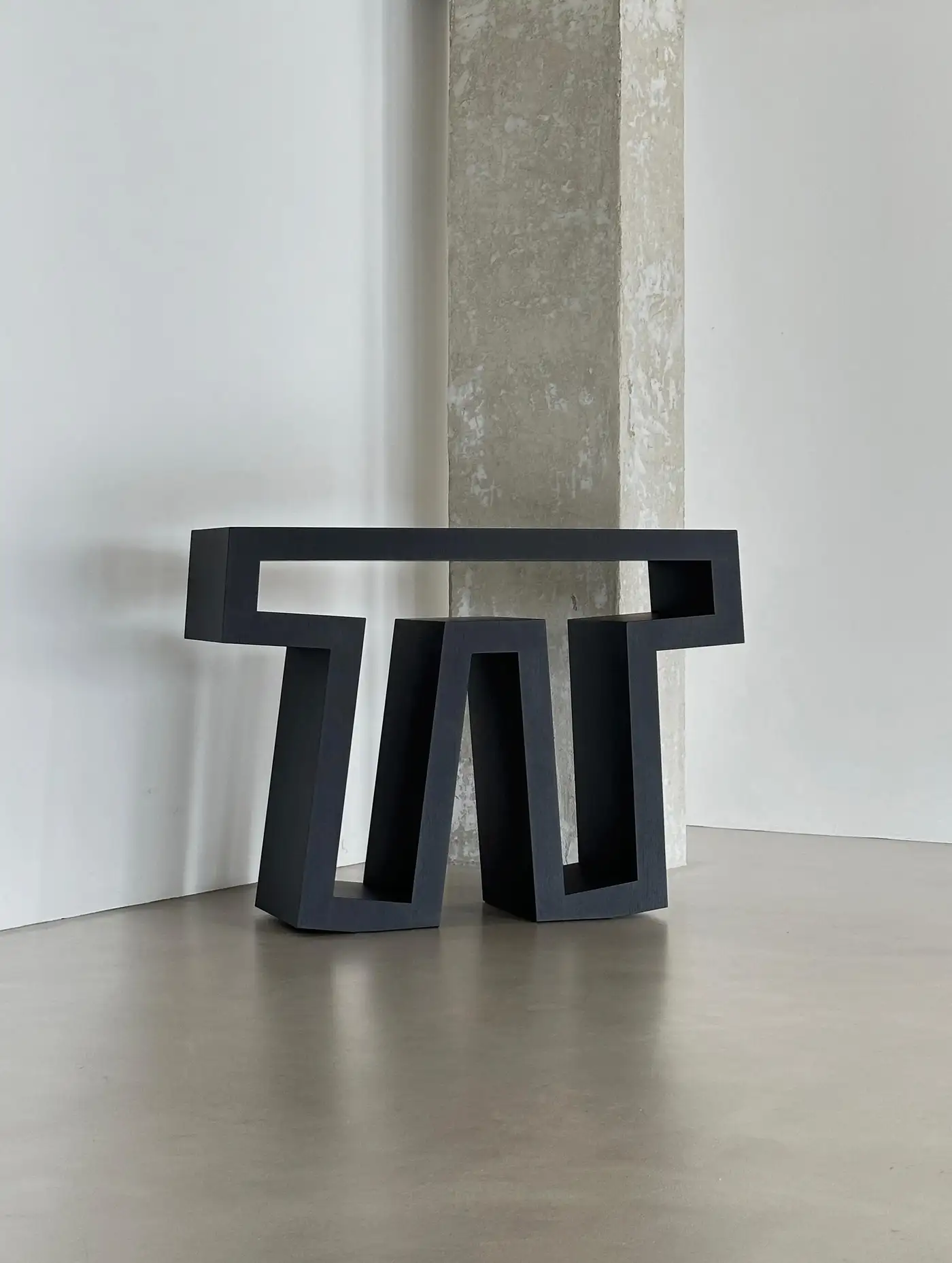
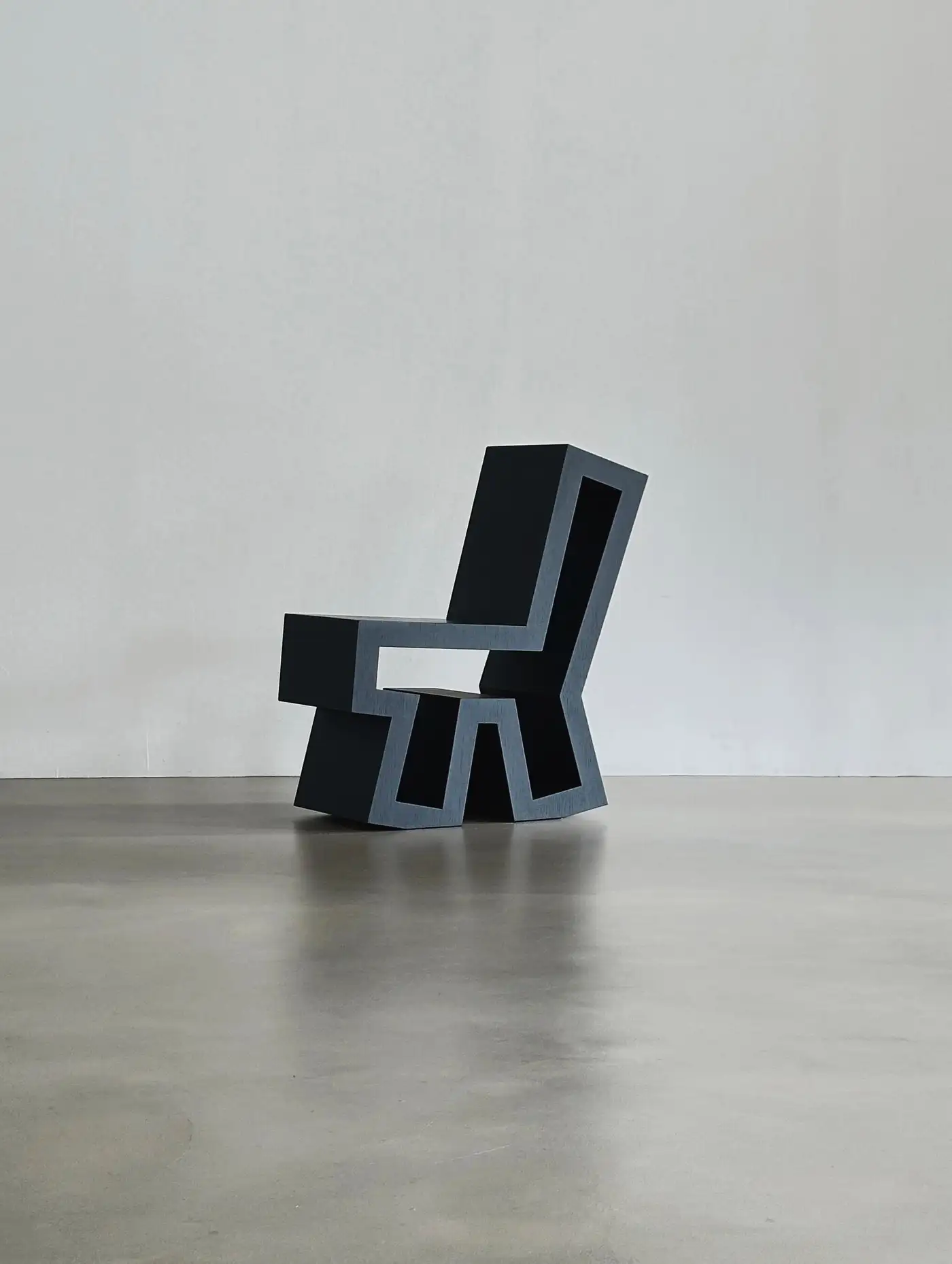
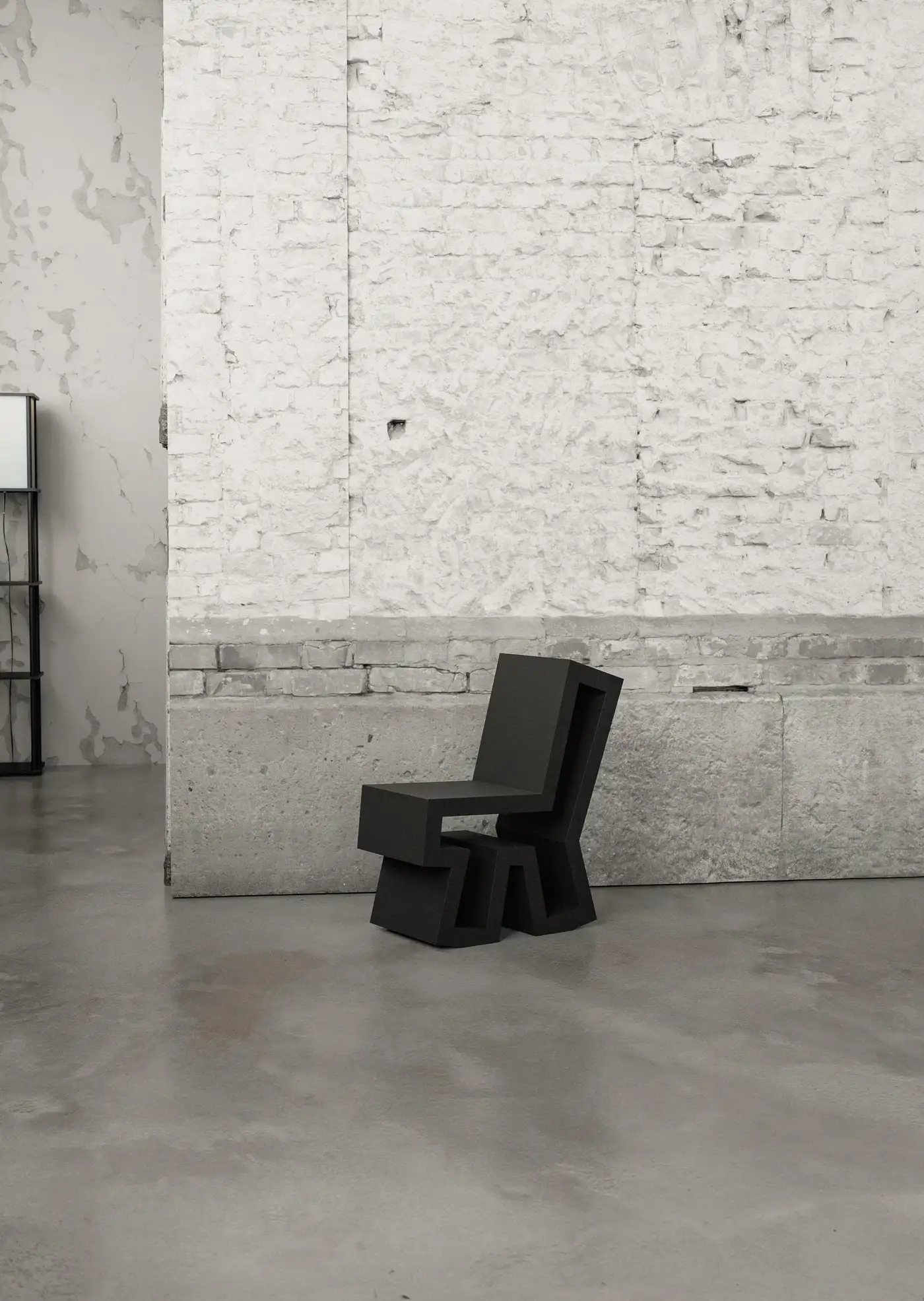
Wonwoo Koo is a South Korean designer whose practice bridges collectible design, furniture, and functional sculpture. Trained in furniture design and with a background in product and interior design, he explores the intersection of art and design through objects that balance sculptural expression with everyday utility. Drawing inspiration from nature, art, and the quiet moments of daily life, Koo creates refined pieces characterized by organic forms, thoughtful craftsmanship, and a meticulous attention to proportion. Viewing design as a sculptural language, his work seeks to achieve harmony between originality, functionality, and enduring aesthetic value.
Let's know more about
Interview
Where were you born and where are you from?
What is your first memory connected to the art world?
I had the opportunity to live in Paris for a while, where I was able to visit exhibitions in galleries tucked away in the small alleys of the Saint-Germain-des-Prés area. This experience was a profound shock for me as a design student. Each gallery, like a hidden treasure in the narrow streets, showcased unique works of art, and the creative energy I felt there completely transformed my perspective on my work. It felt like stepping into a new world of art, and the inspiration from that experience continues to influence my work to this day.
Have you always worked in the art/design field?
After studying design, I worked for a long time primarily as a product and interior designer. However, captivated by the limitless possibilities that art offers, I have cautiously and thoughtfully returned to the path of art. I have a deep interest in painting, sculpture, film, and architecture, and I find great satisfaction in the creative process. The desire to create naturally rises from within me, and I experience the greatest happiness in the process of making something.
What led you to design creation?
My sister majored in ceramics, and watching her work process naturally sparked a desire in me to create as well.
How would you describe your creative process and its influences?
It’s like putting together a puzzle. I gather pieces of inspiration scattered randomly and fit them together. Everything that catches my eye while walking, and even sudden memories that pop up, all become material. It might seem chaotic, but I believe spontaneous inspiration can come from anywhere. That’s why I always take notes. Over time, those notes evolve into deeper ideas. For me, randomness is an essential source of inspiration.
Could you describe a typical day of your work?
My day flows with flexibility rather than a fixed routine. In the morning, it’s mostly about using my mind; I spend time brainstorming ideas or reflecting on the direction of my work in a calm, focused way. But in the afternoon, I feel the need to move. That’s when I walk around or explore my surroundings, letting my creative thoughts flow as I move. Many new ideas come to me during these walks. For me, the balance between thinking and movement is the key to my creative process.
Why did you choose the specific materials you work with?
The choice of specific materials varies depending on the nature and purpose of the work. For example, when creating graffiti artwork inspired by Keith Haring, I focused more on conveying a clear concept rather than the techniques used, so the materials themselves were not of great importance. I simply approached it in a way that allowed me to express the concept clearly. However, for my current project, I aim to use a variety of materials to express the concept more richly through the unique characteristics of each material. Thus, the selection of materials flexibly changes according to the intention and goals of the work.
What are the technical particularities of your creations?
I prioritize selecting materials and finishes that clearly convey the concept. In some cases, when the unique expression of a material takes precedence, I focus on researching it in detail. Ultimately, everything is determined by the starting point of the concept.
What advice could you give to beginning artists who would like to create sculptural design works?
Do not hold biases against everything; explore the world and fill yourself with inspiration. Those moments of experimentation and failure are opportunities to truly discover yourself.
If your works had to belong to a design movement, how would you define it?
It resembles the philosophy of street art in that it is spontaneous and conveys messages directly without being bound by rules.

What designers and artists have influenced you?
Constantin Brâncuși, Jean-Michel Basquiat, Keith Haring.
What contemporary designers do you appreciate?
Anne Holtrop (current).
What contemporary artists, in any kind of art, have you been inspired by?
Kurt Cobain (musician), Denis Villeneuve (director), Virgil Abloh (creative director).
If you had to summarize your creations in one word or sentence, what would it be?
The spirit of expressive movement and a sense of cohesion through vibrant energy and bold lines.
Is there anything you would like to add?
Thank you for reading my interview.
“Everything you can imagine becomes real.”
The Questionnaire
The Questions
(The Proust Questionnaire is a set of questions answered by the French writer Marcel Proust.
Other historical figures who have answered confession albums are Oscar Wilde,
Karl Marx, Arthur Conan Doyle, Stéphane Mallarmé, Paul Cézanne…)
What is your idea of perfect happiness?
Turning the doorknob and entering the house
What is your greatest fear?
Numbness
What is the trait you most deplore in yourself?
Patience
What is the trait you most deplore in others?
Hypocritical stubbornness
Which living person do you most admire?
My wife
What is your greatest extravagance?
Sleeping in
What is your current state of mind?
Anticipation
What do you consider the most overrated virtue?
Success
What is the quality you most like in a man?
Trust
What is the quality you most like in a woman?
Trust

Which words or phrases do you most overuse?
Positivity
Which talent would you most like to have?
Athletic ability
If you could change one thing about yourself, what would it be?
Dawdling
What do you consider your greatest achievement?
Being able to create artwork
If you were to die and come back as a person or a thing, what would it be?
Wind
Where would you most like to live?
A place with refreshing winds
What is your most treasured possession?
Family photo
What do you regard as the lowest depth of misery?
Regret about the work
What is your favorite occupation?
Pro sports player
What is your most marked characteristic?
Improvisational thinking
What do you most value in your friends?
Empathy
Who are your favorite writers?
J.K. Rowling
Who is your hero of fiction?
Dobby
Which historical figure do you most identify with?
Saint Nicholas
Who are your heroes in real life?
My kids
What are your favorite names?
Noah, Abigail
What is it that you most dislike?
Time’s up
What is your greatest regret?
Starting my artwork late
How would you like to die?
Vanish like dust with a single breath
What is your motto?
Everything you can imagine becomes real
“Do not hold biases against everything; explore the world and fill yourself with inspiration. Those moments of experimentation and failure are opportunities to truly discover yourself.”
SHARE :