Evan Jerry – Studio Anansi
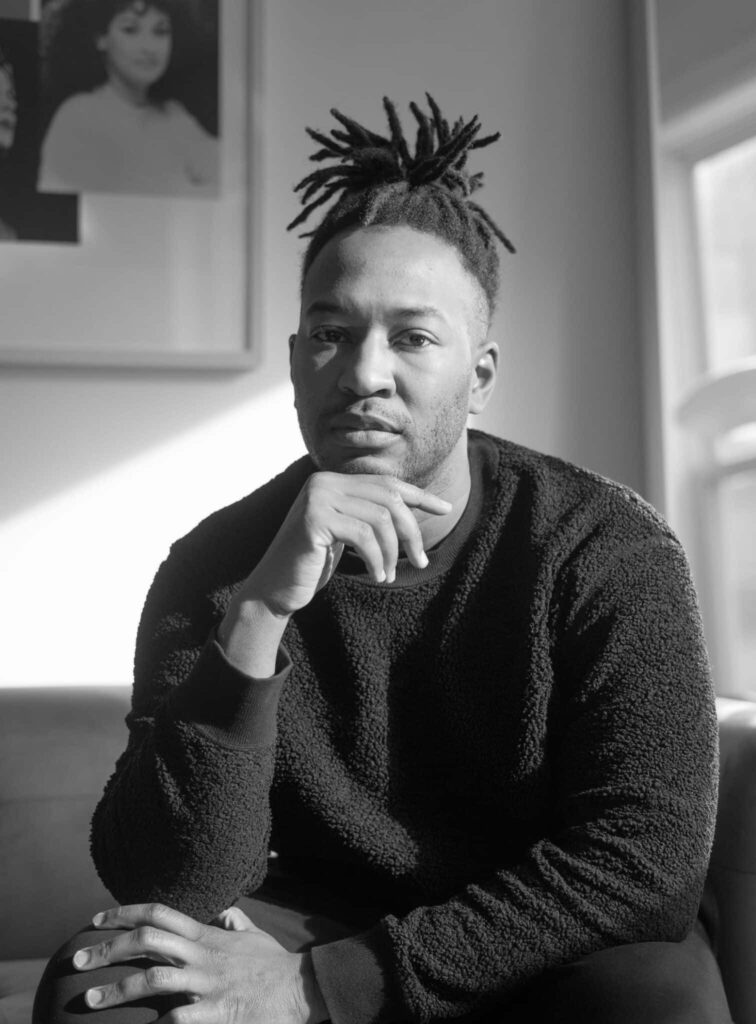
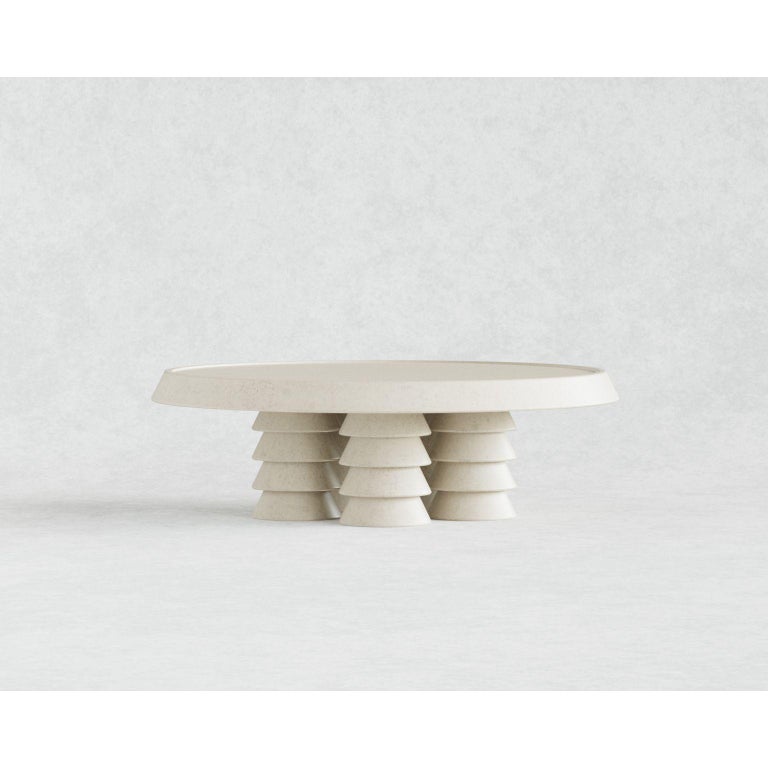
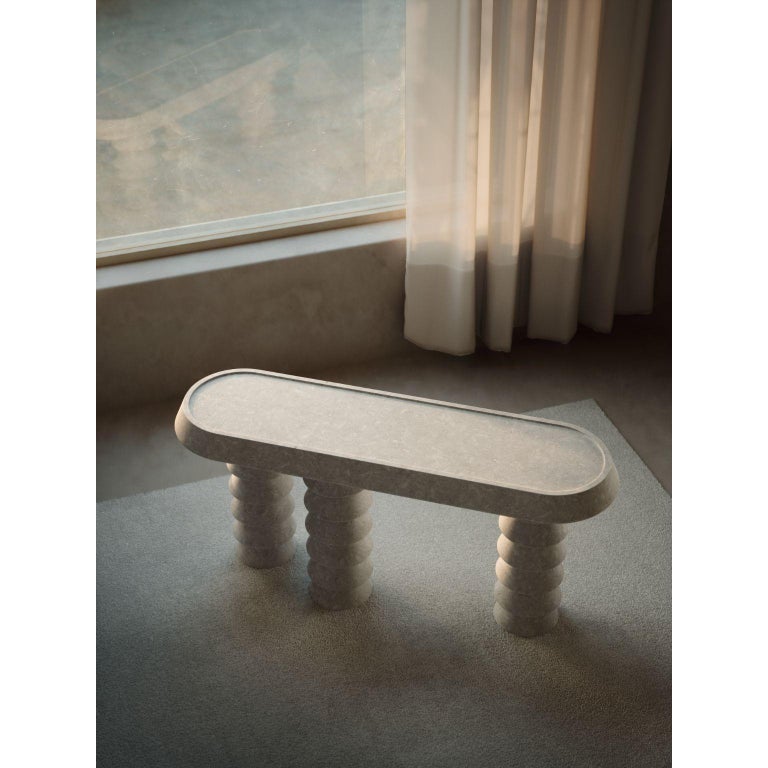
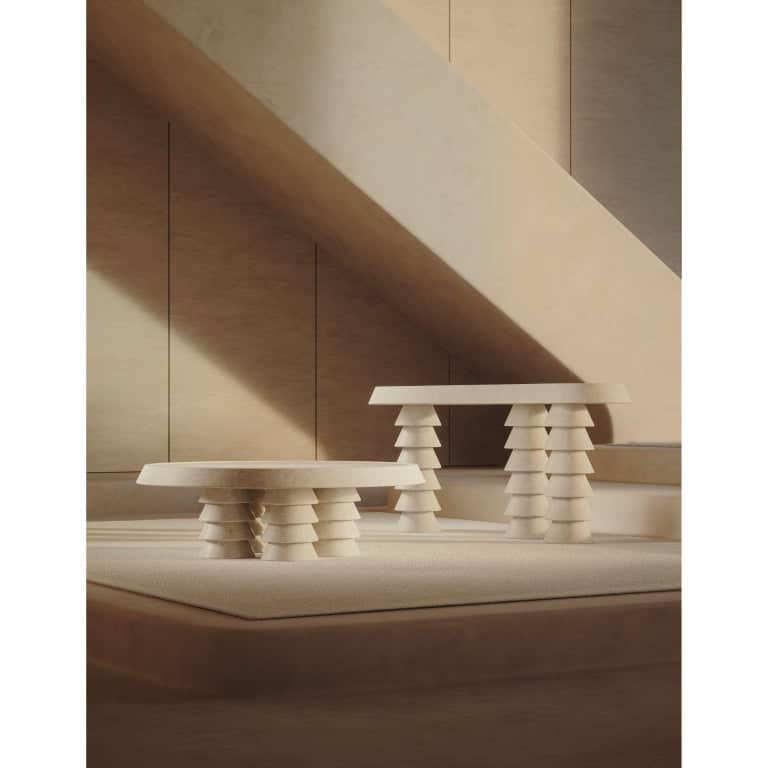
Evan Jerry is a Canadian-born designer, artist, and the founder of Studio ANANSI, a London-based practice established in 2018. Drawing inspiration from art, architecture, craft, and the storytelling traditions of the African diaspora, Jerry creates sculptural furniture and objects that explore the relationship between culture, materiality, and contemporary design. Named after Anansi, the legendary figure from West African and Caribbean folklore, the studio is rooted in narrative, curiosity, and a desire to foster new cultural dialogues through form.
Through Studio ANANSI, Jerry develops works that balance artistic expression with functional design, combining refined craftsmanship with a strong conceptual foundation. His practice has gained international recognition through collaborations, exhibitions, and collectible design presentations, creating pieces that celebrate heritage, innovation, and the enduring power of storytelling.
Interview
I was born and grew up in Toronto, Ontario. I have lived in Helsinki, Mexico, and London.
I recall two parallel connections to the art world as a child. The first is visiting the Art Gallery of Ontario during the March school break. I knew nothing about the art or any of the artists I saw, but I was captivated by it all.
The second is an introduction to animation, particularly Disney motion pictures during its renaissance period. It was the first time I felt I was good at expressing myself visually. I would draw all the characters from these films and even create my own animated film concepts and characters. It’s a very highly imaginative art form where all things are possible because you are never constrained by the laws of reality. I enjoyed creating visual worlds.
Though I have always practiced creative work in my personal time, I was not always part of the industry. I was working at a government job for many years after leaving secondary school. I became unfulfilled work-wise and decided that I needed to pursue a creative career, so I left my job and went back to do a four-year undergrad program in interior design in my mid-20s, and didn’t actually enter the design industry until my early 30s.
I always knew that I expressed my interpretations of the world best through the arts, and I was actively exploring different media to express my ideas. I was outgrowing the idea of creating 2-dimensional work and started focusing on conceptual sculpture as well as my growing interest in furniture and architecture. Design was the best way for me to merge the two worlds.
I create in a very organic way. Each project has its own rhythm, its own pulse and heartbeat. I gain so much inspiration when I travel, which often allows the design to be informed by where I am at a moment in time. I don’t subscribe to being influenced by only one thing, such as nature.
Sometimes I am inspired by nature, sometimes by architecture, and at other times it’s simply an emotion. It’s through living and interpreting where I am physically and emotionally in a moment that informs the shapes, materials, and narrative of each piece that is conceived.
I don’t have a typical workday. Every day is different depending on the projects I have to complete and what stage I am in the process. The only thing consistent is that I wake up and end the day with emails.
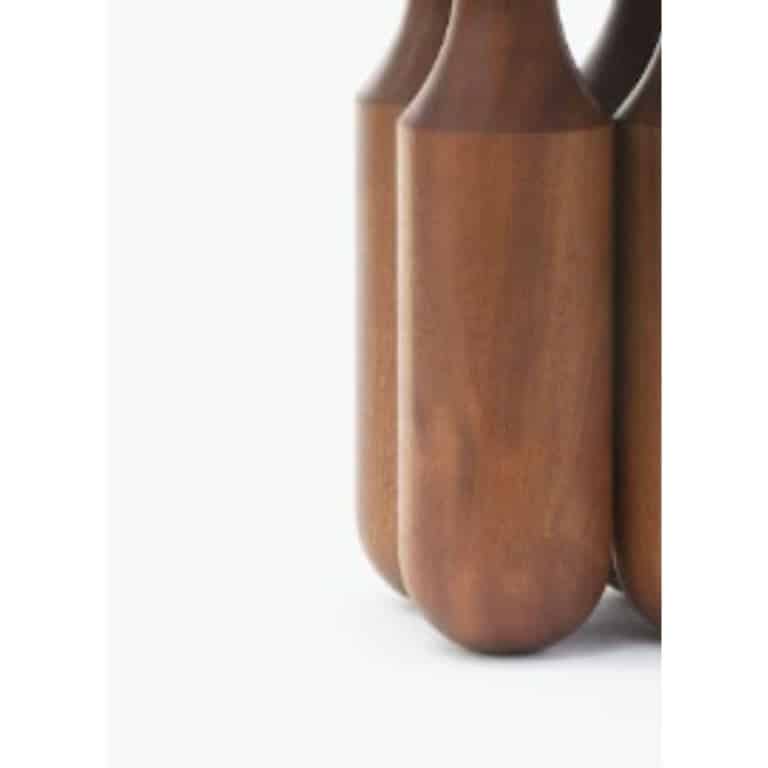
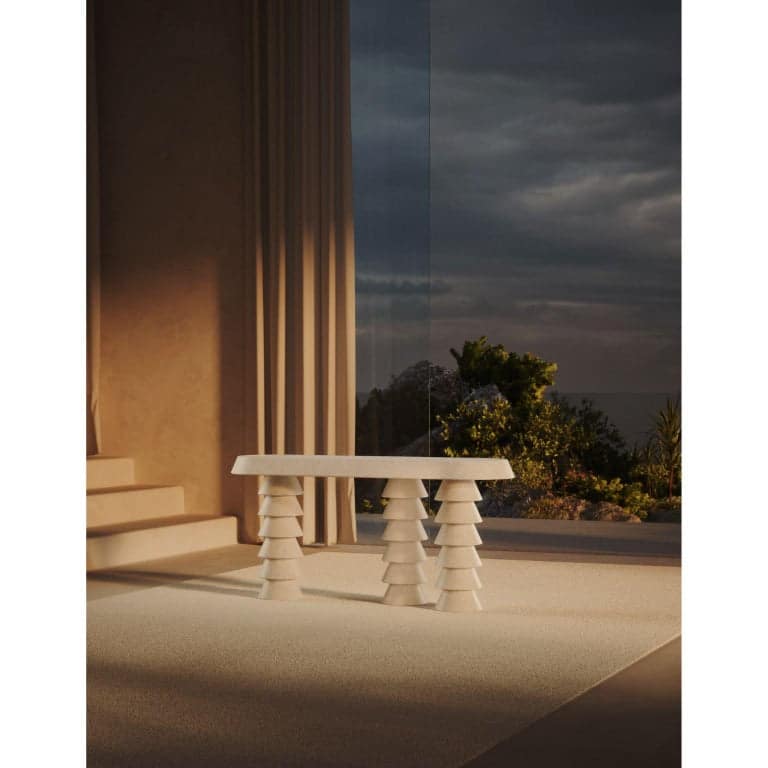
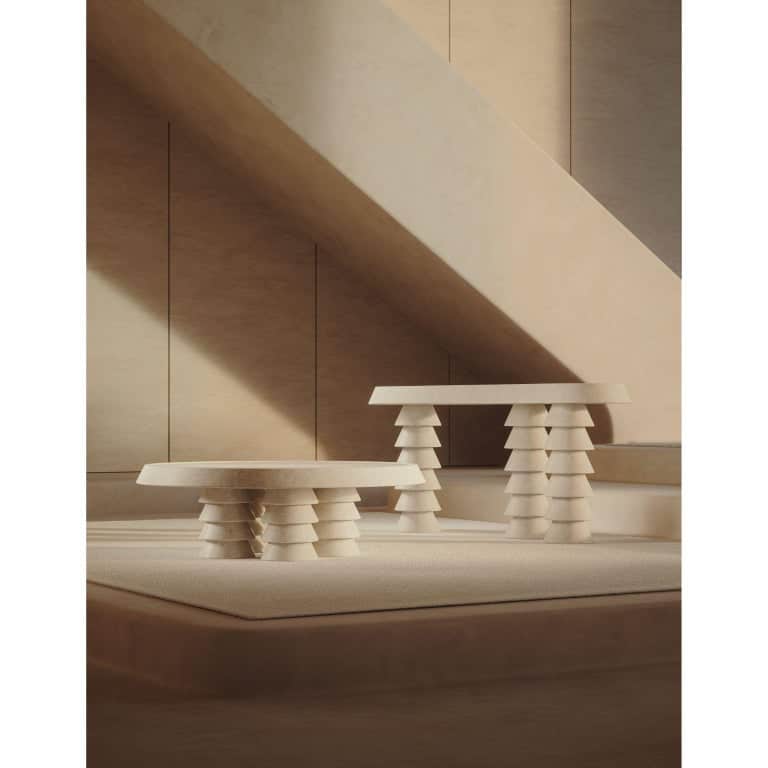
The materials often have to do with the narrative of the design, whether this be stone, wood, metal, or any other material.
It’s sometimes nice to select materials based solely on their aesthetic beauty, but storytelling is a very important part of my work, and the materials selected need to reflect this.7
Precision is important throughout the work. The forms are often simple and direct with meticulous attention to details and nuances that are difficult to execute. This is the aesthetic appeal of the final creation.
Find your own unique voice in your work and stay true to your vision. Start creating and putting your work out there. The body of work you are trying to create will evolve and become stronger over time, but you need to start if you want to make this happen. Oh, and don’t take yourself too seriously – have fun!
Thank you for the support! xo
The movement in art and design where the representation of underrepresented voices and ideals is disrupting the industry standards and demanding participation.
Many designers have influenced me at different periods of my career. One of the first designers to influence me was Jaime Hayon – he was a huge influence on why I pursued design.
Often, designers from other disciplines, like fashion, have been a huge influence on my design work. I admire Phoebe Philo’s work with Celine and now her own collection, which has such a powerful and elegant approach to representing women. Rick Owens is also another designer inspiration.
Faye Toogood, Luam Melake, Najla El Zein, Linde Freya Tangelder, Kim Mupangilai, Dozie Kanu, Pieter Maes.
I am currently very inspired by the works of artists Toyin Ojih Odutola, Lynette Yiadom-Boakye, Danielle McKinney, Simone Leigh, and Amoako Boafo.
An exploration of culture expressed through material and form.
“I always knew that I expressed my interpretations of the world best through the arts.”
The Questions
(The Proust Questionnaire is a set of questions answered by the French writer Marcel Proust.
Other historical figures who have answered confession albums are Oscar Wilde,
Karl Marx, Arthur Conan Doyle, Stéphane Mallarmé, Paul Cézanne…)
When I exist in the moment.
A life without love.
When I display a lack of empathy.
When others display a lack of empathy.
My husband.
Wasting hours daydreaming.
Balanced.
Happiness.
Integrity.
Integrity.
The F word.
An extraordinary singing voice.
Better sleep habits.
My chosen family.
I prefer the idea you only have one life to live.
Somewhere created in my mind.
My time.
Self loathing.
Being a husband, dog dad and friend.
My thoughtfulness.
Laughter and Loyalty.
Ocean Vuong.
No one person – we all have a moment of heroism.
Not sure, perhaps James Baldwin.
I don’t have a hero.
Omari, Céline, Volantis.
Religion.
Moments when I did not value my time.
Penniless.
We are all just a fleeting moment in time.
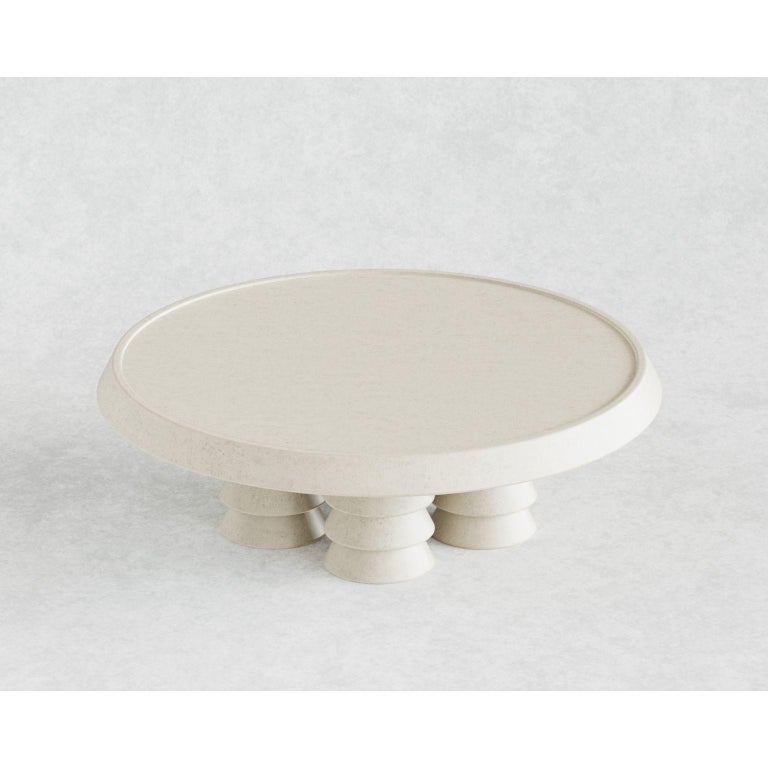
“Storytelling is a very important part of my work and the materials selected need to reflect this.”

SHARE :