Ryan Street
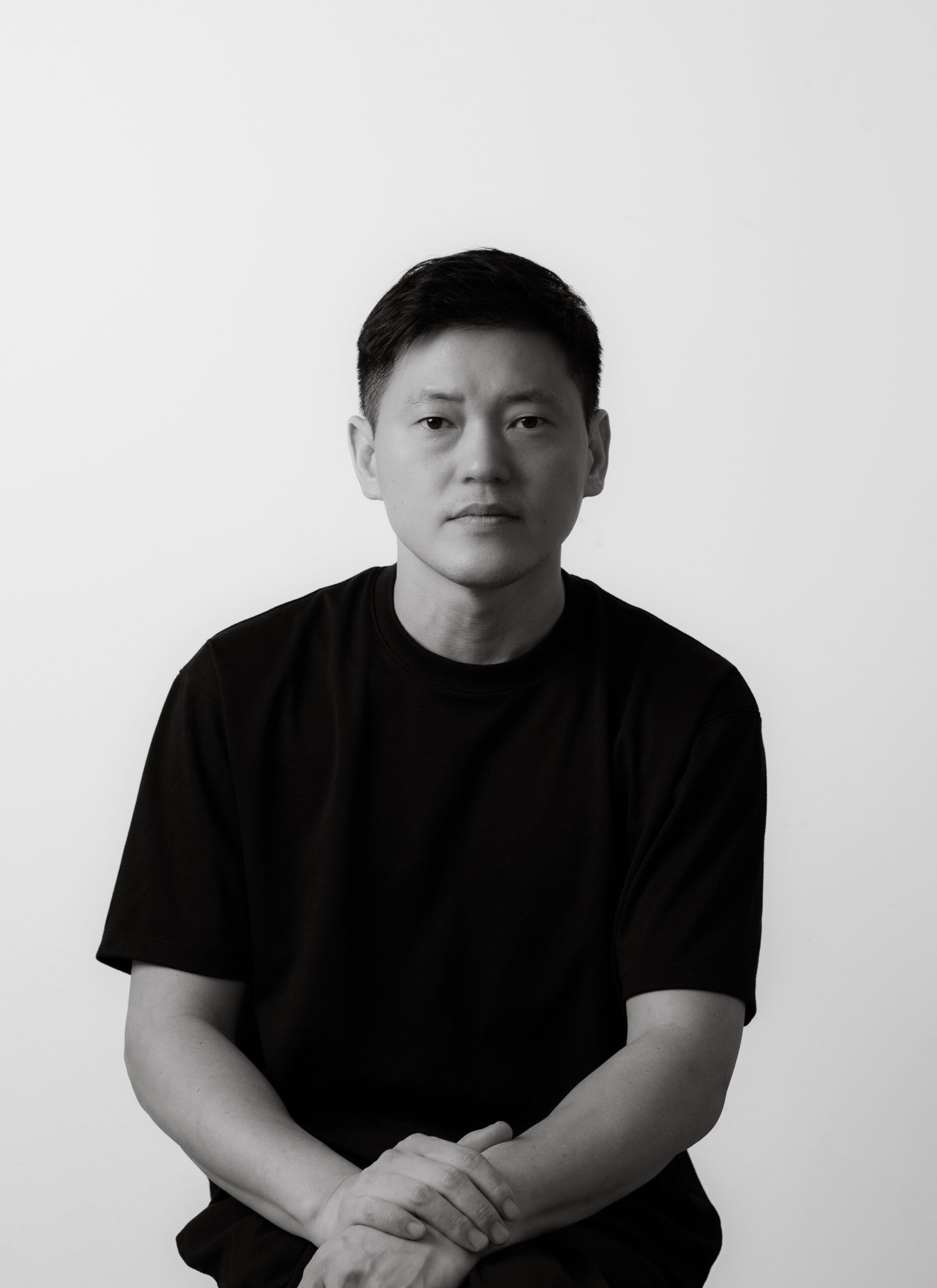
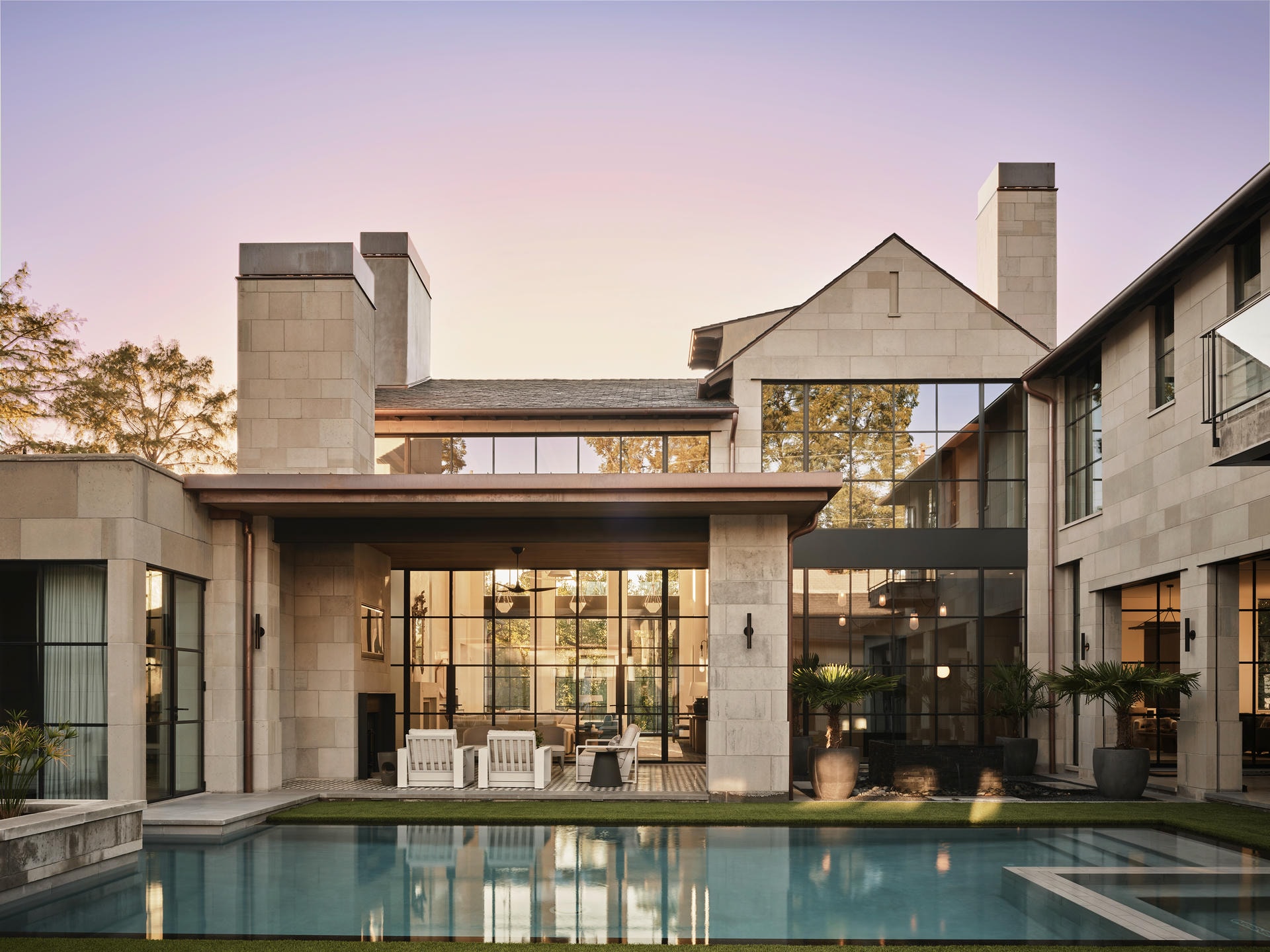
Ryan Street is an American architect and the founder of Ryan Street Architects, an Austin-based practice recognized for its thoughtful residential and commercial architecture. Since establishing the studio in 2001, he has developed a design approach rooted in a deep understanding of place, creating buildings that respond to their landscape, climate, and the people who inhabit them. His work is guided by a belief that architecture should foster a lasting connection between nature, craftsmanship, and everyday life.
Through Ryan Street Architects, Street explores the relationship between tradition and contemporary living, creating spaces distinguished by natural materials, refined detailing, and a timeless sense of permanence. Each project is shaped through a close dialogue with its site and clients, resulting in architecture that balances contextual sensitivity with enduring simplicity and warmth.
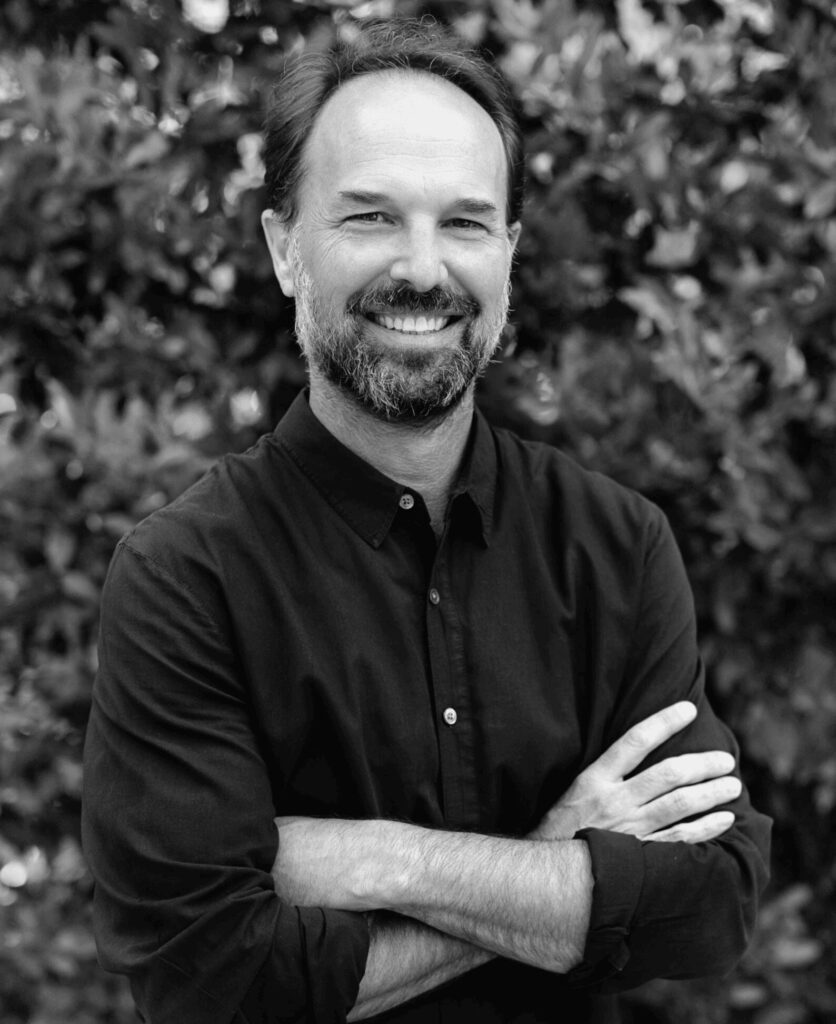
“Each project is more like a portrait of the client.”
INTERVIEW

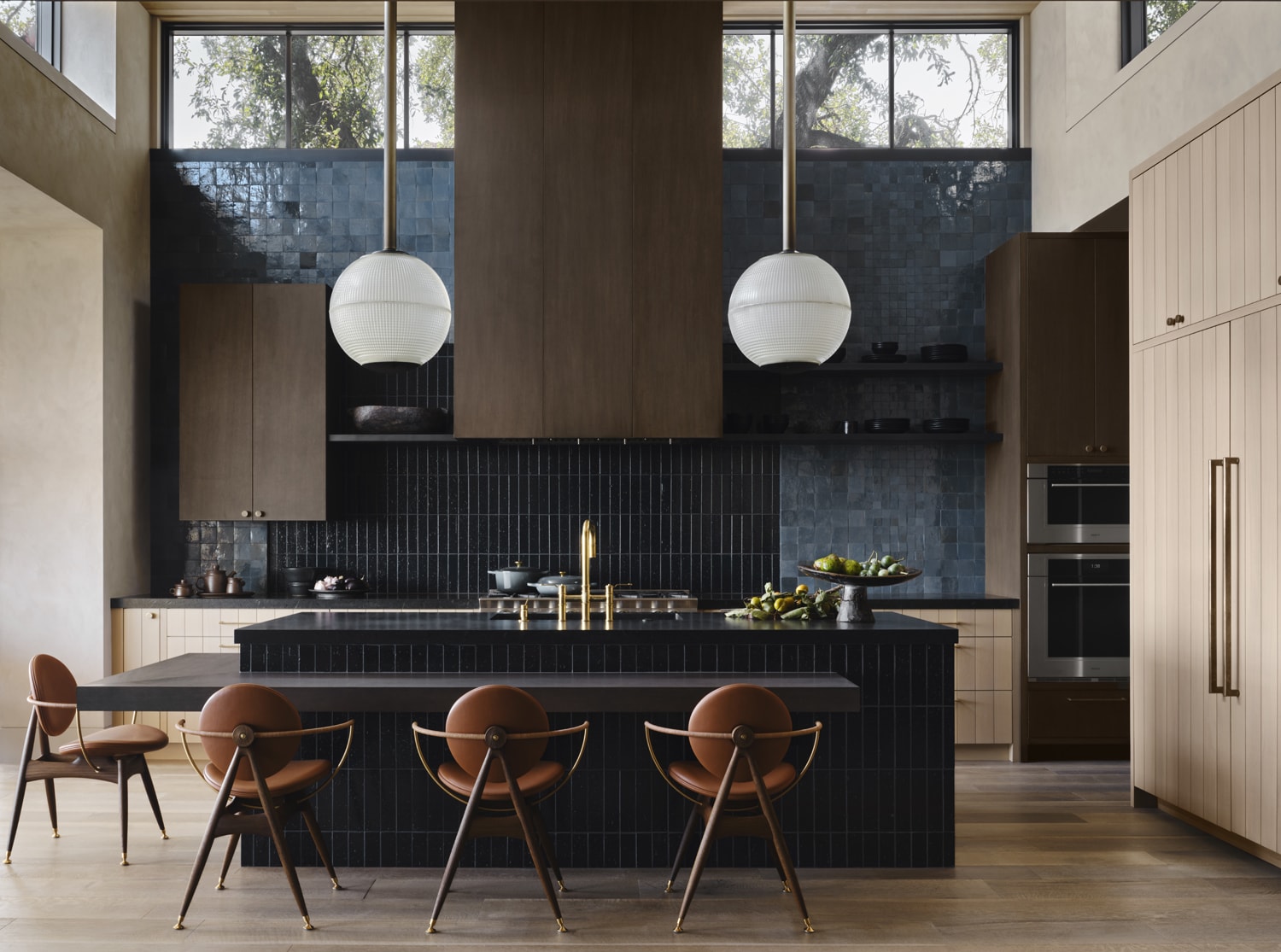
Photo by Douglas Friedman
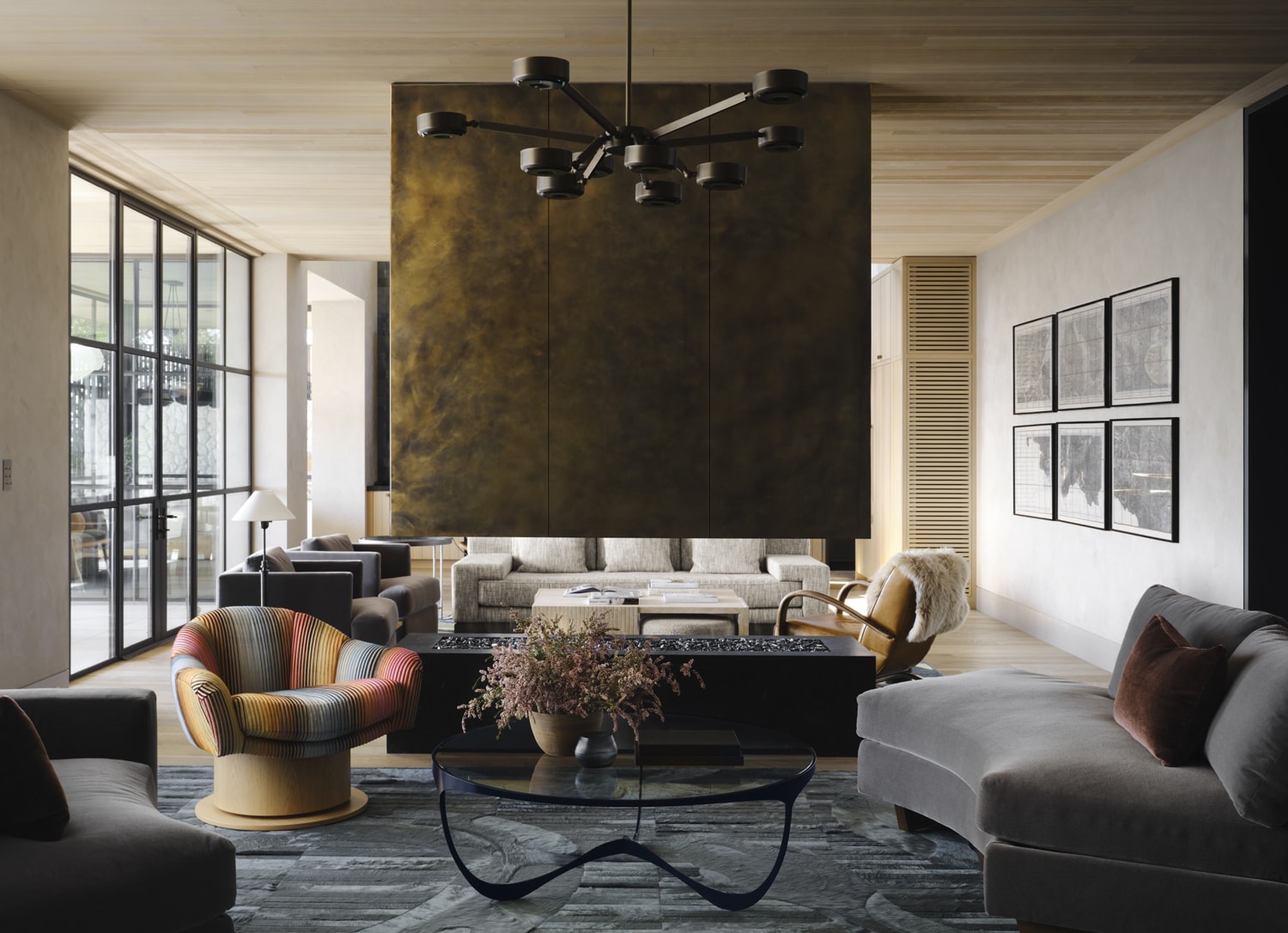
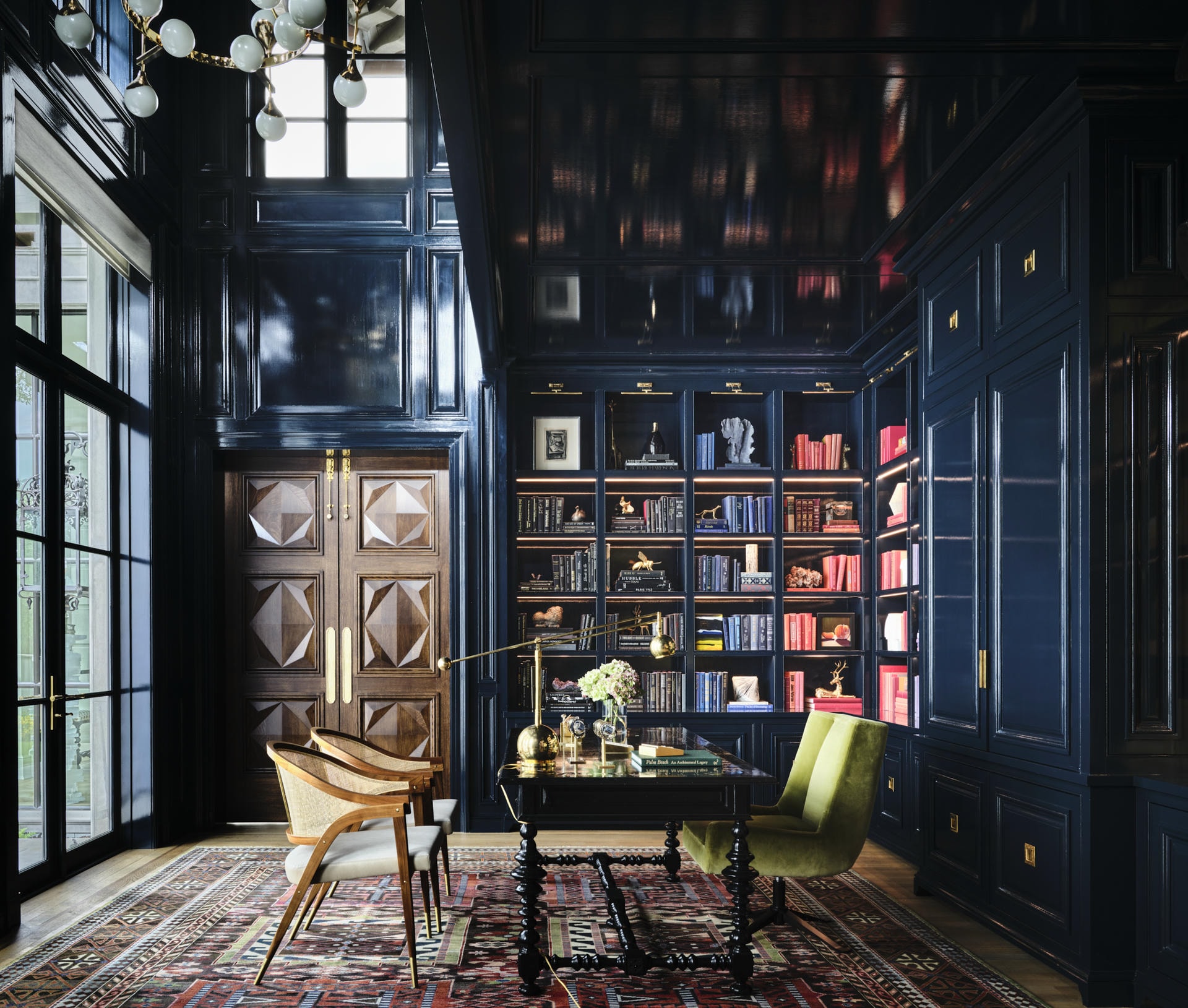
There are a few that stand out for different reasons. The Austin estate for Kendra Scott was an incredibly immersive project—we designed everything down to the hinges, door hardware, and lighting. That level of detail, paired with her own design sensibility, made it a very collaborative and rewarding process.
A renovation in Girona, Spain, was meaningful in a different way. The building dated back to the 15th century, and we uncovered layers of history, including part of an old Roman wall. Working within that context and collaborating with local craftsmen was a rare and unforgettable experience.
On the other end of the spectrum, I’m equally drawn to more restrained work, like the Austin Hacienda, which focuses on a simpler, more elemental architectural language. And my own home, Rollingwood, was a personal exploration of a relaxed, indoor-outdoor lifestyle that ended up influencing much of our later work.
What connects all of these projects is a sense of resonance — when the materials, proportions, and light all align and the space takes on a life of its own.
Architecture really chose me — I didn’t set out with a clear plan to become an architect. Growing up, creativity was always present—my mother is an artist—and I was constantly building forts, playing with Legos, and taking things apart just to rebuild them. Looking back, the interest was always there, even before I had the language for it.
It didn’t fully click until later. A trip to Europe in high school left a strong impression, seeing architecture across Germany, France, Spain, and Italy. But the real moment came in college: I went in undecided, and during orientation, nothing felt right until architecture was called. I stood up almost instinctively — that’s when it all came together.
It starts with gathering as much insight as possible — about both the client and the site — to inform my intuition. We spend a lot of time in a discovery phase, asking questions and listening closely to understand how someone lives or, in commercial work, what the operational goals are. Once that foundation is clear, the design becomes more intuitive. The architecture naturally takes shape as a response to those inputs.
I don’t think in terms of a singular style. Each project is more like a portrait of the client. That said, we’re guided by principles: creating spaces that feel timeless, well-crafted, and comfortable. It’s about balance — something refined yet livable, familiar yet unique. The aesthetic emerges from solving problems well, using thoughtful materials, proportion, light, and flow to create a cohesive whole.
A lot of that comes down to understanding the “ingredients” of a project from the very beginning—what I think of as a kind of mise en place. That includes the site, materials, palette, and most importantly, the client: how they live, what they’re drawn to, and what inspires them. Having that clarity upfront helps establish the tone for everything that follows.
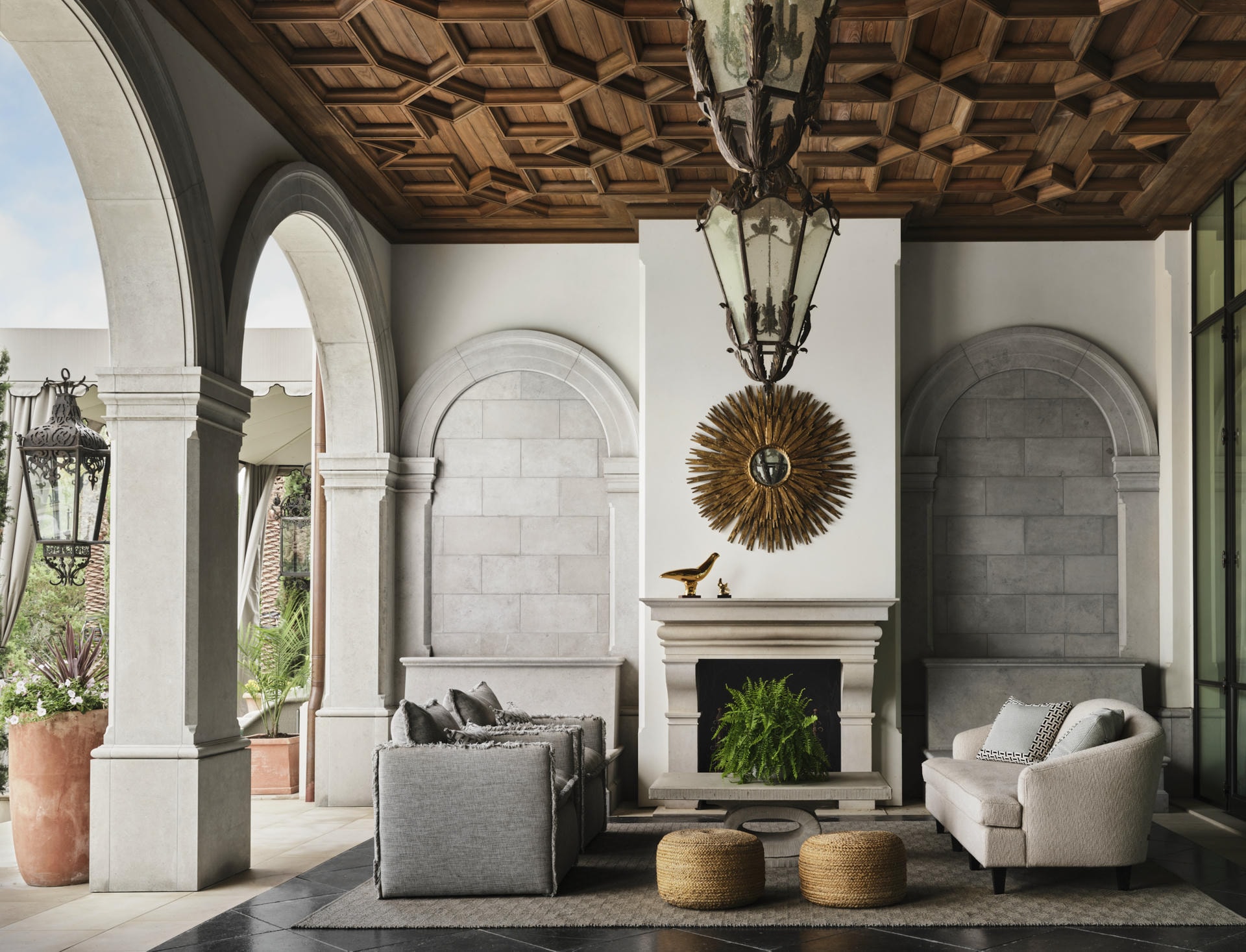
Classical architecture is a huge influence on me. There’s something compelling about the fact that these ideas have been refined over thousands of years – people solving the same problems again and again, arriving at solutions that are not only practical but also enduringly beautiful. I like to think of our work as part of that ongoing conversation.
However, we approach the influence with restraint. Rather than applying it wholesale, we edit, pulling in specific elements, proportions, or details that feel meaningful and allowing them space to stand out. Combined with a more relaxed, livable sensibility, that creates homes that feel both grounded and quietly distinctive.
I tend to be more inspired by places than individual buildings. Barcelona is one that always stands out — especially the Sagrada Familia, which has an incredible emotional presence and sense of continuity across generations. There’s something powerful about experiencing a building that’s still evolving over time.
More broadly, cities like Paris, London, and Venice are endlessly inspiring for their craftsmanship and the way history is embedded in the built environment. I’m also drawn to places like Montecito, where architecture feels fully integrated with the landscape — almost secondary to it.
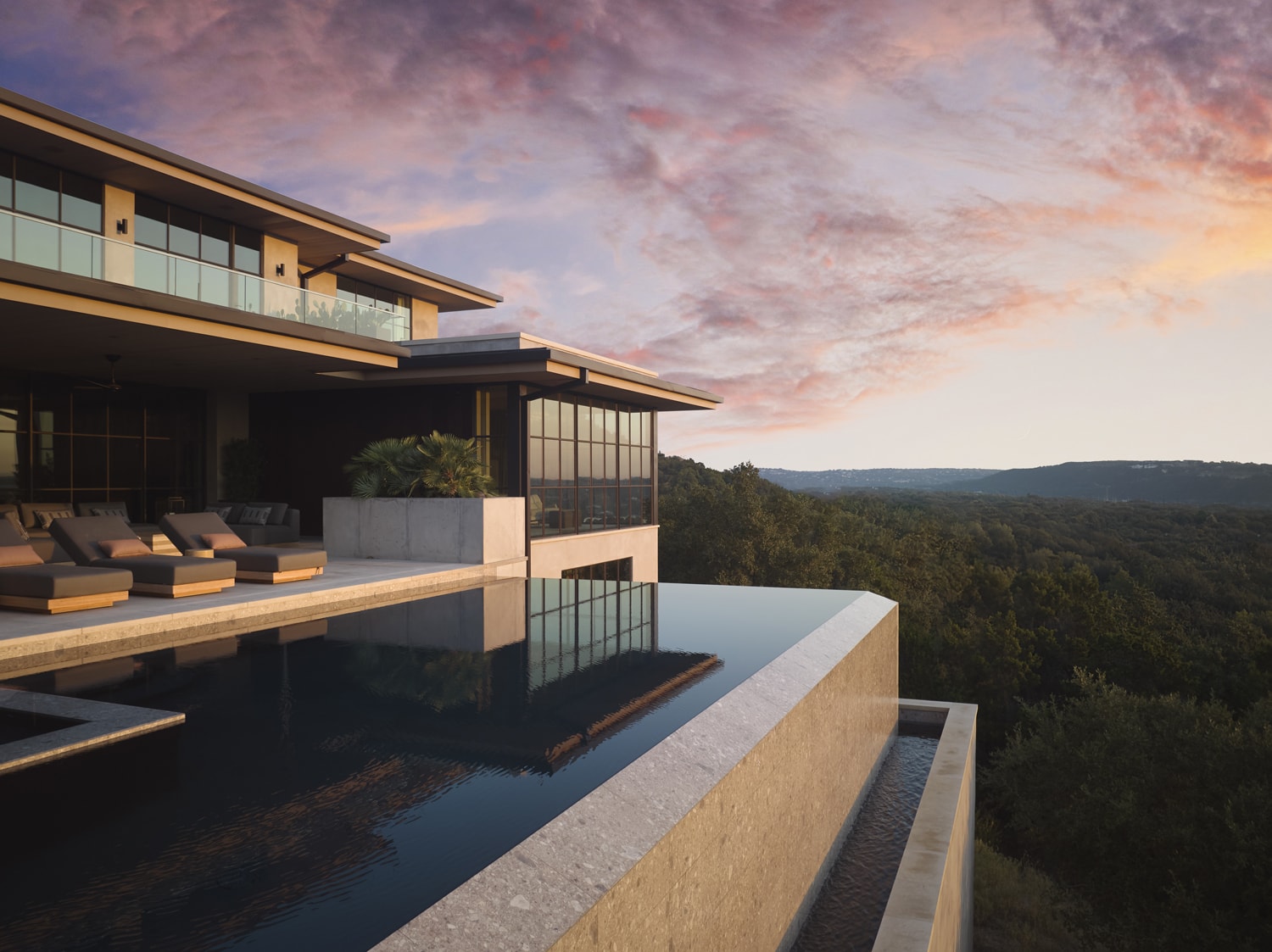
At the core, I’m always responding to architecture that feels connected to its environment — where it truly belongs and works in harmony with light, landscape, and climate.
Permitting and regulatory processes are probably the most challenging part. They can be time-consuming and, at times, feel overly complex or disconnected from the creative work. I much prefer being in the design process itself, but it’s an inevitable part of bringing projects to life.
Nature is a constant source of inspiration, both in terms of how spaces relate to the landscape and the way environments make you feel. That connection to the outdoors has been there since childhood and continues to shape how I think about design.
I’m also inspired by watching people create, whether it’s artists, musicians, chefs, or our own team. There’s something energizing about seeing that process unfold and watching people push themselves creatively. Inspiration often comes from those moments as much as from any place.

Photo by Douglas Friedman
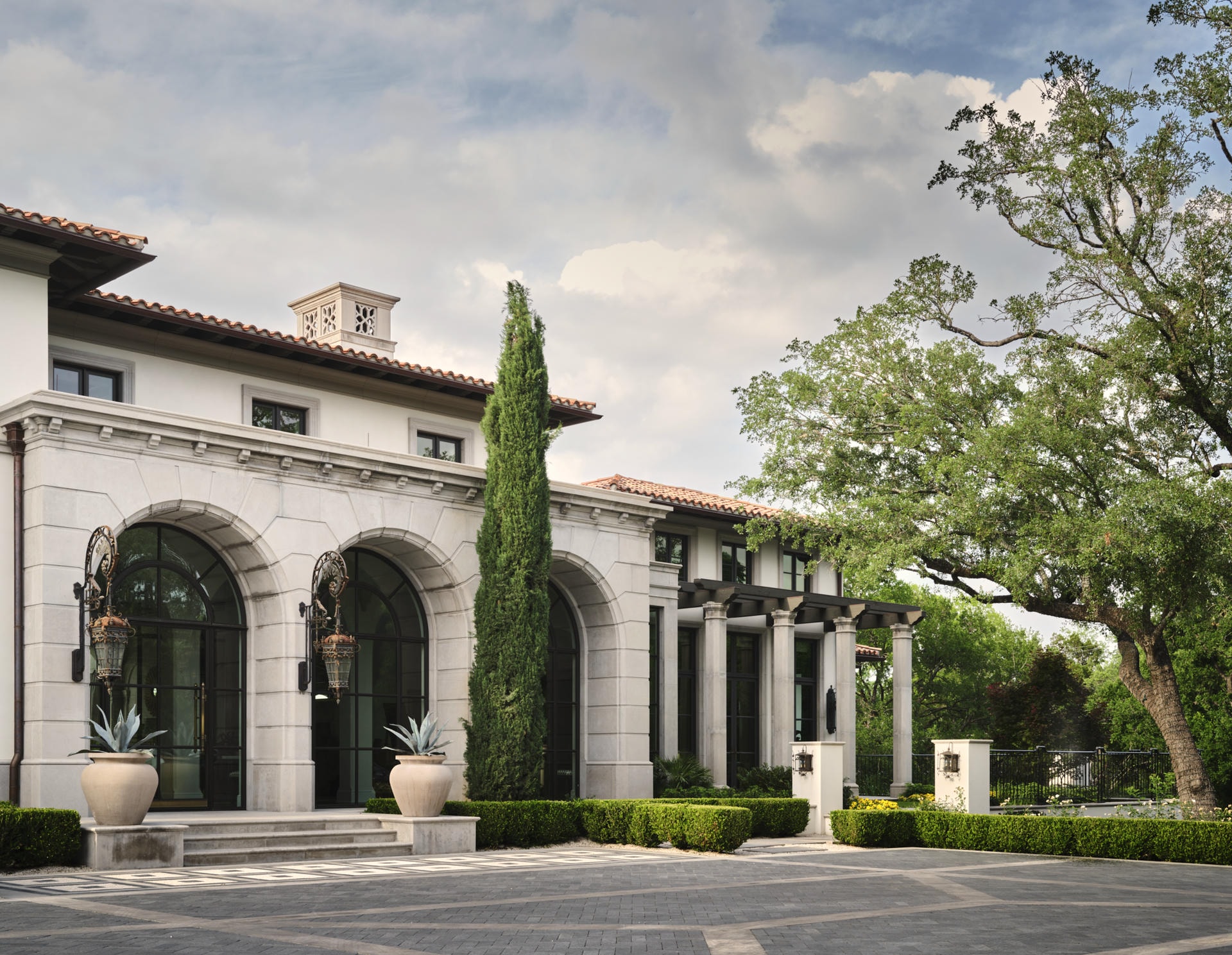
The answer is really built into the question – that’s essentially what we do. We immerse ourselves in how our clients live: what inspires them, what they value, and how they want to experience their day-to-day life. From there, we shape an environment that supports and enhances all of that.
The way we get there is through a very rigorous, ongoing process of asking questions, having conversations, and really listening. It’s not a one-time intake; it continues throughout the entire project. The design process itself is iterative, so we’re constantly refining, adjusting, and improving as the work evolves.

Photo by Douglas Friedman
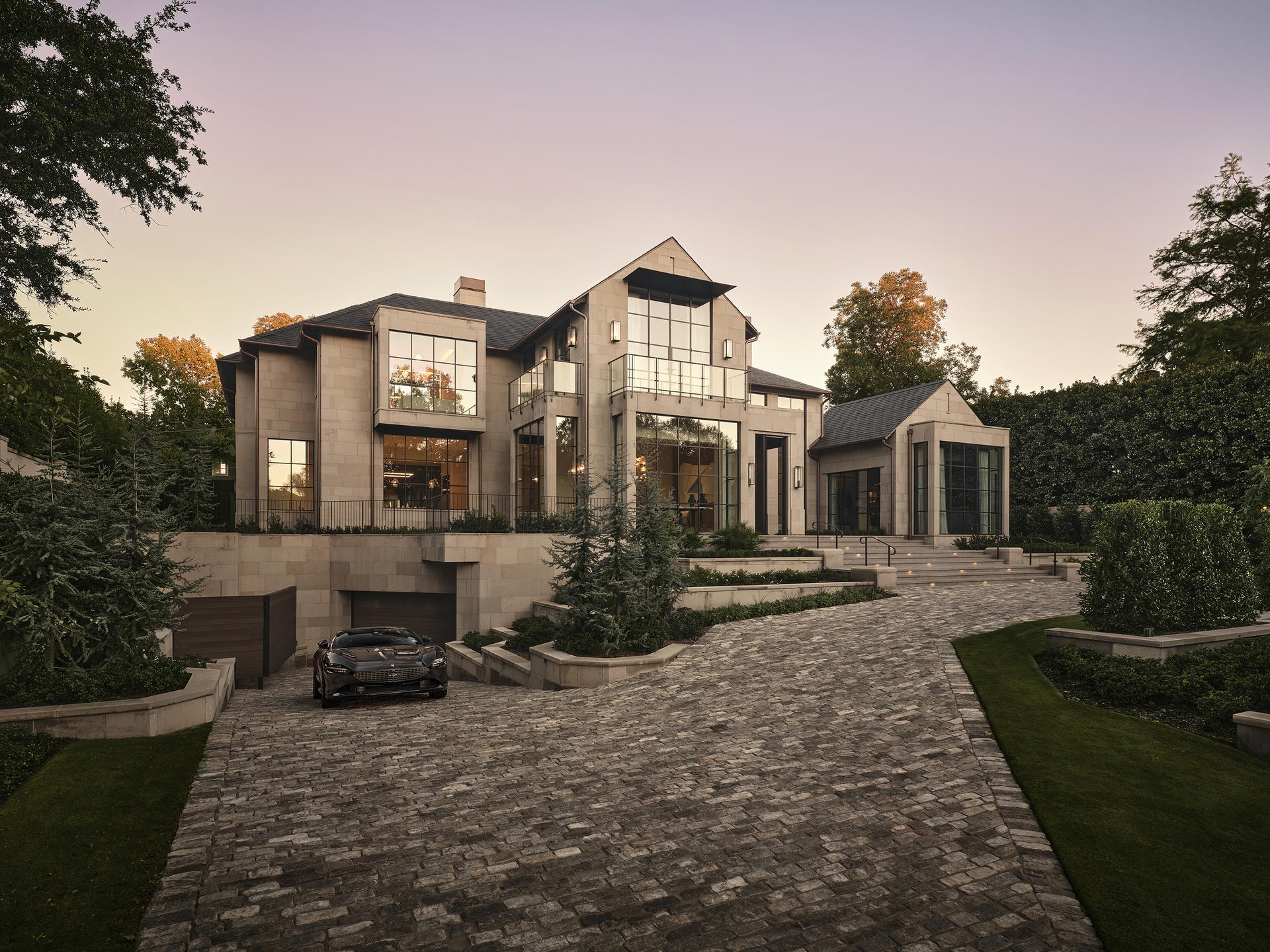
It’s really, really hard – and I think the most honest advice I would give is to prepare yourself for that from the beginning. There’s a tendency early on to believe that at some point you “arrive,” and that the work will suddenly become easier or the pressure will go away. But that moment never really comes. I spent a lot of time earlier in my career kind of chasing that feeling and feeling frustrated that I hadn’t reached it yet.
What I wish someone had told me is simply: don’t try to get there. Just relax into the process, accept that it’s always going to be demanding, and learn to enjoy it for what it is rather than waiting for it to become easy. That shift in mindset would have saved me a lot of stress and anxiety over the years.
If there’s a guiding mantra, it really comes back to creating the purest expression of whatever we’re trying to do. For me, that means staying rooted in authenticity, and being honest to the original vision and allowing the work to feel as true and unforced as possible.
I also think a lot about this idea of resonance, or the sense that things carry the spirit of how they were made. When a space is done well, you can feel that it’s aligned, that nothing is trying too hard.
I was listening to a Stephen King interview where he discussed writing, describing himself as a vessel for ideas rather than their sole origin. That idea really stayed with me. I feel that way about design sometimes. It doesn’t always feel like a fully conscious act of “creating” in a linear sense – it feels more like something you’re tuning into and translating.
So my role is really to show up, do the work, and stay open to that process – informing the intuition, then letting the work come through as clearly and honestly as possible.
I think what a lot of architectural work today is missing is a sense of the sublime — that deeper feeling of connection to the human spirit, to place, and to the natural world.
For me, it always starts with being thoughtful and intentional about those fundamental human needs: meaning, purpose, comfort, and belonging. I spend a lot of time with clients asking “why” before anything else, because once you understand the why, the what tends to follow much more naturally. The design becomes a response, rather than something imposed.
Without that grounding, architecture can start to drift into something derivative, where ideas get repeated without real intent behind them. And over time, you end up with work that feels disconnected, almost like a copy of a copy.
What I’m always trying to avoid is that loss of meaning. The goal is to stay close to the original impulse and ensure that every decision is rooted in something real, whether that’s the site, the client, or the way people actually live. When that happens, the work tends to feel clearer, more honest, and ultimately more resonant.
Thank you so much Ryan, for this lovely interview!
Share article :