I came from Poland. When the communist era collapsed, I was 10. I remember the deficiency of goods, the times when any goods in the market were luxury. This deficiency shaped me. As a child, I was fascinated by things that today seem rubbish. These fascinations resonate in me to this day. Thanks to those experiences, I know that things matter because we assign value to them. They are precious for us because they evoke emotions.
MAGAZINE · INTERVIEW
Pani Jurek
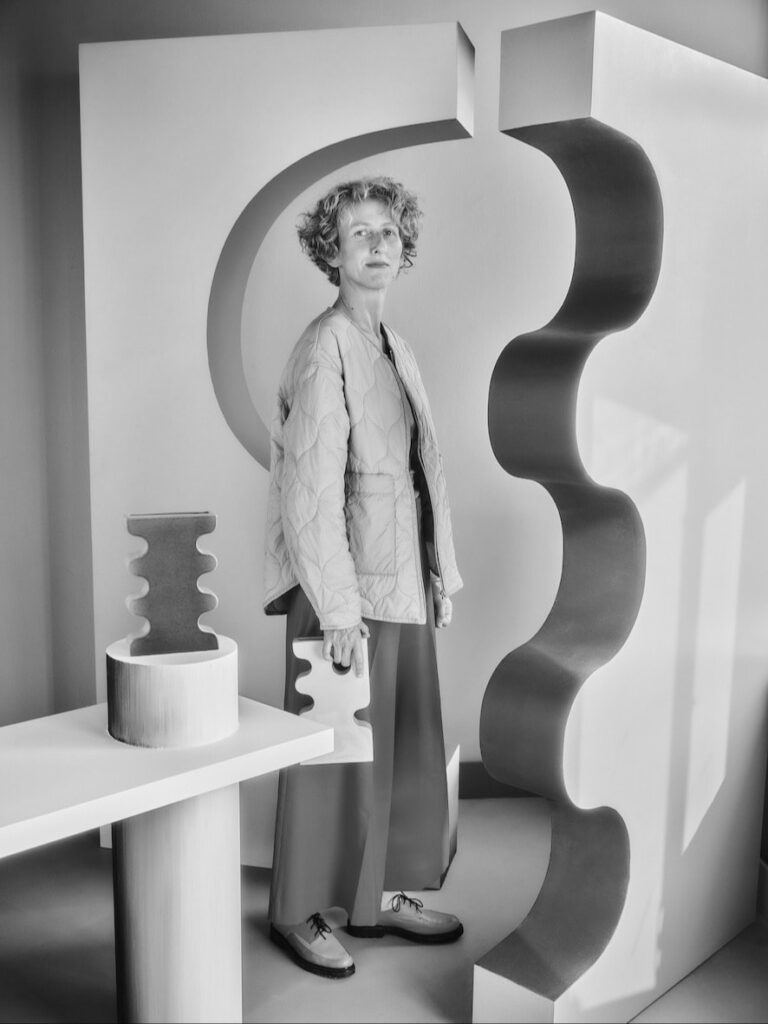
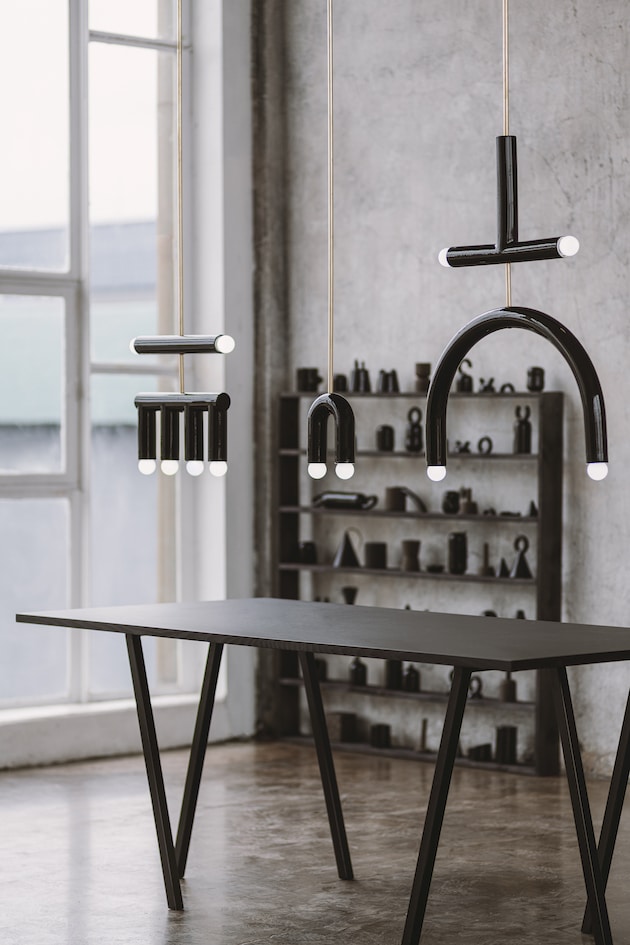
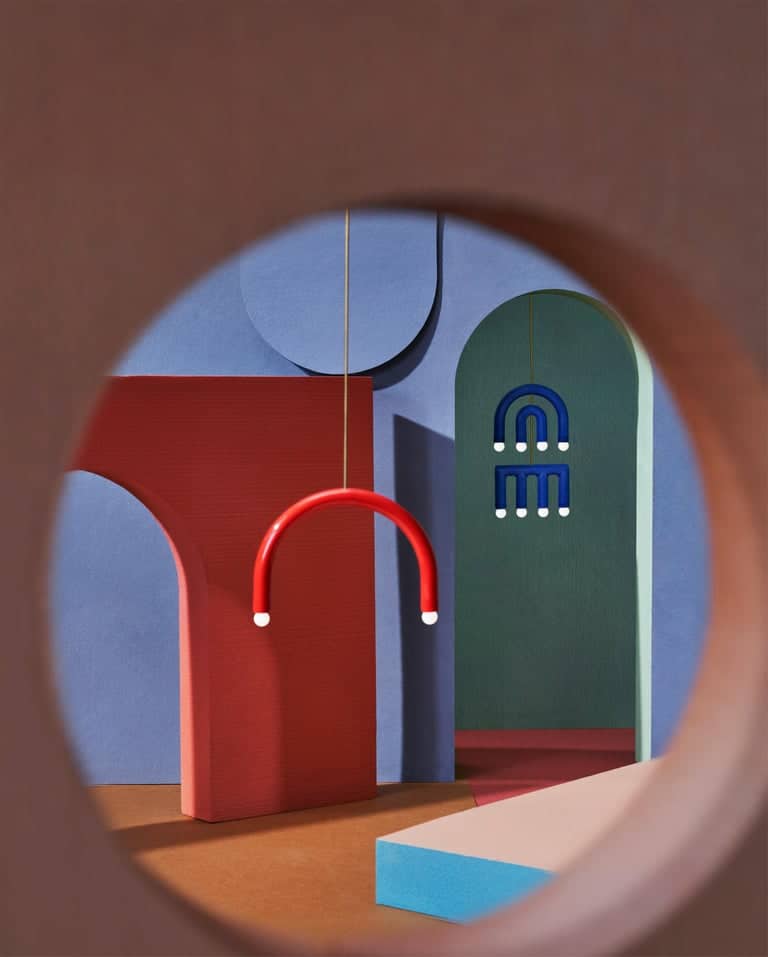
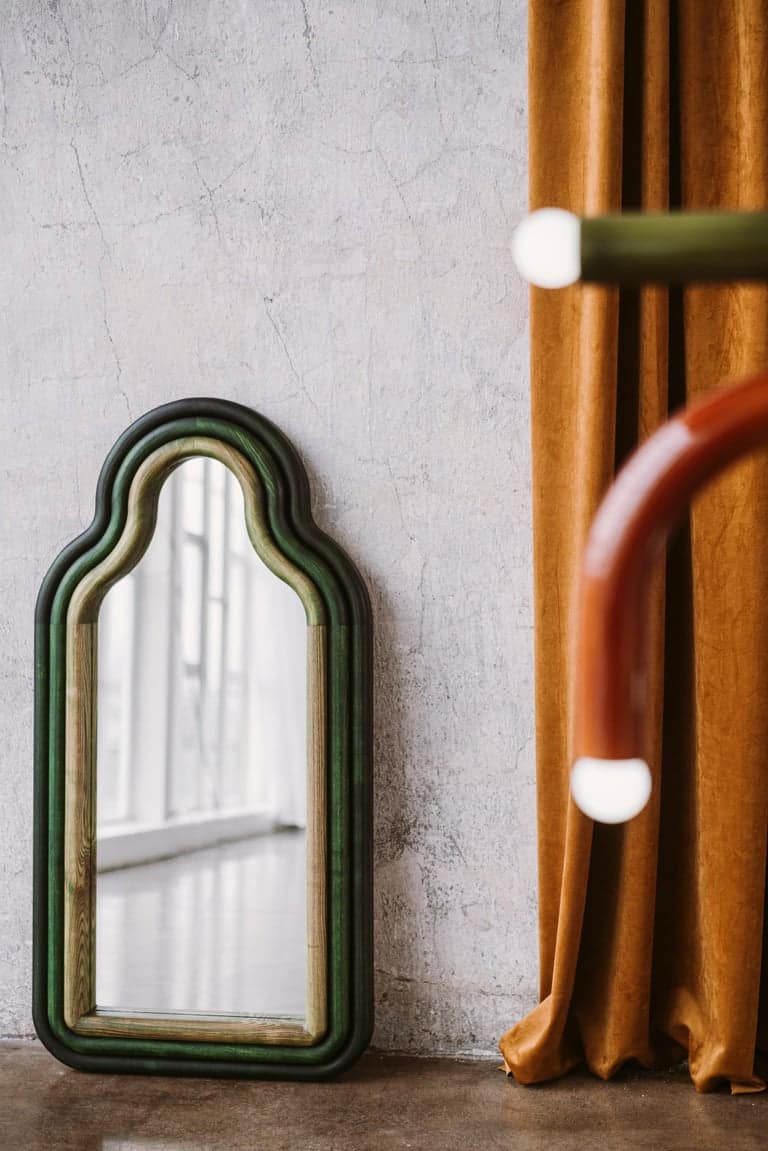
Pani Jurek is the creative practice of Polish artist and designer Magda Jurek, whose work exists at the intersection of art, craftsmanship, and collectible design. Trained as a painter, she approaches furniture, lighting, and objects as sculptural compositions, exploring colour, material, and interaction while challenging conventional notions of function.
Working on an artisanal scale alongside Michał Borecki, Pani Jurek creates pieces that evolve through their relationship with space and the people who use them. Guided by experimentation and a painter’s sensitivity to composition, the studio transforms everyday objects into expressive works that blur the boundaries between fine art and design.
Let's know more about
Interview
Where were you born and where are you from?
What is your first memory connected to the art world?
We had coffee-table art books at home, which I looked through passionately. My favorite was the Hieronymus Bosch album. It both terrified and bewitched me at the same time. I was captured by how beauty and horror mixed in it. Years later, I discovered it was in black and white. My imagination colored it.
Have you always worked in the art/design field?
I discovered very early that I wanted to be a painter, and since primary school, I have strived to be one. I fulfilled this desire and graduated in painting from the Academy of Fine Arts in Warsaw. It was only after graduation that I turned to design, although I have never broken off my relationship with painting. Most of my works refer to painting.
What led you to design creation?
Somehow, the reasons were pragmatic. After graduation, I had to find my way in adulthood, and it was difficult to make a living from painting. Secondly, I am rebellious by nature, and I don’t like to follow the beaten paths. I have always been open to different languages of expression and tried not to limit myself to one convention.
How would you describe your creative process and its influences?
My creative process comes from fine arts and conceptual thinking. At the beginning of the process, I am always reworking the idea in my head. Then, autonomous abstract works on paper are created (drawings, paintings, cutouts). They motivate me to work on the object.
What is important is the fact that all my designs are manufactured in my own studio, so the design process does not end with the prototype. Designing a manufacturing process is a part of it. It requires great perseverance and teamwork.
Could you describe a typical day of your work?
We usually start work at 8:00 a.m. and finish around 5:00 p.m. That’s the only constant. The rest changes depending on everyday tasks. We are a small team of five guys, so we share all responsibilities with production and running the studio. It’s best when I can invent and prototype new things, but sometimes I also have to do repetitive things, like glazing.
We are developing, slowly but constantly, so together with the whole team, we are improving and expanding the production line, looking for new solutions and technologies that would make it easier for us to implement new ideas. During the day, we eat dinner together and talk. We like each other very much, so if nothing is chasing us, it’s a great time.
Why did you choose the specific materials you work with?
Now I work mostly in ceramics, but I think I can say that the material has chosen me. While being a student, I earned money working in a ceramics studio. There, I learned the secrets of this material, although then I did not suspect that it would become my language of expression. The first time I consciously used it creatively was because it was familiar to me, and then, as in love, the more you get into it, the more interesting it becomes. I think I am open to other materials because any new skills expand the creative possibilities field and open the mind, but recently I have remained loyal to ceramics because what I already know about myself is that I am an analogue person. I need contact with physical material. Even if it is difficult, like ceramics, solving issues never frustrates me as much as the digital reality. Working with hands has a deep meaning to me. Ceramics has this additional feature that it creates the space for color experimentation, and it is spatial. So it is a kind of bridge between painting and sculptural objects – that’s what I find very attractive about it.
What are the technical particularities of your creations?
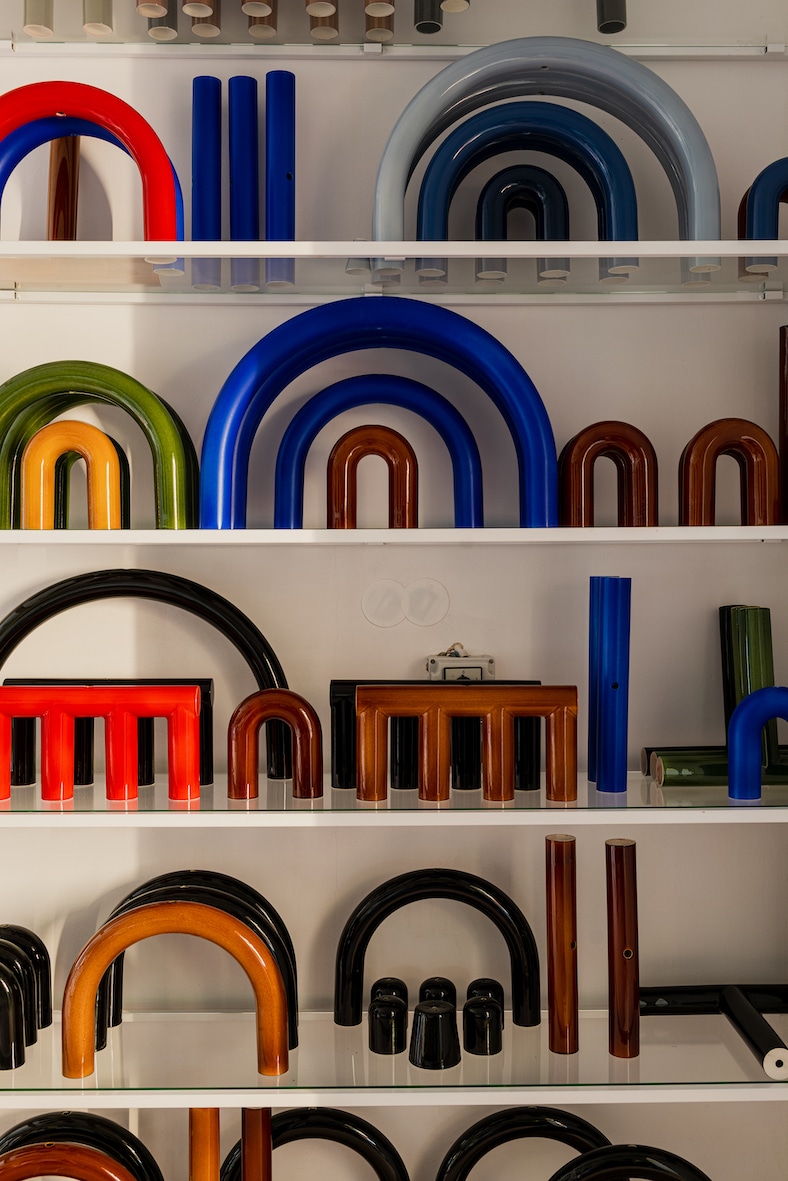
As I mentioned, I focused on ceramics, and I want to develop in it. So far, we have used the casting technique from plaster molds in the studio, but we want to expand the technology to include pressing and extrusion. Our new ceramic tile compositions have an open character, and we would like to have more possibilities to create various types of forms.
What advice could you give to beginning artists who would like to create sculptural design works?
In my opinion, follow your intuition and question it at the same time. Ask yourself as many questions as possible – what do I want to say? Why am I doing it? Why this way and not otherwise? What do I like and what I don’t like and why? What interests me the most in this material? Self-awareness and perseverance are key, in my opinion.
If you had to summarize your creations in one word or sentence, what would it be?
It’s rather reflective, but quite joyful, affirming work.
Is there anything you would like to add?
I would like to encourage all to be creative and do manual work. This is a time of reflection that is never wasted.
If your works had to belong to a design movement, how would you define it?
I like blurring the boundaries between ways of thinking and art movements. I adore the formal discipline and passionate faith of modernism, but I also love the distance and humor of postmodernists. It’s great that while designing, you can combine the contradictions. I would definitely like to be a part of a design community that does not ignore human impact on the natural environment. I believe that careless designing and manufacturing are impossible today.
What designers and artists have influenced you?
Design is not my learned profession, so I had no master’s in this matter. I was rather shaped by creative postures in art. What I mean here is not only the artworks. For me – a common child from the grey apartment block, the exuberant lifestyle of painters I have admired was an emanation of vitality and freedom to me. I just wanted to live like that, and they were proving that it is possible.
What contemporary designers do you appreciate?
I appreciate designers who straddle borders between fine design and fine art, such as Ronan Bouroullec, Nathalie du Pasquier, Polish ceramicist Monika Patuszyńska, or Polish artist Antoni Starczewski. It seems to me that the context of art allows me to better understand the things they create.
What contemporary artists, in any kind of art, have you been inspired by?
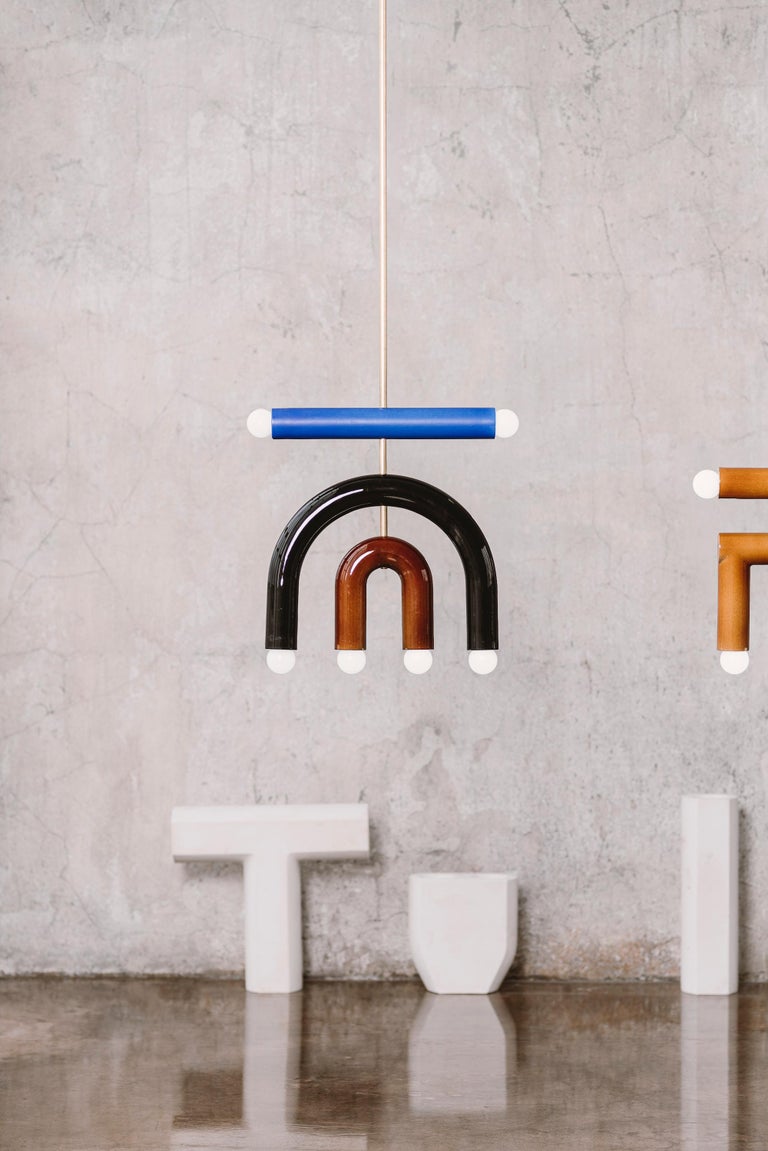
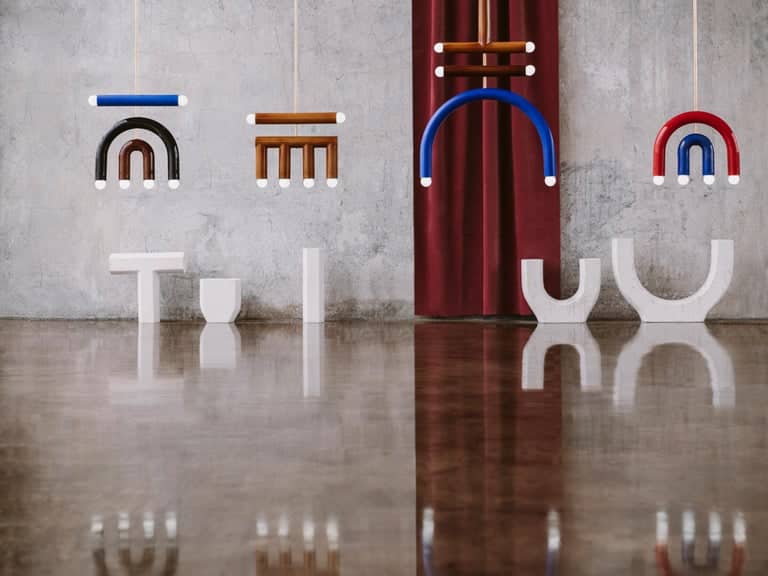
In my works, I often refer to Polish artists, mostly abstractionists. I openly communicate it. I think of “inspiration” as a dialogue, as a relay race – you take someone’s idea and develop it in your own way. And so the TRN collection was a kind of conversation with Jan Tarasin, and the latest project of ceramic tile compositions refers to painters such as Wojciech Fangor or Stefan Gierowski, but also to the sculptural works and linear notation of Antoni Starczewski. It’s not a marketing story; I really feel a connection with them. This, I think, proves that abstraction is not fully abstract; it processes elements of the real world and converts them to the form of an image.
“Things matter because we assign value to them. They are precious for us because they evoke emotions.”
The Questionnaire
The Questions
(The Proust Questionnaire is a set of questions answered by the French writer Marcel Proust.
Other historical figures who have answered confession albums are Oscar Wilde,
Karl Marx, Arthur Conan Doyle, Stéphane Mallarmé, Paul Cézanne…)
What is your idea of perfect happiness?
There is a photo of Pablo Picasso in which he is dancing in front of the painting in his underwear. He’s quite old but has a healthy body and is fooling around. It’s hot outside, but the studio is cool. The painting on the easel is almost finished, so maybe he is going for a swim in the sea soon, and after that, friends will visit him to wine and dinner. Do in short – summer, creative satisfaction, solitude, people, nature, food, wine.
What is your greatest fear?
This concern is about the end.
What is the trait you most deplore in yourself?
I am nervous, many things irritates me, occupy my mind, poisoning me.
What is the trait you most deplore in others?
Lack of discernment, conventionally thinking.
Which living person do you most admire?
–
What is your greatest extravagance?
I can not say ;-)
What is your current state of mind?
Chaos. My mind is overheated, I need a rest. Such a rest is given to me by focused, in-depth work on a specific topic. Lately I’ve been working on too many things at once.
What do you consider the most overrated virtue?
Ambition.
What is the quality you most like in a man?
The ability to feel happiness, sense of humor, gentleness and sensitivity.
What is the quality you most like in a woman?
Vitality and courage.
Which words or phrases do you most overuse?
I had to ask friends and they said the words “as if”. That’s interesting, I guess I need to stop comparing things.
Which talent would you most like to have?
Musical. Making music together seems great to me.
If you could change one thing about yourself, what would it be?
A mind, that can rest.
What do you consider your greatest achievement?
That I like my live.
If you were to die and come back as a person or a thing, what would it be?
I could come back as myself again to see what would happen if I did things differently.
Where would you most like to live?
In some warm country, full of light. I would like to live in a place where colors are vivid.
What is your most treasured possession?
Paintings collection. It’s not a huge one, but there is a story behind each one.
What do you regard as the lowest depth of misery?
Enslavement.
What is your favorite occupation?
I like to do things with hands and in concentration.
What is your most marked characteristic?
Maybe this particular sensitivity to colors. I feel they mean more to me than to most people.
What do you most value in your friends?
Intelligence, sense of humor, open-mindedness, sensitivity and the fact that they like me.
Who are your favorite writers?
Astrid Lindgren, Bruno Schulz, Dostojewski, Albert Camus, Georg Orwell, Cormac McCarthy, Herta Muller, Serhiy Zhadan Dorota Maslowska… – everyone had their time in my life.
Who is your hero of fiction?
From mythology, I like Ikarus. I’m also drawn to the light and I’m not very prudent.
Which historical figure do you most identify with?
–
Who are your heroes in real life?
Those who are devoting themselves for others. This is difficult for me.
What are your favorite names?
Those who I Love.
What is it that you most dislike?
Cold.
What is your greatest regret?
That I didn’t stay in certain places for longer, that I didn’t look deeper.
How would you like to die?
Somehow funny.
What is your motto?
For today: Abstraction is real, probably more real than nature. (Josef Albers).
“Follow your intuition and question it at the same time.”

SHARE :