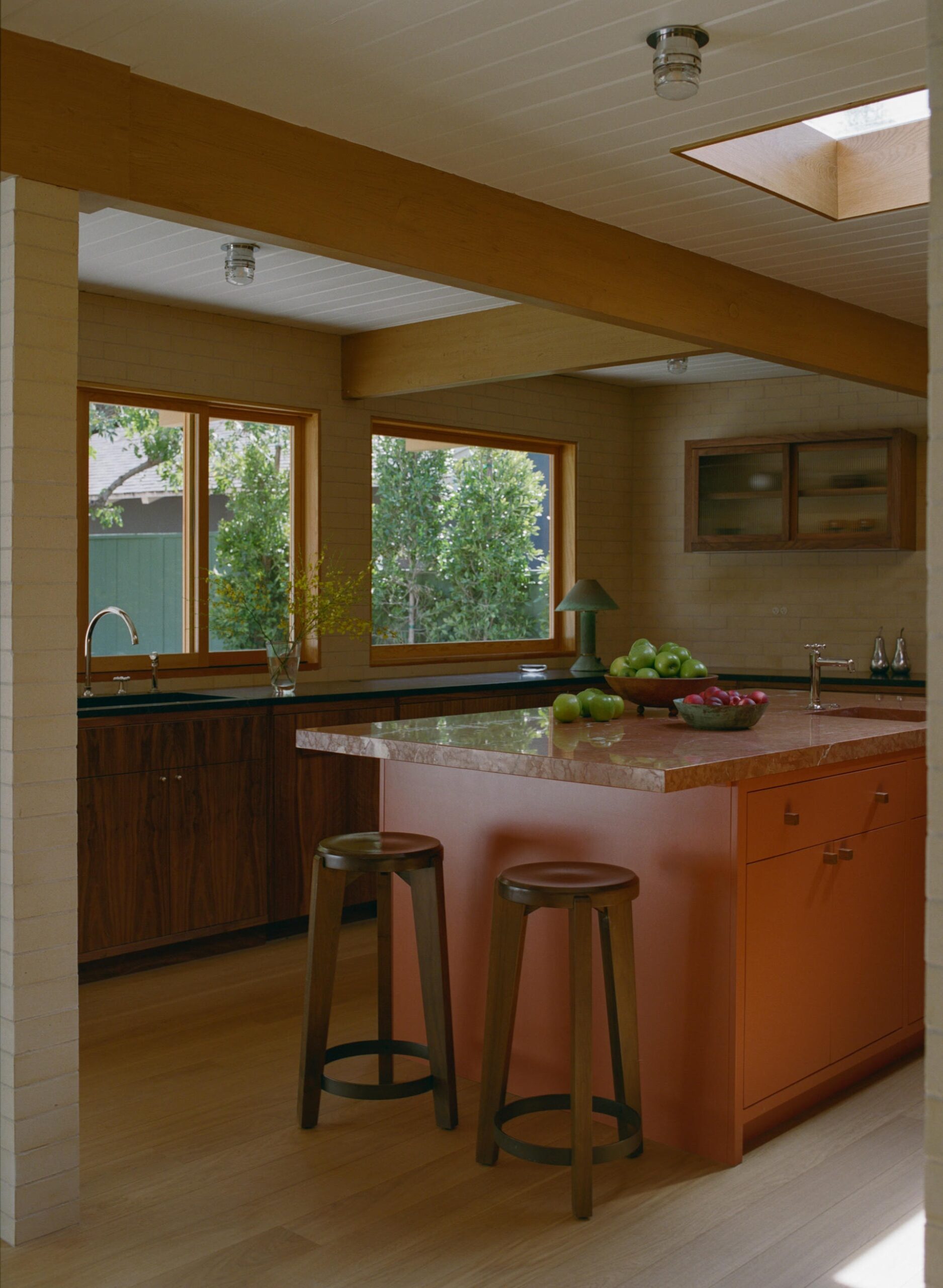
Ome Dezin
Ome Dezin is a Los Angeles–based design-build studio founded in 2020 by longtime friends and creative collaborators Joelle Kutner and Jesse Rudolph. Rooted in the thoughtful restoration of character-driven homes, the studio draws inspiration from travel, architecture, and cultural history, with a strong focus on craftsmanship, materiality, and livable design.
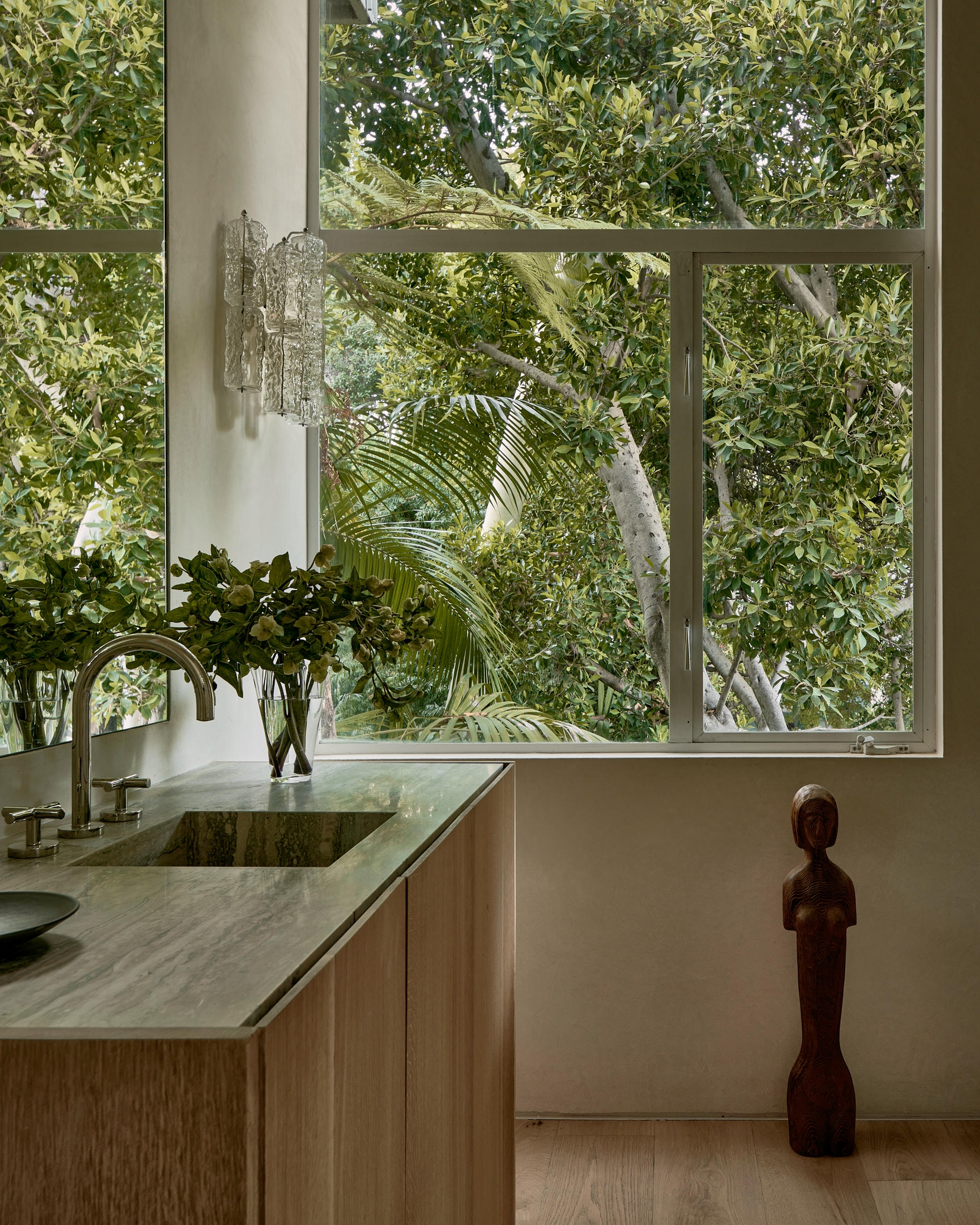
Influenced by Los Angeles’s layered architectural heritage — from Mid-Century and Art Deco to Spanish, Craftsman, and Tudor homes — Ome Dezin approaches each project with a careful balance of historical sensitivity and contemporary comfort. Through the use of natural, enduring materials and close collaborations with artists and makers, the studio creates refined spaces that honor the stories embedded within each home.
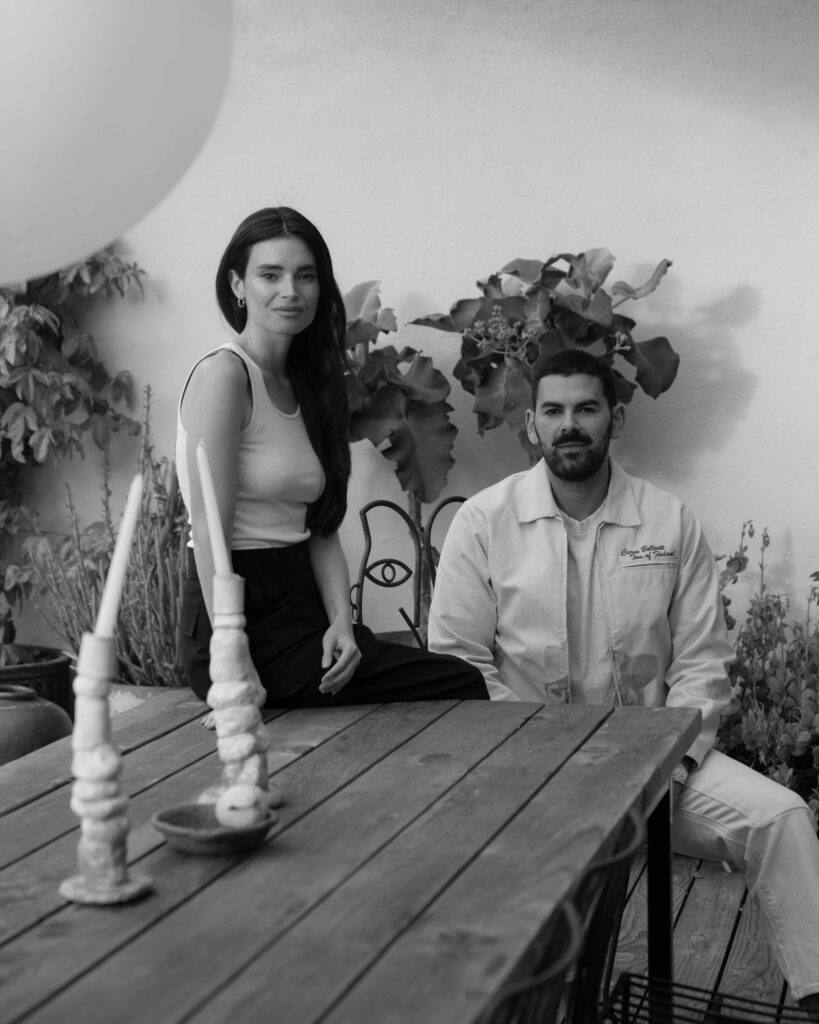
“Design with restraint. Leave space for life to unfold.”
INTERVIEW

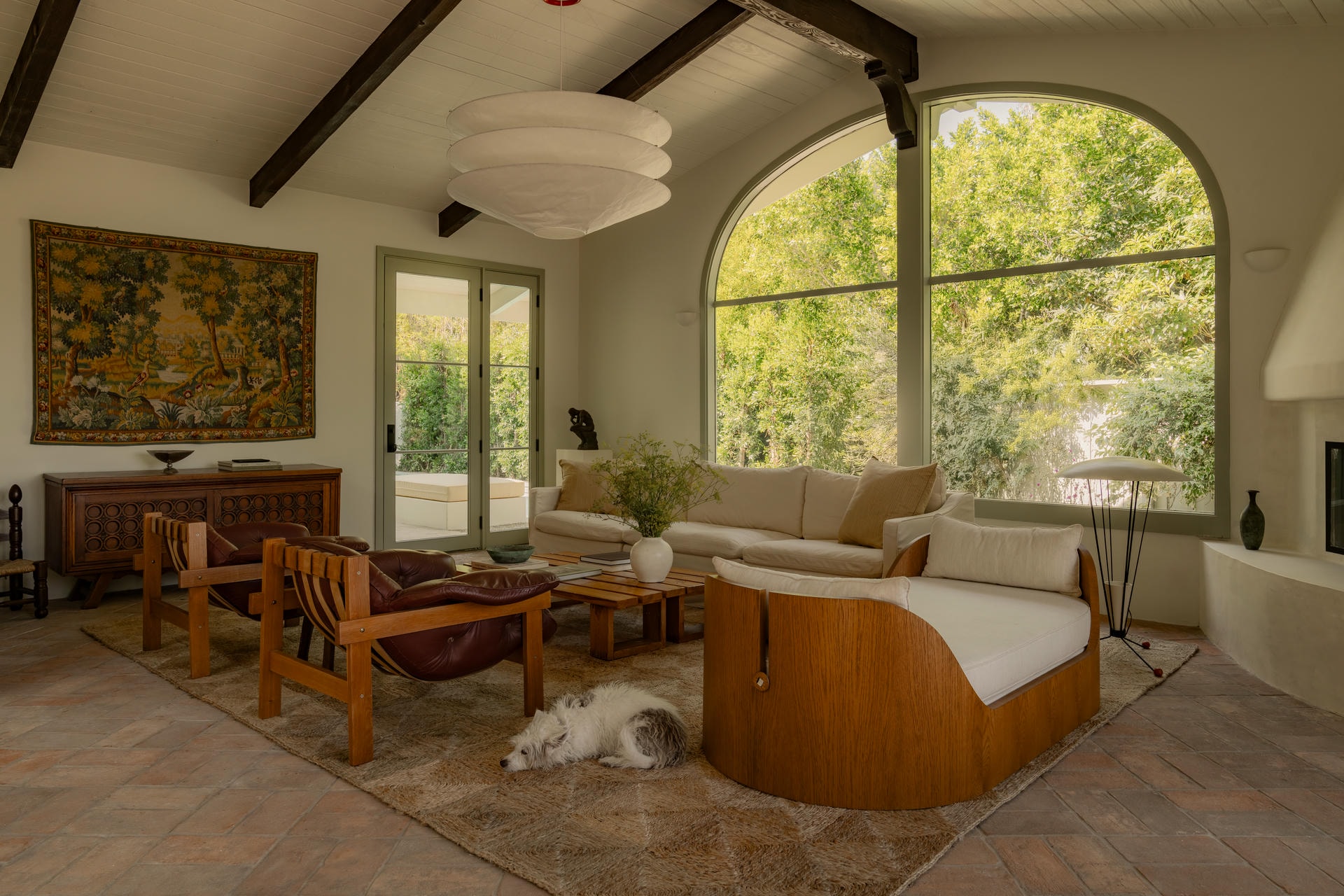
‘XXV’ Outpost Living Room © Ori Harpaz
When Joelle and I began collaborating, our perspectives aligned organically: emotion and structure, intuition and execution. That balance became the foundation of Ome Dezin and continues to guide the way we work together.
Founding Ome Dezin in 2020 was the pivotal moment for both of us. It was during a time of global uncertainty, yet it clarified our values and our desire to create with intention. Launching during that period forced us to slow down, be thoughtful, and build a studio rooted in meaning rather than momentum alone. It defined our belief that homes are not just projects — they are deeply personal worlds.
The key to successful interior design is not adhering to trends, but truly listening to the home itself and to the neighborhood it lives in. Every project needs a clear north star — an anchoring idea or intention that you return to with every decision. Design always comes with moments of decision fatigue, and in those moments, returning to that north star brings clarity and confidence. Letting go of rigid “rules” is equally important; some of the most meaningful spaces come from intuition rather than formulas.
From a business perspective, we have intentionally carved out a niche that allows us to focus less on traditional client work and more on our own development projects. This gives us creative freedom and long-term continuity in our work. We also place a strong emphasis on documenting our process and building community, both of which have become integral to how Ome Dezin exists beyond individual projects.
Every project begins with conversation and observation. We take time to understand the client, if there is one, the architecture of the home, and the character of the area it sits within. From there, we establish a clear north star to guide the project — this might be a piece of art, a film, a specific material palette, or even a feeling we want the space to evoke.
Once that foundation is set, the process becomes a series of thoughtful layers, including many conversations, drawings, site visits, and iterations. It’s a slow, collaborative unfolding that allows the project to evolve with intention rather than urgency.

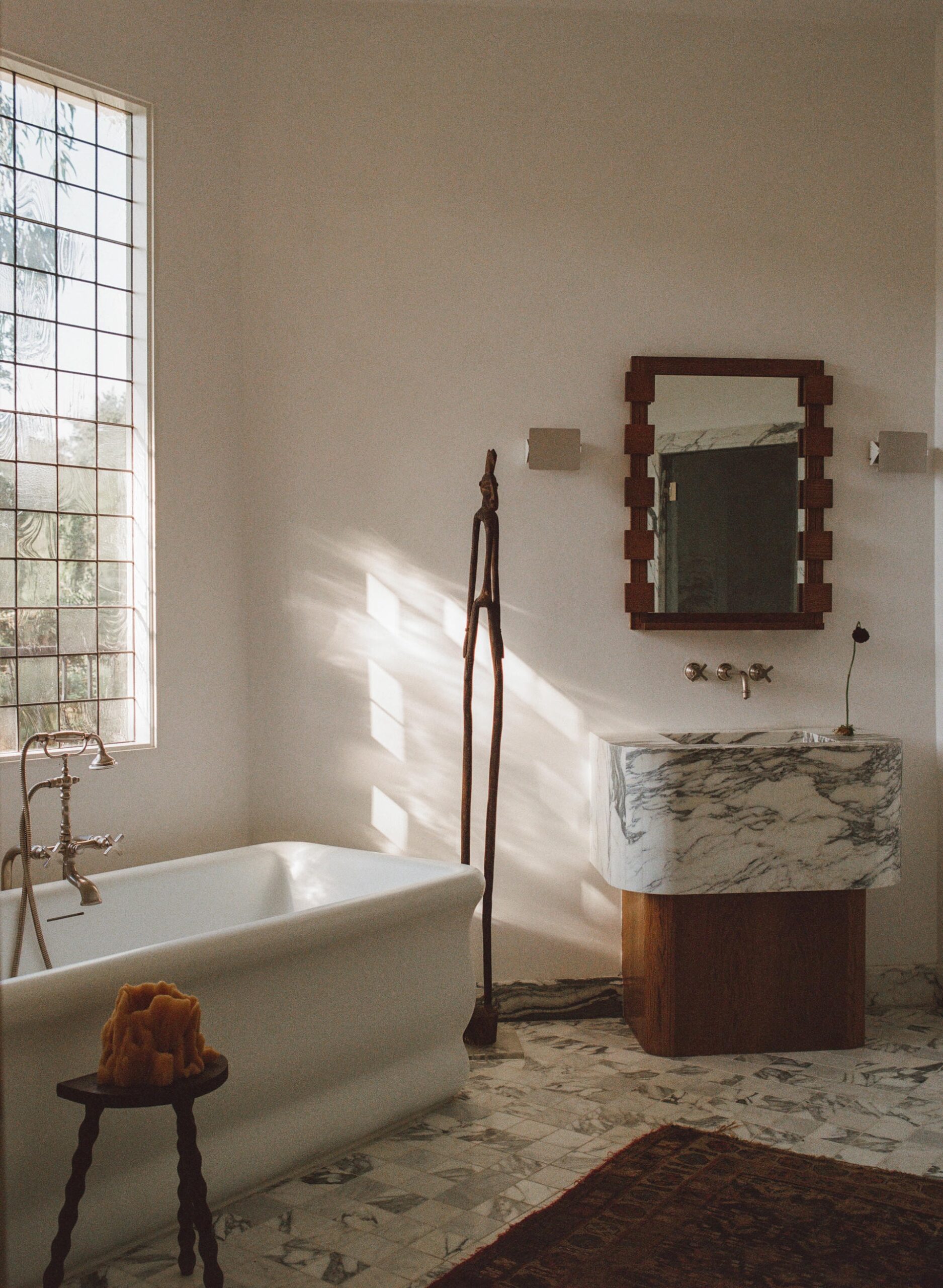
Kent - Brentwood © Austin Leis
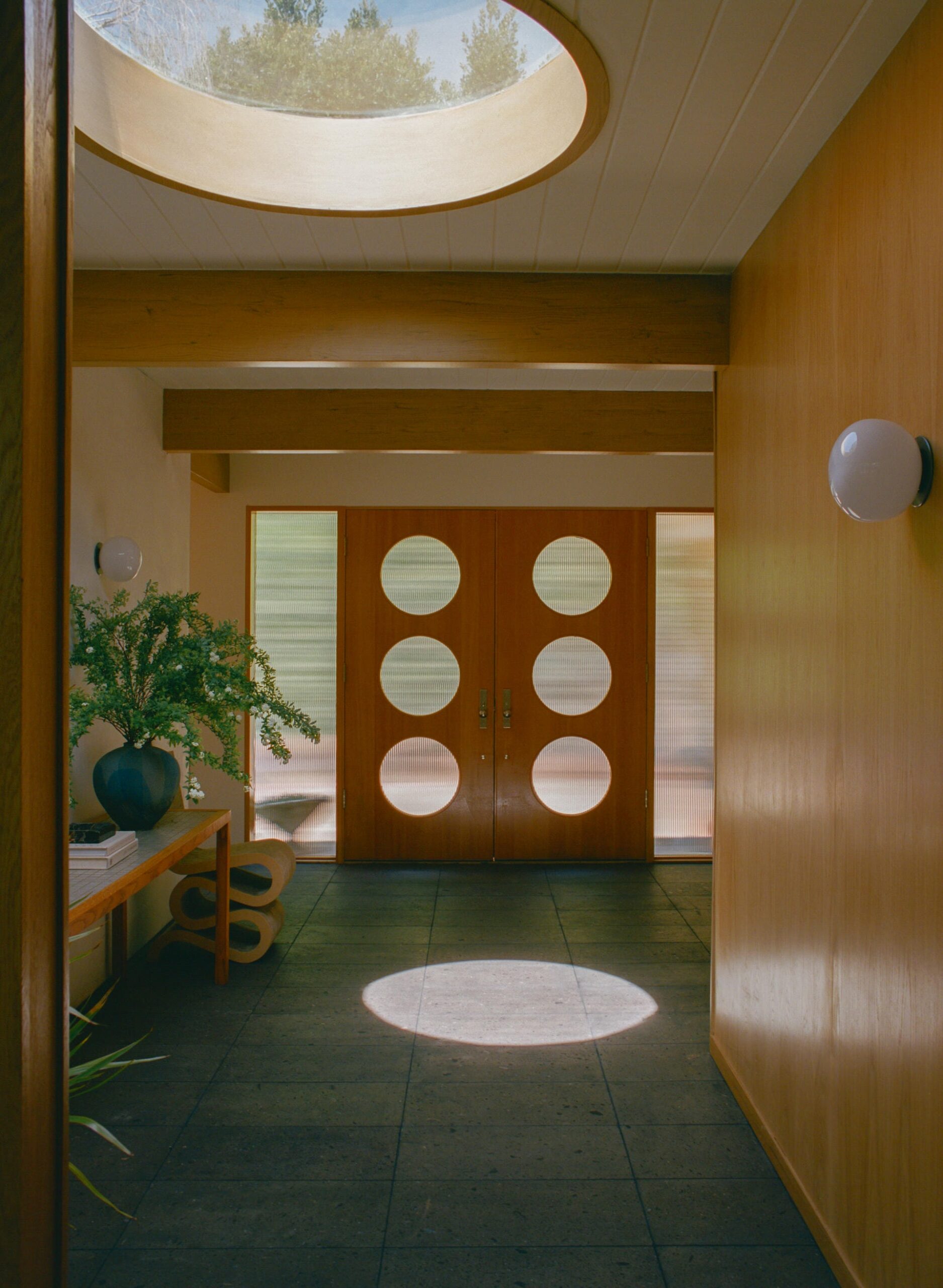
Our style is quietly cinematic, rooted in history, and softened by nature. We gravitate toward homes that feel collected rather than decorated — timeless as opposed to trendy. We don’t have a mantra yet, but we should create one!
Design with restraint. Leave space for life to unfold.
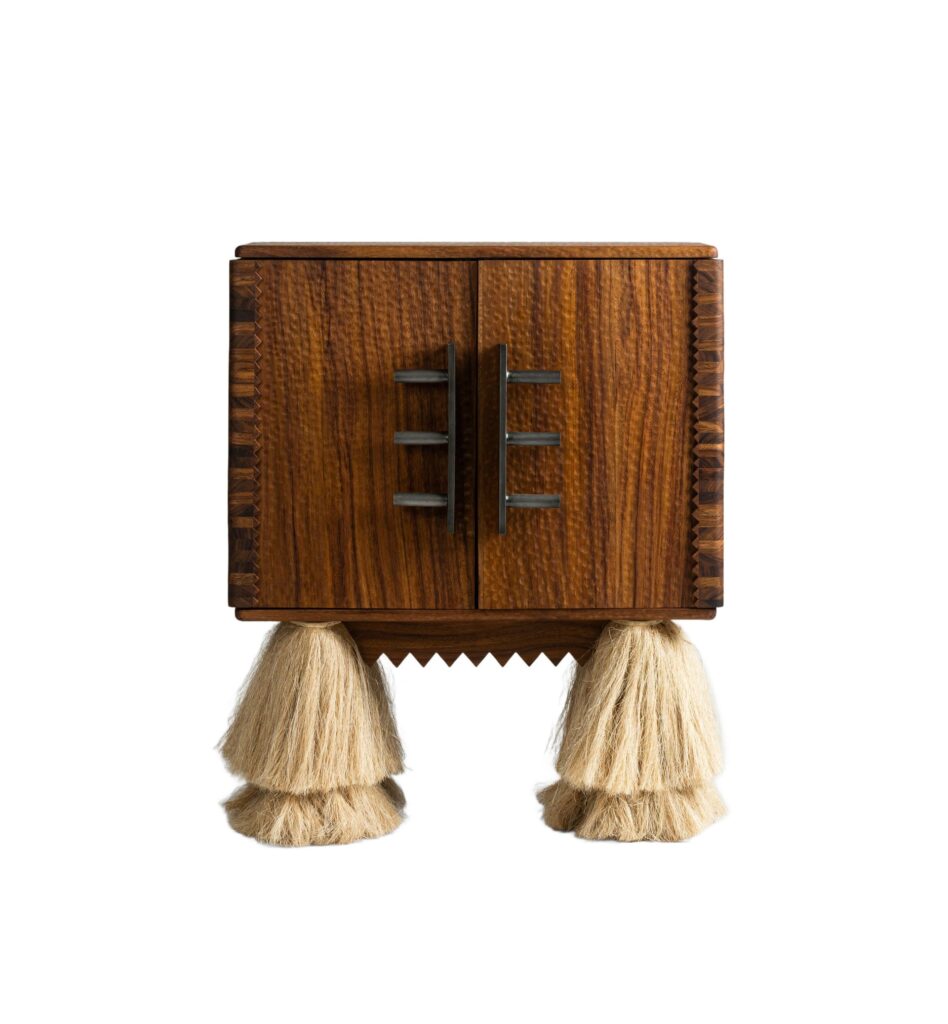
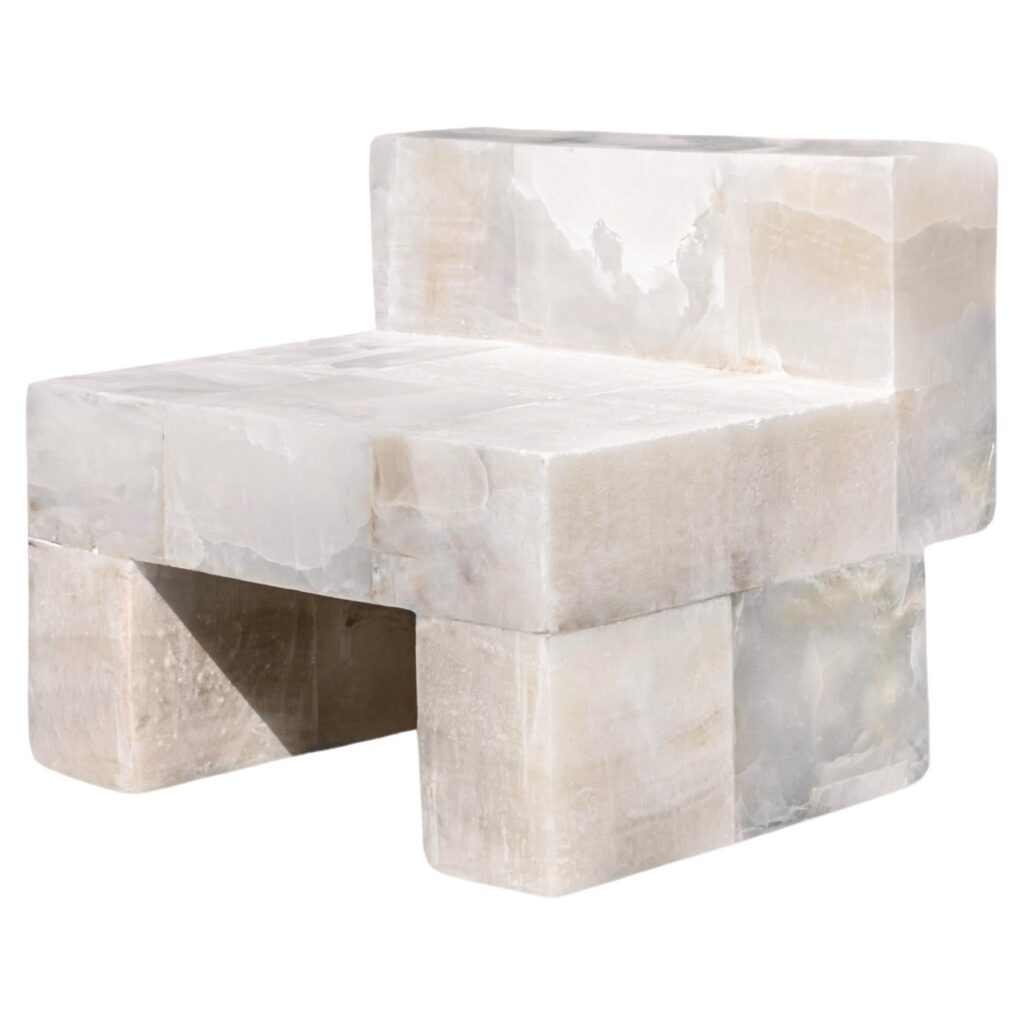
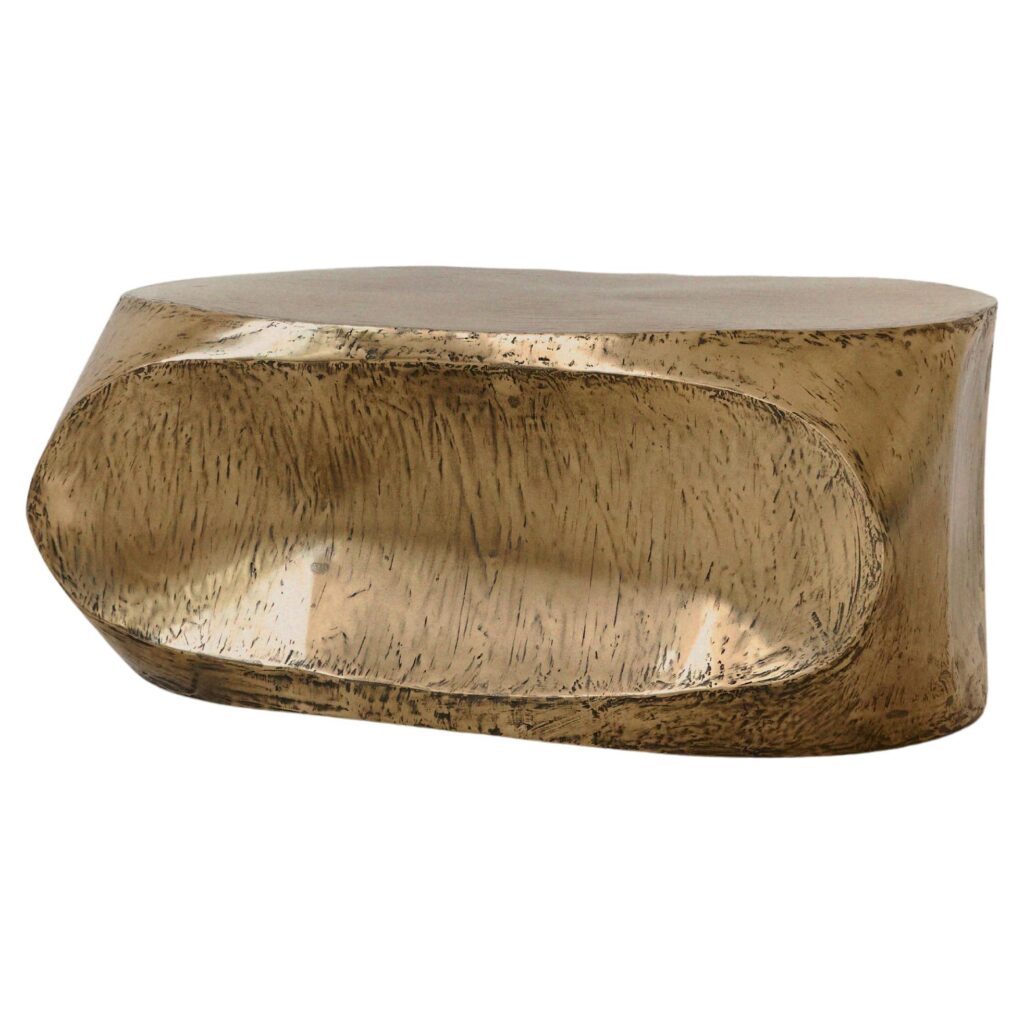

Benmore © Nils Timm
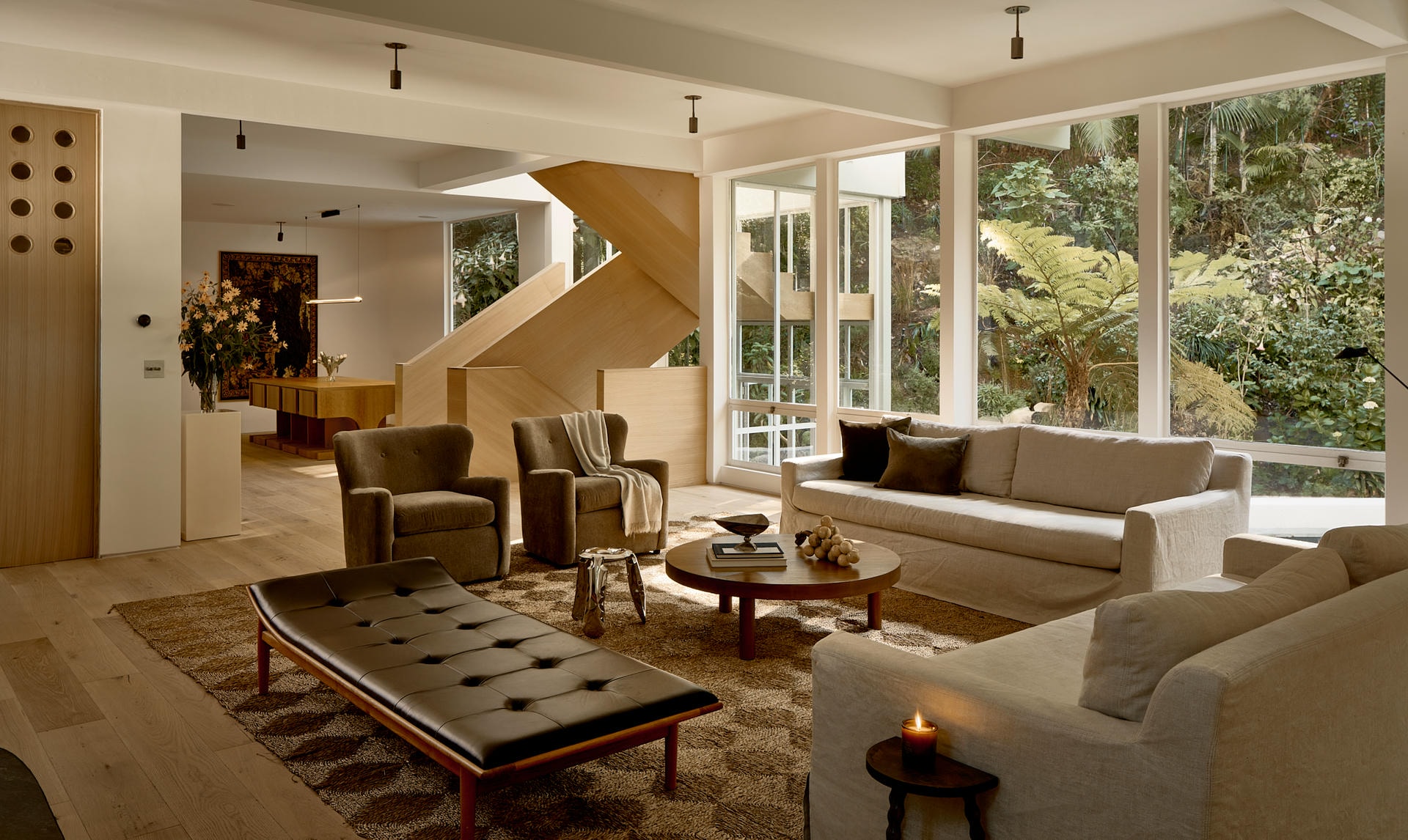
One of our most meaningful projects was an A. Quincy Jones home, tucked into a quiet corner of Brentwood. The house had beautiful bones and a strong mid-century identity, but it called for a great deal of sensitivity and restraint. Our goal was never to dominate the architecture, but rather to support it — restoring original elements wherever possible, introducing natural materials, and creating a sense of warmth and flow throughout the home.
The result feels both nostalgic and entirely livable for today, which is always our aim: to honor the past while thoughtfully designing for modern life.
These questions are too good. Take it slow, probably. If possible, just don’t rush into everything.
Taste evolves, but understanding how things are built will serve you forever. And travel — nothing shapes the eye more than experiencing spaces across cultures.
Learning when to say no. Not every project is the right fit, and early on, it’s tempting to say yes to everything. Over time, we learned that alignment — with the client, the scope, and the vision — is essential to protecting both the work and our creative energy.
Books:
Jesse has a book on Piero Portaluppi’s architecture that he refers to all the time. He also loves to reference a Pierre Chareau book.
Podcasts:
Joelle listens to Clever with Amy Devers, and while this is not design-related, I recently lost my father and listen to All There Is with Anderson Cooper. It’s pretty revolutionary in the way it talks about various forms of grief, which in turn teaches you about life.
We are currently working on several residential renovations across Los Angeles, including an architectural gem in Laurel Canyon, an expansive Tudor home in Benedict Canyon, and a hillside modernist residence in Nichols Canyon. Alongside these, we’ve also just begun a furniture line collaboration, which has already challenged and expanded us in exciting new ways.
Each project continues our commitment to architectural stewardship, material integrity, and soulful design. We feel deeply grateful to work within the historic fabric of Los Angeles and to help these homes thoughtfully evolve for another generation. We are also in escrow on a small standalone office building, which we are excited to renovate and move into, hopefully creating a space for ourselves but also the community.
Castilian © Austin Leis
Thank you so much Joelle and Jesse, for this lovely interview!
Share article :