Wallflower Architecture + Design
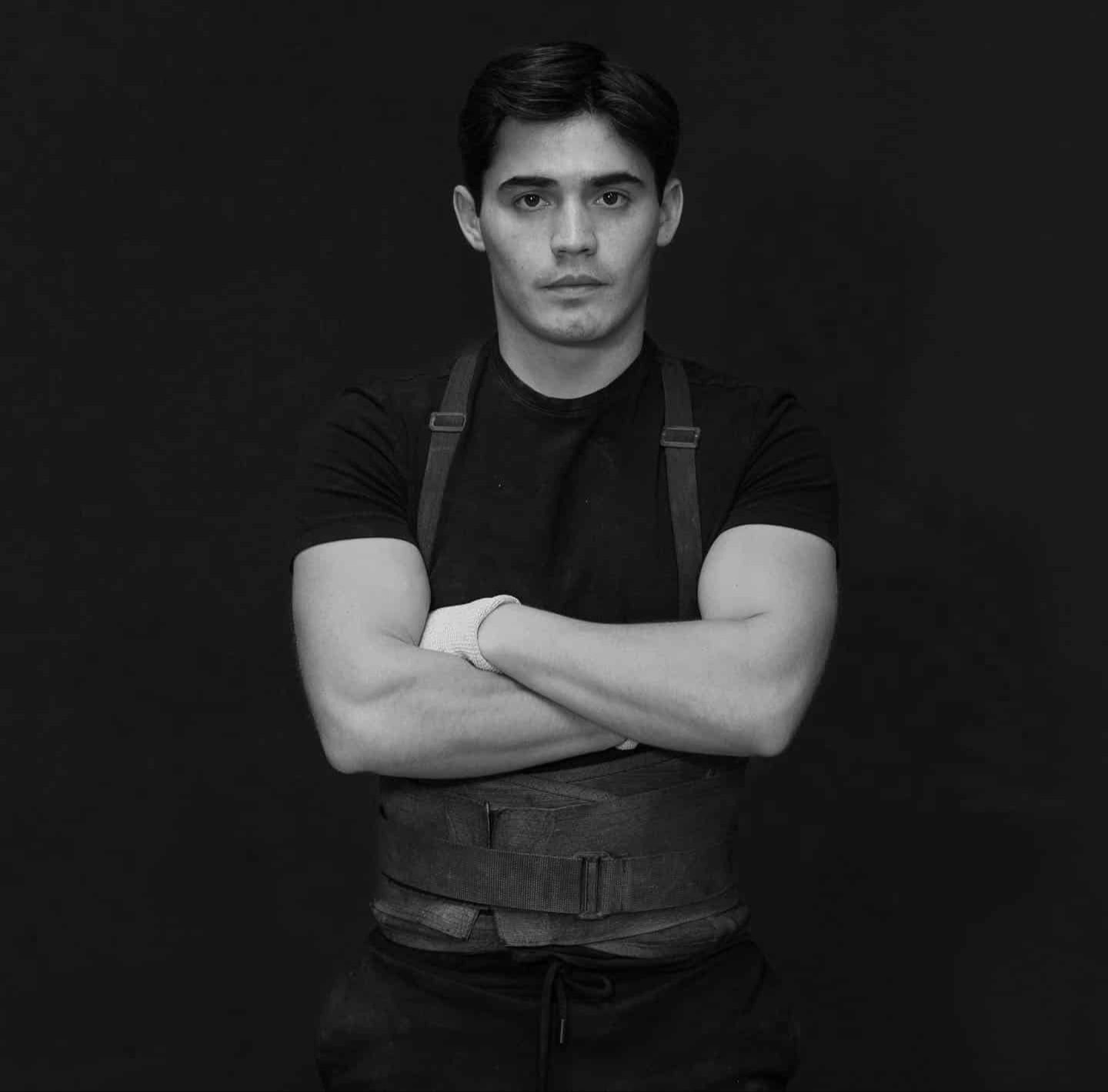
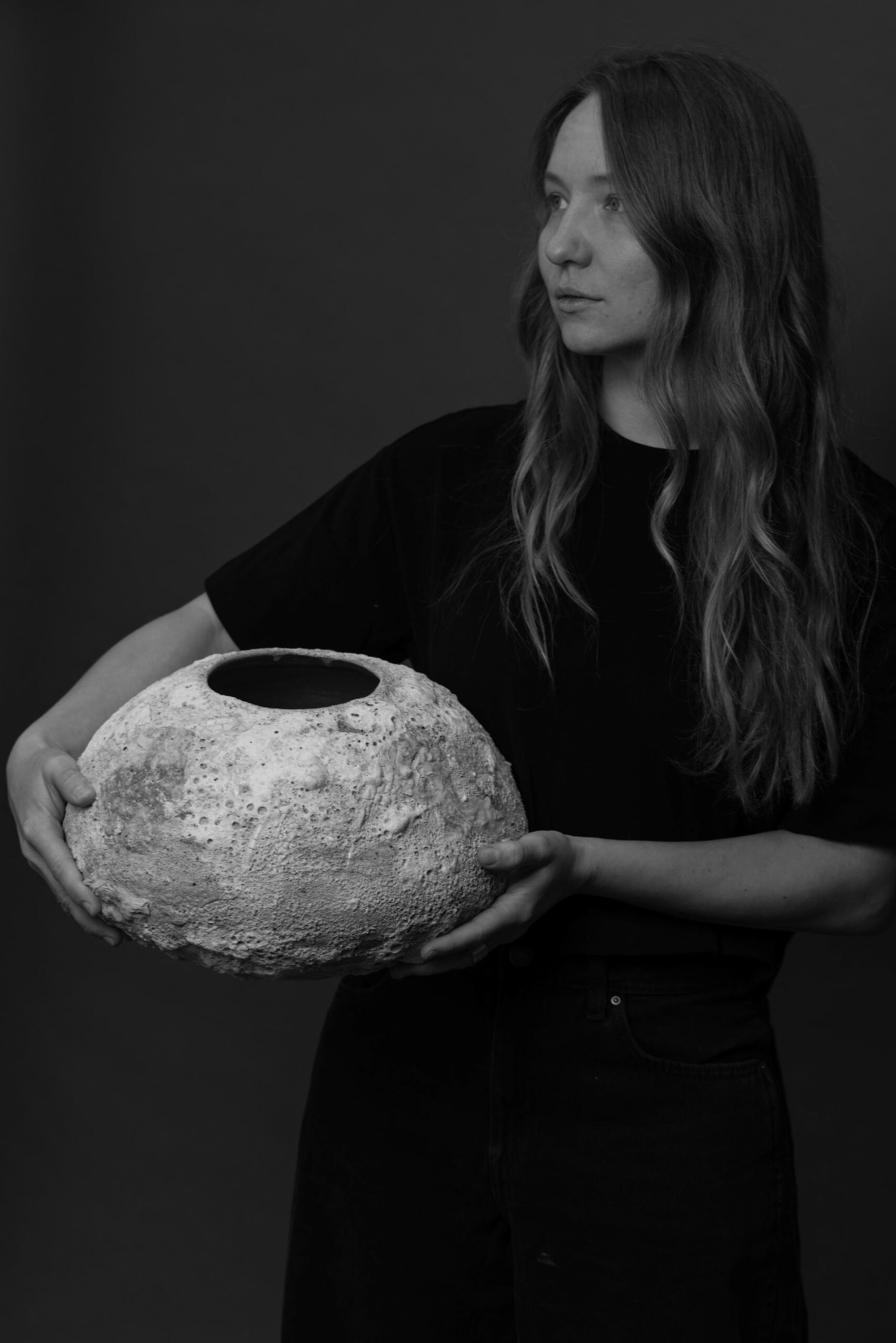
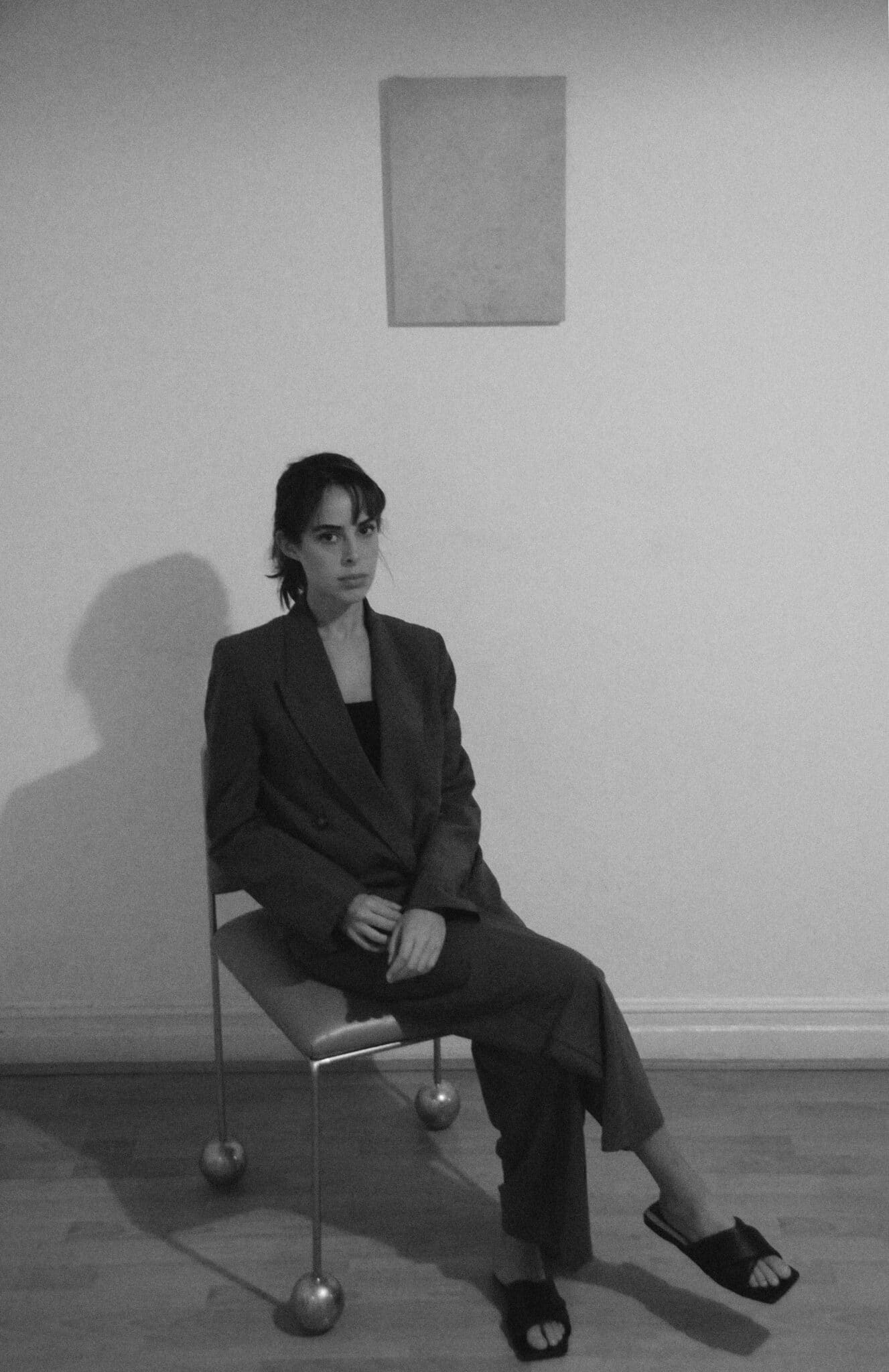
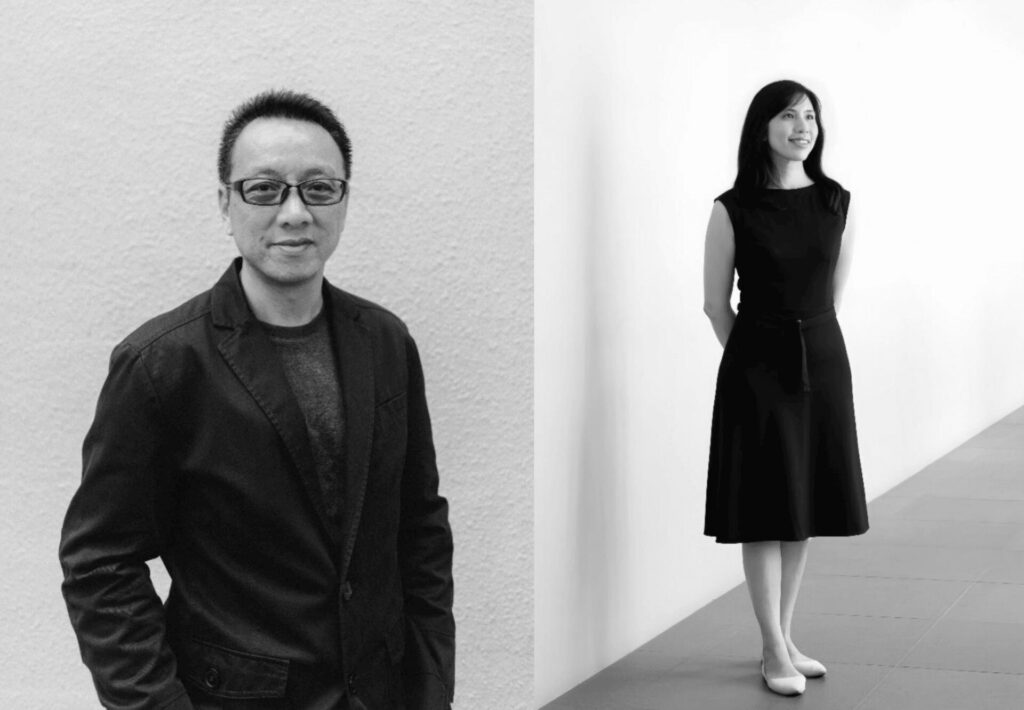
Wallflower Architecture + Design is a Singapore-based boutique practice led by Robin Tan and Yong Mien Huei, known for its refined approach to high-end residential architecture rooted in tropical living. Established in 1999, the studio has built a strong reputation for crafting bespoke homes that respond sensitively to climate, site, and the lived rhythms of their clients.
Robin Tan, a graduate of the National University of Singapore, brings over two decades of experience and has received multiple Singapore Institute of Architects awards, alongside international recognition including wins at the Trends International Design Awards and the World Architecture Festival. Yong Mien Huei, also a graduate of the National University of Singapore and a registered architect, is known for her thoughtful design sensibility and has contributed to award-winning projects such as Touching Eden House, which received both SIA and World Architecture Festival honors. She has also served as a juror at the World Architecture Festival 2025.
Together, they lead Wallflower with a shared commitment to context-driven, sustainable design, continuously exploring new expressions of contemporary tropical architecture.
“Luxury today is not excess, but intimacy with nature.”
INTERVIEW

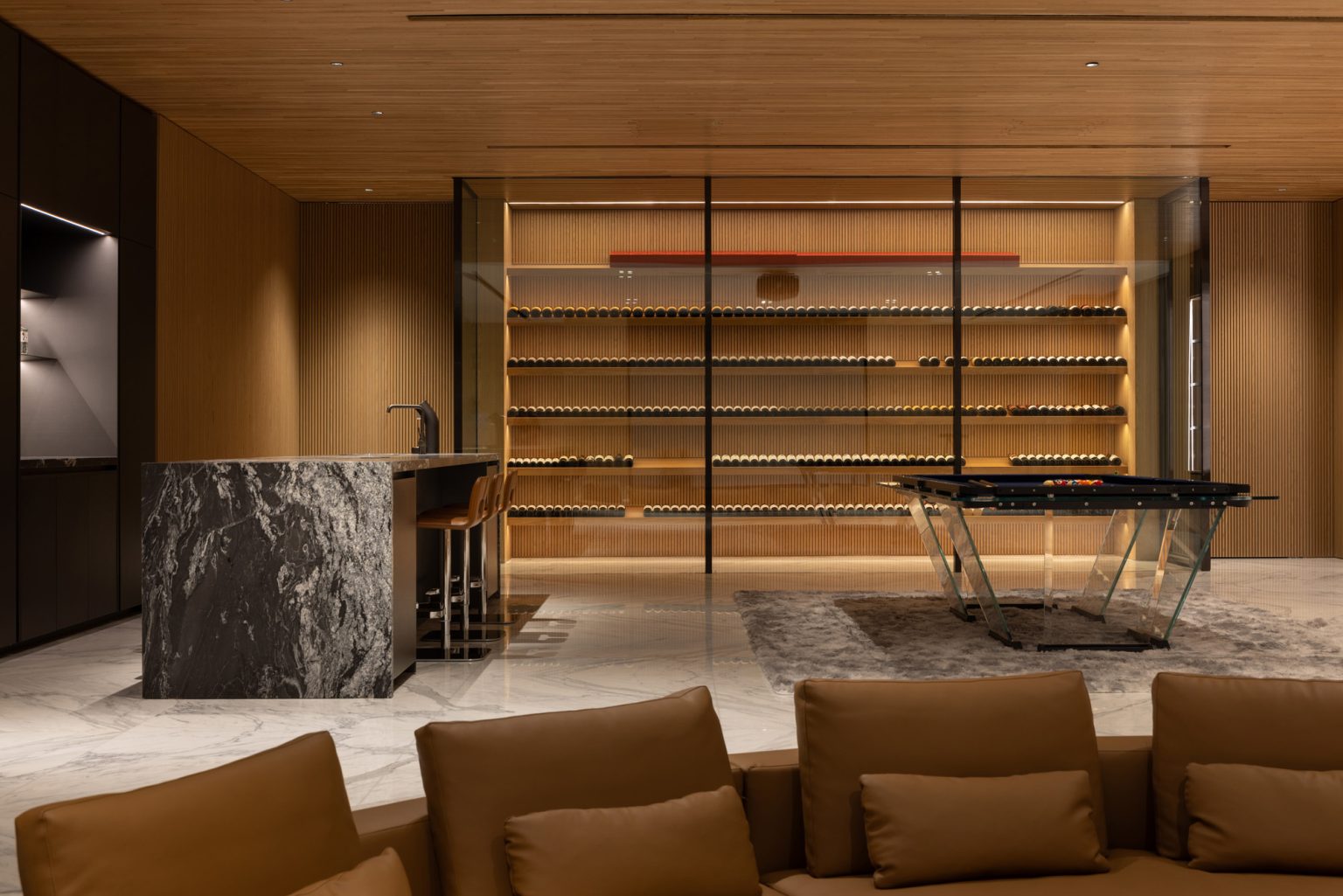
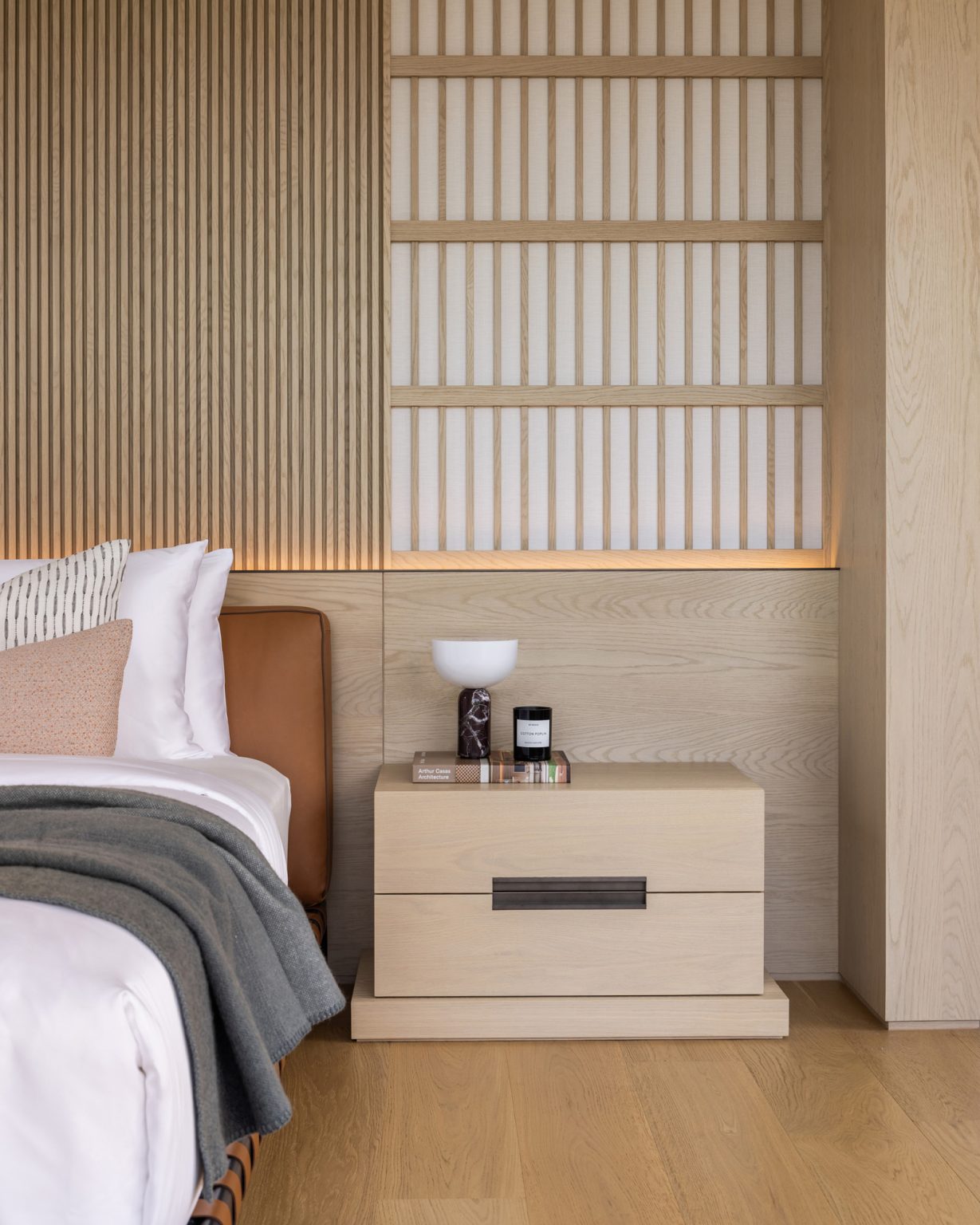
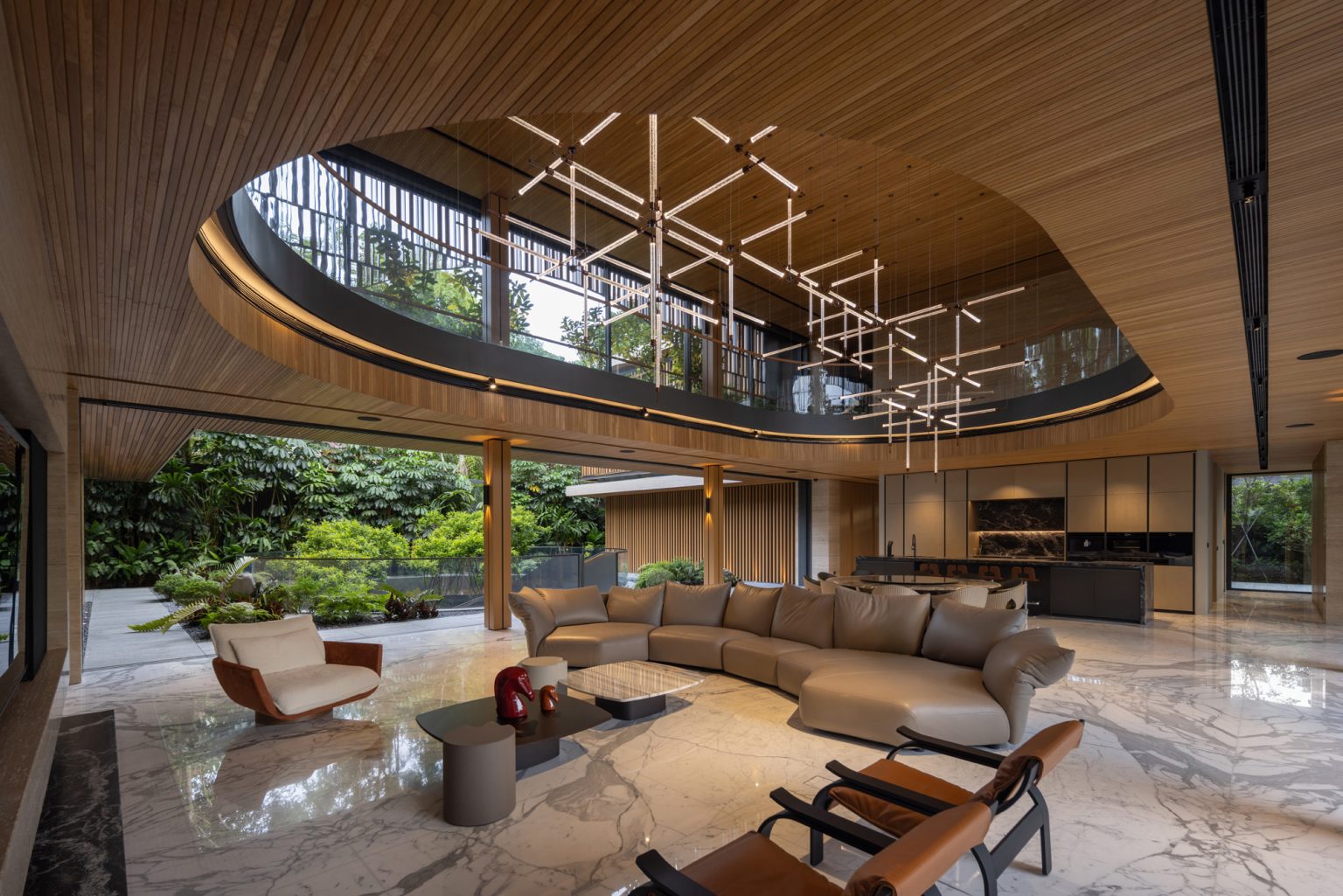
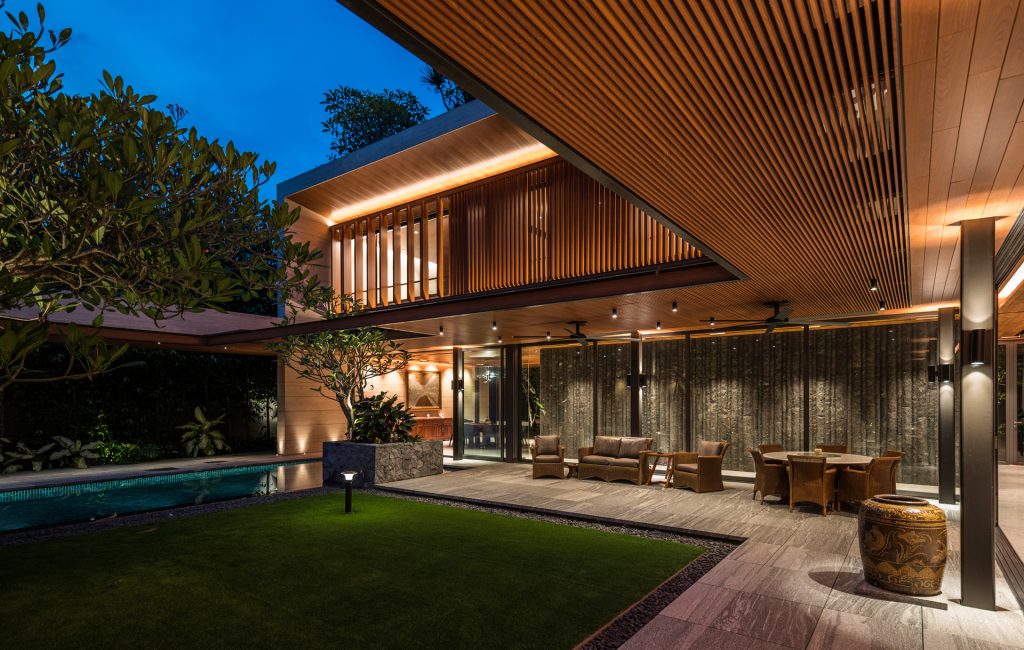
Forgetting Time House © Wallflower Architecture + Design and Marc Tan Shengyi
Robin Tan: I always begin by listening — not just to the brief, but to what lies beneath it. Clients often come with functional needs, but also with unspoken desires: for calm, privacy, belonging, or openness.
The site is equally important. We spend a lot of time understanding its topography, light, wind, vegetation, and context. Architecture, to me, should feel inevitable — as if it could only exist in that place, for those people. The building emerges from a dialogue between the client’s life and the land itself.
Yong Mien Huei: My first step is always to understand the land—its terrain, climate, orientation, constraints, and surroundings. I then listen closely to what the client hopes to build. The architecture emerges from finding the right synergy between the two, where the building feels naturally rooted in its context rather than imposed on it.
An important part of this process is guiding clients through trade-offs—balancing desires, constraints, and environmental response—to achieve meaningful, liveable tropical architecture that works beautifully over time.
Robin Tan: I didn’t always know that I wanted to be an architect, but I have always been deeply sensitive to space. Growing up, I was drawn to colonial houses nestled within lush greenery—the way they sat lightly on the land, the generosity of their verandahs, the filtered light, and the quiet dialogue between house and garden.
My granduncle worked as a servant in one of these houses, and when the owners were away on holiday, my cousin and I would sometimes sneak in. Those moments left a lasting impression on me. I remember the coolness of the interiors, the generous scale of the rooms, and the way the garden was not an afterthought but an essential and integral part of the house—a house within a garden. It wasn’t about luxury; it was about atmosphere, proportion, and a deep sense of calm.
Looking back, those early encounters shaped my understanding of architecture long before I had the vocabulary to describe it. They taught me that architecture is not simply about buildings, but about how space makes you feel—and that sensitivity has stayed with me ever since.
Yong Mien Huei: It began as a childhood fantasy. Growing up, I watched the hills around my home being cut away and replaced by concrete boxes. Even before I understood planning or development, I believed, quite innocently, that becoming an architect was how I could make things better.
Looking back, that intuition wasn’t misplaced. Architecture places you where decisions are made, giving you a voice to shape how the built environment engages with nature. That early impulse continues to guide my work today.
Robin Tan: We don’t consciously pursue a particular style. Instead, we aim for clarity and harmony with the site. If there is a recurring language in our work, it is architecture that celebrates the lifestyle of its owners.
Our designs often blur boundaries — between inside and outside, architecture and landscape, structure and shelter. We believe that good architecture should feel calm, grounded, and timeless, rather than expressive for its own sake.
Yong Mien Huei: Our design approach is guided by principles that respond to climate and the contemporary zeitgeist. The work aims to be timeless in character—practical, functional, and designed to endure. Nature, light, and natural living are central to the process, shaping how spaces are formed, experienced, and connected to their surroundings.
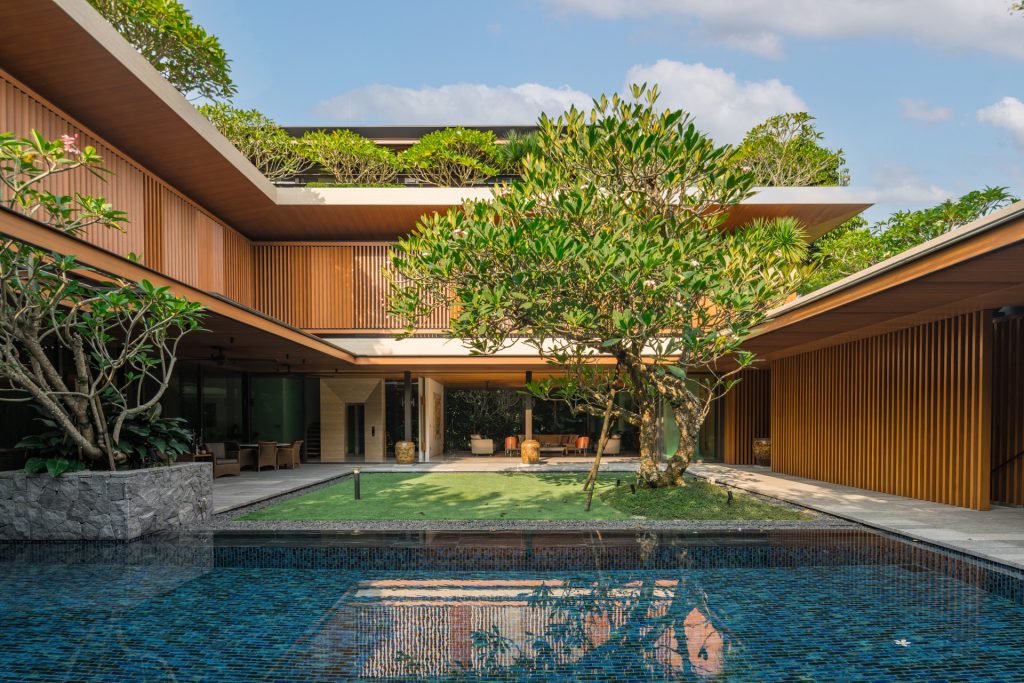
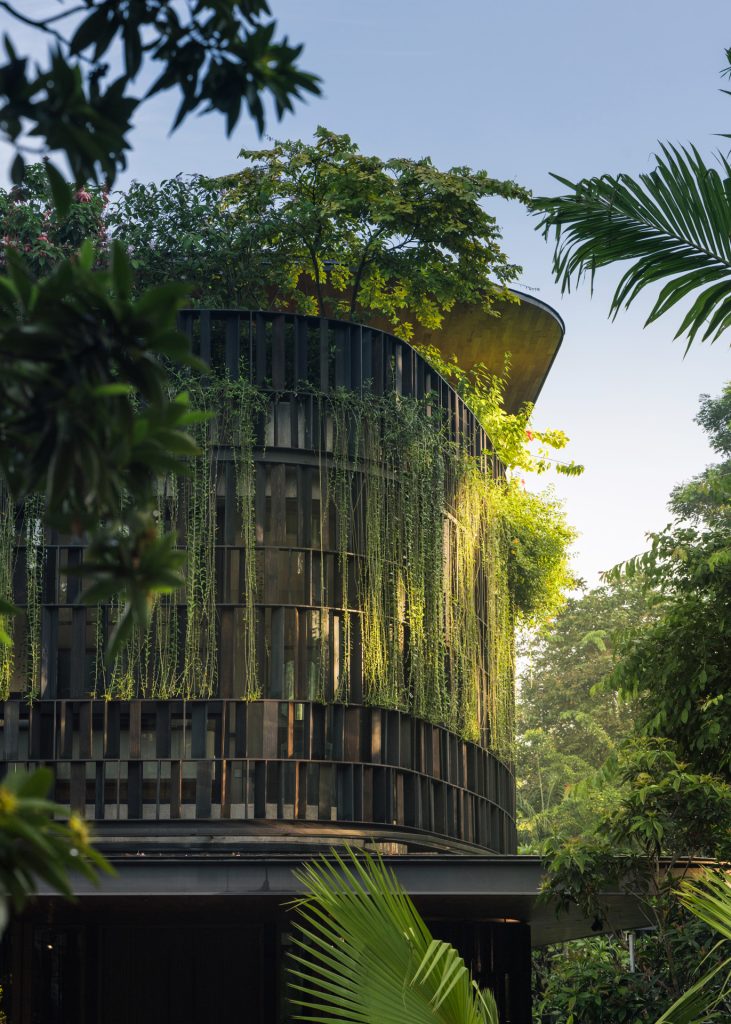
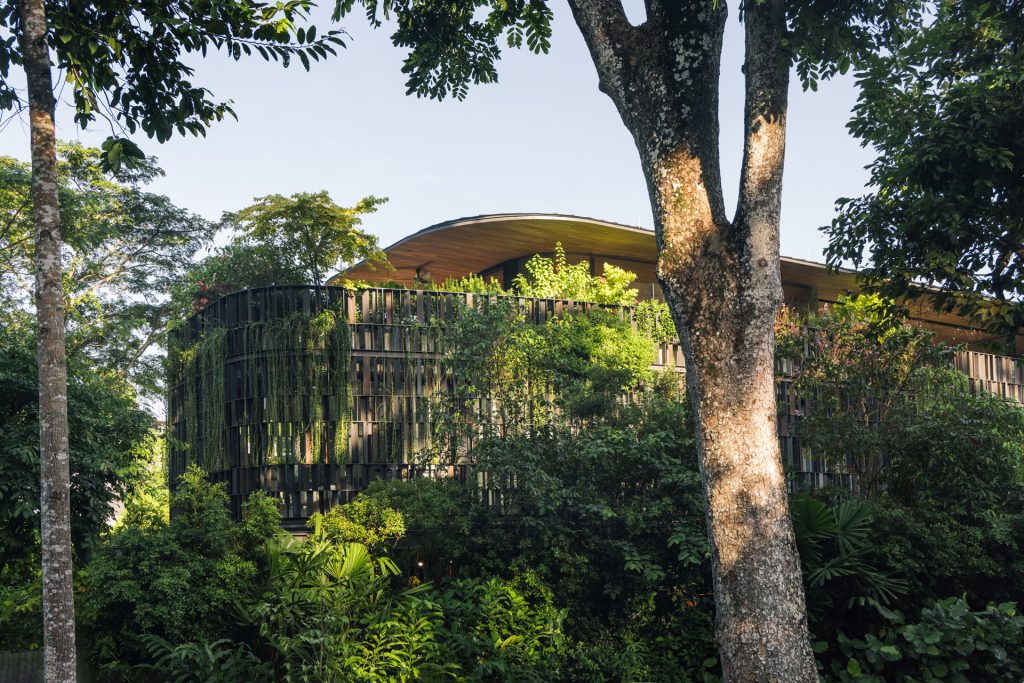
Robin Tan: Touching Eden House is one project that feels especially meaningful. It explores the idea of living within a garden rather than merely looking at one. The architecture gently weaves through trees and planting, allowing nature to remain the dominant presence.
What excites me most about this project is how actively it draws nature into the site and architecture. The house does not impose itself on the site; instead, it coexists with nature. Plants weave through the architecture as light filters through foliage, spaces unfold at a gentle pace, and daily life is constantly accompanied by greenery. It represents our belief that luxury today is not excess, but intimacy with nature.
Yong Mien Huei: One project I’m most proud of is Touching Eden House. Each time I return, I still feel a sense of awe—in how it sits within its surroundings and how seamlessly it is immersed in nature. The house explores a model uniquely suited to Singapore, taking full advantage of the site, its terrain, and the opportunities of its lush context, while carefully addressing the realities of the tropical climate—heat, rain, and ventilation. What made the project especially exciting was the journey itself: a process shaped by many serendipitous moments, where the landscape guided key decisions, ideas aligned intuitively, and the architecture gradually fell into place.
Robin Tan: I am drawn to works that feel deeply rooted in their context rather than iconic. Architects like John Lautner, Oscar Niemeyer, and Tadao Ando resonate with me — not for their forms alone, but for their ability to evoke emotion through light, silence, and materiality.
Yong Mien Huei: It’s very hard to choose. I’m drawn not only to architecture that is engaging, poetic, beautiful, and well-sited, but also to works where architects translate materials into compelling forms and rich tactile experiences—from the quiet intensity of Peter Zumthor to the expressive dynamism of Zaha Hadid.
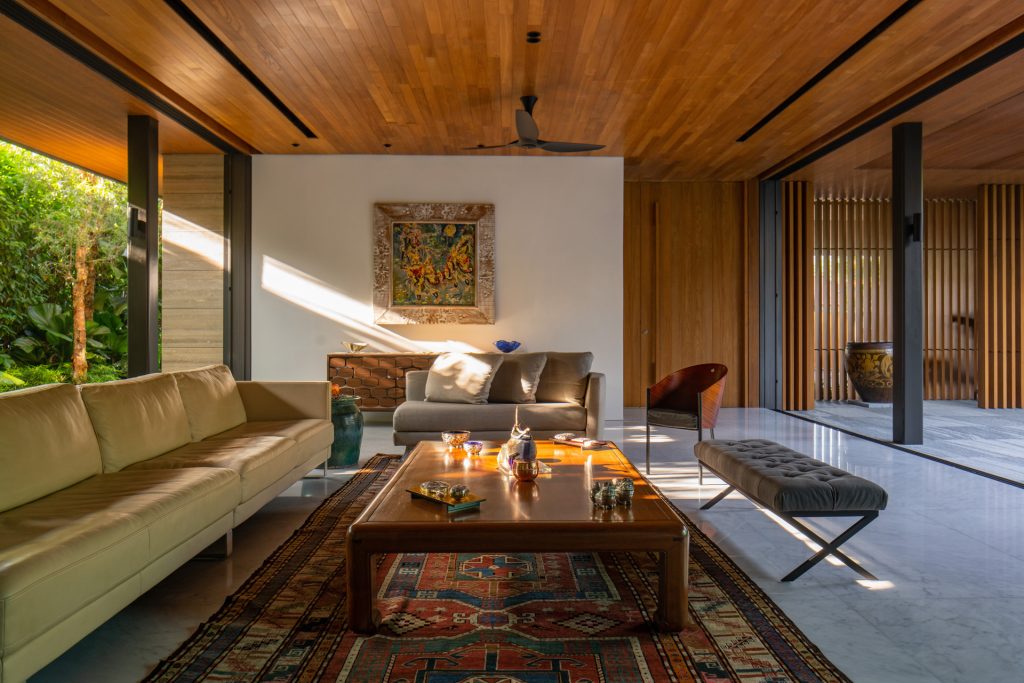
Forgetting Time House © Wallflower Architecture + Design and Marc Tan Shengyi
Robin Tan: The administrative and regulatory aspects can be challenging, especially when they risk diluting the clarity of an idea. However, I’ve come to accept them as part of the discipline. Constraints, when approached thoughtfully, often sharpen a design rather than weaken it.
Yong Mien Huei: Architecture is a holistic practice, and every part of the process contributes to the final outcome. While there are inevitably challenging aspects along the way, the work itself and the sense of purpose it brings are deeply rewarding to me.

Touching Eden House © Finbarr Fallon
Robin Tan: Architecture should serve life — and be shaped in service of the people who inhabit it. This belief guides every decision I make, reminding me that architecture is ultimately about enhancing how our clients live, not imposing an idea upon them.
Yong Mien Huei: Design with the user in mind. Design is a delicate balancing act—between architecture and occupant, form and purpose, and the spaces we craft and how they are experienced. The ultimate aim is to reconcile these elements to create buildings that are harmonious, meaningful, and well-lived.
Robin Tan: Nature is my greatest source of inspiration. I often re-center myself by walking through parks or along coastal paths, allowing my mind to wander freely without an agenda. In these moments, I’m reminded of rhythm, balance, and restraint—the way light shifts, how wind moves through trees, and how space reveals itself gradually rather than all at once.
I’m also deeply inspired by silence—moments without noise or visual clutter. Silence creates clarity. It reminds me that architecture does not need to shout or explain everything immediately. These experiences continually ground my work, encouraging me to design spaces that are calm, purposeful, and attuned to the human spirit.
Yong Mien Huei: I’m most inspired by places that are calm and immersed in nature. To re-center myself, I seek out environments shaped by nature, beauty, or culture, and take time to simply absorb the atmosphere. It’s in these moments of retreat that I feel recharged.
Robin Tan: Tropical architecture requires humility. Instead of resisting the climate, we work with it — embracing cross-ventilation, deep overhangs, shaded courtyards, and porous boundaries.
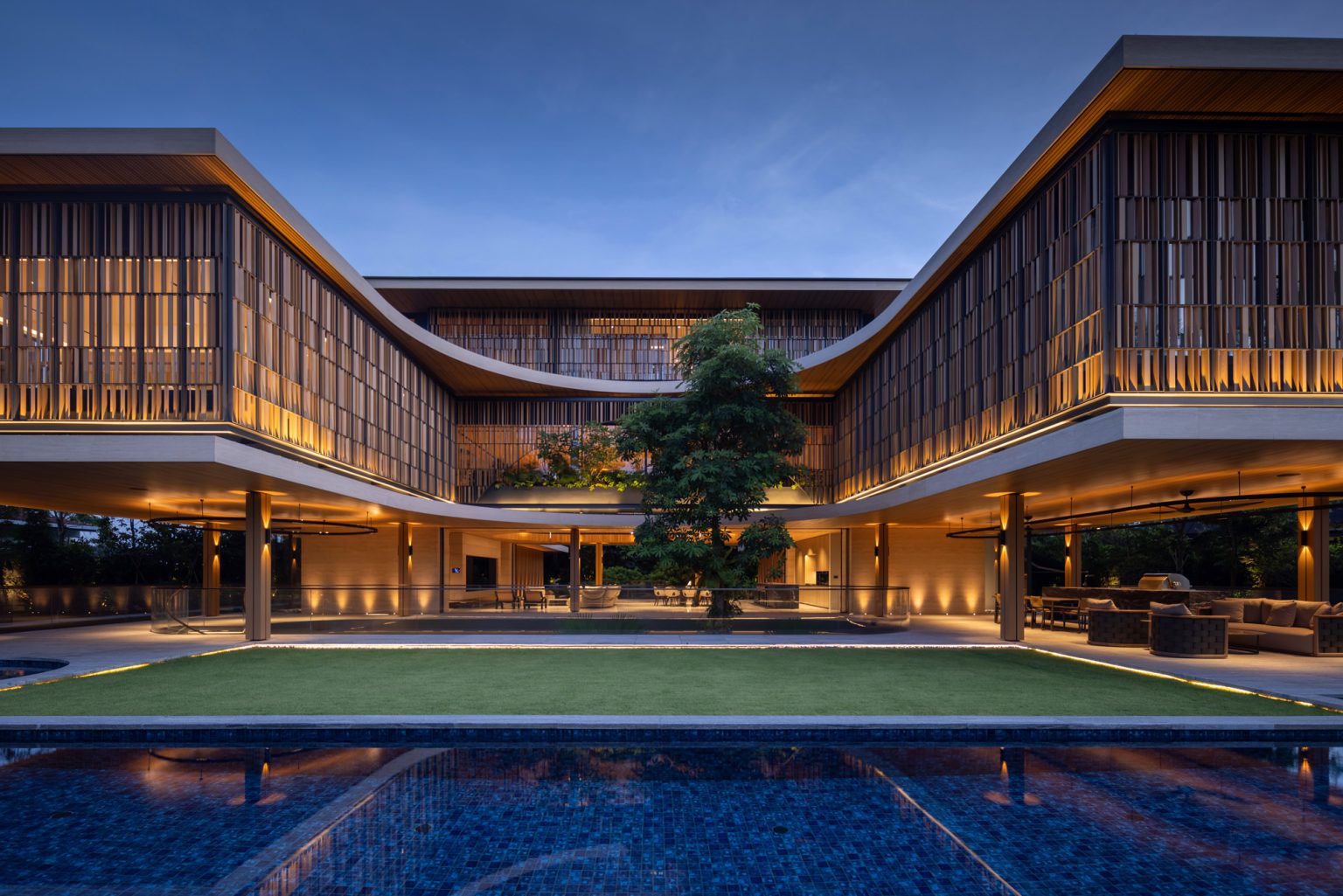
In projects like House Above the Trees, openness is carefully calibrated. Spaces breathe, but are protected. Light is filtered, not harsh. Comfort comes from understanding microclimates rather than relying solely on mechanical systems.
Yong Mien Huei: Designing for tropical living requires a careful response to heat, humidity, heavy rainfall, and intense sun. These strategies are not new—they have evolved over centuries of climatic adaptation. Elements such as deep sun-shading eaves, screens, cross-ventilation, and generous natural light are fundamental to comfort in the tropics. Embedded from the earliest stages of the design process, these principles ensure that openness, light, and comfort are intentional outcomes rather than left to chance.
Robin Tan: I see landscape as an equal partner to architecture, never an afterthought. In many of our projects, the landscape sets the rhythm for the architecture.
At House Above The Trees, the building is lifted to allow the ground plane to remain continuous. The intention is to preserve the quiet presence of the landscape and let daily life flow gently within it. Ultimately, the goal is to create a sense of calm — where architecture frames nature, and nature, in turn, softens architecture.
Yong Mien Huei: Landscape is pivotal to our architecture, as it returns to the core principles of balance, beauty, and harmony. Architecture can be static and heavy, while landscape is organic, dynamic, and soft. It brings life, movement, and seasonality to a building, and serves as a constant reminder that our architecture ultimately exists in relationship with nature, not apart from it.
Robin Tan: Many buildings today lack presence. Presence is not about size or spectacle; it is about how a building holds you, grounds you, and quietly asserts its place in the world.
When a building has presence, you feel it before you understand it. It belongs to its site, responds to climate, and carries a sense of calm authority without needing explanation.
Yong Mien Huei: I think what buildings today need most is depth and intention. The projects that endure are grounded, well executed, and responsive to both people and their environment. In that sense, architecture today calls for greater clarity and care.
Touching Eden House © Finbarr Fallon
Robin Tan: Learn to listen — to clients, to sites, and to yourself.
Take time to develop your own voice, and don’t rush to be seen. Architecture is a long journey. Depth matters more than speed.
Yong Mien Huei: I’ve been very fortunate in my career to receive guidance and wisdom from generous mentors and peers along the way.
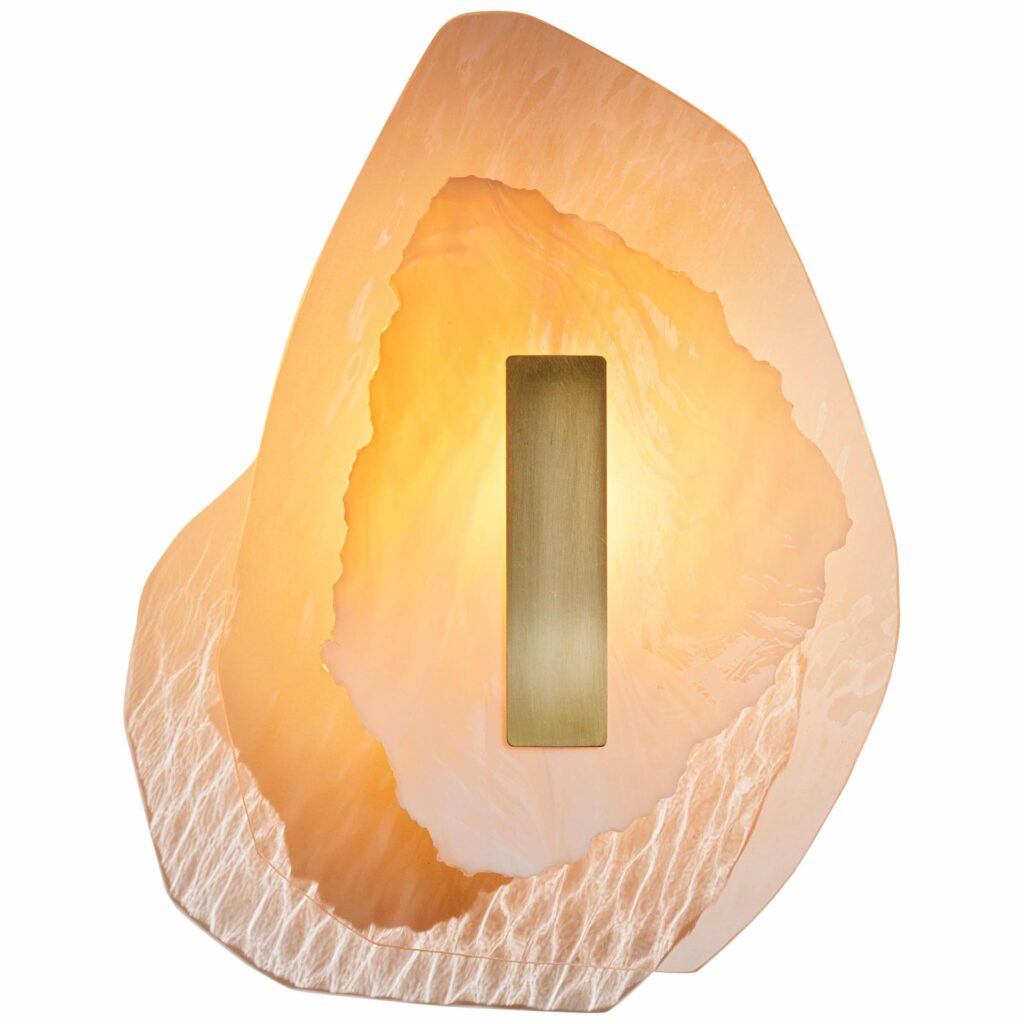
favorite pieces from the Philia Collection
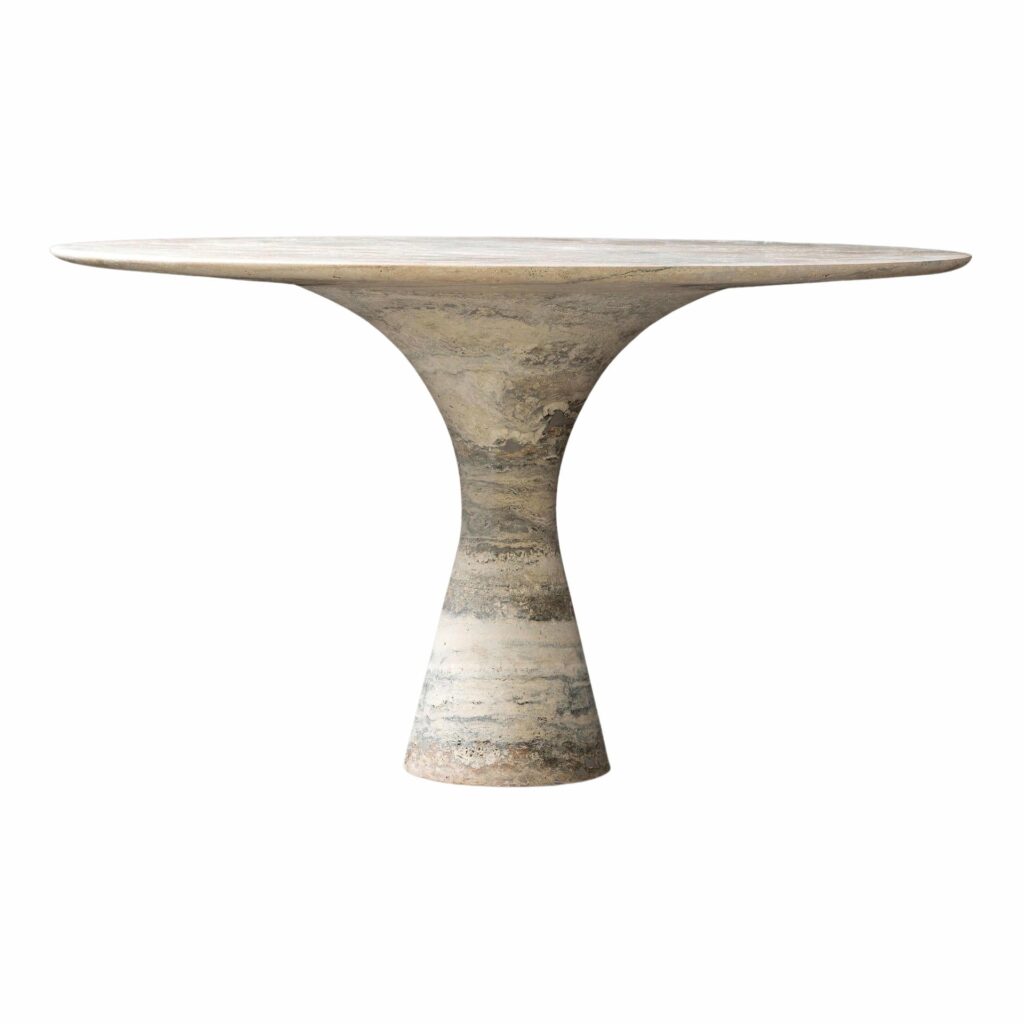
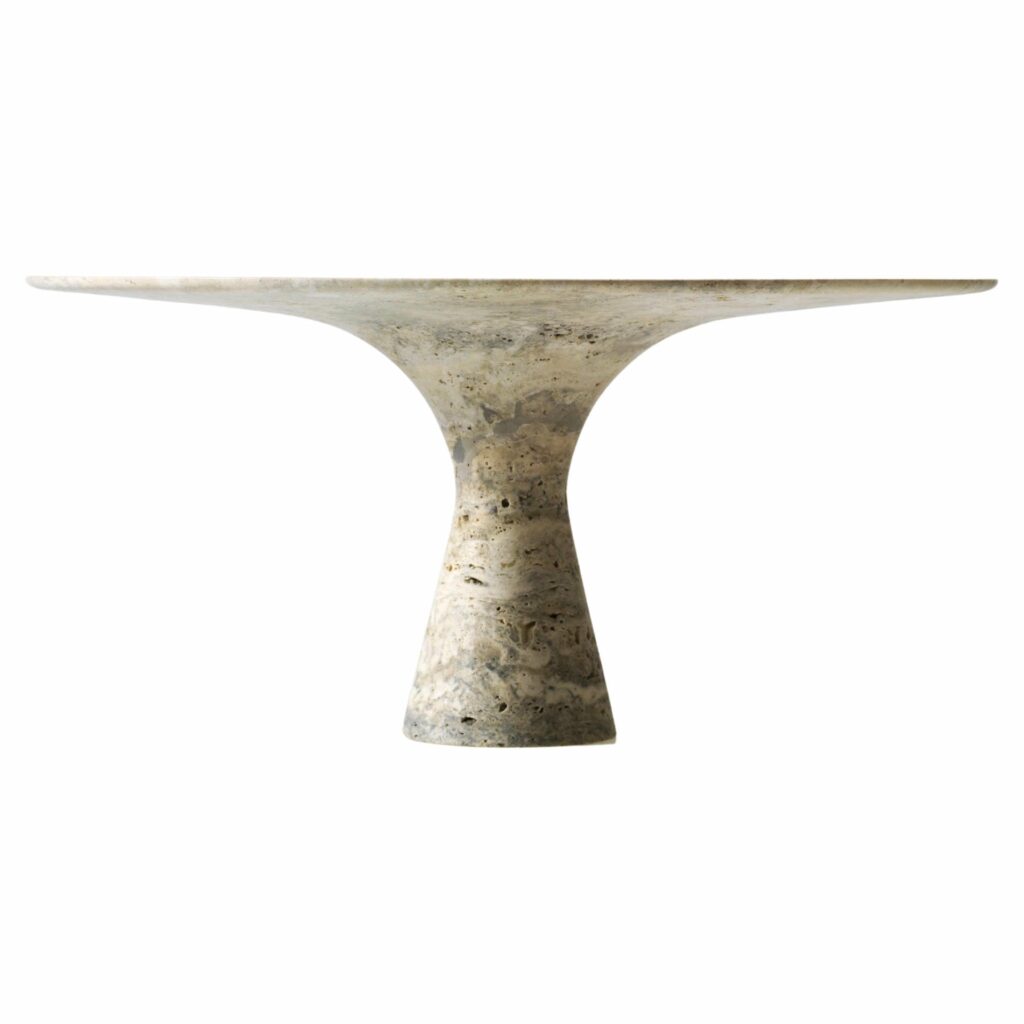
Robin Tan: Large Beveled Couch by Marc Dibeh, Travertino Silver Refined Contemporary Marble Dining Table 130/75, and Antigone XL Pendant Lamp by Elsa Foulon.
I’m particularly drawn to pieces that balance sculptural presence with material honesty — works that feel grounded yet poetic. The pieces that resonate most with me are those that invite touch, silence, and contemplation rather than immediate spectacle.
Yong Mien Huei:
- Travertino Silver Refined Contemporary Marble Oval Table
- Symbiose 01 Light Sculpture by Marie Jeunet
- Void Floor Mirror by Boldizar Senteski

Thank you so much Robin Tan and Yong Mien Huei, for this lovely interview!
Share article :