Mateus Dutra
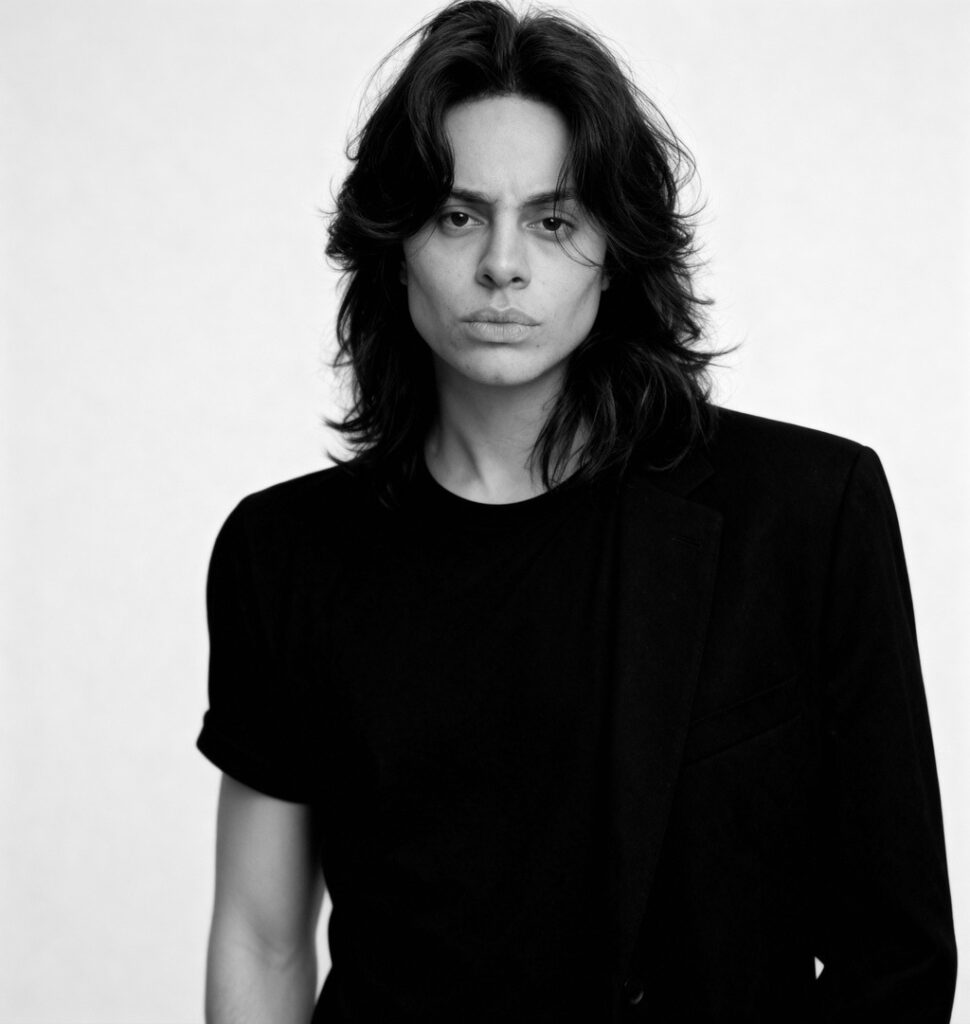
Mateus Dutra is a Brazilian-born designer based in New York and the founder of Atelier Dutré, a practice situated at the intersection of sculpture and function. Drawing from an international background spanning fashion, photography, and interior design, his work is informed by time spent between New York, Paris, and Scandinavia.
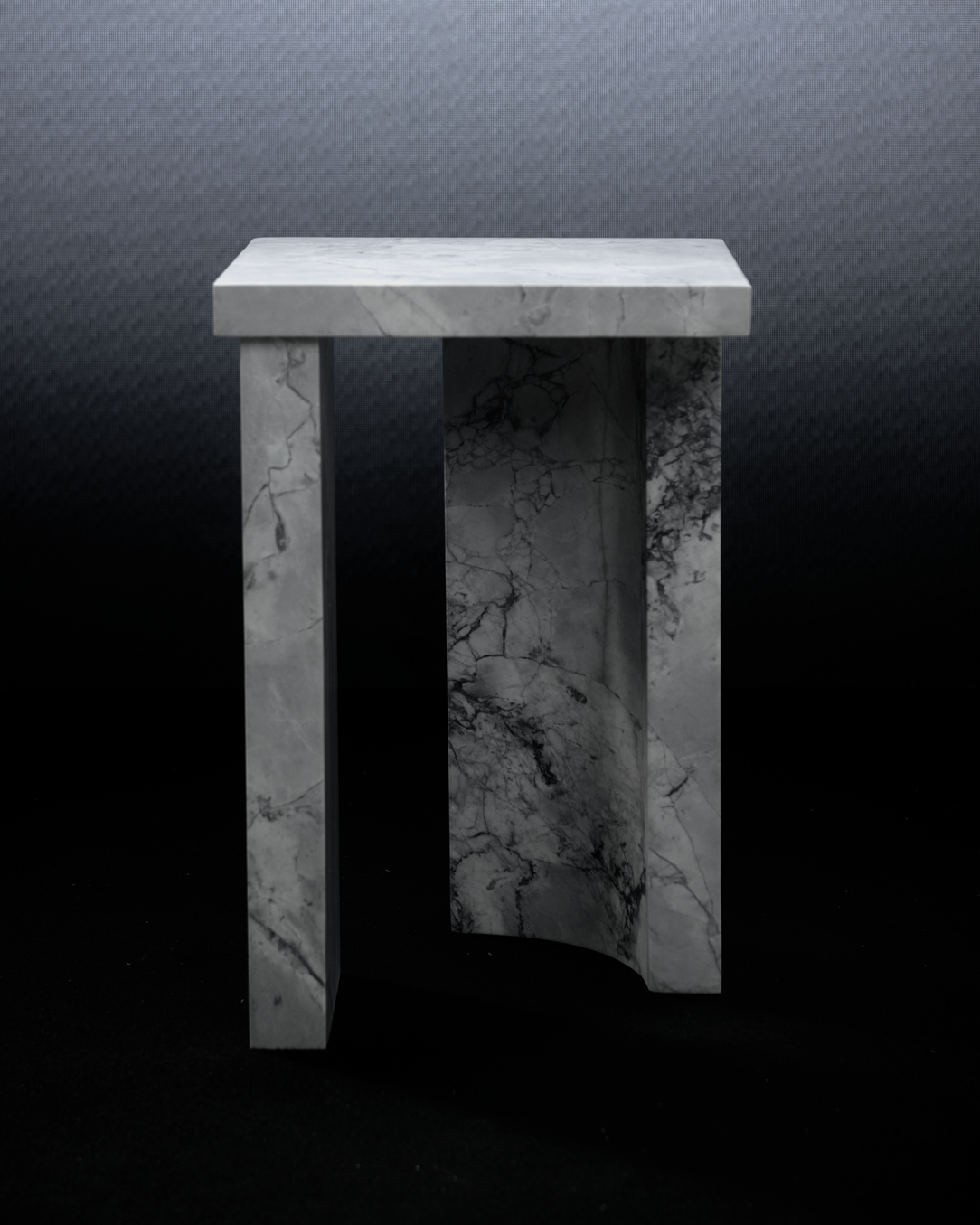
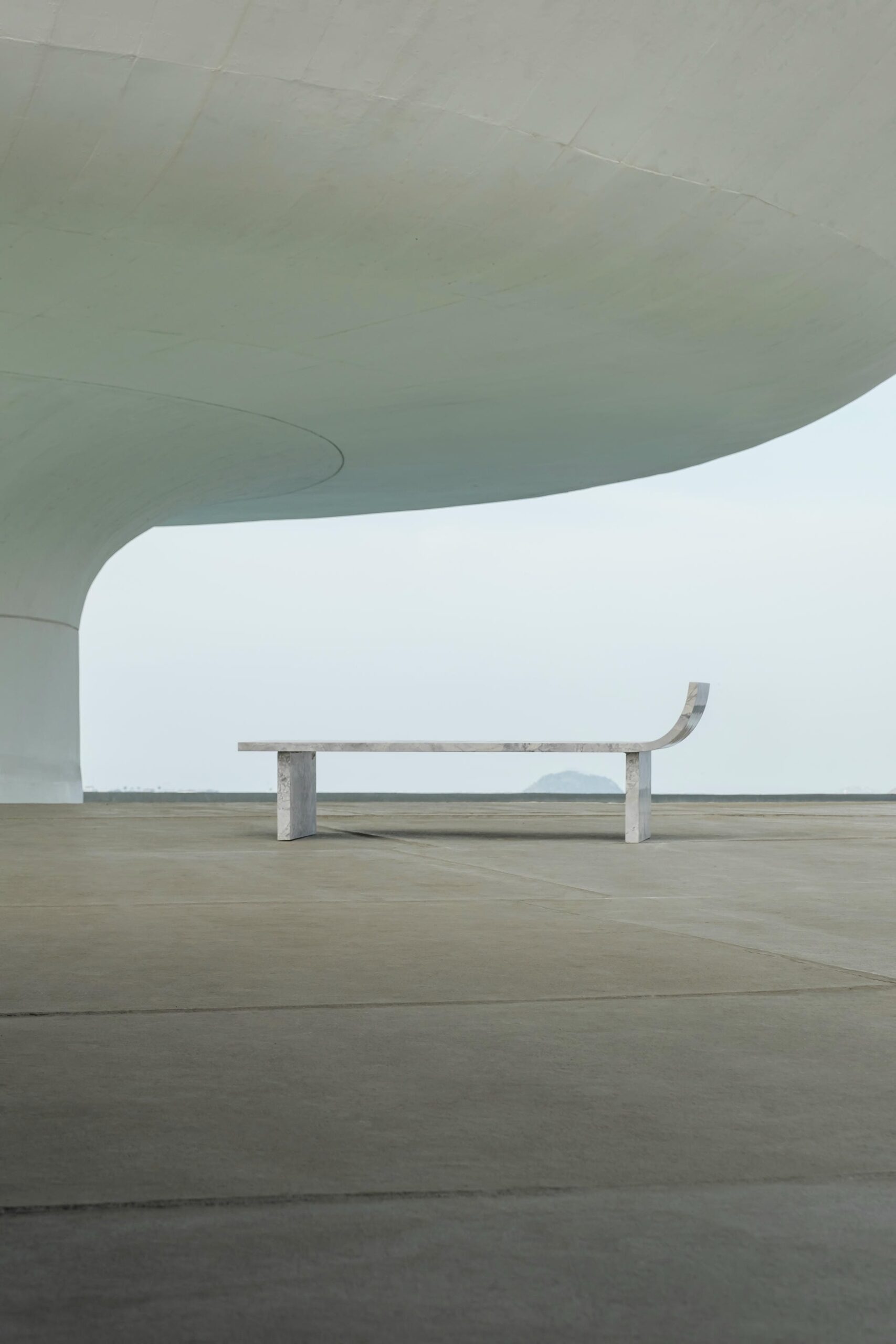
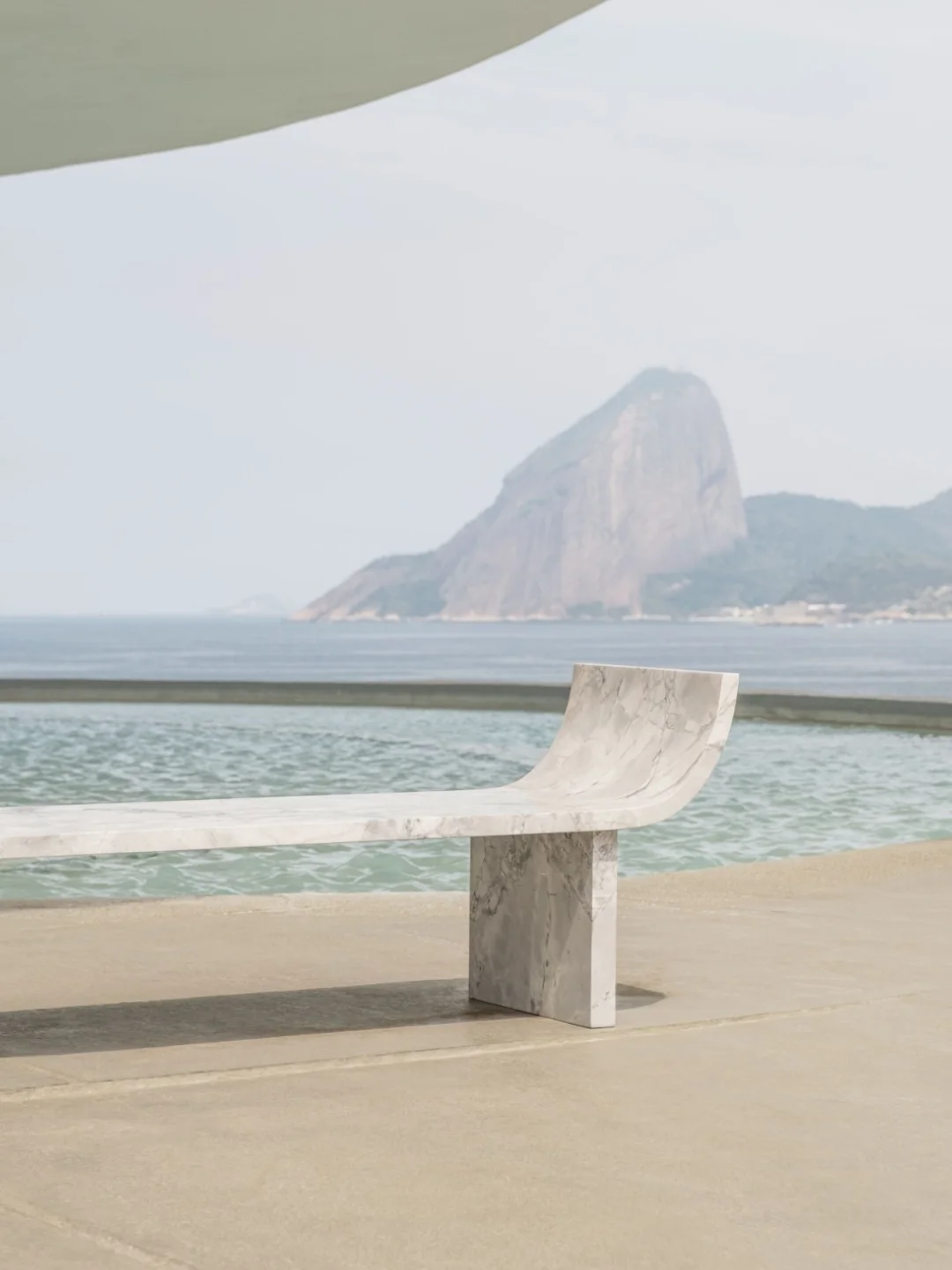
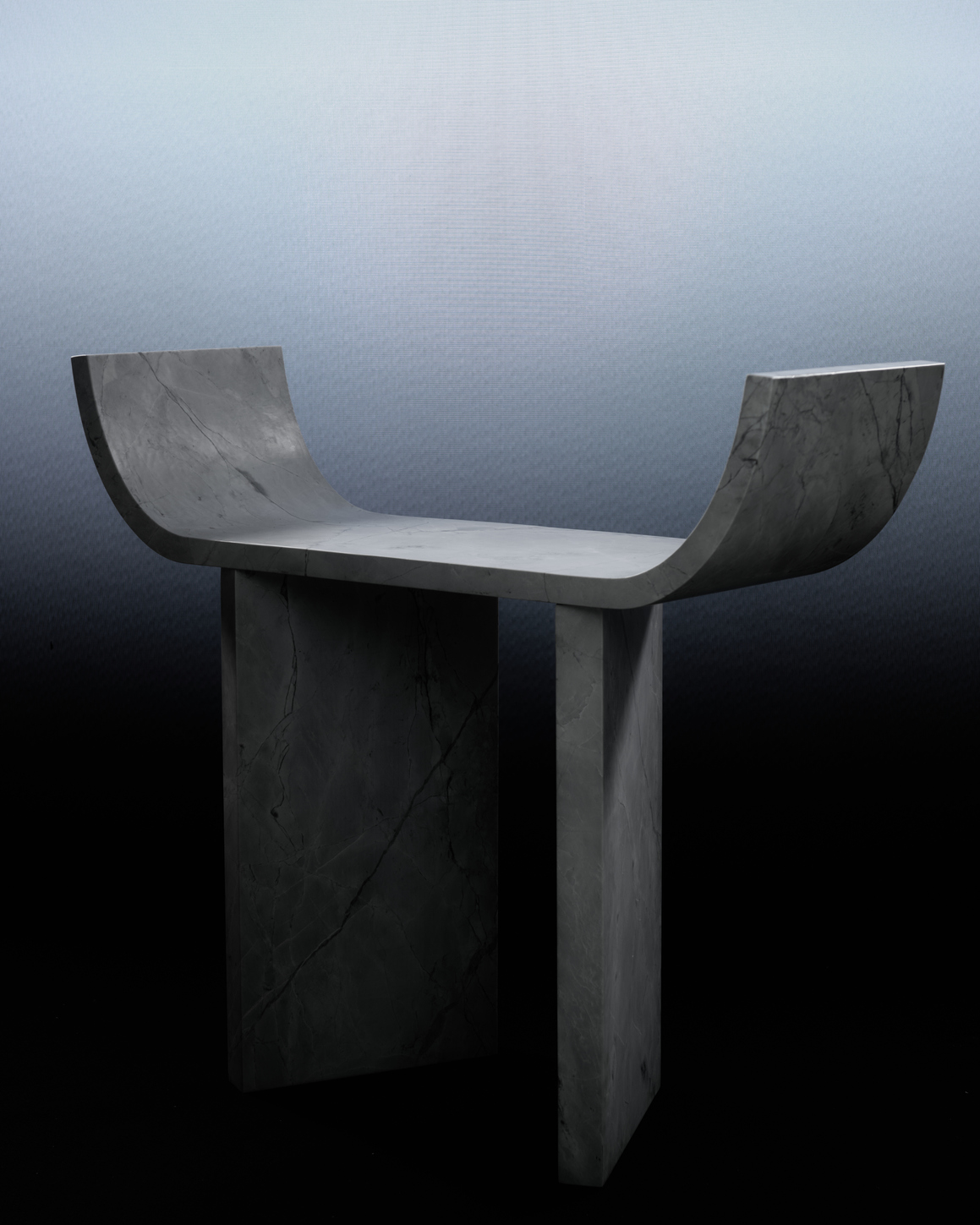
Working primarily with stone, Dutra approaches marble as a material of both physical presence and emotional resonance. His practice explores form, proportion, and surface, creating sculptural objects that balance weight with restraint and permanence with a sense of movement.
Rooted in a family lineage connected to stone extraction and craftsmanship, his work reflects an ongoing dialogue between inherited knowledge and contemporary experimentation. Through furniture and spatial objects, Dutra reinterprets traditional materials for a contemporary context, seeking to create pieces that are both grounded and enduring.
Interview
I’m originally from Brazil, from the state of Espírito Santo — a region deeply connected to marble and stone production. Growing up around quarries and fabrication environments shaped my relationship to material early on. Over time, living, studying, and working between different countries has further informed how I approach form, weight, and restraint in my practice today.
One of my earliest and most formative memories was visiting the Noguchi Museum after moving to New York as a teenager. I was already familiar with stone as a material, but seeing it articulated through sculpture and space in such a poetic and restrained way completely shifted my perception of what it could be.
Not exclusively. I initially worked in fashion design in Paris, then moved to New York to focus on photography. Over time, these experiences led me toward interior design, where my interest in space, material, and form could come together more fully.
My path toward design emerged naturally from moving between cultures and disciplines. Experiences in fashion and photography sharpened my sensitivity to proportion, silhouette, and composition, while my long-standing exposure to marble through my family gave me a deep understanding of material. Design became the space where these strands could converge into a single language.
My process begins with observation. I’m deeply influenced by places, cultures, and the way forms exist within space. Sketching is central to my thinking, as is a constant attention to proportion, curvature, and balance before anything becomes physical.
I wouldn’t describe my days as typical. They usually shift between sketching, developing technical drawings, working with digital tools, and building prototypes. When possible, I also spend time at marble quarries and fabrication sites, staying closely connected to the material and its process.
Marble has always been part of my environment. My family’s long relationship with the material meant I grew up understanding its possibilities and limitations firsthand. Working with it feels less like a choice and more like a natural continuation of that familiarity.
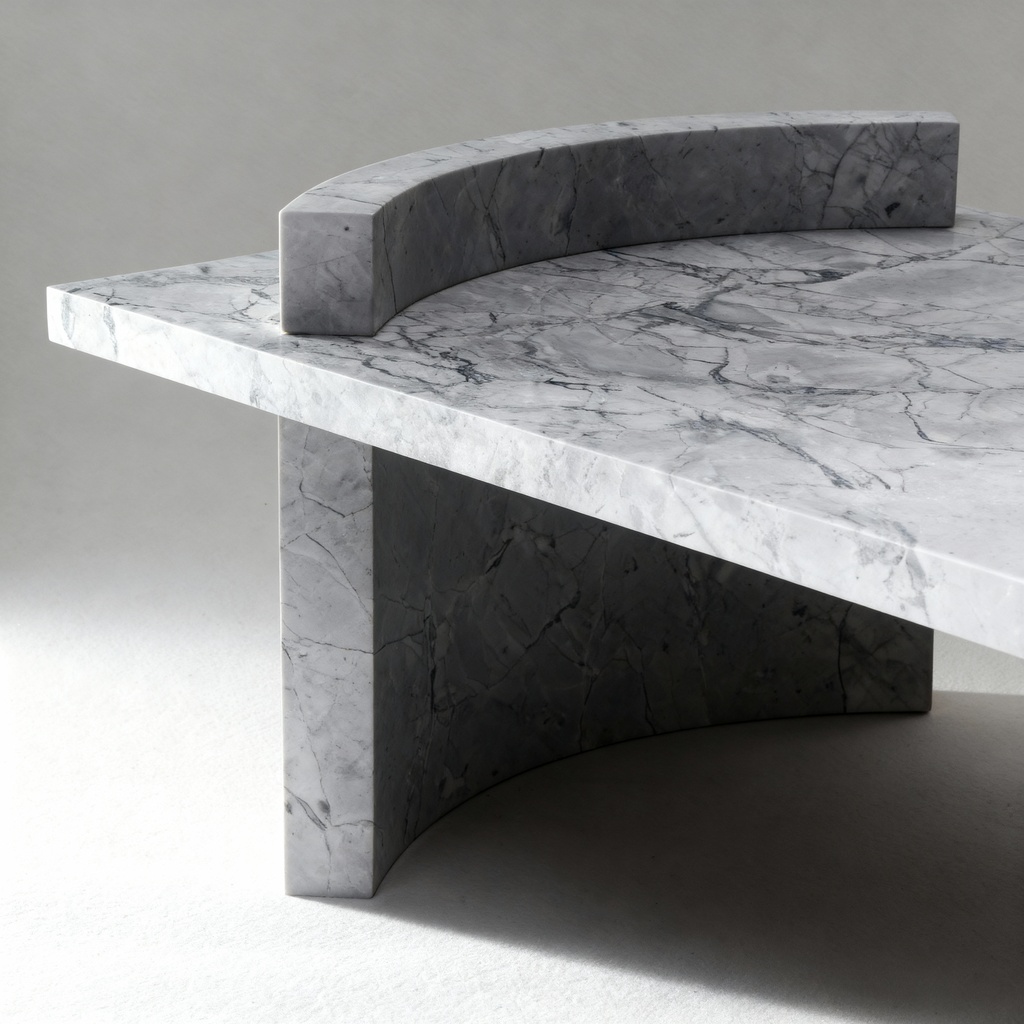
The technical particularities of my work lie in a direct, hands-on relationship with marble from its origin to its final form. I select each stone at my family’s quarry, considering color, density, and veining, and oversee its cutting and machining through a combination of precise processes. The focus is on maintaining structural integrity while allowing form — whether restrained, softened, or more architectural — to emerge from the material itself.
Trust your instincts, but remain attentive to what is technically and materially possible. Not every form that feels unique can be realized, and learning where to adapt an idea is part of the process. Understanding constraints early on allows creativity to deepen rather than disappear.
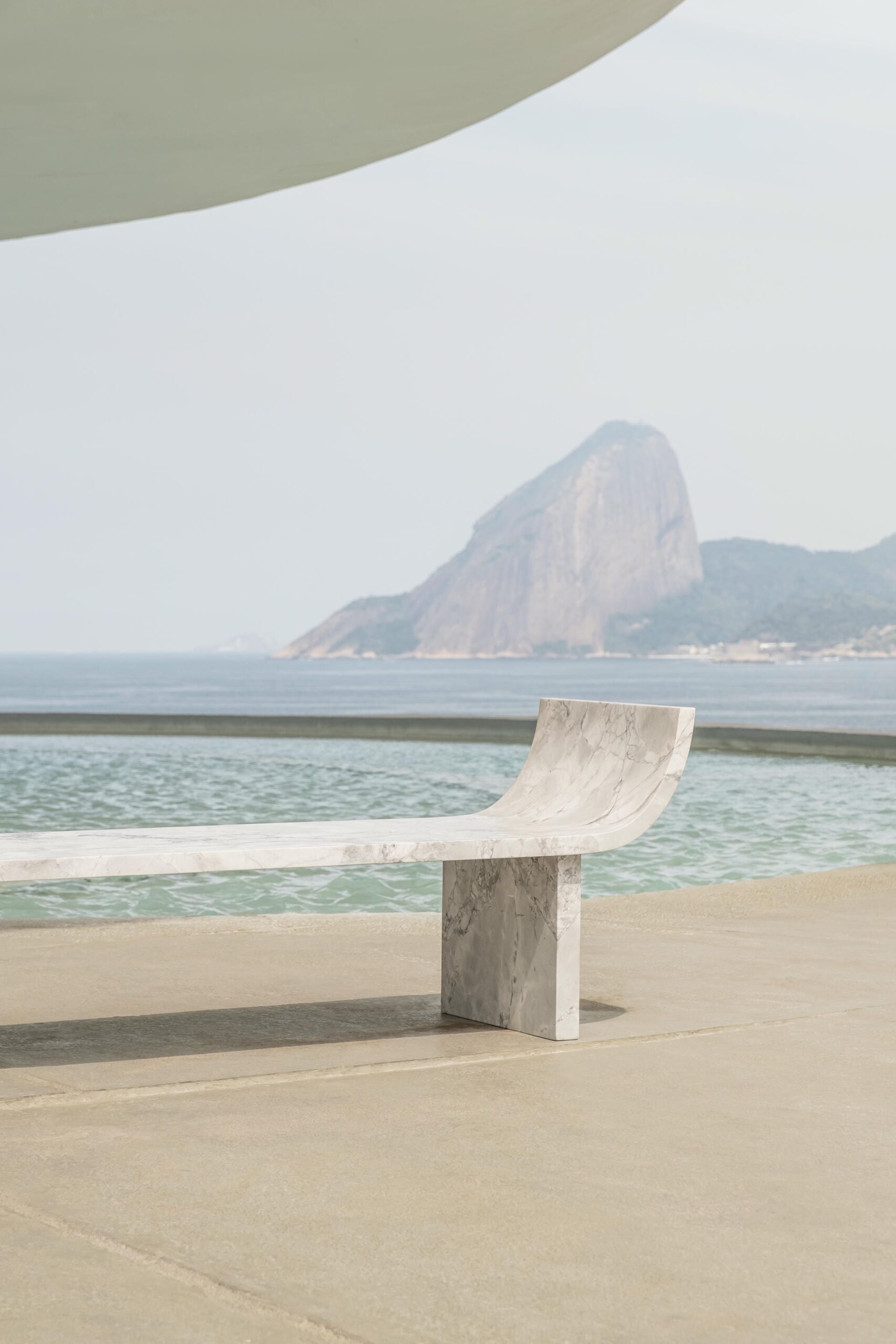
I would situate my work within a post-Brutalist and sculptural design language. I’m interested in the weight, presence, and honesty associated with Brutalism, but I intentionally soften those qualities through curvature, balance, and proportion. My pieces explore a tension between solidity and fluidity — where something that feels architectural and heavy can also feel restrained, tactile, and quietly expressive, forming a language that remains open and evolving.
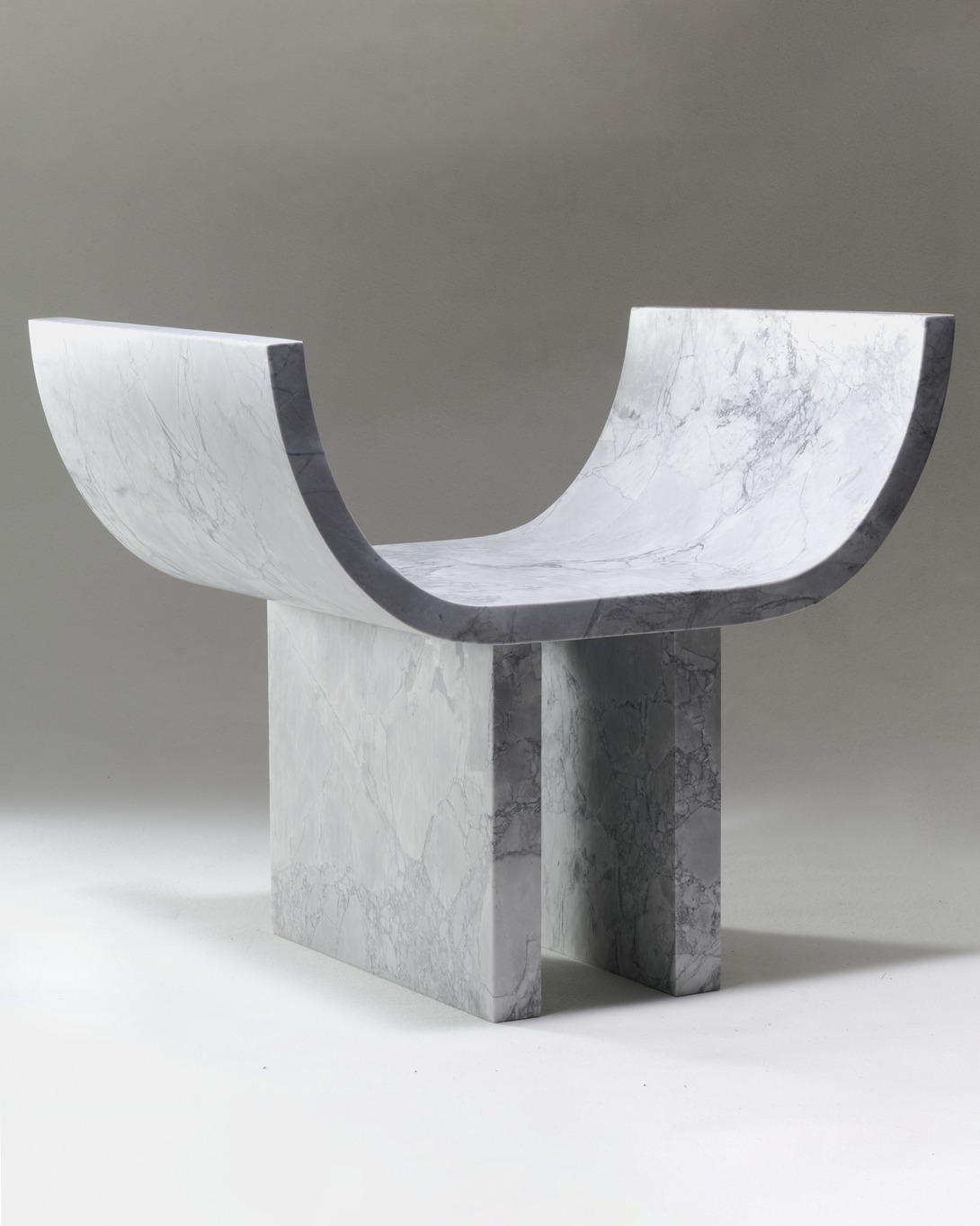
I see Atelier Dutré as a long-term practice rather than a fixed aesthetic. Future collections will continue to evolve through material exploration, scale, and proportion, allowing each body of work to respond to different questions rather than repeat a formula. I’m interested in letting the studio grow slowly, with each collection building on the last while remaining open to change.
My influences come from both design and art. Figures such as Yves Saint Laurent shaped my understanding of silhouette and restraint, while artists like Adrian Piper and Robert Morris informed how I think about objecthood and presence. In design and architecture, Isamu Noguchi, Tadao Ando, Louis Kahn, and Oscar Niemeyer have all contributed to how I approach form, space, and material.
I’m particularly drawn to the work of Lucas Tyra Morten, both for the precision of his forms and for the way he visually situates his pieces — allowing material, proportion, and atmosphere to shape how the work is perceived. I also appreciate Arielle Assouline-Lichten of Slash Objects for her exploration of material contrasts through marble, metal, wood, and steel.
I’m inspired by artists whose practices challenge fixed categories and operate from within their material or social contexts. Nikki S. Lee’s Projects series, where she immersed herself into different social environments, has deeply influenced how I think about identity, context, and authorship. I’m also inspired by Marina Abramović, particularly her focus on presence, endurance, and the body as both medium and structure — ideas that resonate with my interest in weight, restraint, and material honesty.
Soft monumentality.
“Working with marble feels less like a choice and more like a natural continuation of that familiarity.”
The Questions
(The Proust Questionnaire is a set of questions answered by the French writer Marcel Proust.
Other historical figures who have answered confession albums are Oscar Wilde,
Karl Marx, Arthur Conan Doyle, Stéphane Mallarmé, Paul Cézanne…)
Being surrounded by people I love.
To die.
I think too much.
People who speak too loudly.
My father, without a question.
Traveling often to different countries to see friends and art.
Curious about the future.
Perfectionism.
Integrity.
Independence.
“Gente!”
Effortless decisiveness.
Restlessness.
Establishing my first collection for Atelier Dutré.
A piece of stone ha!
In the countryside of Scandinavia.
My sense of belonging across places.
Stagnation.
Spending time between places.
Presence.
To accept me.
Michael Fried, Lucy Lippard, Vince Aletti.
Severus Snape.
Isamu Noguchi.
My parents.
Pietra, Henrique, and Louise.
Arrogance.
Not setting boundaries sooner.
Without anticipating it.
Aim high, stay grounded.
“Understanding constraints early on allows creativity to deepen rather than disappear.”
SHARE :