Julie Hillman
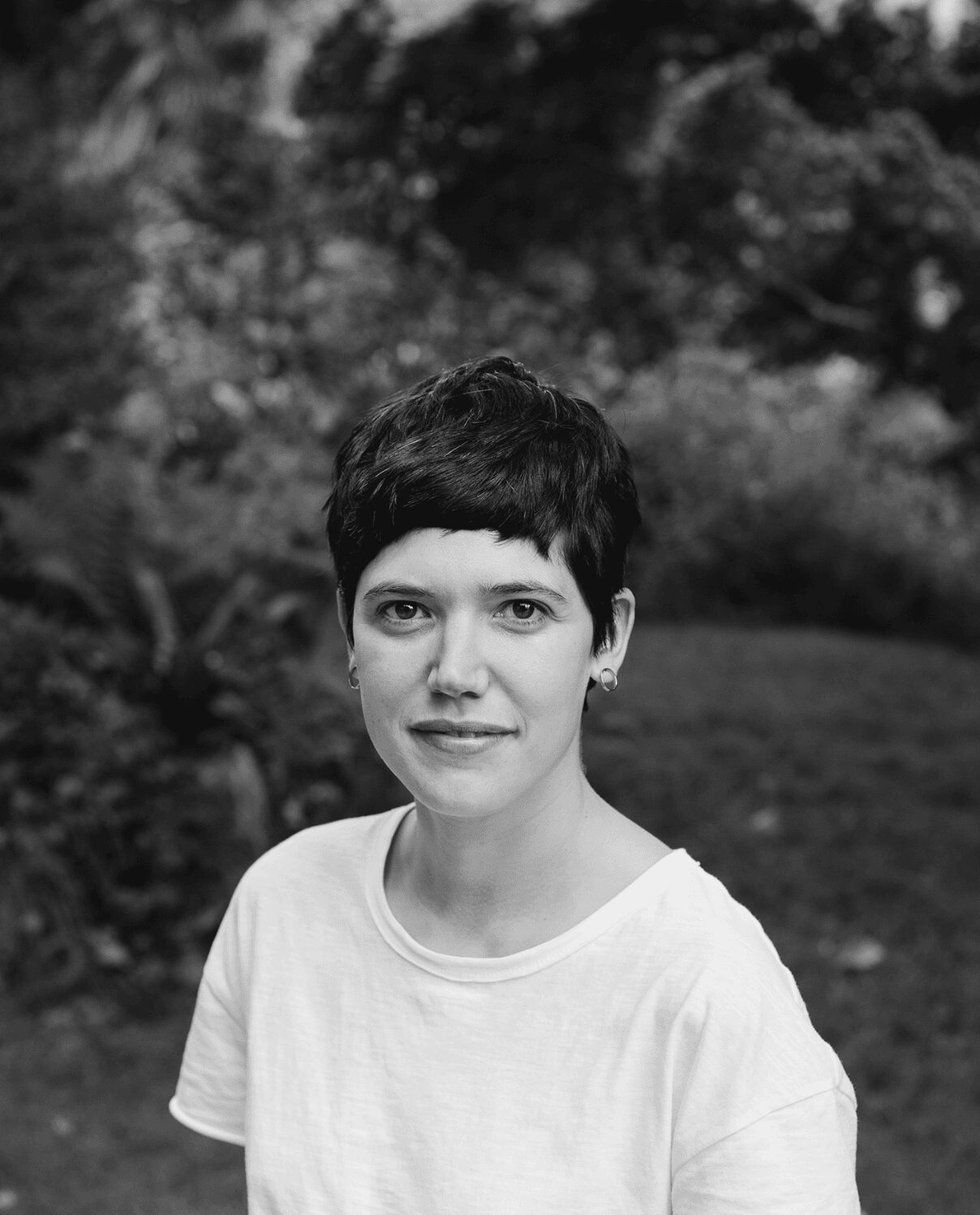
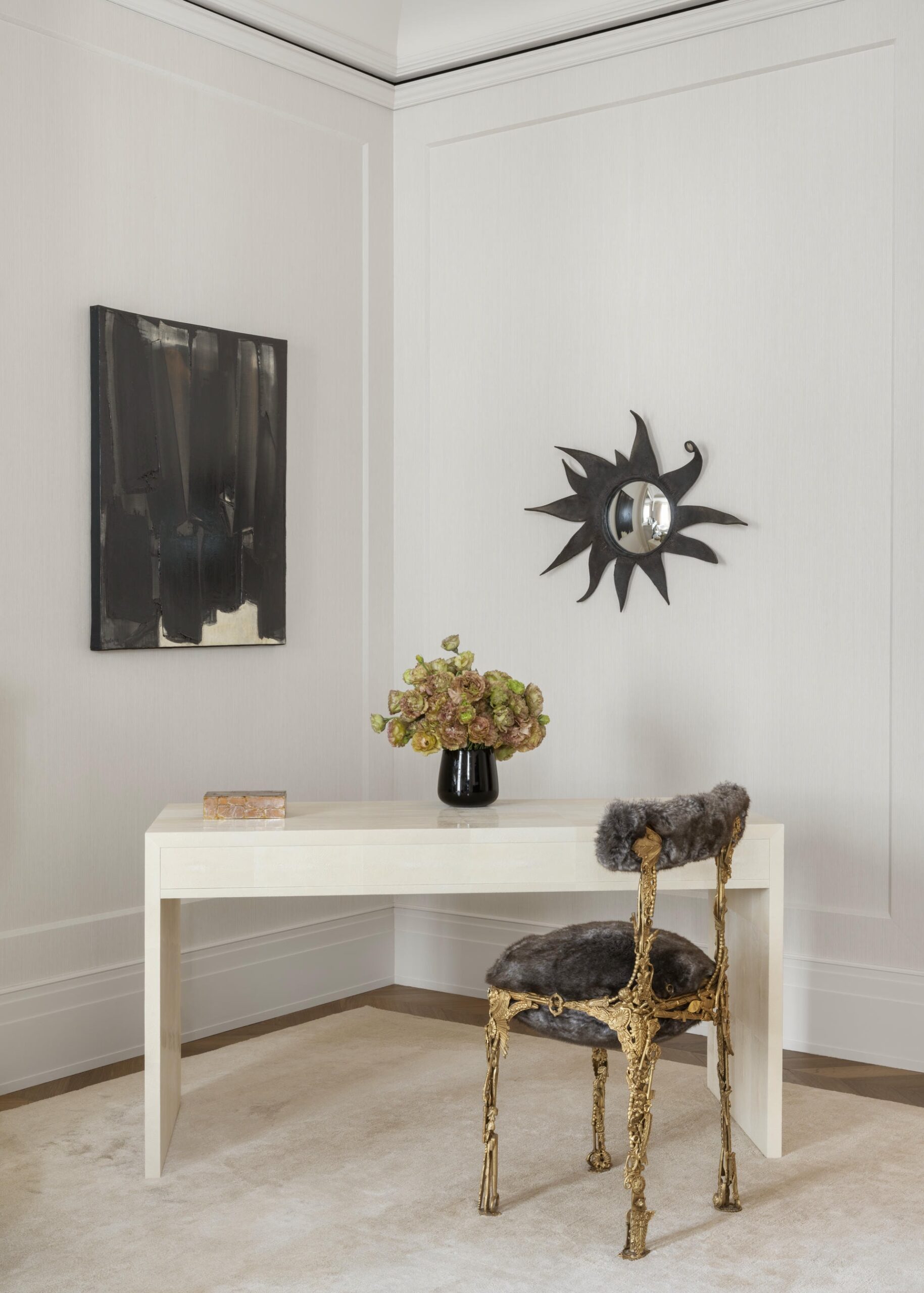
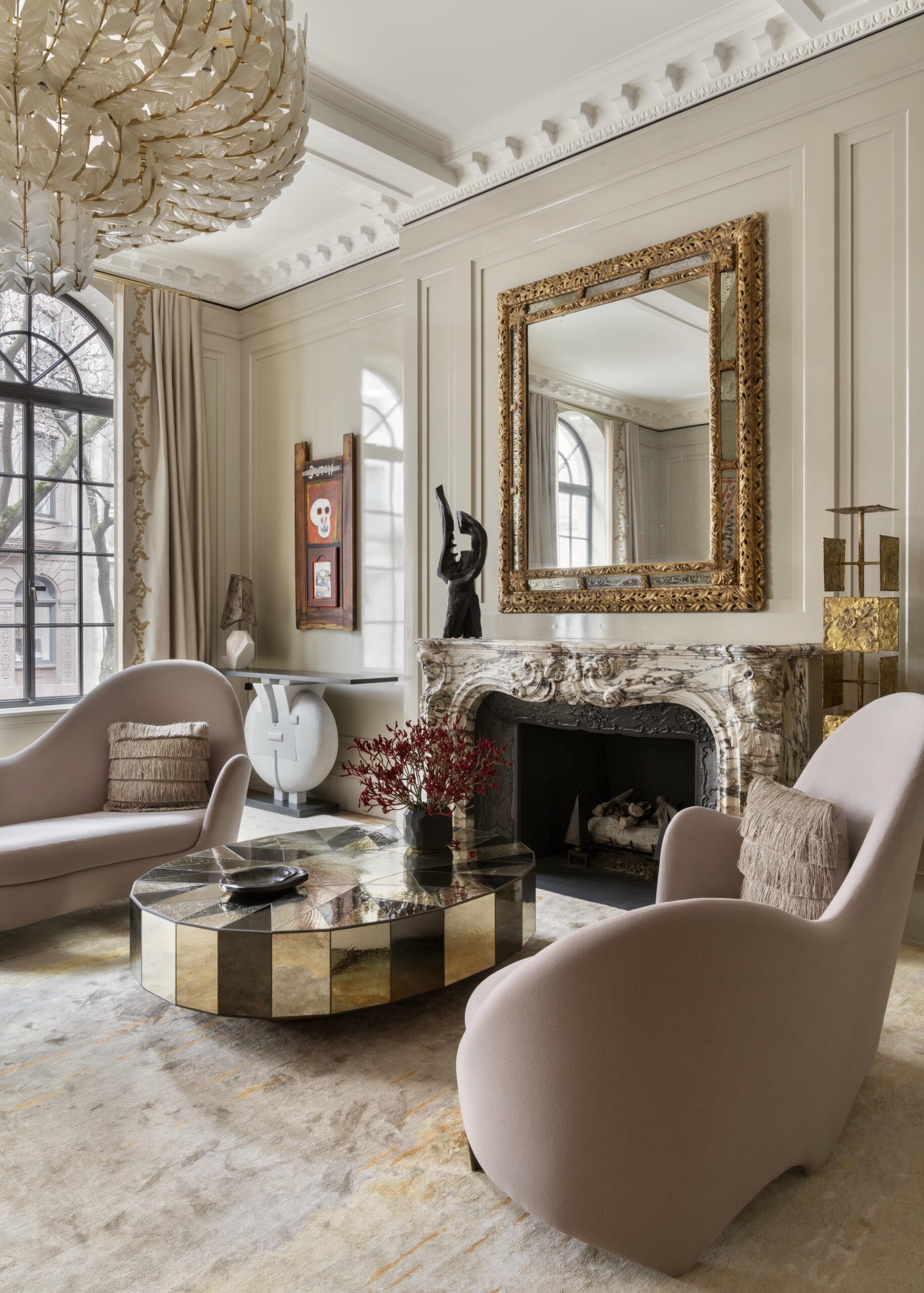
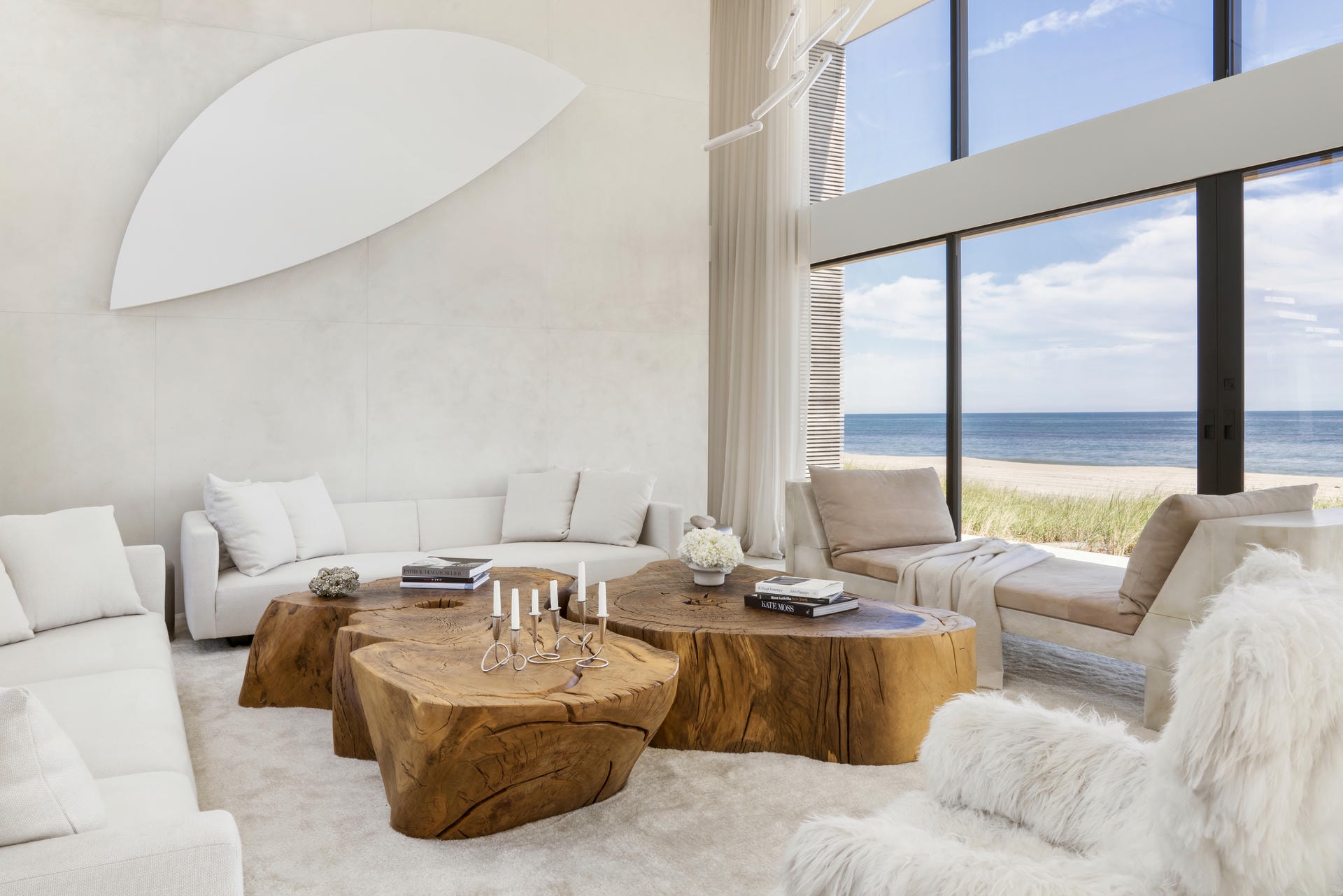
Julie Hillman is a New York–based interior designer known for her nuanced approach to residential spaces, where collectible design plays a central role. Her work is defined by a precise sense of balance, bringing together furniture, artworks, and materials in compositions that feel both considered and instinctive, with an emphasis on individuality and quiet sophistication.
Rather than adhering to a fixed aesthetic, Hillman approaches each project as a unique narrative, shaped through close collaboration with artisans, designers, and clients. The resulting interiors are layered yet restrained, where individual pieces retain their presence while contributing to a cohesive whole. Drawing on a wide range of references—from historical to contemporary—her work reflects a refined and deeply personal sensibility. Her projects have been widely published internationally, and she has been consistently included in Architectural Digest’s AD100 list.
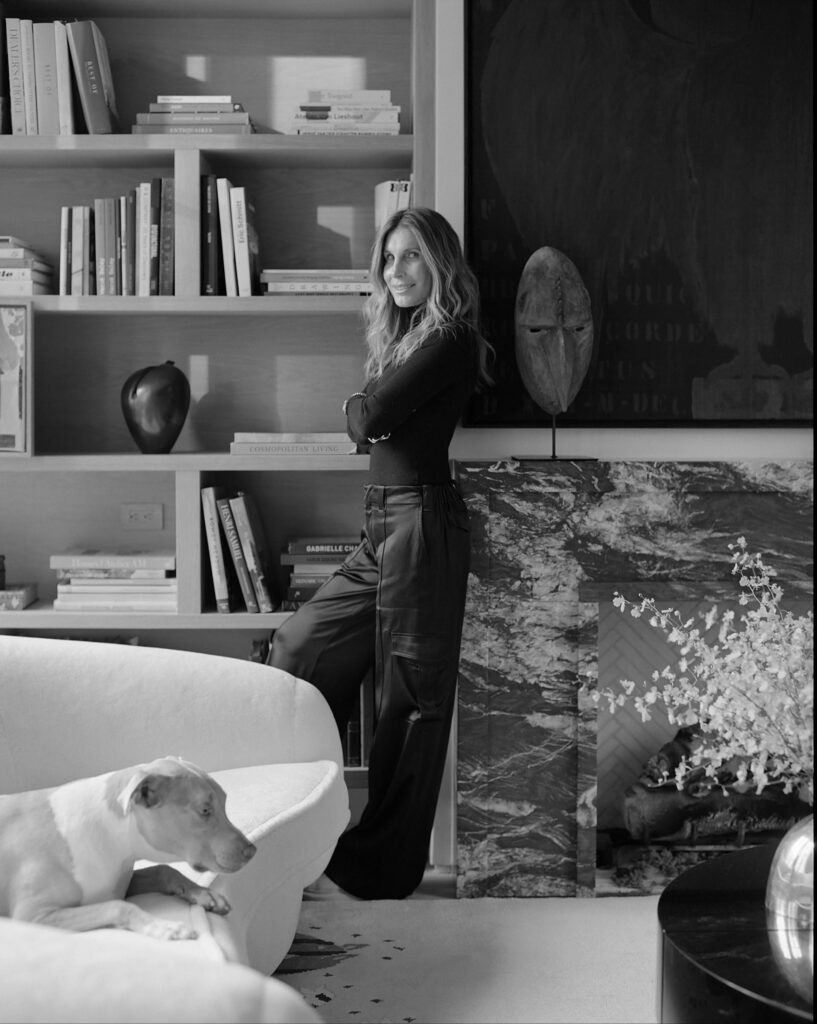
“When a home isn’t driven by trends but by intuition and nuance, it develops depth.”
INTERVIEW
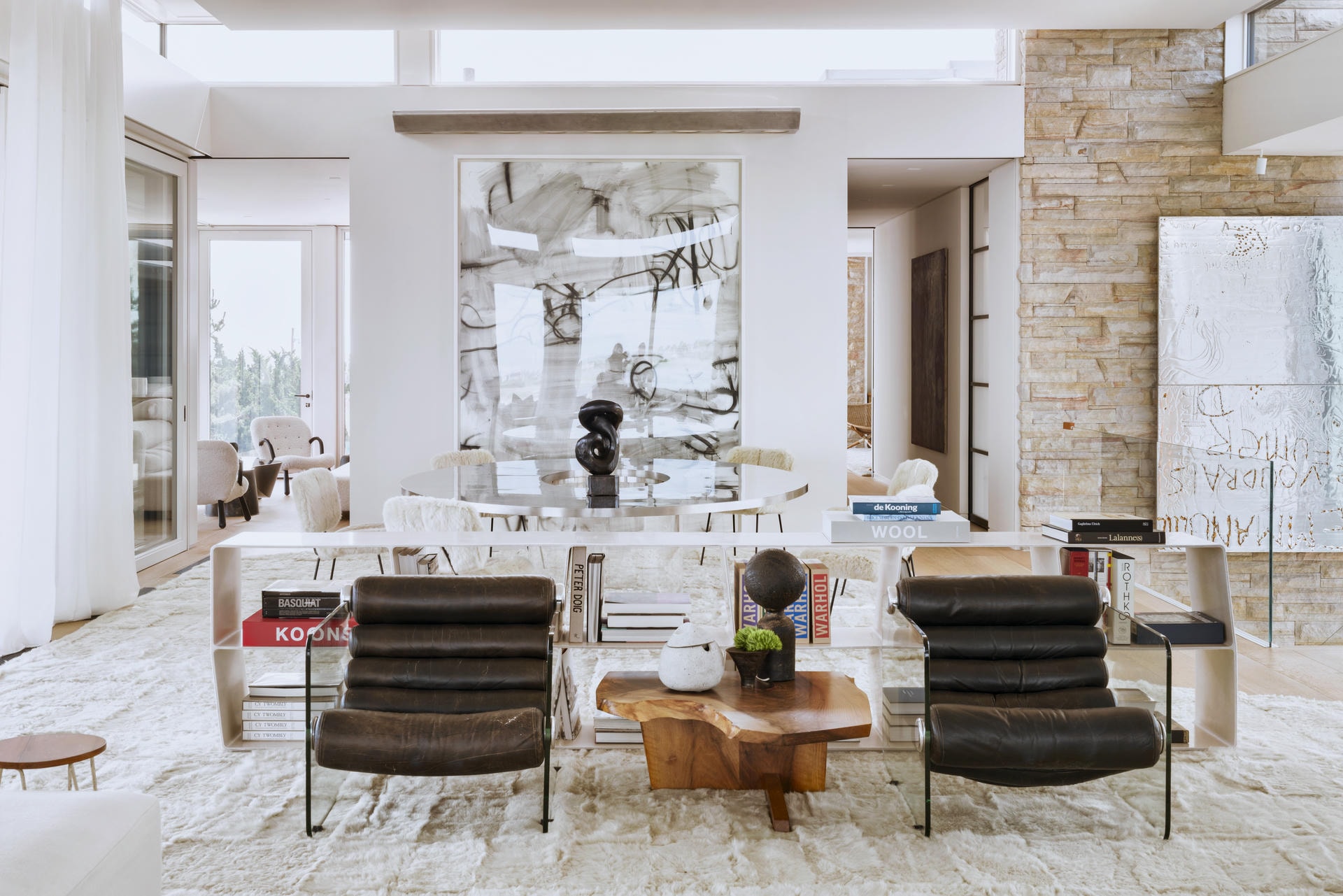
I’ve never been interested in having a fixed signature. I’m drawn to discovery: new artisans, unexpected materials, and pieces that feel soulful rather than predetermined. Staying open and curious keeps the process deeply personal for me, and it allows each project to feel authentic to both the client and to where I am creatively in that moment.
I began my career in fashion, studying at Parsons School of Design and spending eight years designing women’s wear in NYC. After having my two children, I took time away from work. During that period, my husband and I took on what felt like a wildly ambitious project: buying land in East Hampton, where we could build a home from the ground up.
I became completely immersed in every detail of the process—from floor plans to windows and door hardware—and discovered how much I loved it. We furnished the house slowly, sourcing pieces from flea markets and small auction houses, and I even made my own drapery. When a fellow preschool parent saw the finished home and asked me to redesign his house, it marked the beginning of my career in interior design.
There were two moments that really stood out. Seeing my first project published in Interior Design magazine was incredibly affirming, and being recognized for the first time in the AD 100 in 2019 felt like a turning point.
Both reinforced that the work I was doing was resonating and being taken seriously.
The goal is to create an environment that is timeless and feels singular — a composition of objects, materials, and details that can’t be easily replicated or immediately identified.
When a home isn’t driven by trends but by intuition and nuance, it develops depth, and it’s often the subtle, considered details that give a room its soul.
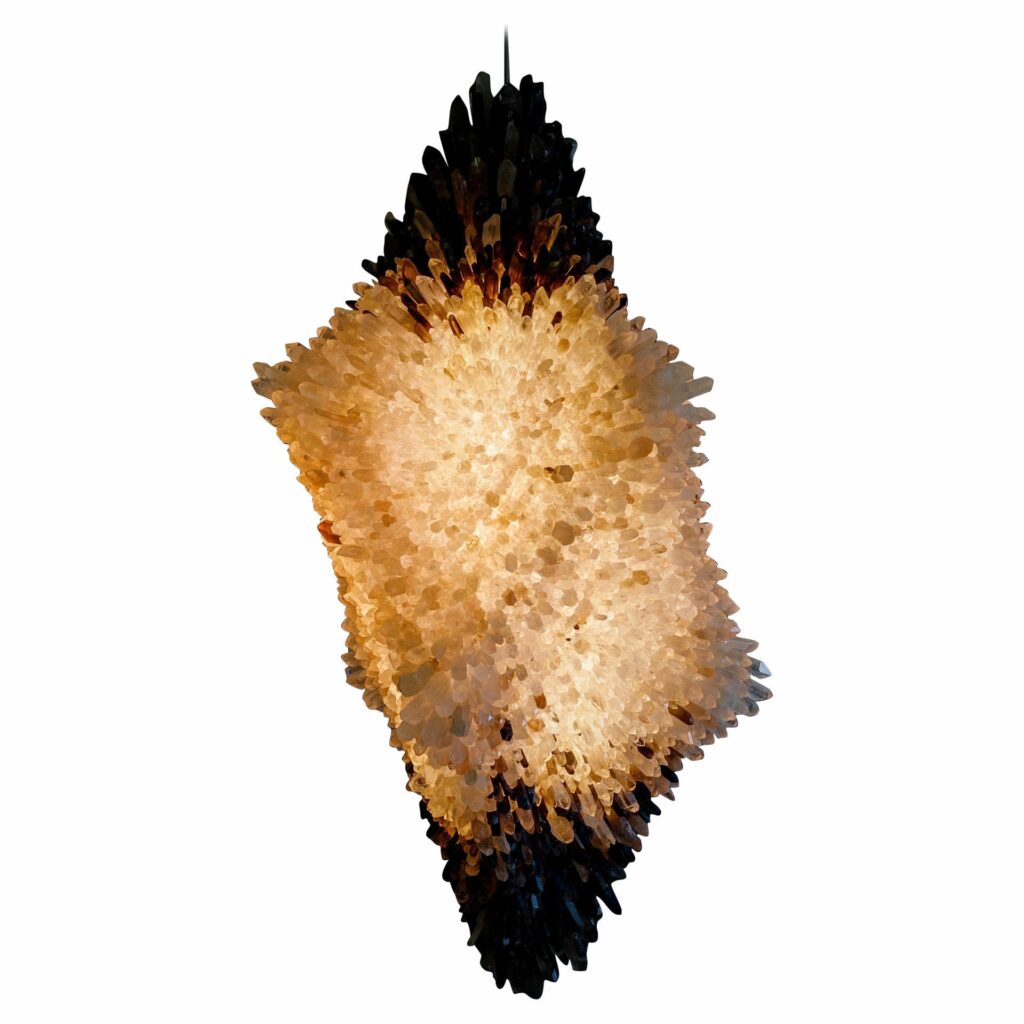
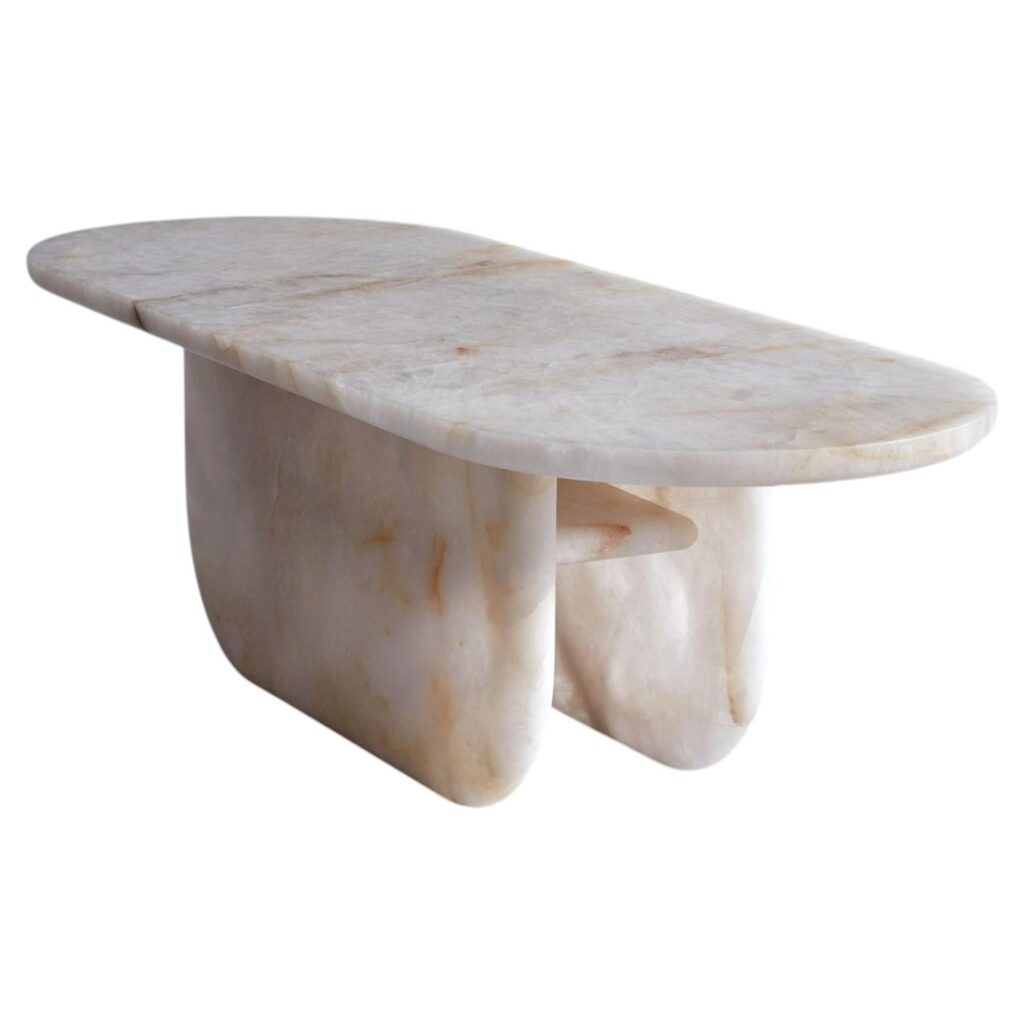
I always begin by getting to know my client — understanding how they currently live in their home. From there, I develop furniture layouts and mood boards as a way to explore ideas, set an emotional direction, and open a dialogue about how they could live in their new home. It’s a collaborative process that allows new experiences and conversations to emerge before anything is finalized.
I’m really fond of a recent Aspen project that we installed in December. Designing a home in Aspen with huge glass windows allows for there to be an element of whimsy by trying to find ways to bring the outside and inside together.
Focus on proportions, don’t overcrowd a space, and make sure to scale your furniture to the size of the room.
The best advice I’ve received is that it’s easy to overthink, to second-guess a decision or dilute an idea in the name of safety, but the strongest work comes from clarity and conviction.
Travel when you can, study art and architecture, visit flea markets and galleries, and look beyond interiors for inspiration.
Collaborate with artisans, makers, and craftspeople. Those relationships will shape your work as much as any design reference.
Not measuring an item for an install, and only realizing once on site that it was not the right proportion.
Business of Home podcast.
Grand Tourist with Dan Rubenstein.
I am thrilled to announce that we are publishing a book on the work of my father, Don Bronstein. He was a prolific photographer in the 1950s and 1960s Chicago jazz scene, shooting and designing over 500 covers for the iconic Chess Records, as well as being the first staff photographer for Playboy magazine. His work is so important to me and has never been seen by the public, as he died when I was very young. I am so excited to share it this spring.
Thank you so much Julie, for this lovely interview!
Share article :