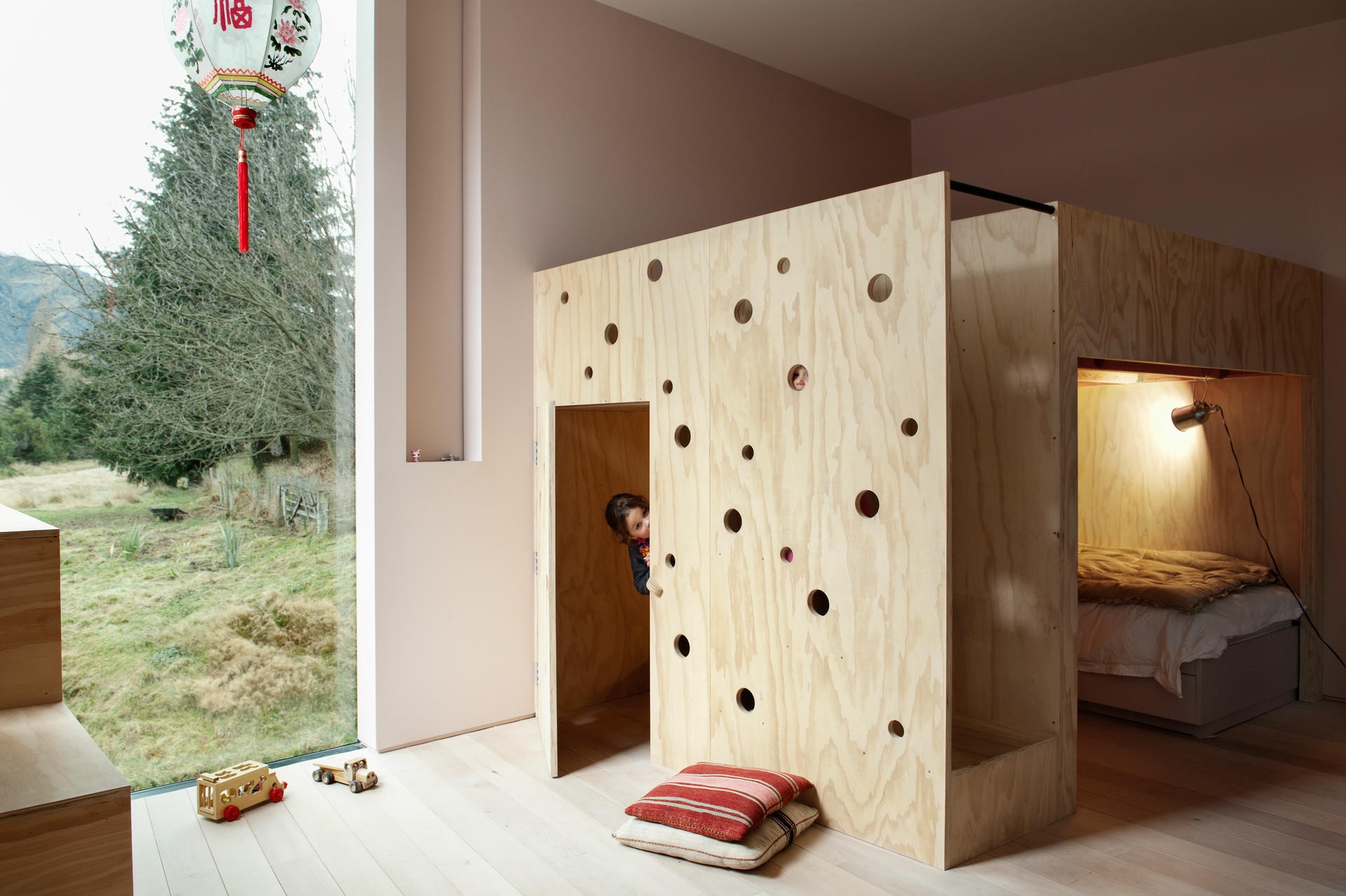
Bergendy Cooke
Bergendy Cooke is a New Zealand architect based in Barcelona, working internationally across residential, hospitality, and commercial projects. Born in Christchurch, she graduated with a Bachelor of Architecture with Honours from the University of Auckland in 1994. Her career has taken her from New Zealand to London and New York, where she worked with internationally renowned practices including Zaha Hadid Architects, Adjaye Associates, and Peter Marino Architects. In 2007, she established Studio Bergendy Cooke in New Zealand, developing projects across residential and hospitality architecture. Since returning to Barcelona in 2014, she has continued to work internationally, with projects spanning New Zealand, Europe, and Morocco.
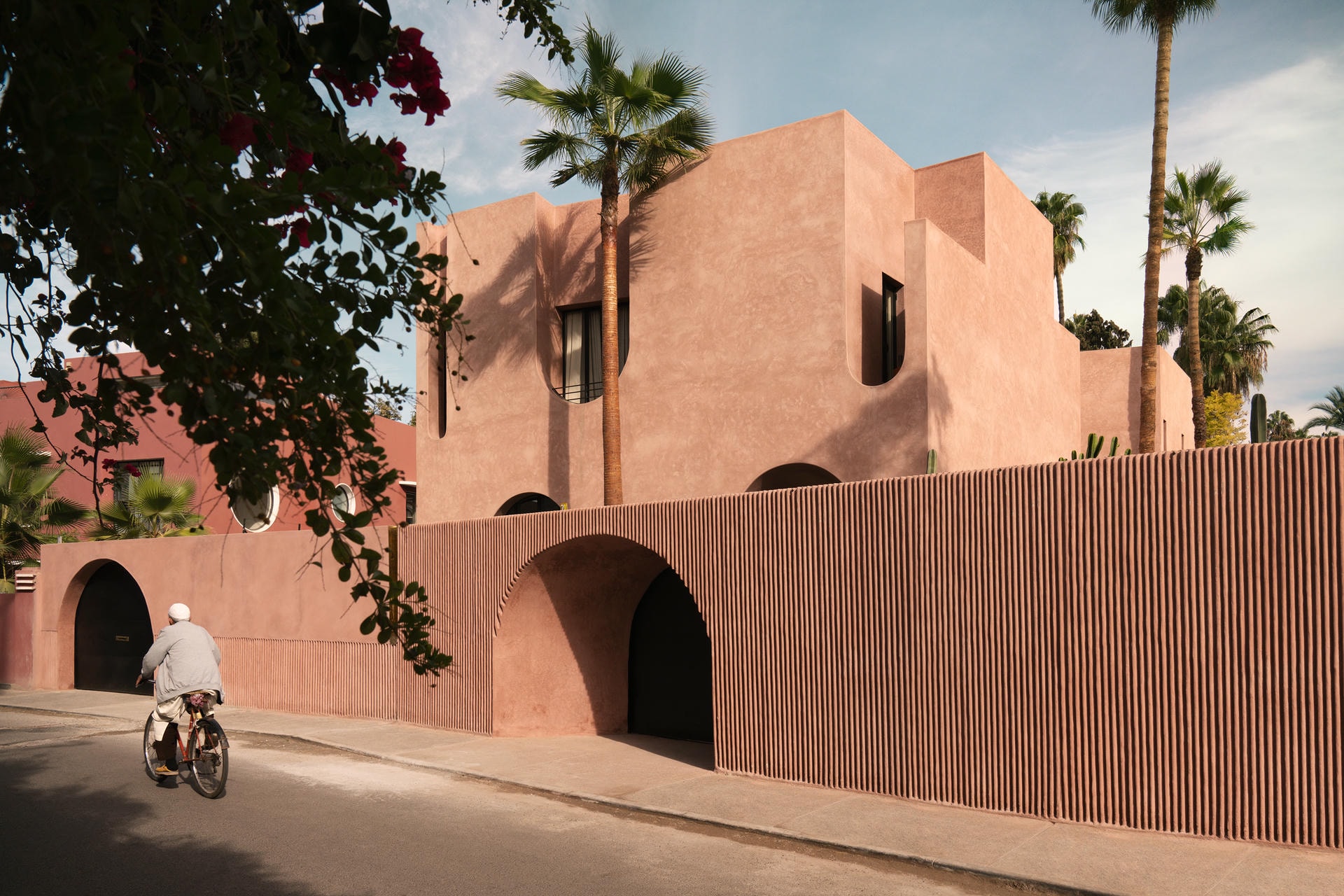
Her work has received international recognition, particularly for Maison Brummell in Marrakech, which won Dezeen’s Hospitality Project of the Year in 2024 and Archello’s Hotel Building of the Year in 2023. The project also received an Architizer A+Award in the Hotels and Resorts category in 2024 and was nominated for the Aga Khan Award for Architecture in 2025. Her residential work has also been recognised with a HOME of the Year award in New Zealand in 2021. Cooke’s projects have appeared in numerous architectural publications, including Taschen’s Homes for Our Time 2 and Contemporary Morocco.
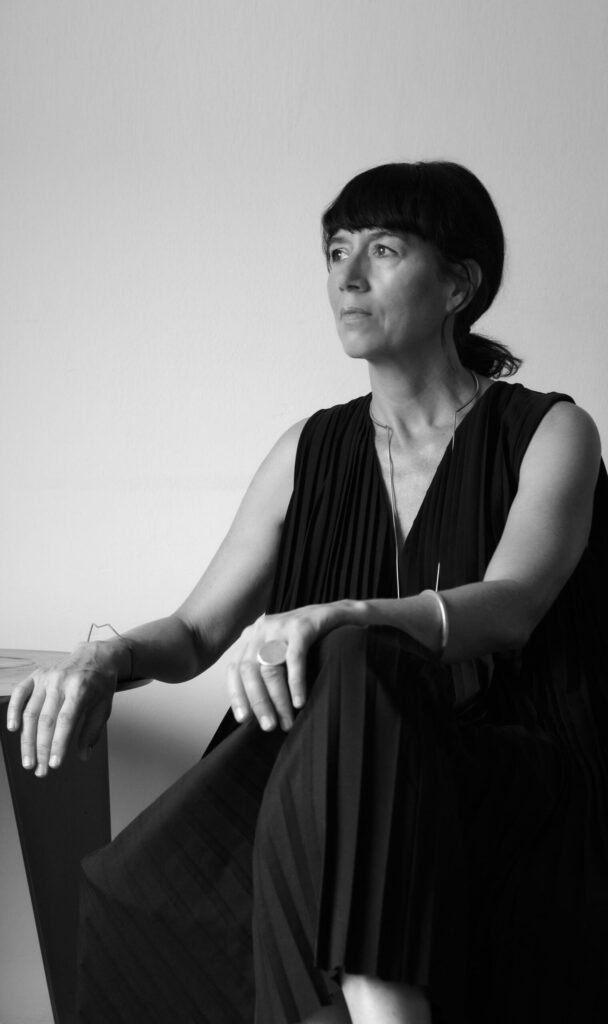
“Great architecture should elevate and challenge our spatial and tactile experiences”
INTERVIEW

© Simon Devit
Homes are obviously very personal, and working with clients is a very intimate experience. Sometimes it feels like a therapy of some sort because people really have to think about the way they would like to live and what aspects of a home they value most. Many of us never have the chance to build a new home, so it is a wonderful and sometimes testing experience for any relationship. My skill is to guide with a reassuring hand and inspire, making it a memorable process with an impressive result. ☺
Looking back, it seems that it began at an early age. I was always interested in buildings and clearly recall those that made an impression. I built houses, although small in scale, from a young age too, creating homes for our pet mice from clay, as my father made ceramics at home. I even themed them; some featured Doric columns, others included internal ramps.
I loved wooden building blocks and spent hours creating with them, and LEGO was also my first exercise in building to plan.
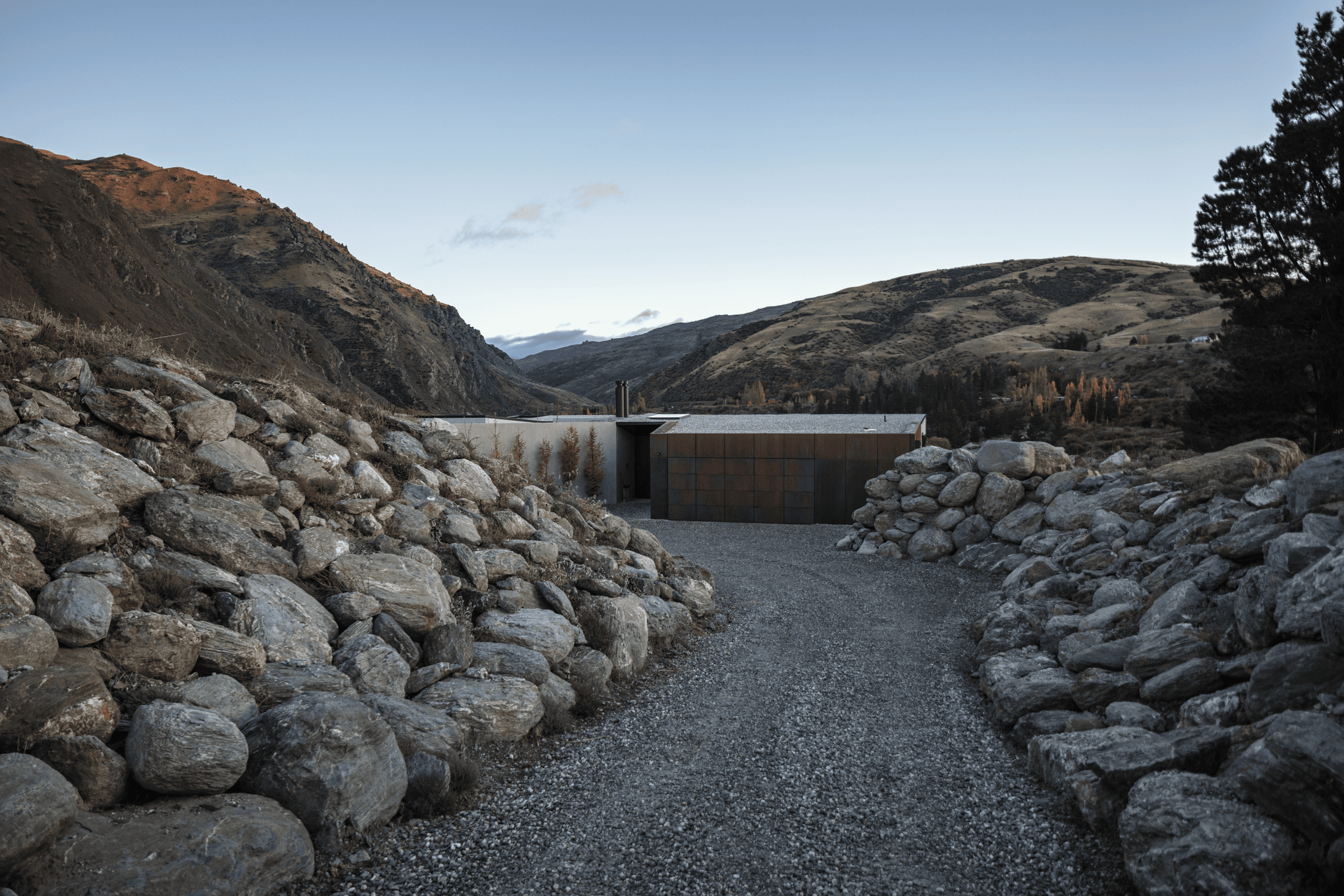
All of my projects are inspired by the site, whether the context is natural, historic, or both. A client’s brief is obviously a defining factor, dictating scale as well as the specific needs and desires of the client. This is the interplay.
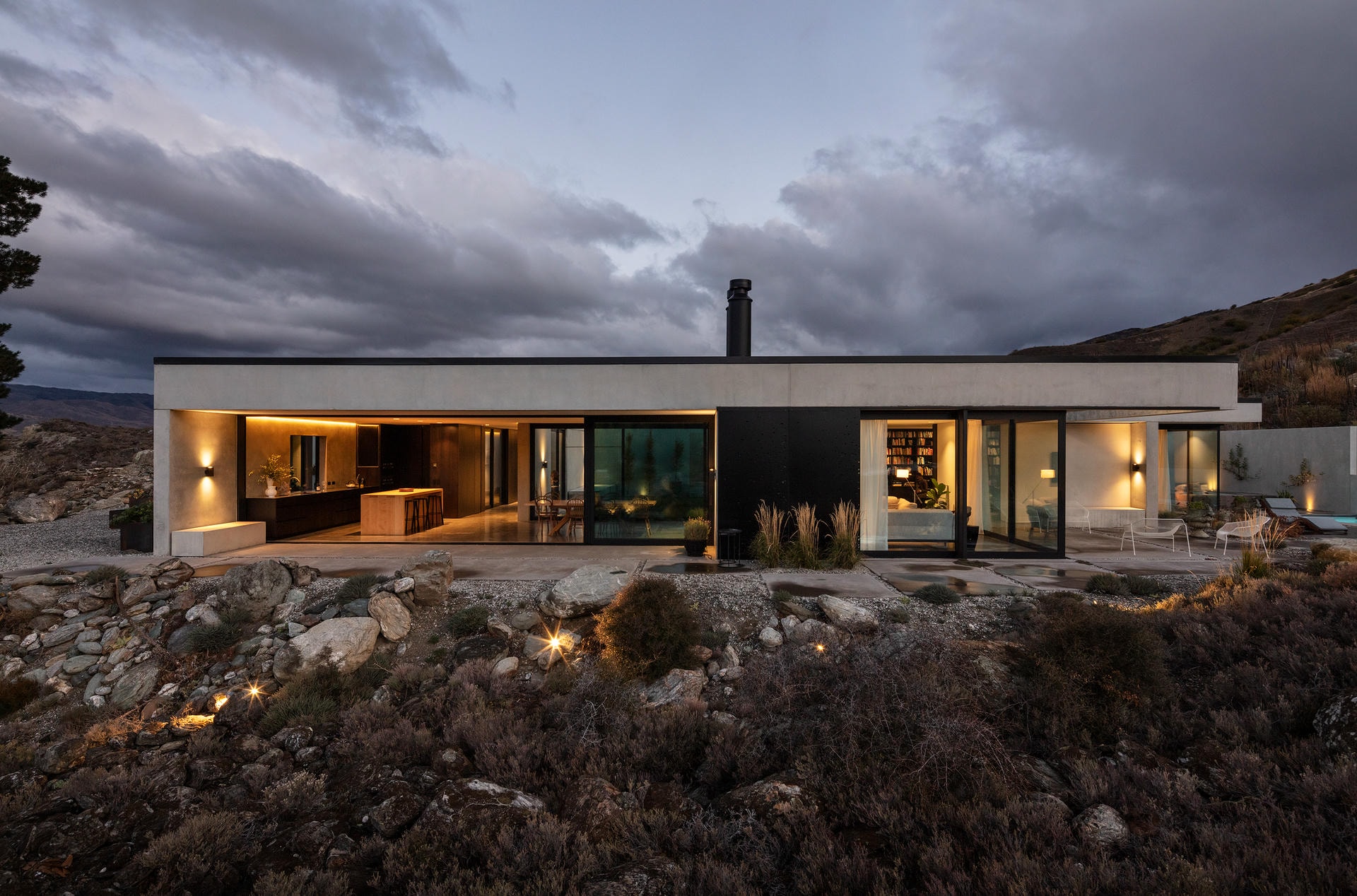
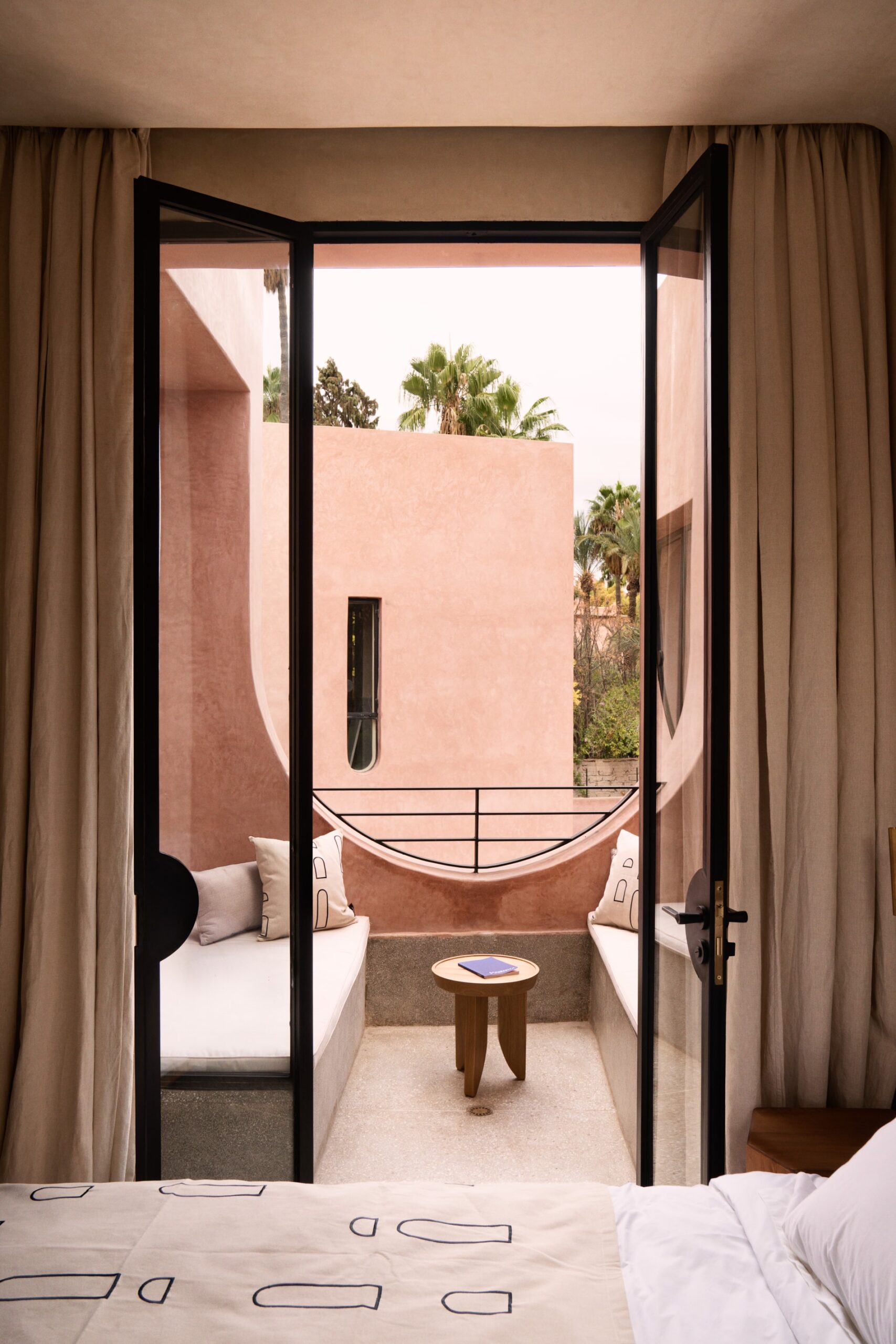
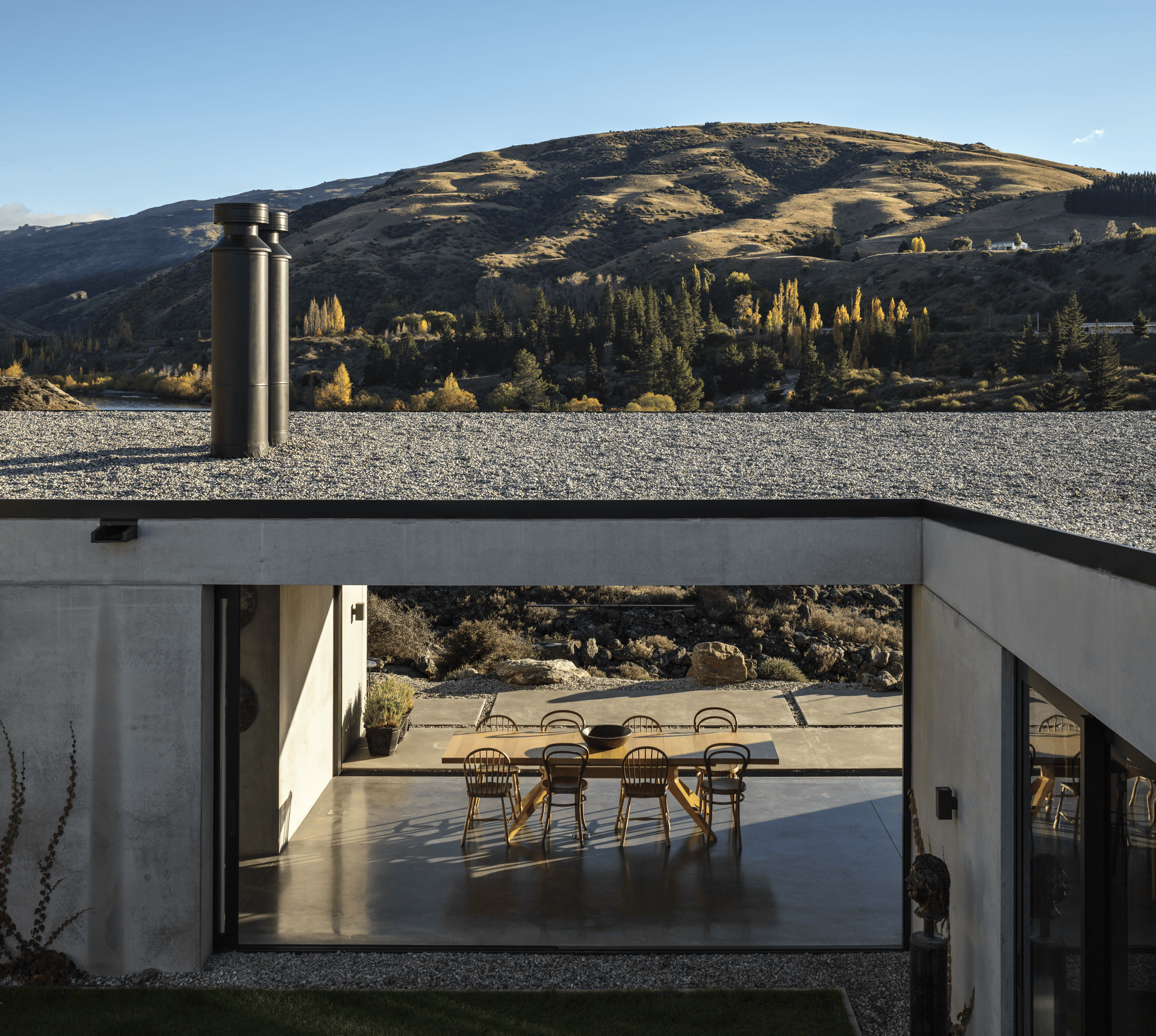
I would never want to define any ‘style’, but rather a language or philosophy. I am definitely influenced by sculpture, and I tend to view buildings in some ways like this. I love to consider how the removal of space creates experiences in both the interior and exterior. By careful reduction or subtraction of mass, the spaces created should offer both dynamic spatial experiences and intimate ones. Consideration of how light can help create another sensory layer to a project is also crucial. This is reflected in the choice of openings, dictated both by how light is brought into the interior and by how they can frame views, specifically in nature. Negative and positive voids are key drivers.
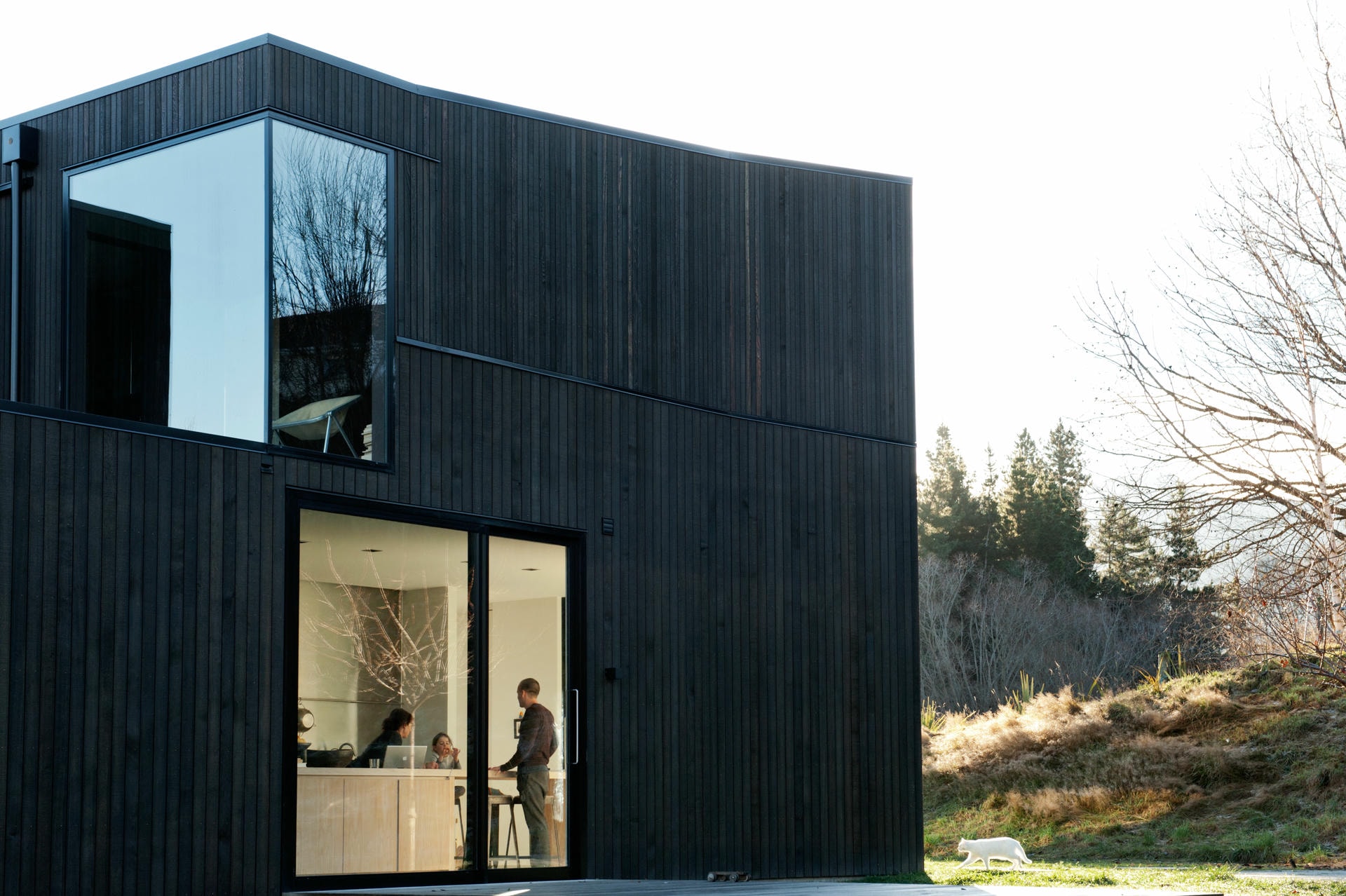
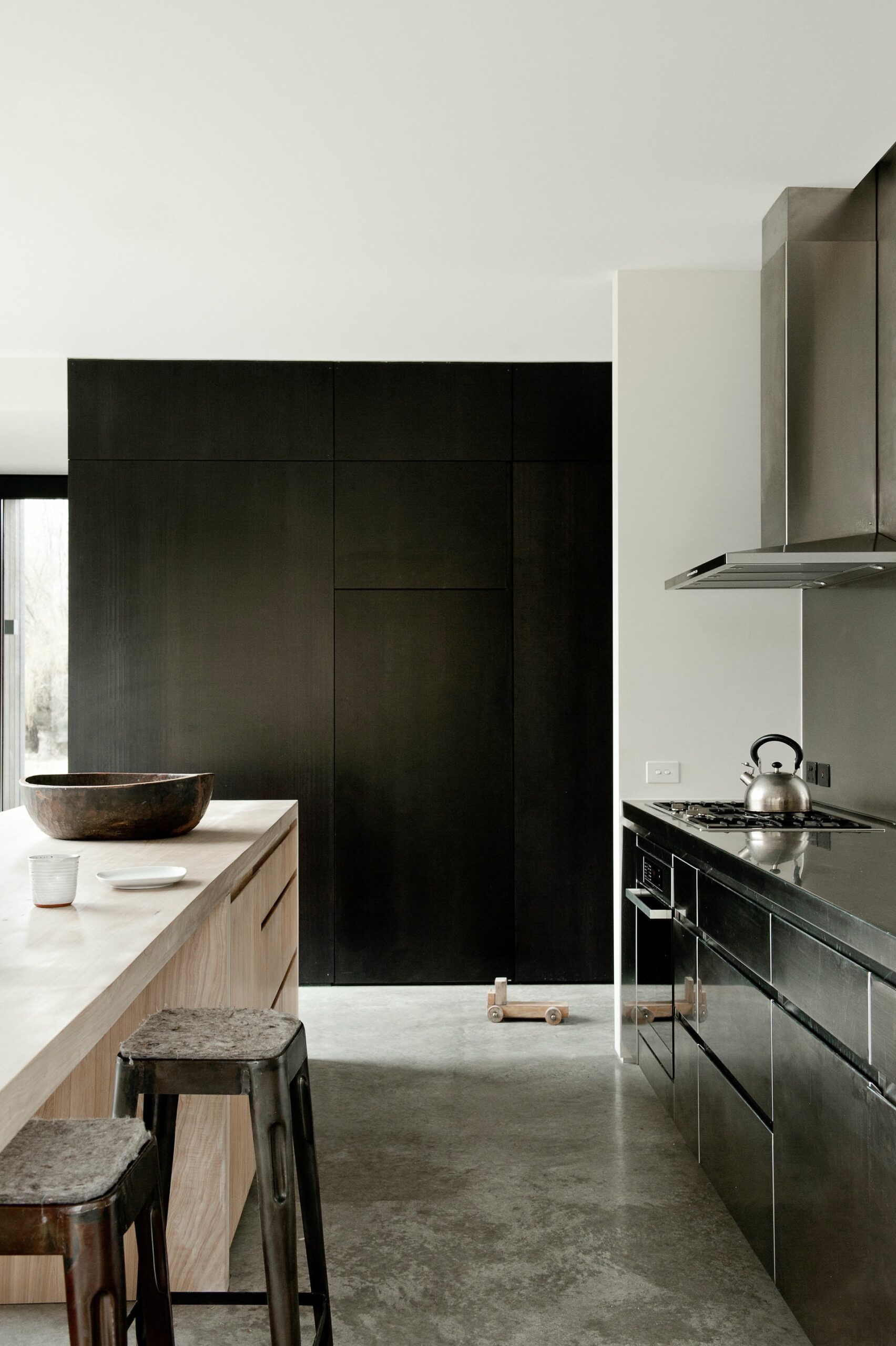
The material aspect of my projects is another element adding richness to a project, with the prerequisite for the selection of materials being that they must have integrity and improve with age.
In a natural context, how the building engages with the elements and how it can frame those beyond is also something that I value when creating architecture.
Materiality is key to my projects, and this is relevant to the context/site. Whether I am working in Morocco, Europe, or New Zealand, each place has a unique offering or history of what it does best, and typically for good reason.
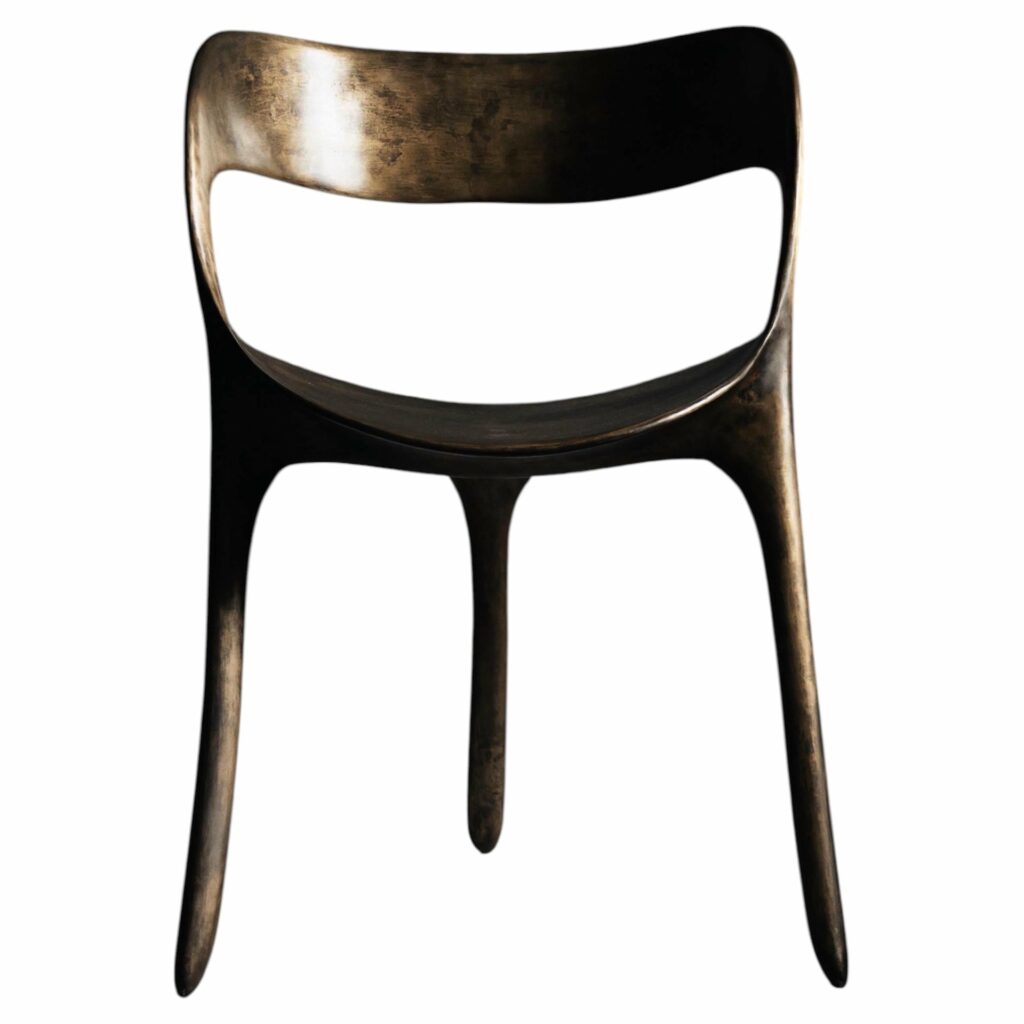
Working in a country like Morocco, which has a rich architectural history and an incredible resource of artisans, I specifically set out to harness these skills, showcasing this talent and paying homage to timeless construction traditions.
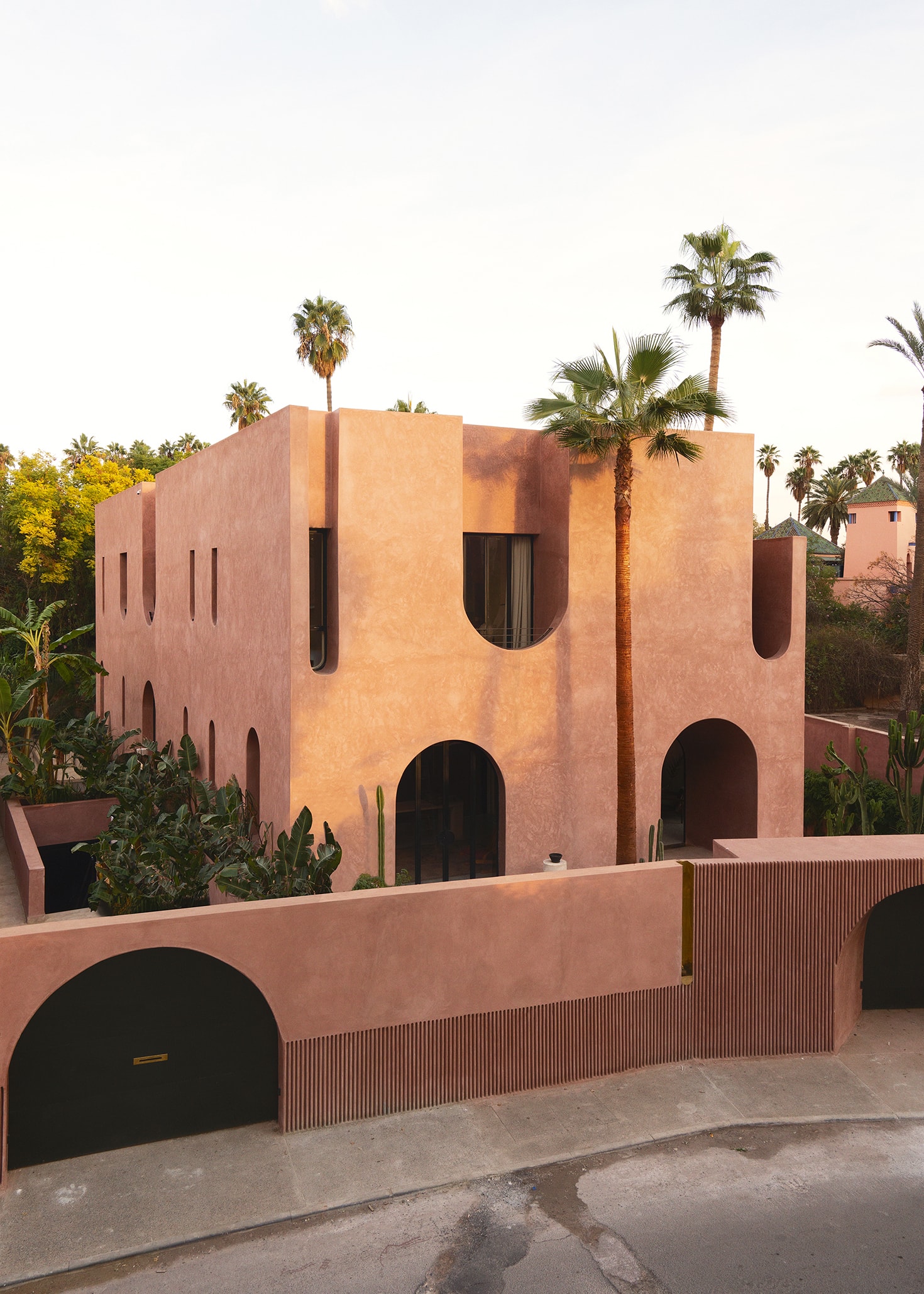
One project that really did change my perspective was Maison Brummell in Marrakech, Morocco. Being from NZ, the opportunity to work in a country that was perhaps one of the most exotic places I had visited was a gift that I will always treasure.
When I look at that building, I think of all the hardworking hands that created it, from the men who lived on site and made beds within the rooms as the walls formed around them, to the artisans found in the depths of the Medina who made the furniture I designed. It is a project that was truly inspired by its context and built in a way that was entirely local: a contemporary interpretation of the local vernacular.

© Simon Devit
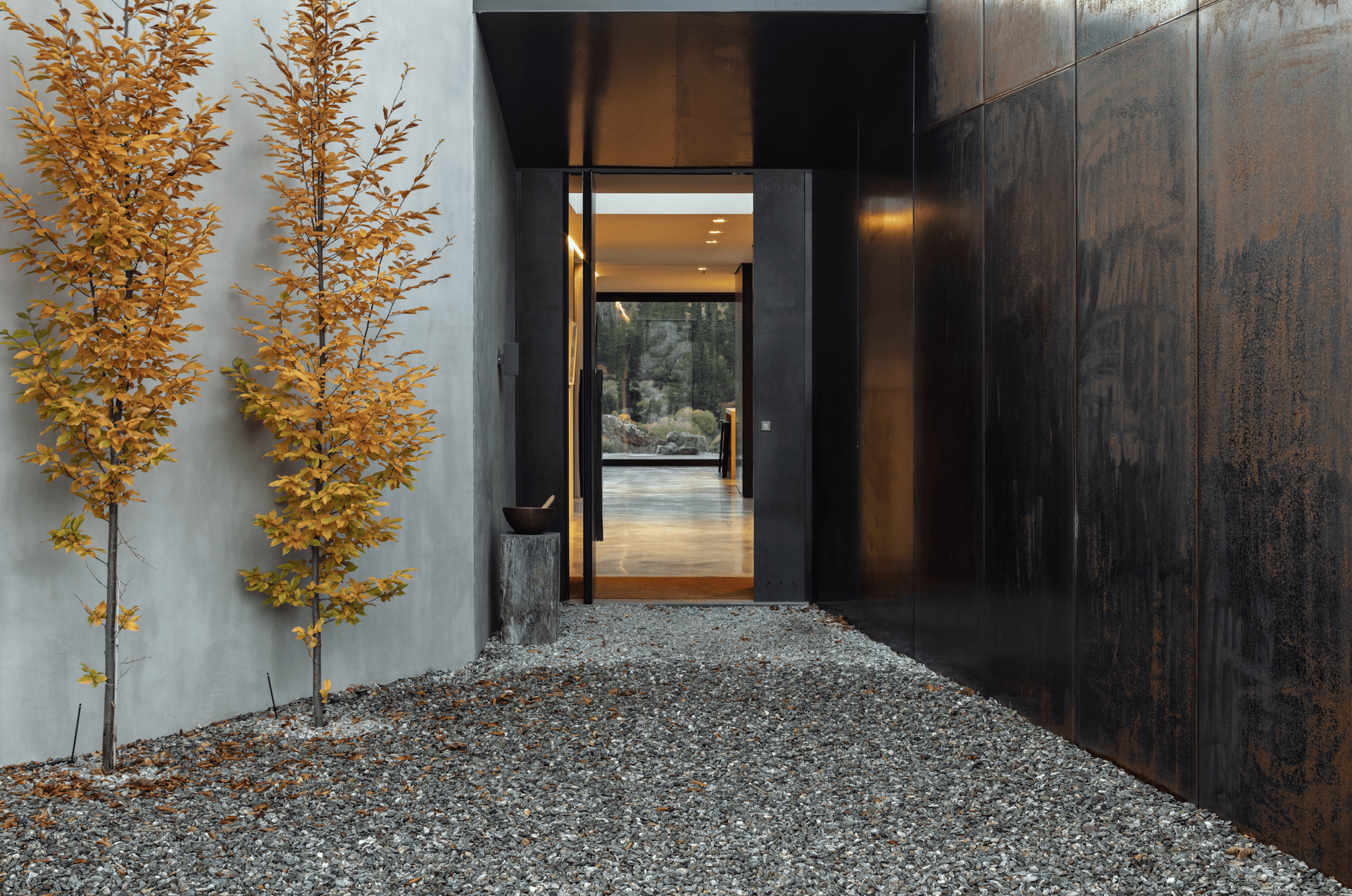

© Emily Andrews
Impossible, it depends on the focus and location:
- Louis Kahn: Salk Institute & National Parliament of Bangladesh, for the honesty of materials, as well as for creating an architectural language that pays tribute to the purpose of the buildings.
- Carlo Scarpa, for his details and drawings: Olivetti Store, Fondazione Querini Stampalia, Venice, Brion Tomb, San Vito d’Altivole, Italy…and all the rest.
- Álvaro Siza’s Portuguese National Pavilion for Expo ’98, for its refined solution.
- Adalberto Libera’s Casa Malaparte, for its location in nature.
- Peter Zumthor’s Vals Therme, for housing light and nature and being built from its geological context.
- Zaha Hadid’s visionary architecture, especially her early work: Vitra Fire Station.
- The work of SANAA, which takes lightness to a new ethereal level.
- The Pantheon in Rome, for a lifetime achievement award.
The stuff that no one educates you on: Writing contracts, general administration, and how to promote yourself.
I take inspiration from all creative fields. Travel is the ultimate luxury for inspiration, understanding cultures and their history, and seeing it translated into built form. To recharge both physically and mentally, I need to be in nature.
Reduce and refine. Be inspired by context and history, as these are what make a project unique.
Handmade authenticity.
You need to be passionate, driven and be clear as to what area of architecture interests you.

© Emily Andrews
Thank you so much Bergendy, for this lovely interview!
Share article :