
Bobby Berk
Bobby Berk is an Emmy-winning design expert, TV host, author, and founder of his eponymous interior design practice. He gained international recognition through Netflix’s Queer Eye, where his thoughtful and transformative approach to interiors helped establish him as one of the most recognizable voices in contemporary design. In 2020, Architectural Digest named him one of the “most famous interior designers working today.”
Originally from Missouri, Berk began his career in retail and visual merchandising before launching his own company and showroom in New York in 2006. He later founded his full-service design studio, which works across residential, commercial, and hospitality projects with a style defined by approachable luxury, functionality, and emotional connection to space.
Alongside his design practice, Berk leads the lifestyle platform BobbyBerk.com and is the author of Right at Home: How Good Design Is Good For The Mind, a book exploring the relationship between interior design, wellbeing, and everyday life.
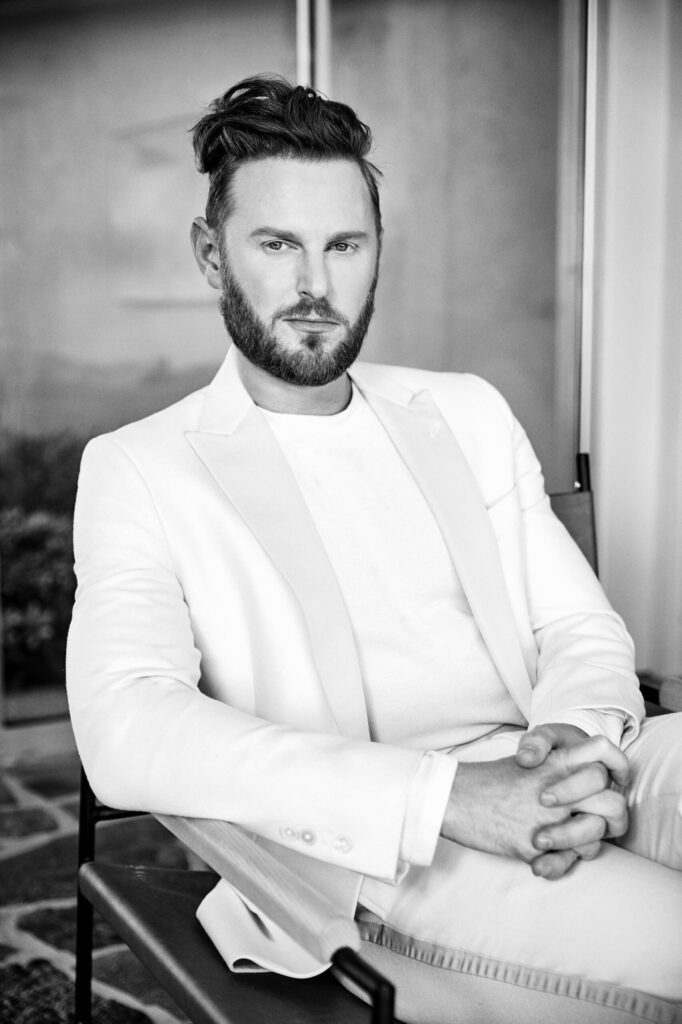
“Every space should feel like a true reflection of its inhabitants.”
INTERVIEW

I always start by compiling lots of visual inspiration. This could be images, photos I’ve taken on my travels, or things I see on social media. My team and I will then start to edit through those images and create a mood board. From there, it’s about translating that inspiration into materials, paint colors, fabrics, and lighting. We start to develop an overall design plan for each room, a schematic plan, and a furniture layout. That’s how the design really “comes to life” and begins to take shape.
My career started in the retail world. I moved to New York in the early 2000s with little money or experience, but was able to get jobs at Bed Bath & Beyond and then Restoration Hardware. After a few years, I worked my way up to Creative Director for Portico Home + Spa. In 2006, I took my experience in home retail and decided to start my own company, opening my first showroom the following year. That was a great crash course in how to run a business, but I knew I wanted more, and the natural evolution for me was to transition into interior design. I ended up moving to Los Angeles in 2015 and launching my own full-service interior design practice for residential, commercial, and hospitality clientele.
Being cast on Queer Eye changed the trajectory of my entire career, and it opened up so many doors for me in the worlds of design and entertainment. I would certainly say that has been the defining moment of my career, and I’m truly so grateful for that experience. It allowed me to use design to impact the lives of so many people, and also to write a book, to expand my design firm and team, and build a life beyond my wildest dreams.
The key to being successful in interior design, for me, is two-fold. First, you need to work with clients who you connect with, trust you, and understand your vision. This is really crucial for creating work that is a reflection of you, and for a functional and fruitful work relationship. Secondly, you need to create spaces that don’t just look good, but also feel good. I’m a big believer in the correlation between design and mental health. I want any room I design to facilitate a feeling – and to have a positive impact on those who are inhabiting the space. I’ve found that when I stick to these ideas, my designs – and business – flourish.
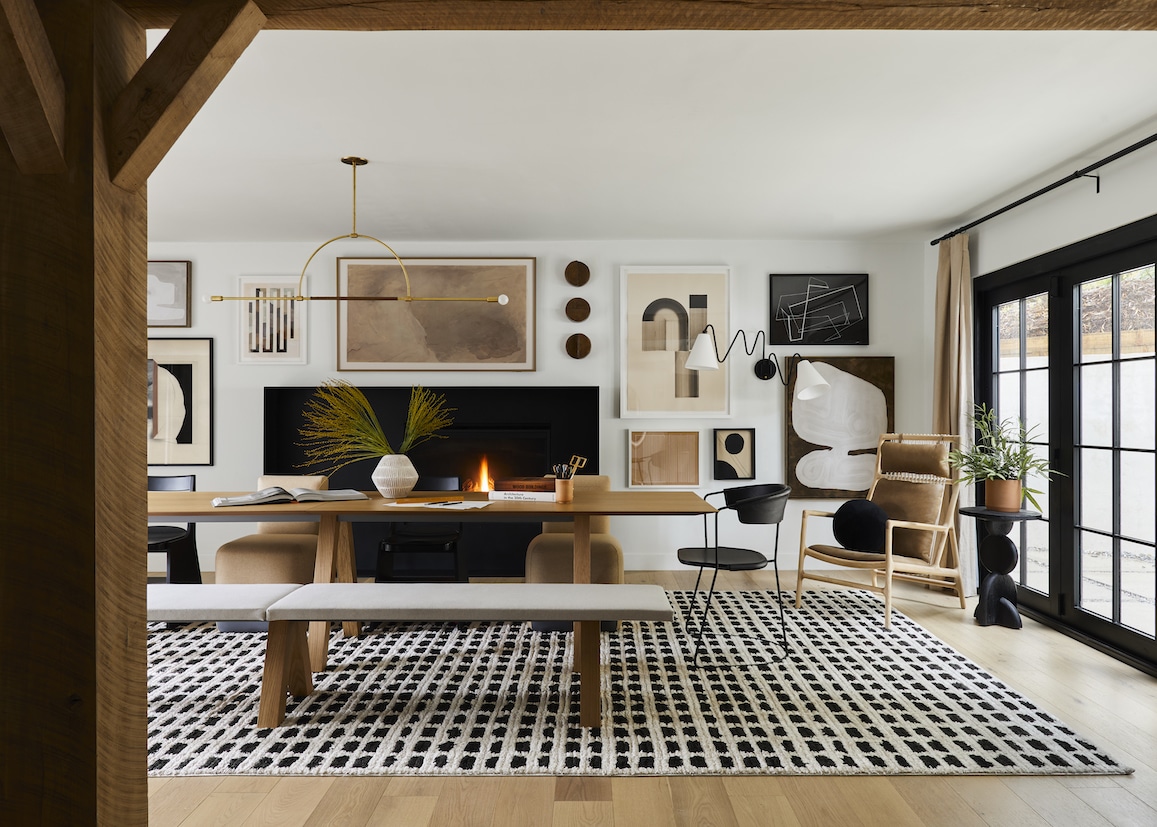
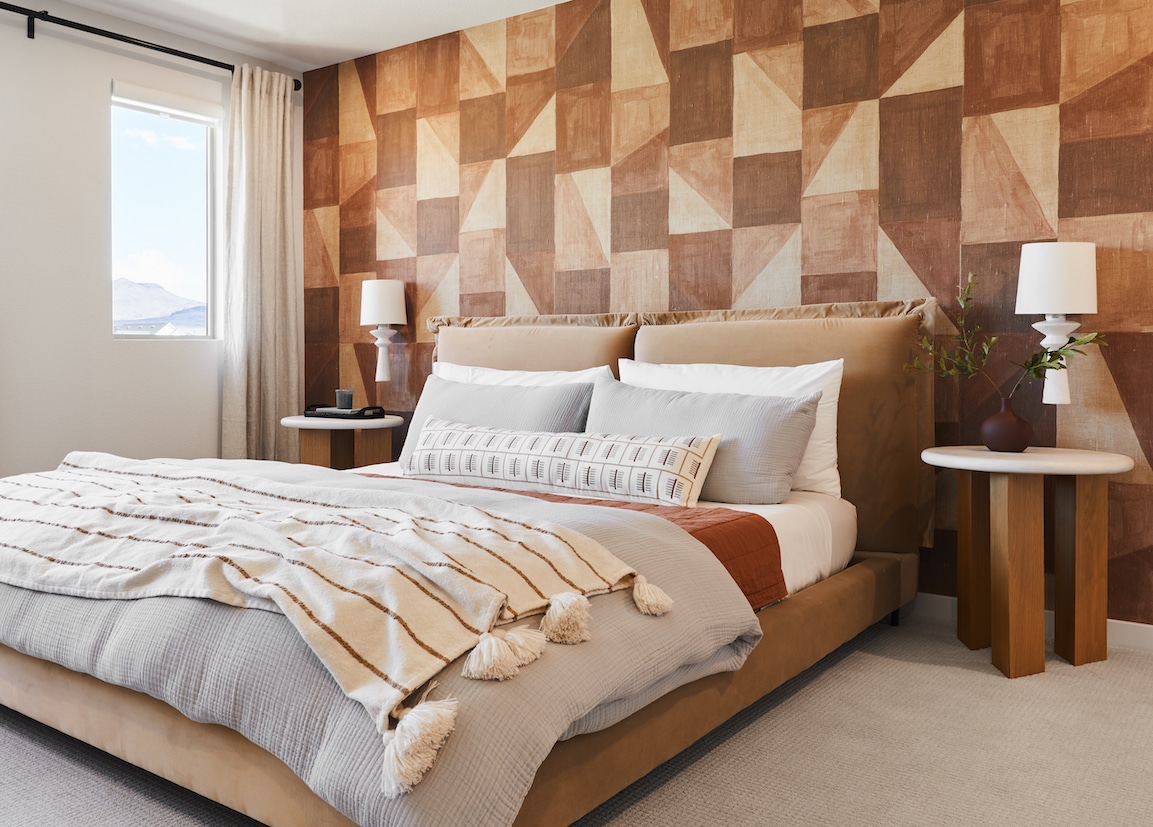
My signature style is clean and contemporary but with a nod to classic design. My color palettes are usually warm, sophisticated, and grounded by contrasting black elements. I think black is endlessly sophisticated, yet people tend to be afraid of using it in design. Fortunately, that’s finally changing.
My styling is more minimal, which tends to demand more attention to unique details for maximum impact. I’m also very focused on creating compelling spaces that exist at the intersection of interior design and mental health.
I believe that every space should feel like a true reflection of its inhabitants, offer a connection, and utilize furnishings, materials, colors, and lighting that actively contribute to your mental well-being.
I started to look for a vacation home for myself in the desert of Southern California when I stumbled upon a secluded, 1970s Spanish-style estate with multiple buildings and expansive views of the wide-open landscape. The property had so much potential, and I was excited to put my personal stamp on it.
This was also my first time designing a vacation home and rental property, which had its own set of challenges. I really love how this project turned out – and that I get to personally enjoy my work!
I’m a perfectionist by nature (I’m a Virgo after all), but in the design world, nothing is ever going to be perfect or go exactly as planned. I had to learn this early on in my career, when products would get lost, shipping would be delayed, or a wall would be painted the wrong color. You have to learn to let go of certain things that are beyond your control, and pivot to fix a problem that you can control. It’s not easy, but it’s an important lesson to learn for anyone.
I once had a colleague tell me, “Don’t wait for your next opportunity to come to you. Go out and find it.” It reminded me that in order to grow and advance yourself and your career, you have to put yourself out there. (Sometimes, that means fake it till you make it, and saying yes to an opportunity and then figuring out how to do it.) I’ve taken that advice ever since, and always tried to make connections, meet new people, and stay open.

I love the new book from Richard Christianson: “The Guide To Becoming Alive”. He’s the founder of Flamingo Estate, a brand focused on lifestyle and wellness. It’s a very aspirational book – and also features beautiful interiors of his home in Los Angeles.
As part of my ongoing partnership, I’m continuing to work on new communities for Tri Pointe Homes in Nevada and Colorado. I also have a new residential project in Los Angeles and a very special design for the carmaker Genesis.
favorite pieces from the Philia Collection
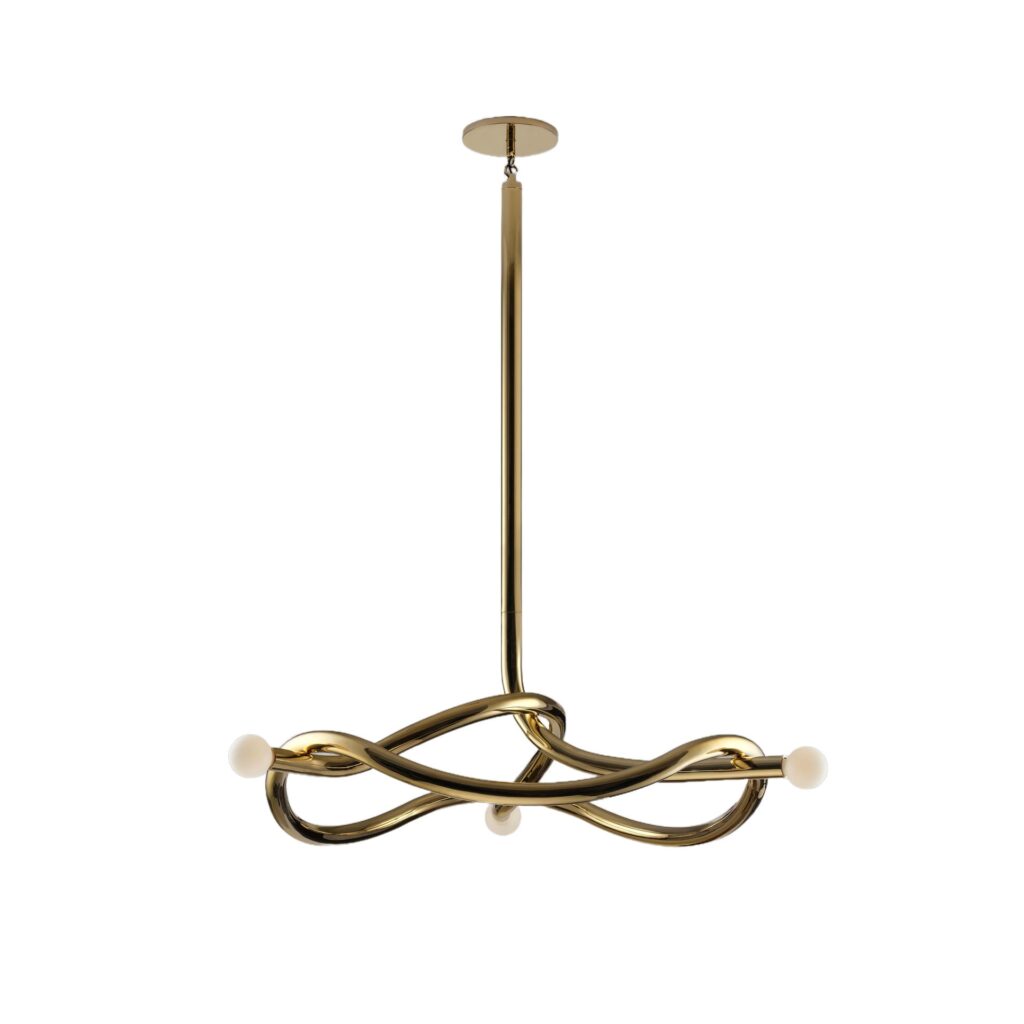
Tryst Three Chandelier by Paul Matter
Simple, striking, and sinuous. This intertwining chandelier is elegant and so interesting too.
Thank you so much Bobby, for this lovely interview!
Share article :


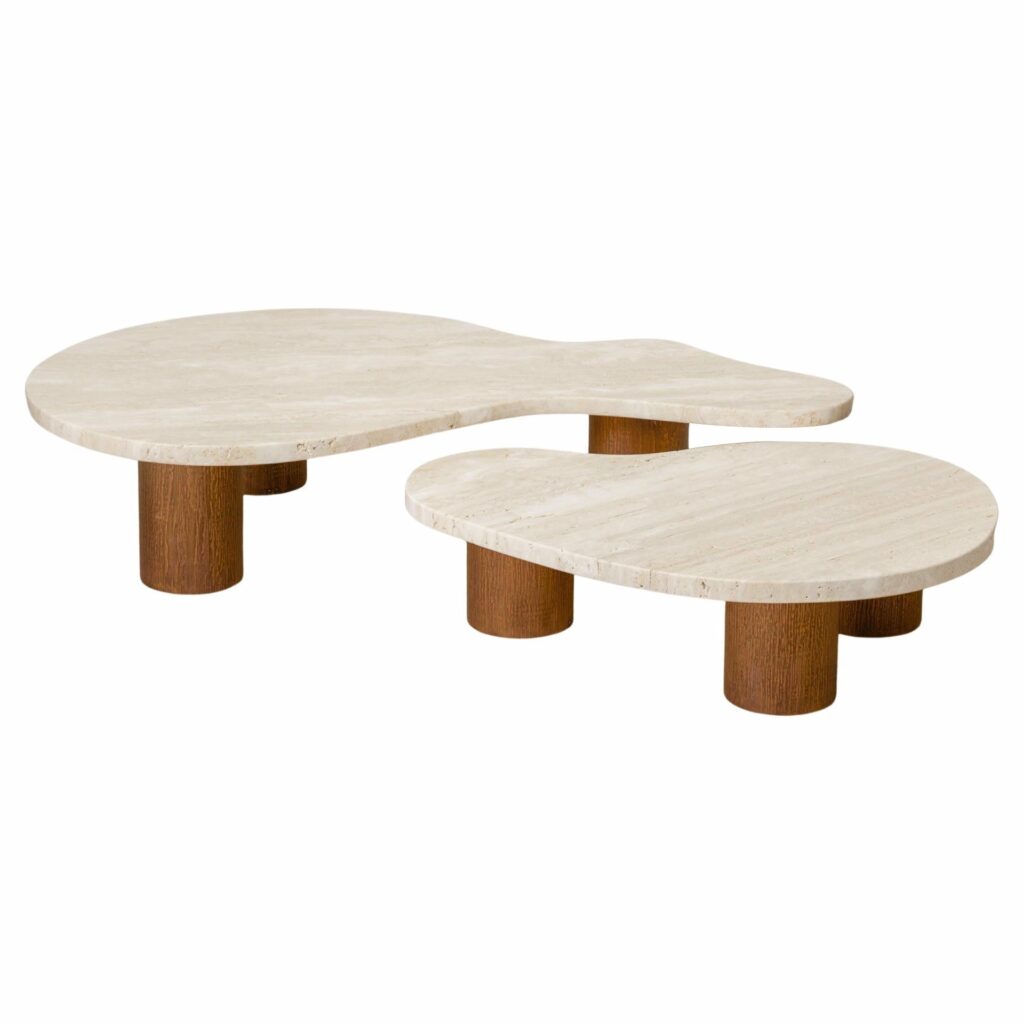
I’m very into the fluid, organic feel of this pair of coffee tables. The travertine pairs beautifully with the bronze legs.