Philia
Magazine

Kazuhiro Yamanaka
Kazuhiro Yamanaka is a Japanese designer whose multidisciplinary practice spans collectible furniture, product and lighting design, and installation. Born in Tokyo, he studied at Musashino Art University before completing his MA at the Royal College of Art in London. Throughout his career, Yamanaka has collaborated with international design houses including Ligne Roset, Boffi, Ingo Maurer, Alessi, Pallucco, and SAAZS, developing a body of work characterized by experimentation, precision, and a particular sensitivity to light and space.
Central to Yamanaka’s practice is an exploration of the relationship between objects, their surroundings, and the invisible void they define. His work has entered the collections of institutions including MoMA in New York and the Power Station of Art in Shanghai, where his first major solo exhibition was held in 2017. Alongside his design practice, he has taught at Musashino Art University since 2014 and has served as a visiting professor at the China Academy of Art since 2020. In 2025, his work was recognized with the Dezeen Award for Best Lighting Design of the Year.

Six Dots Design 5 Picks From Philia Collection
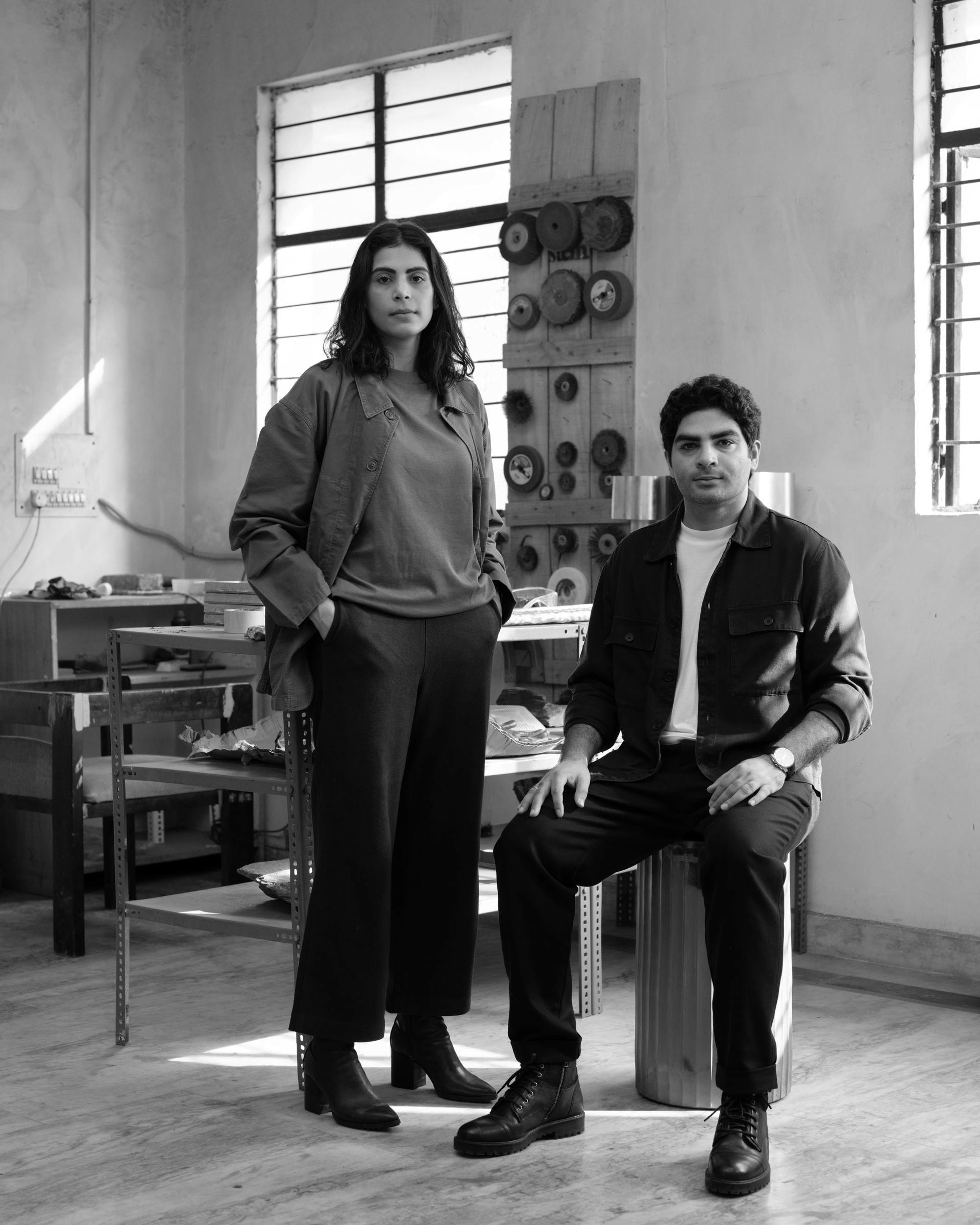
Six Dots Design is a London-based furniture and object studio founded by designer Joe Ellwood. Working primarily with aluminium, the studio creates sculptural pieces distinguished by fluid silhouettes, expressive forms, and a playful yet highly crafted aesthetic. Drawing inspiration from architecture, nature, and everyday life, Six Dots Design embraces experimentation and visible imperfection, challenging conventional notions of refinement while celebrating individuality and self-expression. Through a balance of craftsmanship, material exploration, and emotional resonance, the studio creates furniture that encourages a more personal and authentic relationship between people and the spaces they inhabit.

Zanini de Zanine
Zanini de Zanine is a Brazilian designer and artist based in Rio de Janeiro whose multidisciplinary practice spans furniture, interiors, and visual arts. Drawing from Brazil’s rich cultural heritage, his work explores the relationship between materiality, craftsmanship, and contemporary design through both artisanal and industrial production methods.
Known for his sculptural approach and deep respect for natural materials, Zanini creates pieces that balance organic forms with refined construction. Whether working with reclaimed wood, handcrafted techniques, or industrial processes, his work reflects an ongoing dialogue between tradition and innovation. Widely exhibited internationally and held in major museum collections, his practice continues to shape a distinctive vision of contemporary Brazilian design.
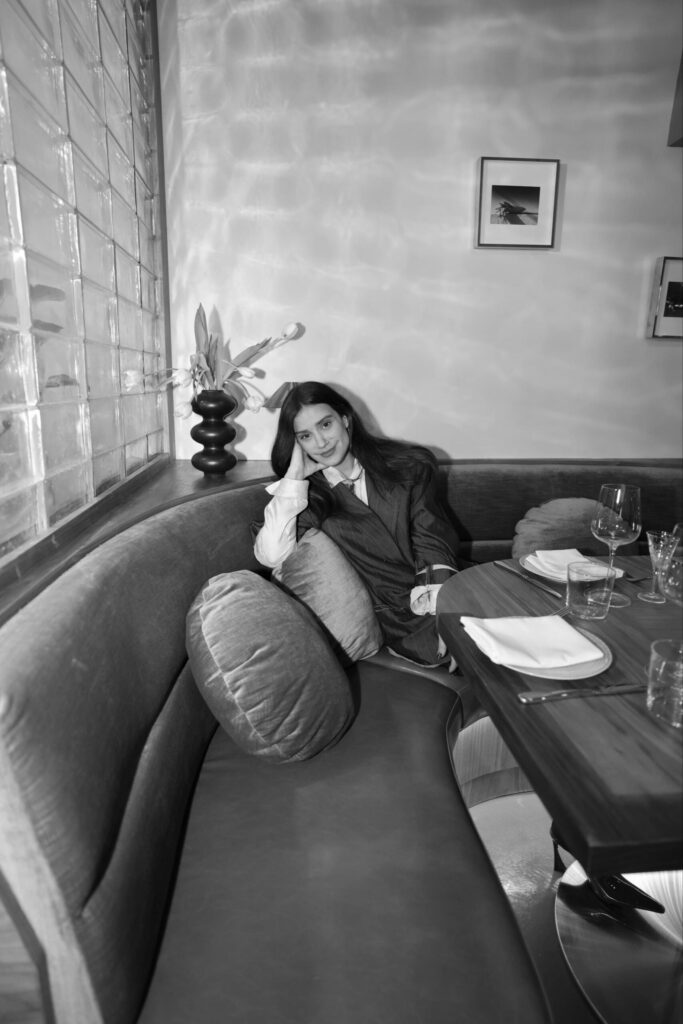
Martina Guandalini 5 Picks From Philia Collection
Martina Guandalini is an Italian architect and designer based in New York. Working across interiors, furniture, and spatial design, her practice explores the intersection of architecture, materiality, and sensory experience.
After earning her Master’s degree in Architecture from the Politecnico di Milano, she built her career in New York, leading projects in the retail and hospitality sectors before founding Martina Guandalini Studio in 2024. Alongside her interior work, she develops collectible furniture and objects distinguished by sculptural forms, emotional resonance, and a refined attention to detail.
Drawing inspiration from art, music, fashion, and contemporary culture, Guandalini creates immersive environments and pieces that balance functionality with narrative, exploring new ways of experiencing space and everyday rituals.
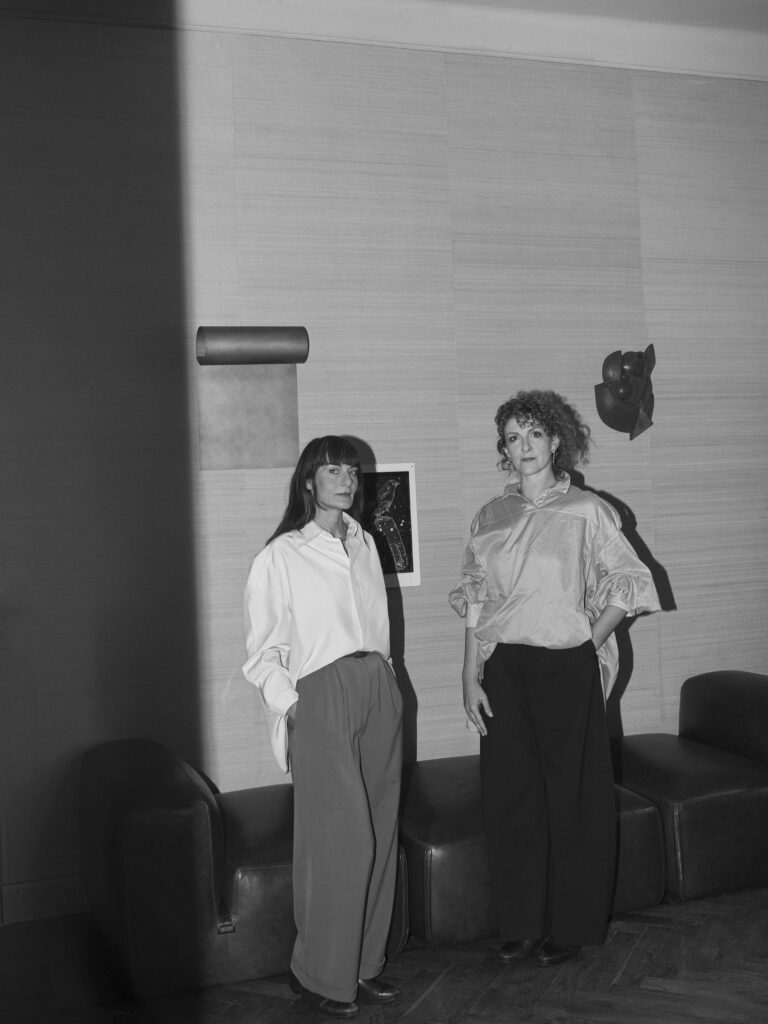
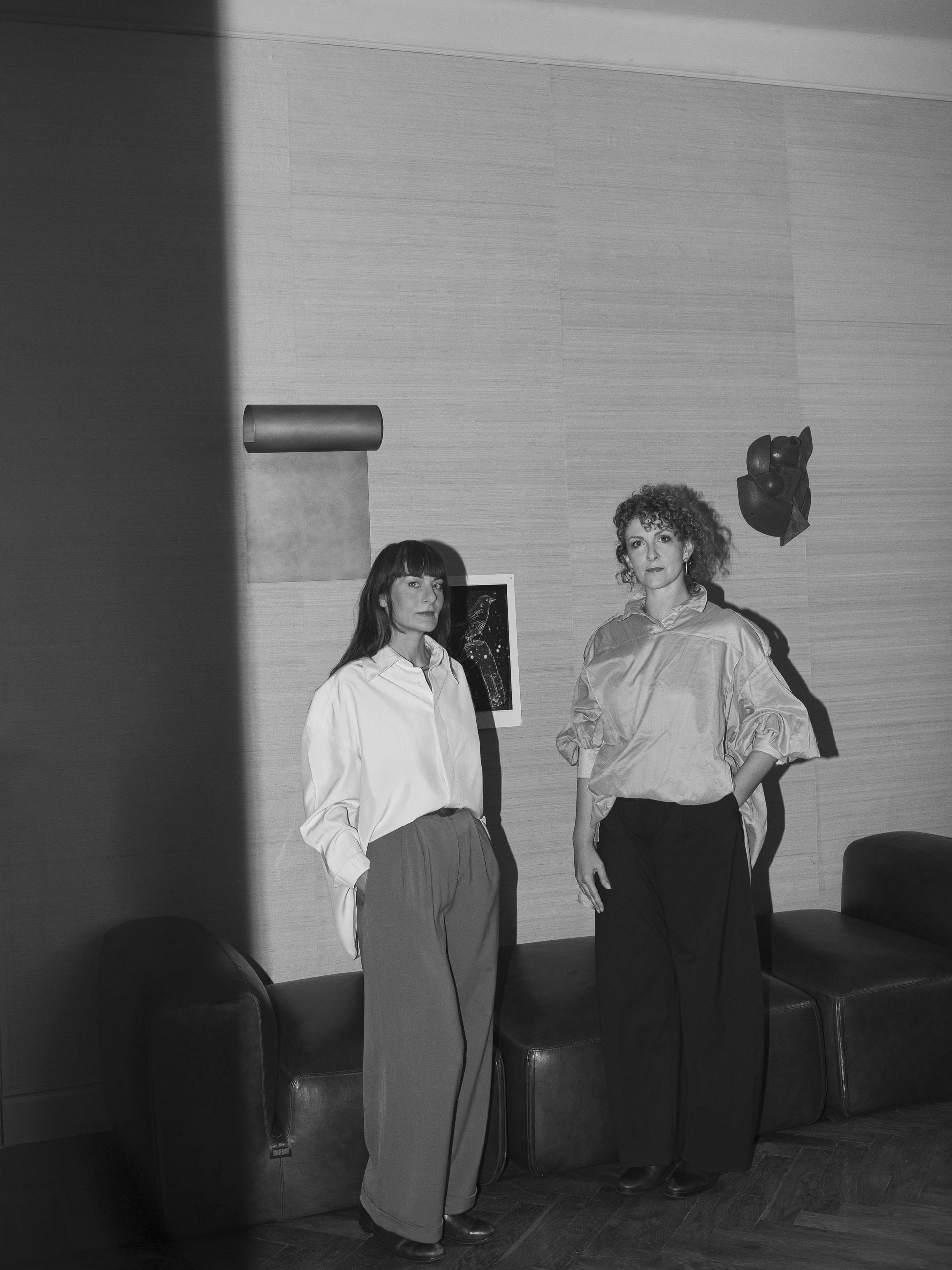
Studiopepe
Studiopepe is a Milan-based architecture and design practice founded in 2006 by Arianna Lelli Mami and Chiara Di Pinto. Working across hospitality, retail, residential interiors, product design, and creative direction, the studio is known for its multidisciplinary approach and distinctive visual language that balances formal rigor with poetic expression.
Drawing on a rich interplay of materials, colors, textures, and references, Studiopepe creates immersive environments and objects defined by their emotional depth and narrative quality. Their work explores the dialogue between contemporary design, craftsmanship, and artistic experimentation, resulting in projects that are both sophisticated and deeply evocative.

Elisa Uberti 5 Picks From Philia Collection
Elisa Uberti is a French artist and designer based in Roubaix, where she founded her ceramic studio in 2018. After spending many years in the fashion industry, she turned toward craftsmanship in search of greater creative freedom and a more direct relationship with material and making. Working primarily with stoneware, Uberti creates sculptural objects, lighting, and furniture that exist at the intersection of art and design.
Defined by curved and tactile forms, her work draws inspiration from nature, architecture, nomadic cultures, and the poetry of space. Through ancestral hand-building techniques and an intuitive approach to volume, she develops pieces that balance technical rigor with spontaneity, creating a refined universe shaped by materiality, emotion, and timelessness.

Tina Bobbe
Tina Bobbe is a German designer whose practice explores the transformation of everyday objects into expressive sculptural forms. Working at the intersection of industrial design and collectible design, she is particularly known for reimagining coffee-making objects through a playful yet striking visual language that elevates functional rituals into bold artistic statements.
Her recent work, Stone Drip, continues this exploration through stacked layers of natural stone and resin, combining vivid contrasts, geometric precision, and tactile materiality. Through these pieces, Bobbe examines the emotional relationship between people and the objects that shape daily life.
Born in East Germany in 1989, Bobbe studied mechanical engineering and industrial design in Berlin and Dresden. Before establishing her independent practice, she worked as a scientific design researcher and pursued a PhD focused on the design of objects for communicating technology.