Zanini de Zanine
Zanini de Zanine is a Brazilian designer and artist based in Rio de Janeiro whose multidisciplinary practice spans furniture, interiors, and visual arts. Drawing from Brazil’s rich cultural heritage, his work explores the relationship between materiality, craftsmanship, and contemporary design through both artisanal and industrial production methods.
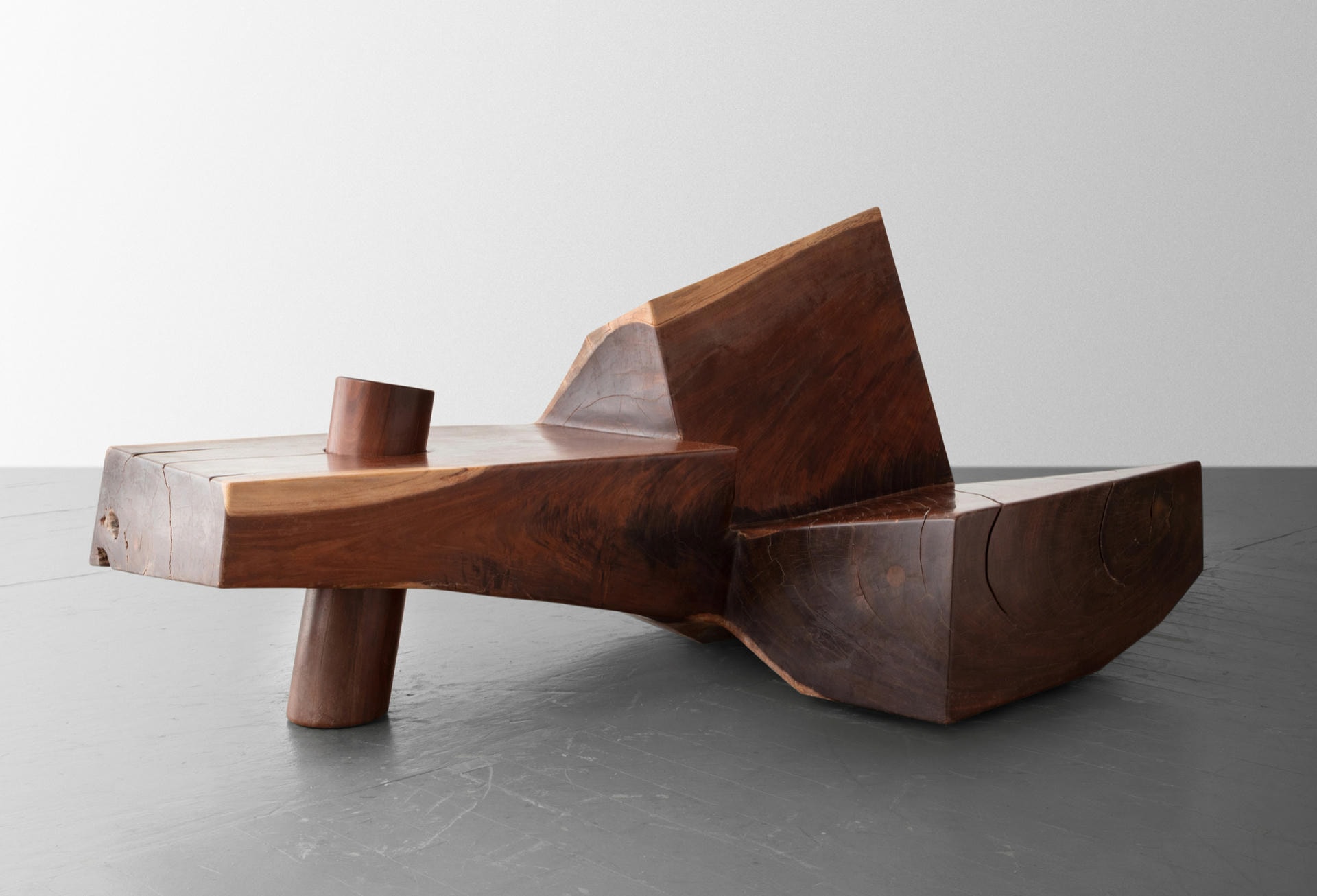
Known for his sculptural approach and deep respect for natural materials, Zanini creates pieces that balance organic forms with refined construction. Whether working with reclaimed wood, handcrafted techniques, or industrial processes, his work reflects an ongoing dialogue between tradition and innovation. Widely exhibited internationally and held in major museum collections, his practice continues to shape a distinctive vision of contemporary Brazilian design.
Interview
I was born in Rio de Janeiro, and I am from Rio de Janeiro, although we lived in several places: the South of Bahia, Brasília, Paris, and Rio de Janeiro.
My earliest life memories are from Brasília, where architecture and art form the soul of the city.
Yes, always. I was intensely raised in this universe from childhood.
The fact that my father was an architect, designer, landscape architect, and sculptor, and my mother came from a film background.
Their circle of friends included some of the most important figures in Brazilian culture: Lucio Costa, Tom Jobim, Jorge Amado, Zelia Gattai, Sergio Rodrigues, Vinicius de Moraes, Sergio de Camargo, Alcides da Rocha Miranda, Athos Bulcao, among many other important individuals who contributed to Brazilian identity.
It is a very free process, full of freedom, with no strict method. Each project dictates its own path: some begin with sketches, others directly through paper cutting and folding, and others through experimentation with materials.
I wake up and like to paint or draw, visit a space project in progress, stop by the studio to make adjustments with the team, and in the afternoon, I visit a factory or supplier.
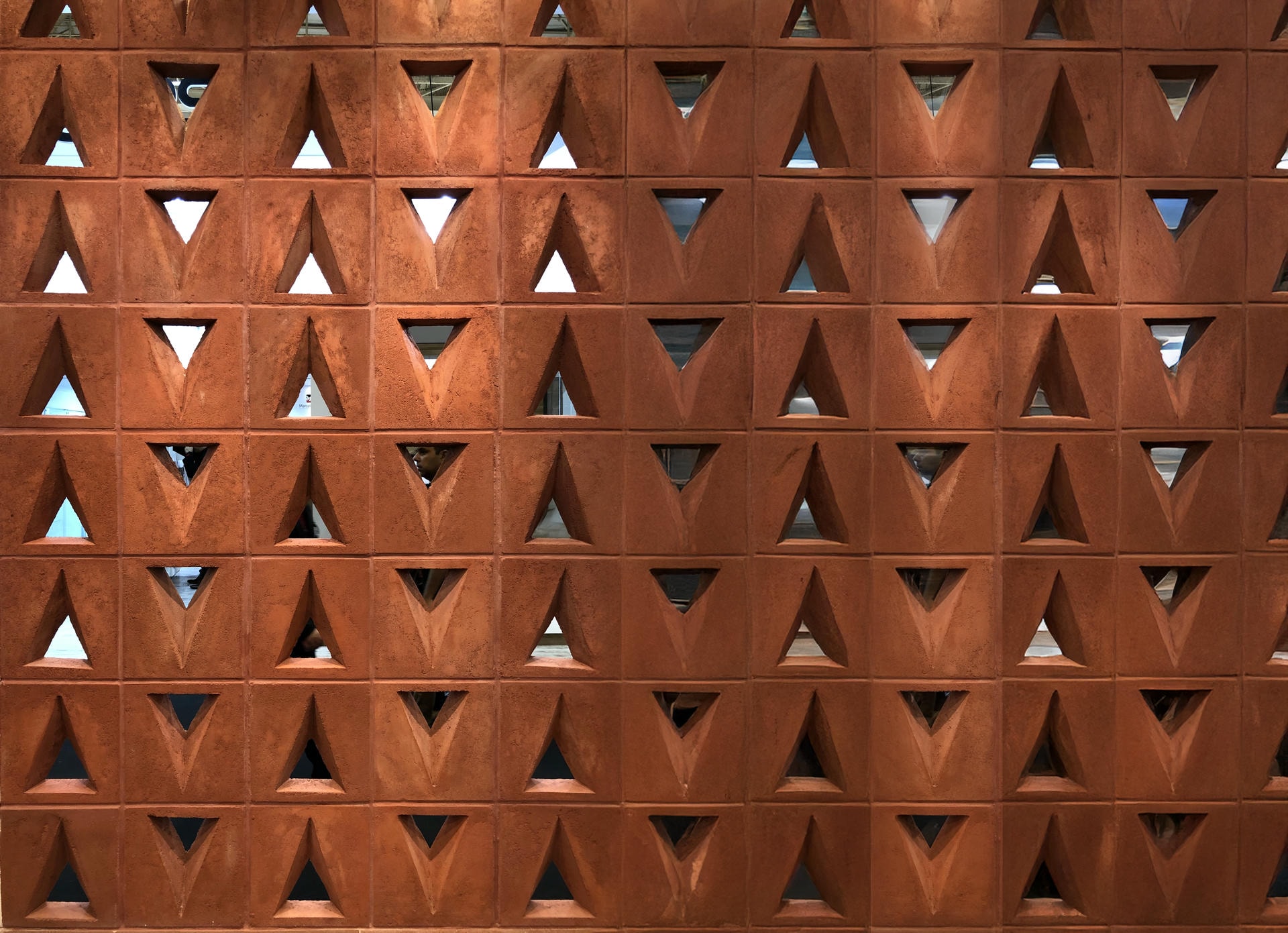
Out of emotional connection and sustainability.
I like to create primary prototypes in paper or modeling clay for all ideas.

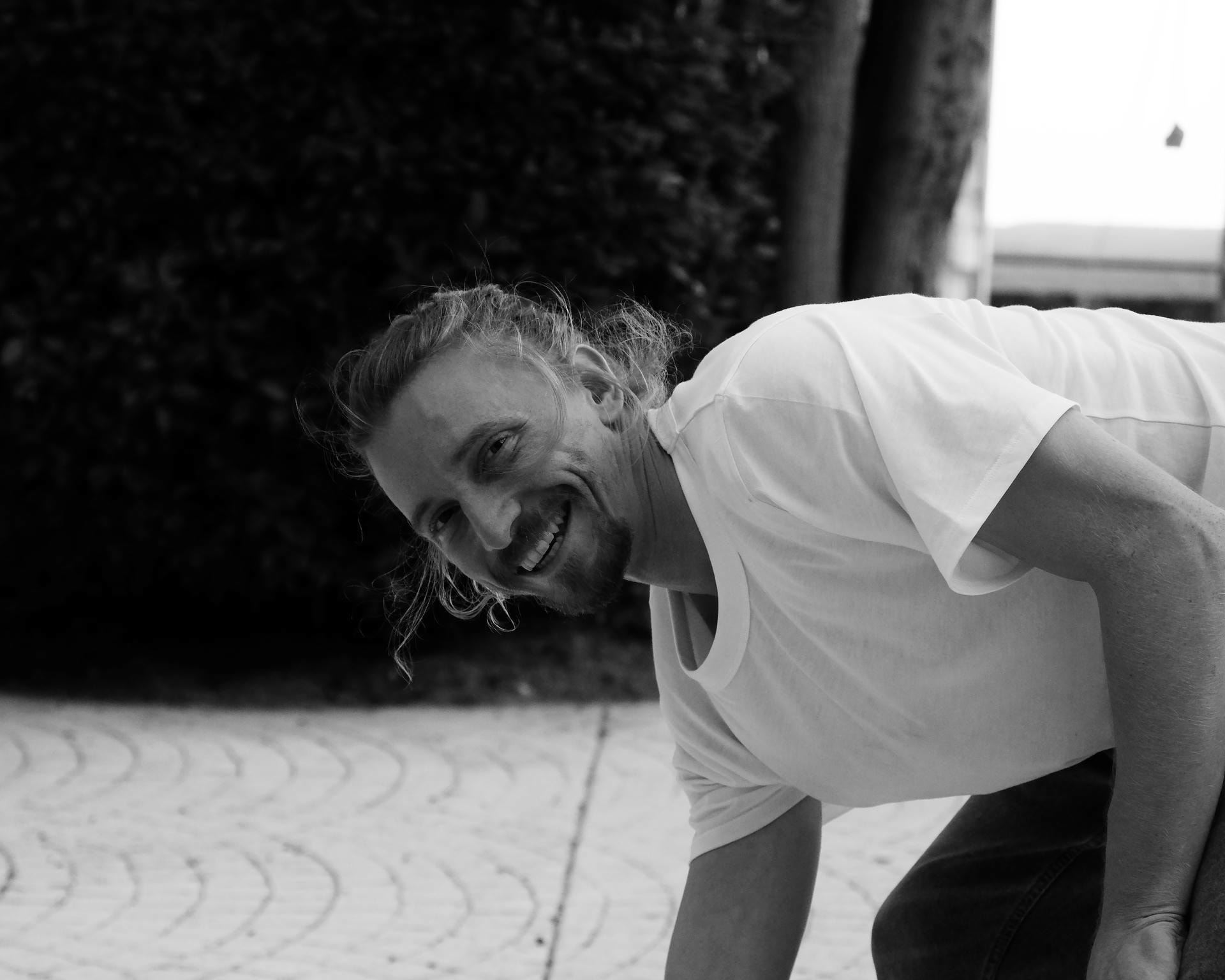
Photo by Andrea Ferrari
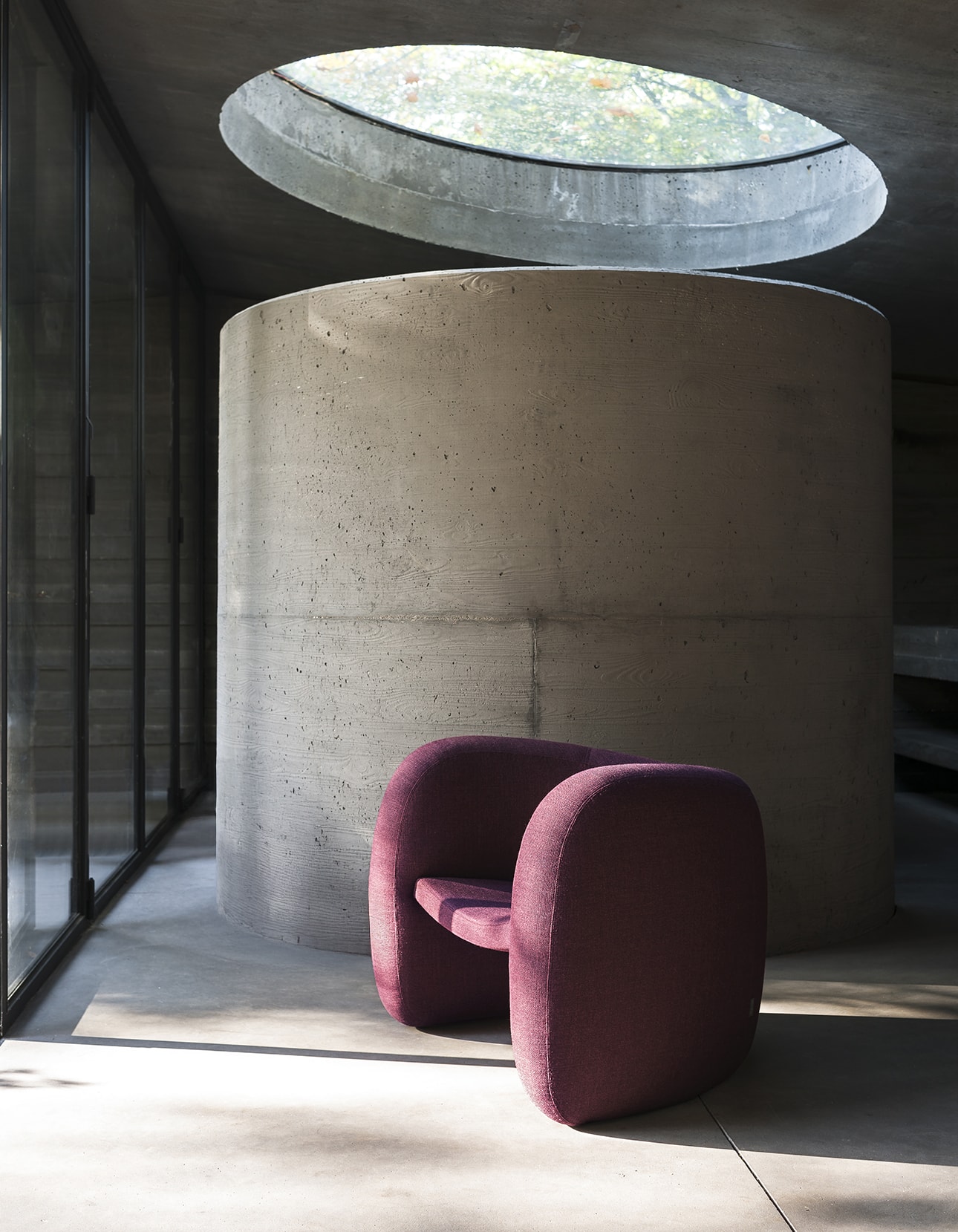
Research renewable materials.
They would belong to the Arts & Crafts movement, where the focus was on craftsmanship, the strength and quality of materials, and the simplicity of lines.
Jose Zanine Caldas, Sergio Rodrigues.
Marc Newson, Irmãos Campana, Nendo.
Emanoel Araujo, Anna Bella Geiger, Josef Albers, Donald Judd.
They are mistakes and achievements born from necessity and from the desire to learn more every day.
“More important than renowned knowledge is renowned doing.”
The Questions
(The Proust Questionnaire is a set of questions answered by the French writer Marcel Proust.
Other historical figures who have answered confession albums are Oscar Wilde,
Karl Marx, Arthur Conan Doyle, Stéphane Mallarmé, Paul Cézanne…)
A quiet place by the sea.
Losing my sight.
Anxiety.
Lack of character.
Gilberto Gil.
Collecting pieces of different Brazilian woods.
Excited about research and travel.
Altruism.
Generosity.
Generosity.
“Beauty” and “simple.”
Cooking.
To be less introspective.
My professional independence.
I would like to come back as a musician.
Rio de Janeiro.
The worldview my parents gave me.
Intellectual misery: the lack of community spirit.
Material misery: gratuitous ostentation.
Ceramicist.
Introspection.

Photo by R&Company
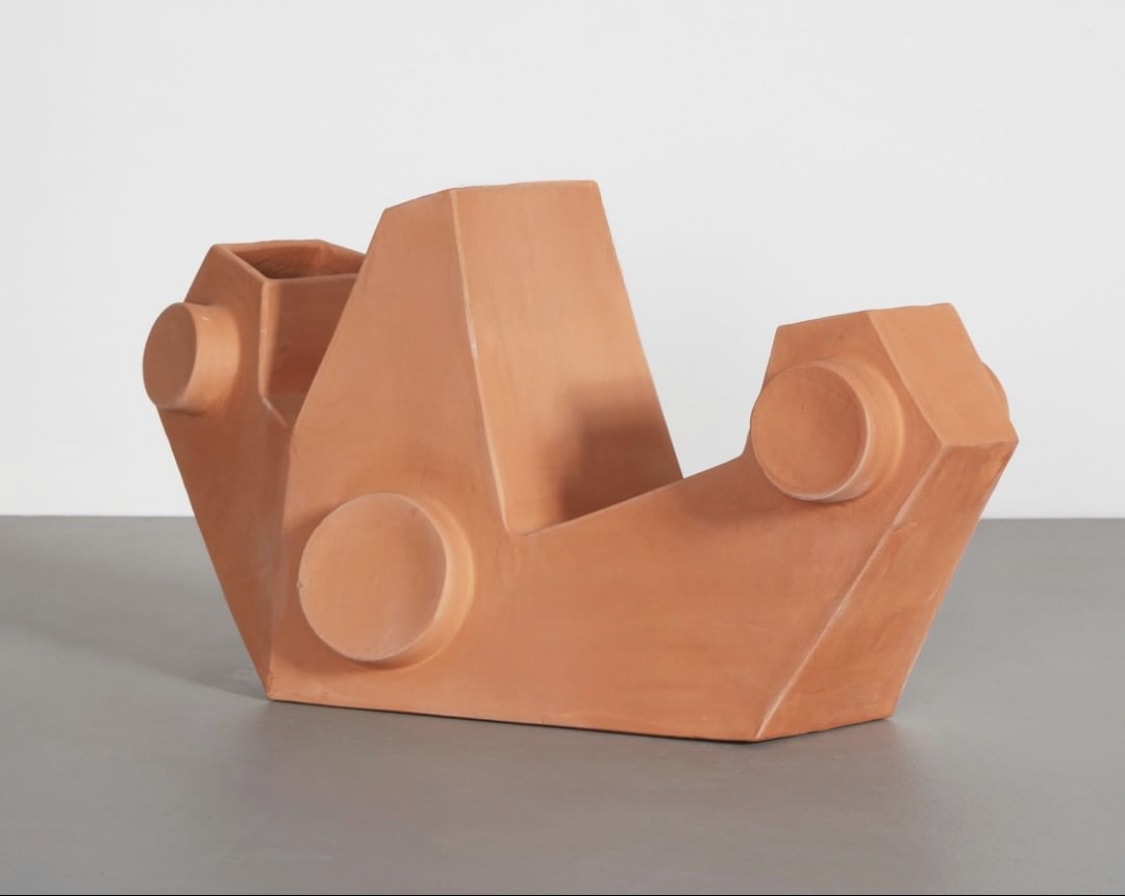

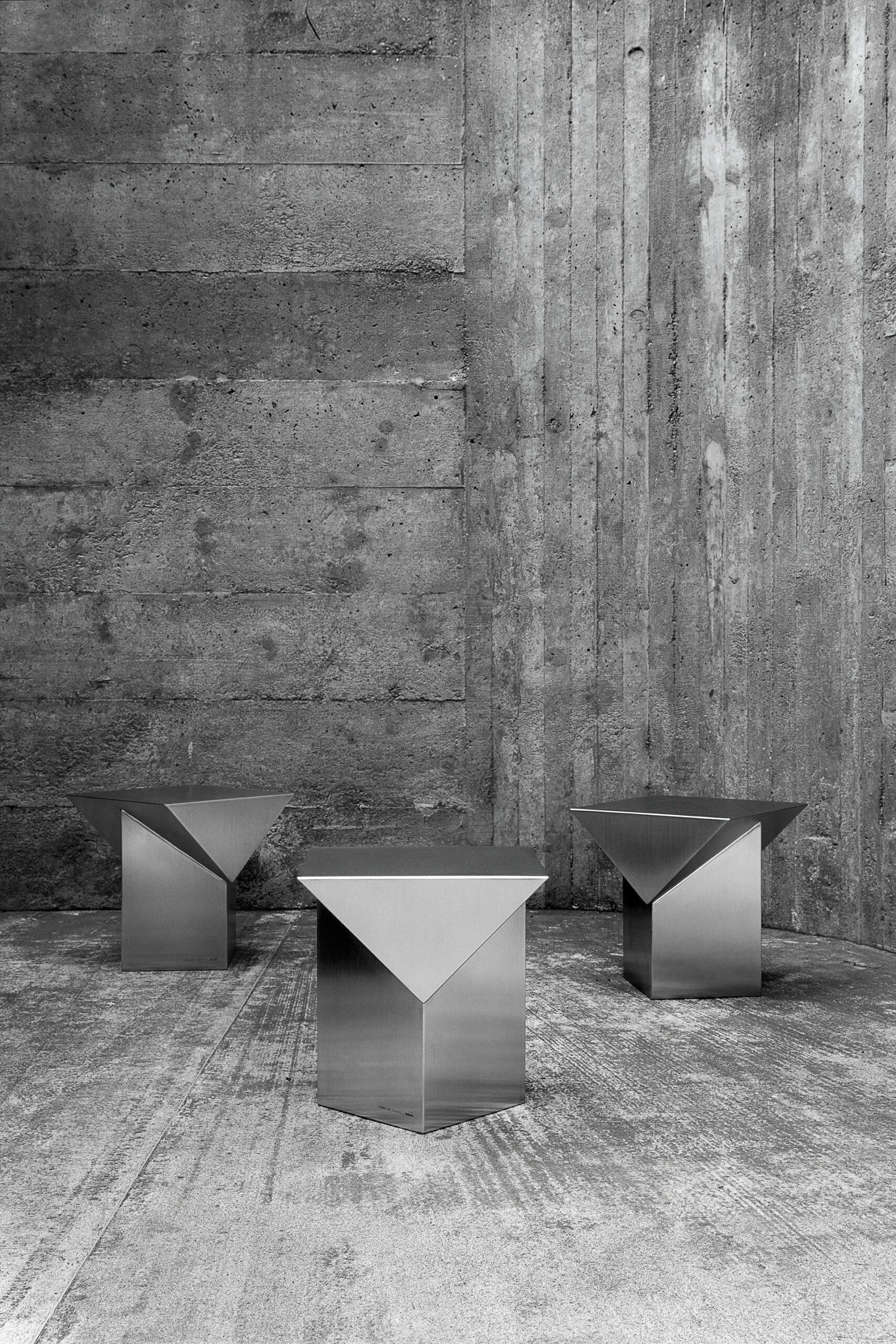
Photo by Andre Nazareth
Sense of humor and wisdom.
Adelia Prado, Clarice Lispector, Jorge Amado, Graciliano Ramos.
Aquaman.
I greatly admire the versatility of Leonardo da Vinci.
Chico Mendes, Nise da Silveira.
Lia, Caetano.
Injustice and alienation.
Not having started painting earlier.
Quickly and suddenly.
A phrase from my father: “More important than renowned knowledge is renowned doing.”
“Each project dictates its own path: some begin with sketches, others directly through paper cutting and folding, and others through experimentation with materials.”

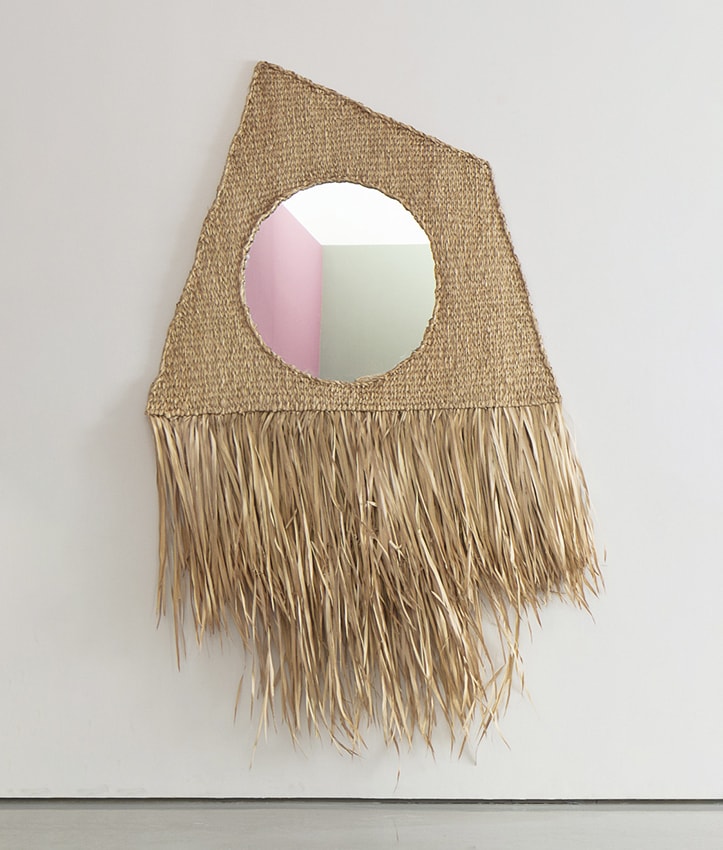
Photo by Joe Kramm 
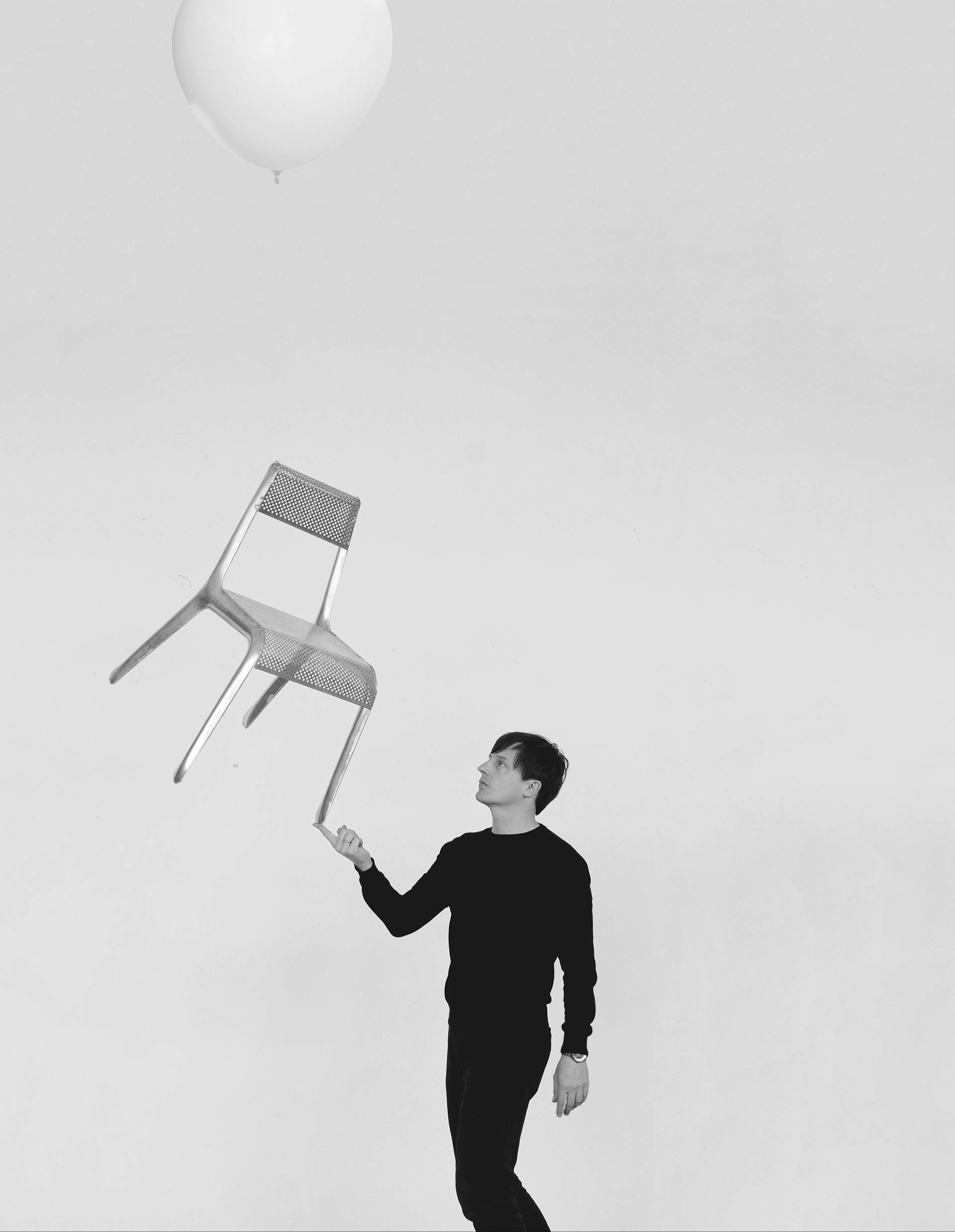
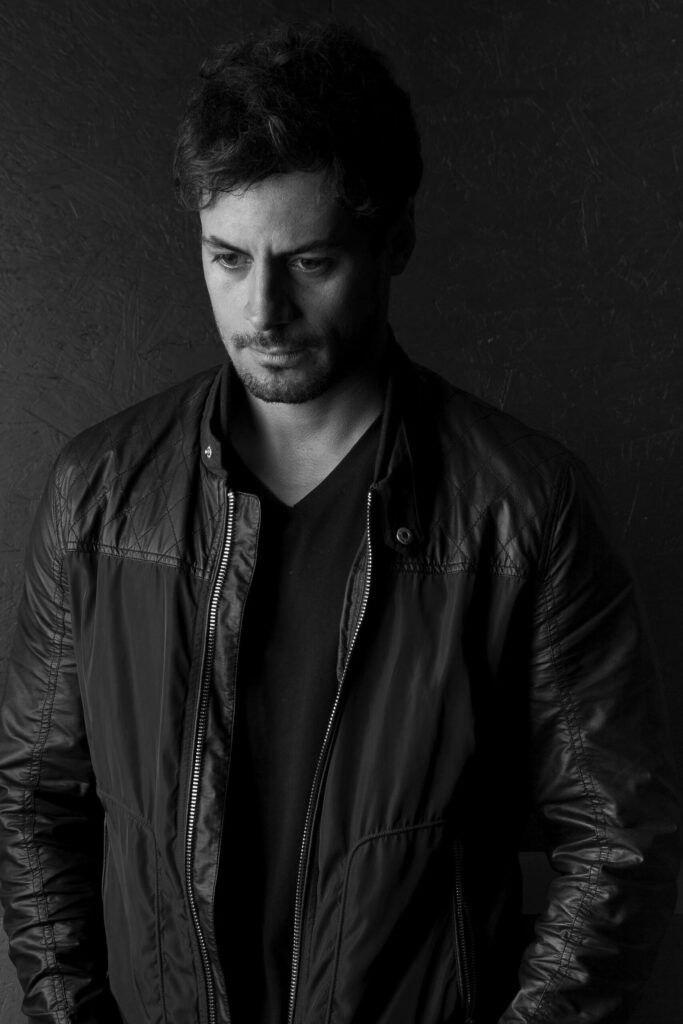
Photo by Joe Kramm Photo by R&Company Photo by Andrea Ferrari
SHARE :