Brook Quach – Workshop/APD

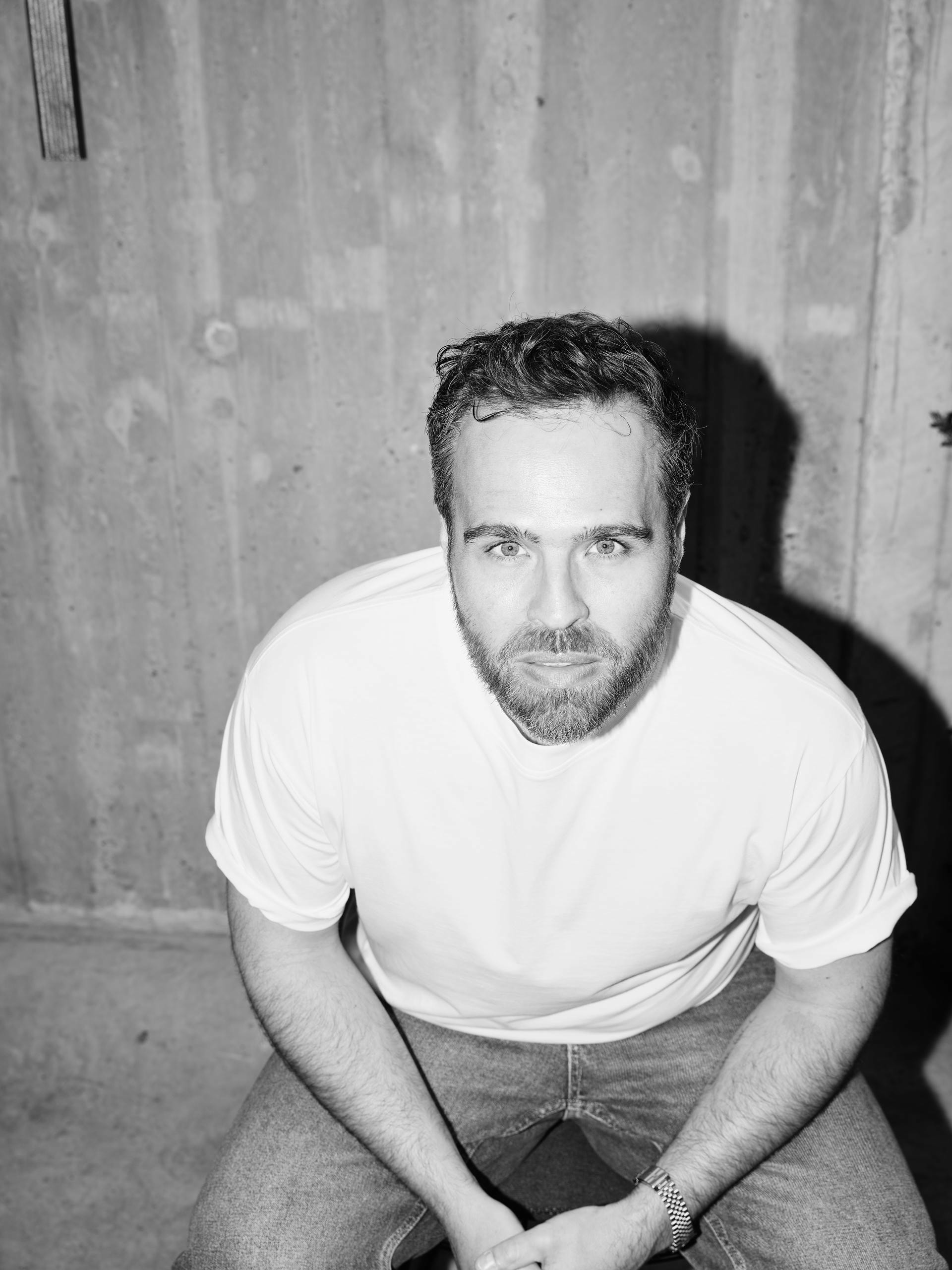
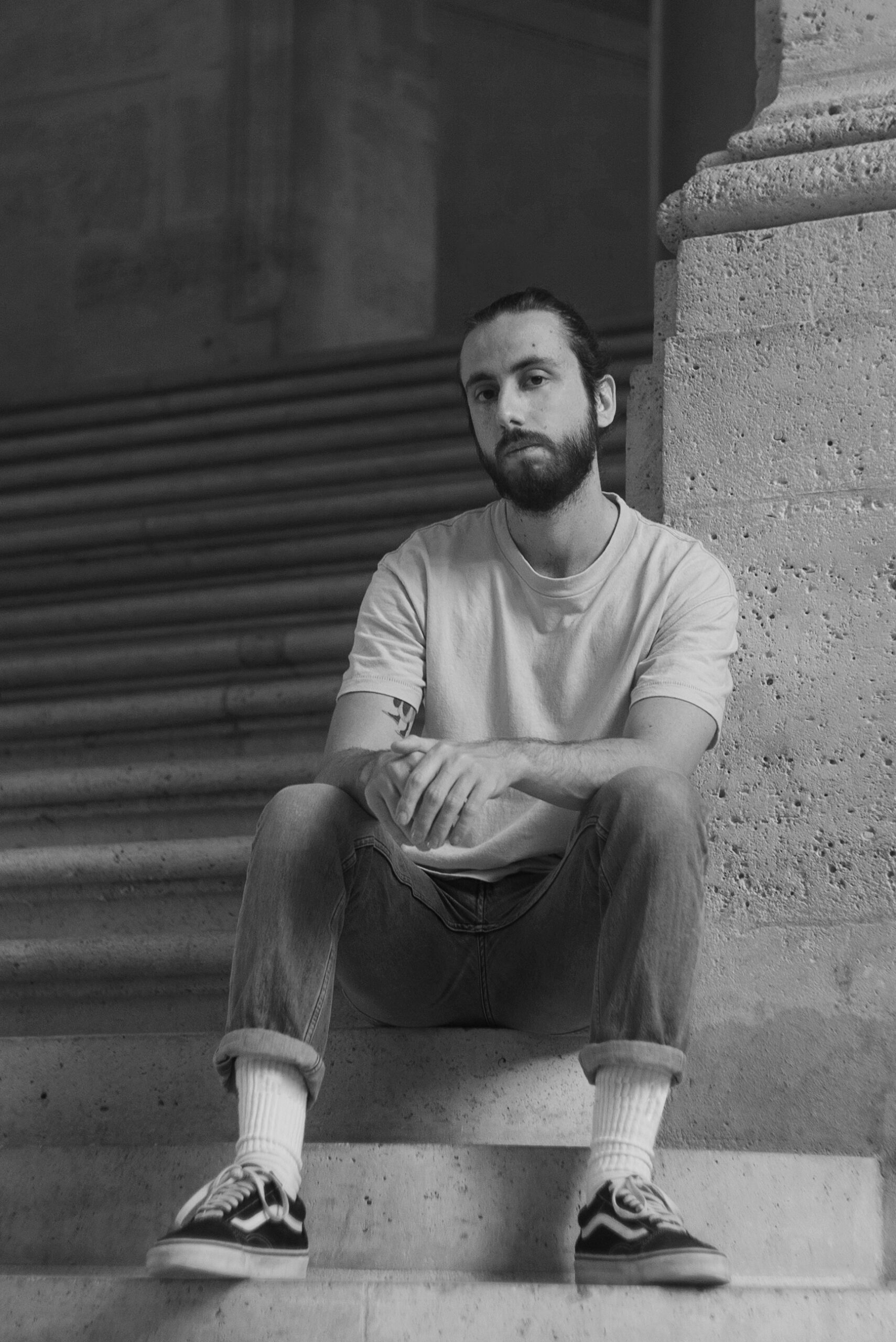
Brook Quach is a Design Director at Workshop/APD, where he leads projects with the precision and vision of a composer — orchestrating creative direction while ensuring cohesion across architecture and design. With a strong focus on both concept and execution, he guides teams through complex projects, elevating the quality of work and maintaining a clear, functional vision from inception to completion.
Quach’s passion for architecture began in childhood, designing dream homes long before pursuing a five-year Bachelor of Science in Architecture from the University of Houston. His academic training sharpened his understanding of architectural systems while deepening his appreciation for the experiential and intimate qualities of space.
With nearly two decades of professional experience — including 19 years at Workshop/APD — Quach has worked across a wide range of scales and typologies, from casinos, hotels, restaurants, and large-scale commercial developments to high-end private residences. His ability to bridge residential and development work allows him to approach each project with both technical rigor and design sensitivity.
Driven by an intuitive approach and a sharp eye for proportion and harmony, Quach is particularly interested in the relationship between architecture and its inhabitants. He finds fulfillment in translating ideas into built form — transforming conceptual vision into spaces that respond meaningfully to the people who occupy them.
1. How did your journey into architecture start? Did you always know you wanted to work as an architect?
I’ve wanted to be an architect since I was a kid. I used to check out floor plan books from the library in Houston and pore over them; in sixth grade, I drew my first “dream house”—a full-on Texas McMansion with double staircases. In high school, I became interested in automotive design, but I ultimately chose architecture because the University of Houston had a strong program, and it felt like a practical path at the time. I ended up loving the program, and I wouldn’t change the choice. I genuinely love what I do.
2. What guides your very first steps in conceiving a building, and how do you translate a client’s vision into architectural form?
My first step is always information-gathering: understanding how a client lives or intends to use the space, what the program calls for, and the realities of the site—neighbors, setbacks, codes, all the parameters. Some people are frustrated by constraints, but I actually find them liberating; they focus the design and make the outcome more specific to the end user. To translate a client’s vision, I try to truly understand their style. If they arrive with a clear aesthetic, I adapt our architectural language to that vernacular. If they’re unsure, we provide guidance with a very visual process—showing reference images and options—so we can refine direction together. It’s a bit like dating at the start: you’re learning who they are, what resonates, and how to express that authentically in structure and space.

© Read McKendree

© Read McKendree
3. How would you describe your design style as an architect?
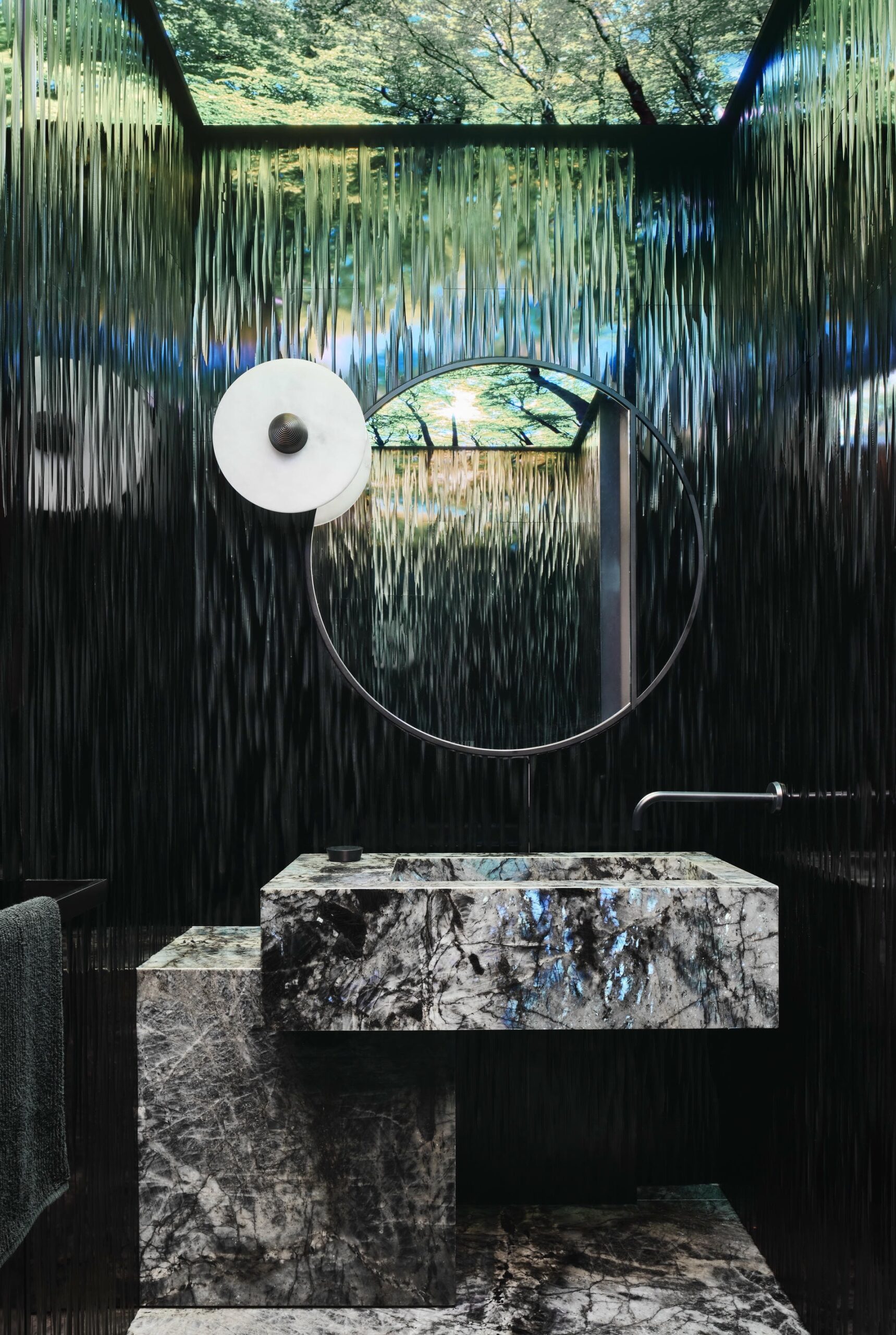
Personally, I’m modern but eclectic—I like spaces that tell a story with objects collected over time and through my travels. Professionally, I aim for really livable, comfortable, modern environments. I would say softness is a signature of mine. Curves and gentle edges can make a space feel welcoming without becoming a “look”—modern doesn’t have to mean hard or sharp. I’m meticulous about materiality and the way materials intersect. I am always interested in new ways to combine and balance wood, stone, and metal in new ways.
4. Could you tell us about one of your projects that you are most proud of, and share what it is about this project that is exciting?
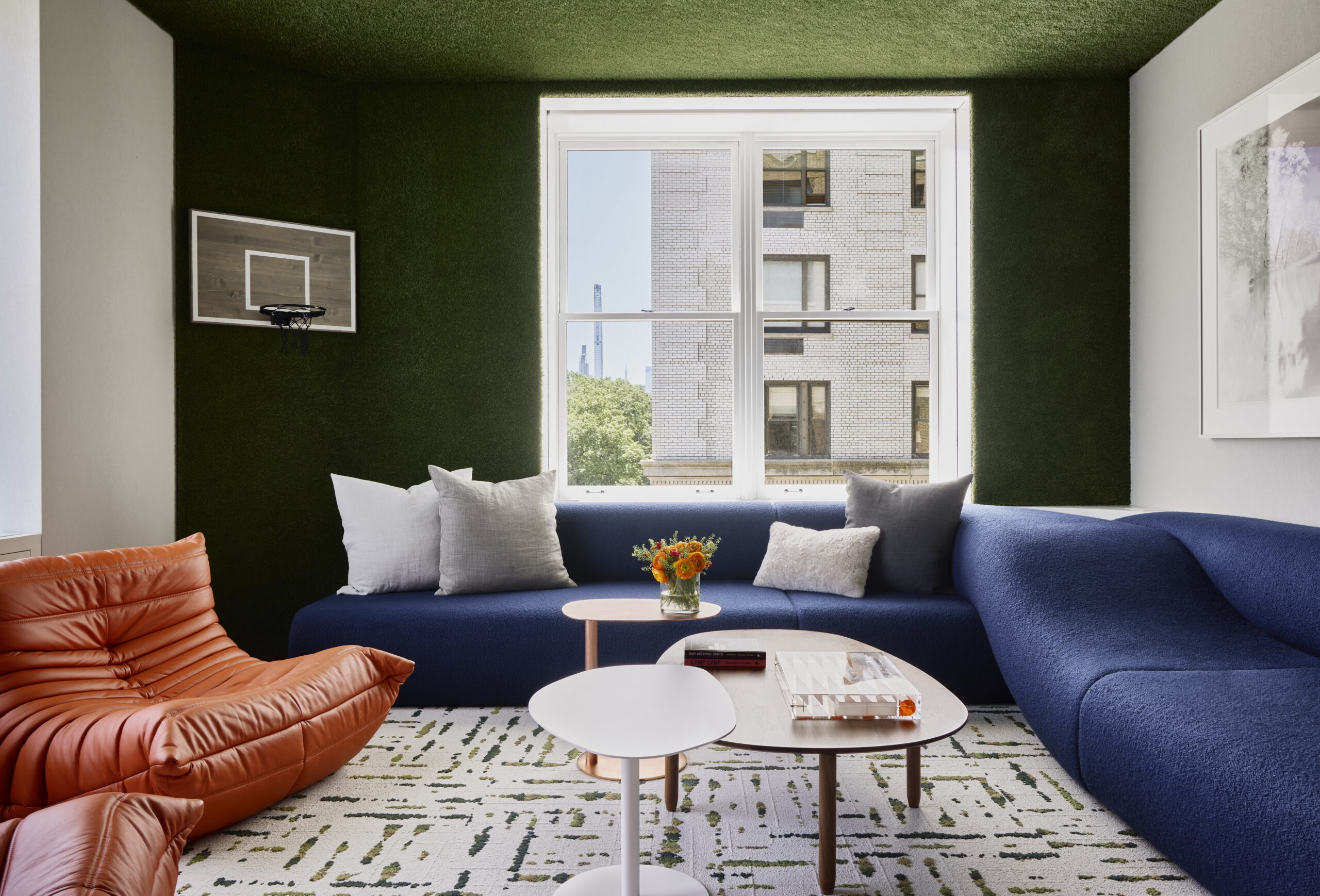
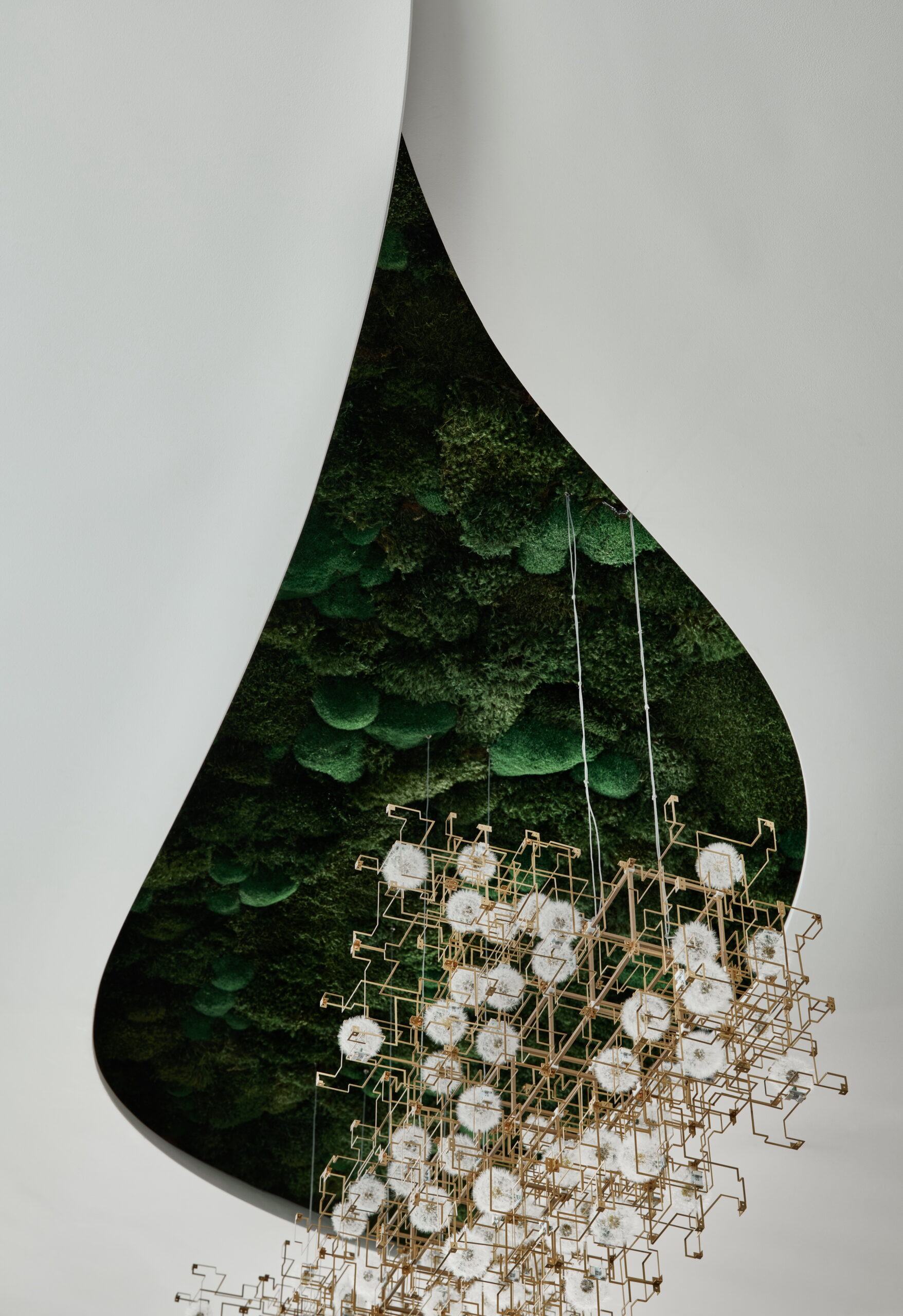
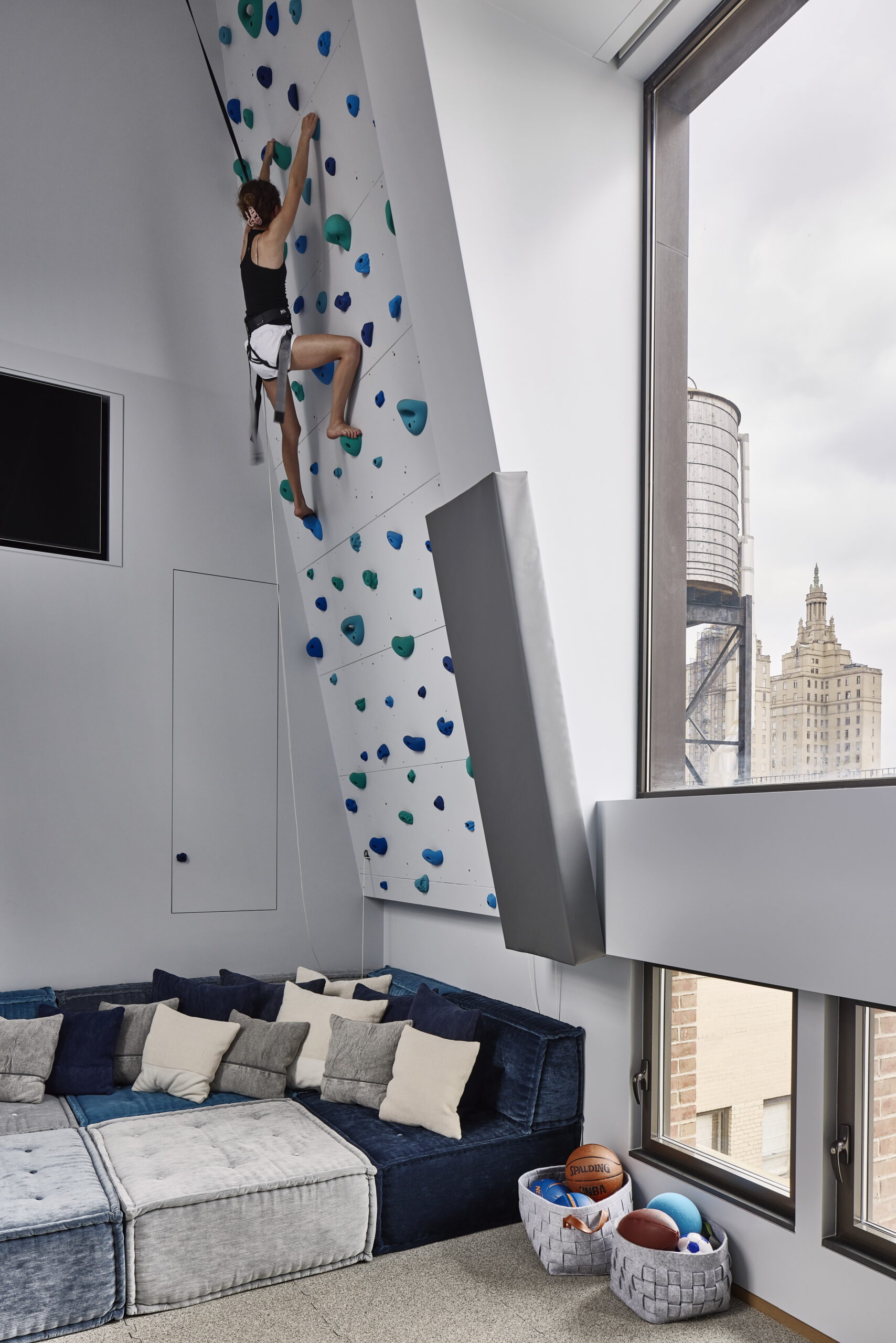
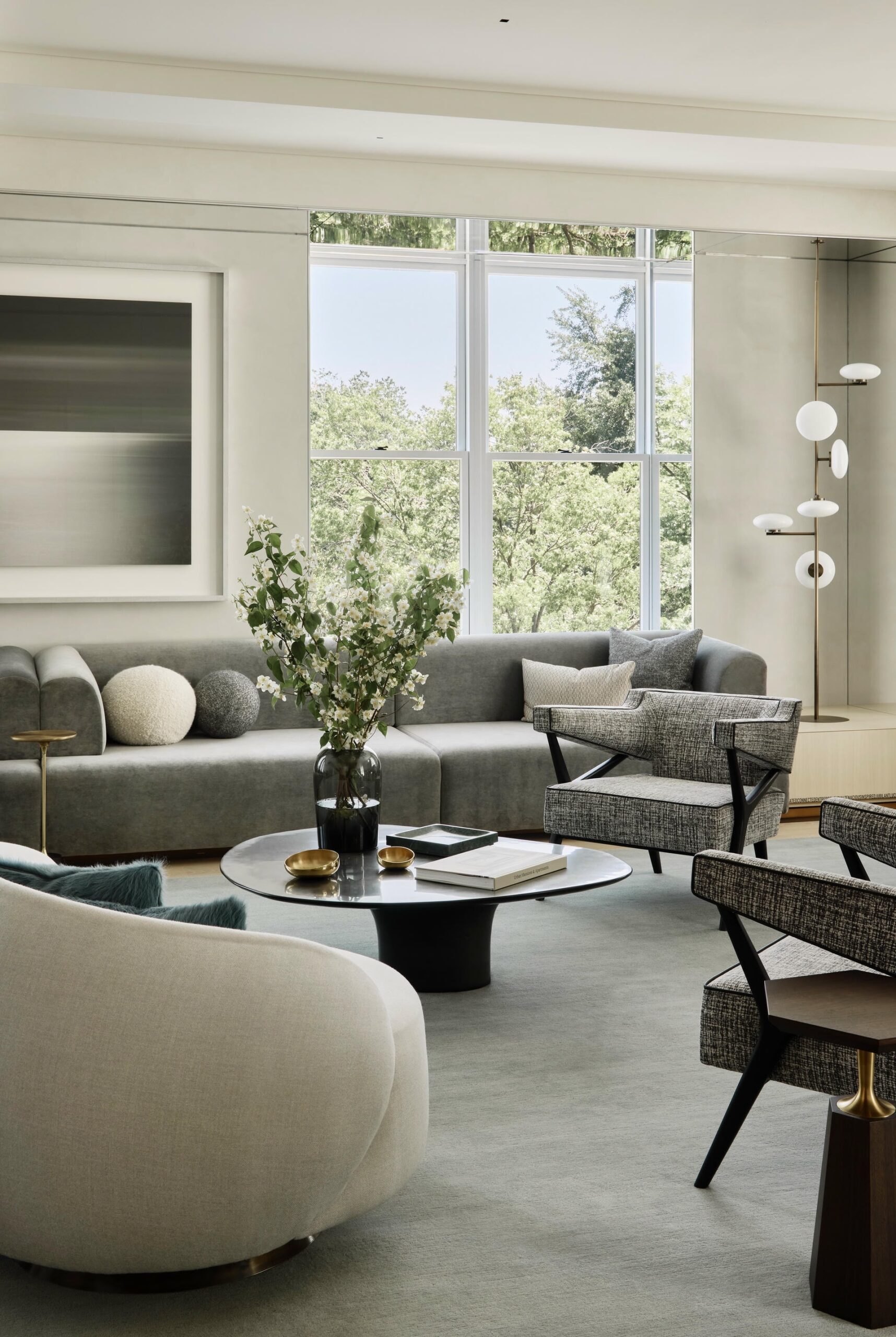
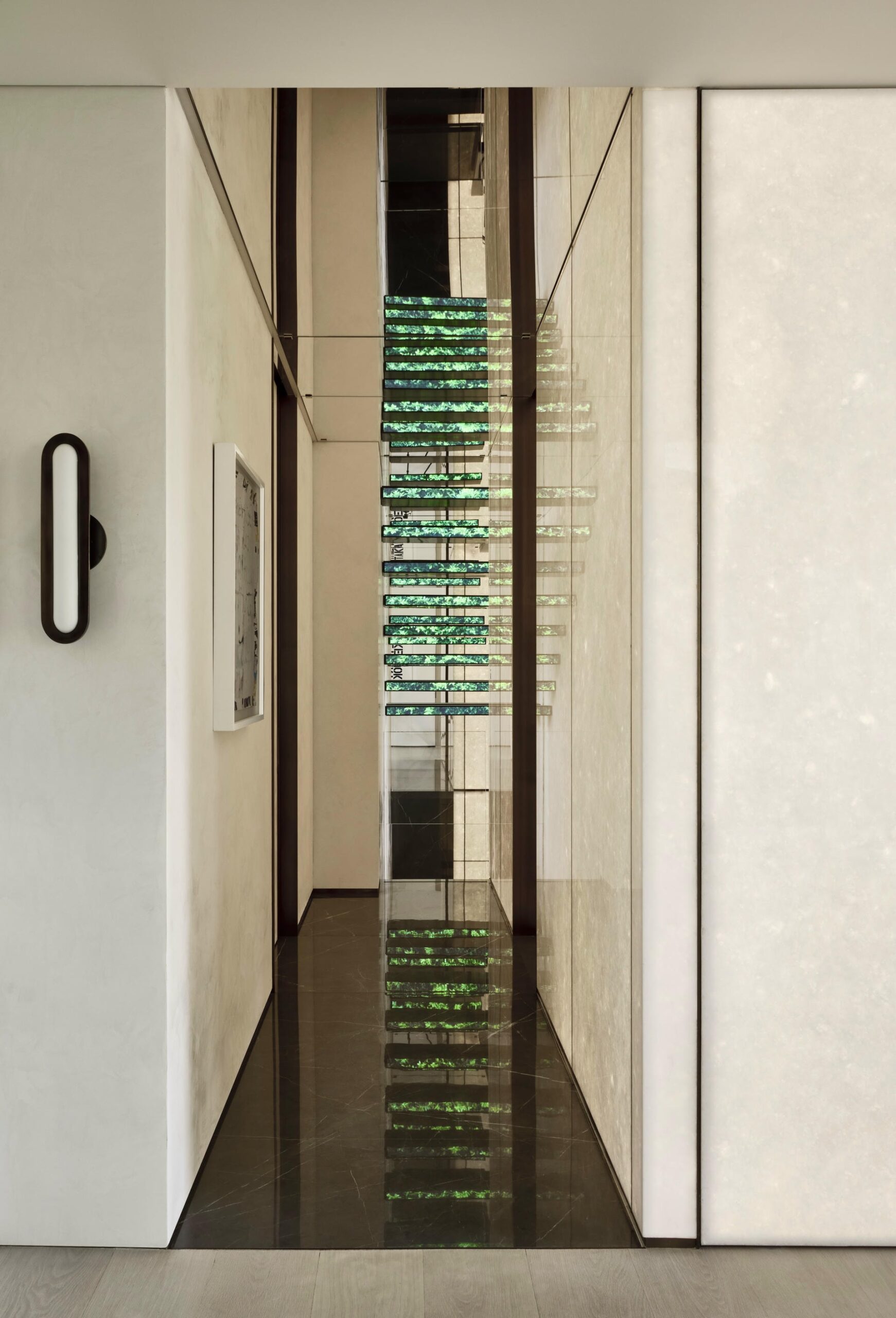
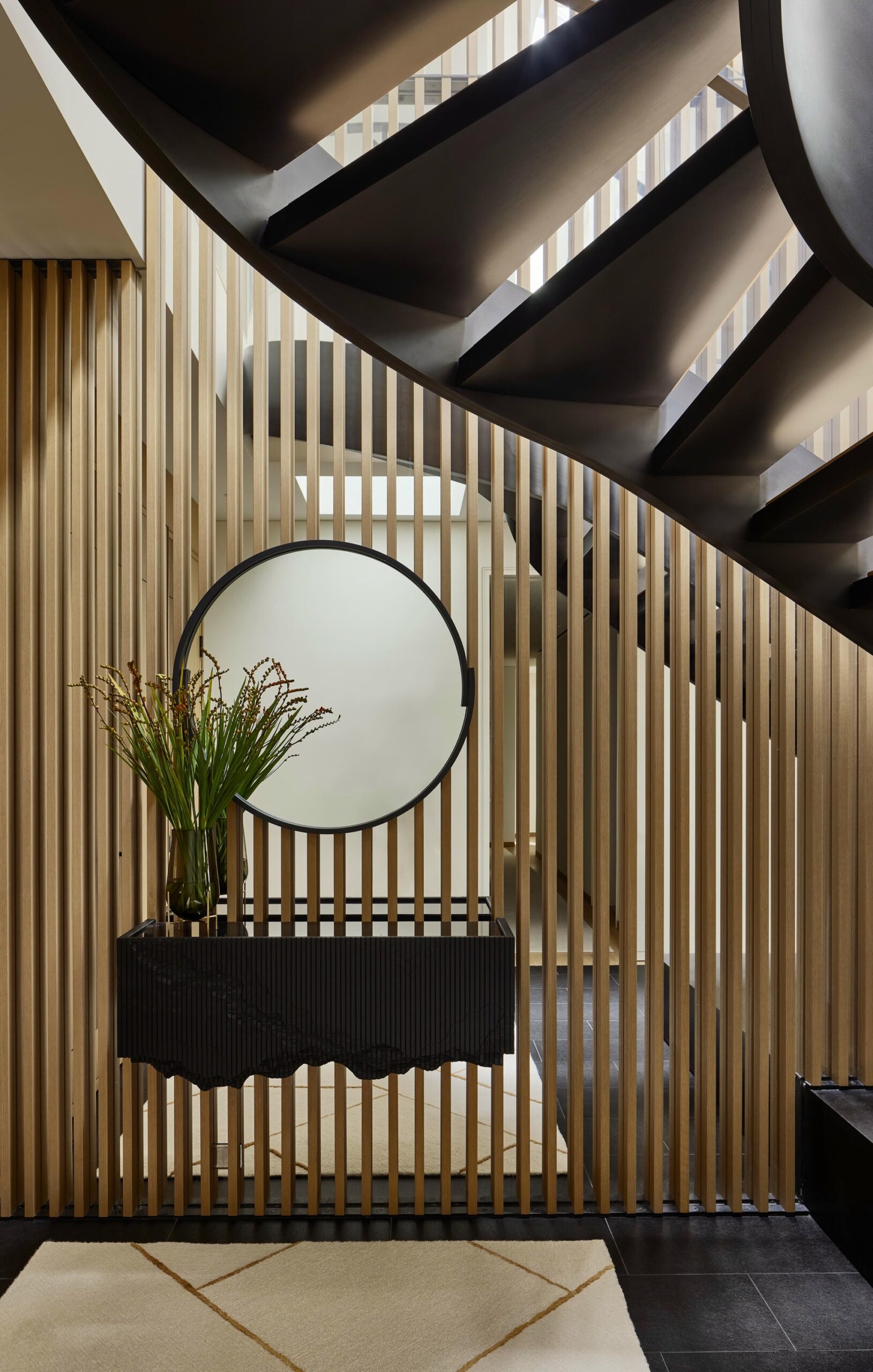
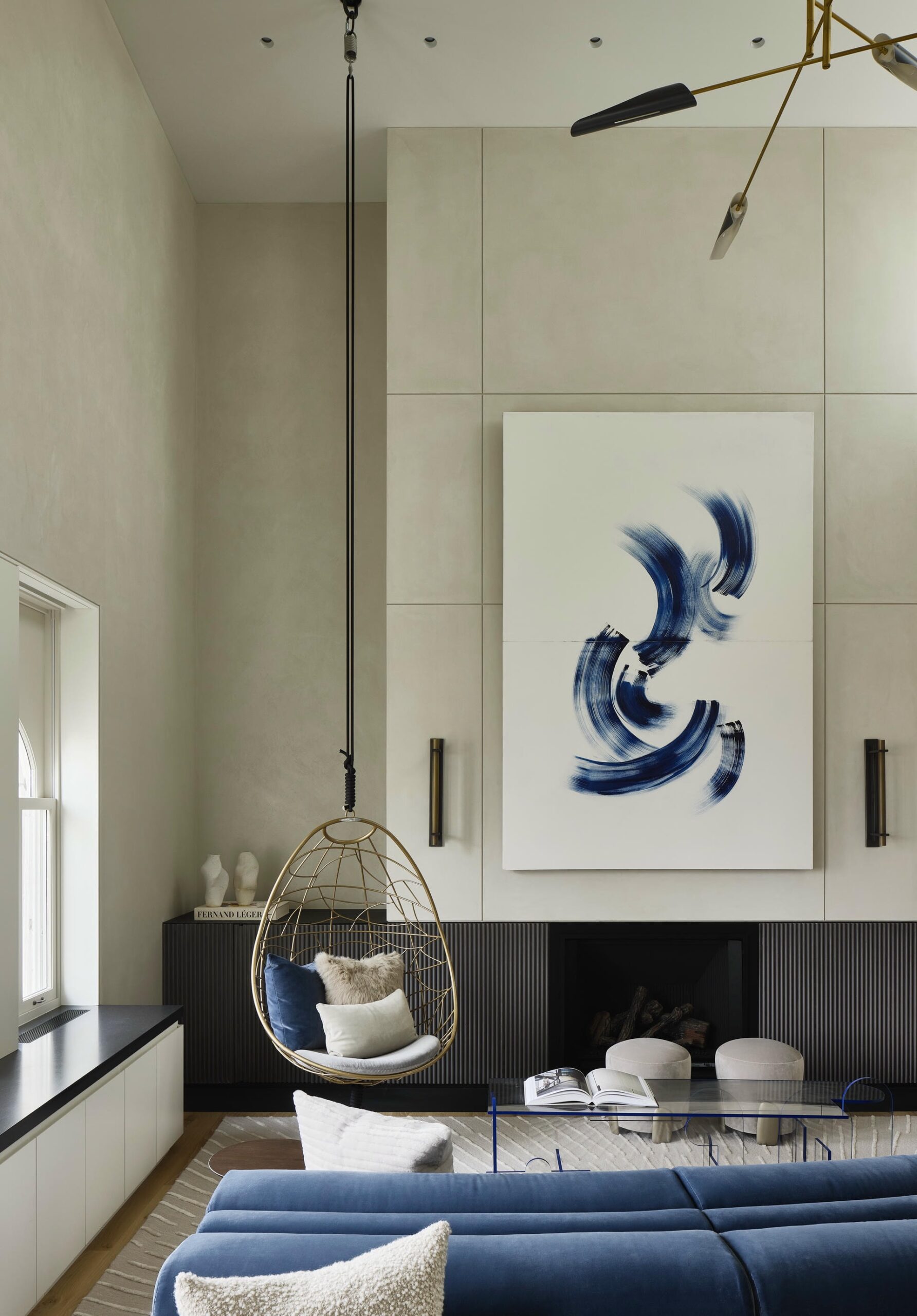
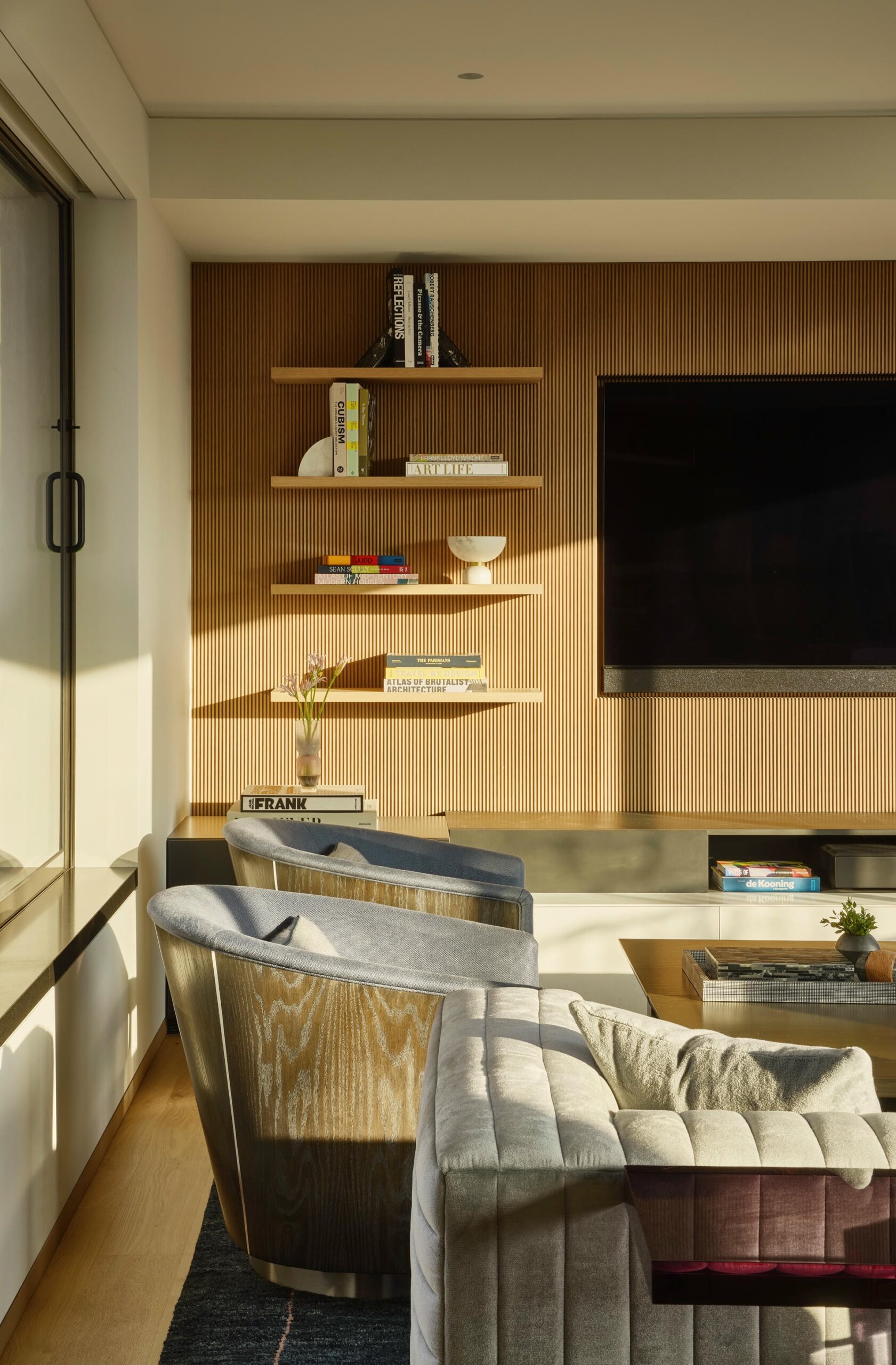
Our Central Park Duplex is one of my favorite projects. It’s an extremely sophisticated, refined home, but the client gave us room to be playful. There’s a lot of innovation in the project, and a little bit of whimsy- something that’s a family trademark – but it never feels silly. That mindset influenced everything from the layout to the material selections and let us tell the client’s story with intent. I’m very proud of our Upper West Side Triplex, too. This home began as a maze-like apartment spread over three levels- re-planning it for a family of five meant unifying circulation and clearly zoning formal vs. informal spaces. Moments like the kids’ attic retreat and a shared workstation near the office were intentionally designed to bring the family together in purposeful ways. It’s exciting to be able to create meaningful connections through design.
5. It must be hard to choose from, but what are your favorite architectural works in the world, and could you tell us why?
One that comes to mind here in New York is The Beekman Hotel. I was there recently and fell in love with its dramatic atrium. I’m inspired by the way historic architectural detail is married to contemporary materiality, texture, and lighting; it’s a renovation that feels both respectful and fresh.
6. What is the part of your work as an architect that you enjoy the least?
The worst part of our job is, of course, delivering bad news when challenges arise on a project. Architecture has so many moving parts that unforeseen issues are inevitable. We’re very good at planning against every known outcome, but there are so many ways that things can change, so many partners involved, so much happening on the site and in the world. We like to set expectations for these ups and downs up front and stay solution-oriented, but breaking tough news will never be pleasant.
7. What are your inspirations? Is there a place, a figure, or an activity that always fuels your inspiration or always re-centers you?
Travel is huge for me. Seeing spaces in different contexts, like an ingenious detail in a restaurant, a bathroom, or a façade I pass on the street, can spark ideas instantly. Outside architecture, fashion is a major source of inspiration. It moves faster, plays with materials, textures, and form in ways that translate beautifully to interiors and buildings. Those cues — crisp tailoring, a fuzzy knit, a color story — often find their way into our inspiration decks and ultimately into the work.
8. Is there a motto that resonates in all your designs? A mantra that you live by when building?
I don’t really have a mantra, but my approach is consistent: good design is creative problem-solving. Every project is unique, so I try to stay open to possibilities and let the specific conditions (client, program, site) guide what the solution wants to be.
9. Workshop/APD is known for its ability to move fluidly between bespoke residential work and large-scale hospitality and development projects. When beginning a project, how do you determine which aspects should be highly customized versus strategically systemized for impact at scale?
I start with the client and the site. The program, the way someone lives, and the constraints of place tell me what needs to be tailored. The same constraints also clarify where consistency helps the project: details and moves that can be deployed throughout a project to bring clarity and efficiency without diluting its character. If a client’s aesthetic is distinct, that will inform the architectural language heavily. If it’s undefined, there’s a wonderful opportunity to explore together and try new things. At the end of the day, our process is highly bespoke. It’s tailored to the people, the place, and the purpose, so no two projects are ever the same.
10. Your residential and hospitality work both respond strongly to lifestyle and context, from coastal retreats to urban penthouses. How do you begin shaping a project so that the lived experience becomes the foundation of the design?
I design for livability first. We’re known for comfortable, welcoming spaces that support how people actually move, gather, and rest. Early planning is about zoning and flow—for example, how we transformed that “maze” of an apartment into clear formal and informal zones—and then layering material relationships so touch, light, and form feel intuitive. Whether the brief leans “coastal modern” or “super modern,” context and lifestyle cues set the tone. A client shouldn’t feel like they’re living on a movie set or in someone else’s home.
11. What do you think the new architectural projects of today need the most? Or asked differently, what is something that the buildings of today lack the most?
I think Wellness is still a sort of afterthought. Clients increasingly want spaces that support health, like meditation, yoga, and treatment roomsfitness facilities, and regenerative amenities like cold plunges, and these have become such a huge part of daily life that they need to be convenient, stylish, and highly functional. We find ourselves advocating for these features even when they’re not on the initial wish list, because we know clients will appreciate them.
12. What would be an advice that you wish someone had told you as you were starting out?
You don’t have to be great at math—or even amazing at drawing—to thrive in architecture. Creativity can be expressed in many forms. What matters most is communicating your ideas clearly and collaborating with people who can help bring them to life.

© Read McKendree
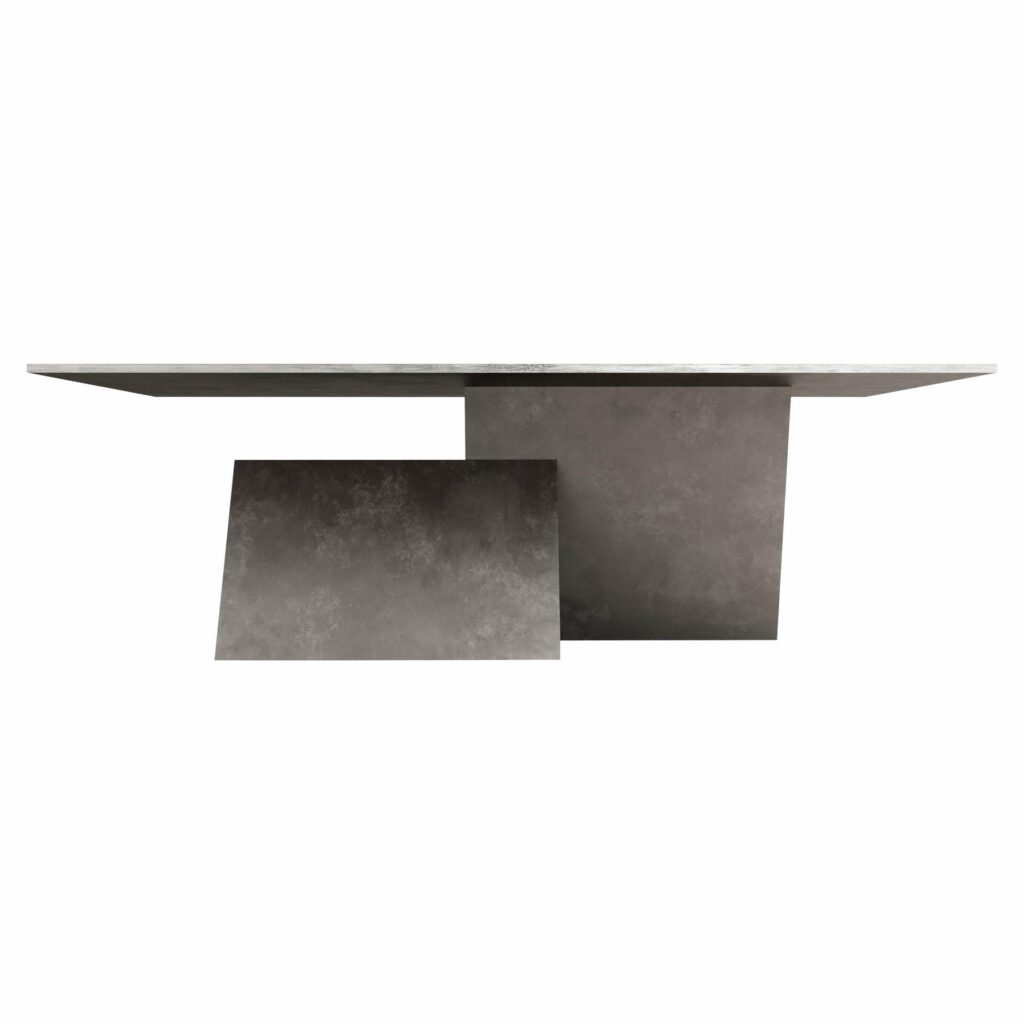
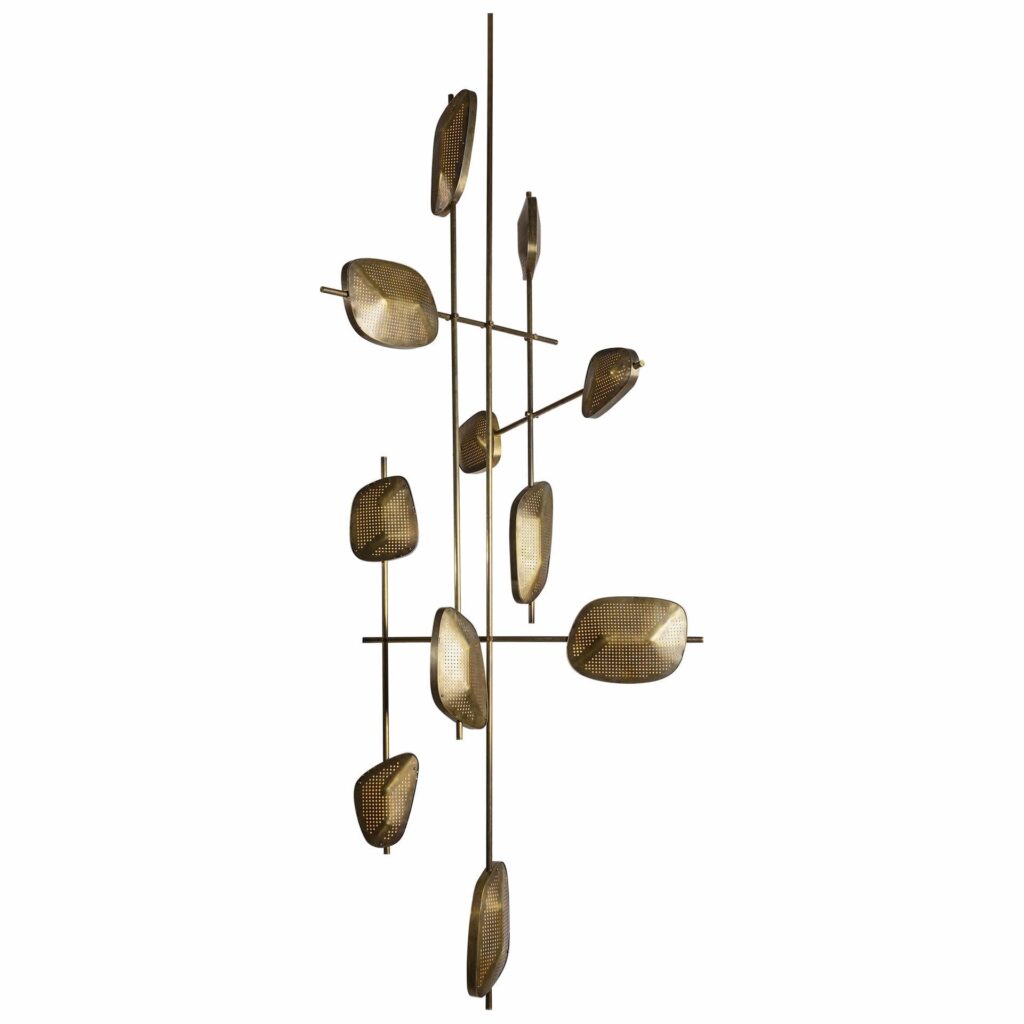
13. Finally, what are your 3 favorite pieces from the Philia Collection?
Thank you so much Brook, for this lovely interview!