
Erased Studio
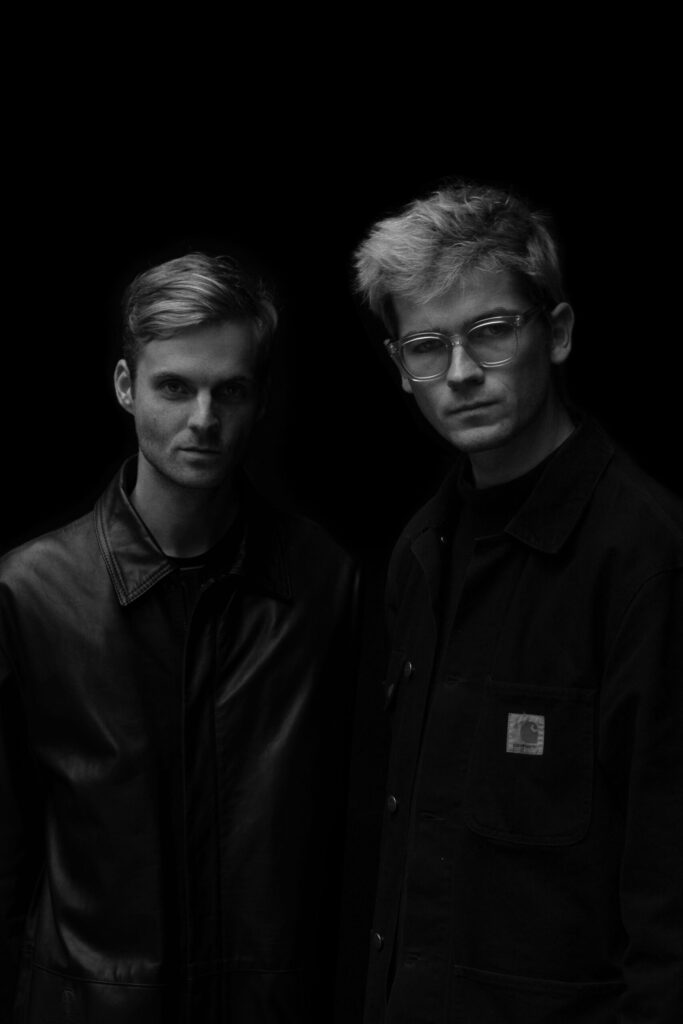
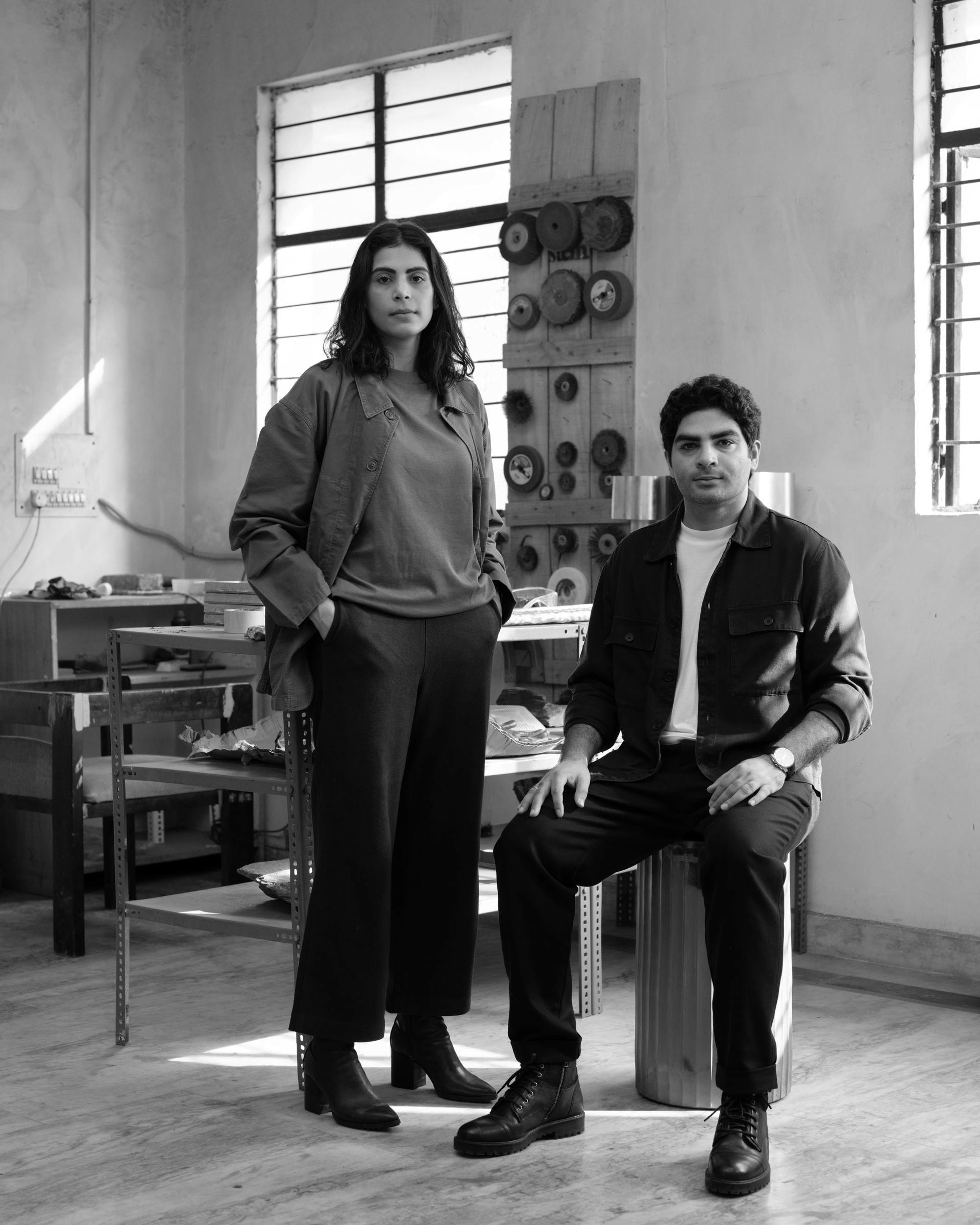
Erased Studio is a multidisciplinary architectural practice founded by architects Elliott Housiaux and Paul-Emile De Smedt. Trained in architecture in Brussels, the studio operates across architecture, interior design, scenography, and spatial design, approaching every project through a structured and analytical architectural lens.
Rooted in research, context, and material experimentation, their work is defined by minimal, visually precise compositions shaped by light, atmosphere, and narrative clarity. Positioned at the intersection of architecture and scenography, Erased Studio explores how form, space, and sensory experience construct immersive environments.
“Minimalism is not an aesthetic outcome, but the result of rigorous decision-making and careful restraint.”
INTERVIEW

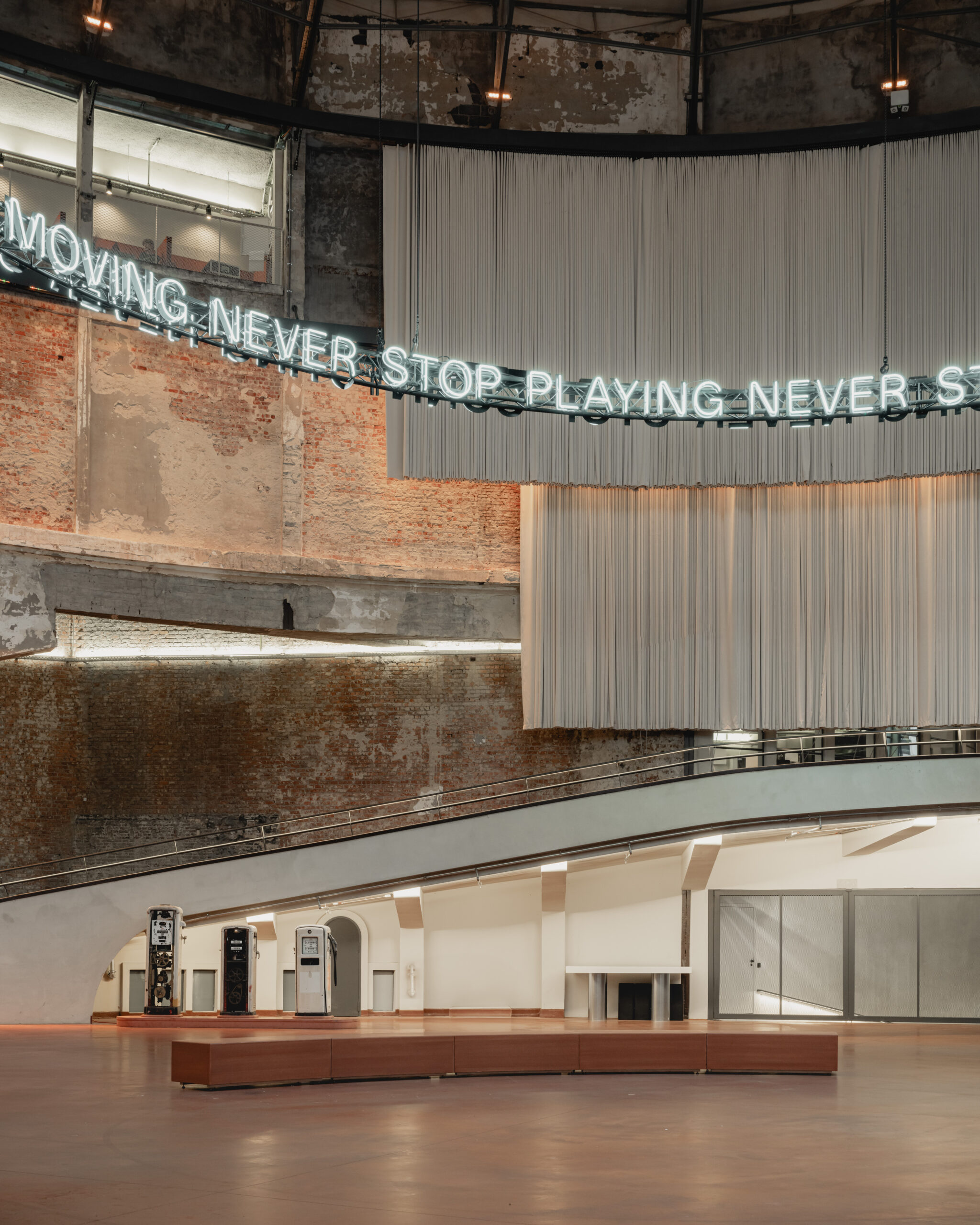
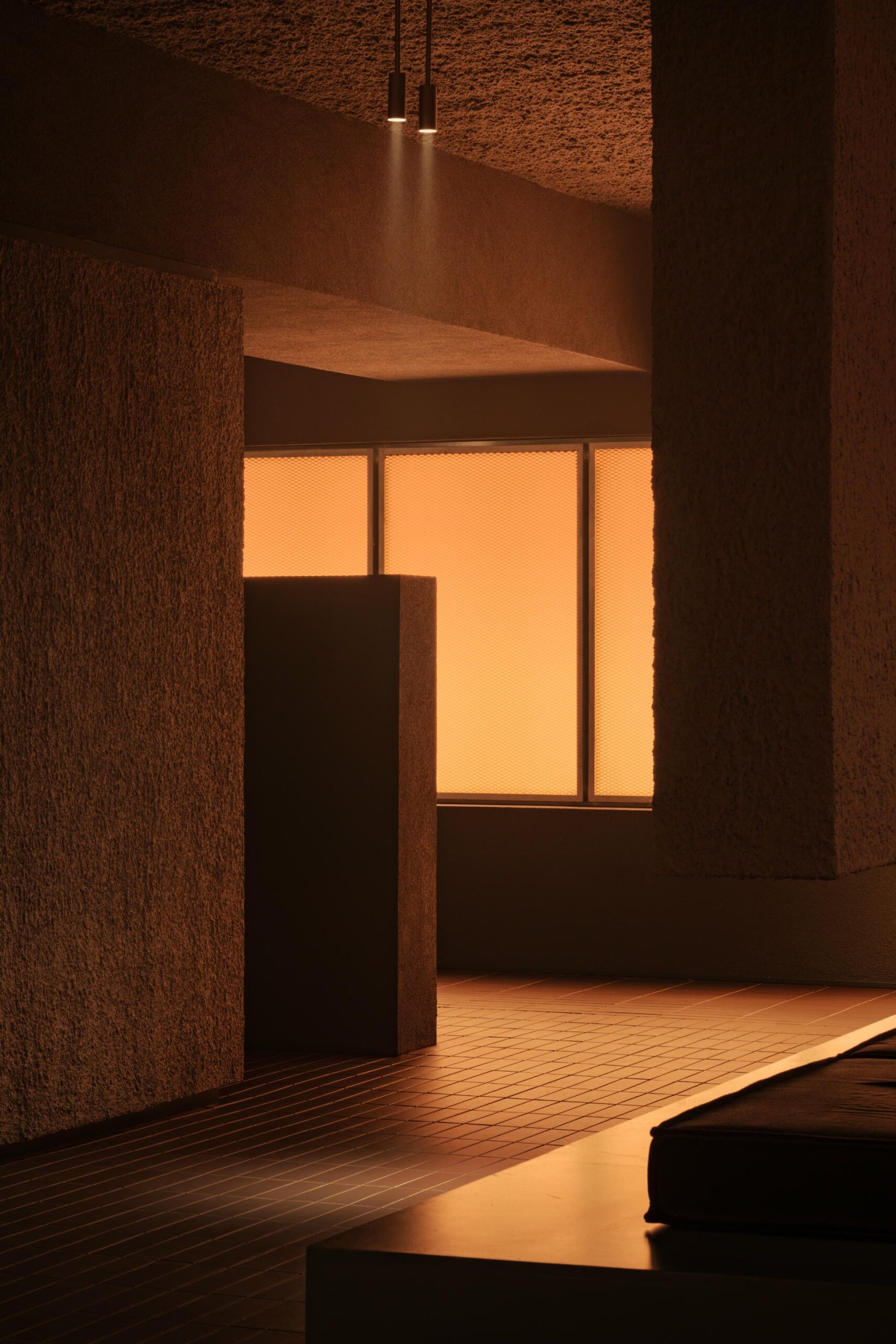
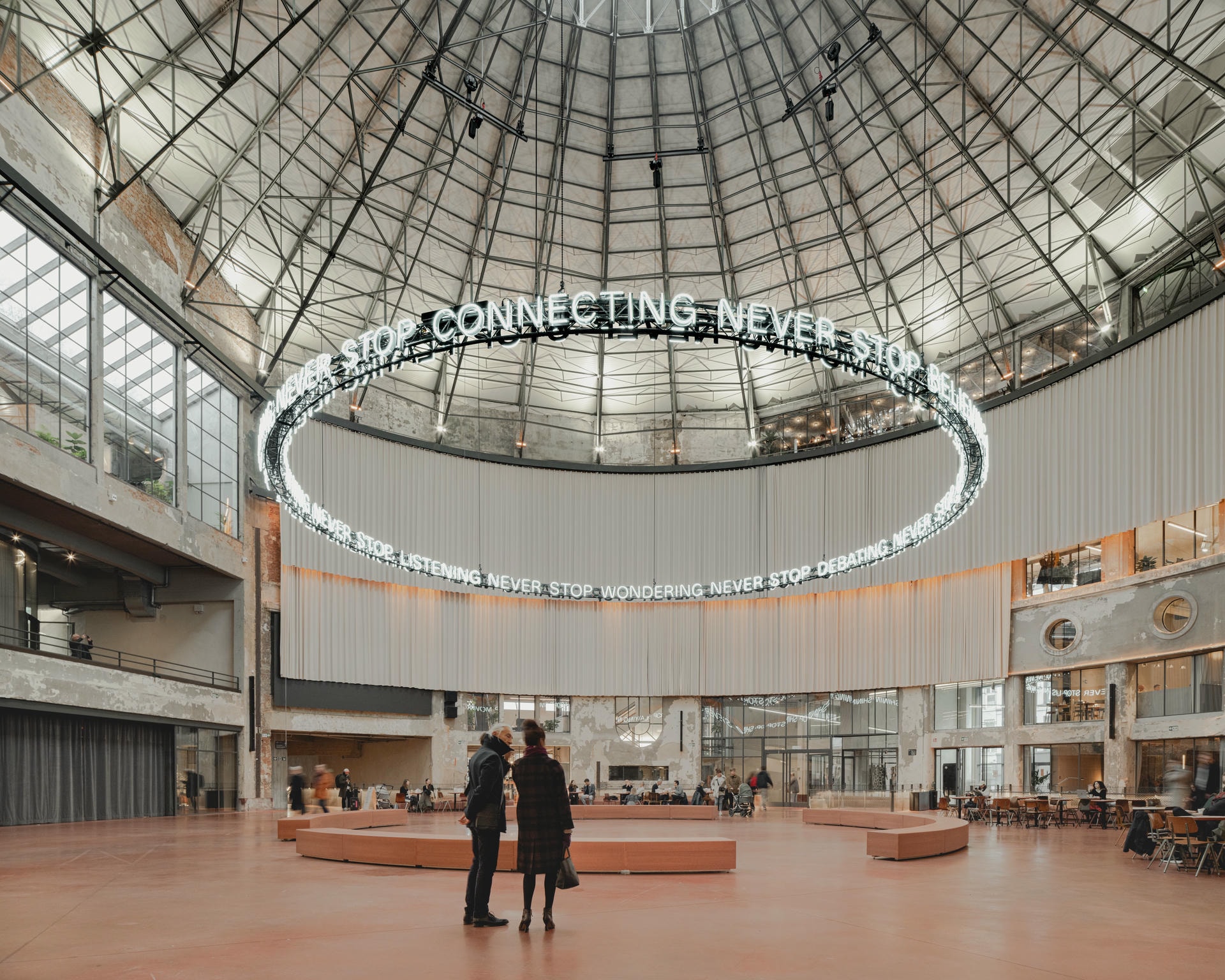
ARENA PAVILION SYSTEM © Jeroen Verrecht
This is a particularly meaningful question for us, as we actually met during our very first year of architecture studies in Brussels. We both come from families that include architects, who likely — perhaps unconsciously — shaped our sensitivity to space, materials, and the built environment from an early age.
Interestingly, neither of us always envisioned becoming architects. Before committing to this path, we both explored various academic and creative directions. Yet architecture gradually stood out as the discipline that best resonated with our way of thinking and creating — a field that naturally bridges technical rigor, artistic expression, and spatial experimentation.
During our studies, we naturally opened our eyes to new perspectives in architecture. It is a unique and distinctive profession because it touches on so many different fields at once. For every new project and program, an architect must research, learn, and understand the domain in which the project is situated in order to meet the requirements and create a relevant proposal. It is an exercise that requires a great deal of effort and time each time, but it is also what makes every project unique and interesting. This is also what makes the profession of architecture multidisciplinary in a way. This openness to multiple disciplines is precisely what later became the foundation of our studio, where architecture, scenography, and design intersect to create immersive and narrative spaces. Looking back, our trajectory now feels less like a deliberate choice and more like something that subtly imposed itself over time — almost as an obvious destination.
The essential starting point is always the relationship we build with the client. Through open and engaging dialogue, we establish a foundation of trust and gain a subtle and accurate reading of the brief before any formal gesture takes shape. We approach every project — regardless of its scale — through the same architectural lens, with particular attention to its urban, economic, and social context. This preliminary phase of observation and analysis allows us to translate the client’s vision into a spatial response that is both precise and meaningful.
We place great importance on analyzing the context and the setting in which our projects take shape. Whenever possible, we strive to use the historical or spatial elements of a site as a foundation or starting point. These elements are often combined with new, contemporary components, which, in our view, make the projects all the more compelling. Rather than starting from a blank page, we use the context to enhance new elements — and vice versa.
Beyond this, we deliberately attempt to go further than the brief itself, interpreting not only what is expressed but also what remains implicit. Our aim is to propose a singular and unexpected architectural narrative — one that surprises, challenges, and ultimately delights the client, while remaining deeply anchored in their needs.

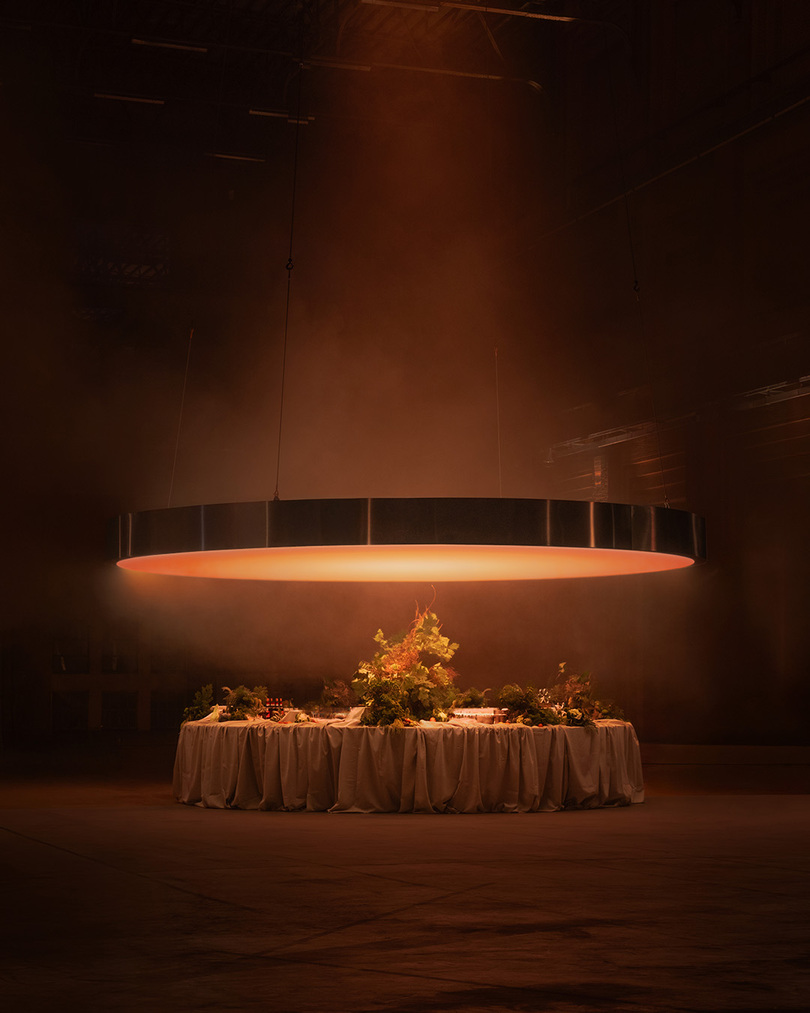
HALO © Eline Willaert

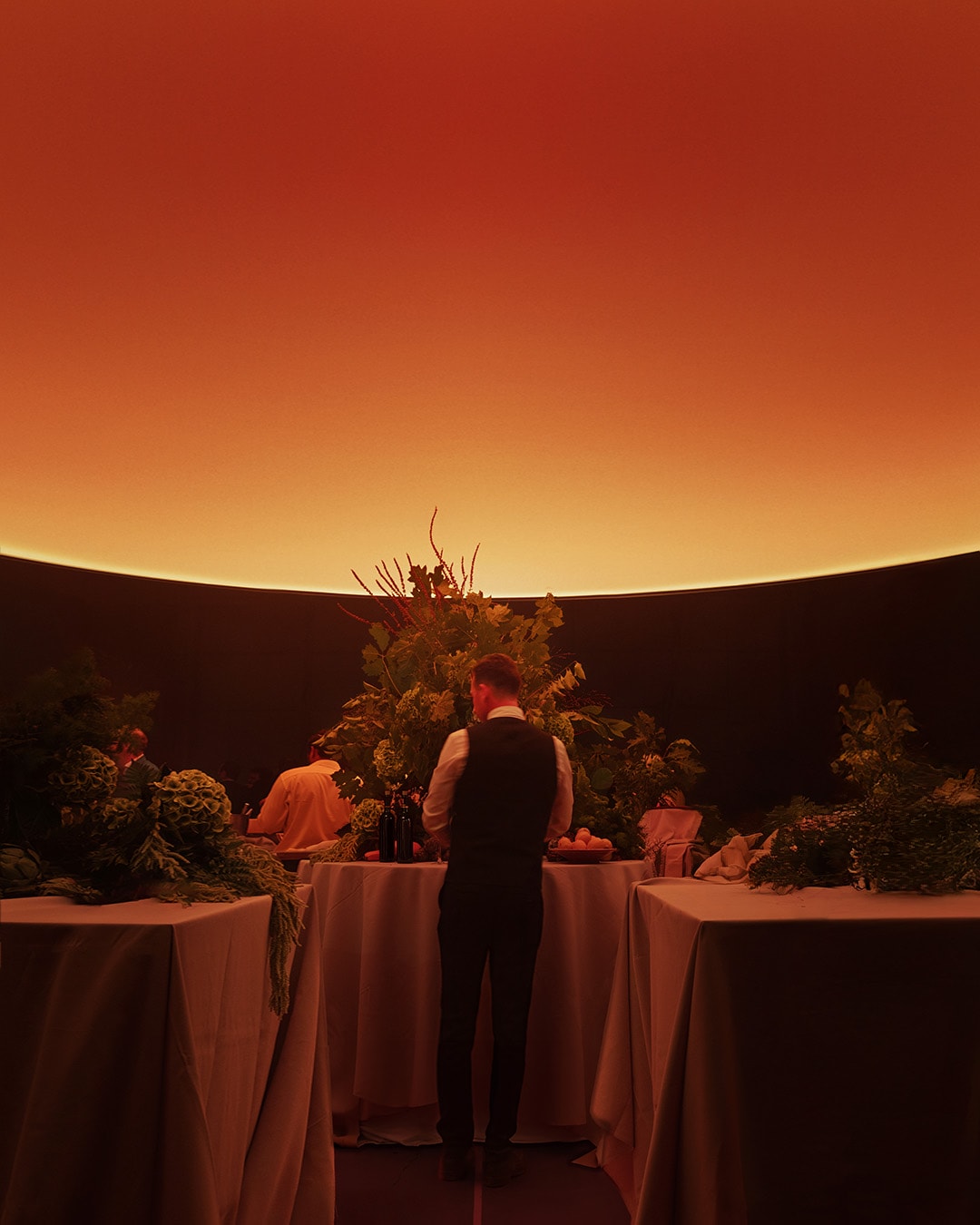
SINGULAR NIGHT © Eline Willaert
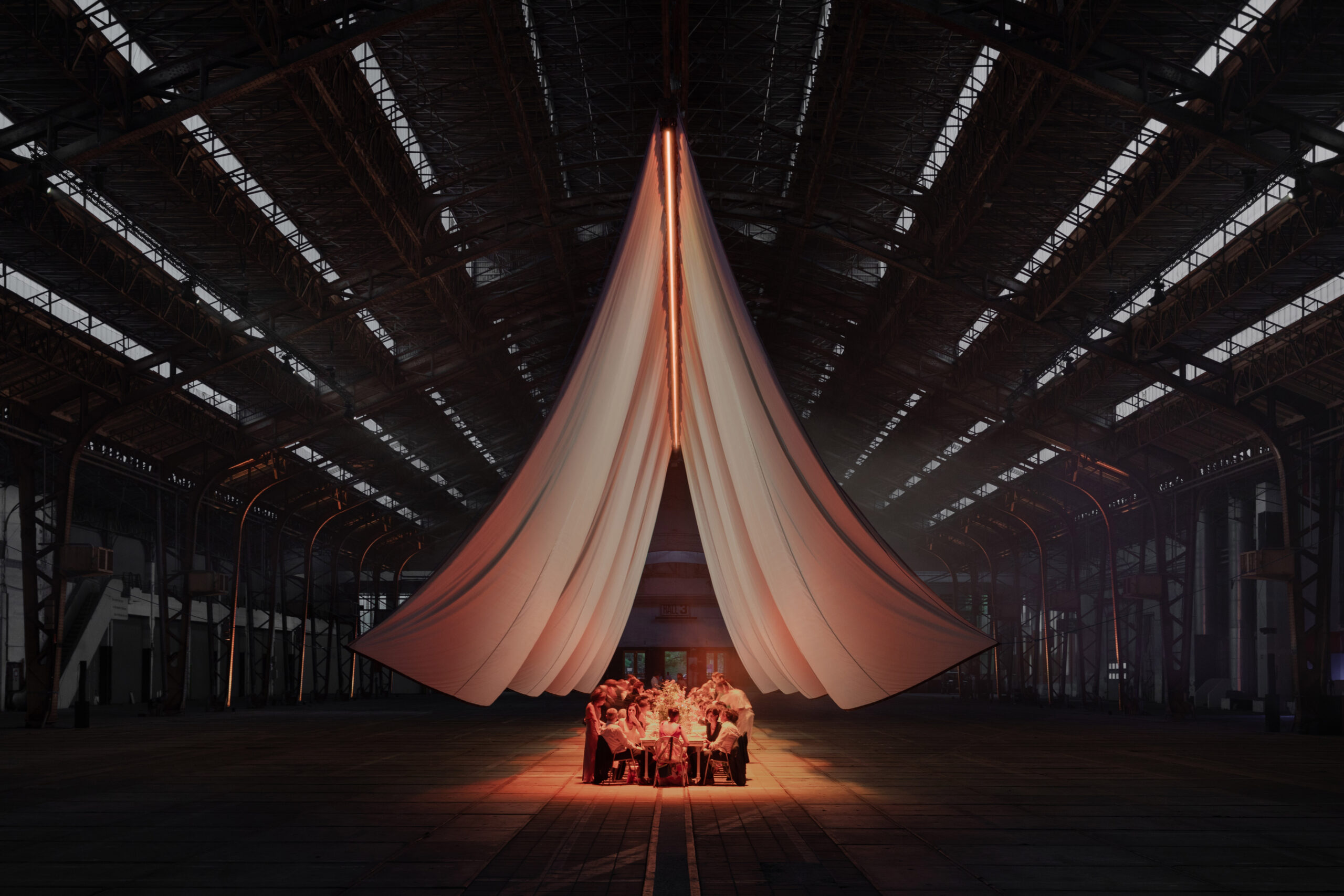
The result was profoundly moving — a suspended moment where space, light, and materiality came together in a deeply evocative atmosphere. What made the project especially exciting was its unexpected international resonance. We never anticipated such extensive media coverage and global visibility. In hindsight, Singular Night represents a pivotal moment for Erased Studio, where our sensibility, methodology, and visual language first fully aligned.
Erased Studio operates across multiple scales, from architecture, interior design, scenography, art direction, and furniture design. Regardless of the scope, we approach each project with the same structured and analytical architectural methodology. This process results in minimal and visually precise projects, yet deeply rooted in sensory experience. Particular attention is given to light, materiality, proportions, and atmosphere — elements that shape how space is perceived, inhabite,d and emotionally experienced.
We strive, whenever possible, to create projects that are timeless in their style. Of course, we are always influenced by new references or other projects we discover on a daily basis, but we try to keep enough distance for our projects to remain original and distinctive. We like to focus on the essence of things, trying to highlight them in the best possible way. However, achieving something minimal, refined, and strong requires a great deal of work and research before reaching the core of an idea. Beyond the minimal aspect, we are also influenced by a more industrial style, which, conversely, highlights more technical, structural, or functional elements and emphasizes how things work.
We are particularly proud of our dinner scenography project entitled Singular Night. Originally designed as the scenographic setting for the wedding of an architect couple in Ghent, Belgium — it was also one of our very first dinner projects. With a strictly controlled budget and limited resources, we executed almost the entire installation ourselves alongside our team, investing a great deal of energy, care, and passion into every detail.
Indeed, it is difficult to single out one reference. More broadly, we are deeply inspired by the work of Superstudio — the radical Italian collective founded in the late 1960s. Their practice unfolds at the intersection of architecture, art, design, film, photography, and critical theory, using interdisciplinarity as a deliberate strategy to question the very role of architecture.
Rather than treating architecture as a finished object, Superstudio approached it as a critical instrument — a means to interrogate society, patterns of consumption, and the responsibilities of design itself. Their work continues to resonate strongly with our own way of thinking, precisely because it challenges the conventional limits of the discipline.
Il Monumento Continuo (1969) is particularly striking. Conceived as an infinite, abstract grid stretching across landscapes and cities, it is at once utopian and deeply unsettling.
More than a project, it functions as a manifesto — pushing architecture beyond construction toward speculation, narrative, and visual culture, while compelling us to reflect on control, standardisation, and ultimately, the very necessity of building.
Like many architects, our least favorite aspect of the profession is undoubtedly its administrative dimension — complex, time-consuming, and often excessively bureaucratic. While we fully recognize its necessity, it can sometimes feel disproportionate when compared to the time we are able to devote to exploration, research and pure creative expression.
This tension perhaps reflects the very nature of architecture itself: a discipline constantly oscillating between regulation and imagination, structure and poetry.

OKEN © Erased Studio
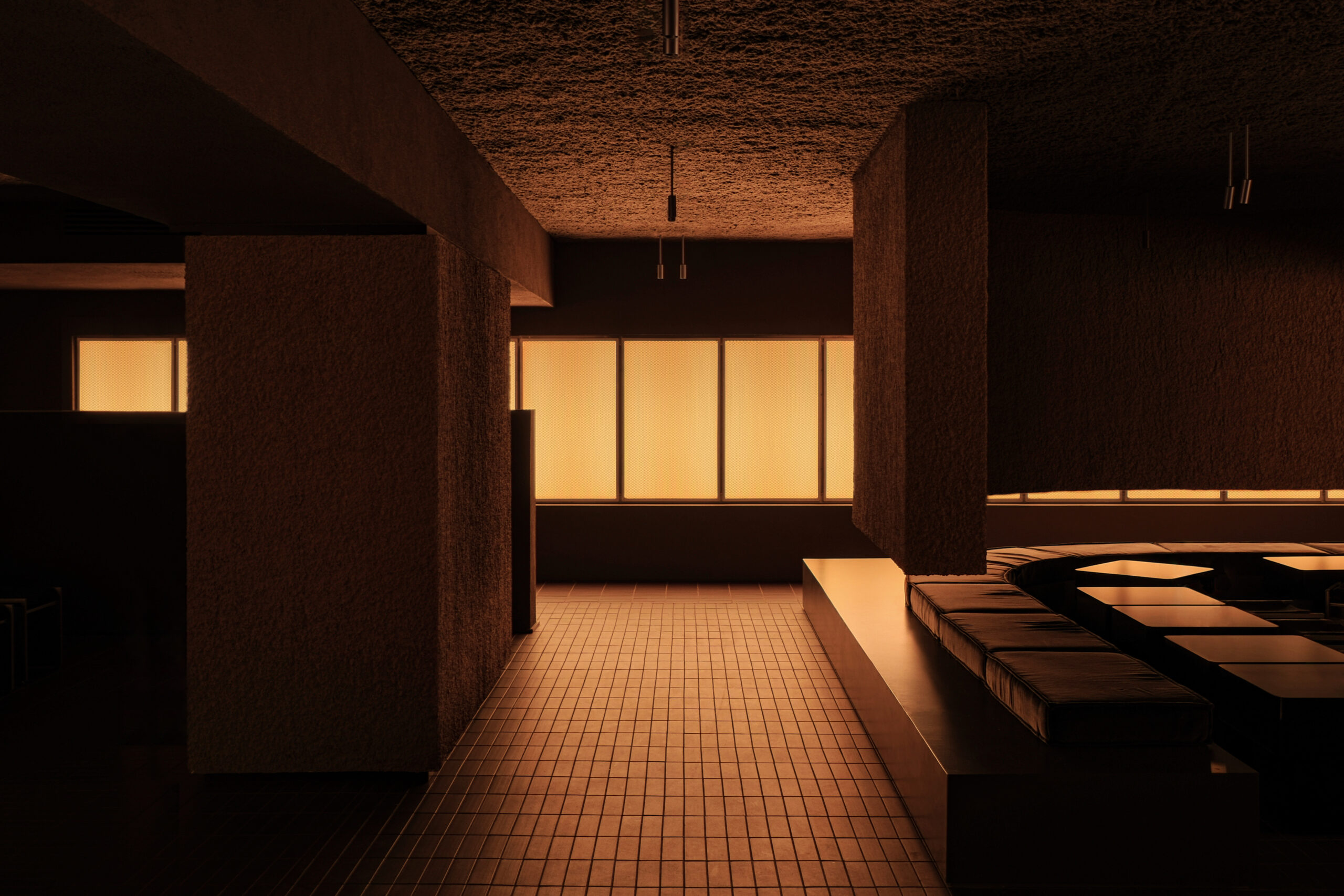
Our inspirations are multiple and cross-disciplinary, spanning art in its broadest sense, music, fashion, design, and cinema. These fields continuously feed our visual culture and sharpen our sensibility, shaping both our personal equilibrium and our professional vision.
Beyond their aesthetic influence, these practices allow us to momentarily step back, re-center, and reconnect with our own inner rhythm. In this sense, inspiration is not merely a source of ideas, but a space of pause, observation, and awareness — a territory where perception, emotion, and imagination converge to inform our architectural language and future projects.

CLBK CABIN © Ben Baltus
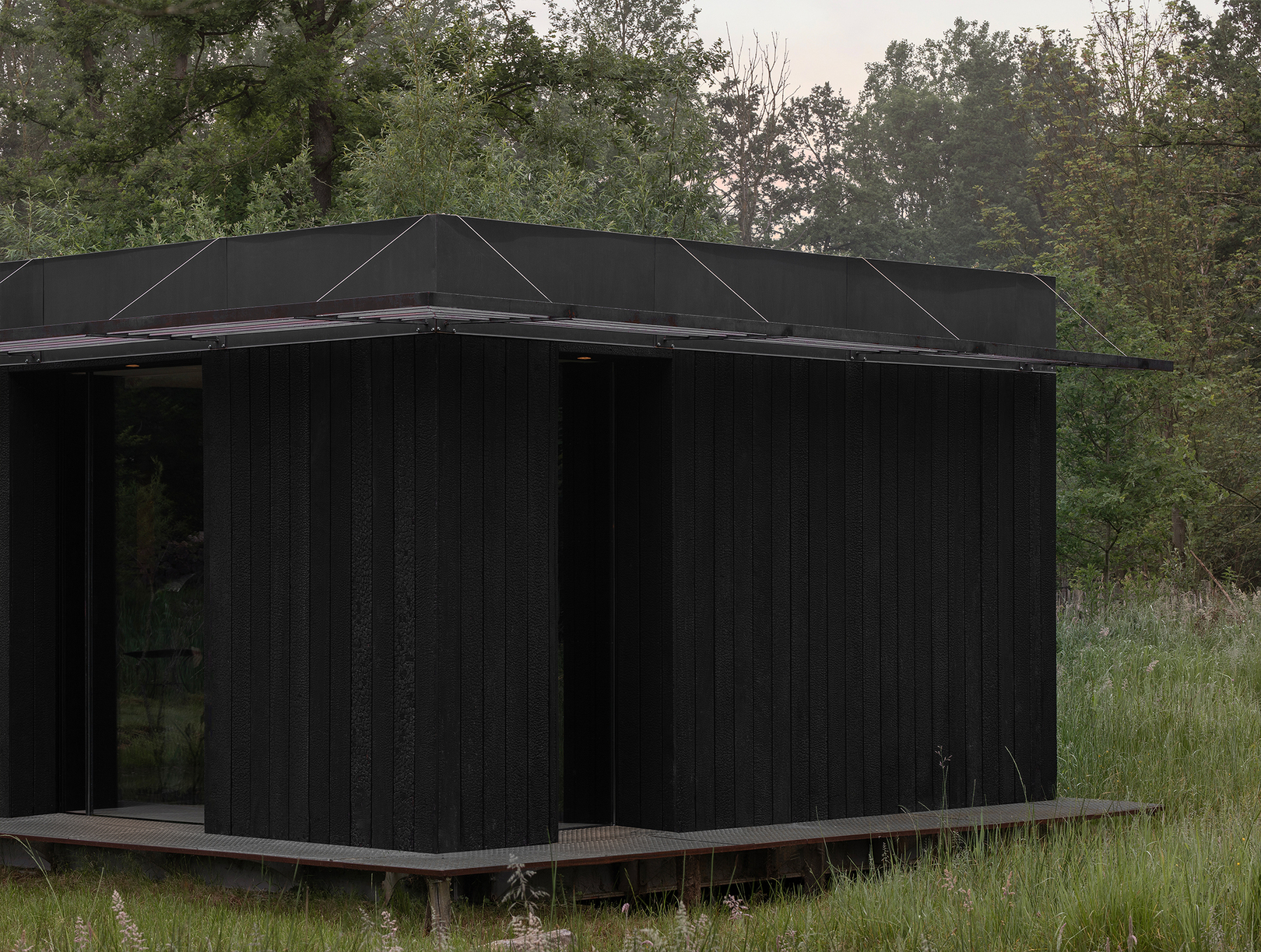
Take the time to carefully analyze a project brief, the client’s expectations, and their intentions. It is better to spend time understanding all of these aspects before embarking on a project. Otherwise, the risk of frustration or disappointment later on can be very discouraging and may result in a project you are not satisfied with.
Furthermore, if you are asked to lower your fees as much as possible in exchange for visibility, it’s simply not worth it. If a client wants to work with you, it is also their responsibility to trust you and value your work. If your project brings you visibility, it is because it has been well executed and, as a result, meets all the client’s requirements as well.
“Young architects can change the world by not building buildings.” — Virgil Abloh.
While we do not entirely believe that architecture alone has the power to change the world — and perhaps very few architects truly do — we strongly resonate with the underlying message of this statement. For us, it is not a call to stop building, but an encouragement to rethink what architecture can be, and where its boundaries truly lie.
The most interesting projects often emerge when one dares to step outside the conventional framework of practice, allowing architecture to intersect with other disciplines, narratives, and modes of expression. This philosophy deeply informs our work at Erased Studio, where we continuously seek to challenge traditional definitions and explore new spatial territories.
Each of our projects is grounded in a carefully constructed concept established from the very beginning. Yet throughout the creative process — from the first sketch to final execution — numerous distractions, constraints, and secondary elements inevitably attempt to shift the project away from its initial intention.
Our role is to constantly return to this conceptual axis and question what truly serves it. The process of editing is therefore not a simple act of reduction, but a disciplined and conscious gesture of refinement. Certain elements must remain, others must disappear.
It is through this precise act of subtraction that a project finds its clarity. The void becomes intentional, almost expressive, allowing space to breathe and the concept to fully reveal itself. In this sense, minimalism is not an aesthetic outcome, but the result of rigorous decision-making and careful restraint.
It may seem like an obvious point, but we live in a world where everything is constantly accelerating, and things often move faster than they can be fully understood. The internet and social media offer an unprecedented wealth of knowledge and inspiration, making culture and learning accessible to everyone. Yet this abundance also has a downside: people often draw from sources without reflecting on their meaning or the reasons behind their creation.
When functionality and aesthetics are aligned, a project becomes far more meaningful and engaging. That is why careful study and a focus on functionality are essential; the beauty of a project will emerge naturally from this foundation.
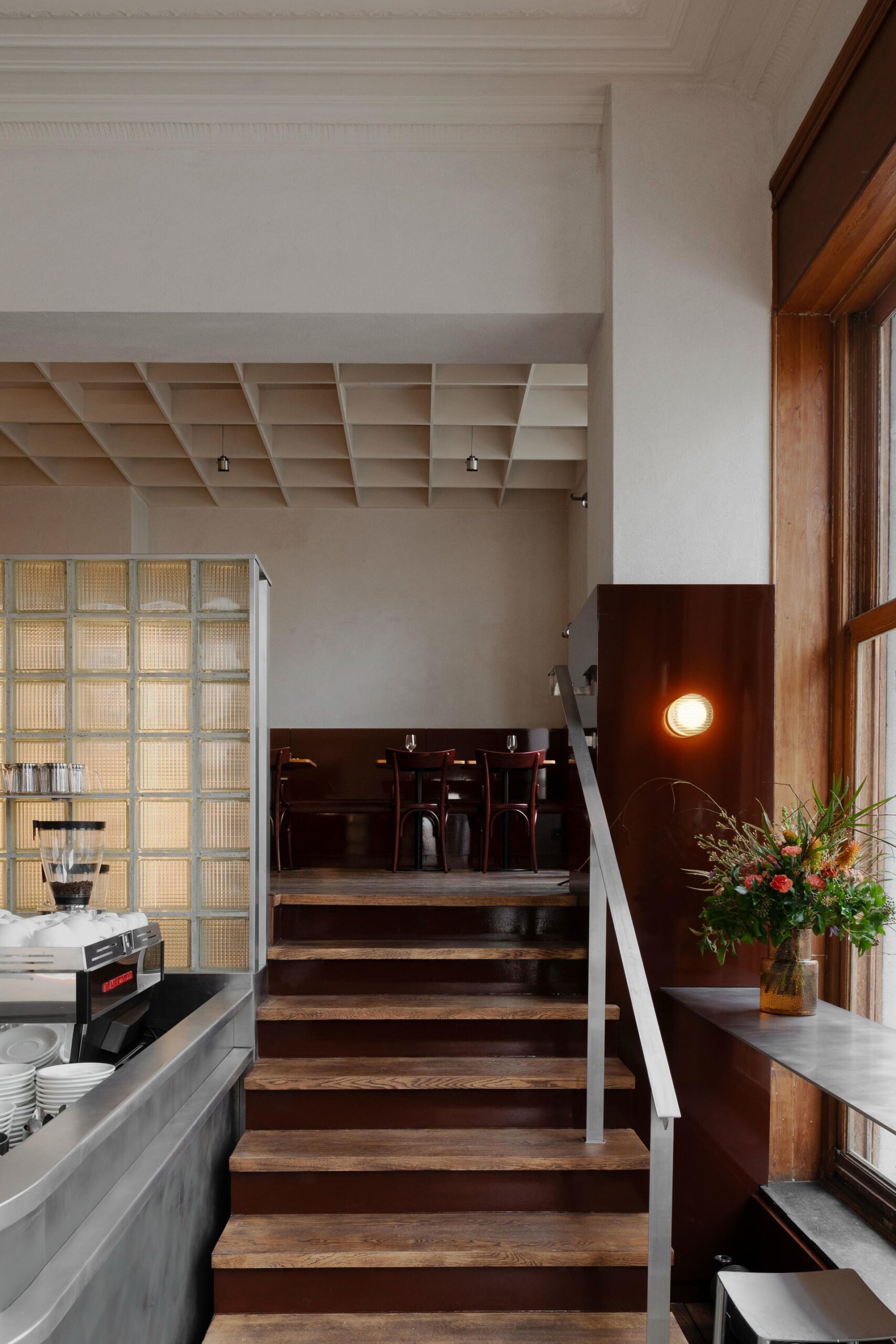
BATCH © Eline Willaert
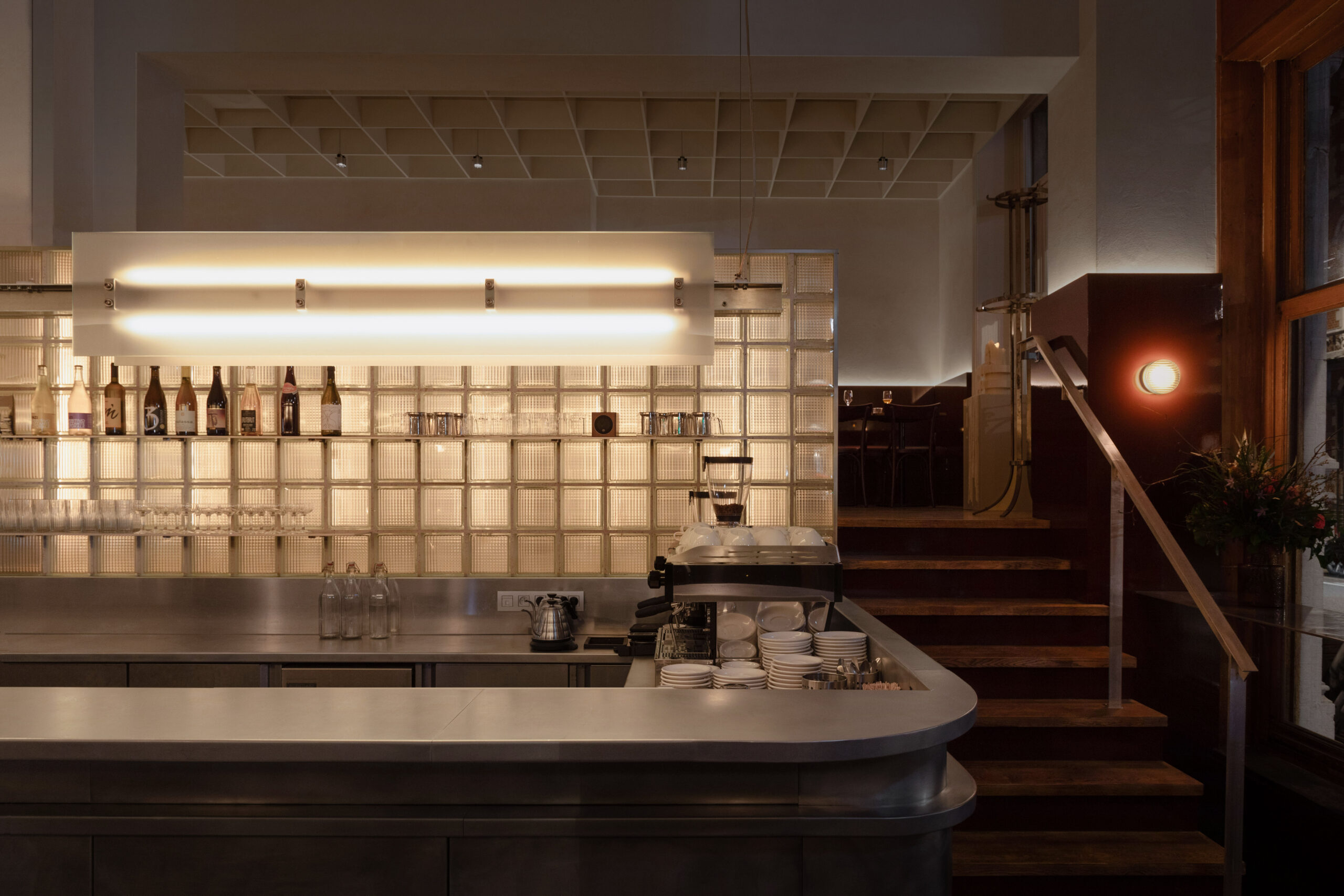
favorite pieces from the Philia Collection
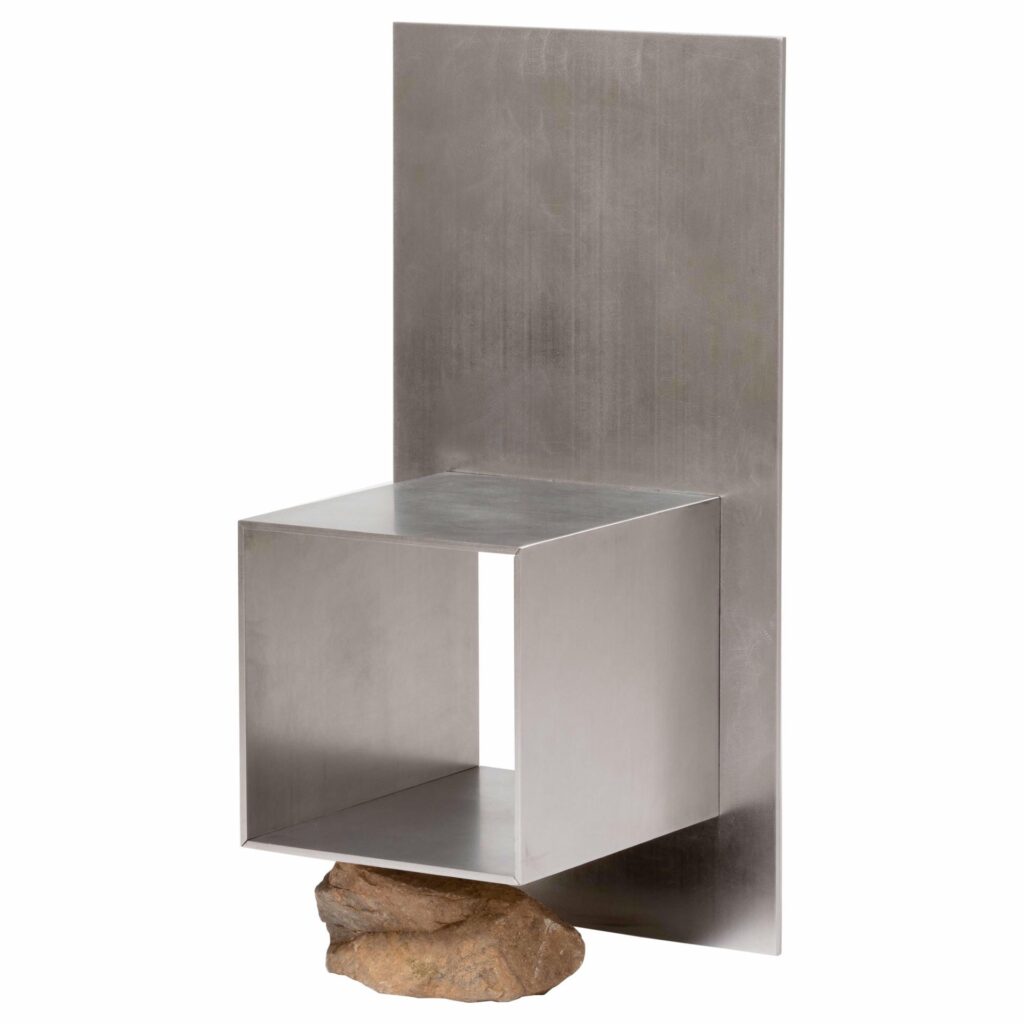
Contemporary Block Form Stainless Steel Chair with Natural Stone by Lee Sisan
Lee Sisan’s Stone Chairs, for their powerful material contrast, where lightness confronts raw brutality.
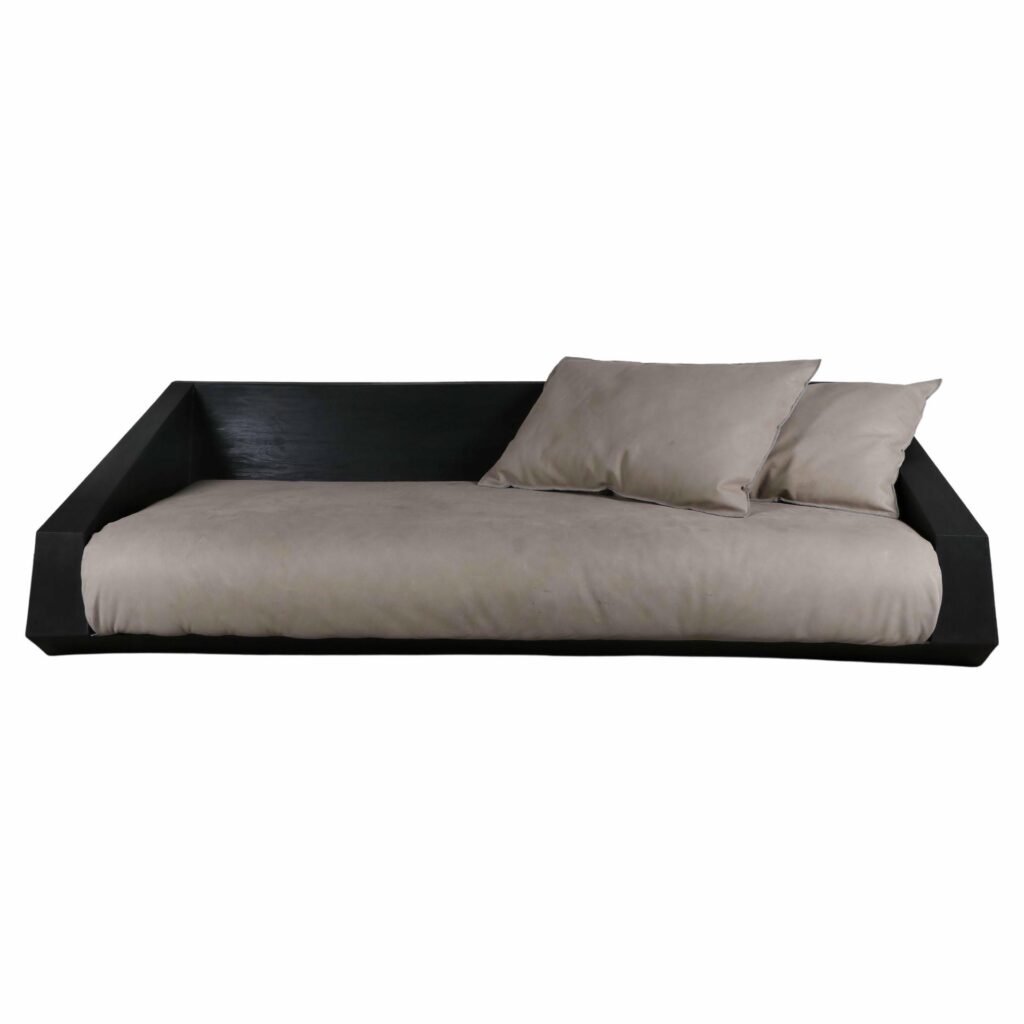
Minimalist Black Plywood Frame Sofa with Beige Cushions by Lucas Tyra Morten
Lucas & Tyra Morten, for their strong use of the essence of materiality, simple yet powerful pieces of furniture.
Thank you so much Elliott & Paul-Emile, for this lovely interview!
Share article :
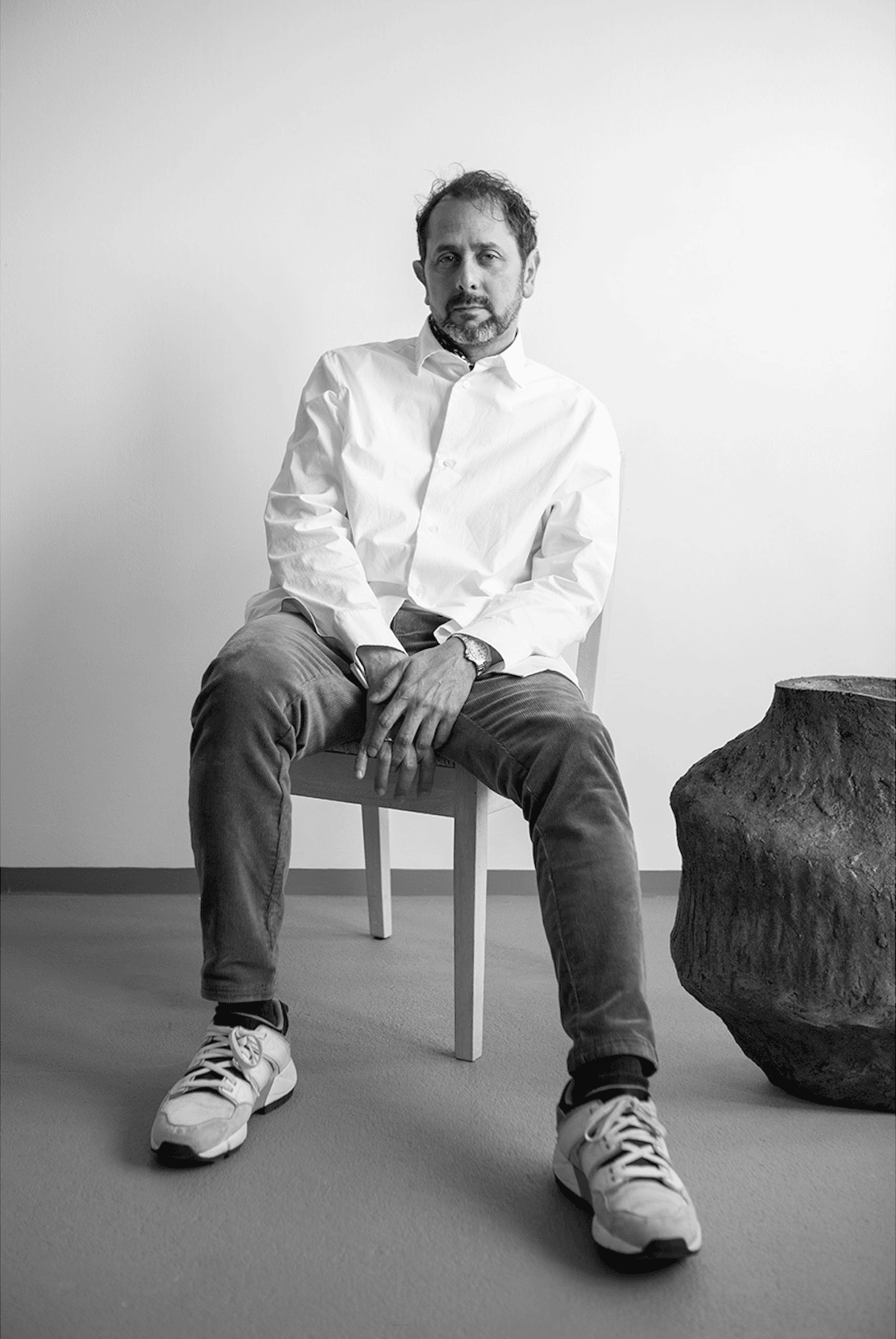
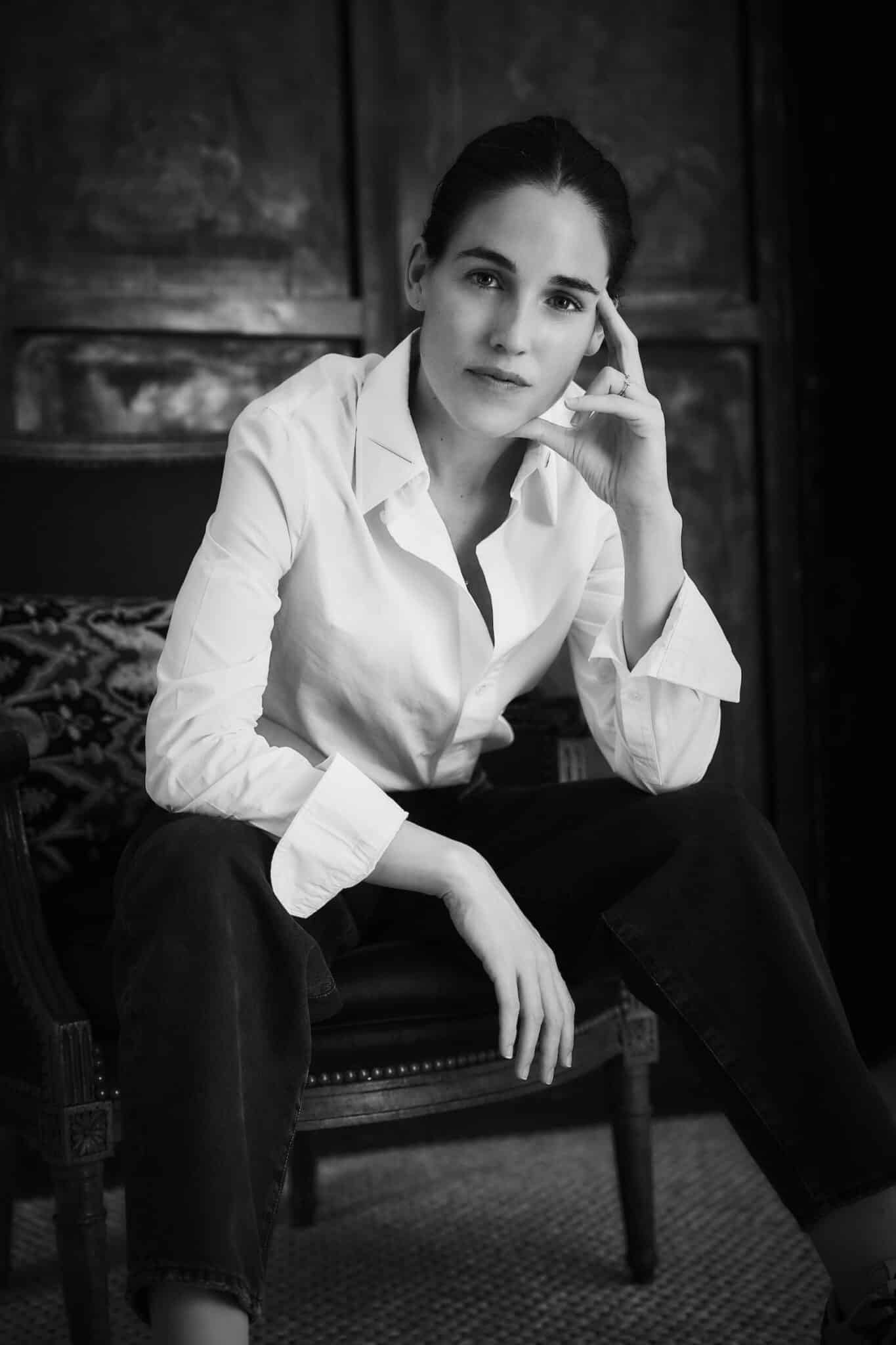
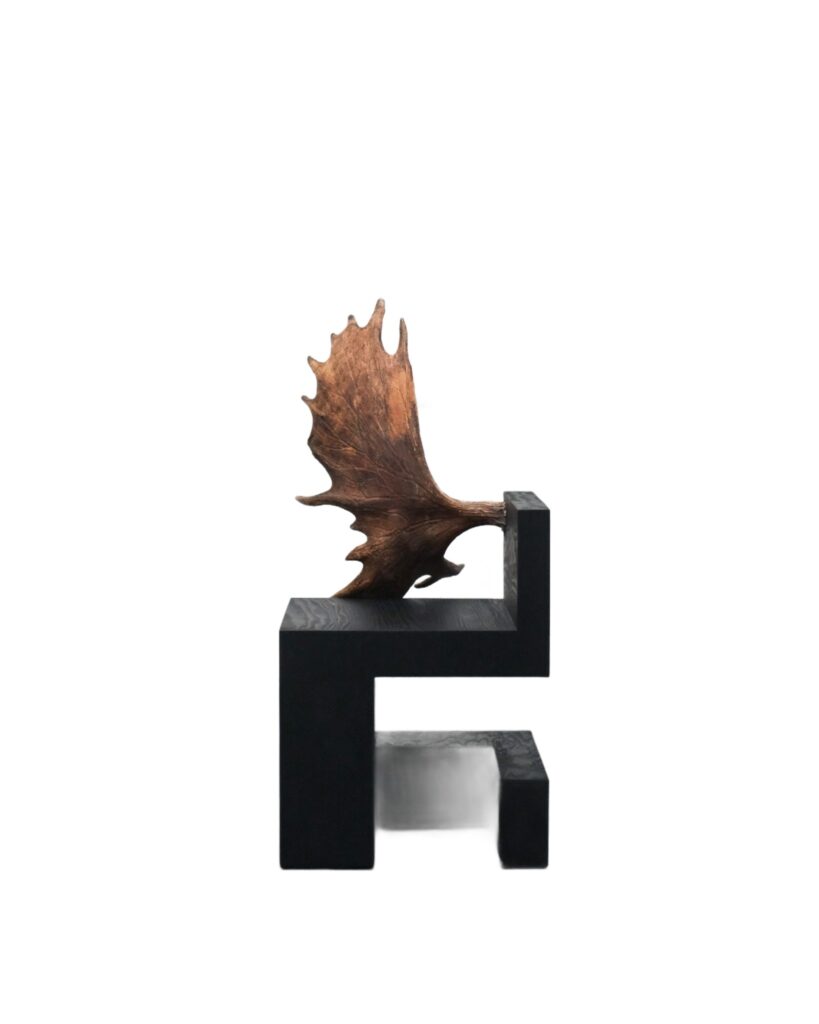
The entire Rick Owens furniture collection, with a particular emphasis on the Stag Chair — an absolute all-time favorite.