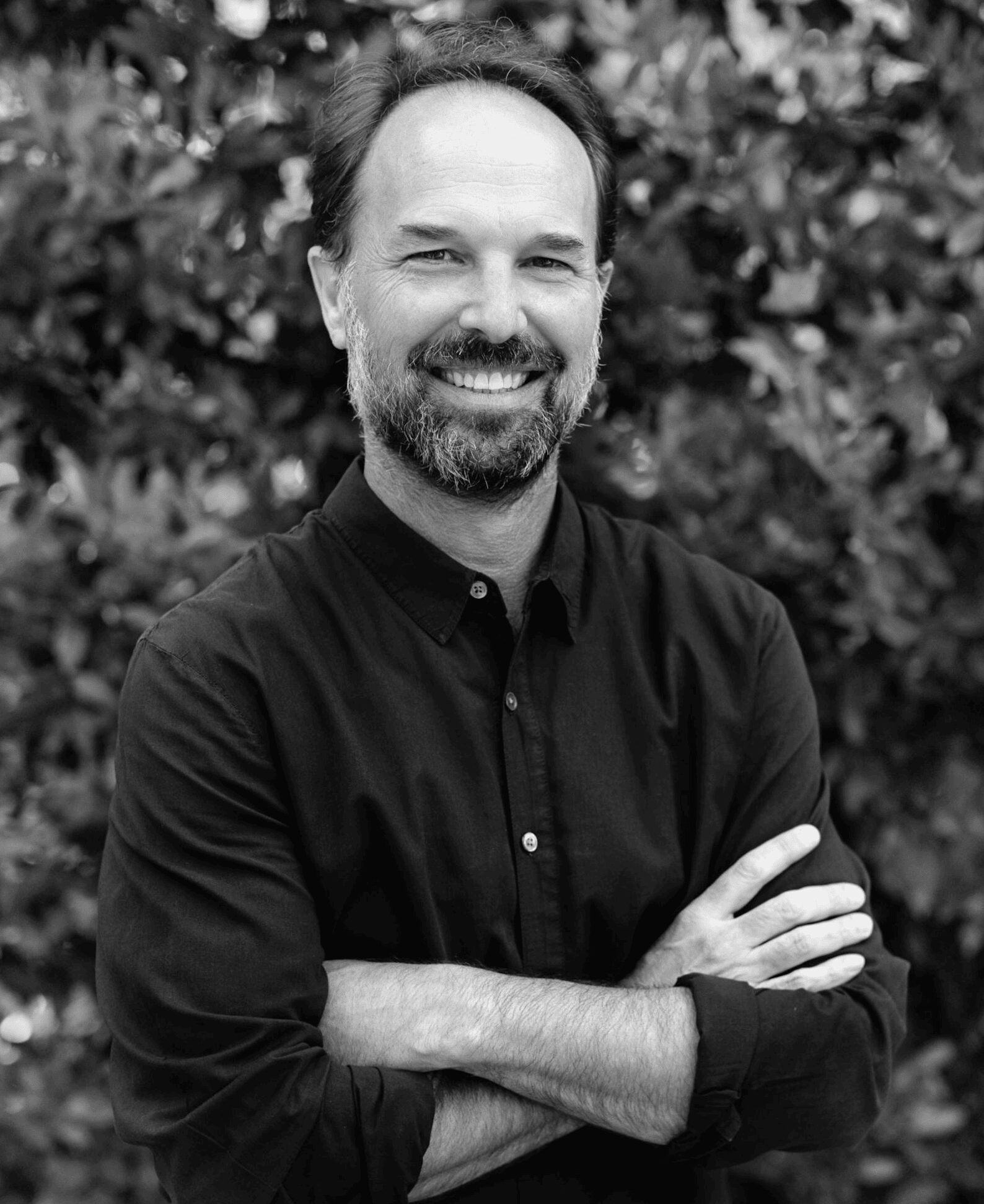
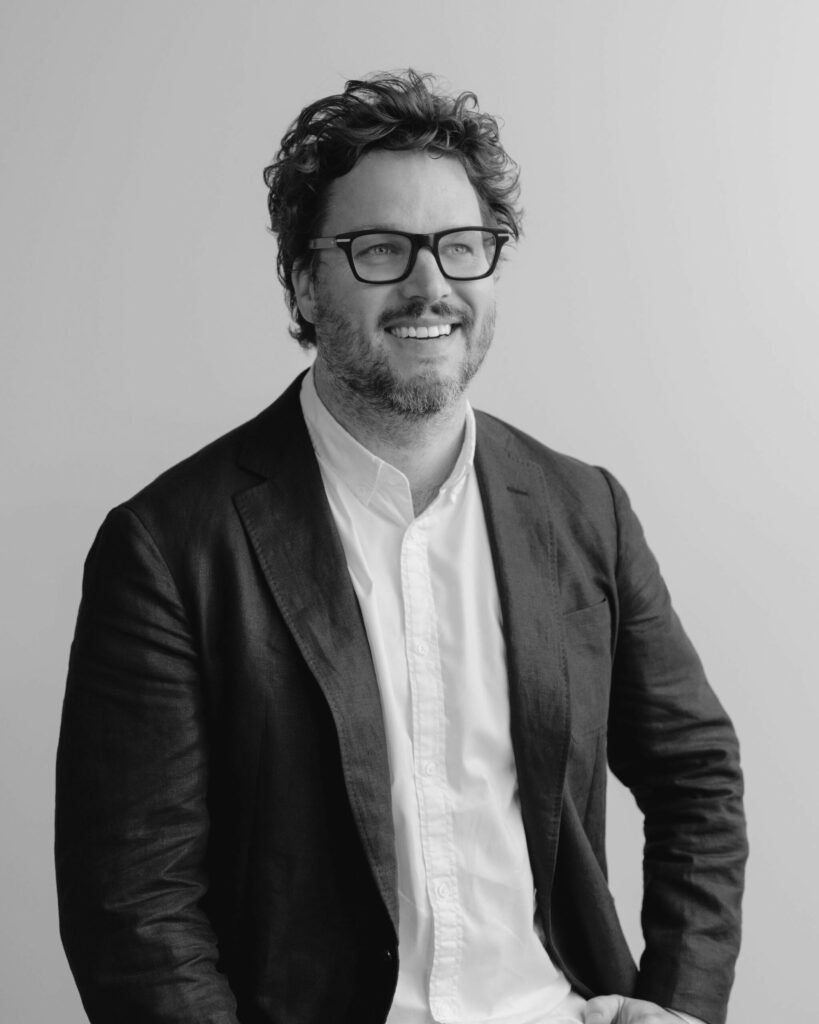
Tom Robertson
Tom Robertson is an Australian architect and the founder of Tom Robertson Architects, a Melbourne-based practice dedicated to residential design. His work is defined by a quiet clarity and a sensitivity to material, light, and context, with a focus on creating spaces that feel both timeless and deeply personal.
Established in 2013, his studio has developed a collaborative and client-focused approach, where each project evolves through careful dialogue and a considered design process. Robertson’s architecture reflects a balance between function and atmosphere, often expressed through a restrained material palette and a strong connection to place.
Through his practice, he continues to explore how architecture can shape everyday life, creating environments that are thoughtful, enduring, and attuned to the people who inhabit them.
“Build less. Build better”
INTERVIEW

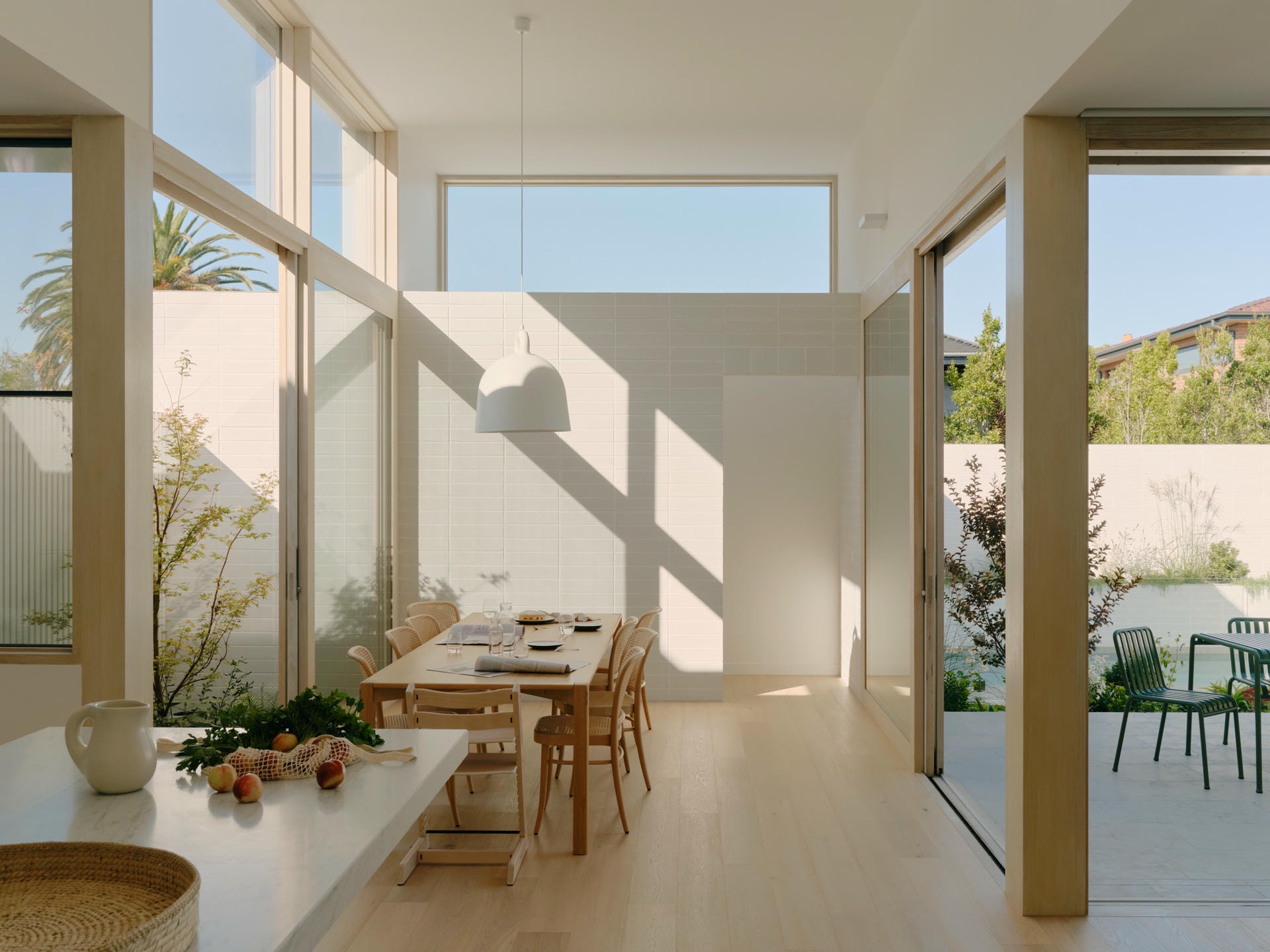
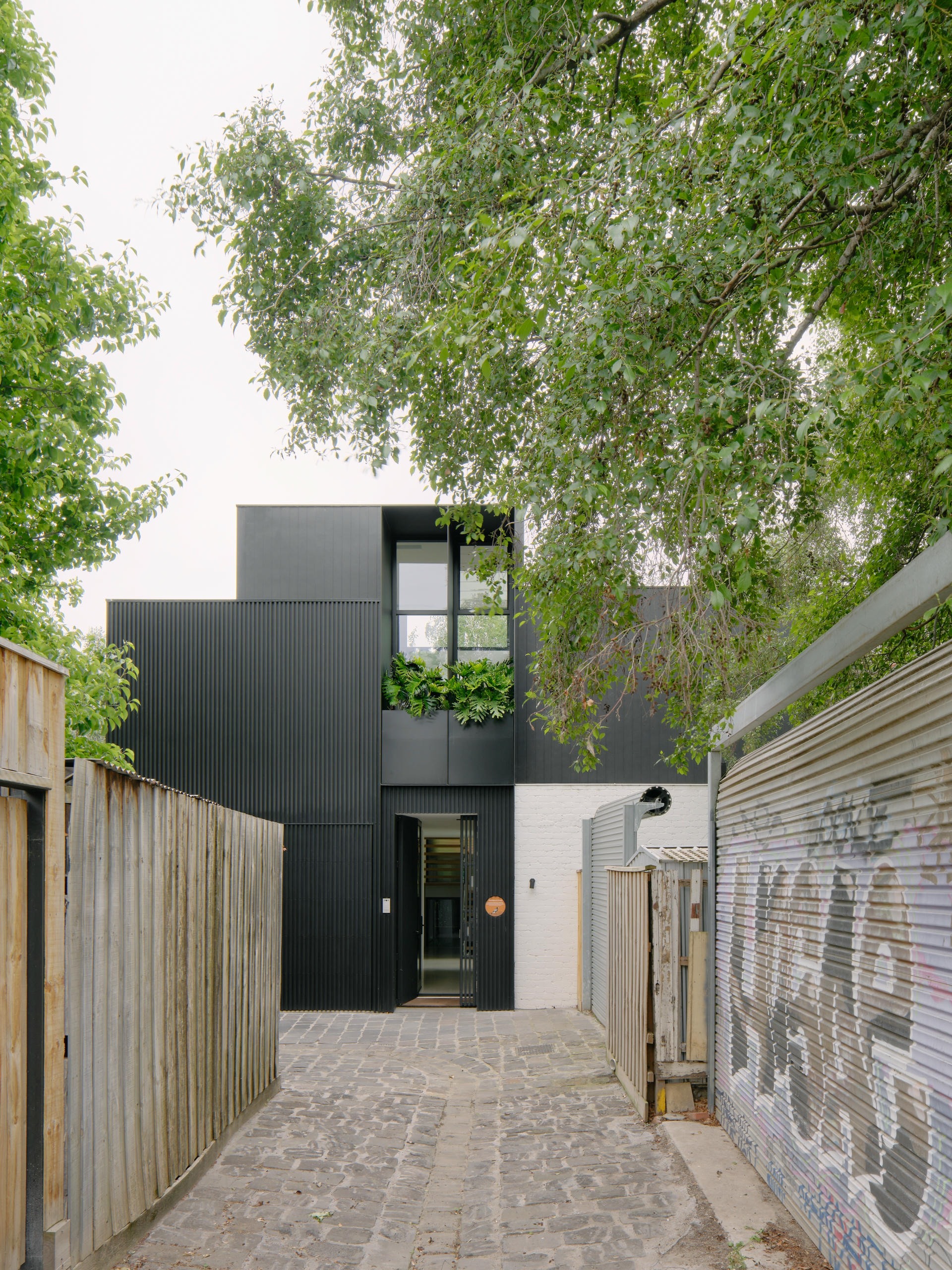
Courtside House
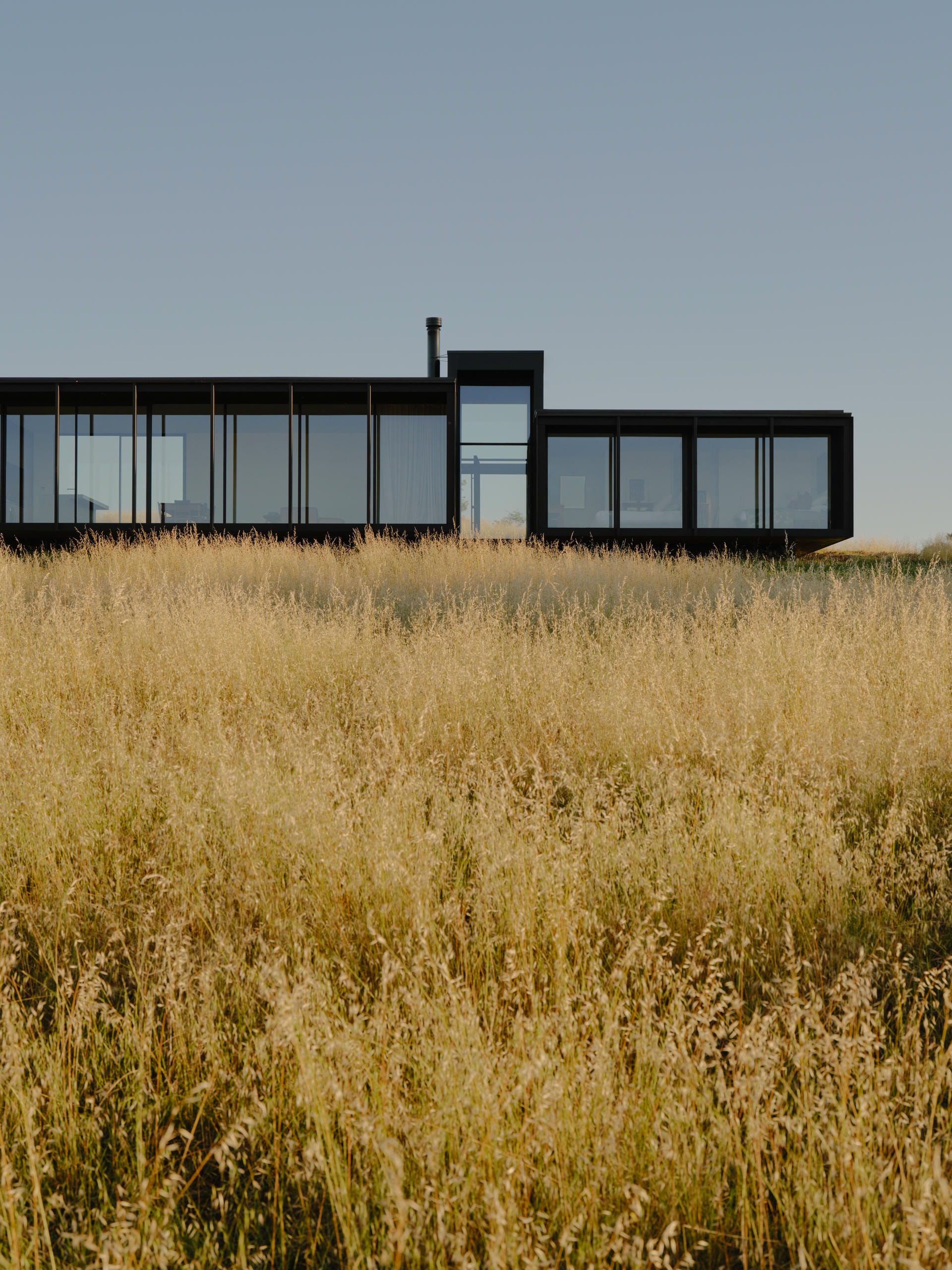
One of our recent projects, Marraweeney, is a departure from our typical urban typology. This design response is curated to exploit the surrounding natural landscape. A delicate timber and metal form is placed delicately, touching the ground lightly. Although the materials are generally humble, the internal spaces are calming and bring joy.
It’s becoming increasingly hard to build projects in Melbourne. There are unnecessarily complicated planning controls and permits. This slows the process and ultimately makes it more expensive for our clients. This is one of the frustrations with the industry.
Since a young age, I’ve always enjoyed being creative. Although I wasn’t solely focused on architecture, my strengths during school aligned well with the profession.
The first three years of University were uncomfortable. But after a year of incredible experience, I discovered my love for Architecture.
Our designs are very much plan-driven, with a focus on functionality and strong spatial configuration. All projects begin with a series of thorough Client workshops to establish their specific needs. This results in a very tailored product.
As we develop the built form, it responds to the site itself – the surrounding landscape and built form, but also what impact it will have within. All of our projects have a strong understanding of natural light. Harnessing where needed and shading were not.
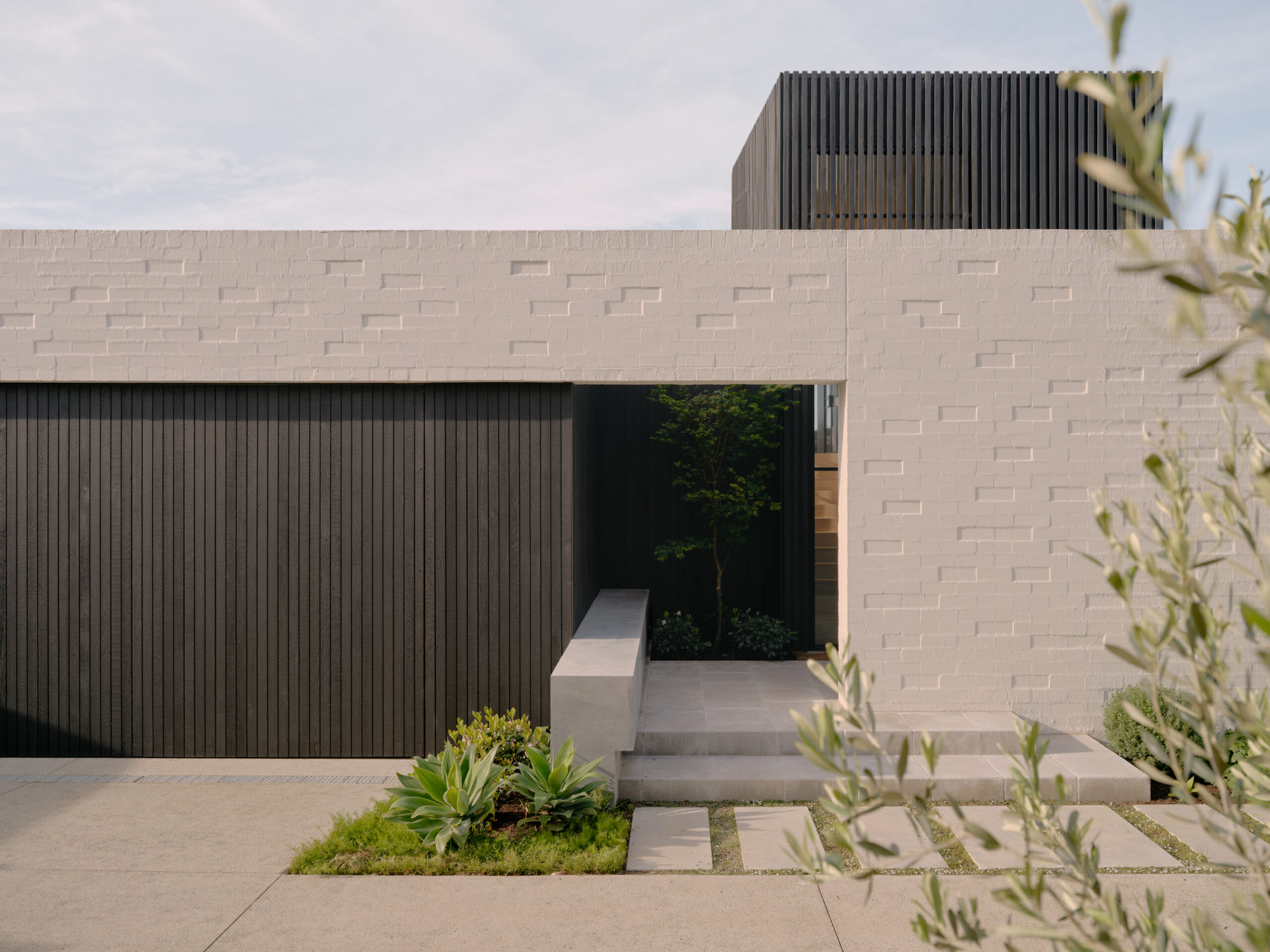
Our office works with a range of clients, but most designs have a common theme of deliberate simplicity, calmness, and restraint. We avoid any unnecessary design flourishes. Each design decision is deliberate, functional, and practical.
Context-heavy influences all of our designs. Most clients crave a sense of privacy while maintaining light and views. This drives all form compositions.
Barcelona Pavilion.
Melbourne and throughout Australia, there is an inspiring culture for great design. We draw inspiration from this community. In addition to current works, we revisit earlier architecture which remains impactful.
Without a doubt, the most important metric is client happiness. On all of our built projects, we look to understand how the clients live and where things can be improved for future designs. Buildings should also age well, incorporating gardens and other personal client contributions.
Build less. Build better.
Simplicity. I see a lot of contemporary works that are over-designed. It’s the projects that have a simplified idea that I tend to gravitate to.

Marraweeney

Thank you so much Tom, for this lovely interview!
Share article :