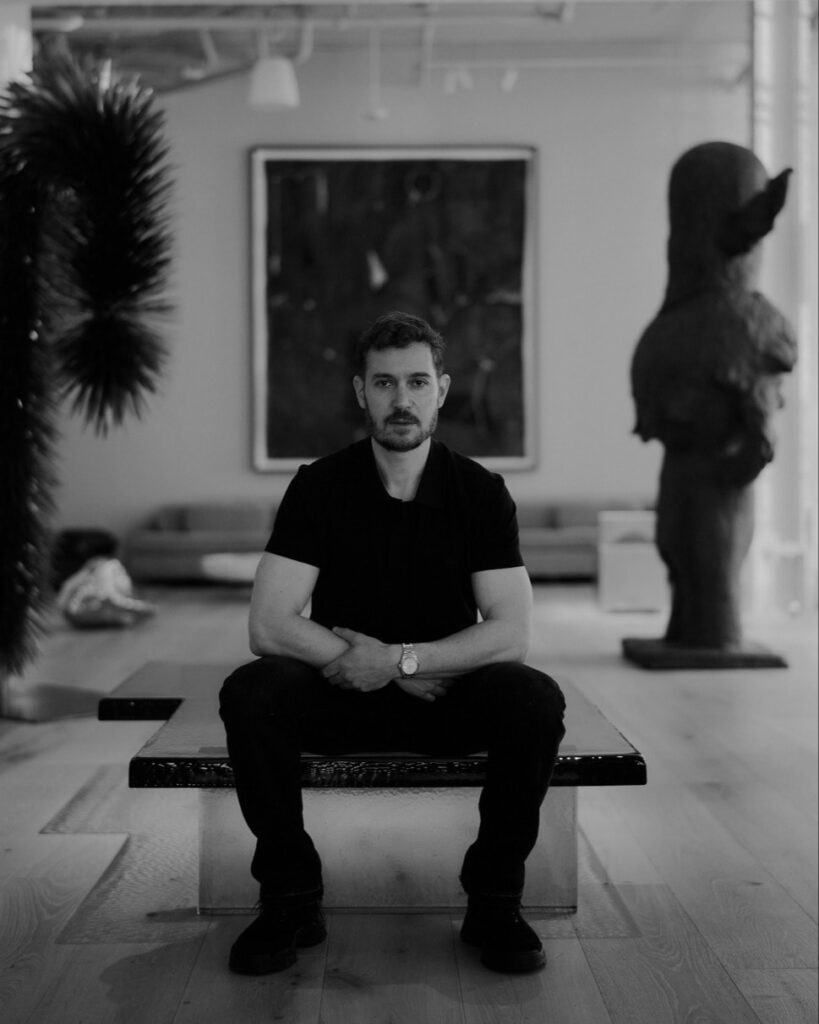
Clive Lonstein
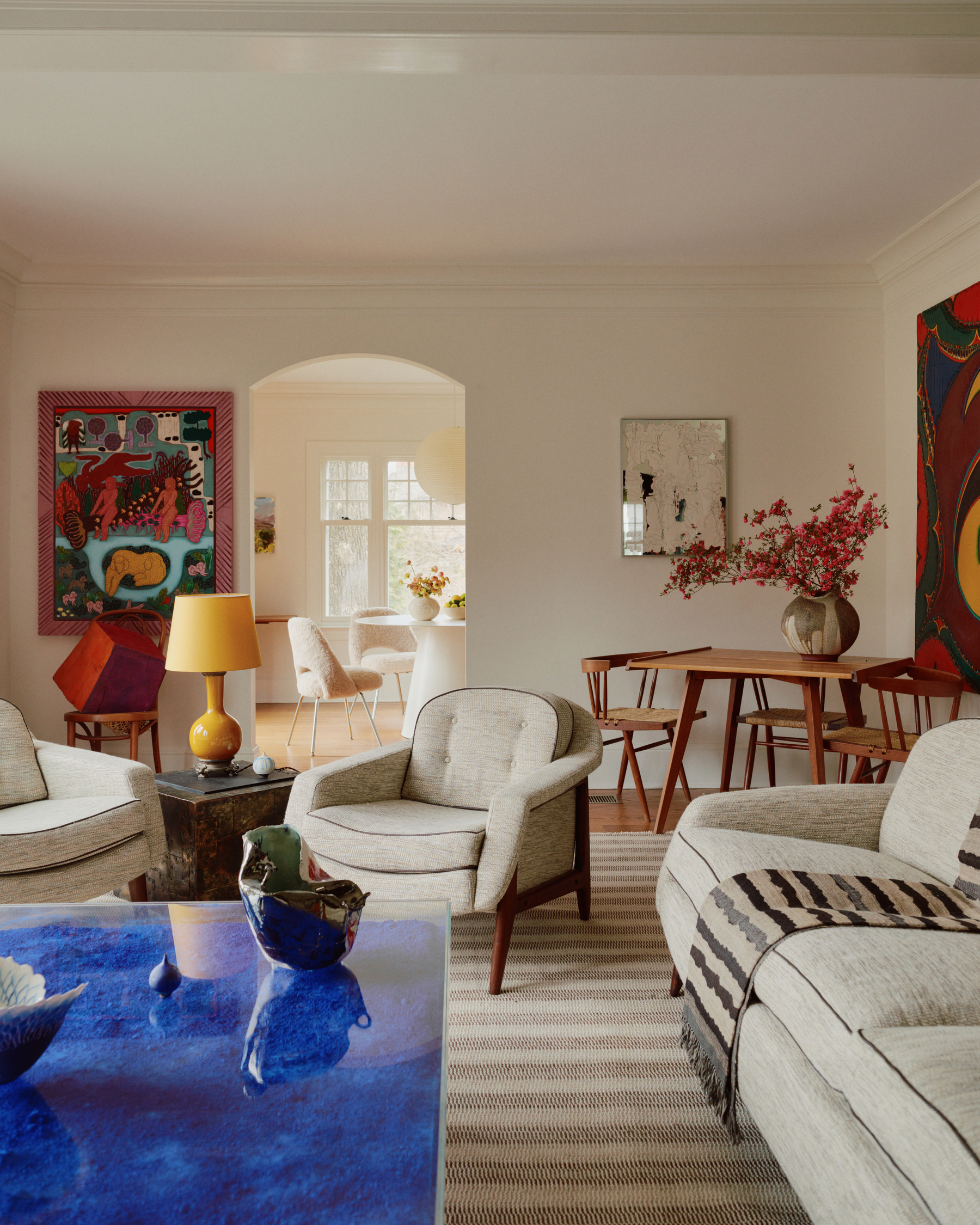
Clive Lonstein is a New York–based designer and architect working across interior architecture and furniture design. His practice is rooted in a refined approach to minimalism, where material richness and spatial clarity coexist.
Drawing from a wide range of influences—including art, travel, and nature—Lonstein develops interiors that balance form, color, and texture with a strong sense of proportion. Trained as an architect, his work reflects a disciplined yet expressive sensibility, where each element contributes to a cohesive and considered whole.
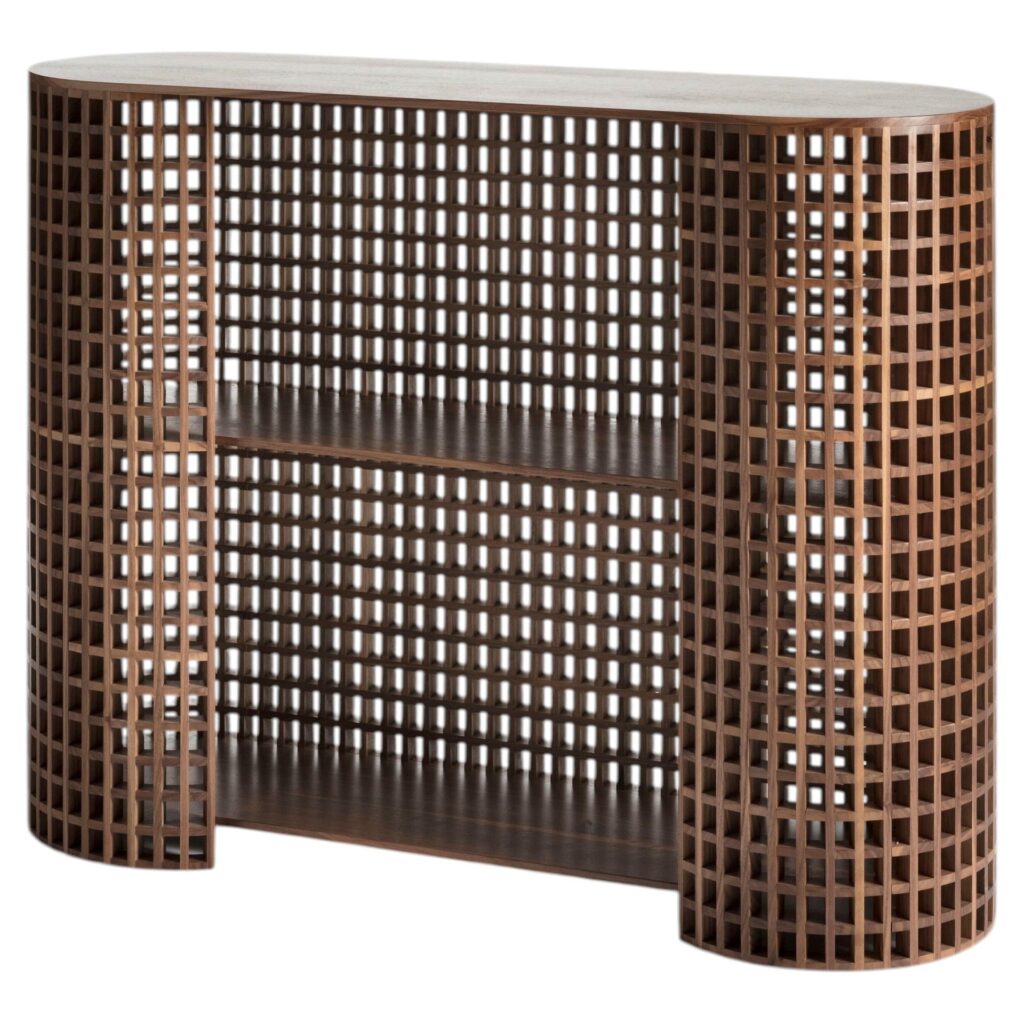
Alongside his interior work, Lonstein has expanded into furniture design, exploring new material expressions while maintaining a focus on functionality and understated elegance. His work is defined by a quiet precision and a commitment to creating spaces and objects that are both enduring and deeply personal.
“Good design comes from balance.”
INTERVIEW
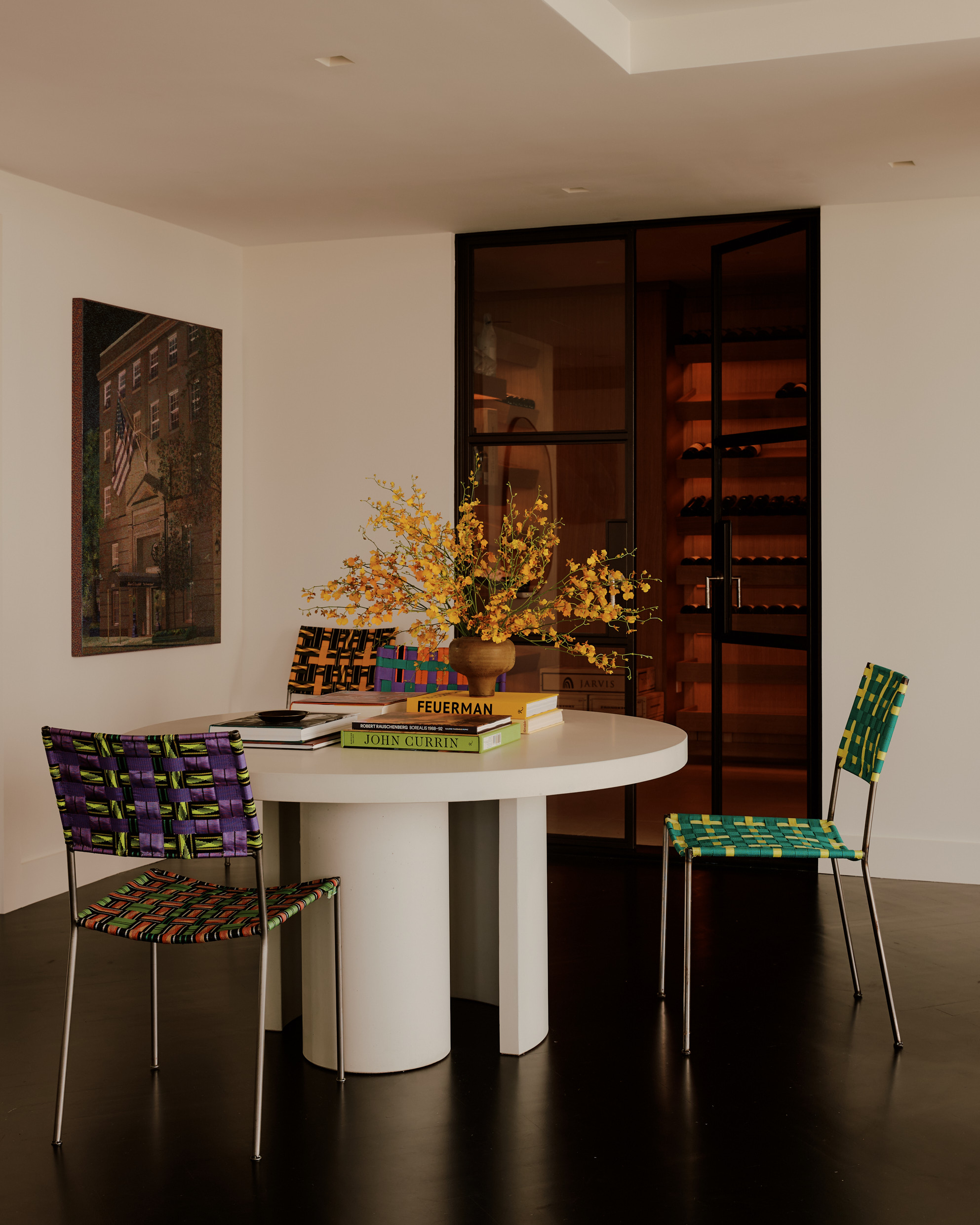
Most projects begin with a small group of key materials and a solid furniture plan. Vintage elements such as textiles, furniture, or rugs often serve as the grounding starting point. These pieces help establish a sense of history and direction, allowing the rest of the design to unfold organically around them.
My path into interior design grew out of an early and equal interest in both architecture and interiors. I have always been deeply inspired by a broad range of references, including travel, art, fashion, and nature, as well as an extensive personal library of materials. Studying architecture at Harvard University, where I earned my Master of Architecture, gave me the opportunity to rigorously explore context, form, light, proportion, and materiality as tools for creating meaningful spaces.
Before founding my own firm, I served as Design Director at Studio Sofield, where I worked on high-end projects for clients such as Gucci, Yves Saint Laurent, and Tom Ford. I later became Vice President at Tiffany & Co., overseeing their global architecture and design studio. These experiences shaped my understanding of craftsmanship, scale, and detail at the highest level.
A defining moment came when I completed graduate school and made the decision to focus my professional career on interior design rather than architecture alone. Beginning my work with Gucci and Tom Ford introduced me to a level of detail and intimacy that I found deeply compelling. Interiors allowed me to work more closely with materials, objects, and human experience, and I quickly knew that this was where I wanted to focus my practice.
For me, the foundation of successful design is thoughtfulness, quality, and a commitment to avoiding repetition. Each project should be approached with authenticity and treated as its own individual narrative. Bespoke design is an art form that requires intellectual rigor and time spent truly understanding the client and the context of a place. When a project reflects both the client’s vision and a distinct imprint of my own perspective, the result feels meaningful and enduring.
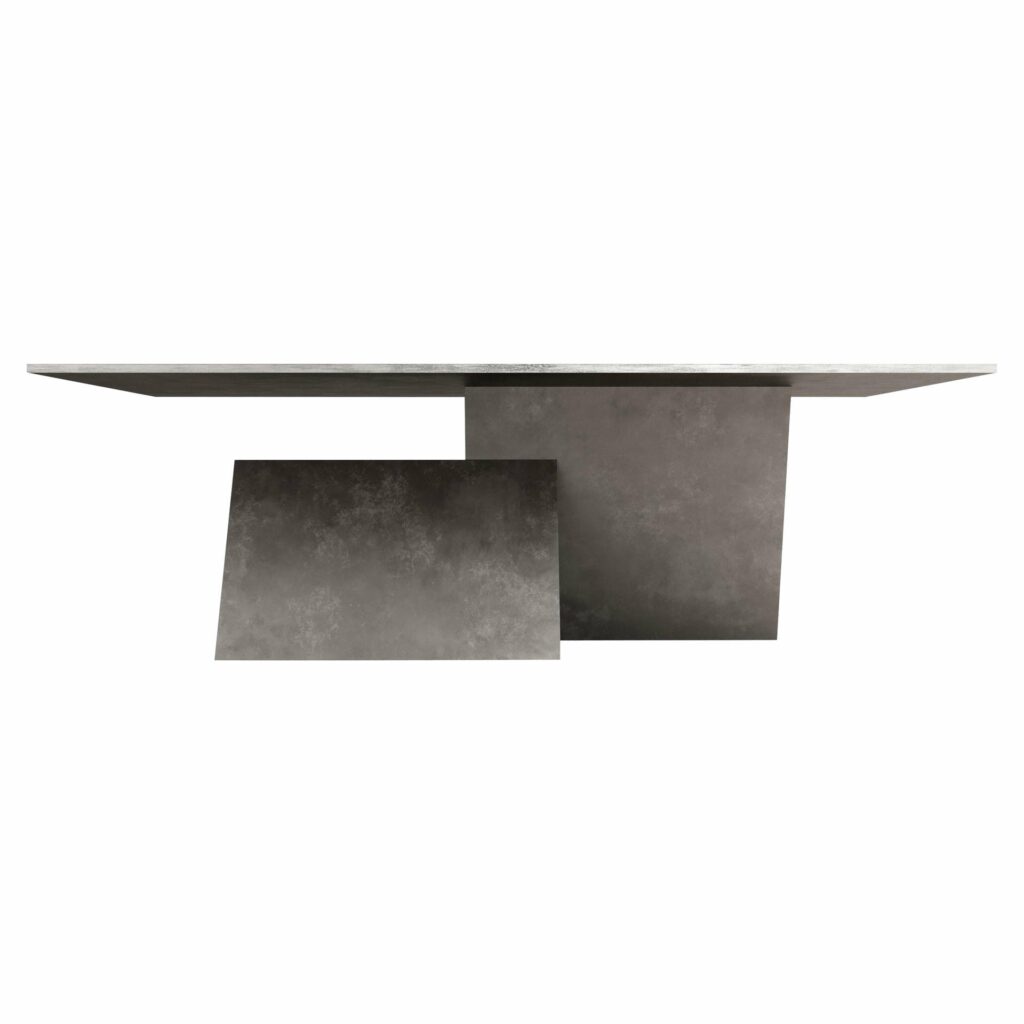
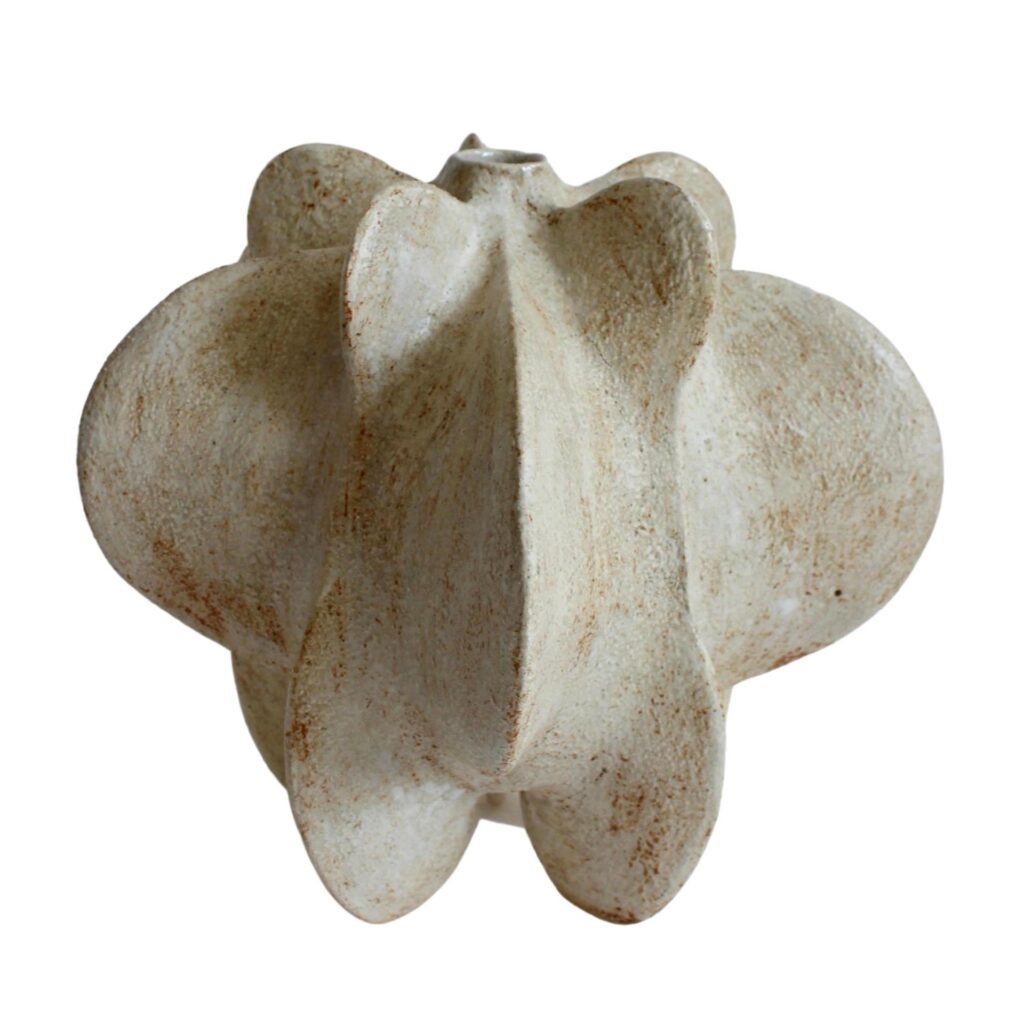
If I had to define my design philosophy in one word, it would be intellectualizing. My work is driven by process rather than a fixed aesthetic. This approach was shaped during my time at Harvard and continues to inform my practice today. The goal is not to impose a look, but to build a layered and considered result through thoughtful inquiry.
One recent project in Alpine, New Jersey stands out. It is richly layered, deeply patterned, and intentionally moody. The home reflects a balance of intensity and restraint, and it captures many of the ideas that are central to my work.
Good design comes from balance. A space should never rely too heavily on a single idea or reference. The most compelling interiors are created through contrast and a thoughtful mix.
A professor at Harvard encouraged me to accept the position at Studio Sofield. That guidance proved pivotal, as it ultimately led me toward an interiors-focused career and helped shape the direction of my professional life.
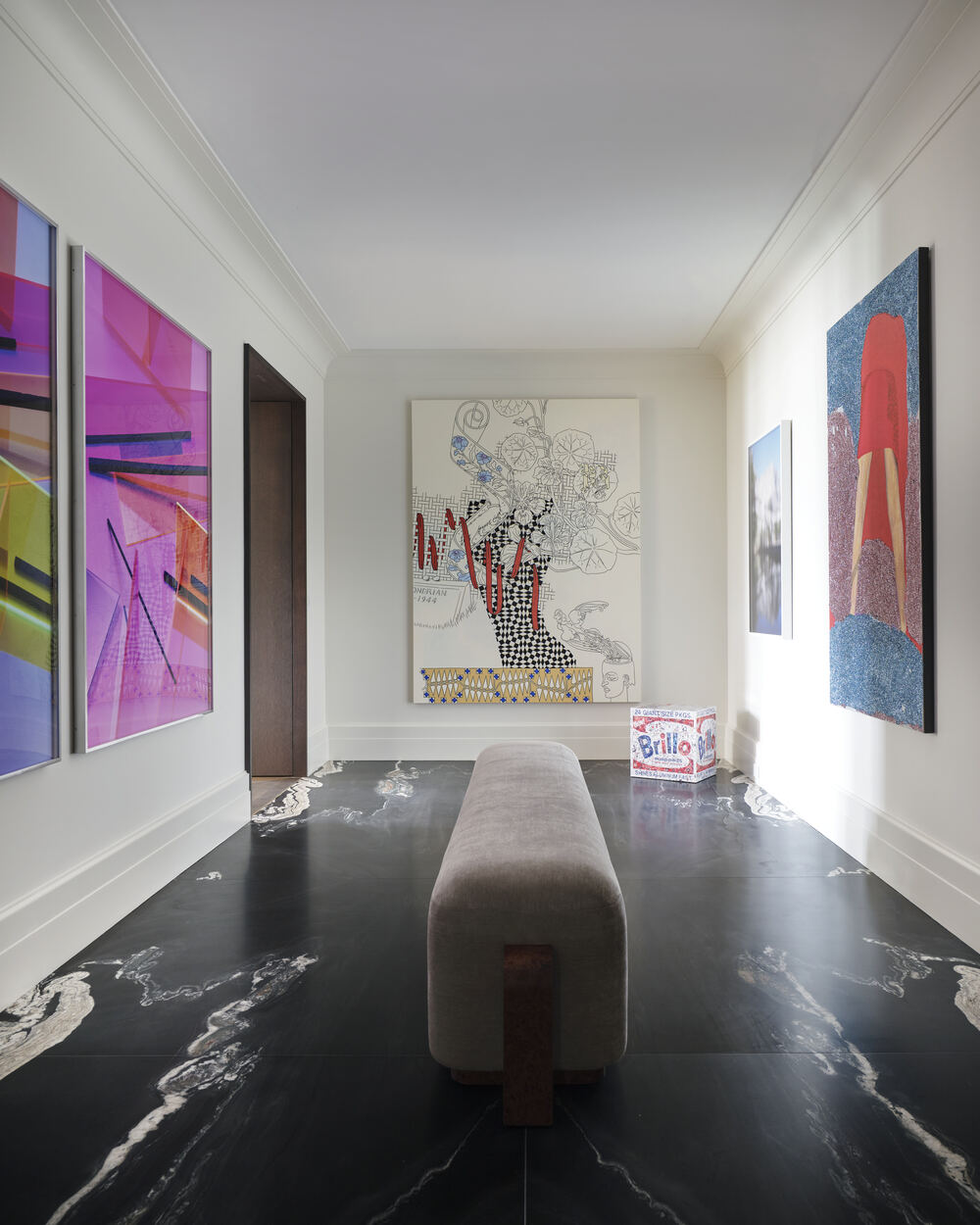
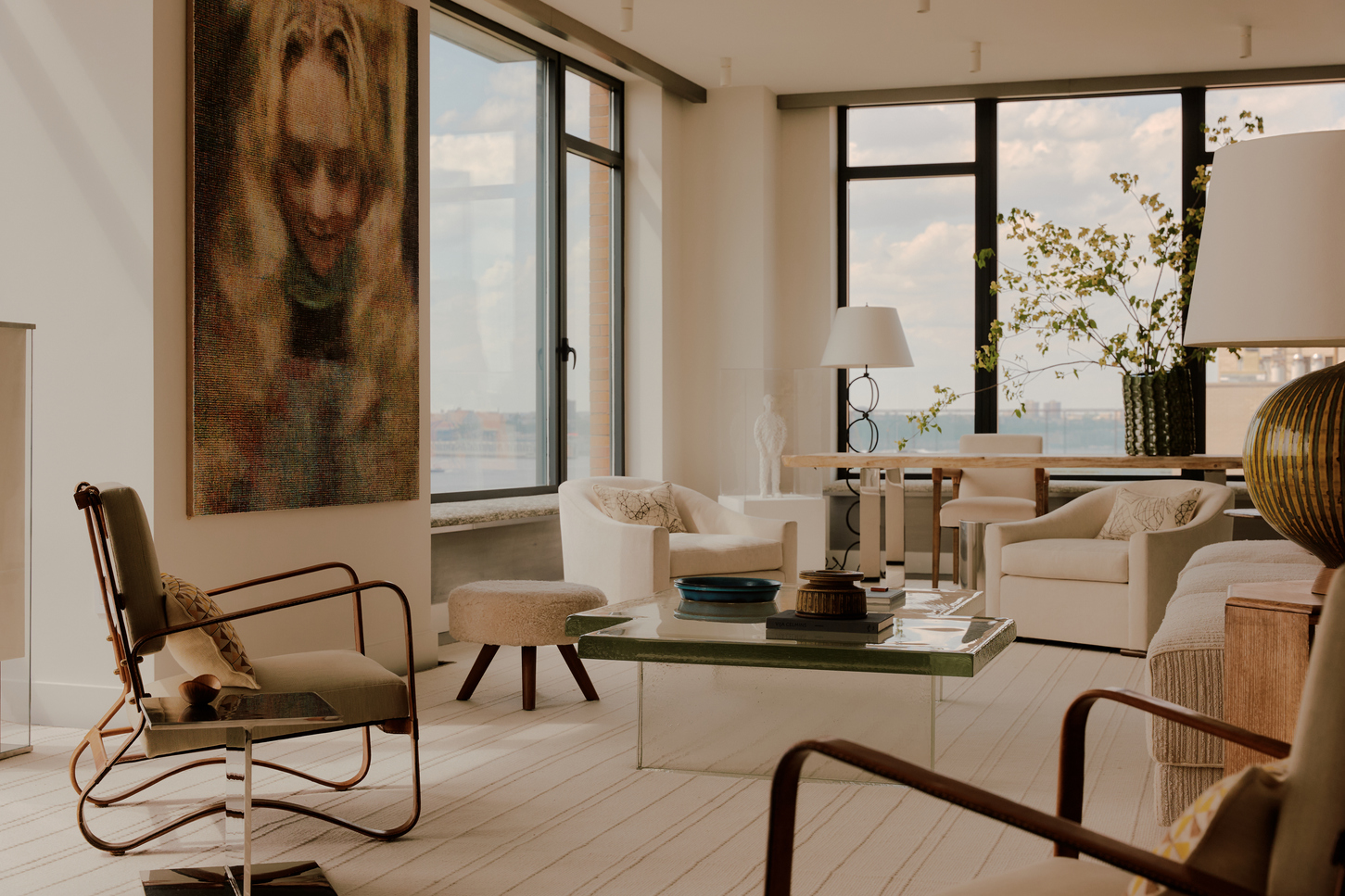
Be prepared to work hard and stay committed to doing things properly. Do not cut corners. The details matter, and the discipline you build early on will define your work later.
Learning to navigate the business side of running a design firm when I started the business was a significant shift. As someone who is creatively driven, building the operational and managerial aspects of a practice required a different set of skills and a great deal of discipline, but a great challenge and one that was rewarding.
The Studio Sofield monograph, Studio Sofield Works. Every designer should have it.
I am currently working on a number of exciting projects across the United States and internationally, including residences in Aspen, Southampton, New York, Palm Beach, Florida, and Cabo, Mexico.
Thank you so much Clive, for this lovely interview!
Share article :