Didi Ng Wing Yin
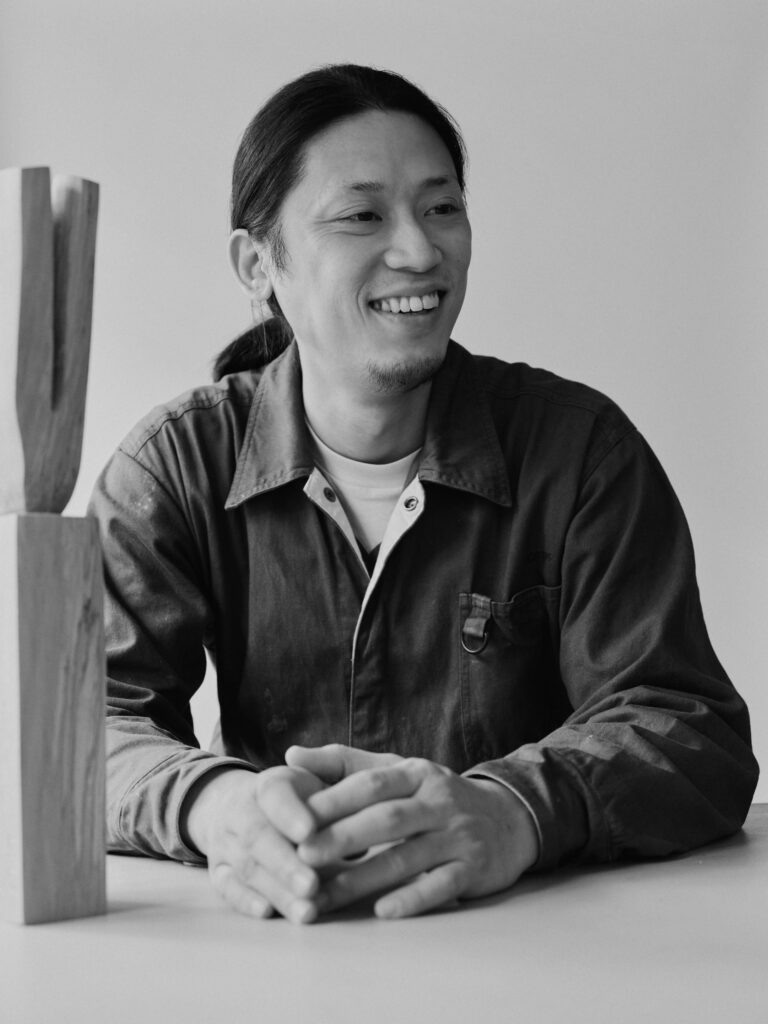
Didi Ng Wing Yin is a Hong Kong-born, Helsinki-based wood artist whose practice moves between sculpture, design and craft. Distinguished by his approach to carving, his work explores the intrinsic qualities of wood through a balance of material sensitivity, intuitive craftsmanship and conceptual inquiry. Central to his practice is the idea of “Naturalness,” allowing the individual characteristics of each piece of wood to guide the making process while preserving its original qualities and exploring new possibilities for carving.
Ng holds an MA in Interior Architecture from Aalto University in Finland. His work has received international recognition, including being named a finalist for the LOEWE FOUNDATION Craft Prize 2025, receiving the Rising Star of the Year Award at the Scandinavian Design Awards 2024, and winning Dezeen’s Emerging Designer of the Year Award 2024. His sculpture Pleats Vase No. 11 is part of the permanent collection of the Röhsska Museum in Gothenburg, Sweden.
Interview
I was born and raised in Hong Kong and am now based in Helsinki, Finland.
It was a very long time ago when I was on a school tour seeing an exhibition by artist Leung Mee Ping, using human hair to create a large-scale installation at the Hong Kong Museum of Art.
Somehow yes, since I finished my studies in industrial design in 2012 in Hong Kong. At that time, I was working for companies and a design studio. However, I started working independently under my own name for only a few years.
It is always the process of seeking and the feeling of moving forward. There is always room to learn or deepen my understanding of the world through creation. I always feel like taking one step further after finishing an artwork.
My work focuses a lot on materiality, especially in wood. Instead of sitting down to draw and plan, I prefer hands-on interaction with the materials. I have this idea that the experimental piece is also the final piece. A lot of my work time was spent modifying it to meet my expectations. I enjoy the freedom of wandering between knowing and not knowing a lot, and maybe this made the artwork vital.

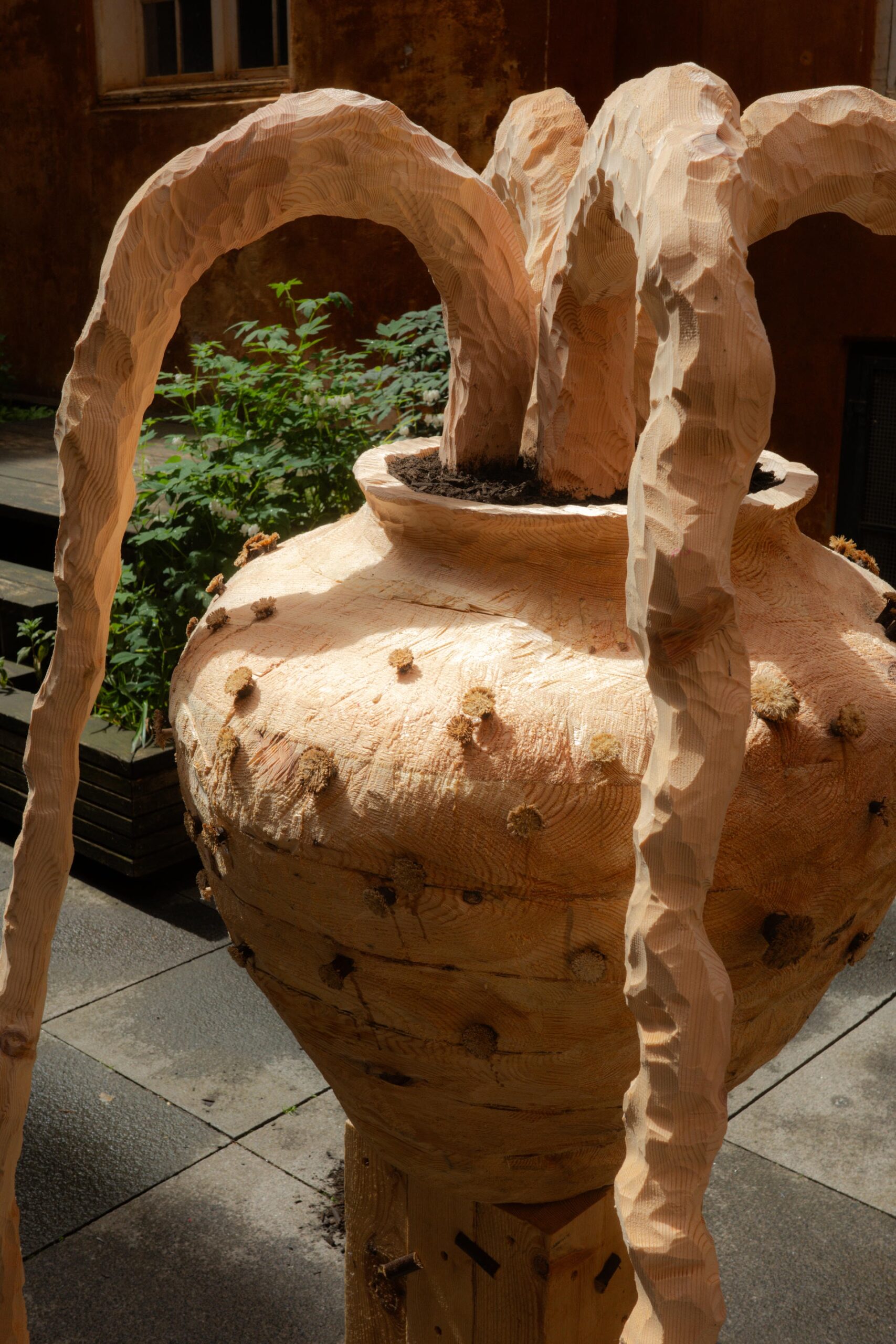
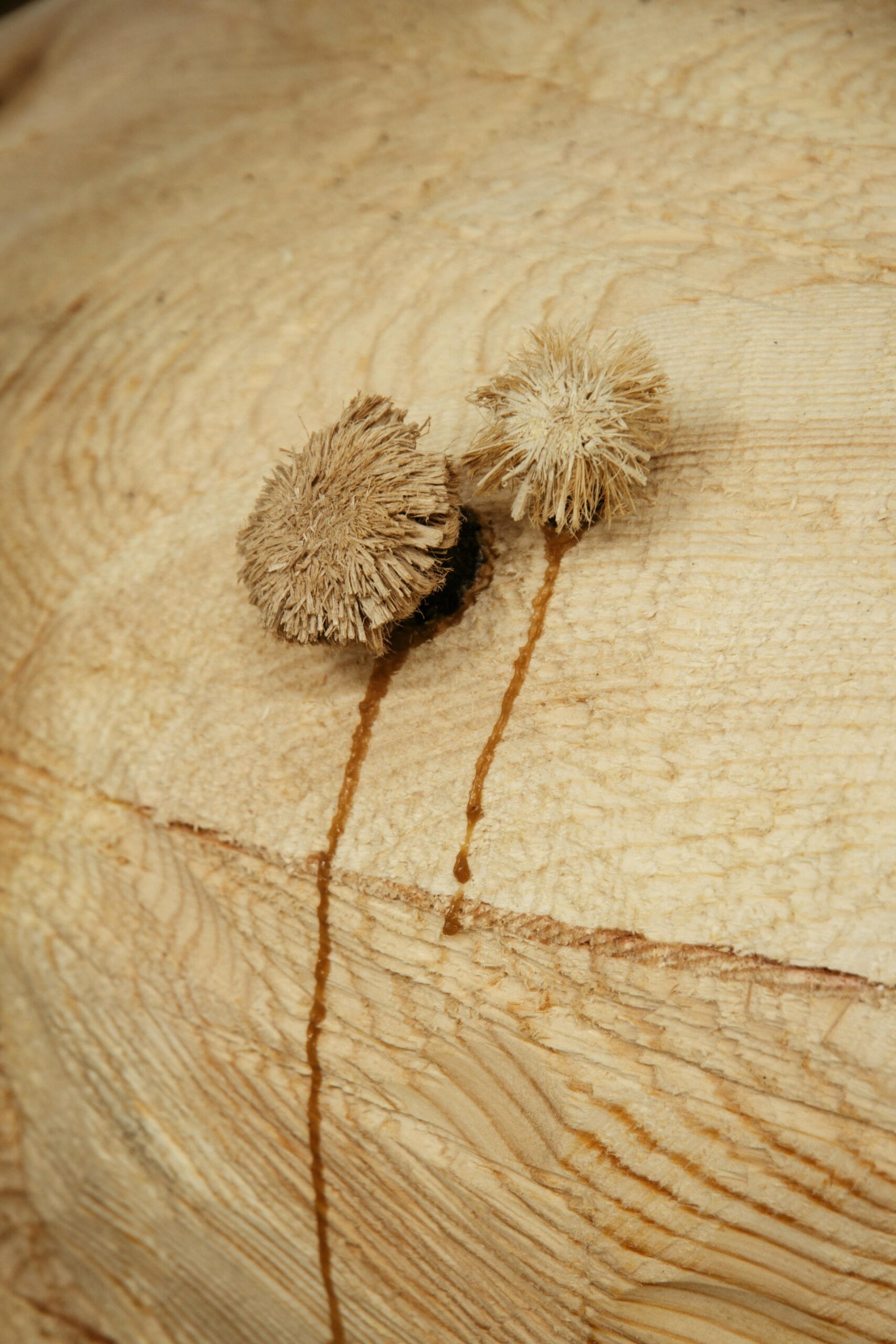
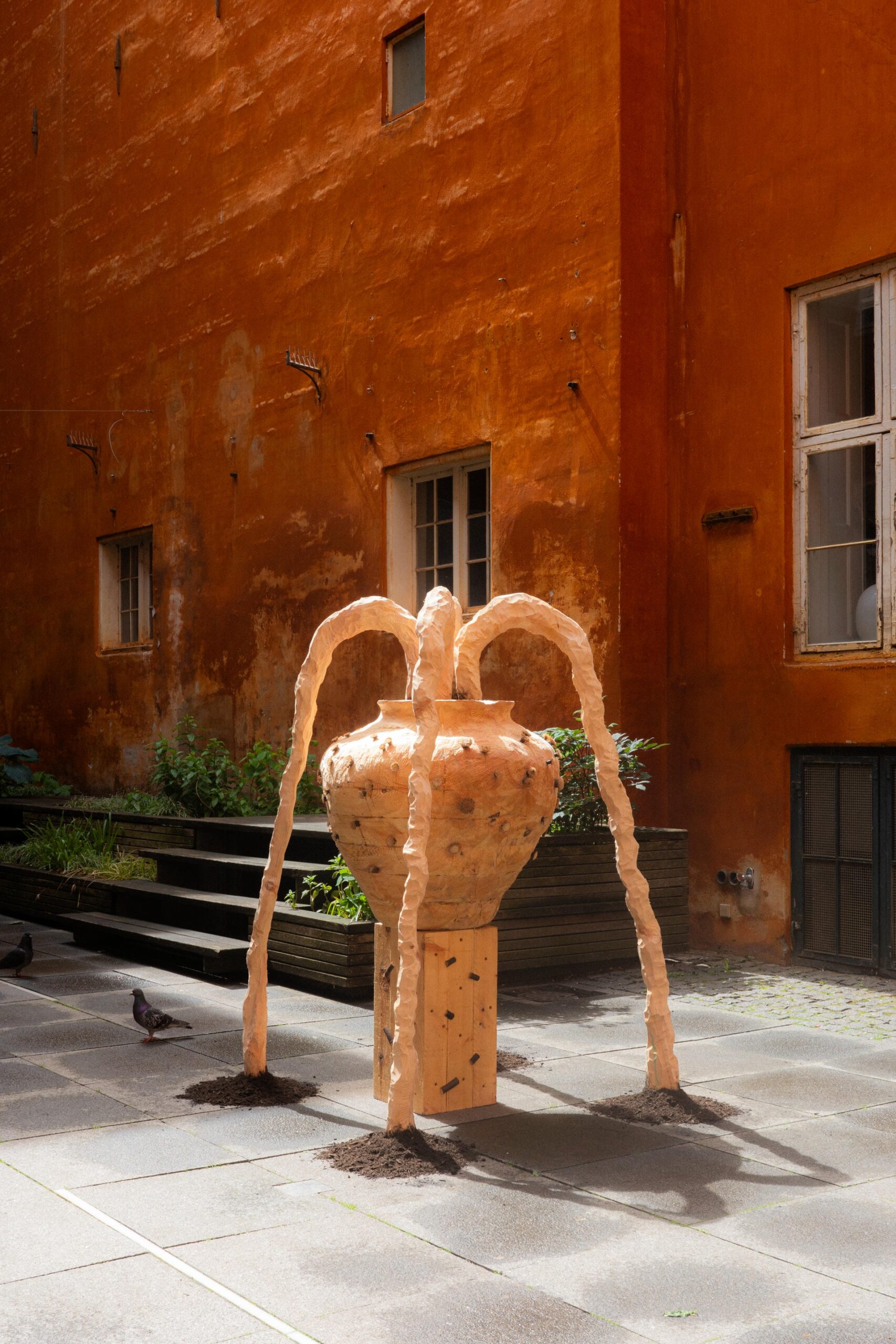
Wood Fountain, sculpture
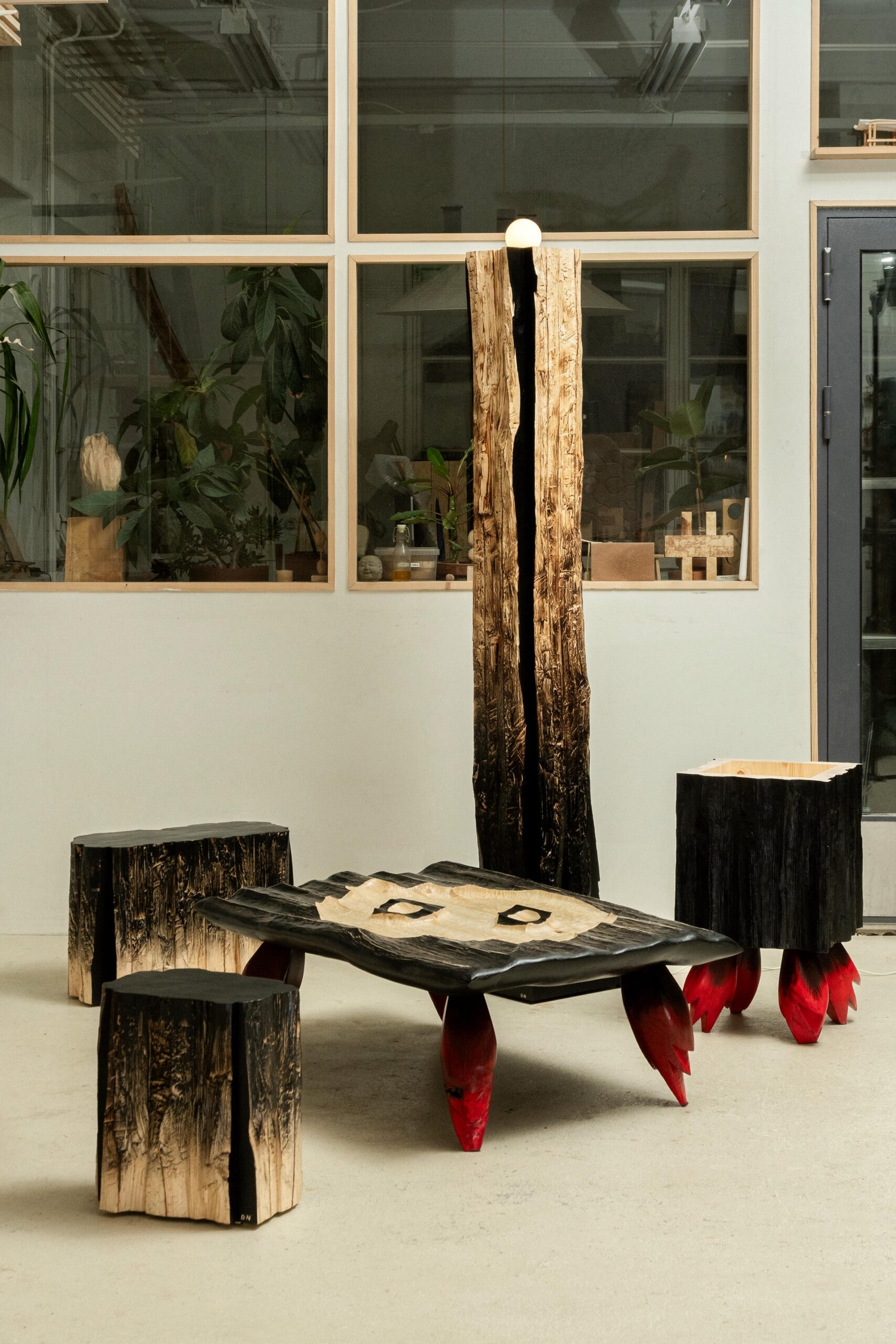
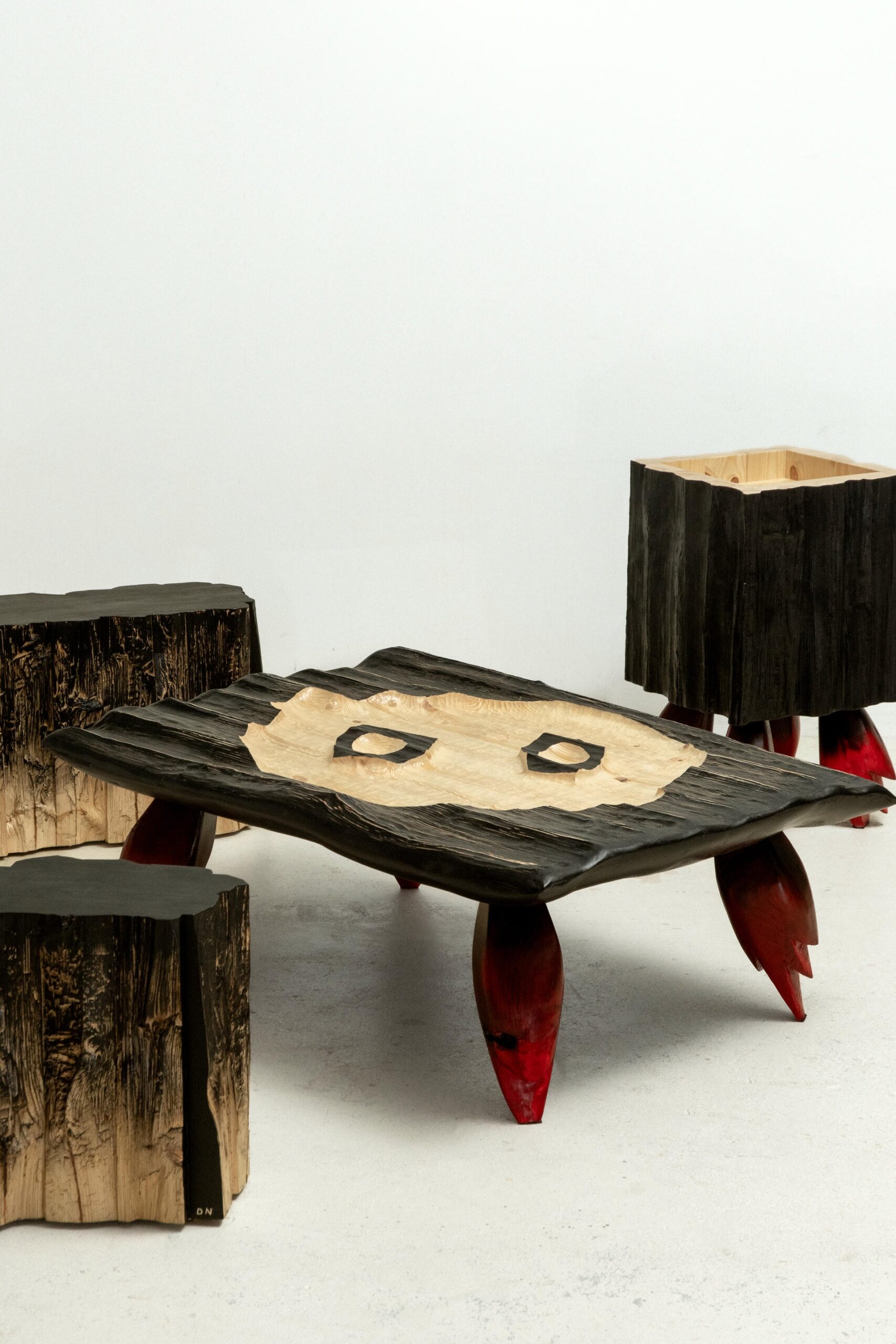
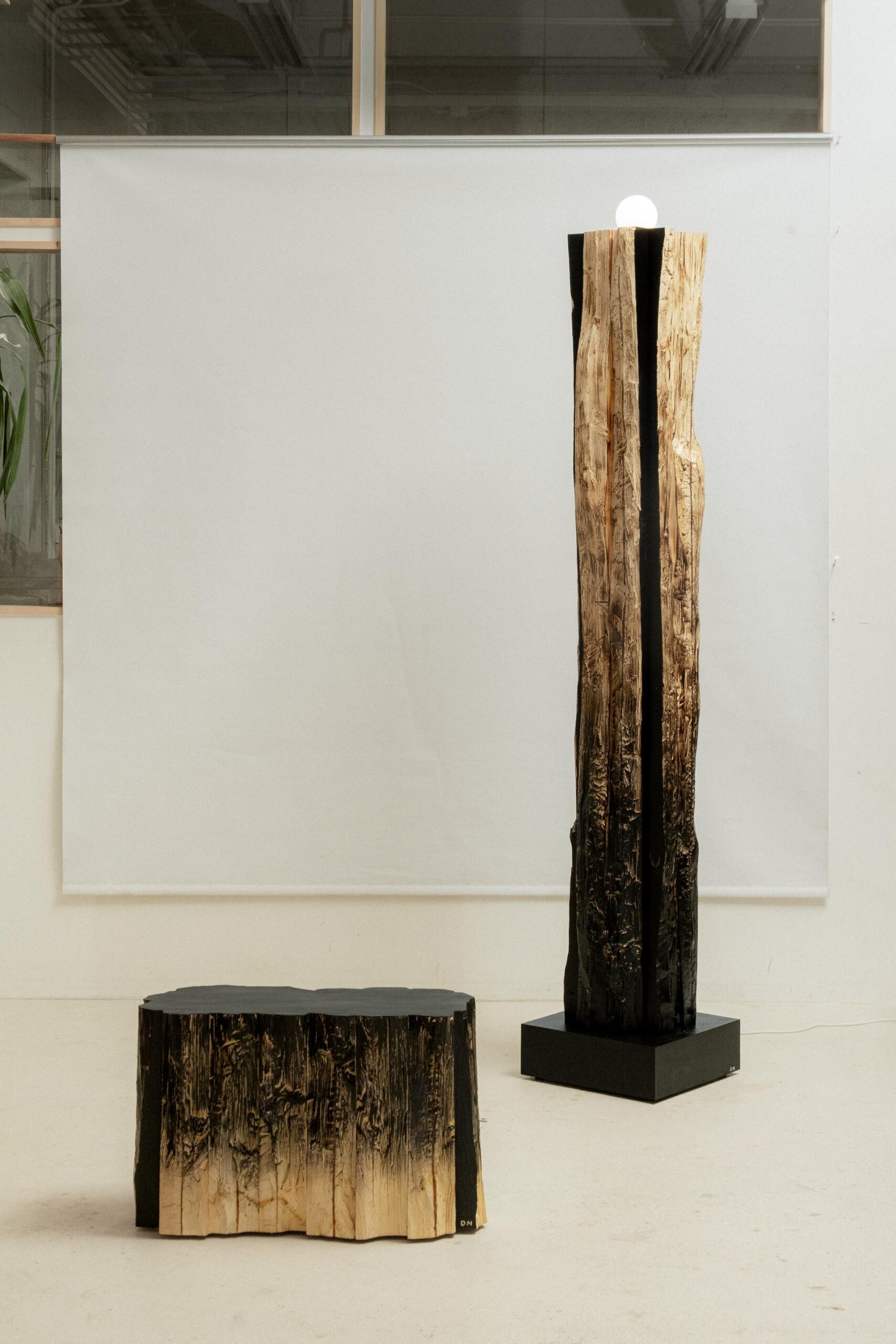
In Between Fire and Wood
Morning coffee is mandatory, followed by paperwork at home. After lunch, I will be working at my workshop until I feel exhausted. Pretty late normally.
Not for any particular reason in the beginning. But the more I work with wood, the more I think it’s a good match for my personality. Working with wood can be brutal and gentle at the same time, depending on the stage of the process.
Also, each piece of wood has its own unique character, just like us humans. Sometimes I feel wood is my working companion, or even a teacher, not solely a material.
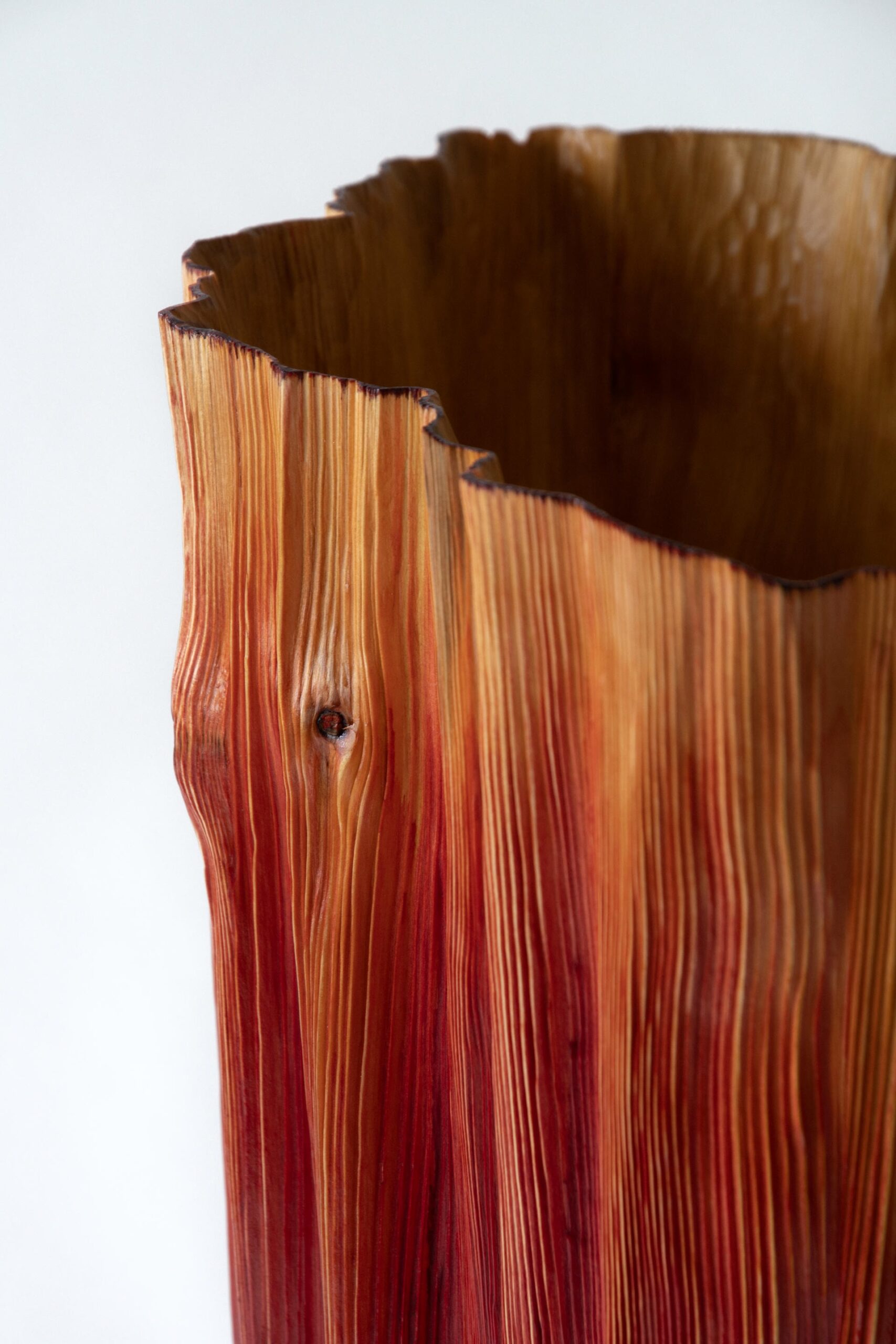
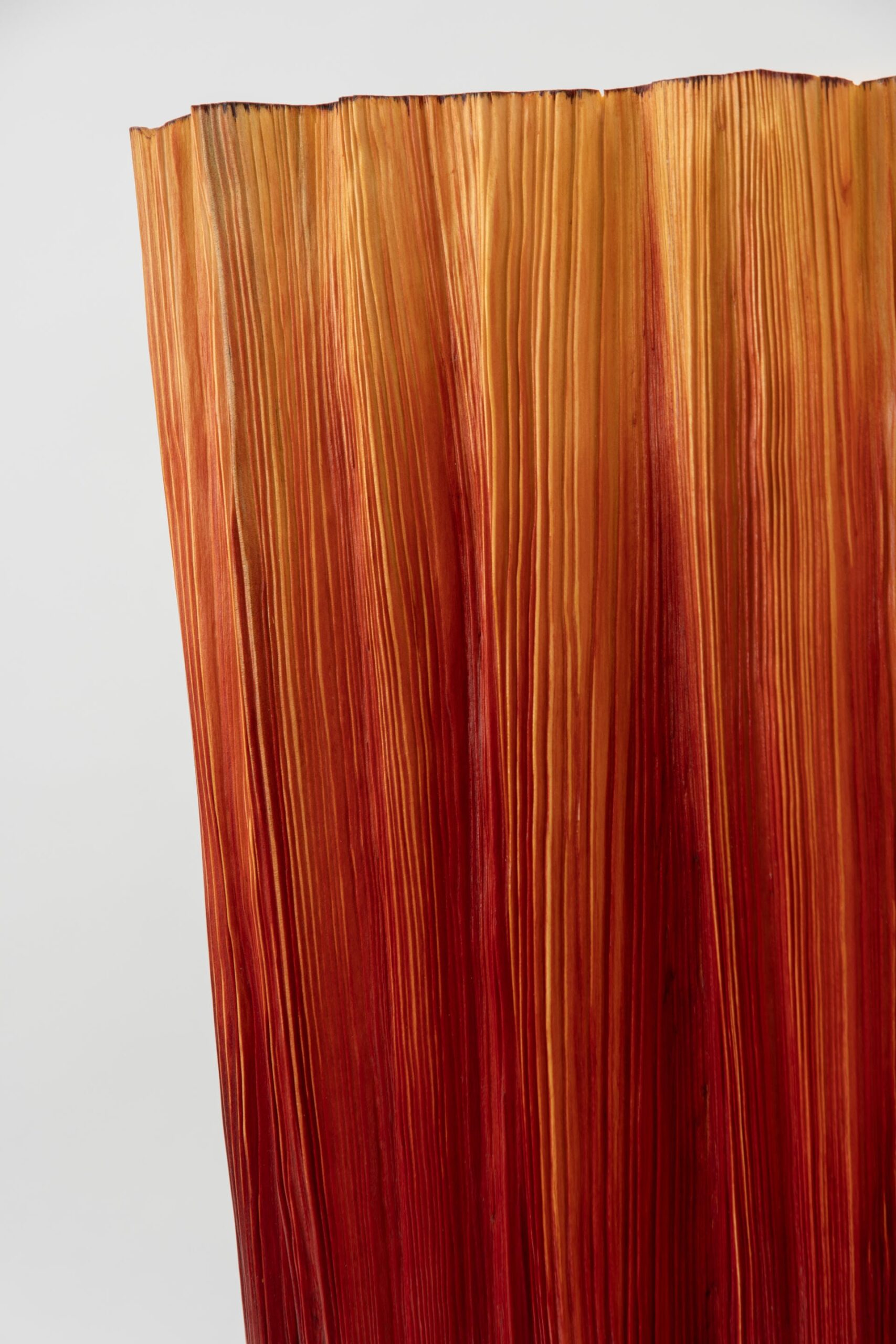
Probably the surface texture, like the pleat texture that I carve on softwood like pine and spruce. I try to turn a piece of wood into something soft and fabric-like. I love exploring and trying out techniques that follow the materiality of wood.
Instead of trying to create something unique, take time to understand yourself first. When you discover your own motivation, it will be reflected in your work. It takes a lot of time, patience, and persistence.
I am at where the design movement is.
The biggest influences are Shiro Kuramata and Andrea Branzi. Additionally, the people around me, such as my teachers and friends in the creative field, have also played an important role in shaping my perspective.
Shiro Kuramata, Andrea Branzi, Ettore Sottsass, Ikko Tanaka, Jürgen Bey, Tapio Wirkkala, Yrjö Kukkapuro, and more…
Kishio Suga, Nobuo Sekine, David Nash, Ursula von Rydingsvard, Pino Pascali, Giuseppe Penone, and way more again!
Naturalness.
The goal of my work is to let the wood speak and present itself. Even though my artwork is acknowledged as man-made, I wish the audience would perceive that the material naturally exists there; the wood somehow creates the work itself, and I am an enhancer rather than solely a creator.
Pleats Vase
“Wood guides, and then I follow. I am always behind the material, pushing.”
The Questions
(The Proust Questionnaire is a set of questions answered by the French writer Marcel Proust.
Other historical figures who have answered confession albums are Oscar Wilde,
Karl Marx, Arthur Conan Doyle, Stéphane Mallarmé, Paul Cézanne…)
When you understand extreme sadness.
Uncertainty.
Overthinking.
Hyper or lacking empathy.
–
Freedom.
Existence.
Nothing should be considered overrated.
Authenticity.
Authenticity.
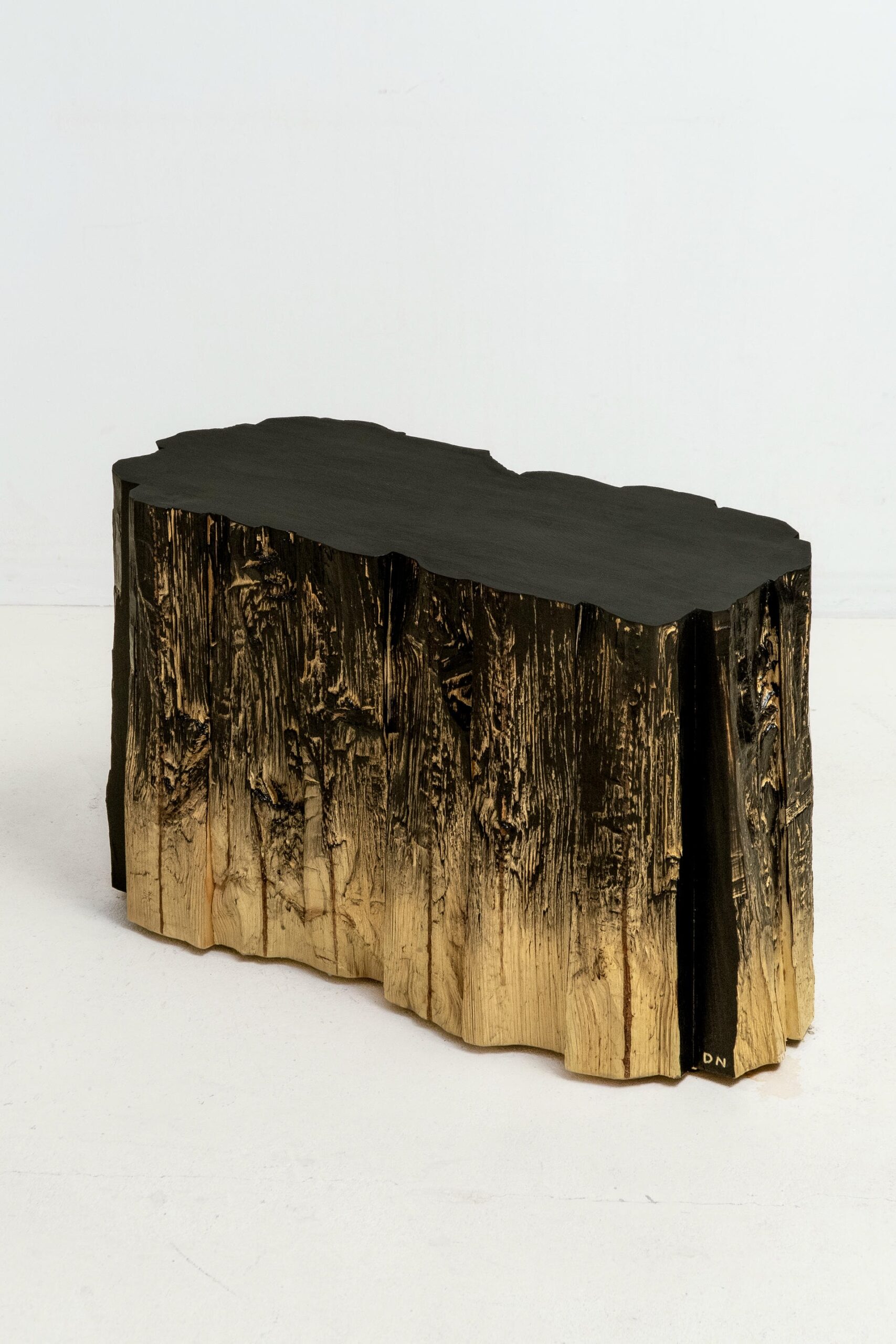
Pith Stool
Wood Fountain, sculpture
Anyhow.
Good memory.
Nothing.
Existing.
Chopin.
Anywhere that I can do what I am doing.
Freedom in expression.
Realisation of uncontrollable truth.
Artist.
Workaholic.
Easygoing.
Zhuang Zhou.
Chairman Isaac Netero.
Zhuang Zhou.
–
–
Unfairness.
–
Asleep peacefully with my partner.
The most important thing is the process of seeking.
Wood Fountain, sculpture
“Naturalness guides my creative direction. I sense the flow of wood’s materiality through my hands to my heart.”
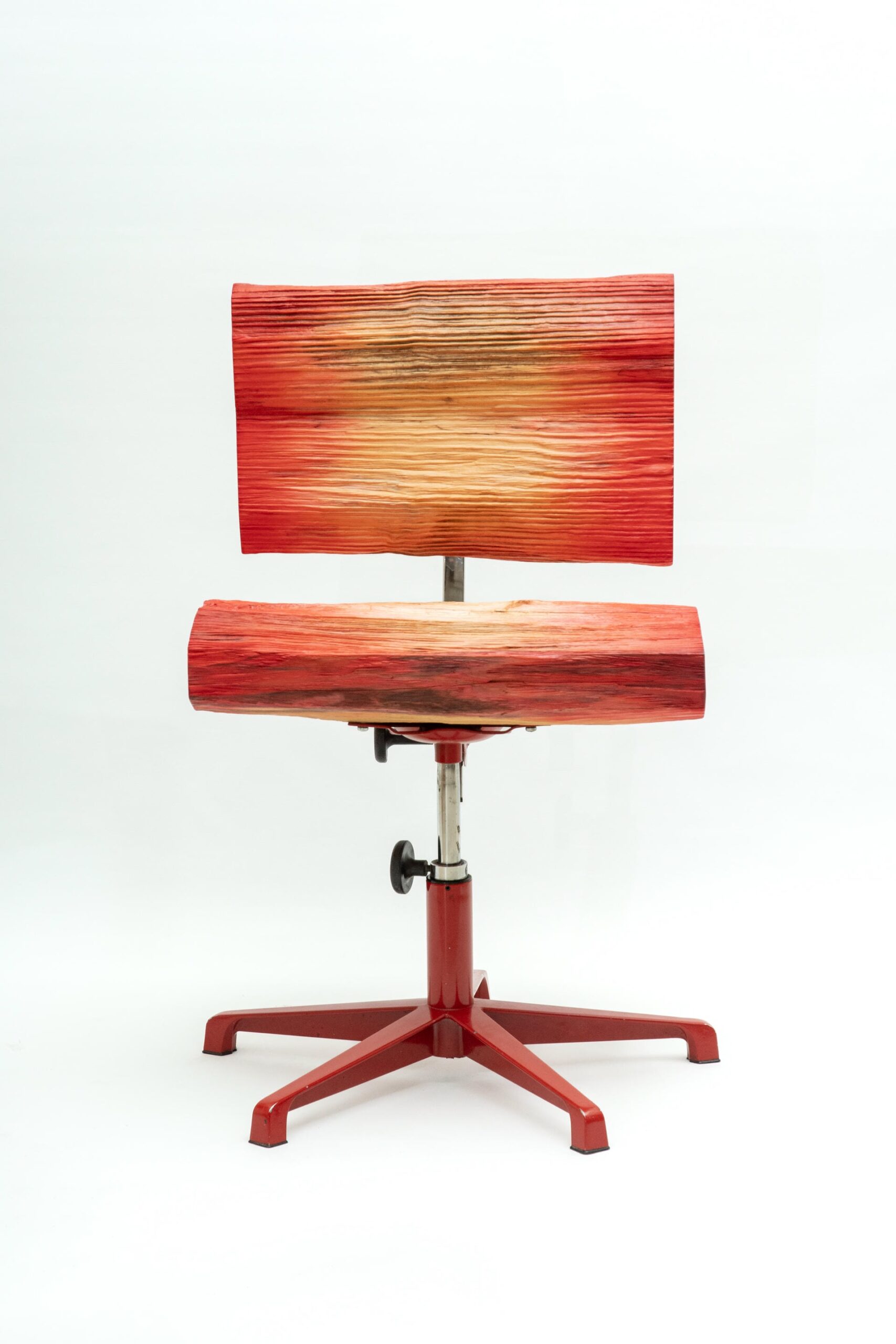
In Between Fire and Wood Pleats Office Chair, sculpture Pleats Vase In Between Fire and Wood
SHARE :