Elisa Uberti
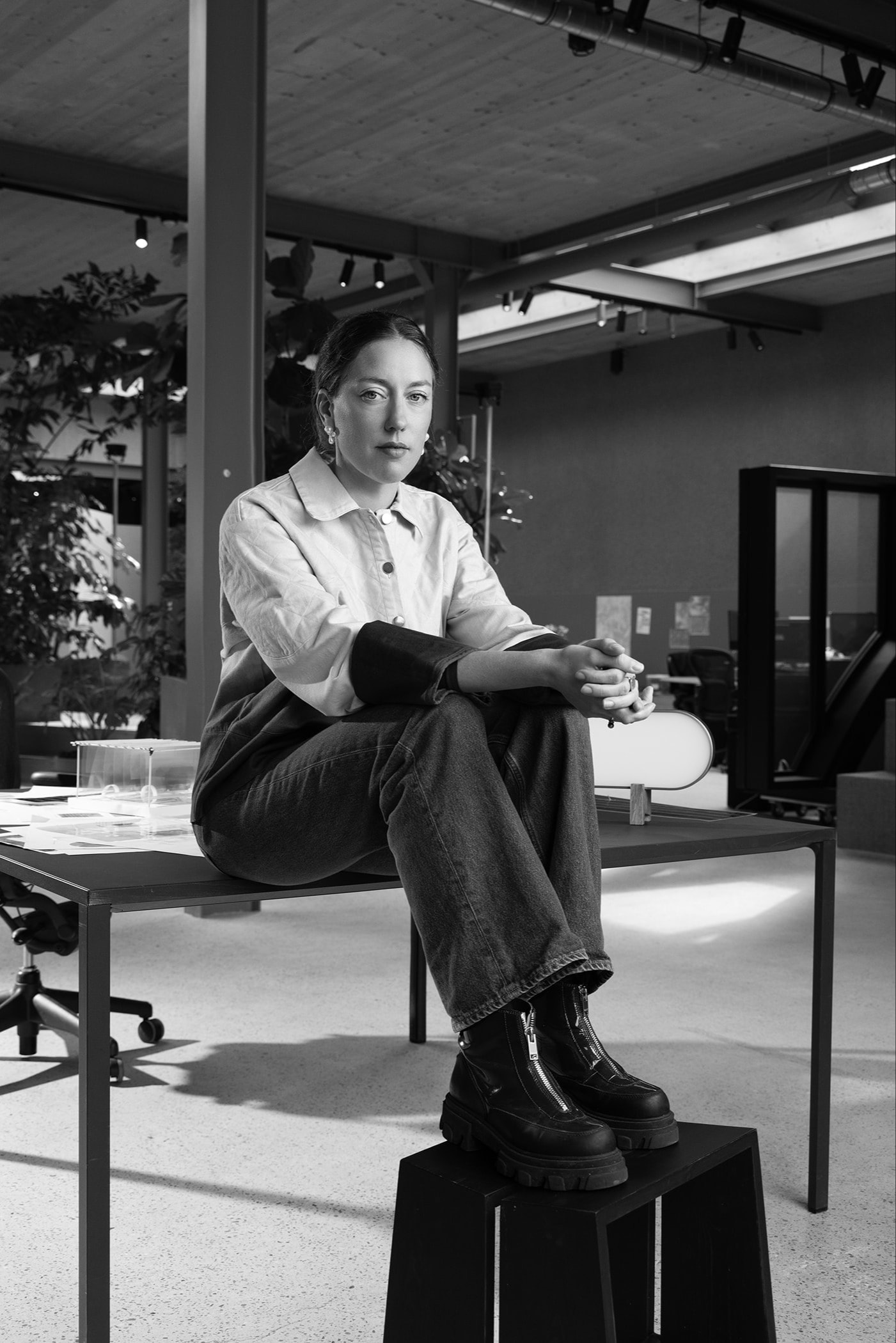
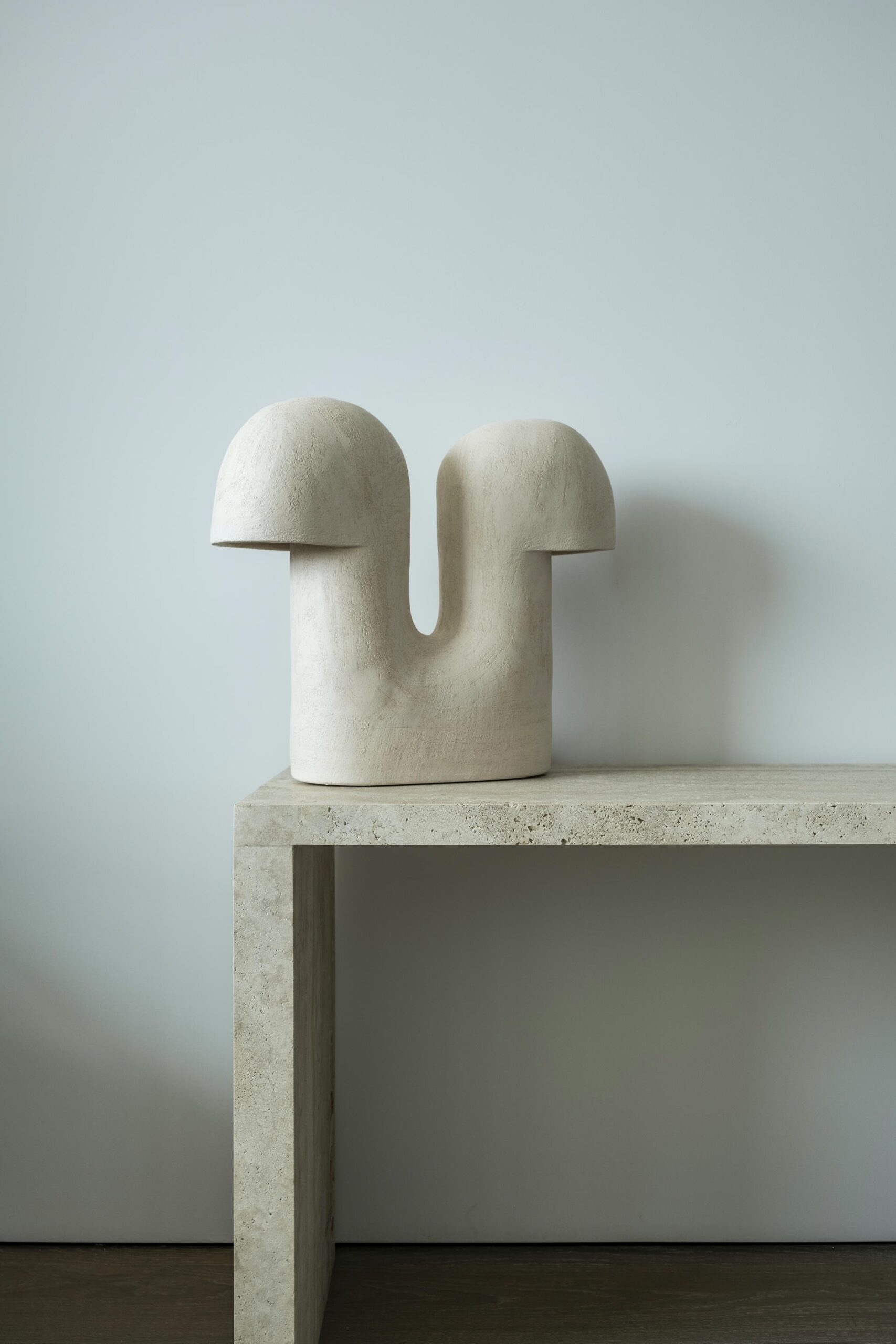
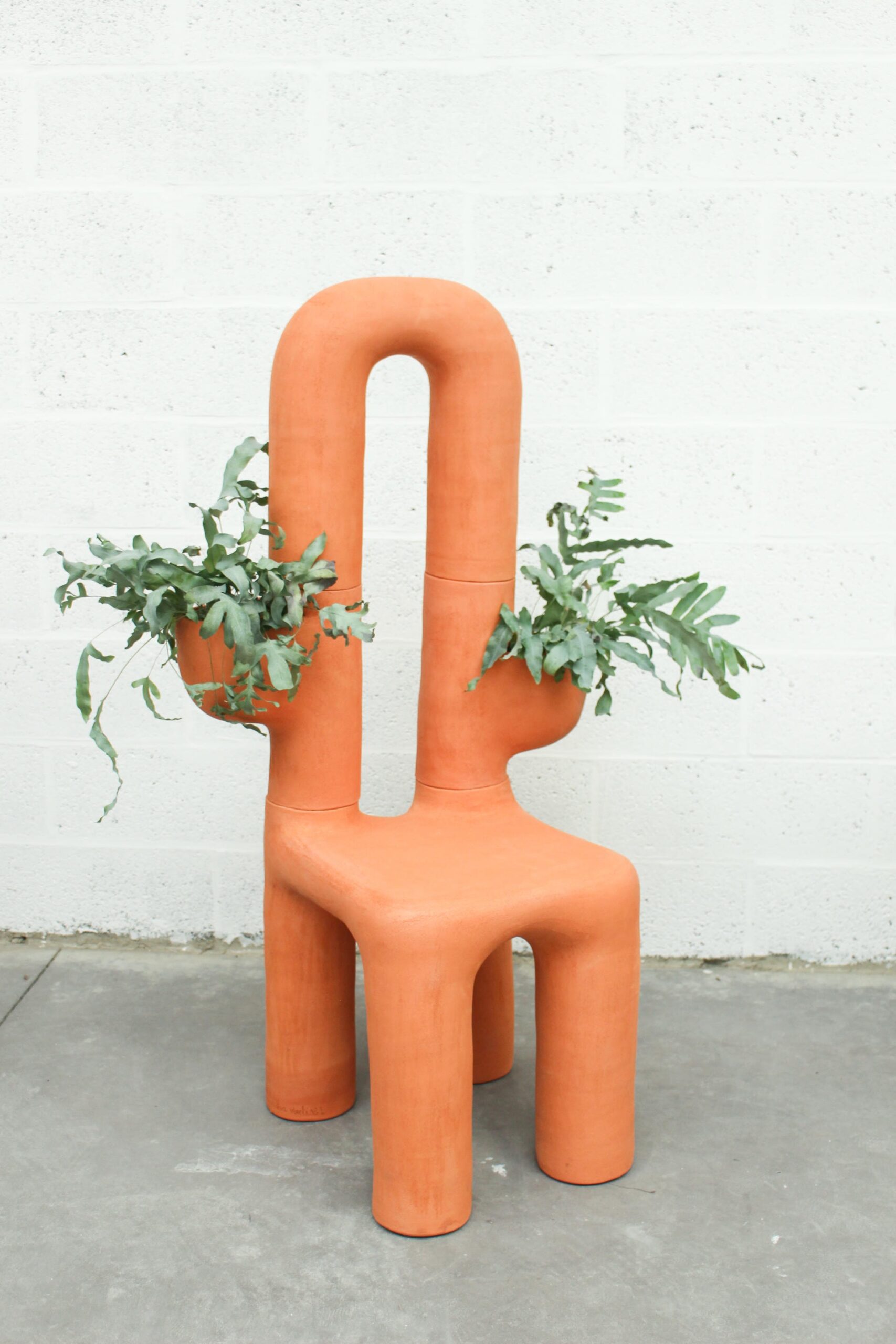
Elisa Uberti is a French artist and designer based in Roubaix. After more than fifteen years in the fashion industry, she turned to ceramics, embracing craftsmanship as a way to reconnect with material, gesture, and time. Since founding her studio in 2018, she has developed a body of work that exists at the intersection of art and design, creating sculptural objects in stoneware distinguished by their soft, organic forms and quiet presence.
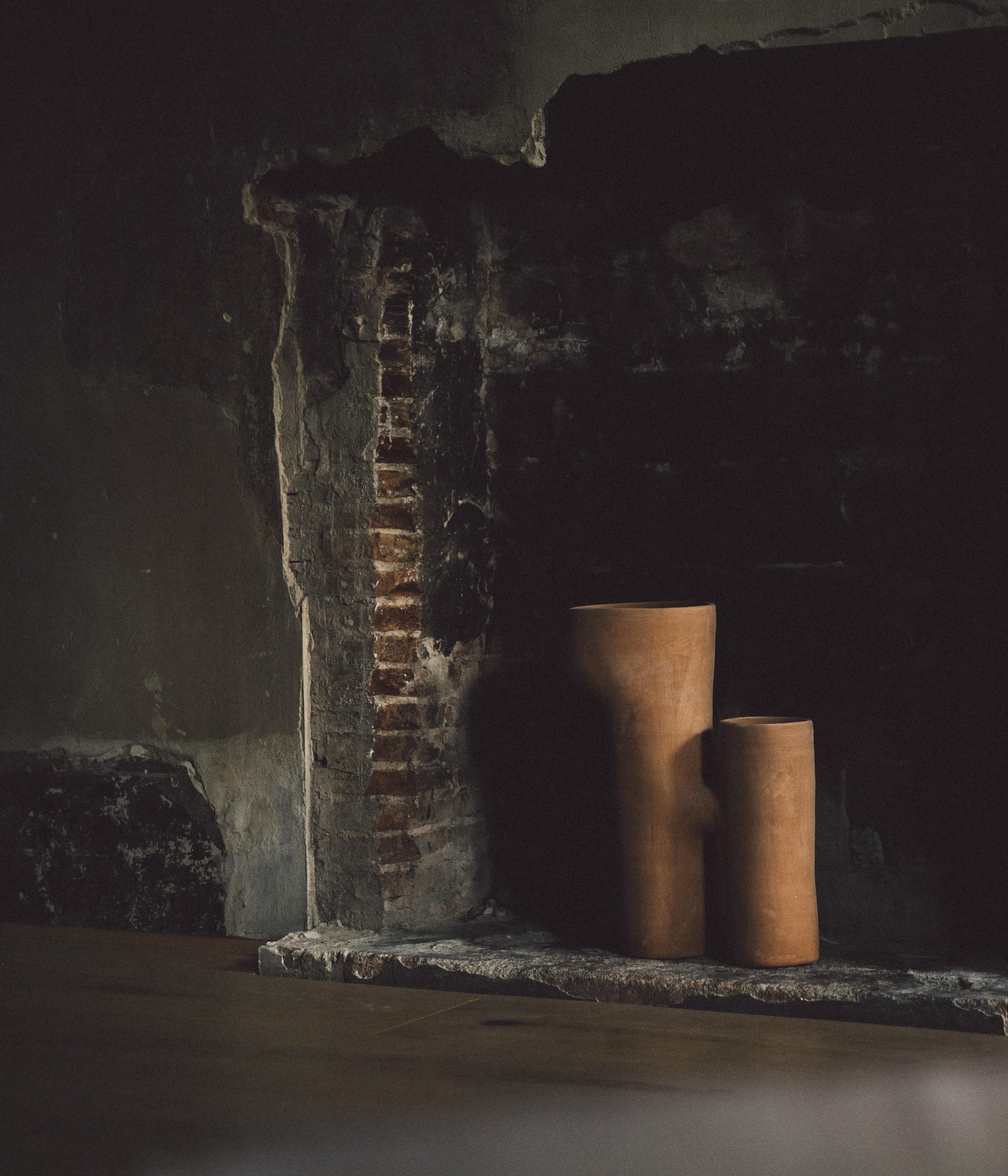
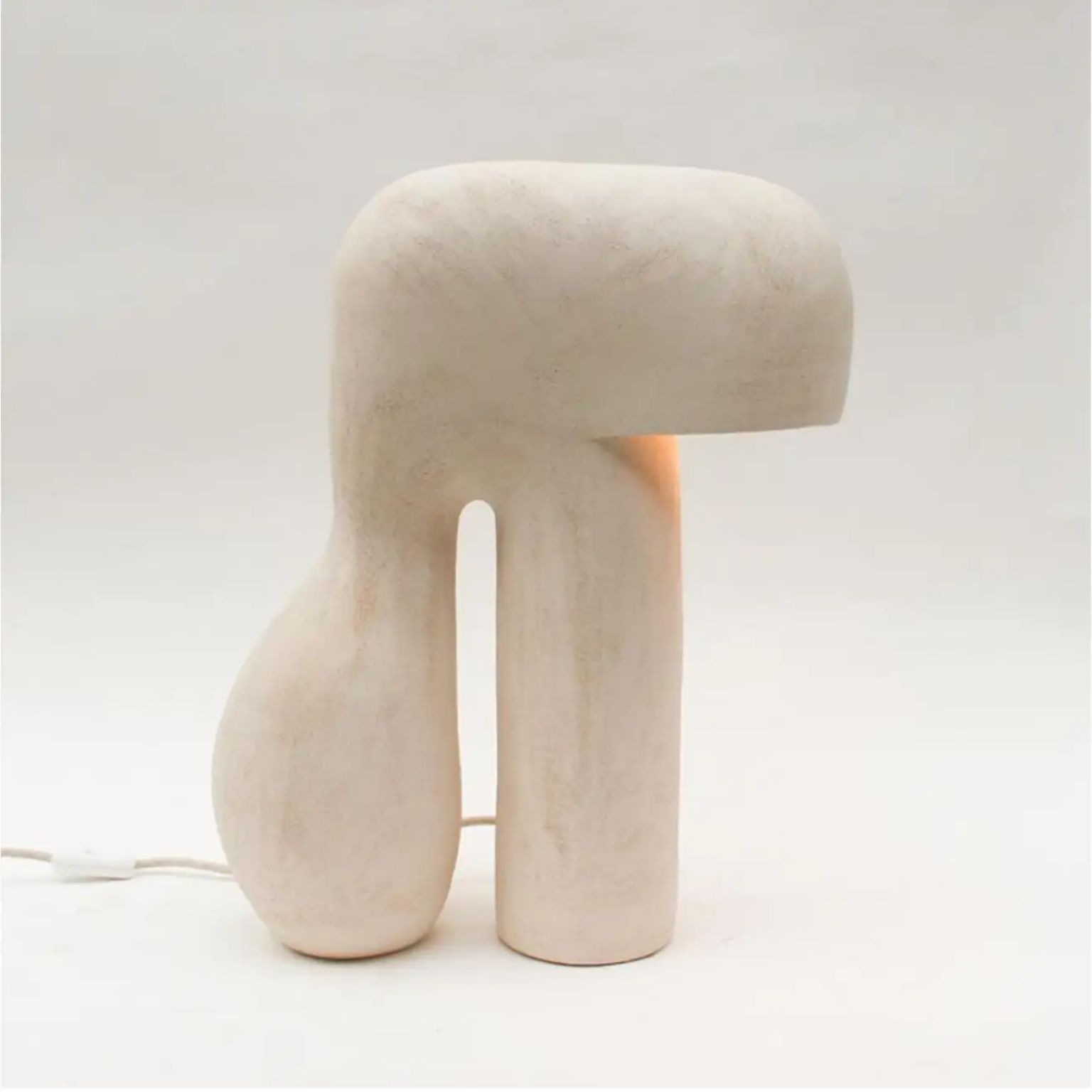
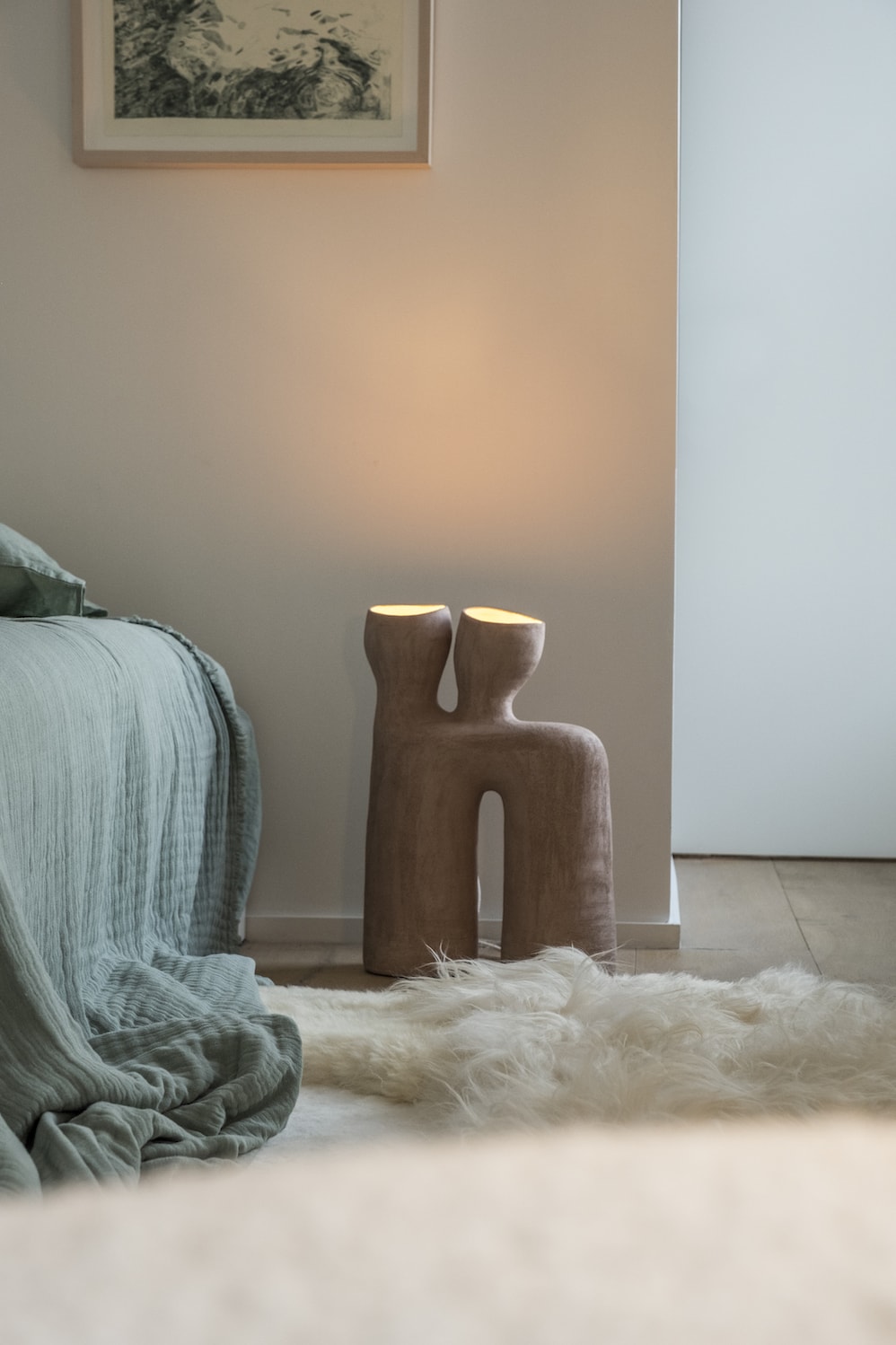
Guided by a pursuit of refined, timeless beauty, Uberti explores the delicate balance between technical precision and the spontaneity of hand-making. Rooted in an ancestral manual practice, her work celebrates the expressive qualities of clay, where each gesture leaves a visible trace of the making process. Through vessels, lighting, and sculptural pieces, she creates contemplative forms that evoke warmth, simplicity, and a profound connection between material, craftsmanship, and everyday life.
Interview
I’m French, I was born in Roubaix, north of France.
My first memory connected to the art world is a drawing made by my father. He had drawn one of my soft toys, and the likeness was so striking that it completely fascinated me. It was probably at that moment that my desire to draw was born, the wish to be able to represent things with such accuracy. We didn’t go to exhibitions, and I knew nothing about the art world in an institutional sense. As a child, art meant drawing and painting to me. It was only much later, during my art studies, that I discovered other artistic practices and forms of expression.
Yes, I have always wanted to work in the artistic field. I first worked in fashion as a designer. I created my own clothing brand and collaborated with large companies.
Over time, the logic of mass consumption, the rapid obsolescence of products, and the constant pressure to create new collections no longer resonated with me. This way of working was no longer aligned with my values.
I felt the need to return to a more hands-on practice, to slow down and take time in the making process. This is why I turned to ceramics.
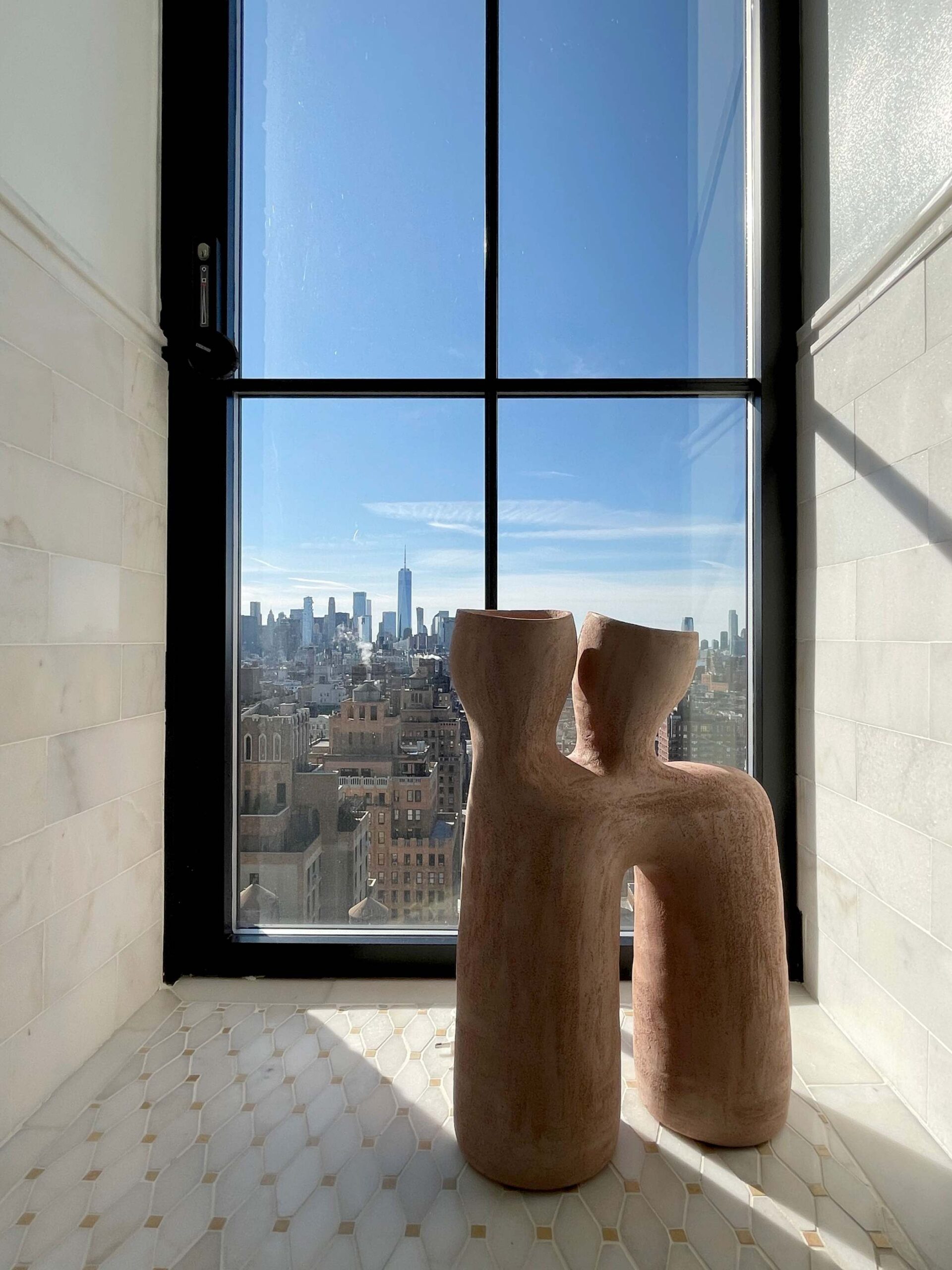

@avant.jour
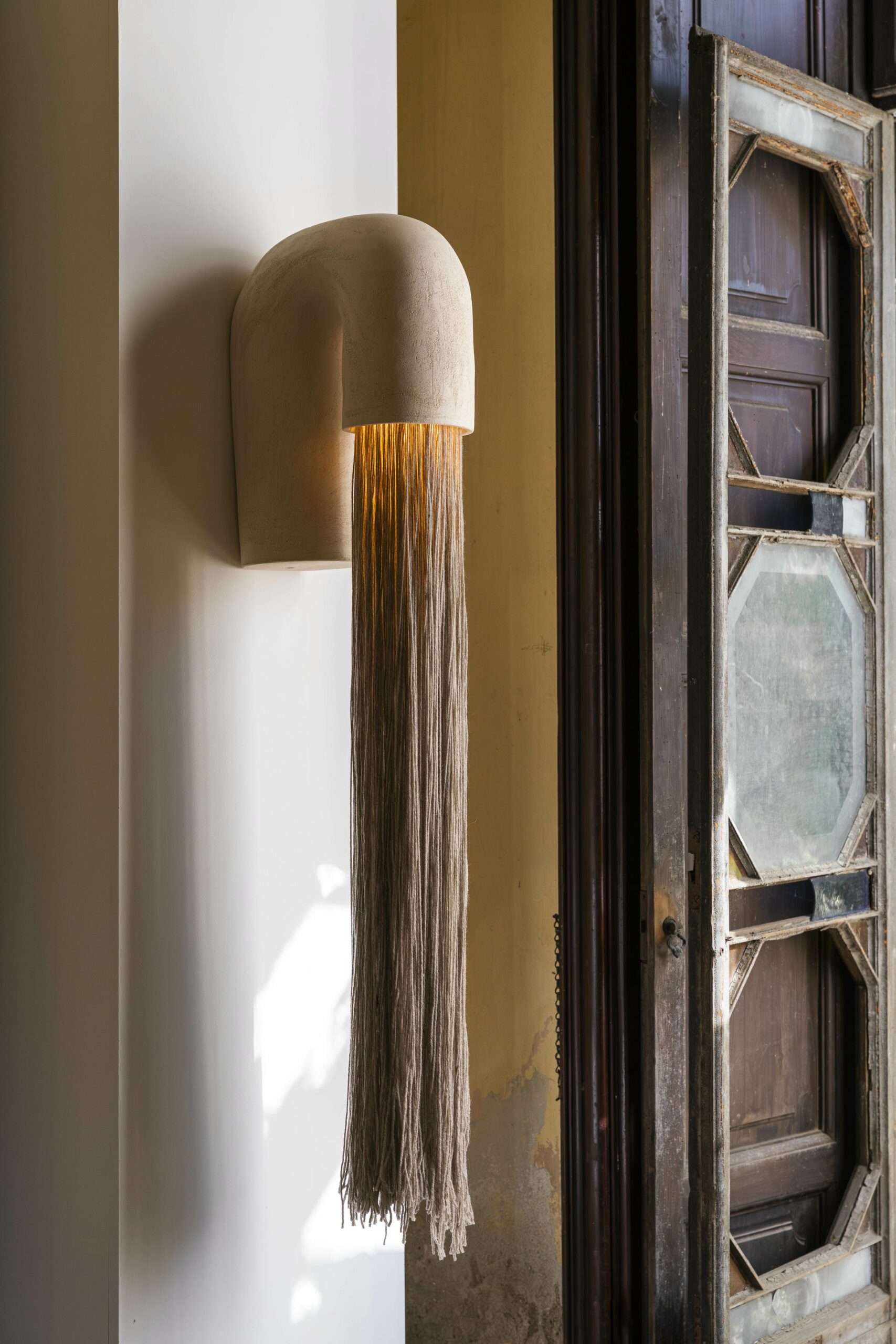
In general, I am drawn to natural materials, and I find it fascinating to be able to transform a material that comes directly from nature. My interest in ceramics began while I was working as a fashion designer: images of ceramic objects regularly appeared in my mood boards, as the textures and colors of this material deeply inspired me. I am particularly sensitive to handmade ceramic objects because they carry within them the memory of gesture and fire. Each piece retains the trace of shaping, firing, and time, and this sensory and physical dimension resonates strongly with me.
The relationship to time is also central to my practice: the material, initially soft and malleable, is transformed through firing to become hard and enduring. I am drawn to this metamorphosis, as well as to the primitive and frugal nature of both the material and the gesture, which connect my work to something essential and timeless.
I don’t really consider myself a designer, because when my pieces have a function, it mainly serves the artistic intent. I don’t work according to strict ergonomic rules – I rely a lot on instinct.
What I love are sculptural objects with a soul, capable of bringing poetry into a space.
My search for forms mainly happens through drawing: I fill sketchbooks constantly, drawing without stopping, and it’s through these pages that shapes begin to emerge. Then those drawings are transformed into material.
I draw inspiration from many things, and the list is not exhaustive. I regularly discover new passions that feed my work.
Overall, my main influences come from nature, architecture, and the idea of a home as a protective cocoon. I also like to sometimes add a playful and tender dimension to my work.
Time and slowness are central to my creative process: I take the time to let forms reveal themselves, to come back to them, to refine them, and to respect the rhythm of the material.
My work time is divided between creating, making, and administrative tasks, but there isn’t really a typical day, as it depends a lot on the projects I’m working on.
However, I spend most of my time with my hands in clay. It’s a very meditative practice that contributes to my balance, and that’s why it’s difficult for me to spend too much time on the computer.
I make my pieces with coiling techniques. Coiling is one of the most ancient techniques used in ceramics. I make all the objects, like sculptures, without molds, which makes them sensitive and unique works.
Maybe a slow design movement.
To try to forget conventions, have a personal approach, and enjoy yourself.
When I first started working with ceramics, I was influenced by the ceramic work of André Borderie and Lucie Rie. I was also deeply inspired by the organic and utopian architecture of the 1970s, as well as the brutalist sculptures of Xavier Corberó. The sculptures of Salvatore Fiume also had a strong influence on my work.
I greatly admire Faye Toogood, whose work expresses a strong sense of freedom in her approach to form and creation. I am also very interested in the work of designers and artists such as Fernando Laposse, particularly in his use of natural materials.
I am very interested in the work of Porky Hefer. I am also deeply drawn to the sculptures of Hiroyuki Hamada, as well as the work of Not Vital, whose practice combines simplicity, materiality, and a strong architectural presence.
Emotional and sensitive works.
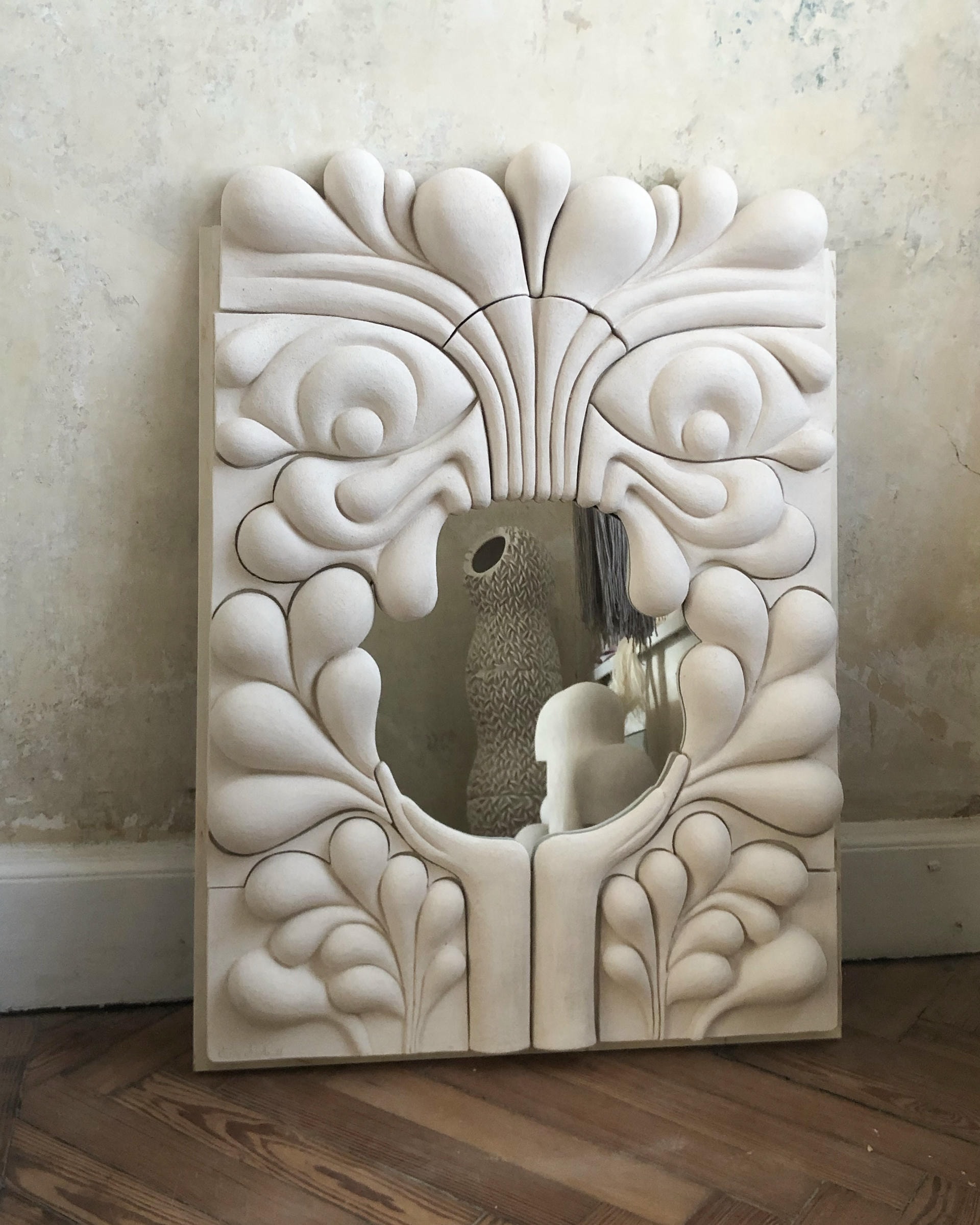
“I felt the need to return to a more hands-on practice, to slow down and take time in the making process.”
The Questions
(The Proust Questionnaire is a set of questions answered by the French writer Marcel Proust.
Other historical figures who have answered confession albums are Oscar Wilde,
Karl Marx, Arthur Conan Doyle, Stéphane Mallarmé, Paul Cézanne…)
Freedom and dream
Losing one of my children
I am undecided
The lack of unpretentiousness
Craftspeople who work with their hands and keep ancestral skills alive
Do what I want to do
Grow up, learn, dream
Performance
Sensibility
Courage
So in fact
Sing and dance
Have more confidence in myself
My children
A leopard or a cloud
Maybe Mexico City
A notebook and a pencil
Dependence
Playing with clay and cooking
Determination
Values and kindness
I very rarely read
Grain d’aile
Le Facteur Cheval
My children
Aristide, Billie, Cléopâtre
Injustice and underhandedness
Not having traveled more when I was a student
In the sunshine and in peace
Do it, and you’ll see
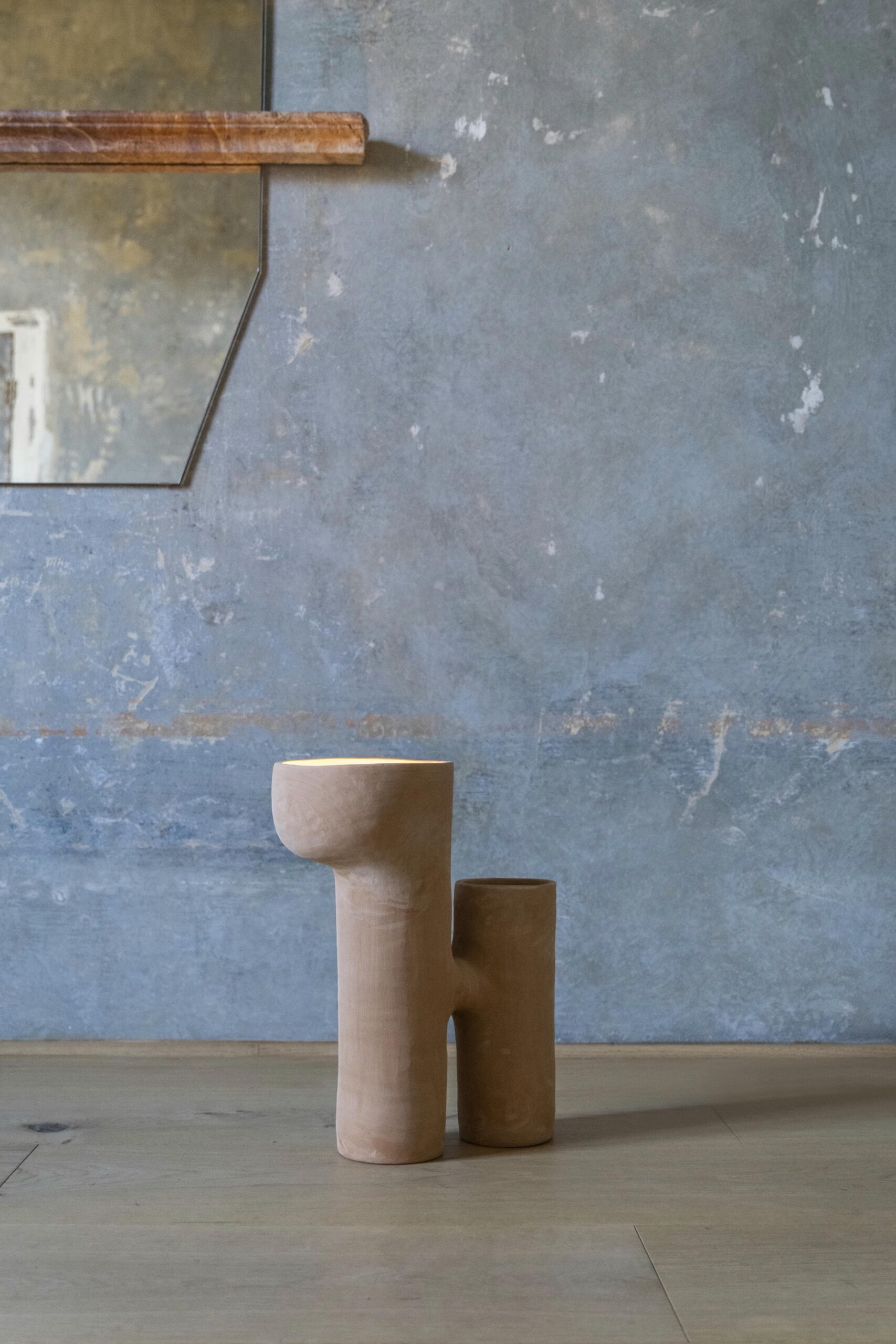
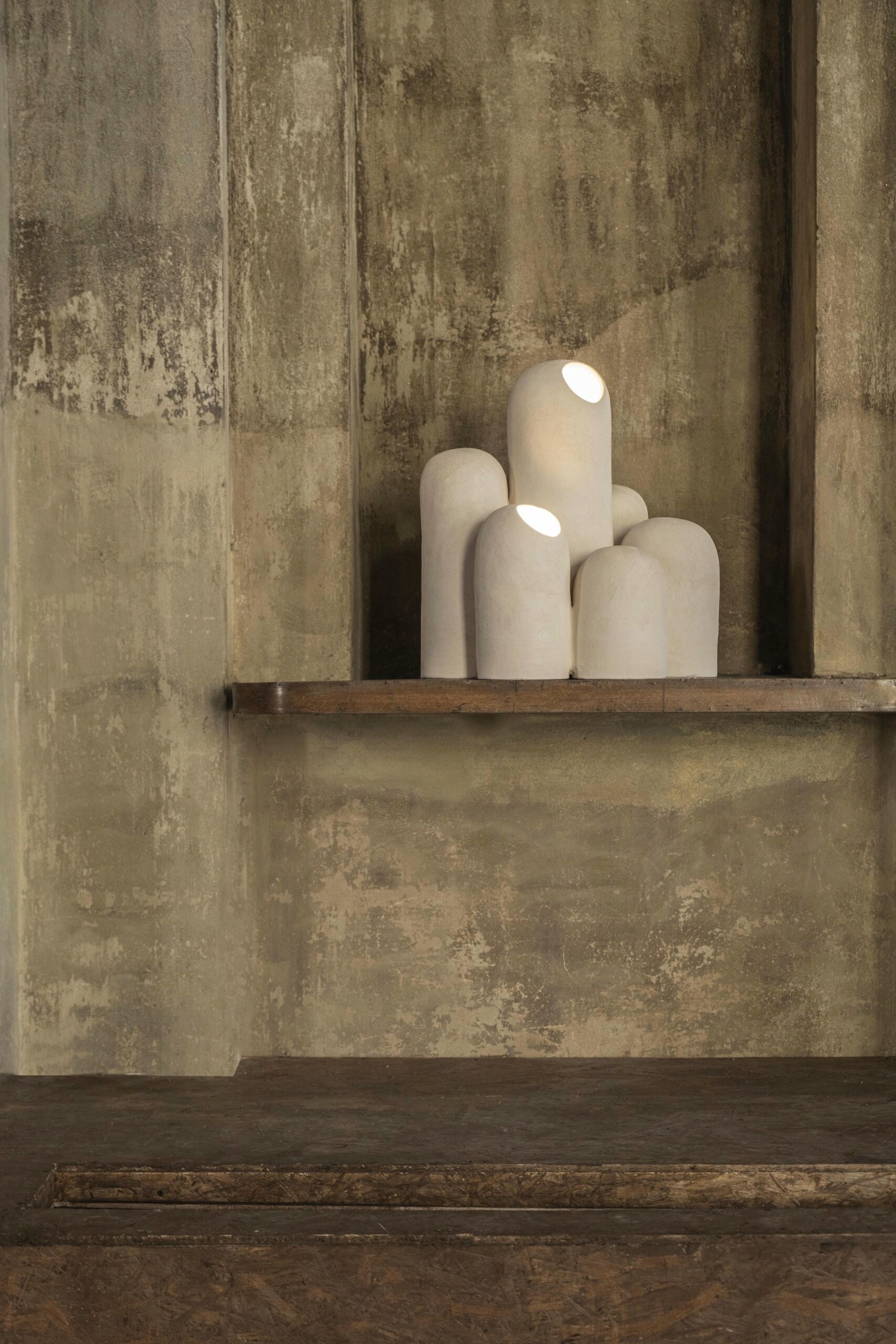
“What I love are sculptural objects with a soul, capable of bringing poetry into a space.”
SHARE :