Fan Beilei – genarchitects
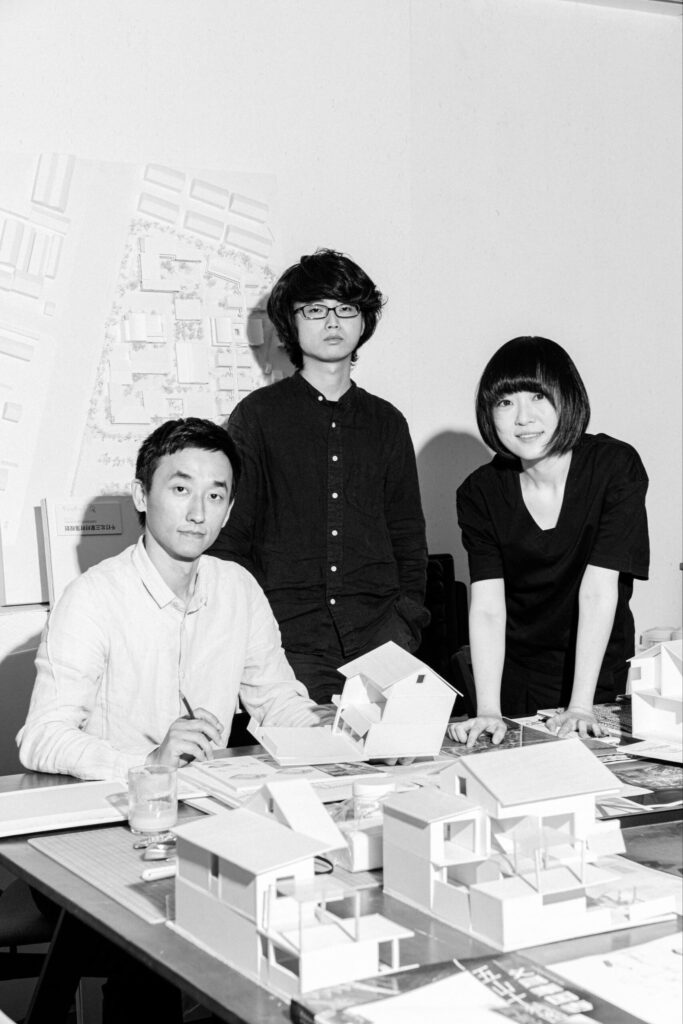
Fan Beilei is the founding partner and principal of genarchitects, a Shanghai-based architecture practice established in 2013. A China First Class Registered Architect, RIBA Chartered Architect, and International Associate of the AIA, she holds a Master of Urban Design from Technische Universität Berlin and a Master of Architecture from Tongji University. Her work explores architecture as a calm and thoughtful response to site, material, and contemporary living.
Led alongside KONG Rui and XUE Zhe, genarchitects works across educational, cultural, commercial, and residential projects. The practice has received numerous international distinctions, including the WA Chinese Architecture Award, the World Architecture Festival Award, the Brick in Architecture Awards, and THE PLAN Award. Their work has been exhibited internationally, including at the Venice Biennale of Architecture and Harvard University, and widely published in journals and monographs by publishers such as Thames & Hudson and Birkhäuser.
“A building that can be ‘worn in’ by life will endure far longer than any form that tries to proclaim its own eternity.”
INTERVIEW

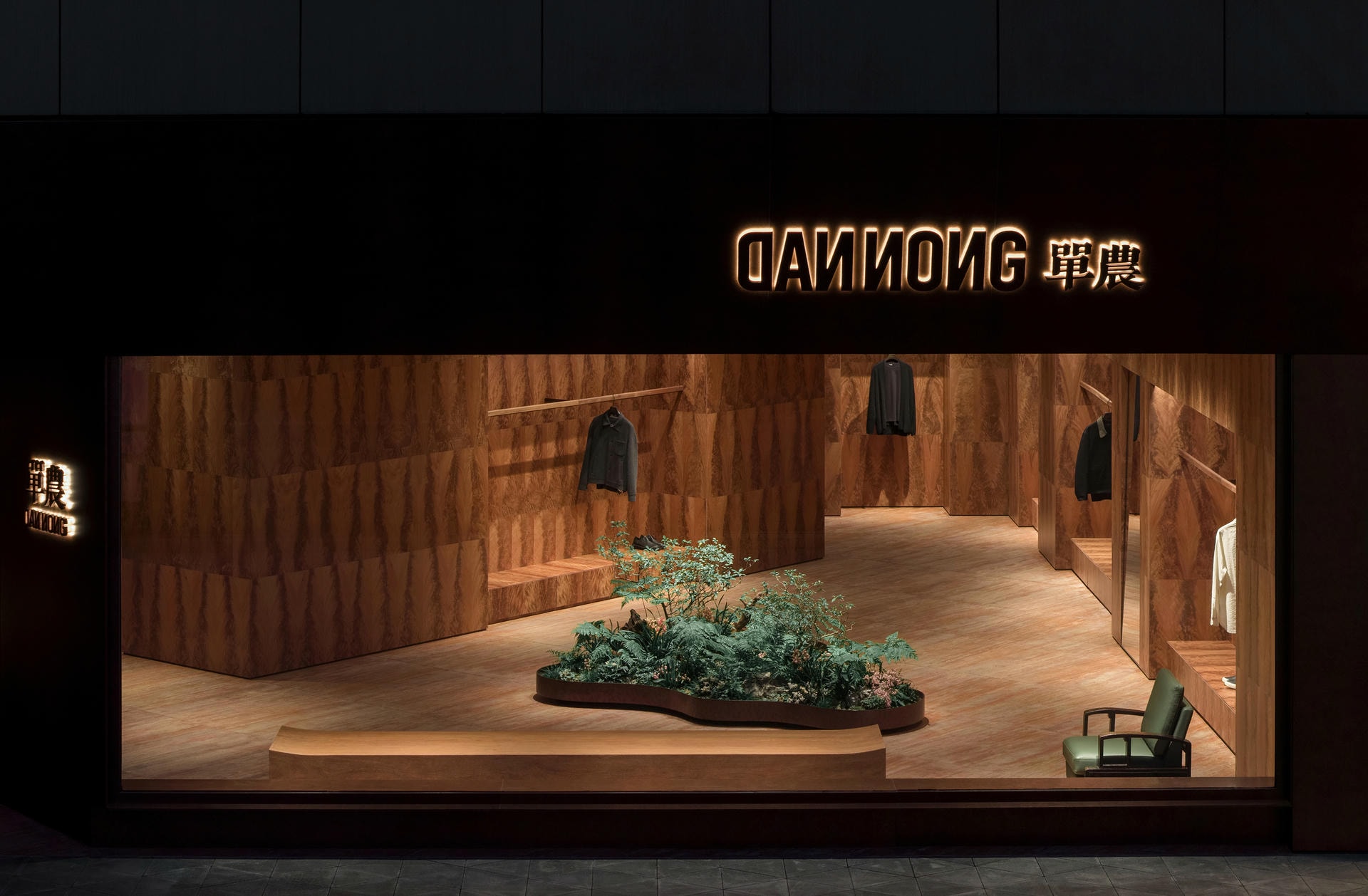
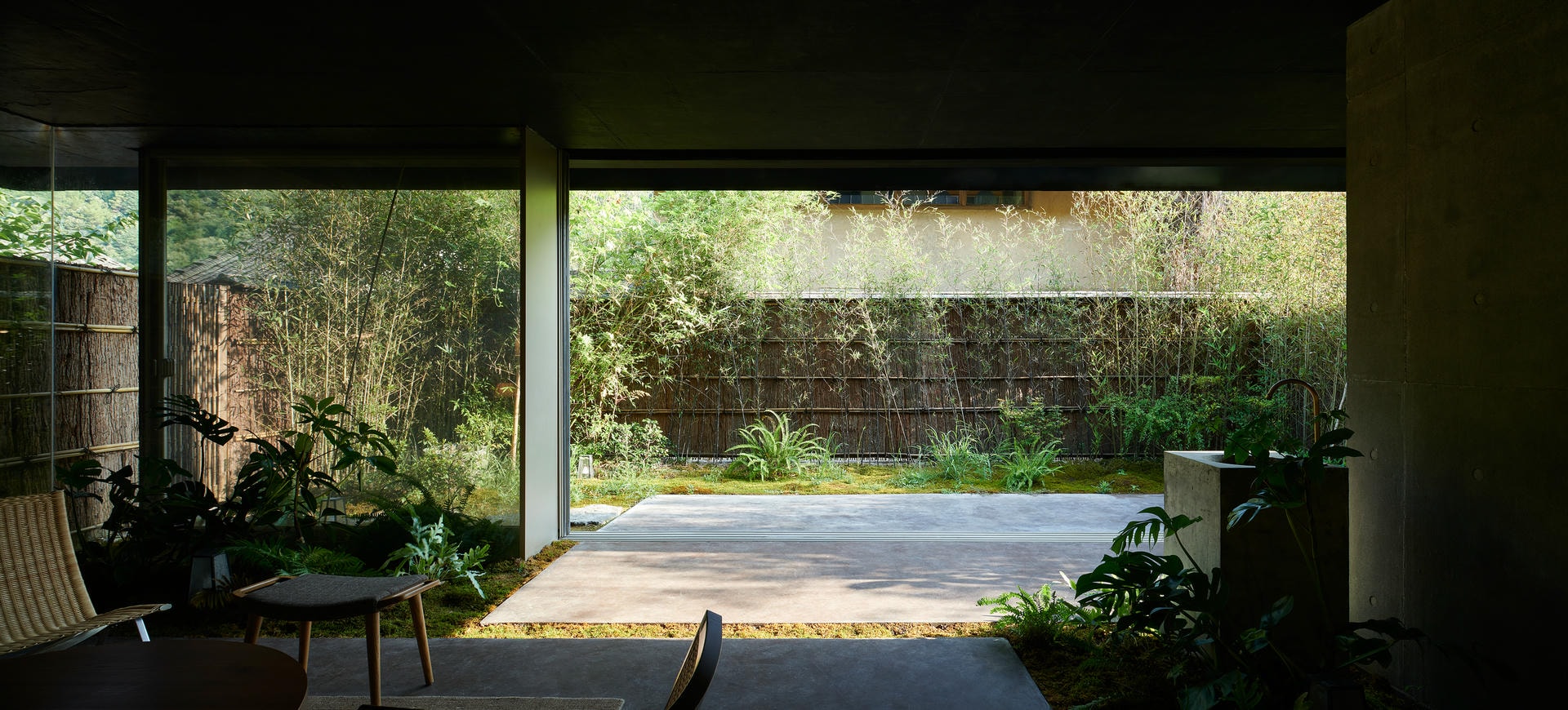
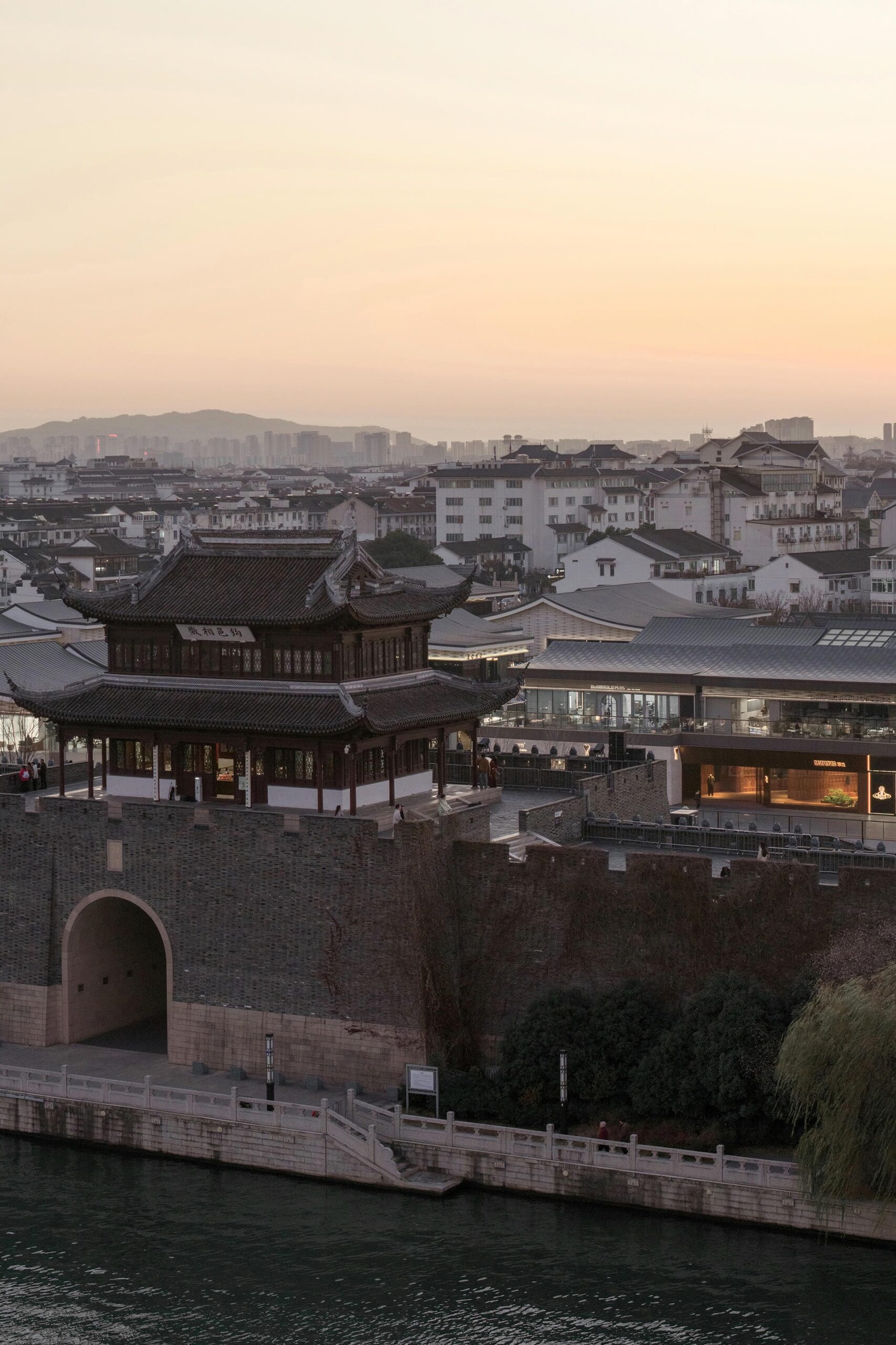
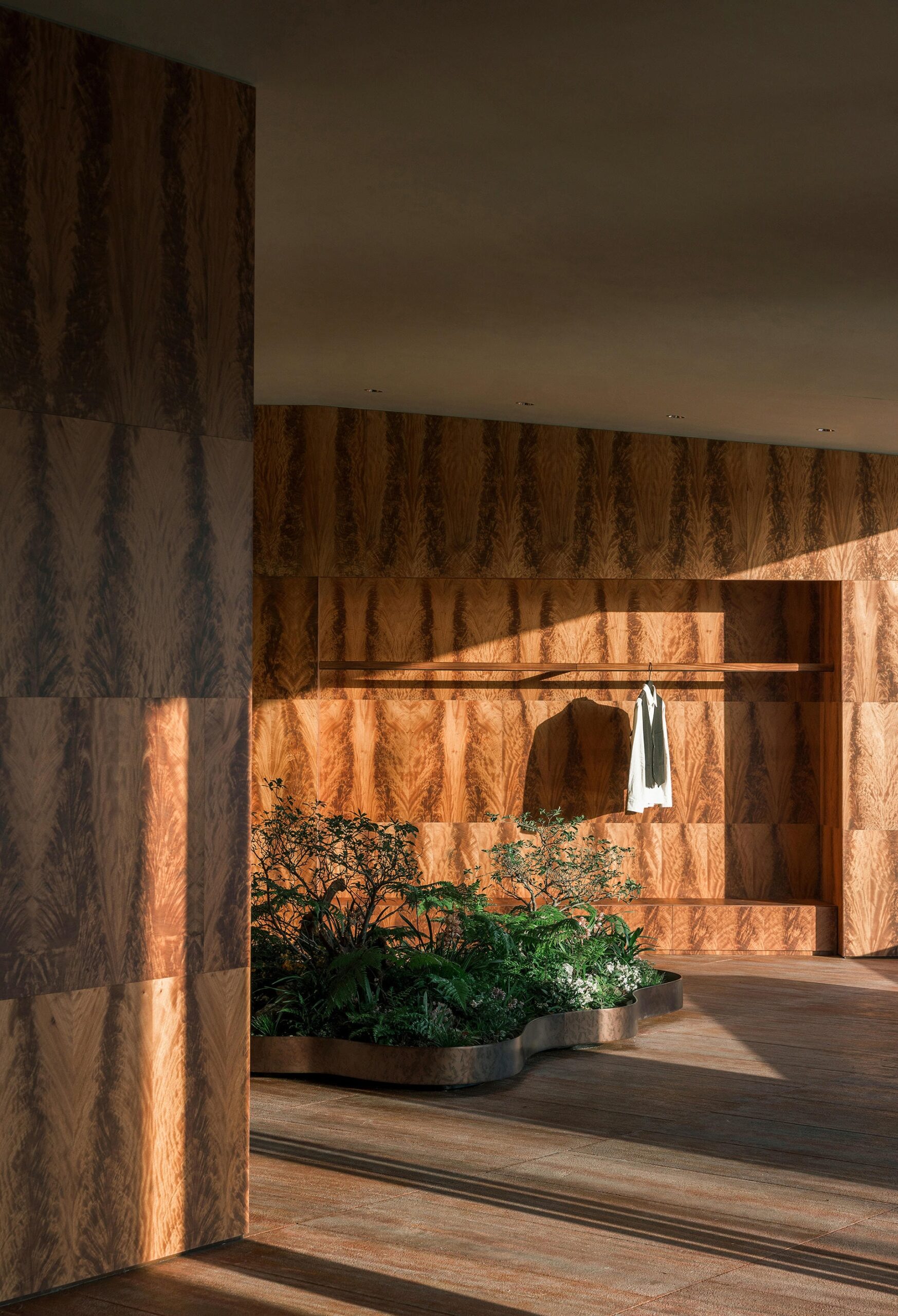
Dannong - Cangjie Store, Suzhou © Liu Guowei
I was not fully certain that I wanted to become an architect from the beginning. That sense of certainty came relatively late, around my third year at university.
At that time, Tongji University launched an experimental studio led by Prof. Yung Ho Chang and Prof. Wang Fangji. The structure of the course differed from the conventional curriculum: we had weekly presentations, and practicing architects who were active at the time were regularly invited to join the critiques.
What affected me most was not any single, definitive position, but the realization that different architects are concerned with different questions, and that their ways of understanding architecture can vary significantly. The discussions themselves became something worth engaging in.
From that moment on, I began to discover the pleasure of studying architecture. It ceased to be an abstract notion and instead revealed itself as something inseparable from the environment we inhabit—something that needs to be observed, experienced, and continually re-examined.
Gradually, architectural practice became, for me, a way of understanding the world. It is not a discipline that can ever be fully “completed”, and it is precisely this open-endedness that makes it worth pursuing over the long term.
Architecture is inherently complex, and for this reason, every project is developed through collaboration. Our practice operates more as a studio than an office, where team members work with comparable levels of capability, and design emerges gradually through discussion. At the beginning of a project, we usually work from two distinct yet interrelated directions: logic and sensibility.
On the level of logic, we aim to gather information as thoroughly as possible, including the client’s intentions, functional requirements, and the conditions of the site and its context. We also study precedents with comparable programs to understand how different types of space are actually used. This analytical work is not intended to arrive at immediate solutions, but rather to define the problem itself. At this stage, we repeatedly test alternative modes of functional organisation, gradually establishing a system and clarifying the relationships between its components.
At the same time, we also approach the project from the level of sensibility. We return to visit the site repeatedly—to observe, to linger, and to absorb its overall atmosphere. We draw on memory as well, recalling places we have been to, or even fragments from films. In addition, we work extensively with images. At certain moments, a single image may evoke a certain sensation, prompting the recognition of a vague yet palpable connection to the project. This image may be a building, a painting, or an everyday object.

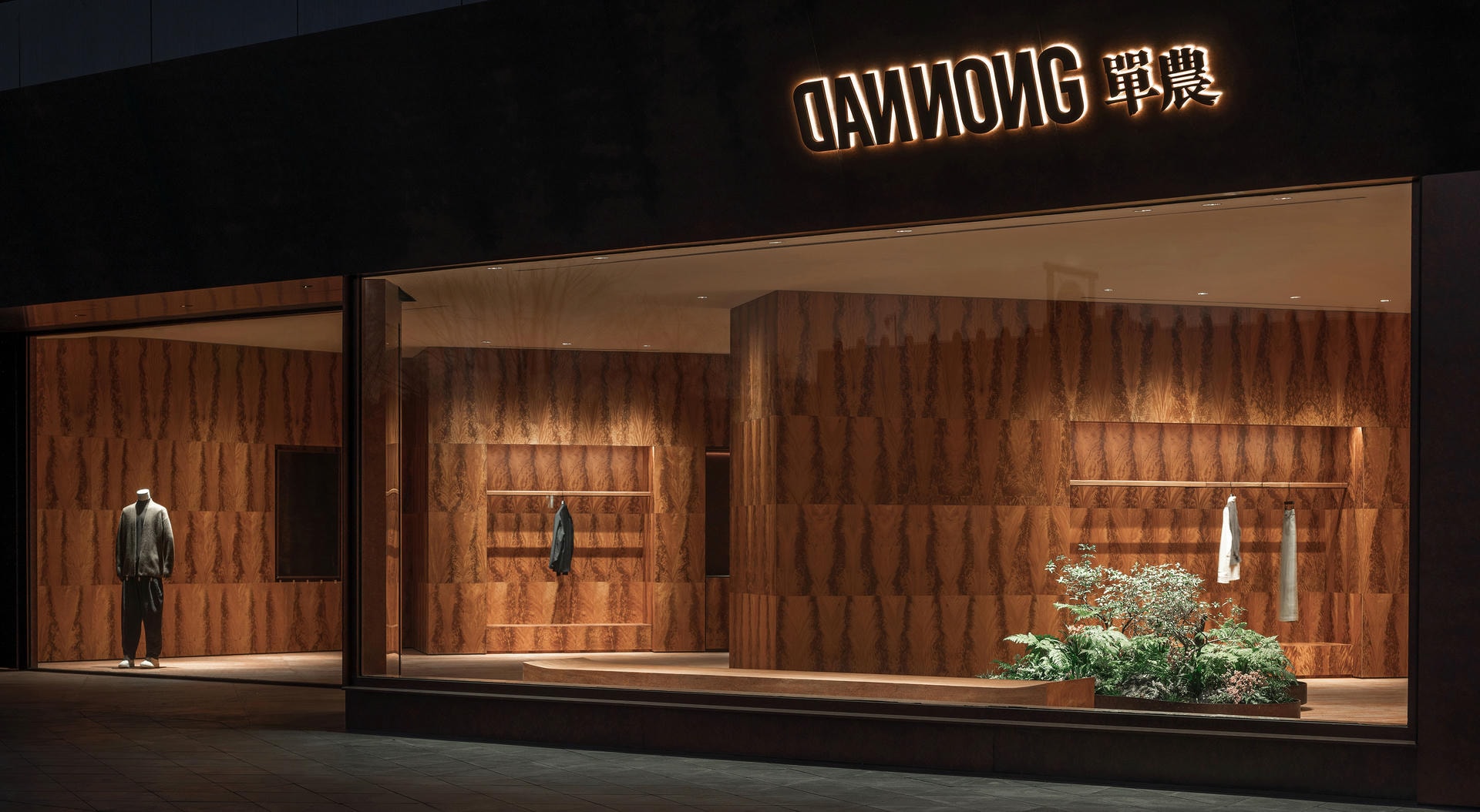
Dannong - Cangjie Store, Suzhou © Liu Guowei

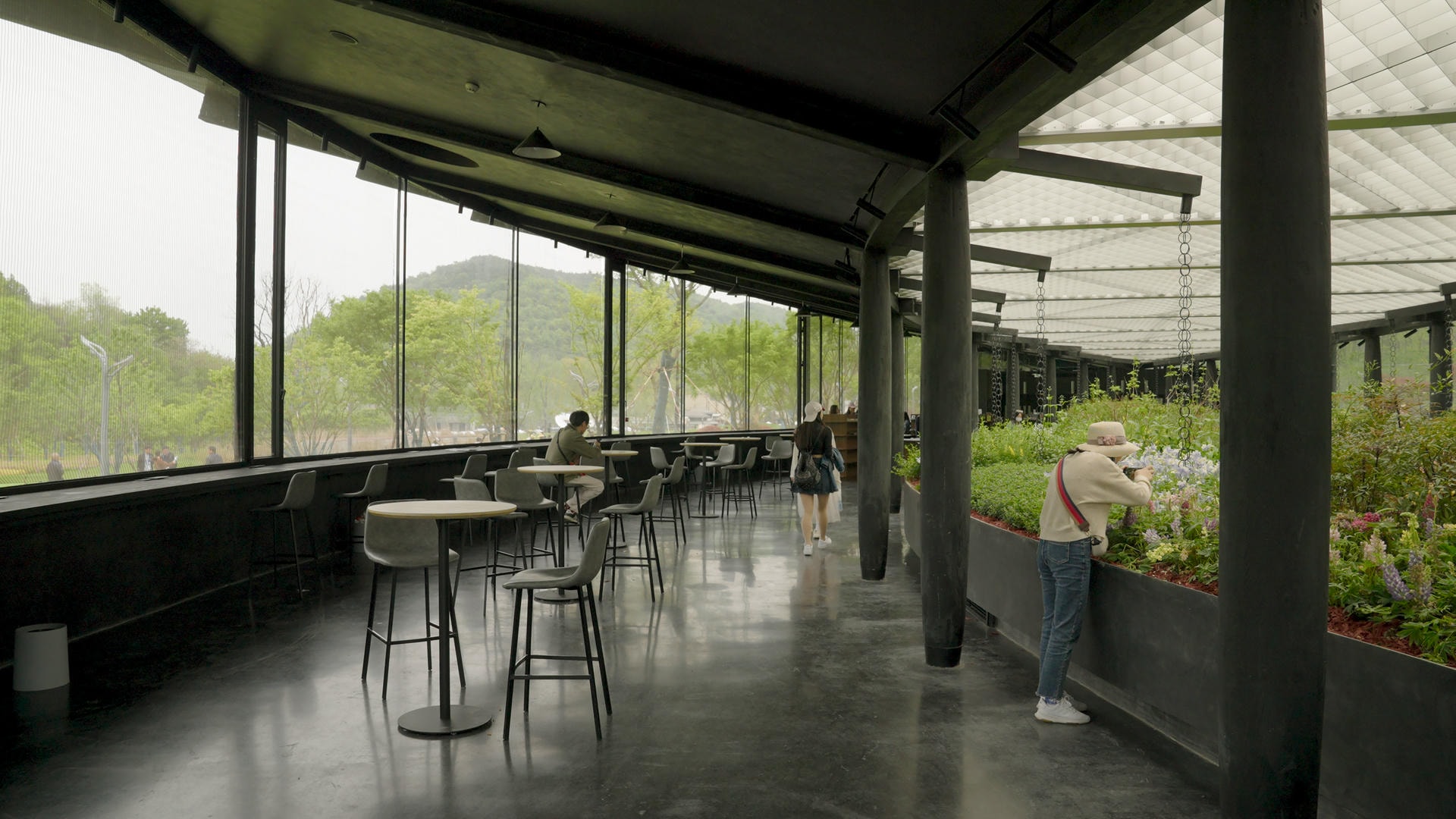
Floral Pavilion © genarchitects
I rarely describe my work in terms of “style.”
For me, architecture is first and foremost a response to specific conditions rather than a commitment to a fixed formal language. Each project unfolds within its own conditions—site, time, resources, and modes of use—and these conditions inherently require different architectural approaches.
If there is any relatively consistent tendency in my work, it lies in allowing architecture to operate as a mediating device: to register the forces of a site, to understand the fundamental nature of human activity, and to construct atmosphere through the organization of material and space—evoking perception and emotion, while maintaining the adaptability for future use.
In this sense, I do not consider my work to progress a reproducible design style. More often, it is through each specific project that I re-evaluate what is appropriate.
If there is a part of the work I enjoy least, it is usually those tasks that gradually move away from architecture itself.
During the course of a project, a great deal of time is spent on coordination, repeated communication, and the continual need to explain and justify decisions. These tasks are, of course, necessary, but they often consume significant time and energy while offering little opportunity to engage meaningfully with questions of space or human experience.
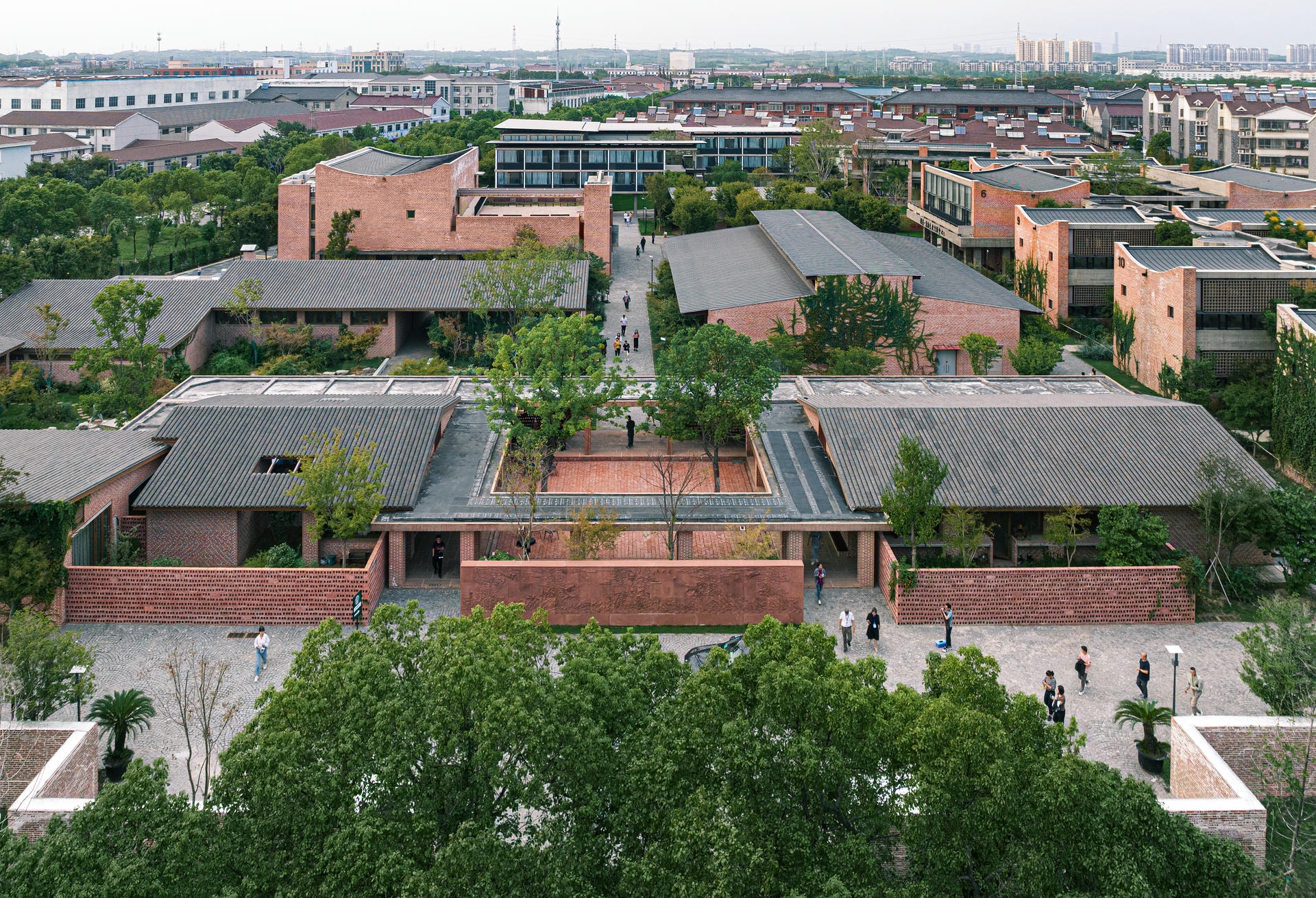
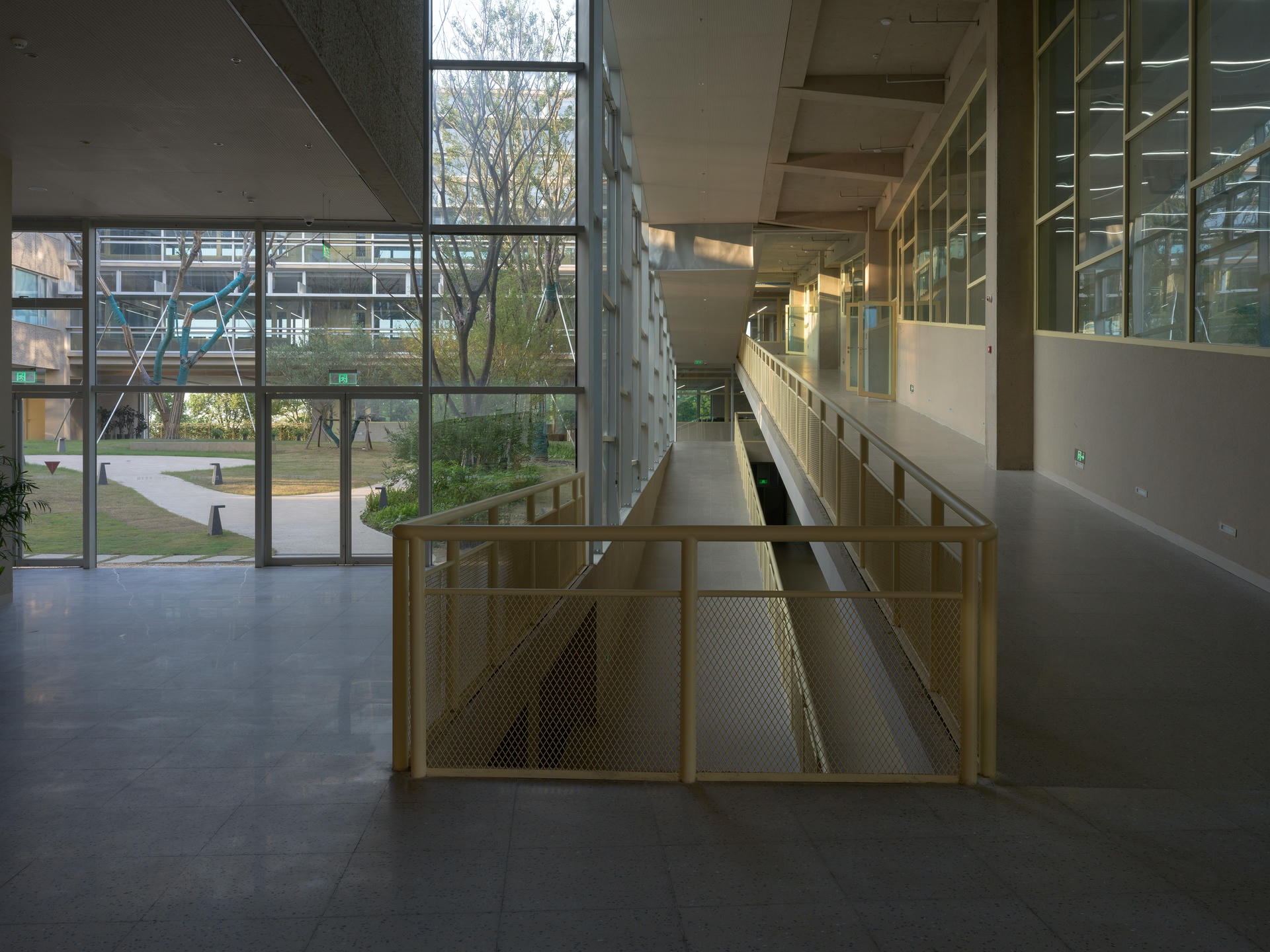
If I had to mention one project, it would be Shanghai Zhonghua College.
The project did not begin with an architectural image, but with a pragmatic question: in a vocational secondary and undergraduate campus located far from the city, accommodating approximately 6,000 students and faculty, including around 2,000 boarding students, what truly matters is not only what takes place in classrooms, but the everyday life of students outside formal teaching hours.
For this reason, we did not approach it as a school of conventional sense. Instead, we conceived the campus as a small town that could grow naturally over time.
Within it, a network of outdoor spaces at different scales was organized to support future public life and daily interaction. In this sense, the campus functions more closely to a model like Cambridge, where life organizes space, rather than a campus driven by architectural image.
What I value in this project is that it does not attempt to define life through form, but leaves space for life to unfold.
We hoped that even those who are not students would feel free to walk through the campus, finding places for strolling or solitude, as well as spaces for gathering. In this sense, the campus operates more like a park, offering a sense of openness, ease, and freedom.
For me, inspiration comes more from long-term accumulation. What I see, what I read, and the places I have been to often return at certain moments as brief flashes of insight.
More often than not, these moments are not tied to a specific image or form, but to a way of thinking—a way of approaching a problem and entering the design process.

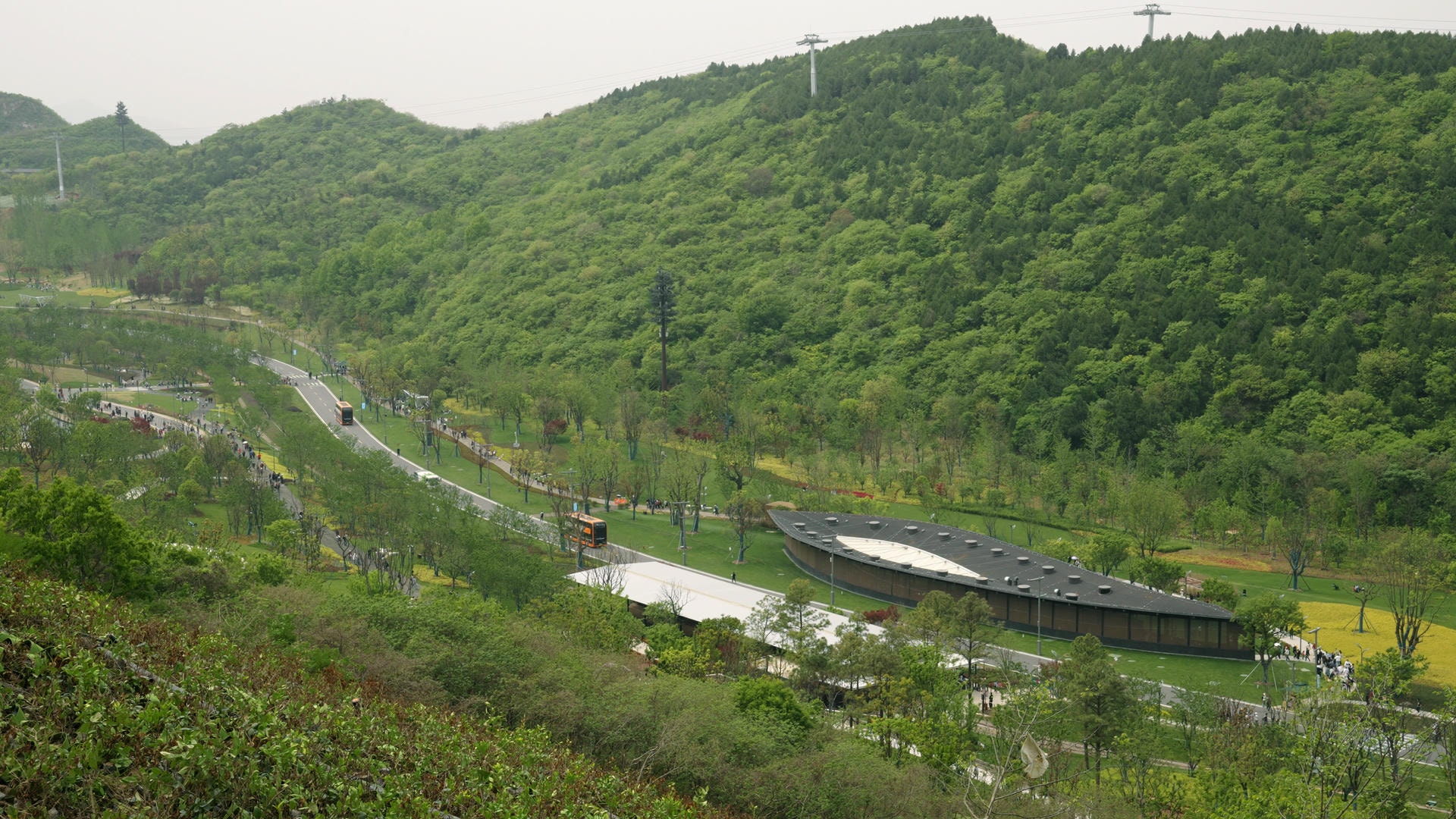
Shanghai Zhonghua College © genarchitects
A building gains lasting meaning if it can continue to be perceived, occupied, and rediscovered as use and the environment change.
In practice, I focus more on leaving room for use and change, rather than trying to fix a building into a particular form or image. The way scale, materials, spatial organization, and details are handled needs to maintain a continuous relationship with the site, the users, and time, so that the building is gradually understood through everyday life, rather than defined all at once.
In other words, a building that can be “worn in” by life will endure far longer than any form that tries to proclaim its own eternity.

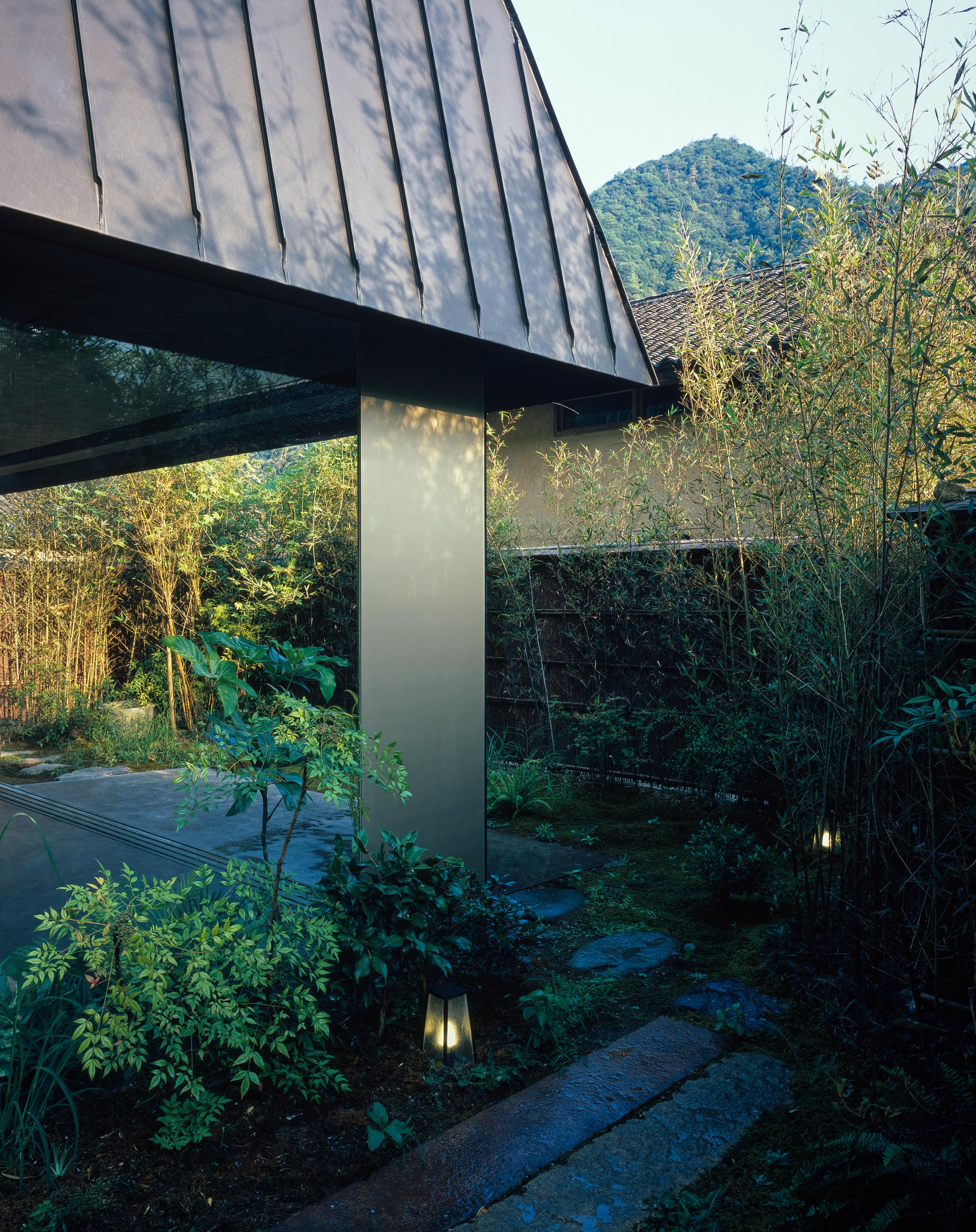
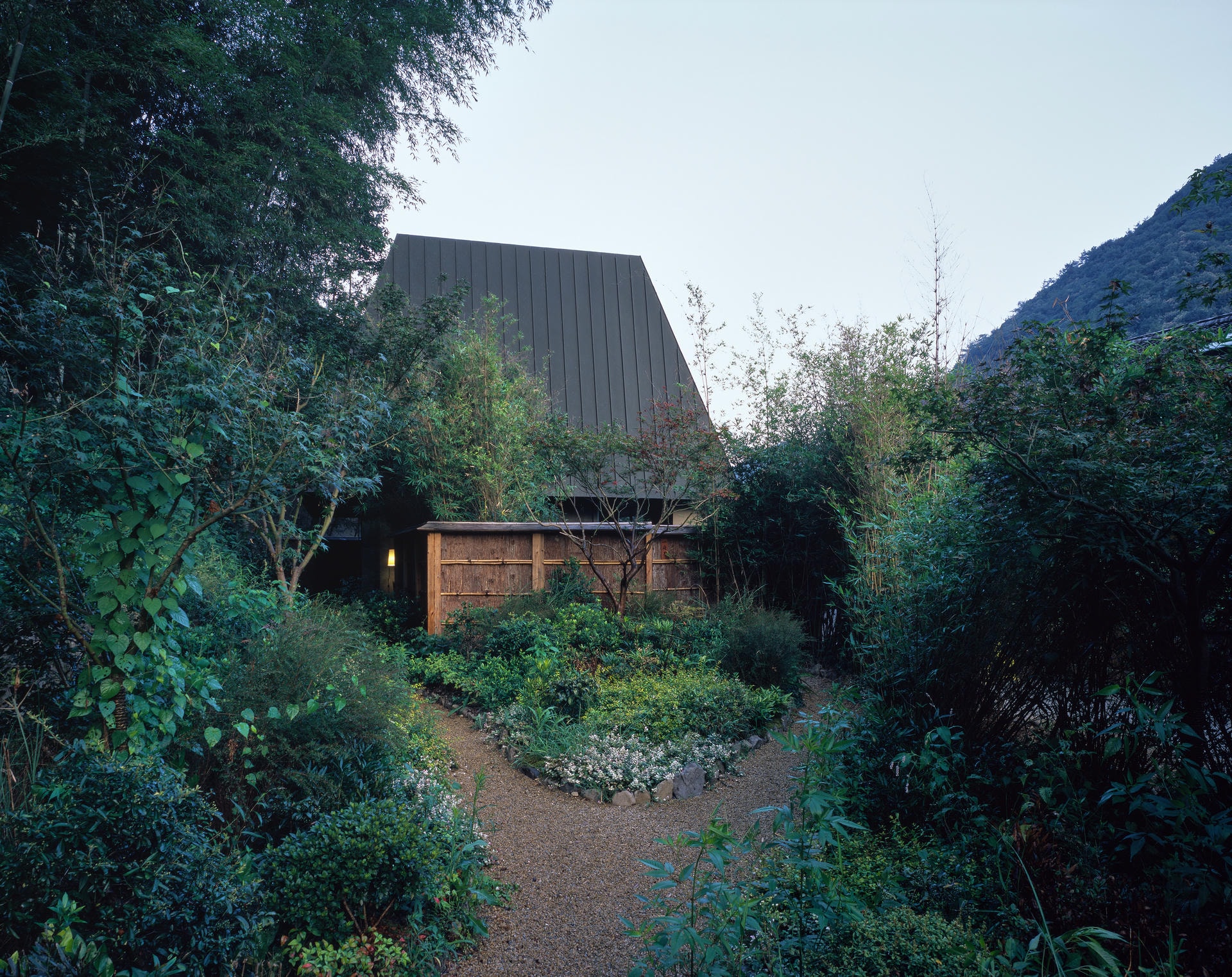
Yitingting Cottage © Chen Hao
If I had to name my favorite buildings, it would be difficult to make a definitive list. The significance of certain buildings does not come from repeated visits, but from the intensity with which they resonate a particular moment in one’s life.
The first project that truly left a profound impression on me was the Indian Institute of Management (IIM) in Ahmedabad by Louis Kahn. I visited it after completing a month-long summer architectural internship in India, followed by a journey through Indian architecture from south to north. After visiting Chandigarh, I arrived at IIM during my final week before leaving the country. When I saw langur monkeys running freely across the lawns, I suddenly understood that what Kahn offered India was something it deeply needed—a sense of calm, almost religious in its intensity.
More recently, I experienced a similar resonance at the Igualada Cemetery by Enric Miralles and Carme Pinós. Standing within it, one becomes acutely aware of the pressure of the ground and the agency of the site itself. It is difficult to distinguish where architecture ends and where nature begins. The experience feels like a passage toward death, without a clear beginning or end, in which the human body is tightly enveloped by the surrounding terrain and space.
These works remind me that architecture, at its strongest, is less about expression and more about creating a condition in which we become acutely aware of the body, time, and existence.
If there is anything that consistently reminds me of how to work, it is more an attitude than a rule: in every project, I try to return judgment to the specific site, the specific people, and the specific patterns of use, rather than relying on preconceived forms or prior experience.
For me, design is not about executing a fixed belief, but about continual adjustment—adjusting scale, relationships, and the distance between architecture and reality. What truly matters is often not what one insists on, but knowing when to let go.
I do not think that contemporary architecture truly lacks new concepts or technologies. On the contrary, there may already be more of them than we have time to fully absorb.
What seems more questionable is whether we still have patience with reality itself—patience with a specific site, with the passage of time, and with the ordinary, often unremarkable ways in which daily life unfolds. Many buildings are too eager to be recognized, labeled, and explained, while overlooking another possibility: allowing life to happen first, and letting meaning gradually emerge through use.
In design, I am more concerned with how architecture can participate in lived reality, rather than responding to it through a particular gesture. Often, this means maintaining restraint—using spatial organization, scale, and material choices to establish a quiet but continuous connection with the surrounding environment.
For me, the relationship with context is not achieved through imitation or symbolism, but is gradually formed through use. Only when a building is truly inhabited does it slowly enter into and engage with the culture, history, and nature of its surroundings.

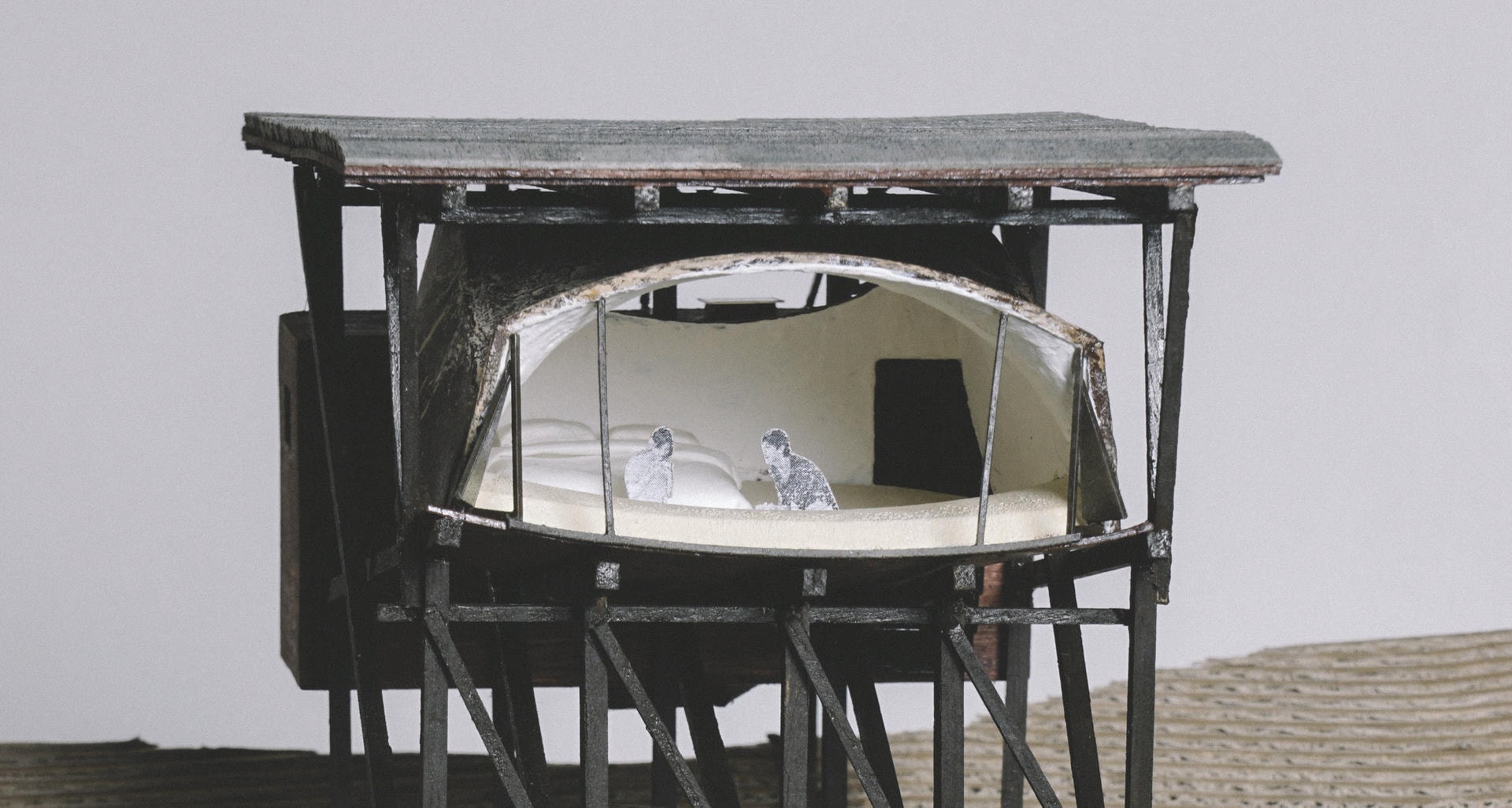
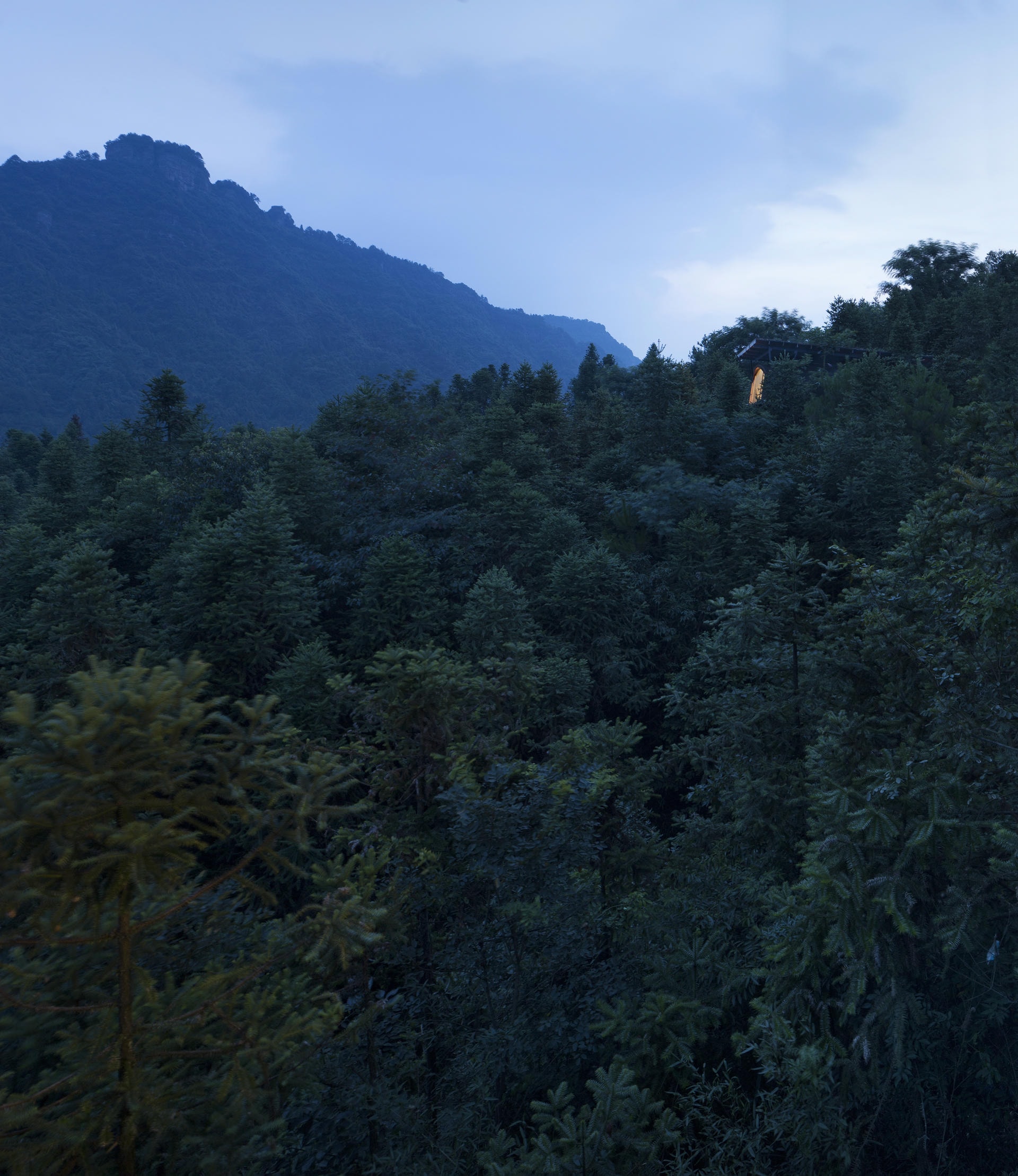
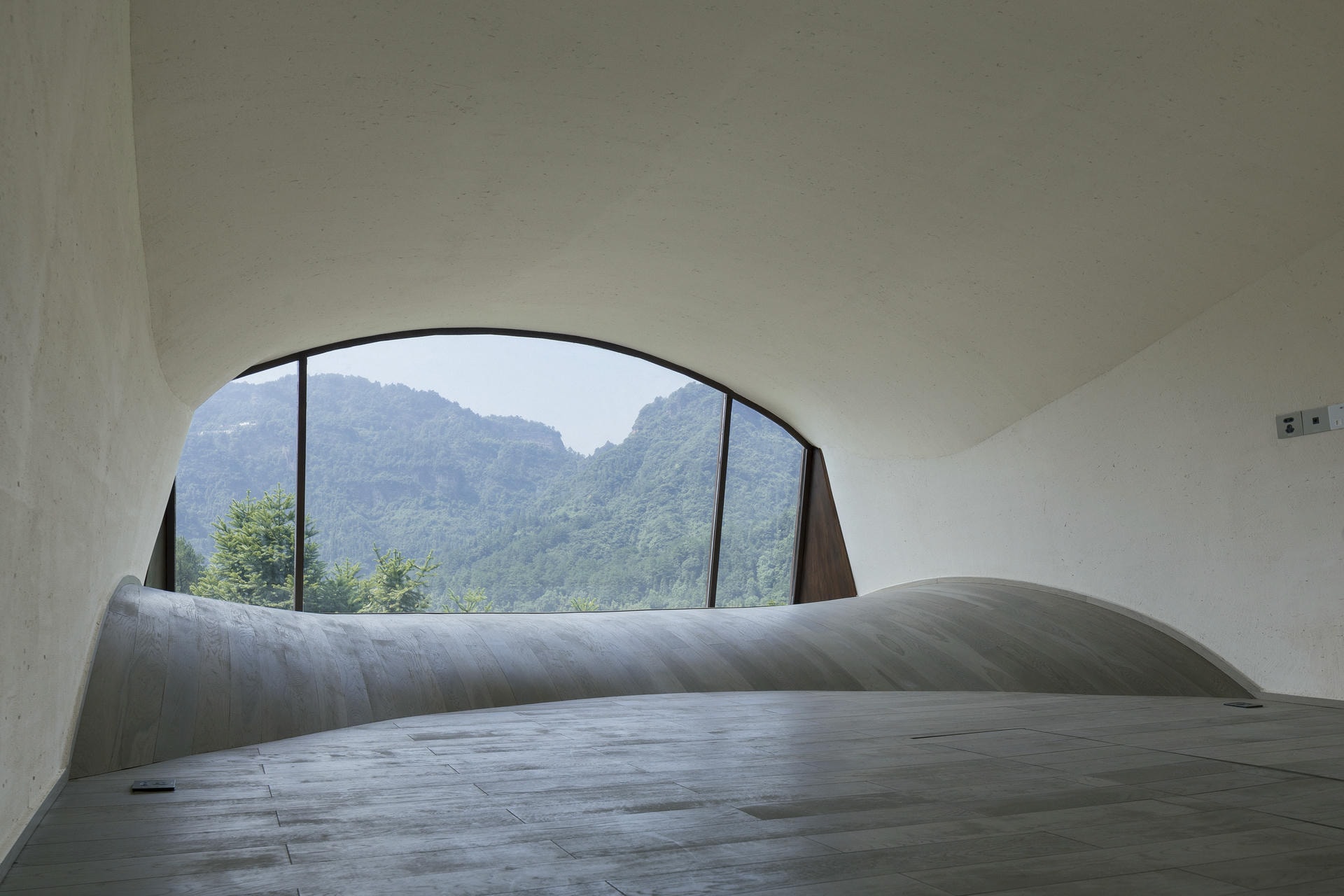
Treehouse © genarchitects
If I could go back to when I was just starting out, I would have liked someone to tell me: don’t fill your schedule too tightly—take time to look, to walk, and to think.
An understanding of architecture often comes from the slow accumulation of observation and reflection。

Thank you so much Beilei, for this lovely interview!
Share article :