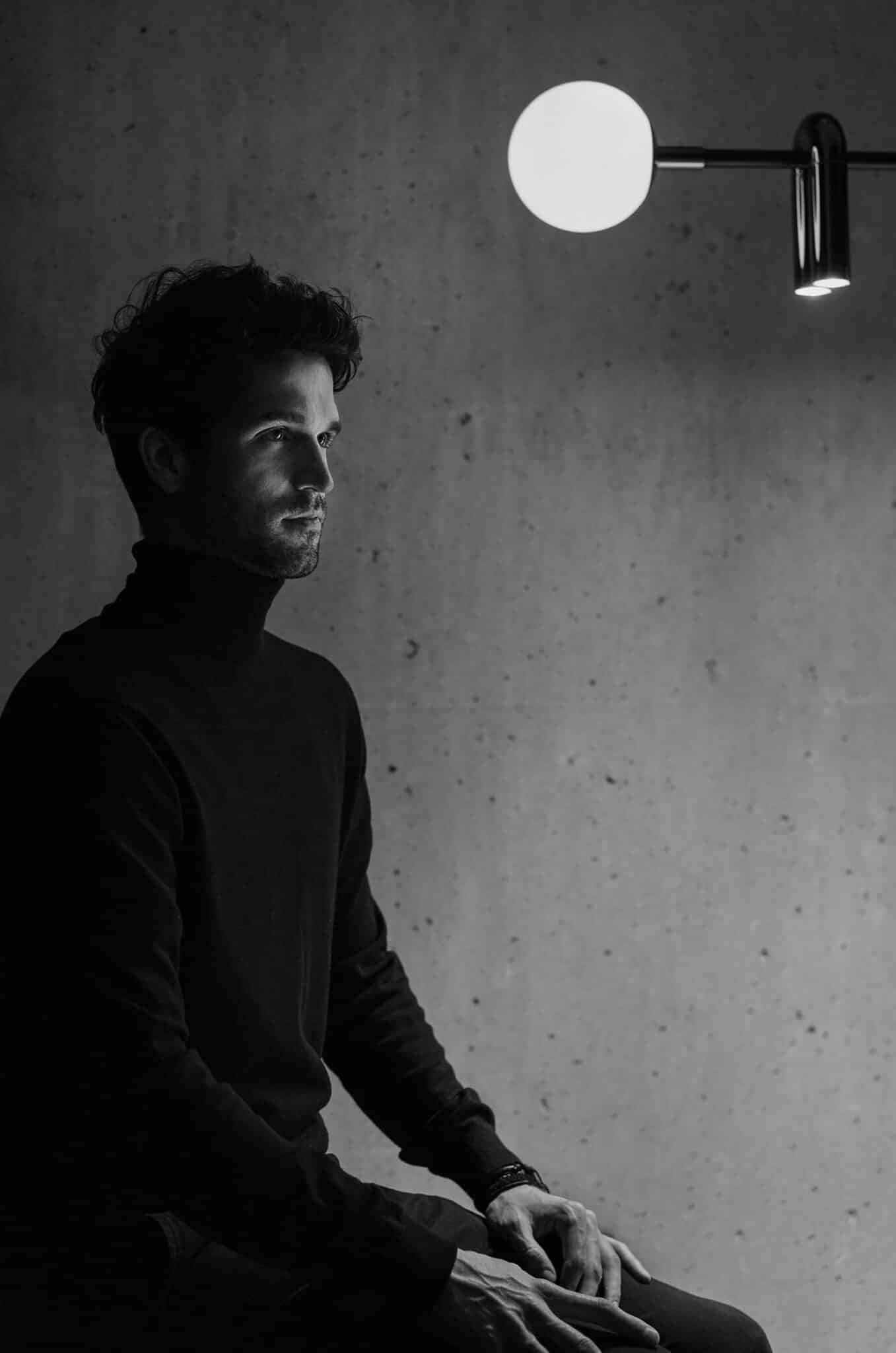

Gustavo Dias
Interview
I was born in Piracicaba, Brazil.
My father had a woodshop when I was a kid, and I remember watching him work with wood, creating furniture for our house. He also made a wooden arrow and a skateboard for me.
During my sophomore year in the United States, I took sculpture classes and began to get involved with art. A couple of years later, I graduated in marketing but immediately started my own furniture studio, and I’ve never stopped since.
I’ve always wanted to work creatively, and I chose furniture design as a way to combine functionality and art into one piece. Wood has also been a major inspiration for me. Growing up on my uncle’s farm, I learned a lot from the locals. I used to spend hours in the forest, searching for fallen trees and trying to identify different types of wood.
It’s hard to believe, but I don’t know how to draw. For me, drawing is just a way to quickly save an idea so I don’t forget it later. I usually create inside my mind—it’s like an internal photograph of the idea. Then, I go to the studio and start making miniatures, adjusting as needed until I create the first full-scale prototype.
I wake up very early and head to the studio, where I meet with my assistants to plan the week ahead: what pieces will be produced and what needs to be prepared. Some days are focused on heavy-duty production, where I’m involved in all the main steps of making the pieces. Other days are spent doing office work, meeting clients, and handling marketing tasks.
I like to mix materials such as wood, marble, steel, and leather, but wood has always been the protagonist. I have a deep connection with nature, and wood has fascinated me from the beginning with its variety of colors, textures, and characteristics. I enjoy learning about trees, their names, the wood they yield, and how they look. My father also influenced me—he learned woodworking from his uncle and shared his preferences and knowledge about wood with me.
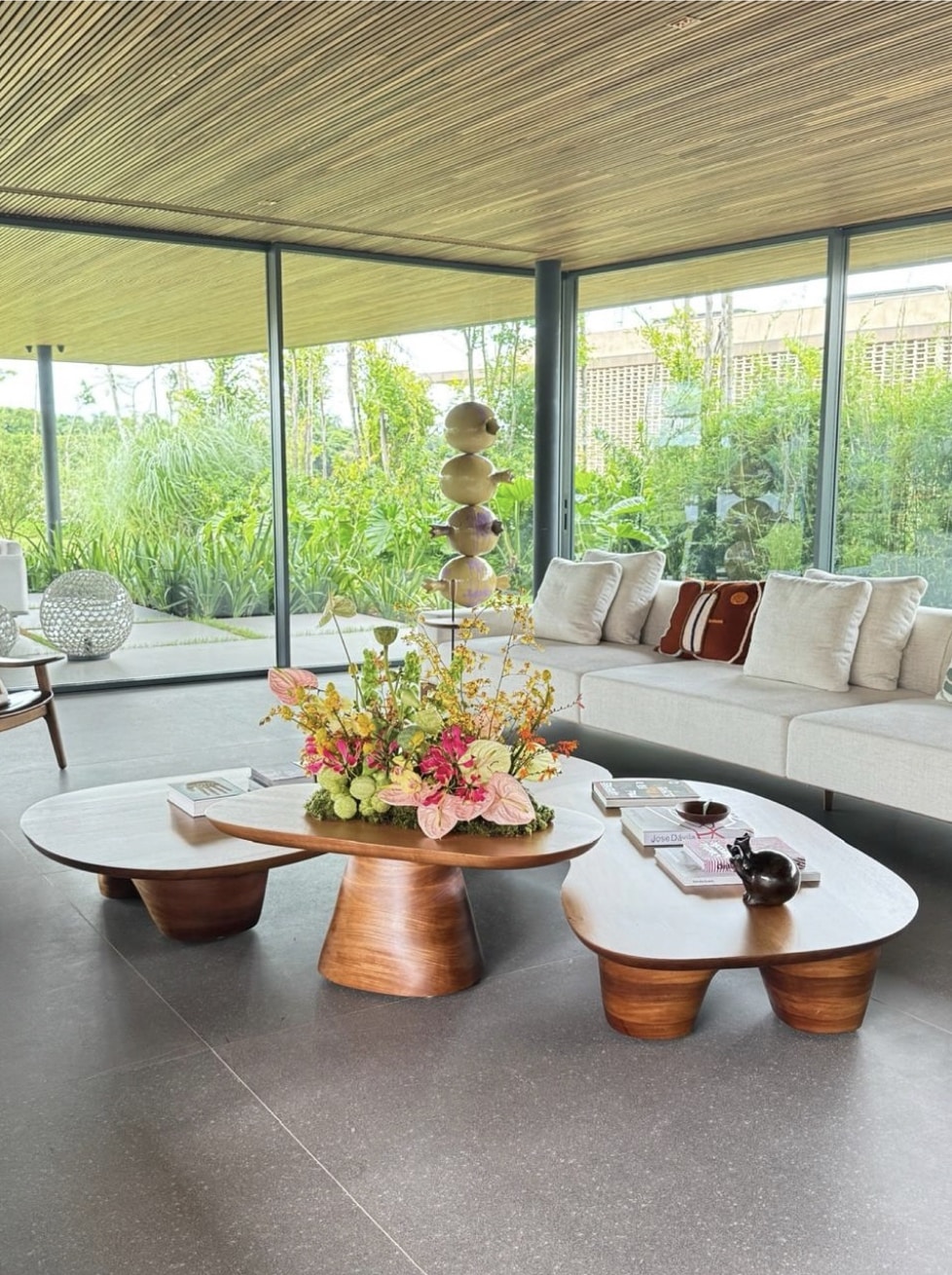
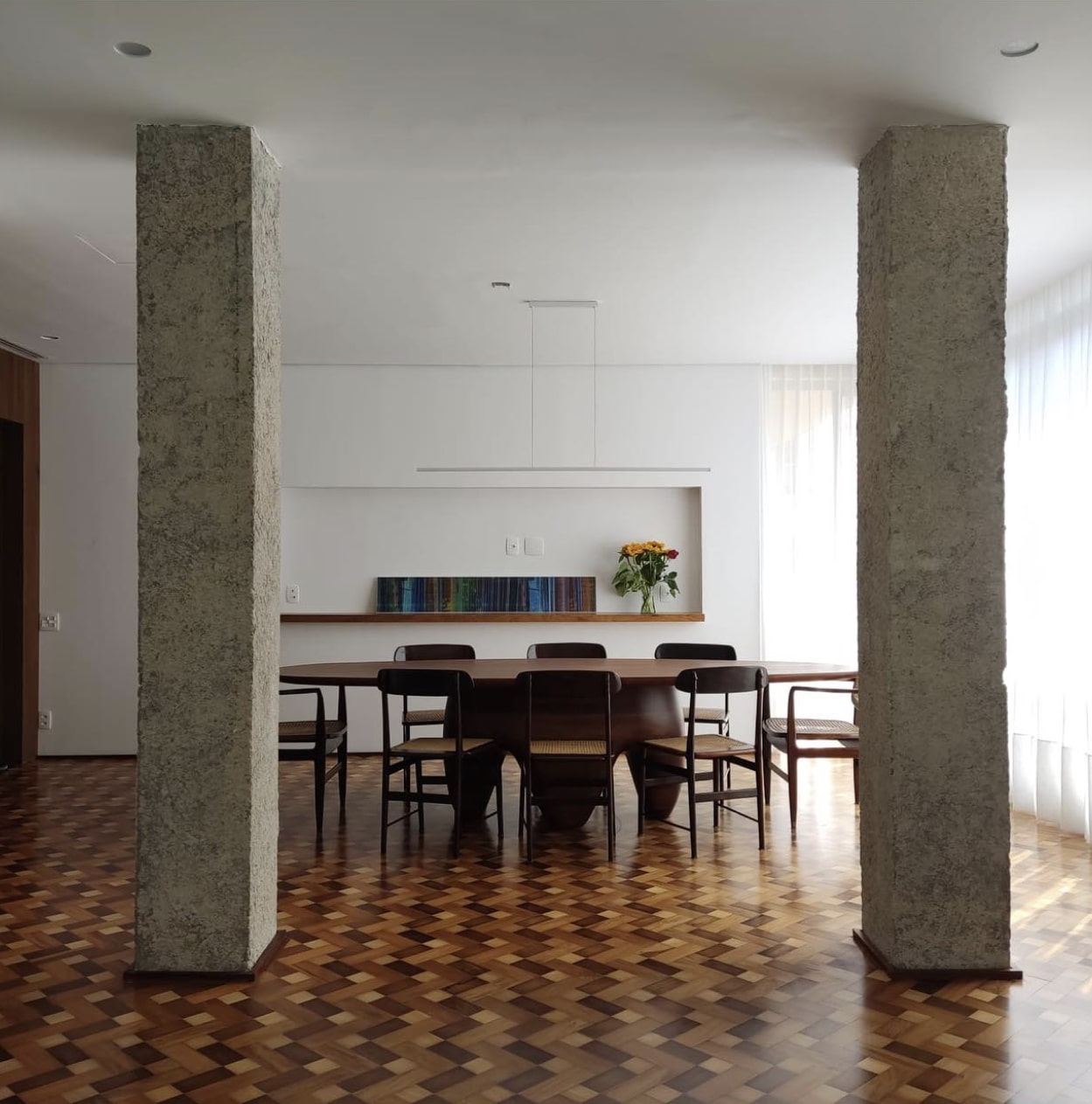
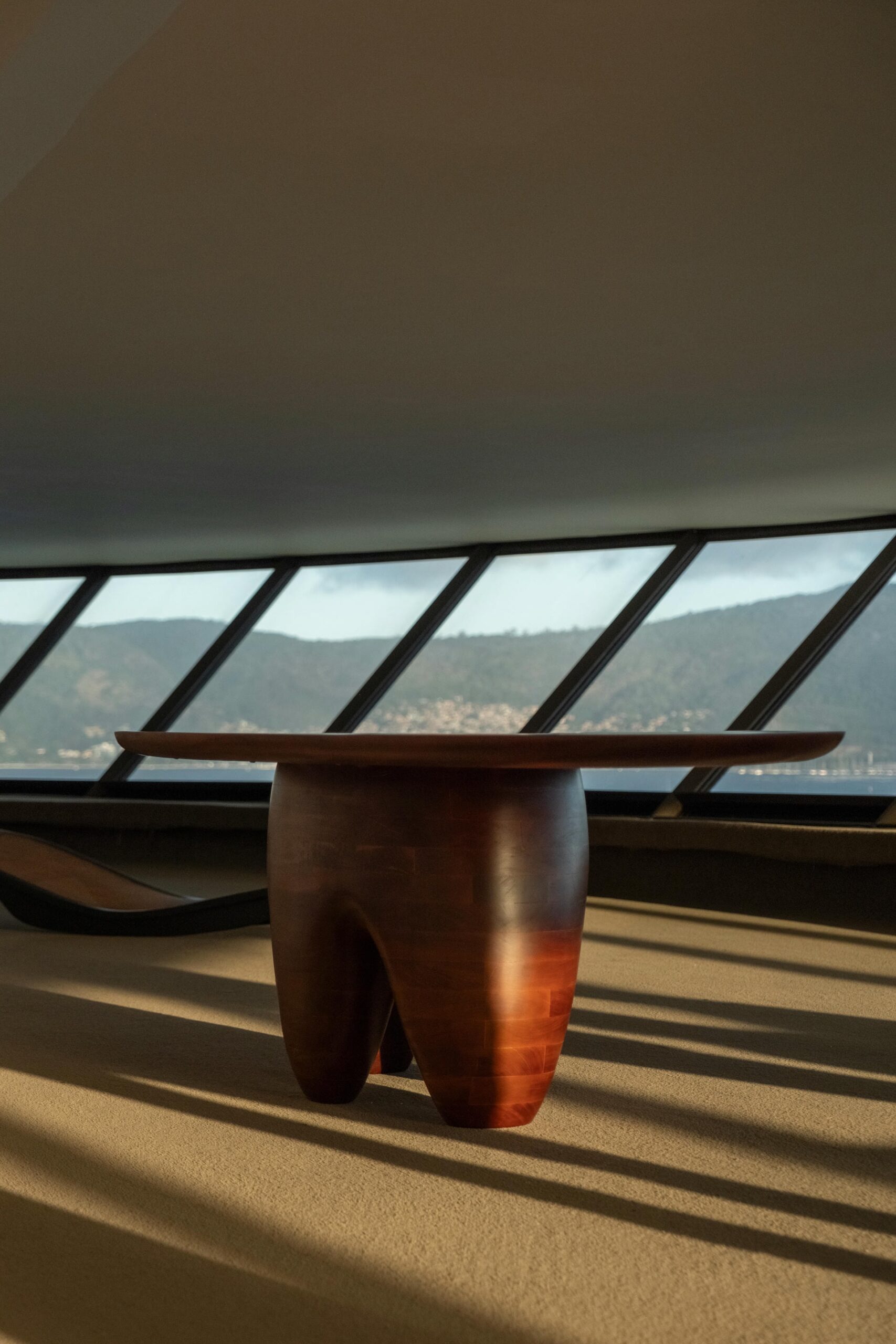
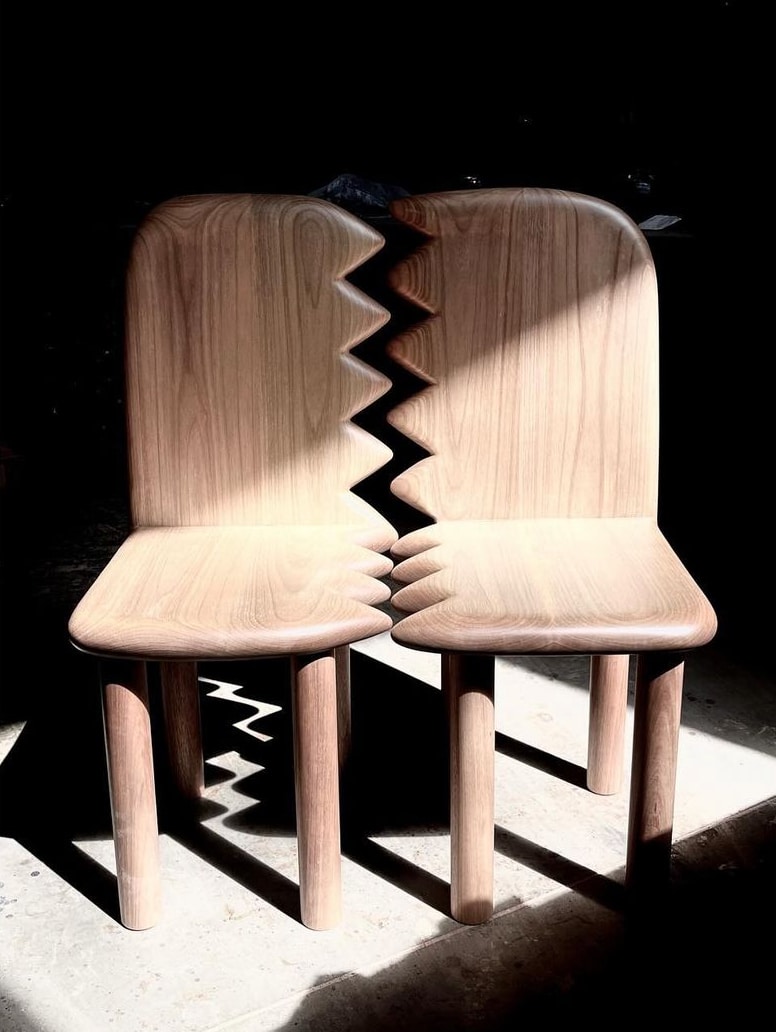
I’ve been in this field for 20 years and have learned various techniques, from traditional woodworking to sculpture, along with a lot of improvisation and freehand work. Most of my creations feature organic shapes and curved edges, inviting people to touch and feel the beauty of the wood.
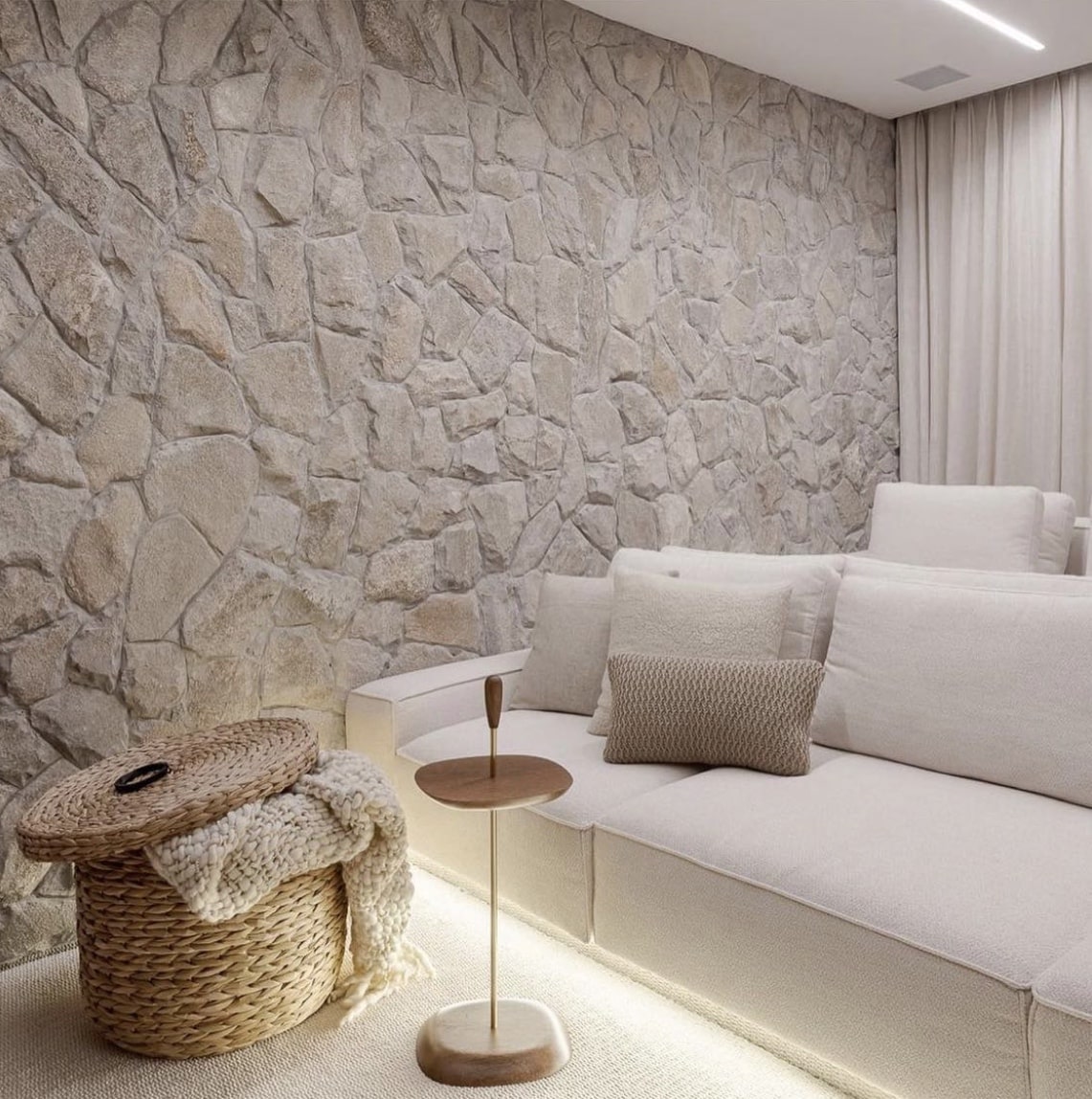
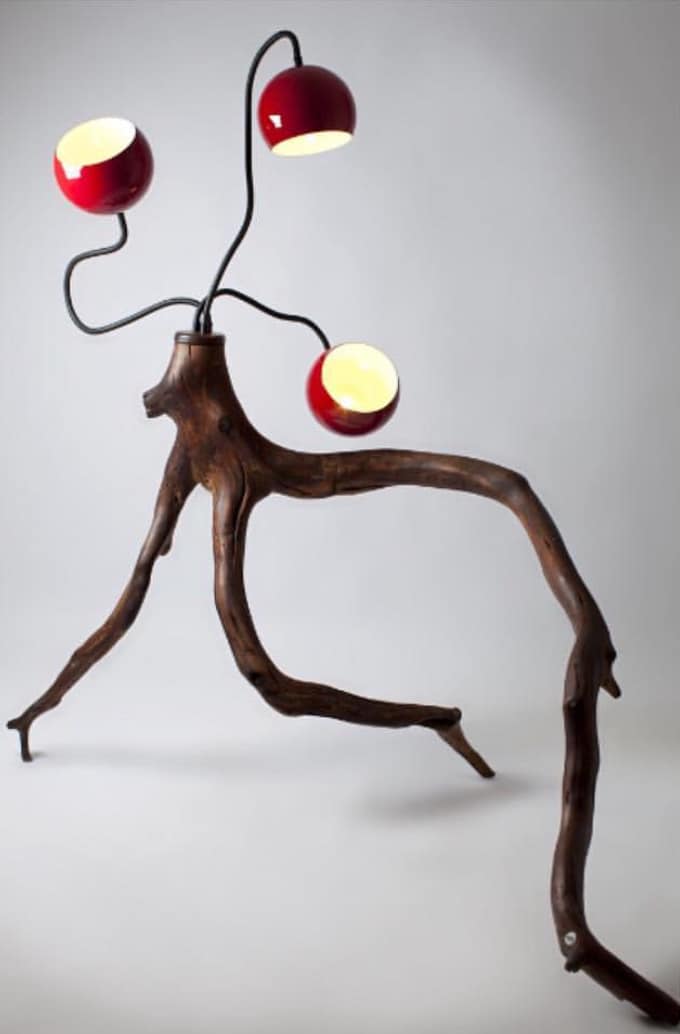
The most important advice, in my opinion, is to work with what you have. Don’t try to imitate others. Follow your intuition, respect your ideas, and keep creating and refining your work until it becomes part of your identity.
Authorial Design.
Campana Brothers, Nakashima, Zanine, Tenreiro, Carlos Motta, Wendel Castle, Hugo França, and many others.
Zanini de Zanine, Gustavo Bittencourt, Christian Mohamed, Valentin Loellman, and many others.
Sebastião Salgado, Vik Muniz , Jr. , Chico Science, Os Gêmeos, Oscar Niemeyer, Paulo Mendes da Rocha, Daniel Arsham, Franz Krajcberg…
Sculptural.
“I chose furniture design as a way to combine functionality and art into one piece.”
The Questions
(The Proust Questionnaire is a set of questions answered by the French writer Marcel Proust.
Other historical figures who have answered confession albums are Oscar Wilde,
Karl Marx, Arthur Conan Doyle, Stéphane Mallarmé, Paul Cézanne…)
Share life with the ones I love
Loose the people I love
Being messy
Lack of character
My mother
Work with what I love
Tired
Patience
Loyalty
Loyalty
Believe in your dreams
Talent to sing and play guitar
Less perfectionist
Live the dream I chose
Sports professional
Close to nature
My health
Starvation
Being a father
Jokester
Camaraderie
–
Mcgyver
–
Mother and father
No
Prejudice
To have killed a bird when I was a child
Sleeping
Be kind
“Don’t try to imitate others. Follow your intuition, respect your ideas, and keep creating and refining your work until it becomes part of your identity.”
SHARE :