Holloway Li
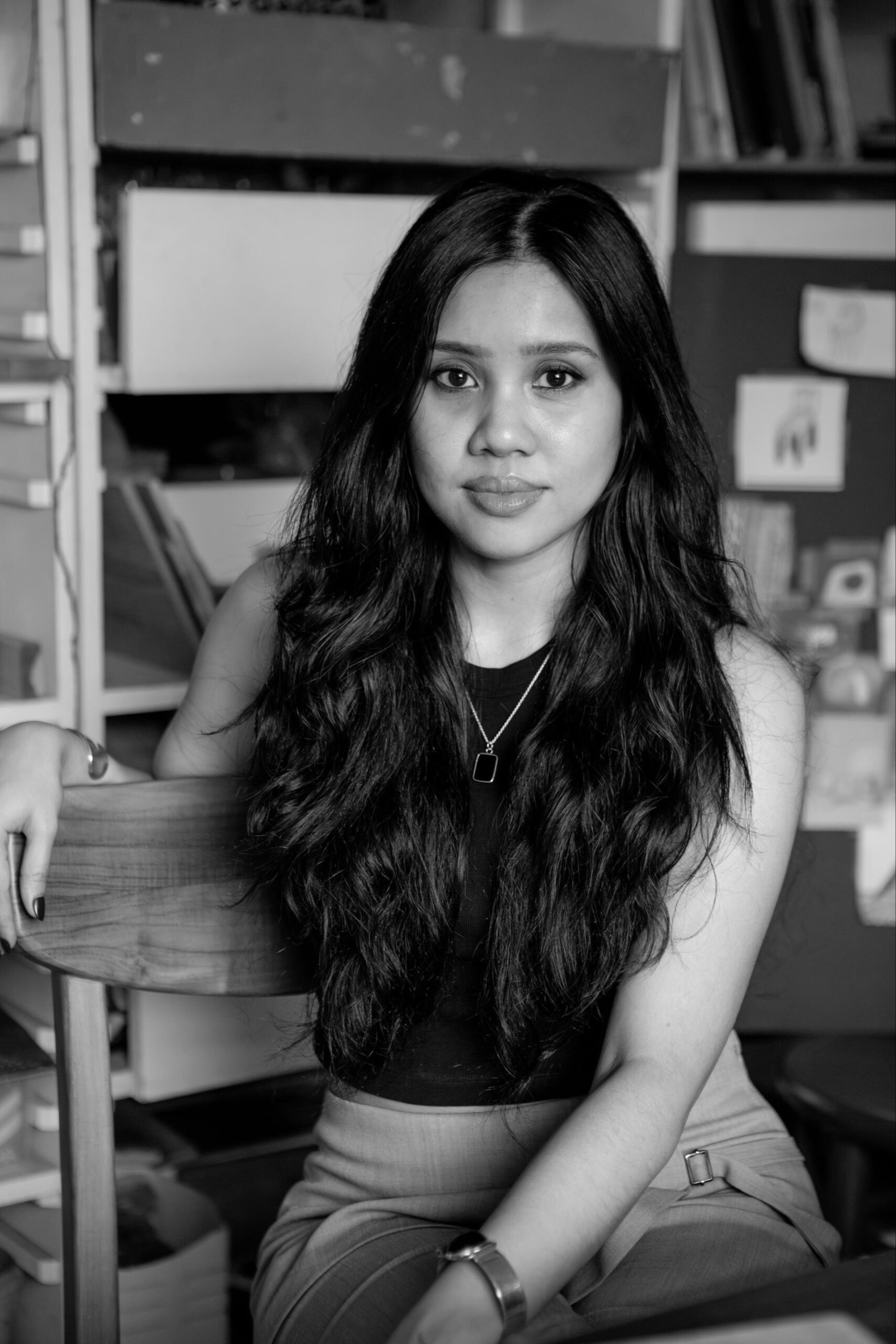
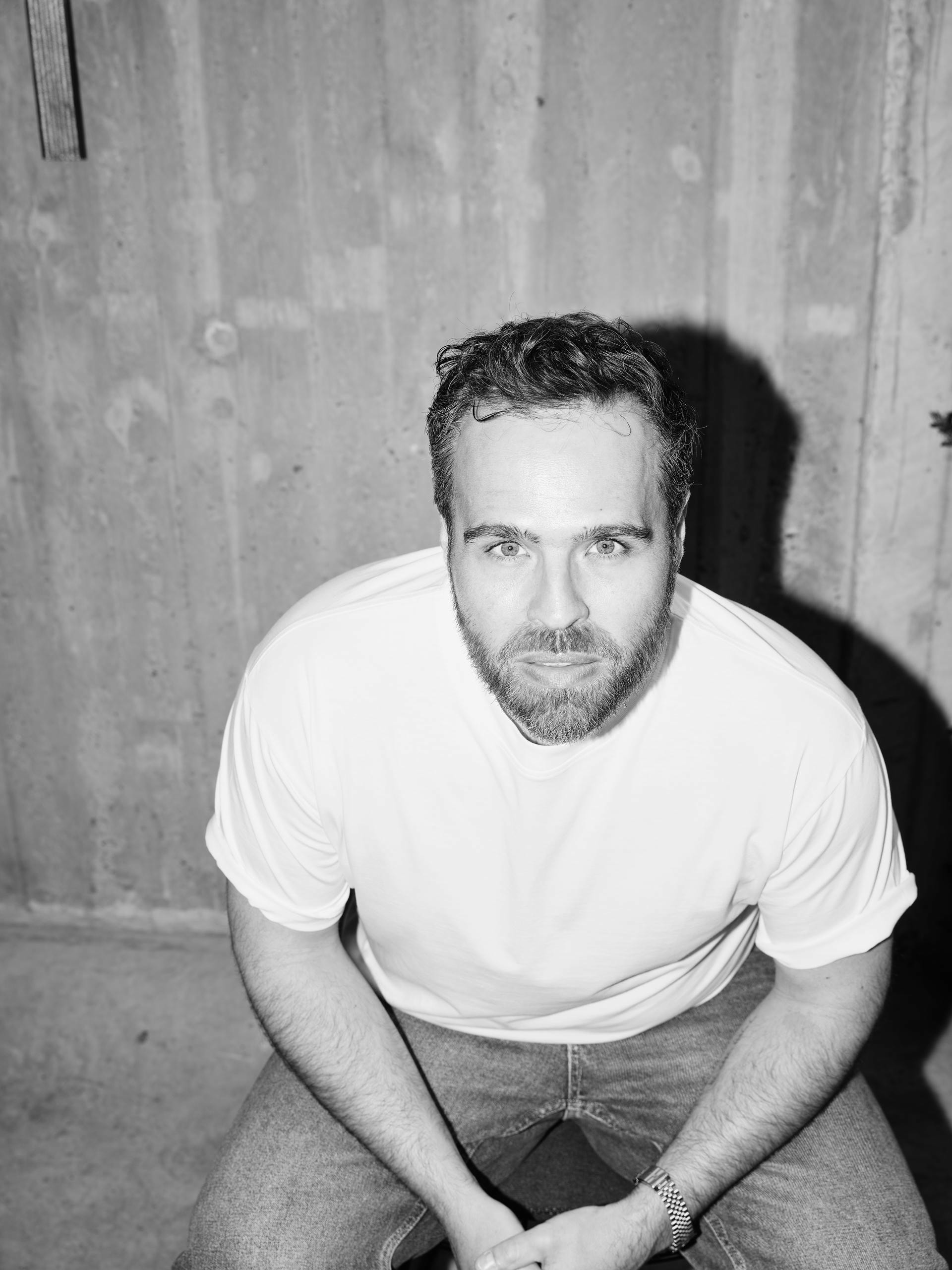
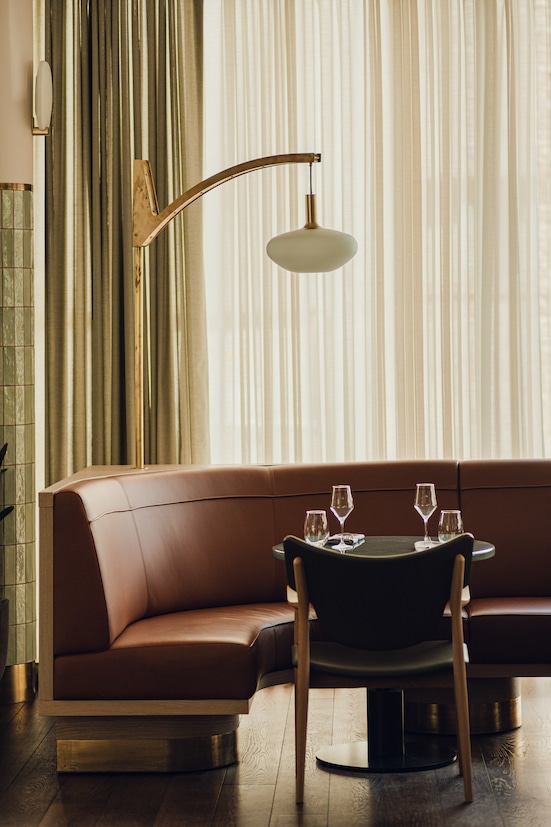
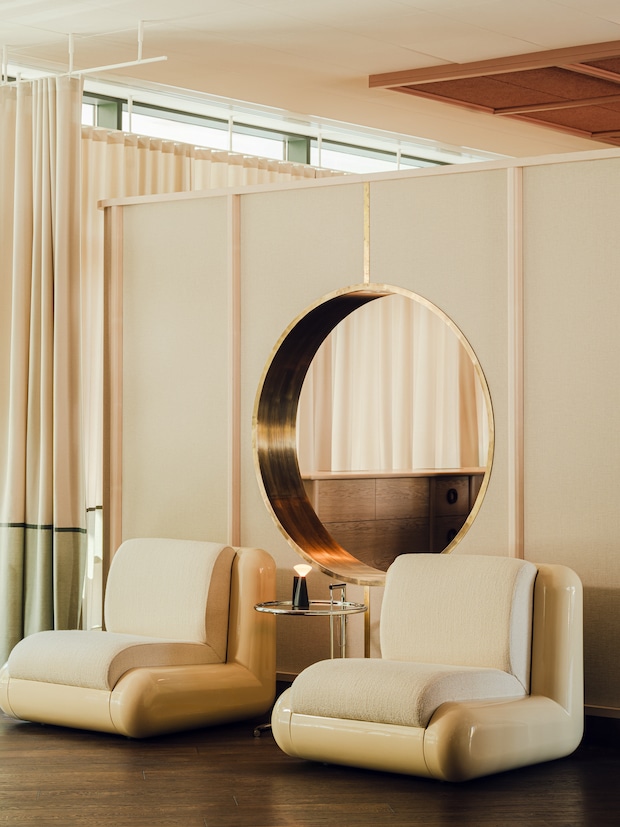
Holloway Li is a London-based interior architecture and design studio founded by creative duo Alex Holloway and Na Li. Known for a highly conceptual yet refined approach, the studio works across hospitality, retail, workplace, and residential projects, creating spaces that balance strong architectural identity with warmth and functionality.
Their portfolio includes a diverse range of projects, from the reimagining of Mother London’s Shoreditch headquarters to hospitality projects such as WunderLocke Munich, Bermonds Locke, and a rooftop extension for The Hoxton. The studio has also developed retail and showroom concepts, including a new flagship experience for bathroom brand Coalbrook.
In addition to their interior architecture practice, Holloway Li launched their first furniture collection in collaboration with Uma. The studio continues to expand internationally, with upcoming projects including a large-scale modular apartment hotel in Canary Wharf as well as new hospitality developments across China, Tokyo, New York, and London.
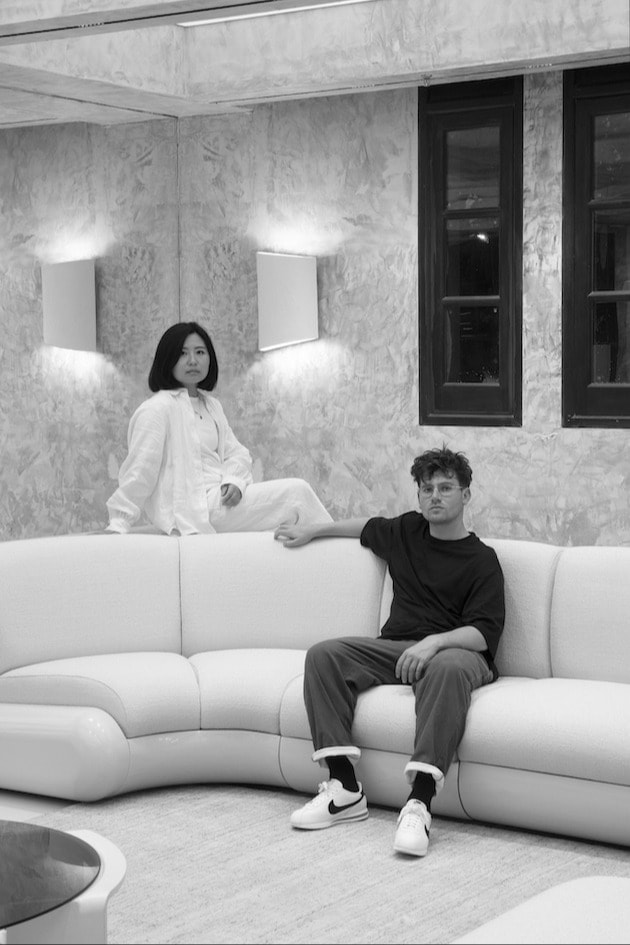
“The process is about putting yourself in the shoes of the patron and making a space comfortable, entertaining and sexy.”
INTERVIEW
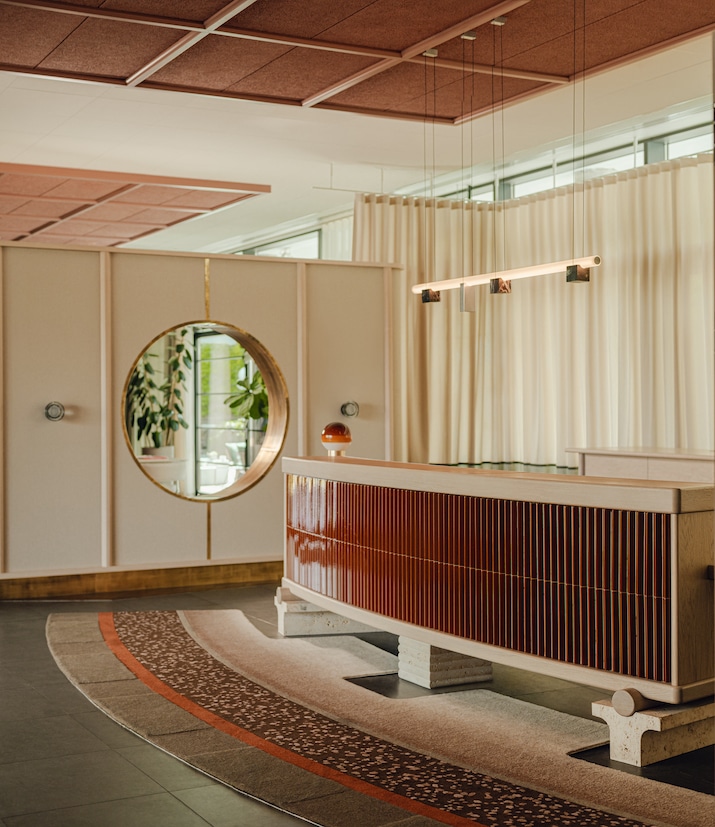
Alex Holloway: A balance of skill sets. Na’s power is with technical insight and application, whereas my focus is on the conceptual side of the design process. In that sense, we make a perfect team. Since we started our business, we’ve looked for complementary skill sets in every team member as we grow. Although we trained as architects, we had to unlearn a lot of the architect sensibility to understand what makes a good interior hospitality setting, and that’s a focus on user experience overall – a sensorial approach that means you should think about the overall and not get sidetracked by little details that most people won’t notice. Lighting and smell are so key.
Alex Holloway: We followed very similar paths – both studying architecture at The Bartlett, but we didn’t actually meet until we found ourselves designing Soho Farmhouse together whilst apprenticing. Na designed the Main Barn, and I designed the Gym there. We built respect and trust in our partnership during that time. We set up separate practices in 2015 but shared an office space and started to collaborate informally. During that period, we built total confidence in each other, aligning on aesthetics, work ethic, and spirit. We made the partnership official in 2018.
Na Li: Our first major project was Bermonds Locke, an apartment hotel in London. The host building was a shell office block, built 5 years previously and never occupied – this blank, concrete canvas gave us a rare opportunity to take a left-field visual approach. With the Mojave as a starting point, we created a desert-themed haven that drew inspiration from the stylish ad-hoc qualities of the cabin structures in Joshua Tree. Placing an emphasis on low-cost and low-impact, we developed ideas around how we could repurpose basic construction materials, processes, and waste in unexpected ways to create bespoke insertions and furniture pieces. To give an example, we recycled concrete strength-testing cubes to create table plinths in the co-working area and the bar-front in the restaurant, referencing rocky desert outcrops. We love the humble story of these waste elements; each cube has a unique sand/cement mix and is numbered and dated with a different set of handwriting, following a strict 100mm x 100mm form.
Na Li: What travellers and patrons want is quickly evolving—privacy is the new luxury. As designers, we need to be more and more progressive to meet the needs of generations to come.
Alex Holloway: We like to create impactful interiors that carry a strong design narrative. Our designs often centre around a key moment that has a filmic quality, unlocking a space. We think of ourselves as chameleons, happy to work on different briefs with stylistic constraints, as long as we have the flexibility to design with imagination. Designing for hospitality, we become the de facto host. The process is about putting yourself in the shoes of the patron and making a space comfortable, entertaining, and sexy.
Na Li: Our design approach errs towards the off-beat. We like to commit to an idea and get our hands dirty to achieve it. We have an experienced team that can execute our concepts with technical precision and a closeness to the craft employed to achieve it. London is a key stylistic influence – more often than not, we find ourselves working on existing buildings with a storied history. We like to play with the conflict between old and new, blurring the boundaries between the historic vernacular and contemporary interventions.
Alex Holloway: One of our favourite projects, which really showed our versatility, was an experience-led showroom and co-working space in Clerkenwell, which we created for Coalbrook, inspired by the lost forms of the industrial revolution. The brand takes its name from the town of Coalbrookdale in the Midlands, the site of the world’s first iron bridge and cradle of the Industrial Revolution. Our design evokes industrial forms and materiality: the chimneys that towered over the skylines of cities, the searing heat of the furnaces and engine rooms, and rough, chiseled quarries. Blurring the boundary between historicism, decoration, and digital process, we worked closely with a network of master craftspeople to subvert the materiality of these industrial backdrops, eschewing traditional expectations of a showroom to form a surreal internal landscape. It was really a project that demonstrated our ability to work across different categories and won awards. Retail is quite a unique typology – the handbrakes are off design-wise. No one needs to live in after, like with a hotel or private house.
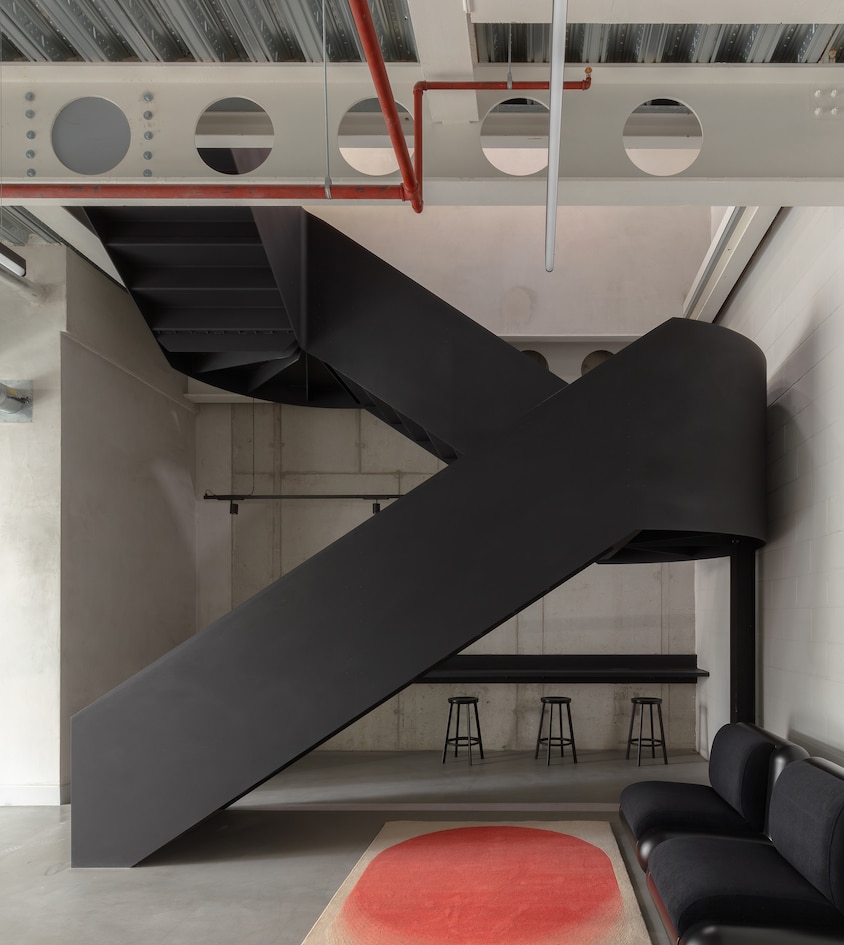
Na Li: Draw inspiration from the world around you; whether it’s art, film, literature, or notions of shared and lived experience. Each of our projects begins by creating a ‘world’ in which we draw out a story. This ‘world’ has an associated visual and material language which is unique to each project. We often borrow from the narrative practices of cinema and theatre, bridging ‘high’ and ‘low’ culture references to communicate with a wide audience.
Alex Holloway: Get out and about, real life is better than Pinterest or Instagram. Invest in relationships with the good people you meet along the way. And spend all your profit from your early projects on a good photographer.
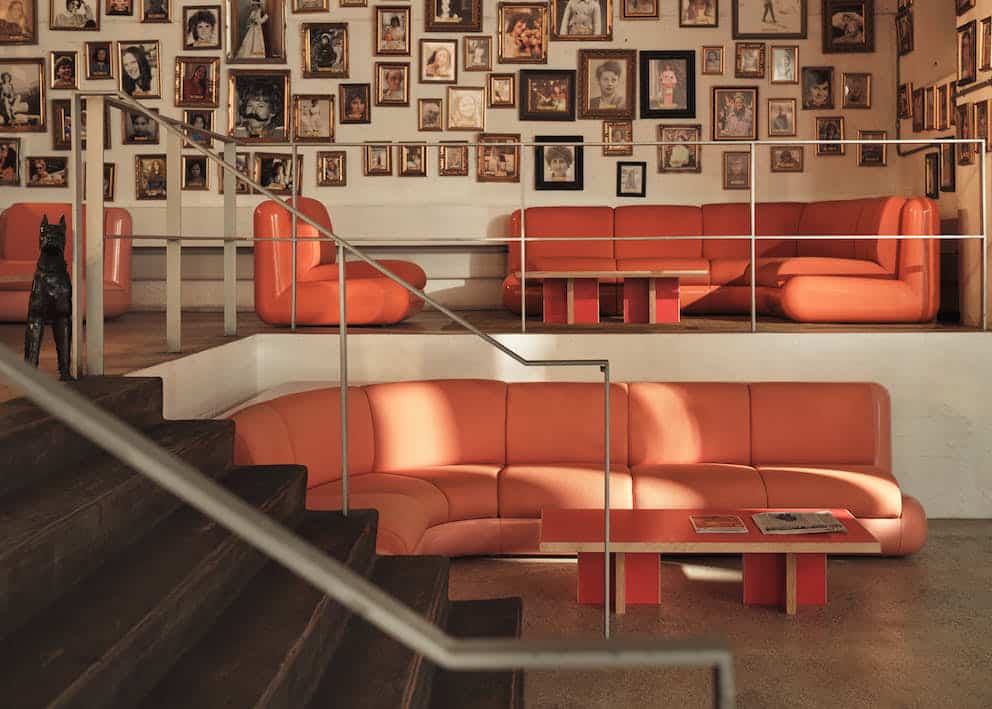
Alex Holloway: My old boss once quipped that the key to good architecture is to make the windows and doors as big as you can, and to be as clued up on all the technicalities as you can be, so builders and trades can’t ‘fob you off’! This rings true for the interior experience, too.
Alex: Past Present Future is a great podcast by David Runciman. I guess it’s a humanist anthology-style exploration of ideas, but it’s grounded and not highfalutin. He is a politics professor, but I find myself taking notes that later seep into some of my design thinking. I recently read Blue Ruin by Hari Kunzru on my last holiday, which, amongst other themes, was a vivid portrayal of the torment of artistic process. I wanted to study fine art, but I’m glad my folks nudged me towards design – it’s a simpler world to navigate creatively when you have a client.
Na Li: Our upcoming projects include a 280-room modular apartment hotel in Canary Wharf, and new hotels in China, Tokyo, New York, and London, including a new spa hotel in the Gobi.
Alex: We have just invested in a bit of land in rural Pembrokeshire, where we want to create a unique hospitality concept as a platform for the studio’s product design and R&D. Sometimes it’s good not to have a client, too.
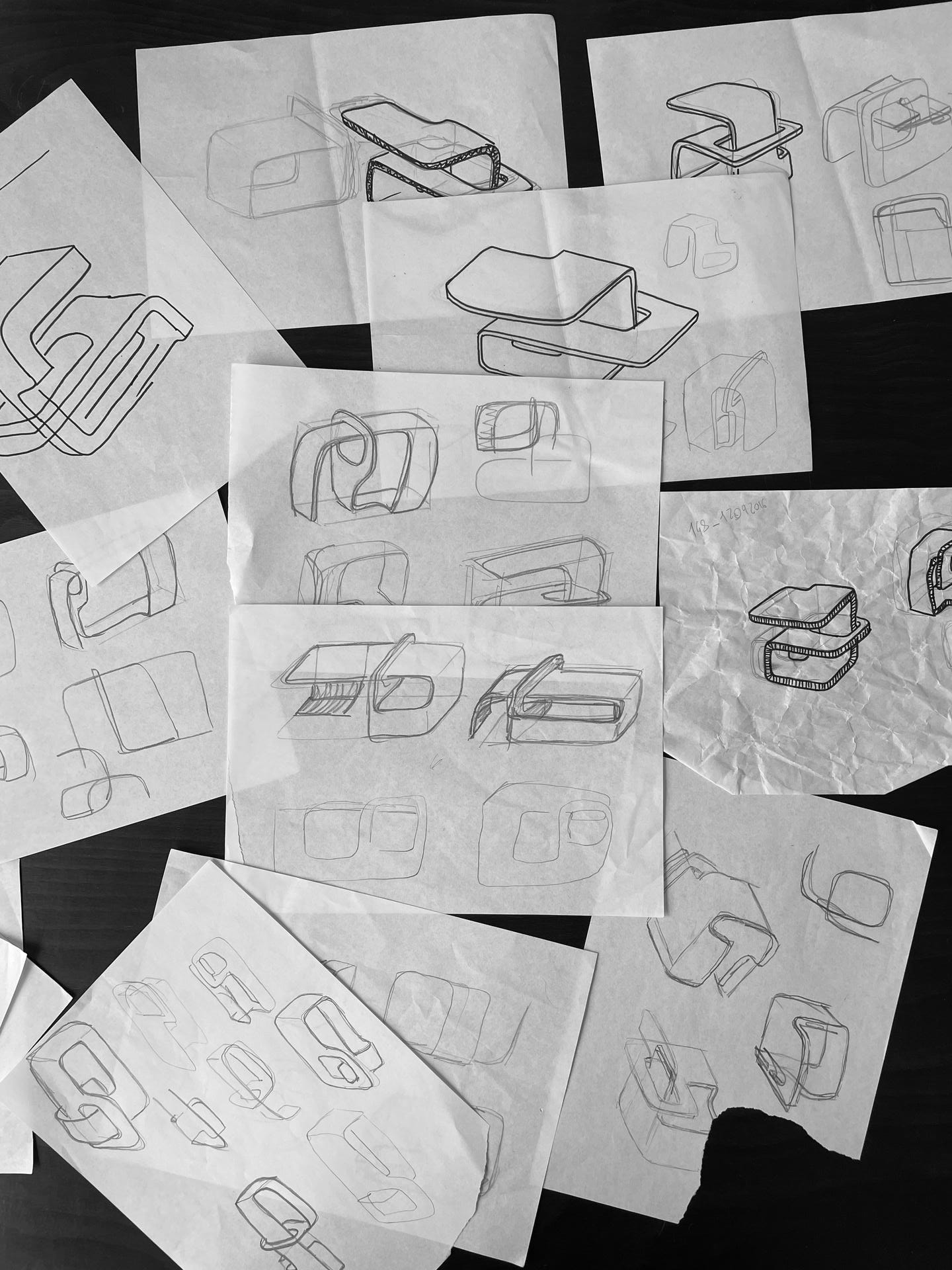
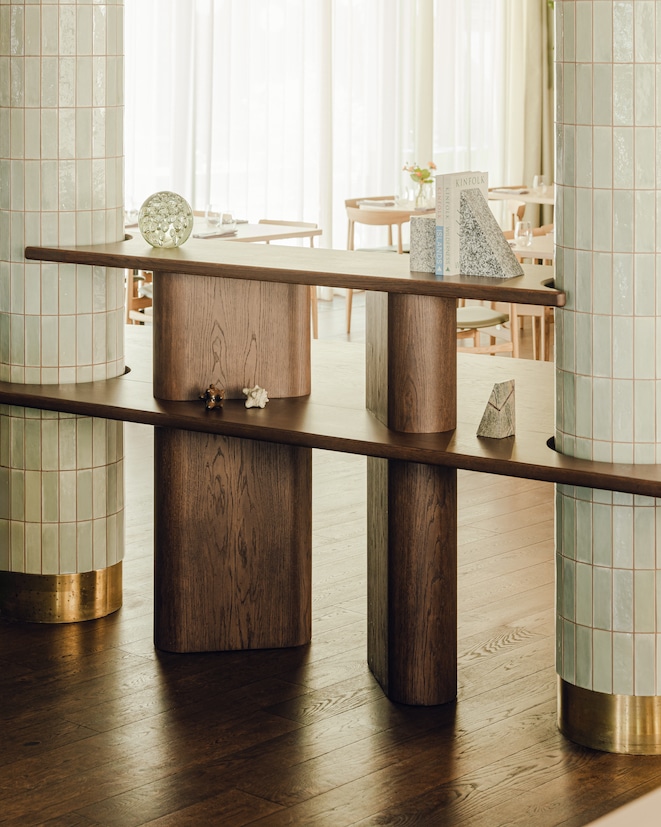
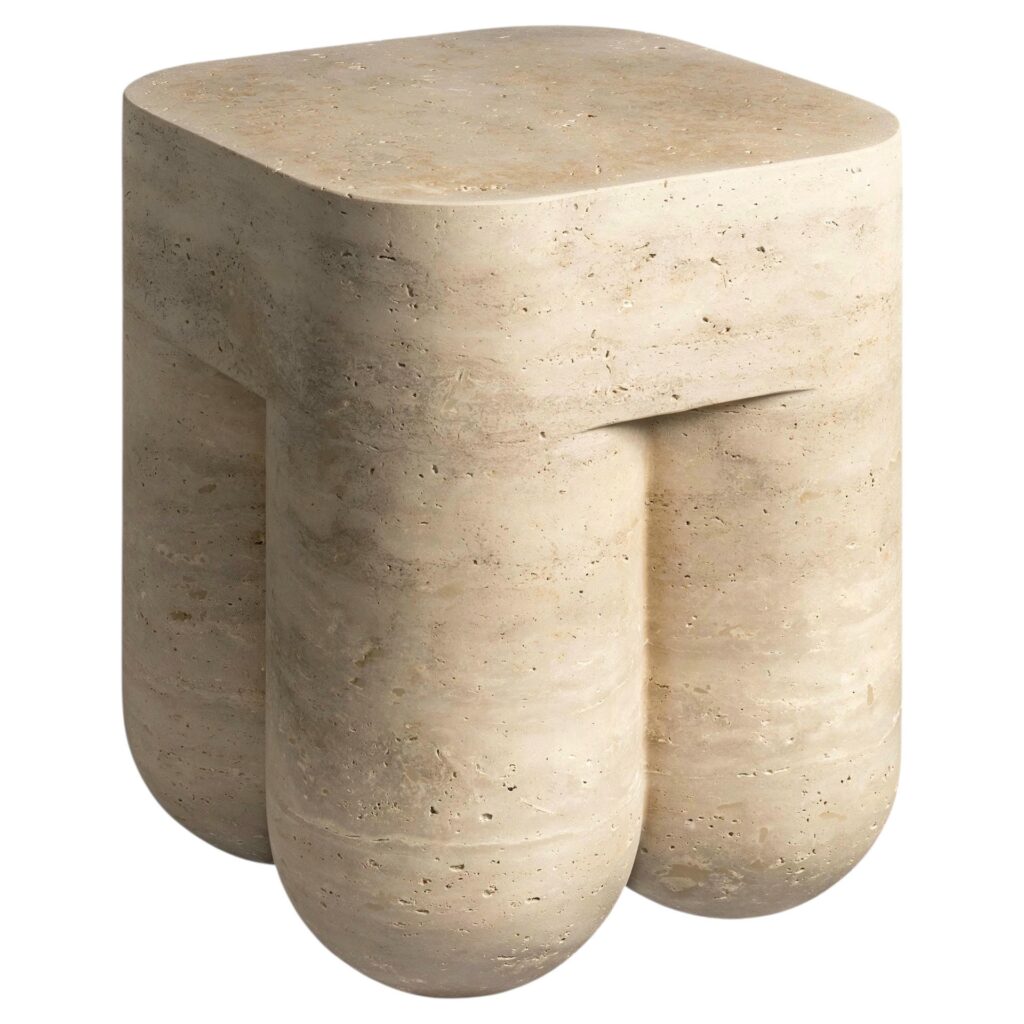
favorite pieces from the Philia Collection

Thank you so much Alex and Na, for this lovely interview!
Share article :