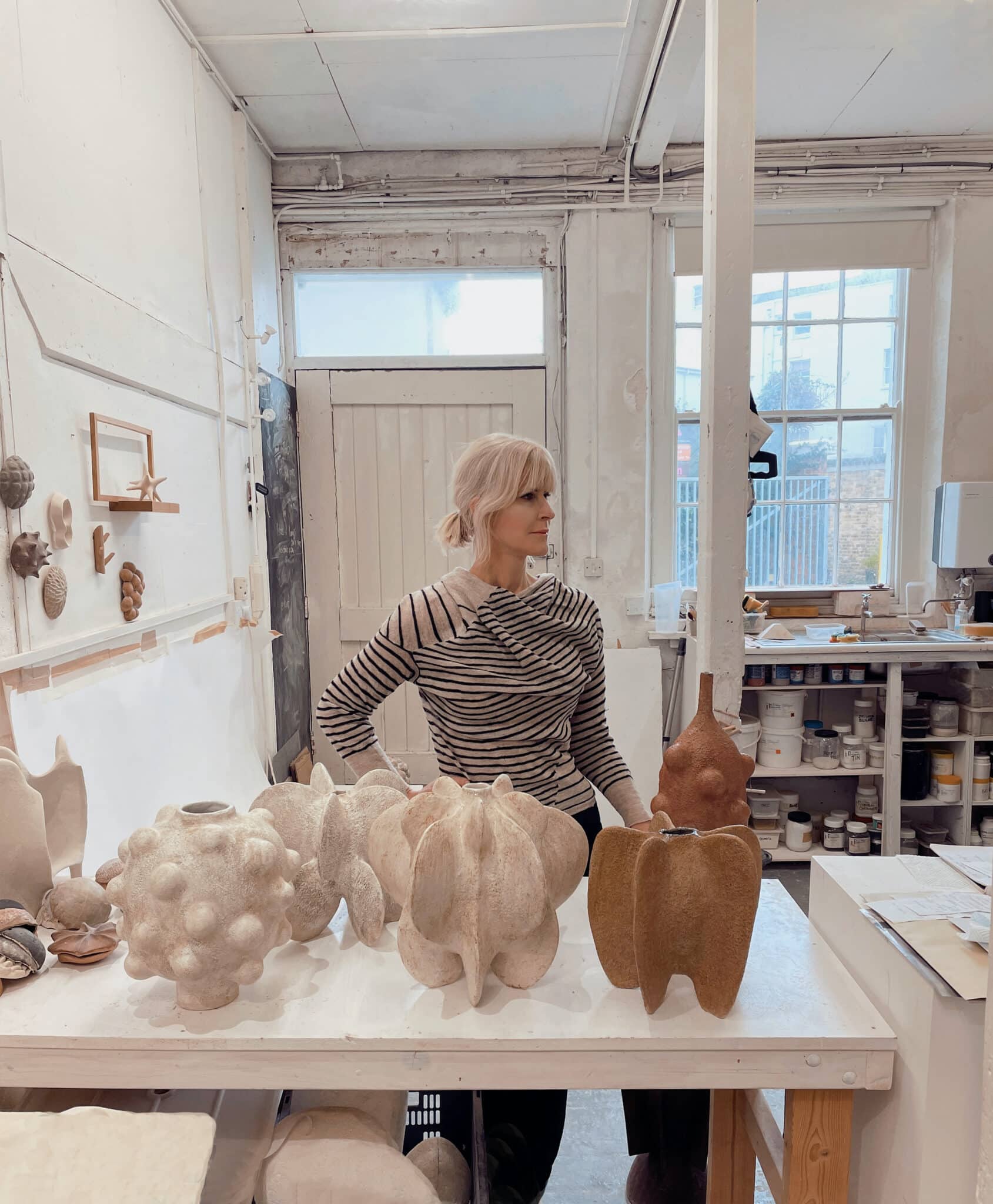
Jay Boggo
5 Picks from PHILIA Collection

Jay Boggo (b. Joinville, Brazil) is a multifaceted artist whose practice spans fashion, visual arts, sculptural furniture design, and inspirational speaking. With more than 25 years of creative trajectory, Boggo is recognized for transforming raw materials — reclaimed native woods, natural fibers, marble, granite, and industrial remnants — into works that balance poetry, ancestry, and sustainability.
Influenced by nature and by his expeditions in the Amazon, particularly in Pará and Mato Grosso, where three major Brazilian biomes meet, Boggo is committed to the conscious and certified use of Amazonian woods. His work bridges circular economy, sculptural design, and respect for the biome, giving life to pieces that illuminate the ancestral memory of riverine communities.
Among his signature creations are the Banco Cacau, the Cadeira Cerrado, and the Flores Proibidas series. His works have been exhibited in institutions such as MAC Niterói and the Museu Nacional da República in Brasília, as well as in numerous galleries in Brazil and abroad. He has also taken part in major exhibitions such as SP-Arte and Casa Cor.
Boggo won the Elle Decoration Design Awards Brasil 2024 (EDIDA) with the Pallas Project, in collaboration with Guá Arquitetura and Vestígios Vedac, which reimagines the knowledge of Amazonian master carpenters. He also participated in the Bioeconomy Amazon Summit in Belém, an event under the UN Global Compact and in preparation for COP30, in addition to speaking at the United Nations in New York and serving as an SDG Ambassador. These milestones reinforce his position as one of the leading voices in integrating art, tradition, and sustainability. As Boggo defines them, his creations are a “passage” — between past and future, nature and culture, Brazil and the world.

“A fluid presence between void and matter, it feels like a body carved by memory itself.”
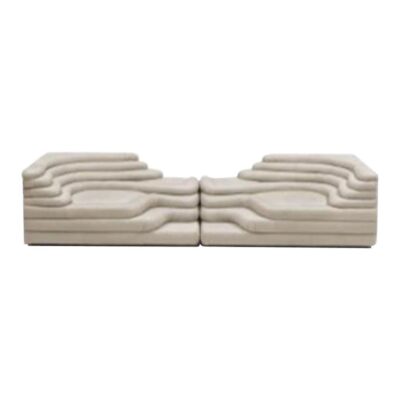
“A landscape disguised as furniture, where form becomes both architecture and comfort.”
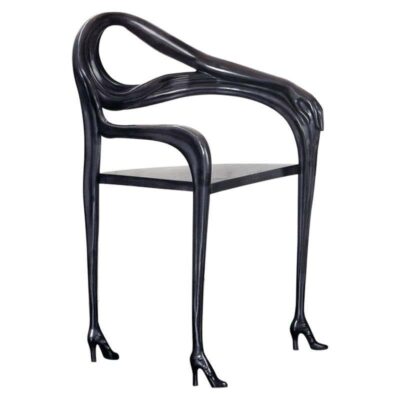
“A surreal gesture frozen in design, merging dream, body, and object.”
“Raw and monolithic, yet unexpectedly refined — a true ritual of material.”
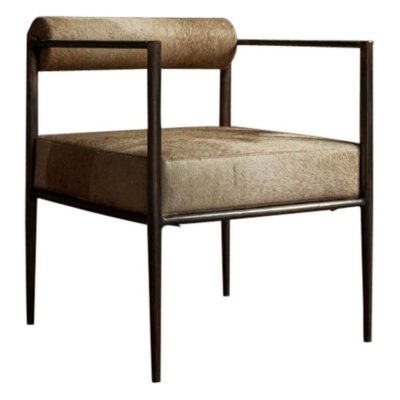
“A scarred block that reveals resilience, beauty born from fire and imperfection.”