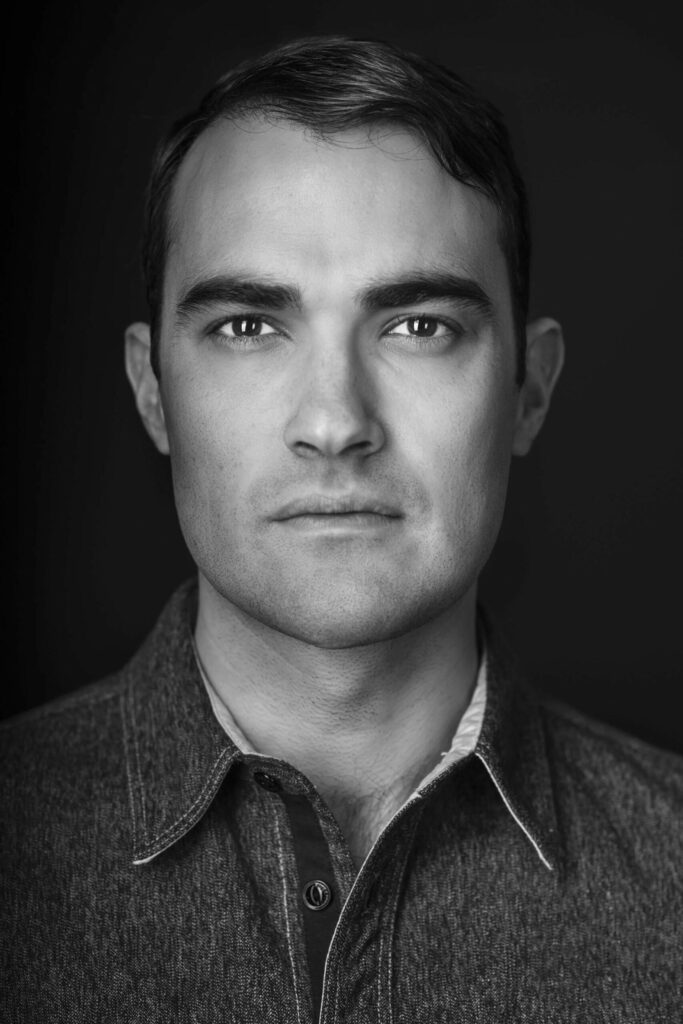
Jude Heslin Di Leo
Interview
San Francisco, CA. I grew up between River Edge, NJ, and Bridgehampton, NY.
My father’s parents lived in the East Village of NYC. We used to go in and visit them weekly. At that time, in the late 80s and early 90’s, Keith Haring’s graffiti art was all over the city. I remember feeling inspired to make art and have fun with it.
Always.
I studied Industrial Design at Pratt Institute. I was drawn to it because it seemed like a way to channel creativity into purposeful, functional art.
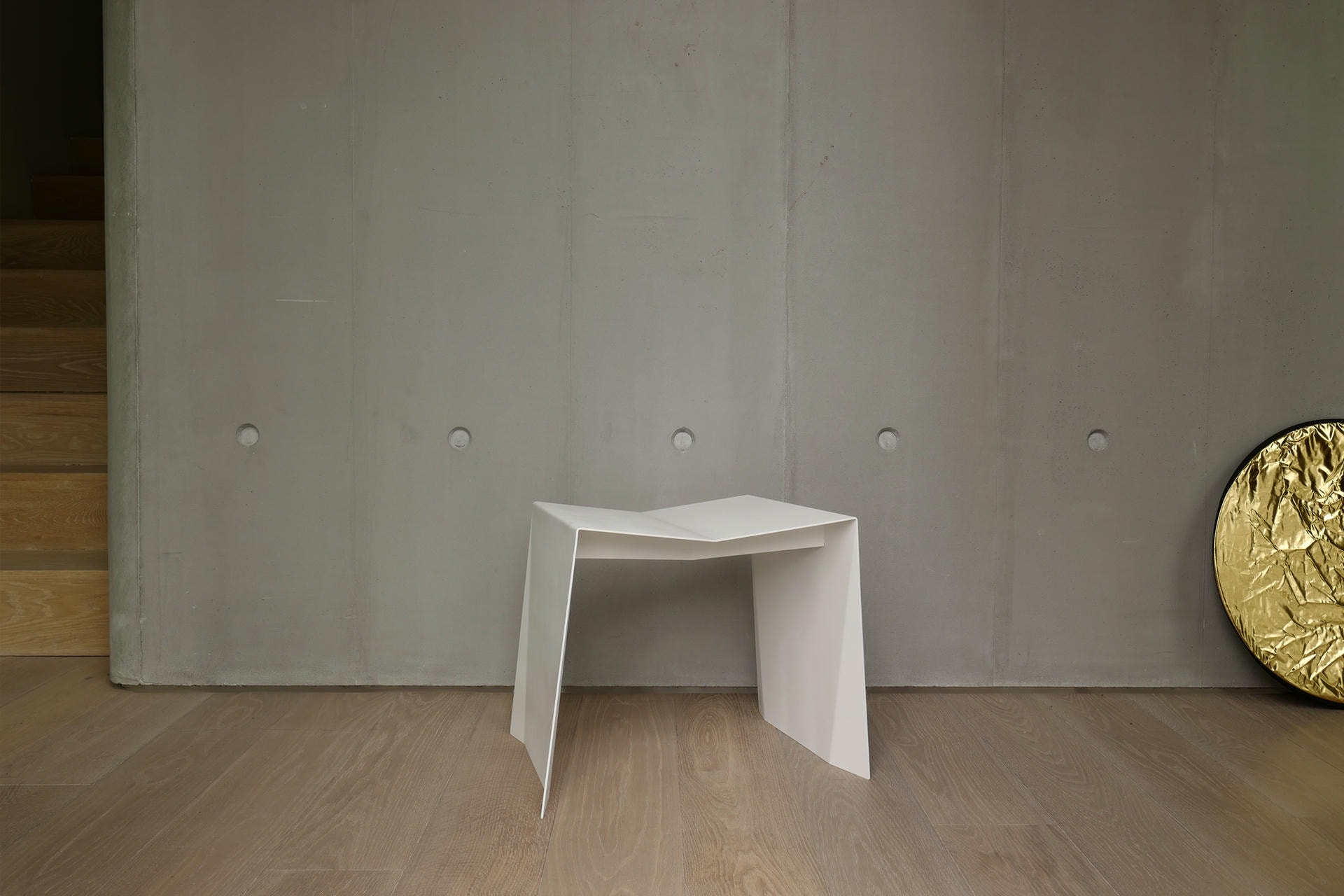
I like criteria, parameters, and obstacles, which is probably a result of studying I.D. They provide a framework to question and create in. Sometimes they are created by concepts or clients, and other times by materials and their properties. I enjoy the journey of searching for the balance between all these things. When you strike the perfect harmony, it’s unmistakable.
I used to be a workaholic; I didn’t know how to relax and let go. It took me a long time to realize there is harmony in a work/life balance. Making time to care for yourself and spend quality time with family and friends is something that gives back tremendously. There is rarely a typical day for me, but an ideal day is meditation, exercise, breakfast with my family, creative time, shop time, and ending the work day at dinner.
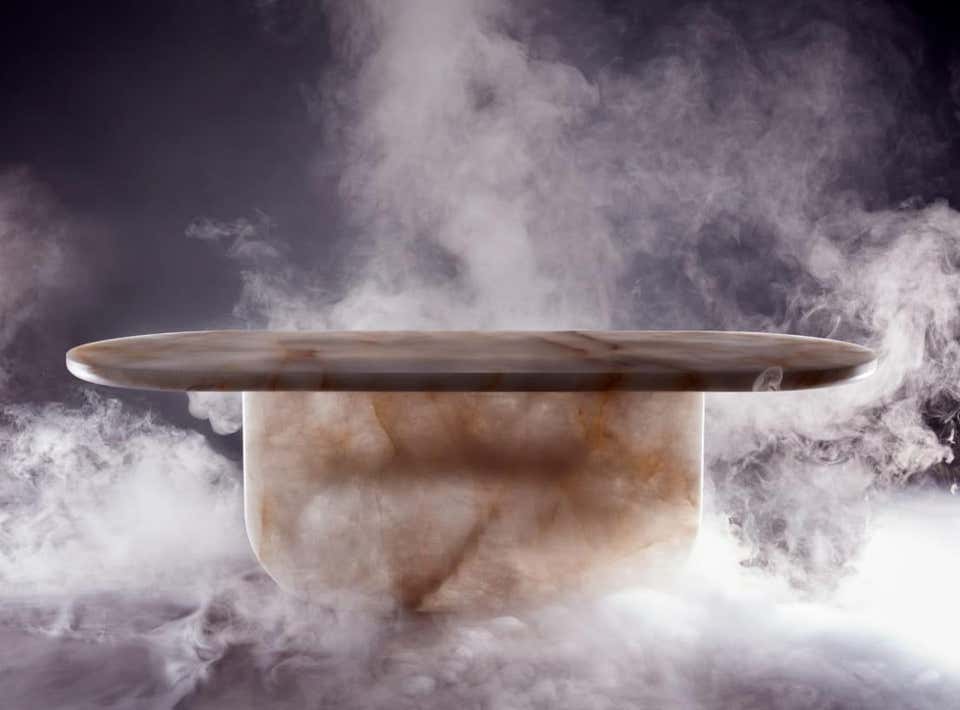
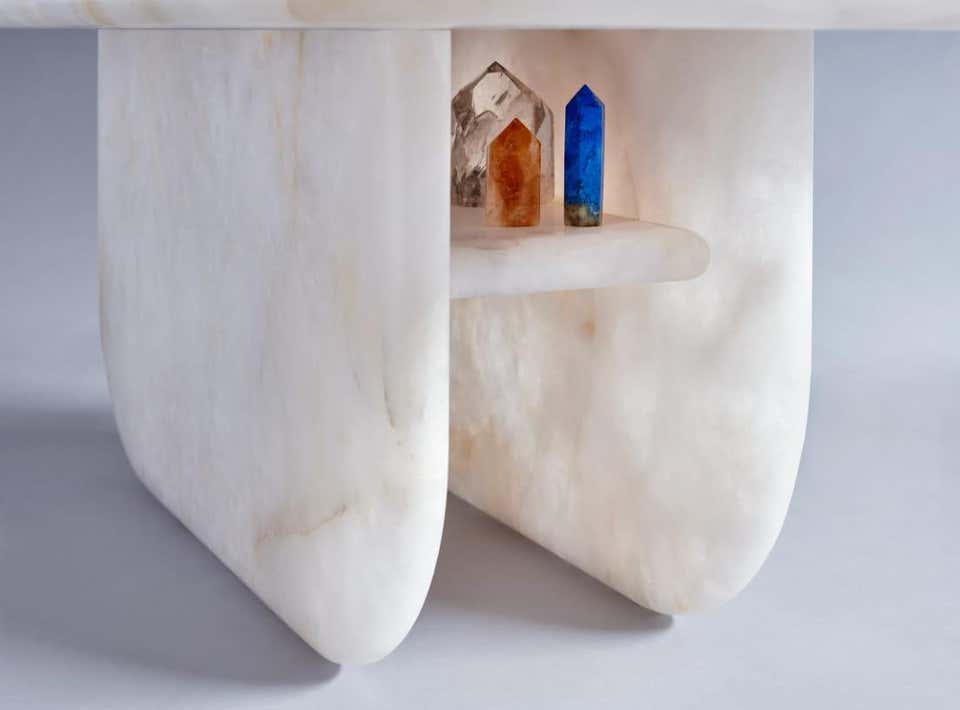
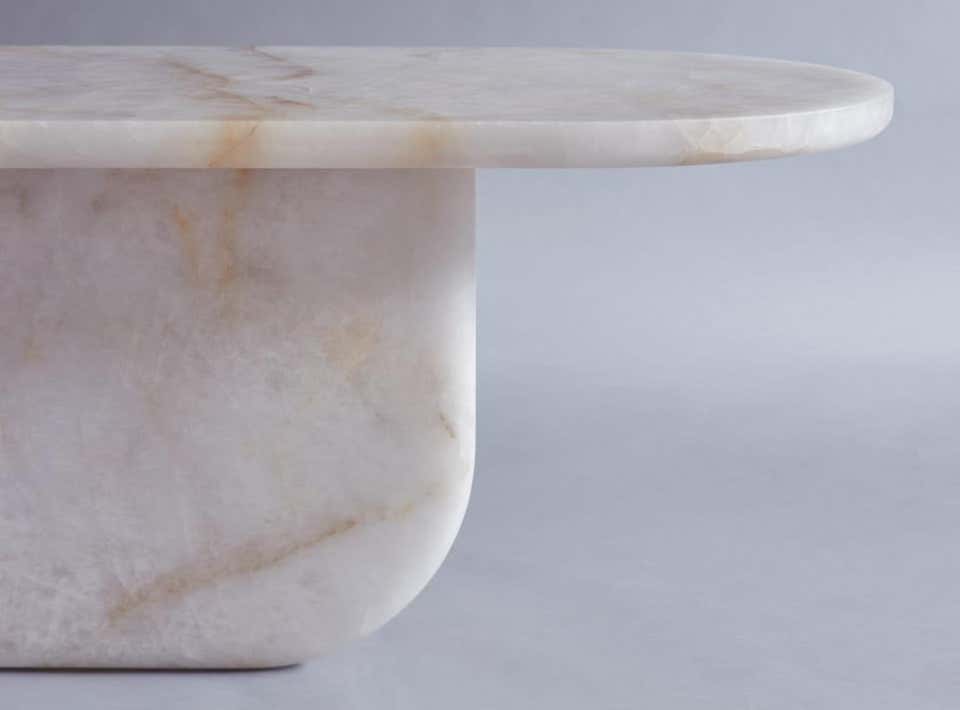
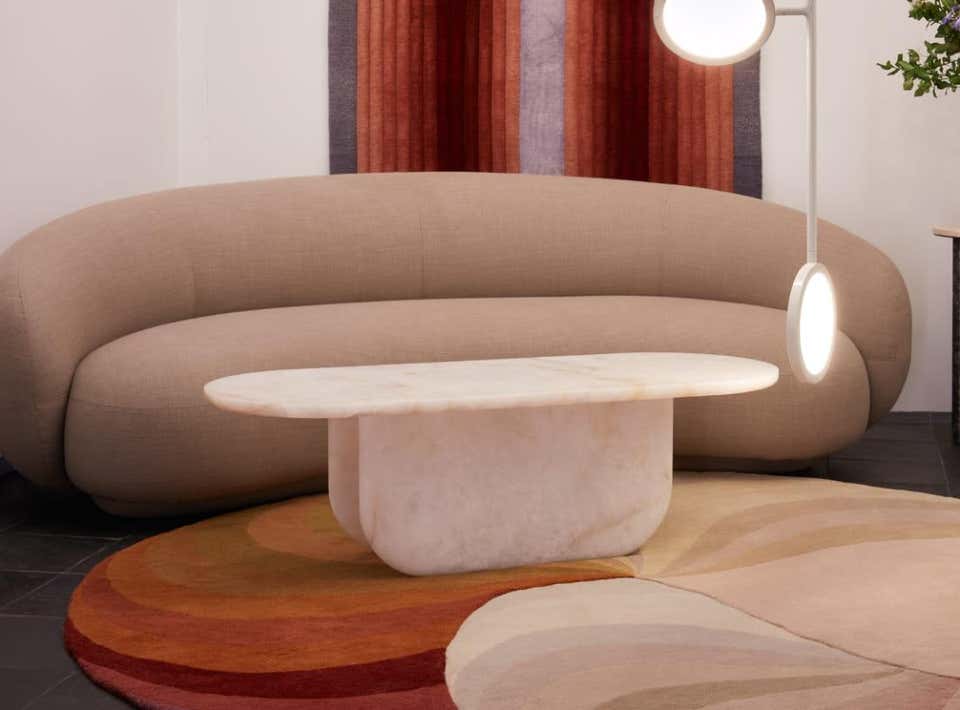
For the Amplifier Table specifically, it started with a remark. I was working on a project with crystal and Feng Shui expert Colleen McCann. She was placing a crystal grid, and in dialogue commented that Quartz is a natural amplifier of energy. I loved that idea and wanted to channel it into a piece of work. I felt making a meditation altar out of Quartz would be a way to amplify intentions. Once I found the material, the rest just fell into place.
I really enjoy figuring out how to make technology work for me. I try not to design thinking about fabrication because I don’t want it to stunt the idea. Once I create a form, however, my aim becomes to keep its purity and balance that with manufacturing techniques. Sometimes, the real creativity comes in the manufacturing process.
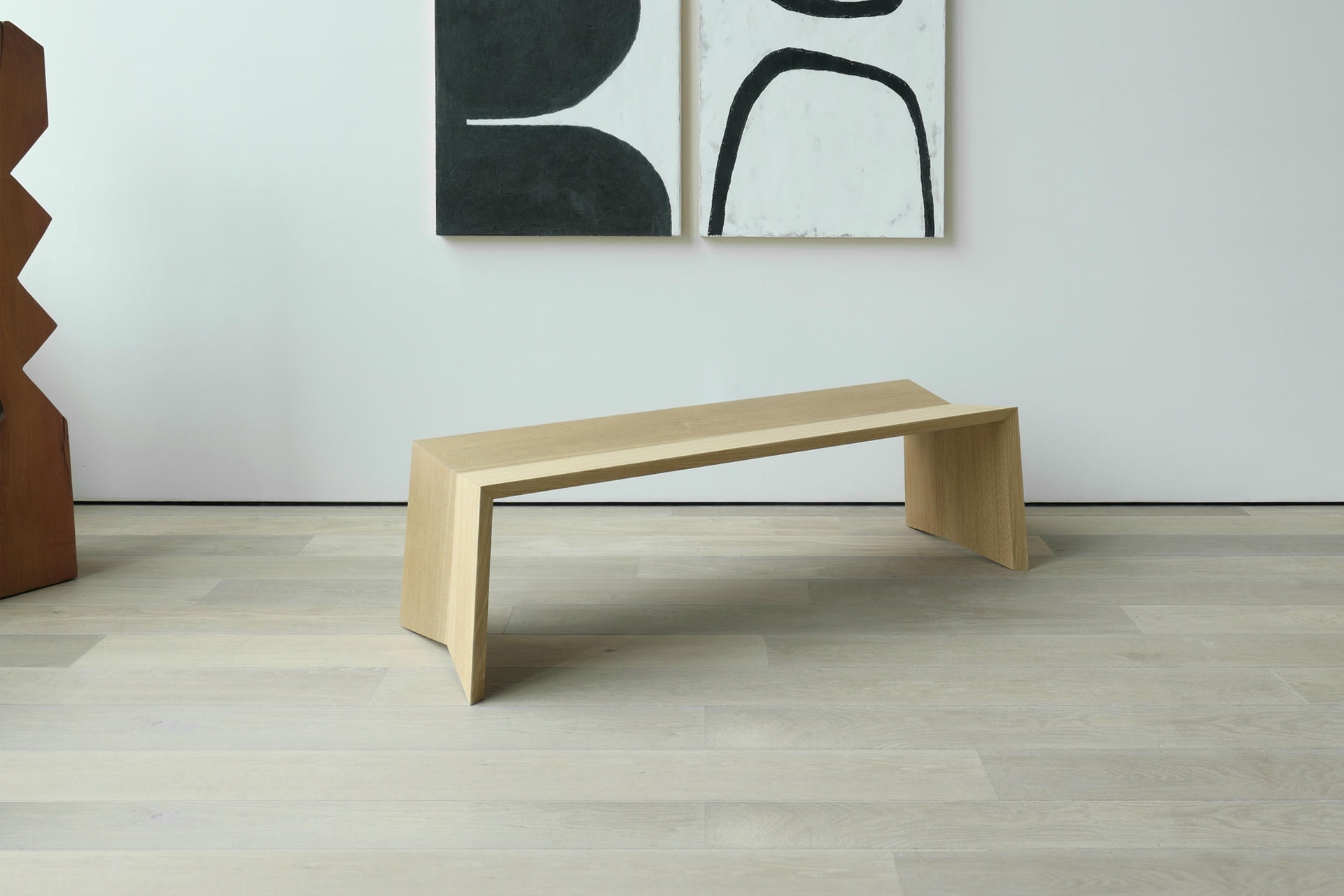
It’s best to have a concept, but if not, just start making something, and the journey will unfold.
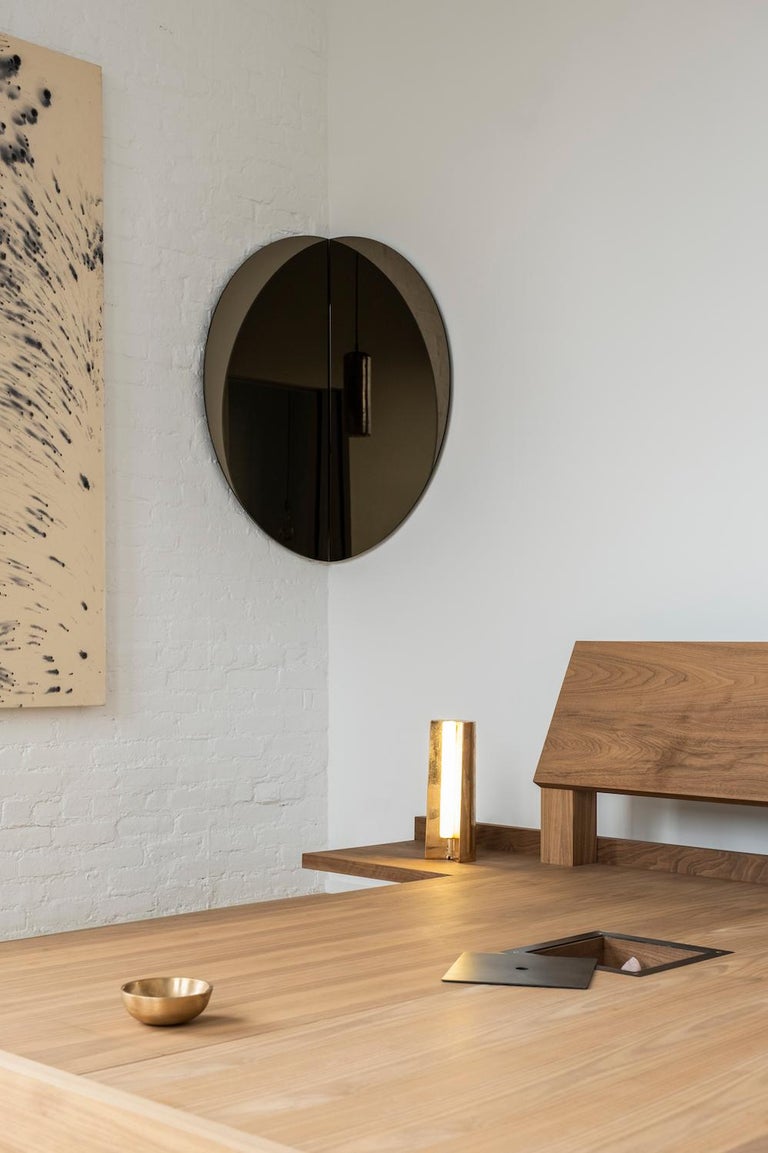
A mix of Modernism, Streamline Moderne, and Minimalism.
In no particular order: Charlotte Perriand, Pierre & Charles Edward Jeanneret, Jean Prouve, Eileen Gray, Gerrit Rietveld, Paul Kolm, Finn Juhl, Alvar Aalto, Eero Saarinen, Bruno Mathsson, Carlo Scarpa, Dieter Rams, Norman Bel Geddes, Raymond Loewy, Hans Wegner, Gino Sarfatti, Ettore Sottsass, Achille Castiglioni, there are many more.
Marc Newson, Konstantin Grcic, Barber & Osgerby, the Bouroullecs, Max Lamb, Linsey Adelman, Patricia Urquiola, and Stephen Burkes.
Olafur Eliasson, Martin Puryear, Blair Thurman, Clintel Steed, Andy Goldsworthy, Richard Serra, Luke Diorio, Judd, Francis Bacon.
Refine, refine, refine.
I am not in my mind.
“Sometimes, the real creativity comes in the manufacturing process.”
The Questions
(The Proust Questionnaire is a set of questions answered by the French writer Marcel Proust.
Other historical figures who have answered confession albums are Oscar Wilde,
Karl Marx, Arthur Conan Doyle, Stéphane Mallarmé, Paul Cézanne…)
Simplicity.
Destitution.
When I’m not living in the moment.
Egotism.
Possibly Will Smith.
My work.
Expansive.
Chastity.
Imagination.
Imagination.
Like, like, like, like, like.
A constant source of humor.
Unpredictable laziness.
Realizing I don’t have to know the answer.
Extraterrestrial.
Canada is moving up on the list.
My grandmother’s wedding band.
Loneliness.
Artist!
I guess it depends on who you ask, I hope it’s honorable.
Trust.
Jersey Kozinski, Ram Dass.
I don’t have one.
None yet.
Anyone who made their dreams a reality.
It depends on the subject.
Product disposability, pollution, waste.
Cancelling a vacation to take a job. Don’t do it.
Without warning.
Go with your gut.
“I like criteria, parameters, and obstacles. They provide a framework to question and create in. When you strike the perfect harmony, it’s unmistakable.”
SHARE :